When you decide to replace your roof, your mind probably goes straight to choosing shingle colors and scheduling the work. One crucial step that often gets overlooked by homeowners is the building permit. The topic of permits can seem bureaucratic and confusing, but it’s a non-negotiable part of any major home improvement project, including roofing. A permit is more than just a piece of paper; it’s a fundamental part of ensuring your project is safe, legal, and up to code.
For homeowners in Columbia, South Carolina, understanding the "why" and "how" of roof permits is essential for a smooth and successful project. Skipping this step can lead to significant headaches, from fines and legal trouble to issues when you try to sell your home.
This guide will demystify the roof permitting process in the Columbia area. We’ll explain why permits are so important, what the process entails, and how partnering with a professional contractor like ColaCity Roofing can handle this entire process for you, providing complete peace of mind.
What is a Roofing Permit and Why is it Required?
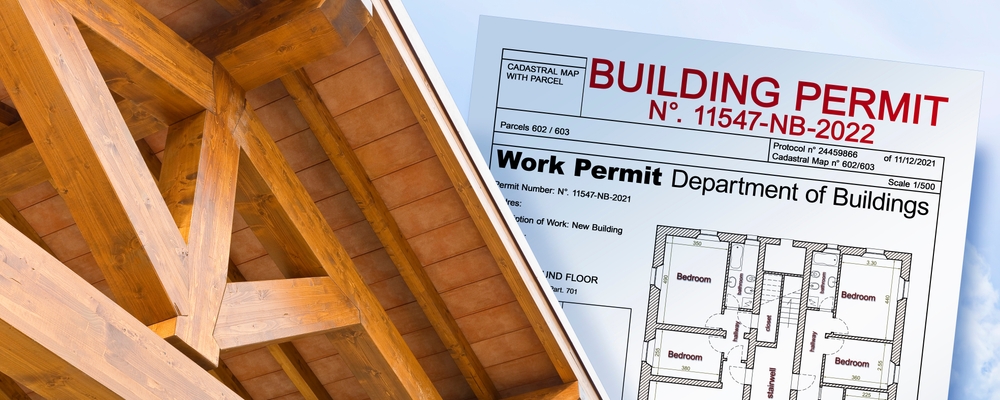
A roofing permit is an official authorization issued by your local building department—in our case, the City of Columbia or Richland County, depending on your address. This permit grants you or your contractor legal permission to proceed with a roof replacement or a major repair.
But why is it necessary? The primary purpose of the permitting process is to protect you, the homeowner. It ensures that the work performed on your home meets the minimum safety and construction standards set by local and state building codes.
The key benefits of securing a permit include:
- Ensuring Code Compliance: Building codes are in place for a reason. They specify requirements for materials, installation techniques, and structural integrity to make sure your roof can withstand local weather conditions, like high winds and heavy rain. A permit triggers an inspection process to verify this compliance.
- Third-Party Verification: A city or county building inspector is a neutral, third-party expert who will examine your contractor’s work. This inspection confirms that the job was done correctly, holding your contractor accountable for the quality of their installation.
- Protecting Your Home’s Value: A permitted roof replacement is a matter of public record. This provides documented proof that the work was done legally and professionally, which is a major asset when you eventually sell your home. Lack of a permit can cause significant delays or even derail a real estate transaction.
- Insurance and Warranty Validity: Many homeowner’s insurance policies and manufacturer’s warranties can be voided if work is completed without the required permits. If an unpermitted roof fails and causes damage, your insurance company may refuse to cover the loss.
Galleries
Latest Projects
Need proof of our skills? Check out our recent roof and gutter work!
The Permit Process in Columbia and Richland County
The process of obtaining a roofing permit involves submitting an application and relevant documents to the appropriate local authority. For residents within the city limits, this is the City of Columbia’s Development Center. For those in unincorporated areas, it’s the Richland County Building Department.
While the specifics can vary slightly, the general steps include:
- Application Submission: The contractor fills out a permit application. This form includes details about the property, the scope of work (e.g., "tear-off and replacement of asphalt shingle roof"), and information about the contractor’s license.
- Documentation: The contractor must provide proof of their South Carolina residential builder’s license and business license. They also need to show they carry adequate general liability and workers’ compensation insurance. This step is crucial as it prevents unlicensed or uninsured individuals from legally working on your home.
- Plan Review (If Necessary): For a standard shingle roof replacement, a detailed architectural plan is not usually required. However, for more complex projects involving structural changes, a plan review might be part of the process.
- Permit Issuance: Once the application is approved and the fee is paid, the permit is issued. The permit card must be posted in a visible location at the job site, usually on a front window or door.
- Inspections: The permit process includes at least one, and sometimes two, mandatory inspections. A "sheathing" inspection may be required after the old roof is torn off to check the condition of the wood deck. A "final" inspection occurs after the new roof is installed to confirm that all work complies with the building code. The inspector will check for proper nailing, flashing installation, and ventilation.
- Final Approval: Once the project passes the final inspection, the permit is "closed out," officially completing the process.
The Serious Risks of Skipping a Roof Permit
Some homeowners or less-reputable contractors might be tempted to skip the permitting process to save a little time and money. This is a shortsighted and risky decision with potentially severe consequences.
- Financial Penalties: If the city or county discovers work being done without a permit, they will issue a "stop-work order" immediately, halting all progress. You will likely face fines that are often double the original permit fee.
- Forced Teardown: In a worst-case scenario, if the unpermitted work is found to be substandard or unsafe, the building department could require you to tear off the new roof and start over—this time with a permit.
- Future Sales Complications: When you sell your home, buyers will conduct due diligence, which can include checking permit records. An unpermitted roof replacement is a major red flag for buyers and their lenders, and you may be forced to get a retroactive permit (which is difficult and expensive) or drastically lower your asking price.
- Liability Issues: If an uninsured worker is injured on your property during an unpermitted job, you could be held personally liable for their medical expenses.
- Safety Hazards: Without the oversight of a building inspector, a contractor can cut corners. Improper installation can lead to premature roof failure, leaks, and structural damage, putting your family and property at risk.
How ColaCity Roofing Provides Total Peace of Mind
Navigating the permitting process can seem like a hassle, but it doesn’t have to be your worry. When you partner with a professional, experienced contractor, they handle everything for you.
At ColaCity Roofing, managing the permitting process is a standard and essential part of our service. We believe in doing things the right way, every time, with no exceptions.
Here’s how we make the process seamless for our clients:
- We Handle All Paperwork: We complete and submit all necessary permit applications to the correct municipal office on your behalf.
- We Are Fully Licensed and Insured: We maintain all required state and local licenses and carry robust insurance policies. We provide this documentation as part of the permit application, so you can be confident you are working with a legitimate professional.
- We Manage All Inspections: We coordinate directly with the city or county inspectors to schedule the required inspections at the appropriate stages of your project. Our project manager will be on-site to meet with the inspector and answer any questions.
- We Guarantee Compliance: Our expert crews are trained to install roofing systems according to all local building codes and manufacturer specifications. We are confident our work will pass inspection every time.
By taking on this responsibility, we remove the burden from you and ensure your new roof is not only beautiful and durable but also fully compliant and legally documented.
Trust the Professionals to Do It Right
A new roof is a significant investment in your home’s safety and value. Don’t compromise that investment by cutting corners on the permitting process. The risks far outweigh any perceived savings.
When choosing a roofing contractor, always ask them how they handle permits. A professional company will have a clear, straightforward answer because it’s an integral part of their workflow.
If you’re ready for a new roof and want the assurance that every detail—including permits and inspections—will be handled with the utmost professionalism, contact ColaCity Roofing today. Let us provide you with a free, comprehensive estimate and show you how a stress-free, fully compliant roofing project is done.