A gutter system is a crucial component of your home’s exterior, tasked with the vital job of protecting your property from water damage. While they may seem like simple channels attached to your roofline, their effectiveness hinges on a precise and often overlooked detail: the pitch. The pitch, or slope, of your gutters is the single most important factor that determines how efficiently water is collected and directed away from your home. An incorrect pitch can render an expensive new gutter system almost useless, leading to overflow, standing water, and a host of potential problems.
Many homeowners assume that gutters are installed perfectly level, but this is a common and damaging misconception. For water to move from your roof to your downspouts, it needs the help of gravity. That’s where gutter pitch comes in. It’s a subtle, carefully calculated downward angle that ensures water flows smoothly toward its designated exit. This guide will provide a deep dive into the concept of gutter pitch, explaining why it’s so critical, how it’s calculated, and the significant risks of getting it wrong. Understanding the science behind proper water flow will empower you to identify issues with your current system and know what to look for when hiring Columbia SC gutter experts for a new installation.
What is Gutter Pitch? A Simple Explanation
In the simplest terms, gutter pitch is the slope at which a gutter is installed. It is the slight, almost imperceptible downward tilt of a horizontal gutter run that guides rainwater toward a downspout. Without this slope, water would sit stagnant in the gutter troughs, creating numerous problems. The pitch ensures that gravity does the work, creating a consistent and reliable flow that clears water from your roofline quickly and efficiently.
Think of it like a river. A river flows from a higher elevation to a lower one. Your gutter system should function in the same way, with the highest point being furthest from the downspout and the lowest point being at the downspout opening. This gentle gradient is the engine of your entire water management system.
The standard, industry-accepted rule for gutter pitch is a drop of at least ¼ inch for every 10 feet of gutter . Some building codes may allow for a minimum of ⅛ inch per 10 feet on shorter runs, but a ¼-inch slope is widely considered the best practice to ensure optimal flow and prevent pooling. For very long sections of gutter (over 40 feet), professionals often increase the pitch or install the downspout in the middle, creating a high point at each end and sloping the gutters down toward the center.
It’s a measurement that requires precision. A pitch that is too shallow will not create enough momentum for water to flow properly, while a pitch that is too steep can cause water to rush too quickly, overshooting the downspout or creating a visibly crooked and unappealing roofline.
The Physics of Water Flow in Gutters
To truly appreciate the importance of pitch, it helps to understand the basic physics at play. The effectiveness of your gutter system is a delicate balance between water volume, velocity, and the physical capacity of the channels.
The Role of Gravity and Slope
Gravity is the force that pulls water through your gutters. However, on a nearly level surface, the surface tension of water and friction from the gutter material can be enough to hold the water in place, especially when only a small amount is present. By introducing a slope, you give gravity the mechanical advantage it needs to overcome this resistance and initiate movement.
A proper pitch ensures that water begins to flow as soon as it enters the gutter. This continuous movement is critical for several reasons:
- Self-Cleaning Action: Consistent water flow helps to carry small debris like shingle grit, pollen, and small leaves toward the downspout. This self-cleaning effect reduces the frequency of clogs and makes maintenance easier.
- Preventing Stagnation: When water pools in a gutter with an insufficient slope, it becomes stagnant. This standing water adds significant weight to the system, can accelerate corrosion of the gutter material, and creates a perfect breeding ground for mosquitoes and other pests.
- Maximizing Capacity: During a heavy downpour, the system’s ability to move water quickly is essential. A properly pitched gutter evacuates water as it arrives, keeping the channel clear to accept more rainfall. A poorly pitched gutter fills up quickly, as the slow-moving water creates a bottleneck that leads to overflow.
The Problem of Insufficient Pitch (Too Shallow)
This is the most common mistake in DIY or unprofessional gutter installation services . When the slope is less than the recommended minimum, several negative consequences arise.
- Pooling and Standing Water: Even a slight dip or a section that is too level will cause water to collect. This is the most obvious sign of an improper pitch. After a rainstorm, you should not see any significant amount of water left in your gutters.
- Debris Accumulation and Clogs: Without adequate water velocity, sediment and leaves settle at the bottom of the trough. Over time, this builds up into a dense sludge that creates blockages. These clogs cause water to back up and spill over the sides.
- Added Weight and System Strain: Water is heavy, weighing approximately 8.34 pounds per gallon. A 40-foot section of 5-inch gutter filled with just one inch of standing water is holding over 100 pounds of extra weight. This constant strain can cause hangers to pull loose from the fascia board, leading to sagging and eventual system failure.
- Ice Dam Formation: In climates that experience freezing temperatures, standing water in gutters is a primary contributor to the formation of ice dams. The water freezes into a solid block of ice, preventing any further drainage. As snow on the roof melts, the water backs up behind this ice dam, seeping under shingles and causing severe roof leaks and water damage to attics and interior walls.
The Problem of Excessive Pitch (Too Steep)
While less common, it is also possible for gutters to be pitched too aggressively. A slope that is significantly more than ½ inch per 10 feet can create its own set of issues.
- Aesthetic Issues: The most immediate problem is visual. Gutters with an extreme pitch will not run parallel to the roofline, creating a crooked and unsightly appearance that detracts from your home’s curb appeal.
- Water Overshoot: During a heavy rainstorm, water flows off the roof with considerable velocity. If the gutter is pitched too steeply, this forward momentum combined with the steep slope can cause water to rush right over the top of the downspout opening, especially on shorter runs.
- Splash-Out at Corners: On complex rooflines, water needs to navigate inside and outside corners. An excessive pitch can cause water to build up speed and splash out at these transition points, soaking the siding and fascia board.
- Ineffective Drainage: While it may seem counterintuitive, a very steep pitch can reduce the effective capacity of the gutter at its highest point. The channel at the start of the run will be positioned higher up on the fascia board, and a portion of its depth will be unusable, making it more likely for water to spill over the front or back edge before it even has a chance to flow downhill.
If you suspect your system is suffering from either of these issues, it is wise to seek professional gutter repair services to have the pitch assessed and corrected.
How to Check Your Gutter Pitch
You don’t have to be a professional to perform a basic check on your gutter’s pitch. While a pro will use a transit level for precise measurements, you can get a good idea of your system’s health with a few simple tools and methods.
The Water Test
This is the easiest and most direct way to see how your gutters are performing.
- Tools Needed: A garden hose and a ladder.
- Process: Safely position your ladder at the end of a gutter run, furthest from the downspout. Have a helper turn on the hose (a gentle, steady stream is best) and run the water into the gutter.
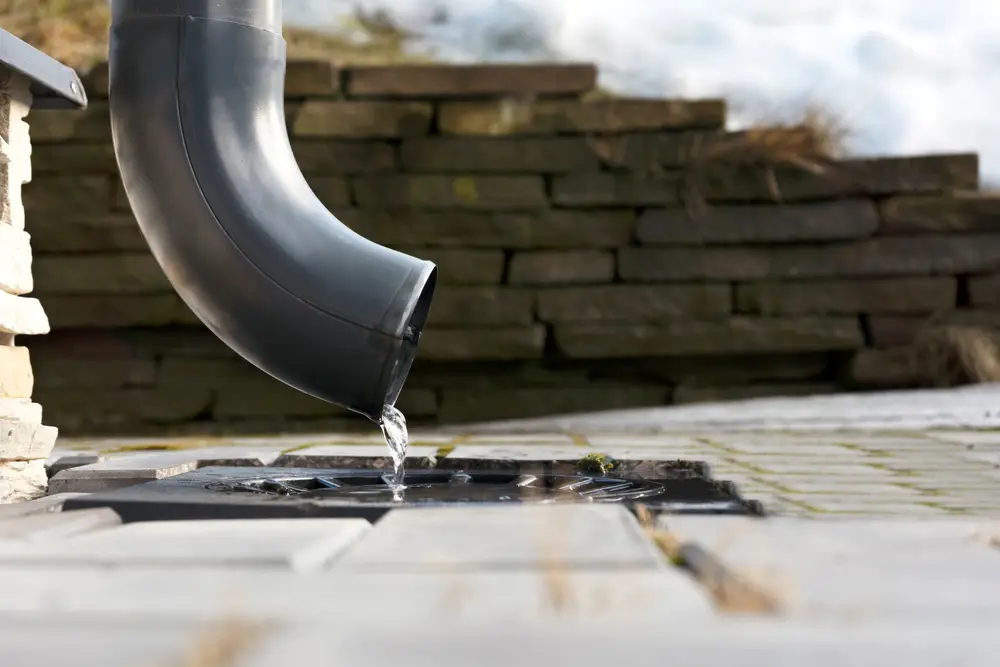
- Observation: Watch the water’s behavior. It should begin to flow toward the downspout immediately. There should be no pooling or areas where the water stands still. Walk the length of the gutter and watch for any sections where water is threatening to spill over the front or back. If the water flows smoothly and exits completely through the downspout, your pitch is likely adequate. If it pools or moves sluggishly, you have a pitch problem.
The Level Test
For a more technical assessment, you can use a standard carpenter’s level.
- Tools Needed: A ladder and a long (at least 2-foot) carpenter’s level.
- Process: Place your ladder in the middle of a gutter run. Rest your level on the top edges of the gutter, running parallel to the house.
- Observation: Look at the bubble in the level. It should show a slight tilt downward in the direction of the downspout. If the bubble is perfectly centered, your gutter is level and therefore improperly pitched. If it is tilted away from the downspout, you have a serious issue with negative pitch. To approximate the ¼-inch-per-10-feet rule, you can tape a small ¼-inch block to one end of a 10-foot straight board, place the board in the gutter, and then set your level on top. The bubble should be centered when the block is on the "uphill" side.
These simple tests can help you diagnose a problem before it causes significant damage.
Factors That Influence Gutter Pitch Decisions
While the ¼-inch-per-10-feet rule is a great starting point, professional installers consider several other factors when planning a gutter system. This is where the expertise of Columbia SC gutter experts becomes invaluable, as they can tailor the design to your specific home and environment.
Gutter Length and Downspout Placement
The length of a continuous gutter run is the primary factor in determining pitch strategy.
- Short Runs (Under 40 feet): For shorter sections, a single downspout at one end is usually sufficient. The installer will set the pitch to create a continuous slope from the high point at one end to the downspout at the other.
- Long Runs (Over 40 feet): A single, continuous slope over a very long distance becomes problematic. For a 60-foot run, a standard ¼-inch pitch would result in a total drop of 1.5 inches. This can start to look visibly crooked. In these cases, a professional will typically place a downspout in the center of the run. They will then establish a high point in the middle of the gutter section and pitch the gutters downward from the center toward a downspout at each end. Alternatively, they can establish a high point at each far end and slope both sides down toward a single downspout in the middle. This approach effectively cuts the run in half, allowing for proper drainage without creating an unsightly, steep slope.
Local Climate and Rainfall Intensity
The climate in Columbia, SC, with its potential for sudden, intense thunderstorms, demands a gutter system that can handle a high volume of water in a short period. This influences not just the size of the gutters, but also the approach to pitching. In areas with high rainfall intensity, an installer might opt for a slightly steeper pitch (e.g., ½ inch per 10 feet) to increase water velocity and evacuate water more quickly, preventing overflow during a deluge. This ensures the water flow in gutters is fast enough to keep up with the storm.
Roof Style and Complexity
A simple gable roof with two long, straight gutter runs is straightforward. However, complex roofs with multiple hips, valleys, and dormers present a challenge. Water from a roof valley concentrates a large volume of water into one small section of the gutter. A professional installer will recognize these high-flow areas and may adjust the pitch or recommend a larger gutter size for that section to prevent it from being overwhelmed. They ensure that each section of the roof is properly managed and integrated into the overall drainage plan.
The Consequences of Ignoring Proper Gutter Pitch
Failing to ensure your gutters are properly pitched is not a minor oversight; it is a critical error that can lead to some of the most expensive and destructive problems a homeowner can face.
- Foundation Damage: This is the number one risk. When gutters overflow, water saturates the ground directly next to your foundation. The resulting hydrostatic pressure can cause foundation walls to crack, bow, and leak. Foundation repair is an extensive and incredibly expensive undertaking.
- Basement and Crawlspace Flooding: Water pooling around the foundation will inevitably find its way into your basement or crawlspace, leading to water damage, mold growth, and compromised indoor air quality.
- Fascia and Soffit Rot: Overflowing water constantly soaks the wooden fascia board to which the gutter is attached, as well as the soffit beneath it. This leads to wood rot, which weakens the structure and can require costly replacement of these essential roofline components.
- Landscape Erosion: Water that spills uncontrollably from your roof can wash away expensive mulch, topsoil, and plants, carving out destructive channels in your landscaping.
- Pest Infestations: Stagnant water in poorly pitched gutters creates an ideal habitat for mosquitoes to breed. The moisture and rotting wood can also attract termites, carpenter ants, and other wood-destroying insects.
These issues highlight why the small, upfront investment in professional gutter installation services is far more cost-effective than dealing with the catastrophic repair bills that result from a failed system.
The Professional Difference: Precision and Peace of Mind
Achieving the perfect gutter pitch is a job of precision. It requires the right tools, a deep understanding of water dynamics, and the experience to adapt to the unique challenges of each home.
A professional installer begins by conducting a thorough inspection of your roofline and fascia. They check for any existing rot or damage that must be repaired before a new system can be installed. They then take precise measurements and use a transit level or a high-quality laser level to plan the exact pitch for each run.
Using a chalk line, they snap a perfectly straight, sloped line along the fascia board. This line serves as their guide for attaching the gutter hangers, ensuring that the pitch is consistent along the entire length of the gutter. This meticulous process guarantees that every section of your new gutter system will perform exactly as it was designed to.
By hiring a qualified and experienced team, you are not just buying gutters; you are investing in a professionally engineered water management system. You gain the peace of mind that comes from knowing the job was done correctly, in accordance with industry best practices and local building codes, and that your home is protected from the elements.
Your gutter system is a silent defender of your home’s structural integrity. Its performance is almost entirely dependent on the correct pitch ensuring smooth, efficient water flow. Don’t leave this critical detail to chance. If you have any concerns about your current gutters or are planning a new installation, it’s time to consult with the experts. Contact us today to schedule a professional evaluation and ensure your home has the protection it deserves.