
How to Get the Most Value From Your Gutter Installation
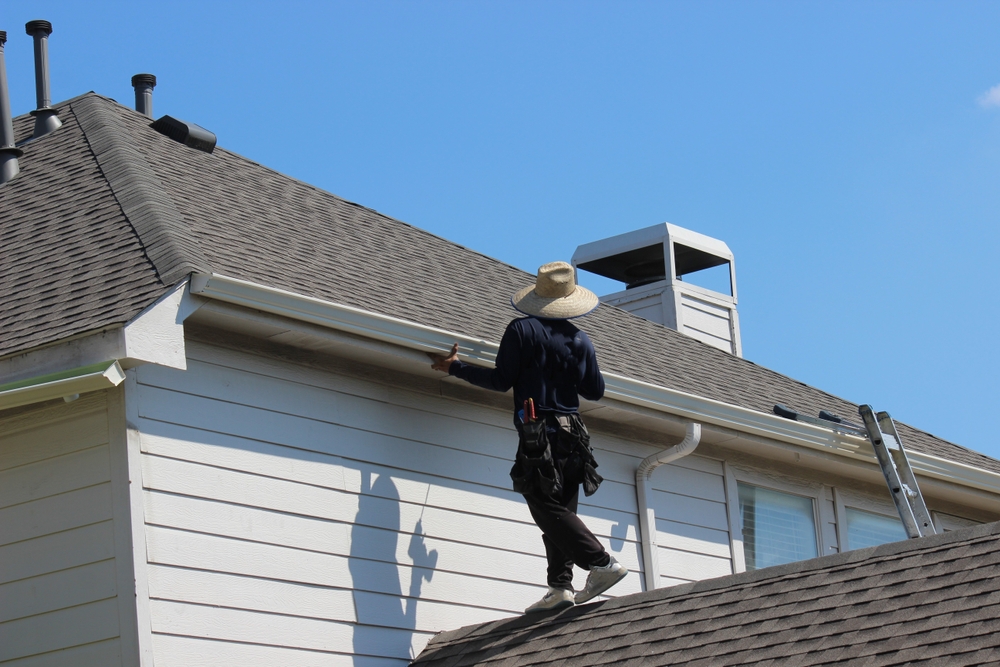
A new gutter installation is a significant investment in your home’s long-term health and protection. This essential system is your first line of defense against water damage, safeguarding everything from your roof and siding to your foundation and landscaping. But the value of this investment isn’t just in the initial installation; it’s realized over years of reliable performance. To truly get the most out of your new gutters, you need a strategy that extends from the initial planning phase to ongoing care. Simply installing gutters and forgetting about them is not enough. Maximizing your return involves making smart choices upfront, committing to regular upkeep, and knowing when to call in professionals. An efficient gutter system doesn’t just happen by accident—it is the result of quality materials, expert installation, and consistent maintenance. This comprehensive guide will provide actionable gutter maintenance tips and expert advice to help you maximize your gutter’s lifespan. We will explore how choosing the right materials and professional installers sets the foundation for success and how simple, routine care can keep your system functioning at peak performance for decades. By following these steps, you can ensure your gutter installation provides maximum value and protection for your home year after year. Laying the Foundation: Why Professional Installation and Quality Materials Matter The journey to maximizing the value of your gutter system begins long before the first piece is attached to your home. The decisions you make regarding who installs your gutters and what materials are used will have the most significant impact on their longevity and effectiveness. The Undeniable Value of Professional Installation While a DIY approach might seem like a way to save money initially, improper gutter installation is a leading cause of premature failure and can lead to the very water damage you’re trying to prevent. Professional installers bring experience, precision, and specialized equipment that are crucial for a successful outcome. Here’s why a professional gutter installation is a cornerstone of long-term value: Correct Sizing and Capacity: Professionals will assess your roof’s size, pitch, and the typical rainfall in your area to determine the appropriate gutter and downspout size. A system that is too small will be overwhelmed in a heavy downpour, causing overflows that damage your home. Perfect Pitching: Gutters must be sloped, or “pitched,” correctly—typically a quarter-inch drop for every 10 feet—to ensure water flows smoothly toward the downspouts. An incorrect pitch leads to standing water, which adds weight, promotes corrosion, and becomes a breeding ground for pests. Seamless Fabrication: Most professionals use specialized equipment to create seamless gutters on-site. These are custom-made from a single coil of metal to the exact length of your roofline. Unlike sectional gutters with multiple seams that can leak over time, seamless gutters offer superior durability and a cleaner aesthetic. Secure Fastening: Experts know how to securely attach the gutters to your fascia board using the right type and number of hangers. This ensures the system can withstand the weight of heavy water flow, snow, and ice without pulling away from the house. They can also identify and address issues like rotted fascia boards before installation. Investing in a professional installation from a trusted company like Cola City Roofing ensures your system is built to last from day one, preventing costly repairs and extending the life of your investment. Choosing Materials for Longevity The material you choose for your gutters is another critical decision that affects their lifespan, maintenance needs, and overall value. Aluminum: The most popular choice for a reason, aluminum offers an excellent balance of durability, cost, and low maintenance. It is lightweight, won’t rust, and comes in a variety of colors to match your home’s exterior. High-quality aluminum gutters can easily last 20-30 years with proper care. Steel: Galvanized steel is heavier and stronger than aluminum, making it a good choice for climates with heavy snow and ice. However, it can be prone to rust if the protective zinc coating is scratched. Galvalume, a steel-coated with an aluminum-zinc alloy, offers enhanced rust resistance. Vinyl: While being the most budget-friendly option, vinyl gutters often provide the least long-term value. They can become brittle and crack in cold weather or warp and fade under intense sun exposure. The seams in sectional vinyl systems are also common points of failure. Copper: For the ultimate in durability and aesthetic appeal, copper is unmatched. It will never rust or need painting and develops a beautiful, classic patina over time. While the upfront cost is high, copper gutters can last for 50 years or more, potentially for the life of your home, making them a superb long-term value proposition. Discussing these options with your installer will help you select a material that fits your budget and provides the best long-term performance for your climate. The Most Important Habit: Routine Cleaning and Maintenance Once your high-quality, professionally installed gutter system is in place, consistent maintenance becomes the key to unlocking its full value. A clean gutter is an efficient gutter system. Clogs from leaves, twigs, pine needles, and other debris are the number one cause of gutter failure. Why Gutter Cleaning is Non-Negotiable When gutters become clogged, they cannot perform their function. Water that should be channeled safely away from your home will instead: Overflow: Spilling over the sides, water will saturate your fascia and soffit, run down your siding, and pool around your foundation. Back Up onto the Roof: Water trapped in the gutter can seep under your shingles, leading to rot in the roof decking and potential leaks inside your home. Add Excess Weight: The combination of water and decomposing organic matter is incredibly heavy, putting a strain on hangers and causing the gutters to sag or pull away from the house. Create Ice Dams: In winter, clogged gutters can cause water to freeze at the roof’s edge, creating ice dams that force melting snow under the shingles. Failing to clean your gutters effectively turns a valuable asset into a liability that can cause thousands of dollars in damage. The
Signs It’s Time to Schedule a Gutter Inspection

Your home’s gutter system works tirelessly, season after season, to protect your property from the damaging effects of water. It channels thousands of gallons of rainwater away from your roof, siding, and foundation, playing a vital role in your home’s structural integrity. Yet, because they are out of sight, gutters are often out of mind for many homeowners. Neglecting them can lead to clogs, damage, and a cascade of expensive problems that could have been easily prevented with routine checks. Regular gutter maintenance is one of the most important aspects of homeownership, but how do you know when your system needs attention? Waiting for a major leak or overflow during a heavy storm is a reactive approach that often means the damage is already done. A proactive strategy involves knowing the subtle and not-so-subtle signs that indicate it’s time for a professional gutter inspection. Recognizing these warning signals early can save you from costly repairs to your roof, foundation, and landscaping. This guide provides essential gutter inspection tips for every homeowner. We will walk you through the key indicators that your gutters are in distress, from visible cracks and sagging to water stains and overflowing channels. By learning what to look for, you can take timely action to prevent gutter damage and ensure your home remains protected. The Obvious Red Flags: Visible Signs of Gutter Damage Some of the most common indicators of gutter trouble are those you can spot from the ground. Taking a few minutes to walk around your property, especially after a storm, can reveal clear signs that your gutters need immediate attention. Don’t ignore these visual cues; they are your gutter system’s way of crying out for help. Cracks, Holes, and Rust Spots The primary job of a gutter is to be a watertight channel. Any breach in its surface compromises its ability to function correctly. Cracks and Holes: Even small cracks or holes can allow a significant amount of water to escape. This leakage can run down your siding, seep behind your fascia boards, and pool around your foundation. Cracks often form along seams in sectional gutters or can result from impact damage from ladders or fallen branches. Vinyl gutters, in particular, can become brittle with age and sun exposure, leading to cracking. Rust and Corrosion: If you have galvanized steel gutters, the appearance of orange or reddish-brown spots is a major red flag. Rust indicates that the protective coating has worn away, and the metal is beginning to corrode. Rusted sections are weak and will eventually develop holes, leading to leaks. Once rust appears, it tends to spread, so addressing it quickly is crucial. If you spot any of these issues, it is a clear sign that a repair or replacement is necessary. Our team offers professional gutter repair services to address these problems before they escalate. Sagging or Pulling Away from the House Gutters should be securely fastened to the fascia board and maintain a straight, consistent line along the roof’s edge. If you notice your gutters are sagging, bowing in the middle, or pulling away from the house, it points to a serious problem. This issue is often caused by excess weight. Clogged gutters filled with water, leaves, and debris can become incredibly heavy, putting immense strain on the hangers and fasteners that hold them in place. The fasteners can pull out of the fascia board, causing the gutter to detach. A sagging gutter is not only an eyesore but also a functional failure. The sag creates a low point where water will pool instead of flowing toward the downspout. This standing water accelerates corrosion, provides a breeding ground for mosquitoes, and adds even more weight to the system, worsening the problem. Furthermore, if the fasteners have pulled out, the fascia board itself may be rotted and unable to provide a secure anchor. This is a critical issue that requires immediate professional inspection. Broken or Misaligned Downspouts Downspouts are the vertical pipes that carry water from the gutters down to the ground and away from your home. If a downspout is broken, disconnected, or improperly aimed, the entire system fails at its last and most important step. Water will be deposited directly at the base of your home, where it can cause the most damage to the foundation. Regularly check that your downspouts are securely attached to the wall of your house and that all sections are connected. Ensure that the elbow at the bottom directs water at least four to six feet away from the foundation. If downspouts are clogged or damaged, water can back up into the gutter system or spill out at the top, rendering the gutters useless. Water-Related Clues: Following the Trail of Moisture Water has a way of leaving clues. Even if you can’t see physical damage on the gutters themselves, telltale signs of moisture in the wrong places can alert you to a problem. These signs often indicate that your gutters are clogged and overflowing, even if it’s not happening during your visual inspection. Water Stains on Siding and Fascia Take a close look at the exterior of your home, particularly on the fascia boards directly behind the gutters and on the siding below. Dark streaks, discoloration, or peeling paint in these areas are classic signs of a water problem. When gutters overflow, water spills over the back and runs down the fascia. This constant moisture exposure will cause paint to peel and can lead to the wood rotting over time. Water spilling over the front of the gutter will cascade down your siding, carrying dirt and shingle granules that create ugly stains. This not only detracts from your home’s curb appeal but can also lead to moisture getting trapped behind the siding, causing mold and structural issues. Pooling Water and Erosion Around the Foundation One of the most critical functions of a gutter system is to protect your foundation. After a rainstorm, walk around your home and look for signs of pooling water or
How Gutter Installation Protects Your Roof Investment
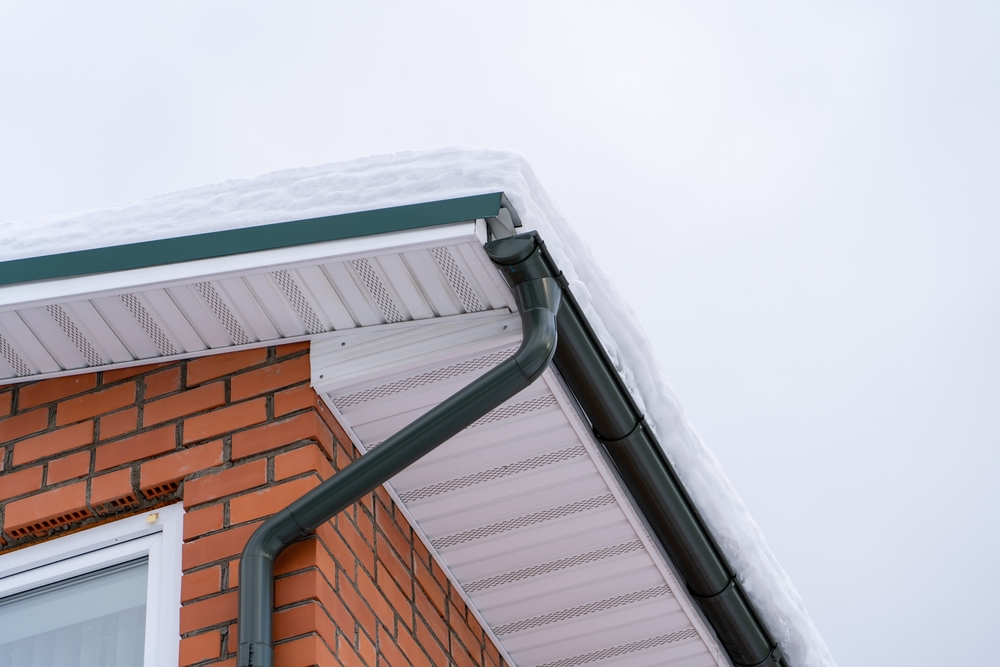
Your home’s roof is one of its most significant investments, acting as the primary shield against the elements. While shingles, underlayment, and flashing are the most visible components of this shield, an often-overlooked system plays a crucial role in its longevity and effectiveness: the gutters. A properly functioning gutter system is not just an accessory; it is an essential part of your home’s defense against water damage. Without it, rainwater runoff can cause extensive harm to your roof, foundation, and landscaping. Understanding how gutter installation protects your roof is key to proactive home maintenance. This system is designed to collect rainwater from the roof and channel it safely away from your home’s structure. When this process works correctly, it prevents a cascade of potential problems that can be both costly and time-consuming to fix. From protecting the structural integrity of your roof decking to preventing basement flooding, the benefits of a well-maintained gutter system are immense. This guide will explore the critical role gutters play in preserving your roof and your entire home. We will cover how professional gutter installation prevents water damage, extends the life of your roof, and ultimately saves you money on expensive repairs. Investing in your roof’s health means looking at the whole picture, and gutters are a major part of that. The Critical Role of Water Management for Roof Longevity Water is the number one enemy of any roofing system. Persistent moisture can lead to rot, mold, and structural decay, compromising the materials that keep your home safe and dry. A roof’s primary function is to shed water, but where that water goes next is just as important. This is where the importance of effective water management, achieved through a quality gutter system, becomes clear. How Uncontrolled Rainwater Damages Your Roof Without gutters, rainwater flows freely off the edge of your roof. While this might seem harmless, the cumulative effect can be devastating. Fascia and Soffit Damage: The fascia is the long, straight board that runs along the lower edge of the roof, and the soffit is the underside of the roof’s overhang. Uncontrolled water runoff continuously soaks these wooden components. Over time, this moisture exposure leads to rot, peeling paint, and structural weakness. Damaged fascia can become detached, making it unable to support the gutter system and exposing the roof’s edge to further damage. Roof Decking and Rafter Rot: Water that backs up due to clogged or non-existent gutters can seep under the shingles and saturate the roof decking—the plywood or OSB sheathing that forms the roof’s foundation. When the decking becomes waterlogged, it can rot, sag, and lose its structural integrity. This compromises the entire roofing system, often requiring a complete replacement of the affected sections. Shingle and Underlayment Degradation: While shingles are designed to be water-resistant, they are not meant to be submerged. When water pools on the roof or constantly splashes back from the ground, it can accelerate the degradation of the shingles’ protective granular coating. This makes them brittle and more susceptible to damage from wind and sun. The underlayment beneath can also become saturated, leading to leaks inside your home. Proper gutter installation benefits your home by creating a controlled channel for this water, directing it away from these vulnerable areas. This simple but effective mechanism is a cornerstone of comprehensive roof protection. Preventing Foundation Damage and Basement Flooding The impact of poor water management extends far beyond the roof itself. When water is allowed to pour directly off the roofline and pool around your home, it poses a significant threat to your foundation. This is one of the most critical reasons why investing in a professional gutter system is a wise decision for any homeowner. The Connection Between Gutters and Foundation Stability Your home’s foundation is designed to support the entire structure, but it is vulnerable to the powerful effects of water. Soil expands when it becomes saturated and contracts as it dries. When water constantly pools around your foundation, it creates a cycle of expansion and contraction that exerts immense pressure on the concrete. Over time, this pressure can lead to: Cracks in the Foundation: Small cracks can appear initially, which then widen over the years, compromising the structural integrity of your home. Shifting and Settling: Uneven soil moisture can cause parts of the foundation to settle or shift, leading to sloped floors, sticking doors, and cracks in interior walls and ceilings. Basement and Crawlspace Flooding: Hydrostatic pressure can force water through even the smallest cracks in your foundation walls, leading to a damp or flooded basement. This creates a perfect environment for mold and mildew growth, which can cause health problems and damage stored belongings. A functional gutter system prevents water damage by collecting the thousands of gallons of water that fall on your roof during a storm and channeling it through downspouts to a safe distance from your home. This keeps the soil around your foundation stable and dry, preventing the costly and complex issues associated with foundation damage. If you notice signs of water pooling near your home, it may be time for a professional inspection. Sometimes, all that is needed are gutter repair services to restore proper function. Protecting Your Siding and Landscaping The damage from uncontrolled roof runoff doesn’t stop at the foundation. The exterior of your home and the landscaping you’ve worked hard to cultivate are also at risk. Gutters provide an essential layer of protection for your home’s curb appeal and value. How Gutters Safeguard Your Home’s Exterior When water cascades off your roof, it inevitably splashes against your home’s siding. This constant exposure to moisture can cause a variety of problems depending on your siding material: Wood Siding: Can warp, rot, and grow mold or algae. Vinyl Siding: Can develop stains from dirt and minerals in the splashing water, and moisture can get trapped behind it. Brick and Masonry: Can suffer from efflorescence (white, salty deposits) and mortar deterioration over time. This splashing water doesn’t just contain rain;
What Warranties Should You Expect With Gutter Installation?
When you invest in a home improvement project, you aren’t just buying a product; you are buying peace of mind. Whether it’s a new roof, upgraded windows, or a fresh coat of paint, you want to know that your investment will last. This is especially true for gutter systems. While they might seem like simple metal troughs attached to your eaves, gutters are sophisticated water management systems that protect your home’s foundation, siding, and landscaping from water damage. Because of their critical role, understanding the protection behind the purchase is essential. When you receive a quote for a new system, the price is important, but the gutter installation warranties attached to that price are equally vital. A low bid with no warranty can end up costing you double in the long run if the system fails or leaks within a year. At Cola City Roofing, we believe in transparency. We want our neighbors in the Columbia SC roofing market to feel confident in their decisions. In this comprehensive guide, we will dismantle the complex world of warranties, explaining exactly what you should expect, what red flags to look for, and how to ensure your home remains protected for decades to come. The Two Pillars of Gutter Warranties To navigate the market effectively, you first need to understand that “warranty” is a broad term. In the roofing and gutter industry, comprehensive coverage usually consists of two distinct parts: the manufacturer’s warranty and the workmanship warranty. Understanding the difference between these two is the first step toward home maintenance security. 1. The Manufacturer’s Material Warranty This warranty comes directly from the company that made the physical gutter materials—the aluminum coils, the hangers, the downspouts, and the sealants. This protection covers defects in the product itself. What it typically covers: Premature rusting, peeling paint, chipping, cracking, or fading beyond normal limits. For example, if the specialized paint finish on your aluminum gutters starts to flake off after two years, the manufacturer’s warranty would likely cover the cost of the replacement materials. What it doesn’t cover: Poor installation. If the gutter was made perfectly but falls off the house because the installer used the wrong screws, the manufacturer will not pay for it. Typical duration: These can range widely, from 20 years to a lifetime, depending on the material quality (e.g., aluminum vs. copper vs. galvanized steel). 2. The Workmanship (Installation) Warranty This warranty is provided by the contractor or roofing company that installs the system. It is a promise that they have done the job correctly according to industry standards. What it typically covers: Leaks at seams, sagging due to improper hanger spacing, pitch issues (water not draining), and gutters pulling away from the fascia. Basically, if the failure is due to human error during installation, this warranty covers the fix. What it doesn’t cover: Material failure (that’s the manufacturer’s job) or damage caused by external forces like falling tree limbs or severe storms. Typical duration: This varies significantly by contractor. Some offer 1 year, while reputable companies often offer 5, 10, or even lifetime workmanship warranties. Why Warranties Matter for Gutter Protection You might think, “It’s just gutters; what could go wrong?” The answer is: a lot. A failed gutter system is not just an annoyance; it is a threat to your home’s structural integrity. Protecting Your Financial Investment A quality gutter installation is a significant financial commitment. If you pay thousands of dollars for a new system, you should not have to pay again two years later because the corner miters are leaking. A strong warranty acts as an insurance policy for your wallet, ensuring you won’t be hit with unexpected repair bills for problems that weren’t your fault. Ensuring Accountability A warranty forces accountability. A contractor who offers a long-term workmanship warranty is essentially betting on their own skills. They are incentivized to do the job right the first time because they know that coming back to fix mistakes cuts into their profit. If a company offers no warranty or a very short one (like 30 days), it suggests they lack confidence in their own work. Long-Term Home Value Transferable warranties can be a major selling point. If you decide to sell your home, being able to hand the new owners a document stating that the gutters are under warranty for another 15 years adds tangible value to the property. It assures buyers that the home has been cared for and that they won’t face immediate maintenance expenses. Material Warranties: Deep Dive by Material Type Not all gutters are created equal, and neither are their warranties. The material you choose for your gutter protection system plays a massive role in the warranty coverage you can expect. Aluminum Gutters Aluminum is the most popular choice for residential homes in South Carolina because it is lightweight, rust-resistant, and cost-effective. Expectation: Most high-quality aluminum gutter materials come with a warranty specifically covering the finish (paint). You should expect a warranty of at least 20 years against chipping, peeling, or blistering. Some premium manufacturers offer limited lifetime warranties on the material itself. The Caveat: These warranties often prorate over time, meaning the coverage percentage decreases the older the system gets. Copper Gutters Copper is the premium option, often chosen for historic homes or high-end aesthetics. It naturally develops a patina over time and does not rust. Expectation: Because copper is naturally durable and doesn’t rely on a paint finish, material warranties are often very long—typically 50 years to a lifetime. The Caveat: Copper is soft. Warranties will not cover dents from hail or ladders. The warranty is strictly for the structural integrity of the metal. Steel (Galvanized or Galvalume) Steel is stronger than aluminum but heavier and prone to rust if the coating is compromised. Expectation: Warranties for steel gutters are generally shorter than aluminum, often in the 10-20 year range, because the risk of rust is higher. The Caveat: Read the fine print regarding “coastal proximity.” In some warranties, if you live
Why Free Gutter Inspections Matter
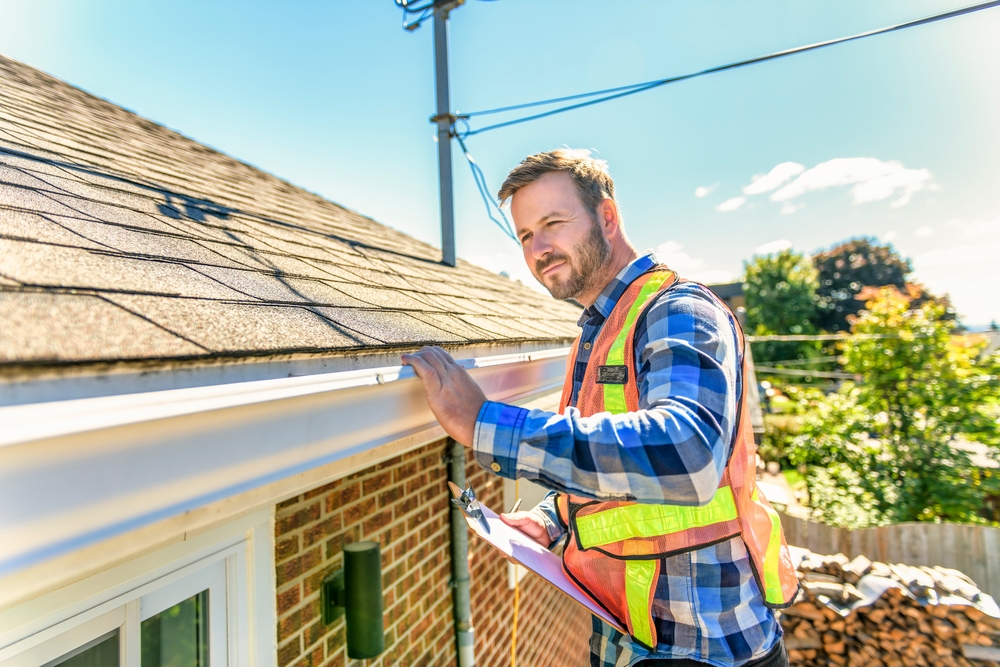
Every homeowner knows the drill: the weekend arrives, and the “to-do” list seems to grow longer by the minute. Between mowing the lawn, checking the HVAC filters, and organizing the garage, it is easy to overlook the silent workhorses of your home’s exterior—your gutters. High up on the eaves, out of direct line of sight, gutters often go unnoticed until a heavy rainstorm reveals a waterfall cascading over the edge or a damp spot appears on the ceiling. By the time you notice a problem, the damage is often already done. This is exactly why free gutter inspections are not just a marketing perk; they are a vital tool for home maintenance. They bridge the gap between “out of sight, out of mind” and proactive protection. At Cola City Roofing, we believe that knowledge is power. Understanding the state of your drainage system allows you to make informed decisions before emergency repairs drain your bank account. In this comprehensive guide, we will explore why scheduling a professional assessment is one of the smartest financial and structural decisions you can make for your property. The Hidden Dangers of Neglected Gutters To understand the value of an inspection, you first need to understand the risks of neglect. Gutters are not just decorative trim; they are a sophisticated water management system designed to divert thousands of gallons of rainwater away from your home’s vulnerable areas. When they fail, the consequences are far-reaching. The Threat to Your Foundation Water is the natural enemy of your home’s foundation. When gutters are clogged or misaligned, water pours directly down the side of your house and pools around the base. Over time, this saturation causes the soil to expand and contract, putting immense pressure on your foundation walls. This can lead to cracks, shifting, and eventually, structural failure. A simple inspection can identify pitch problems or blockages that lead to this pooling water. Fascia and Soffit Rot Your gutters are attached to the fascia board. When gutters overflow, water backs up and submerges this wood. Since fascia and soffits are not designed to be underwater, they eventually rot. This not only threatens the security of the gutter system itself but also opens a doorway for pests like squirrels, birds, and insects to enter your attic. Basement Flooding and Mold If you have a basement or crawlspace, gutter maintenance is your first line of defense against flooding. Water that isn’t diverted away from the house will find the path of least resistance, which is often through porous concrete or small cracks in your foundation walls. Once moisture enters your home, it creates the perfect breeding ground for mold, which poses serious health risks to your family. The Financial Upside: How Free Inspections Save You Money Many homeowners hesitate to call a professional because they fear the cost or the “upsell.” However, utilizing a free inspection service is actually a strategy for saving money. It is the difference between preventative maintenance and emergency triage. Preventative Maintenance vs. Catastrophic Repair Imagine a small leak in a corner joint of your gutter. A tube of sealant and a minor adjustment during a routine repair visit might cost very little. Now, imagine ignoring that leak for two years. That steady drip rots the fascia board behind it, travels down the siding causing discoloration, and seeps into the wall cavity, rotting the framing studs. Suddenly, a fifty-dollar fix has turned into a multi-thousand-dollar renovation project. Free gutter inspections allow experts to catch these minor issues when they are still minor. It gives you the chance to address small repairs before they cascade into major structural failures. Extending the Lifespan of Your System Gutters, like any other component of your home, have a lifespan. However, that lifespan can be significantly shortened by neglect. Heavy debris left in gutters holds moisture, which can rust galvanized steel or weigh down aluminum until it bends and warps. Regular check-ups ensure that your system remains clean and functional, helping you get the full value out of your initial investment. If you do need a replacement, our Gutter Installation Services ensure you get materials that last. Early Detection: Catching Issues Before They Become Disasters Professional roofers have trained eyes. While you might look at your gutters and see “leaves,” a professional sees “signs of wear.” This expertise is the core value of a free inspection. Identifying Improper Pitch One of the most common issues that homeowners miss is improper pitch. Gutters need to slope slightly toward the downspouts to ensure water flows correctly. If the pitch is too flat, water sits stagnant, breeding mosquitoes and causing corrosion. If the pitch is too steep, water rushes too fast and overshoots the corners. During an inspection, we use levels and flow tests to ensure the physics of your system are working in your favor. Spotting Seal Failure Seamless gutters are fantastic, but they still have end caps and corner miters that rely on sealants. Over time, UV exposure from the South Carolina sun causes these sealants to dry out and crack. These micro-failures are hard to spot from the ground, but an inspector on a ladder can identify them immediately. Catching a failed seal early is the key to prevent water damage to your landscaping and siding. Checking Downspout Functionality The gutter is only half the battle; the downspout is the other half. An inspection includes checking downspouts for internal blockages that you cannot see. If a tennis ball or a bird’s nest blocks a downspout, the entire gutter system becomes useless. We ensure that the exit path is clear and that water is being deposited far enough away from your home. Protecting Your Roof Investment Your roof and your gutters work as a unified system. When one fails, the other suffers. This is particularly important for Columbia SC roofing where heavy thunderstorms are common. Ice Dams and Winter Damage While South Carolina isn’t known for harsh blizzards, we do get freezing temperatures. Clogged gutters prevent melting snow or ice
Questions to Ask Before Hiring a Gutter Installation Company
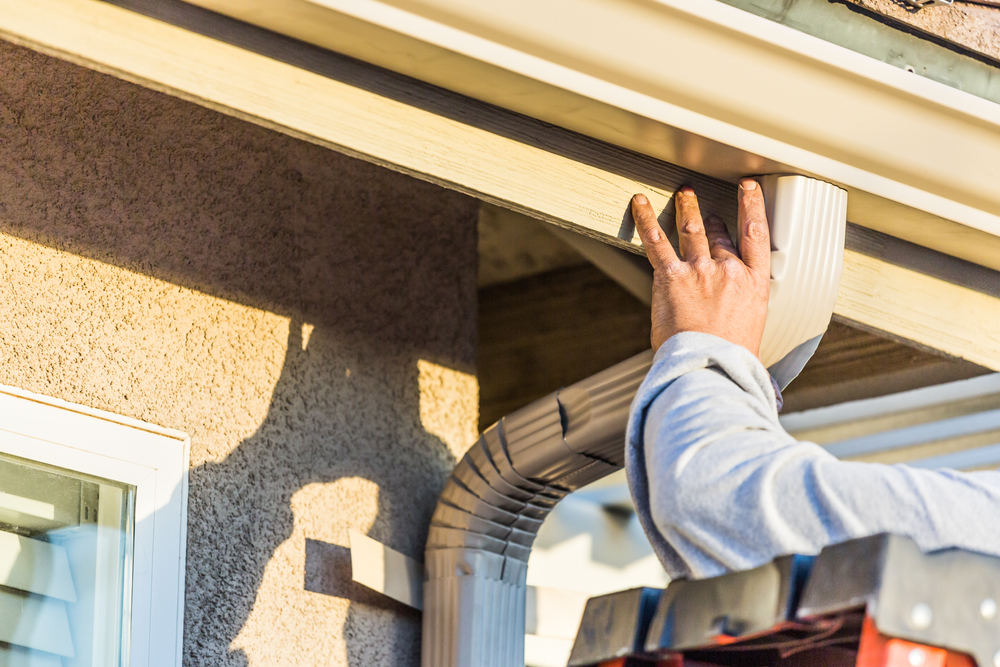
Home improvement projects are exciting, but they can also be stressful. When it comes to something as critical as your home’s drainage system, the stakes are high. Your gutters are the first line of defense against water damage, foundation erosion, and basement flooding. Hiring the wrong company can lead to shoddy workmanship, voided warranties, and a system that fails when you need it most. But how do you separate the professionals from the amateurs? The secret lies in the interview process. Many homeowners simply call for a quote and choose the lowest number, but this approach often leads to regret. By asking the right questions, you can uncover a company’s true level of expertise, reliability, and professionalism. This comprehensive guide covers the essential questions you must ask before signing a contract. From licensing and insurance to material quality and warranty details, we will arm you with the knowledge to hire with confidence. Whether you are looking for gutter installation in Columbia, SC or elsewhere, these questions will help you find trusted gutter services that stand the test of time. 1. “Are You Licensed and Insured?” This should always be your first question. It seems basic, but you would be surprised how many contractors operate without proper credentials. Why Licensing Matters A business license proves that the company is legally registered to operate in your city or county. It shows they are accountable to local authorities. In many areas, specific contractor licenses are also required for roofing and gutter work. This ensures the installer has met certain standards of competency and knowledge. A company operating “under the table” might offer a cheaper price, but they have no regulatory oversight and can disappear overnight. The Critical Importance of Insurance Never hire a contractor who cannot provide proof of insurance. You need to see two types: General Liability Insurance: This protects your property. If a ladder falls on your car or a heavy gutter section smashes a window, this insurance covers the repairs. Without it, you could be forced to sue the contractor or pay for the damages yourself. Workers’ Compensation: This protects you from liability if a worker gets hurt on your property. Gutter installation involves heights, ladders, and power tools—it is inherently risky. If an uninsured worker falls off a ladder at your home, you could potentially be sued for their medical bills and lost wages. Follow-up: “Can you provide a current certificate of insurance?” A reputable company will happily email this to you. 2. “How Much Experience Do You Have with Gutter Installation?” Experience is the best teacher, especially in the construction trades. While general handymen can technically hang gutters, a specialist will understand the nuances of water flow, roof pitch, and fascia integrity. Specific Gutter Expertise You want a company that specializes in or frequently performs gutter work, not a landscaping company that does it on the side. Ask how many gutter jobs they completed in the last year. A company that installs gutters daily will have encountered every possible challenge, from tricky roof angles to rotting wood, and will know exactly how to handle them. Local Knowledge Experience in your specific geographic area is also vital. In Columbia, SC, we deal with intense thunderstorms, high humidity, and heavy pine pollen. A local expert understands how these factors affect gutter performance. They know which materials rust in our humidity and how to size gutters to handle our torrential downpours. 3. “Do You Install Seamless or Sectional Gutters?” This is a technical question that reveals a lot about the quality of the product you will receive. The Problem with Sectional Gutters Sectional gutters are sold in pre-cut pieces (usually 10 feet long) at big-box home improvement stores. They are joined together with connectors and sealant. Every single seam is a weak point that can—and eventually will—leak. They are also prone to snagging debris at the joints, leading to clogs. Generally, professional gutter companies do not install sectional gutters unless specifically requested for a very small repair. The Superiority of Seamless Gutters Professional gutter installation services almost exclusively use seamless gutters. These are custom-fabricated on-site using a machine that rolls a continuous piece of metal from a coil to the exact length of your roofline. The only joints are at the corners. This virtually eliminates leaks and provides a much cleaner, more attractive look. If a company only offers sectional gutters, they likely lack the professional equipment necessary for a high-quality job. 4. “What Gauge and Type of Aluminum Do You Use?” Not all metal is created equal. The thickness (gauge) of the aluminum determines how strong your gutters will be. Primary vs. Secondary Aluminum Ask if they use primary or secondary aluminum. Primary Aluminum: This is newly mined aluminum. It is more consistent in texture and strength. Secondary Aluminum: This is recycled metal. While eco-friendly, it can sometimes be inconsistent in thickness and more prone to expanding and contracting, which can loosen fasteners over time. Thickness Matters The standard for residential gutters is .027 gauge. However, a high-quality installer often recommends or uses .032 gauge aluminum. This thicker metal is much more resistant to bending from heavy rain, snow loads, or the weight of a ladder leaning against it. If a quote is surprisingly low, check the gauge—the installer might be using thin, flimsy aluminum that will dent easily. 5. “What Size Gutters Do You Recommend and Why?” One size does not fit all. Standard residential gutters are 5 inches wide, but 6-inch gutters are becoming increasingly common, especially in areas with heavy rainfall like Columbia. Calculating Capacity A professional will not just guess; they will look at the size and pitch of your roof. A large, steep roof collects a massive amount of water very quickly during a storm. If the gutter is too narrow, water will overshoot the edge and pour onto your foundation, rendering the system useless. Follow-up: “How did you determine that size?” A good answer involves referencing the square footage of your roof and
How to Choose the Right Gutter Installer
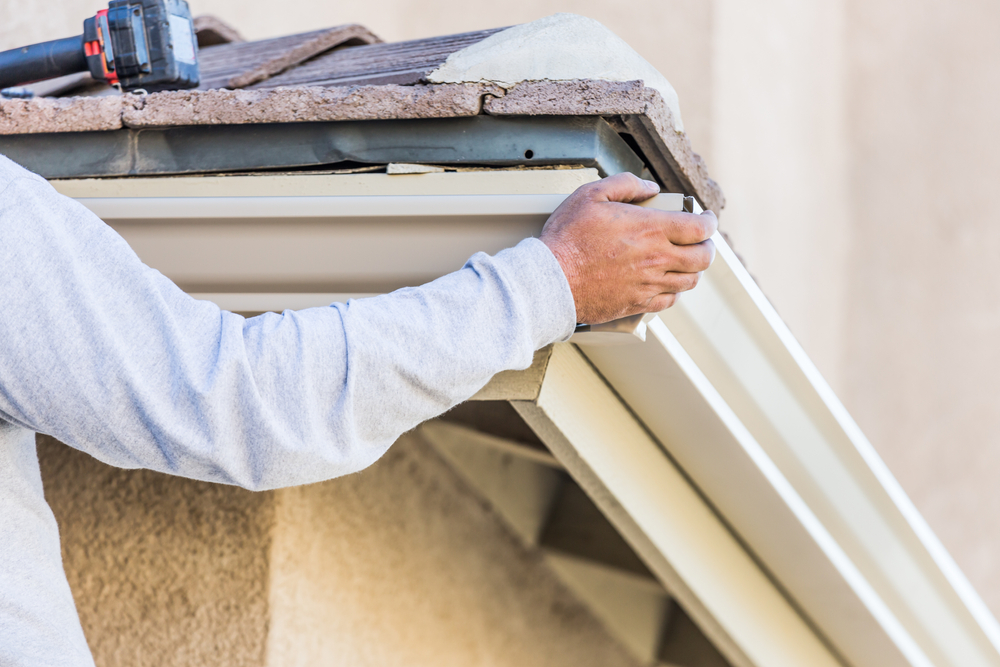
Your gutters are arguably the unsung heroes of your home’s exterior. They don’t get the glory of a freshly painted front door or the curb appeal of a manicured lawn, but they do the heavy lifting when the storms roll in. When functioning correctly, they are invisible protectors, channeling thousands of gallons of rainwater away from your foundation, siding, and landscaping. When they fail—or are installed incorrectly—the damage can be catastrophic and expensive. Choosing the right professional for this job is not just about finding someone with a ladder and a truck. It is about finding a partner who understands water management, uses high-quality materials, and stands behind their workmanship. Whether you are building a new home or replacing an aging system, the decision you make now will impact your home’s health for decades. This guide will walk you through everything you need to know to hire a trusted gutter installer, ensuring your investment is safe and your home remains dry. Why Professional Gutter Installation Matters Before we dive into the vetting process, it is important to understand why this isn’t a DIY project or a job for a general handyman. Gutters require precise pitch (slope) to ensure water flows towards the downspouts rather than pooling in the middle. If the pitch is off by even a fraction of an inch, you risk standing water, which breeds mosquitoes, rusts metal, and adds unnecessary weight to your fascia boards. Furthermore, a professional gutter service understands the specific rainfall patterns of your region. In Columbia, SC, we experience sudden, heavy downpours that can overwhelm standard gutter systems if they aren’t sized correctly. An expert will calculate the square footage of your roof and the pitch to determine if you need standard 5-inch gutters or high-capacity 6-inch gutters to handle the volume. 1. Verify Licensing and Insurance The first and most non-negotiable step in choosing a contractor is verifying their credentials. It sounds like standard advice, but many homeowners skip this step to save time or money. General Liability Insurance Never hire a contractor who cannot provide proof of General Liability Insurance. This protects you in case they damage your property during the installation. Imagine a ladder falling through a window or a gutter section scratching your car in the driveway. Without liability insurance, you could be left footing the bill for their mistake. Workers’ Compensation Roofing and gutter work is inherently dangerous. If an installer falls off a ladder on your property and the company does not have Workers’ Compensation insurance, you could potentially be liable for their medical bills and lost wages. Always ask to see a current certificate of insurance that specifically covers workers’ comp. Business Licensing Ensure the company is legally permitted to operate in your area. A legitimate business will have no issue providing their business license number. This signals that they are accountable to local regulations and are not a “fly-by-night” operation that will disappear once they cash your check. 2. Check for Local Experience and Reputation A national chain might have a big marketing budget, but a local company has a reputation to uphold in the community. When searching for “gutter installation Columbia SC,” look for companies that have deep roots in the area. Community Presence Does the company have a physical address? A PO Box can sometimes be a red flag for transient contractors who move from storm to storm. A local office shows stability and gives you a place to go if you have serious issues that aren’t being resolved over the phone. Longevity How long have they been in business? While every business starts somewhere, a company with 10+ years of experience has likely encountered every possible gutter challenge. They know which materials withstand the local humidity and heat and which sealants fail after a few South Carolina summers. Online Reviews and Testimonials Don’t just look at the star rating; read the content of the reviews. Look for patterns. Positive signs: Customers mentioning that the crew arrived on time, cleaned up nails and debris, and stuck to the quoted price. Red flags: Multiple complaints about leaks appearing weeks after installation, ghosting after payment, or rude behavior from the crew. We encourage you to read through our testimonials to see what your neighbors in the Midlands are saying about our work. Real feedback from real local homeowners is your best tool for gauging reliability. 3. Assess the Quality of Materials Not all gutters are created equal. A “trusted gutter installer” will be transparent about the materials they use. If a quote seems incredibly low, it’s often because the installer is using sub-par materials that won’t last. Material Options Aluminum: The industry standard. It is lightweight, rust-resistant, and comes in many colors. Ensure the installer uses “primary” aluminum, which is thicker and more durable than “secondary” (recycled) aluminum, which can be prone to inconsistent thickness. Copper: A premium choice that ages beautifully to a green patina. It is extremely durable but requires specialized skills to install. Steel: Stronger than aluminum but prone to rust if not galvanized or coated properly. Vinyl: Generally the cheapest option, but we often advise against it for long-term durability as it becomes brittle and cracks in extreme temperatures. Seamless vs. Sectional This is a critical distinction. Sectional Gutters: These come in pre-cut pieces that are joined together with sealants. Every seam is a potential leak point. Seamless Gutters: These are custom-fabricated on-site from a single continuous coil of metal. They are measured to fit your home’s exact dimensions. They have far fewer joints (only at corners and downspouts), drastically reducing the risk of leaks. A high-quality installer will almost exclusively offer seamless options. If a contractor is trying to sell you sectional gutters from a big-box store, it is usually a sign they lack the professional equipment necessary for a top-tier job. Gauge (Thickness) Ask about the gauge of the aluminum. Standard thickness is usually .027 gauge, but .032 gauge is stronger and better able to withstand the weight
Are Cheap Gutters Costing You More in the Long Run?
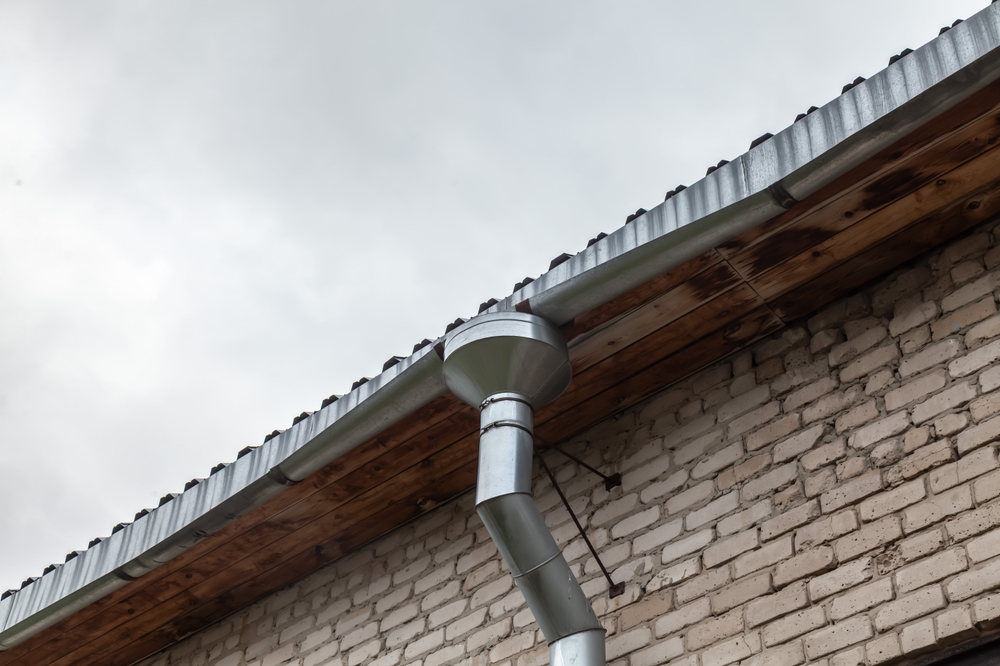
We live in a world where finding a “good deal” feels like a victory. From scouring the internet for discount codes to waiting for holiday sales, saving money is a universal goal. When it comes to home improvement, this instinct naturally kicks in. You need new gutters, you get a few quotes, and one number is significantly lower than the others. It feels like a no-brainer to go with the cheapest option. After all, it’s just metal attached to your roof, right? How different can it be? The answer, unfortunately, is very different. In the roofing and exterior industry, there is an old saying: “The most expensive repair is the one you have to do twice.” When it comes to your home’s drainage system, opting for “cheap gutters” often turns out to be a financial trap disguised as a bargain. While the initial price tag might look attractive, the long-term costs associated with poor materials, subpar installation, and inevitable failures can dwarf the savings you thought you made. Your gutters are not just an accessory; they are a critical functional component of your home’s envelope. They are responsible for managing thousands of gallons of water every year, directing it away from your foundation, siding, and landscaping. When this system fails due to cheap components or shoddy workmanship, the water doesn’t just disappear—it goes where it can do the most damage. In this comprehensive guide, we will explore the hidden dangers of bargain-hunting for gutters. We will break down exactly why cheap gutters fail, the expensive damage they can cause, and why investing in quality from Columbia SC gutter experts is the smartest financial move you can make for your home. The Illusion of Savings: What Does “Cheap” Really Mean? Before we dive into the consequences, let’s define what we mean by “cheap gutters.” We aren’t just talking about a competitive price from a reputable company. We are talking about the bottom-of-the-barrel options that cut corners to drop the price floor. Usually, a “cheap” gutter job involves one or more of the following: Inferior Materials: Using vinyl sectional gutters instead of aluminum, or using extremely thin-gauge aluminum that dents and bends easily. Sectional vs. Seamless: Installing pre-cut sections sold at big-box stores rather than custom-fabricating seamless gutters on-site. Subpar Fasteners: Using spikes and ferrules (big nails) instead of modern hidden hangers with heavy-duty screws. Inexperienced Labor: Hiring a general handyman or an unlicensed contractor who lacks specialized knowledge of water dynamics and roofing systems. On paper, a quote for this type of installation might be hundreds of dollars less than a professional bid. But let’s look at the bill that comes due later. The Anatomy of Failure: Why Cheap Gutters Don’t Last To understand the cost, you have to understand the failure points. Cheap gutter systems are structurally destined to fail sooner than quality systems. 1. The Curse of the Seams The most common hallmark of a cheap gutter job is the use of sectional gutters. These come in 10-foot pieces that are joined together with connectors and sealant. The Problem: Every seam is a weak point. Over time, UV rays from the sun degrade the sealant. Expansion and contraction from temperature changes pull the seams apart. The Result: Leaks. Lots of them. Instead of carrying water to the downspout, your gutter starts dripping water right in the middle of a run, often directly onto your porch steps or against your foundation. The Cost: You will be paying for constant resealing efforts or gutter repair services every few years. 2. Material Weakness High-quality aluminum gutters typically use a .027 or .032 gauge thickness. Cheap installations often use .019 gauge or lightweight vinyl. The Problem: Thin aluminum dents easily from hail or even a ladder leaning against it. Vinyl becomes brittle and cracks in the South Carolina heat and cold cycles. The Result: A single heavy storm or a stray tree branch can crush or crack a cheap gutter, rendering it useless. The Cost: Premature replacement. While a quality aluminum system can last 20+ years, thin materials may need replacing in 5-7 years. 3. Fastener Failure Old-school installation methods used “spikes and ferrules”—long nails driven through the front of the gutter into the fascia. The Problem: As the gutter expands and contracts with heat, it works the nail loose. The weight of water or debris pulls the nail out further. The Result: Sagging gutters. Eventually, the gutter pulls away from the roof entirely, creating a gap where water runs behind the gutter, rotting the fascia board. The Cost: Not only do you have to re-hang the gutter, but you often have to replace the rotted wood fascia behind it—a much more expensive carpentry job. The Domino Effect: How Cheap Gutters damage Your Home The real tragedy of cheap gutters isn’t that you have to replace the metal; it’s the collateral damage they cause to the rest of your house. When gutters fail to manage water, that water attacks your home. The cost of repairing this damage far exceeds the price difference between a cheap installation and a professional one. 1. Foundation Damage: The Nightmare Scenario This is the single most expensive consequence of poor drainage. The Mechanism: When cheap gutters leak or overflow, water pools directly at the base of your home. This saturates the soil, causing it to expand and put hydrostatic pressure on your foundation walls. In winter, this wet soil freezes and heaves. The Damage: Cracks in your foundation slab or basement walls. Settling of the house structure. Uneven floors and cracking drywall inside the home. The Cost: Foundation repairs can easily run from $5,000 to over $20,000. That $300 savings on cheap gutters suddenly looks like a terrible investment. 2. Siding and Exterior Staining Gutters are designed to throw water clear of the house. The Mechanism: Leaky seams or sagging gutters allow dirty roof water to splash back onto your siding. The Damage: Wood siding can rot. Hardie board can stain. Vinyl siding can trap moisture behind
What Impacts the Cost of Gutter Installation?
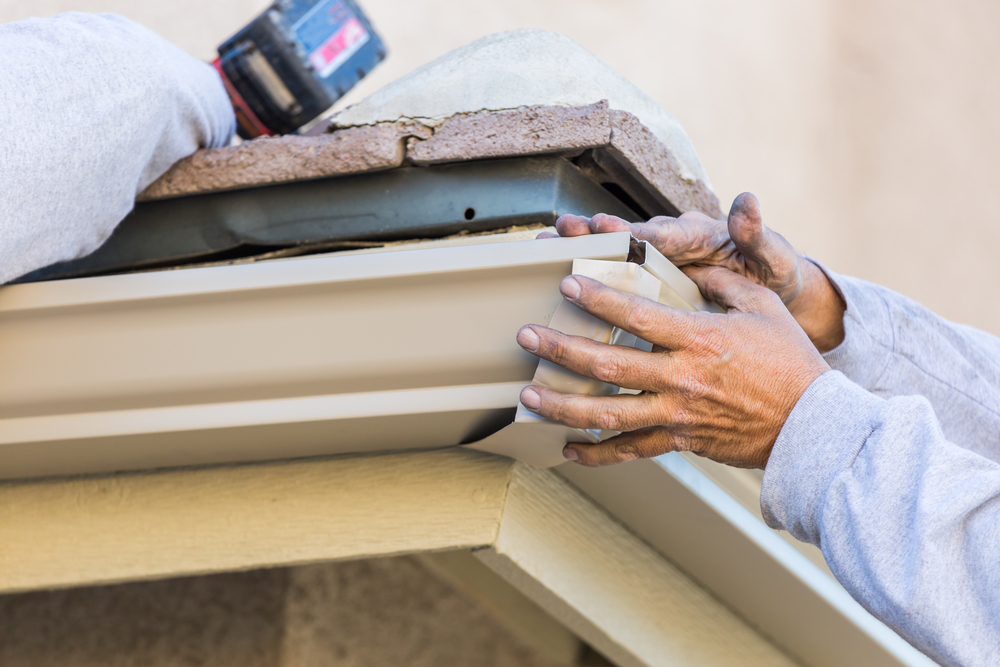
Every homeowner knows the feeling of dread that comes with an unexpected home repair bill. Whether it’s a leaky roof or a flooded basement, maintaining a house is an investment. Gutters are often overlooked until they fail, leading to cascading sheets of water damaging your landscaping or, worse, your foundation. When you finally decide to bite the bullet and replace them, the first question is almost always about price. However, the answer isn’t a simple flat rate. The cost of installing new gutters can vary significantly from one home to another, even on the same street. It’s not just about the length of the gutter; it’s about the complexity of the job, the materials you choose, and the unique architecture of your home. Understanding what drives these costs up or down empowers you to make smarter decisions. It helps you distinguish between a fair quote and an overpriced one, and it allows you to spot “too good to be true” estimates that might cut corners. In this detailed guide, we will peel back the layers of pricing to reveal exactly what impacts the cost of gutter installation, helping you budget for this crucial home improvement project. Whether you are looking for affordable gutter services or a high-end custom system, knowing these factors will turn you into an educated consumer ready to protect your home. The Big Picture: Material Choice is King The single most influential factor in your final bill is the material you choose. It sets the baseline price per linear foot. While labor costs remain relatively stable regardless of the material (though heavier materials cost more to hang), the raw cost of the gutter itself can fluctuate wildly. Vinyl: The Budget-Friendly Option Vinyl is the cheapest material on the market. It is lightweight, won’t rust, and is easy to snap together. Because it is so affordable, it is often the go-to for DIYers or homeowners on a very strict budget. However, “cheap” often comes with a hidden cost: longevity. In areas with extreme temperature swings, vinyl can become brittle and crack. It also tends to fade in the sun. While the upfront cost is low, the replacement cycle is short. Aluminum: The Industry Standard Aluminum strikes the perfect balance for most homeowners. It is moderately priced, rust-resistant, and incredibly durable. It can also be painted to match your home’s exterior. Most professional Columbia SC gutter experts recommend aluminum because it offers the best return on investment. It is strong enough to handle heavy rain and wind but light enough not to stress your fascia boards. Steel: Strength at a Price Galvanized steel is stronger than aluminum, making it a good choice for areas prone to falling branches or heavy debris. However, steel is heavy and harder to install, which drives up labor costs. The biggest downside is rust. Even with galvanization, scratches can lead to corrosion over time, requiring maintenance or premature replacement. Copper and Zinc: The Premium Tier If you want your home to make a statement, copper or zinc gutters are the way to go. These materials are incredibly expensive—often three to four times the cost of aluminum. However, they are virtually indestructible and can last up to 100 years. They develop a protective patina over time that many homeowners find aesthetically pleasing. The cost here isn’t just for the metal; it’s for the specialized craftsmanship required to install it properly. Linear Footage: Size Matters It sounds obvious, but the size of your home dictates the amount of material needed. Contractors measure your roofline in “linear feet.” If you have a simple, rectangular ranch-style home, calculating footage is easy. But if you have a sprawling estate or a multi-level home with different roof sections, the linear footage adds up quickly. However, linear footage isn’t just about the horizontal gutters. It also includes downspouts. A typical installation requires downspouts every 30 to 40 feet. If your home is two stories tall, each downspout requires twice as much material as a single-story home. This vertical footage is often forgotten by homeowners doing rough mental math, but it is a significant part of the material cost. The “Hidden” Complexity Factors Two houses can have the same square footage and require the same amount of guttering, yet receive vastly different quotes. Why? Because accessibility and complexity play a huge role in labor costs. Roof Pitch and Accessibility Contractors have to work safely. A steep roof pitch makes the job more dangerous and requires more safety equipment, harnesses, and time. Similarly, the height of the home matters. working on a single-story home is fast and relatively low-risk. Working on a three-story Victorian home requires 40-foot ladders or scaffolding. The more difficult it is to reach the roofline, the higher the labor cost will be. Corners and Miters Every time your roofline turns a corner, the gutter has to turn with it. These corners are called “miters.” In a seamless gutter system, corners are the only places where seams exist. Creating a clean, leak-proof miter requires skill and time. A complex roof with multiple dormers, bay windows, and hips will have many more corners than a simple gable roof. Each corner adds to the labor time and requires specialized corner pieces or custom fabrication. Fascia Board Condition Your new gutters need something solid to hang onto. That “something” is the fascia board. Before installation begins, a good contractor will inspect the fascia. If the wood is rotted, soft, or damaged by termites, it cannot support the weight of new gutters. It must be replaced or repaired first. This is often an unforeseen cost that arises once the old gutters are removed. Ignoring it isn’t an option; hanging new gutters on rotten wood is a recipe for disaster. Seamless vs. Sectional: The Design Impact The style of gutter manufacturing you choose also impacts the bottom line. Sectional Gutters These come in pre-cut lengths (usually 10 feet) that are joined together with connectors. Cost Impact: Lower. The materials are mass-produced and cheaper. Trade-off:
How Much Does Gutter Installation Cost in Columbia, SC?
When it rains in Columbia, SC, it often pours. From our humid summers to the occasional tropical storm fallout, your home’s exterior takes a beating. While your roof gets most of the attention, your gutters are the unsung heroes protecting your foundation, landscaping, and siding from water damage. But if you’ve noticed sagging metal, leaks, or water pooling around your home, you know it’s time for a change. The big question on every homeowner’s mind is: How much does gutter installation cost in Columbia, SC? Budgeting for home improvements can be stressful, especially when prices seem to vary wildly from one contractor to another. Understanding the factors that influence pricing helps you make an informed decision without breaking the bank. If you’re comparing providers, it also helps to understand how professional gutter services in South Carolina are structured and what separates quality installation from short-term fixes. In this comprehensive guide, we will break down the costs associated with gutter installation, explore different material options, and help you determine the best solution for your home. Whether you are looking for affordable gutter services or a premium system that lasts a lifetime, we have the insights you need. The Average Cost of Gutter Installation in Columbia, SC Let’s get straight to the numbers. In Columbia, South Carolina, the cost of gutter installation typically ranges from $600 to $2,500 for an average-sized home (roughly 1,500 to 2,000 square feet). This translates to approximately $4 to $30 per linear foot, depending heavily on the materials you choose. Why is there such a large gap in pricing? It boils down to customization. A simple, sectional vinyl gutter system for a small ranch-style home will cost significantly less than seamless copper gutters for a two-story Victorian home with complex rooflines. Here is a quick snapshot of what you might expect based on material types (prices are estimates per linear foot including labor): Vinyl: $3 – $6 per linear foot Aluminum (Sectional): $5 – $10 per linear foot Aluminum (Seamless): $6 – $15 per linear foot Steel (Galvanized): $9 – $20 per linear foot Copper: $25 – $40+ per linear foot While these numbers provide a baseline, the final quote from Columbia SC gutter experts will depend on the specifics of your property. For a broader statewide breakdown, you can also review our guide explaining how much gutter installation costs in South Carolina and how regional pricing compares. Why Price Ranges Vary So Much You might call three different companies and get three different quotes. This isn’t necessarily because one is overcharging; it’s often because they are quoting different scopes of work. One quote might include removing and hauling away your old gutters, while another charges extra for that service. One might use high-grade, thick-gauge aluminum, while another cuts costs with thinner materials. Always ask for a detailed breakdown. Knowing exactly what you are paying for—down to the type of hangers and sealants used—ensures you are comparing apples to apples. Factors That Influence Gutter Installation Costs To understand your quote, you need to understand the variables. The cost of labor and materials fluctuates based on the complexity of the job. Here are the primary factors that dictate the final price tag for your gutter installation cost in Columbia SC. 1. Material Selection This is the biggest cost driver. Vinyl is the cheapest but least durable. Copper is the most expensive but offers incredible longevity and curb appeal. Most homeowners in Columbia opt for aluminum because it offers the best balance between durability and cost. 2. Gutter Style: Sectional vs. Seamless Sectional Gutters: These come in pre-cut pieces that are snapped or glued together. They are cheaper and often used for DIY projects. However, every seam is a potential leak point. Seamless Gutters: These are custom-made on-site to fit the exact dimensions of your roofline. While they cost slightly more upfront, they are far less likely to leak and generally last longer. For professional results, seamless is the industry standard. 3. House Height and Accessibility Installing gutters on a single-story home is relatively straightforward. Installing them on a two- or three-story home requires taller ladders, more safety equipment, and more time. If your home has difficult landscaping, steep slopes, or limited access, labor costs will increase due to the added difficulty and risk. 4. Linear Footage Needed Contractors charge by the linear foot. A larger home simply requires more material. However, the design of the roof matters too. A 2,000-square-foot home with a simple gable roof will need fewer feet of guttering than a 2,000-square-foot home with multiple hips, valleys, and dormers. 5. Downspout Quantity and Placement Gutters capture the water, but downspouts move it away. You typically need one downspout for every 30 to 40 feet of gutter. If your home layout requires extra downspouts or complex routing to direct water away from the foundation, this adds to the material and labor cost. 6. Additional Features (Gutter Guards) If you are tired of cleaning pine needles and oak leaves out of your troughs, you might want to add gutter guards. While this increases the upfront cost, it saves you money on maintenance and gutter repair services in the long run. Deep Dive: Gutter Materials and Their Costs Choosing the right material is about balancing aesthetics, longevity, and budget. Let’s look closer at the pros, cons, and costs of the most common materials used in Columbia, SC. Vinyl Gutters Cost: $3 – $6 per linear foot installed. Vinyl is the most affordable option. It is lightweight, easy to install, and won’t rust. However, in the intense South Carolina heat, vinyl can become brittle and crack over time. It is also prone to fading. Vinyl is typically sold in sections, making it more prone to leaks than seamless options. It’s a good choice for detached garages or if you are on a very strict budget. Aluminum Gutters Cost: $6 – $15 per linear foot installed. Aluminum is the king of residential gutters. It is lightweight, rust-resistant, and comes in