
Gutter Problems Commonly Found During Roof Inspections

When you schedule a roof inspection, you might expect the roofer to focus solely on the shingles, flashing, and vents. While these are critical components, an experienced professional knows that the roof’s biggest ally—or its worst enemy—is the gutter system. Gutters are the unsung heroes of your home’s exterior, quietly managing thousands of gallons of rainwater every year. But when they fail, the consequences can be disastrous for your roof, your foundation, and your peace of mind. In the world of Columbia SC roofing, we frequently uncover serious gutter issues during routine roof check-ups. Often, homeowners are completely unaware these problems exist until we point them out. A gutter might look fine from the ground, but up close, it tells a different story of neglect, damage, or improper installation. This guide will walk you through the most common gutter problems we encounter during inspections. We will explain why these issues happen, how they directly threaten your home’s structure, and what steps you can take to prevent water damage before it starts. The “Silent” Threat: Clogs and Blockages It is the most obvious problem, yet it remains the most frequent offender. Clogged gutters are not just a nuisance; they are a significant structural threat. During an inspection, we often find gutters packed tight with a compost-like sludge of decomposed leaves, pine needles, twigs, and asphalt granule runoff. Why It Happens Nature is persistent. Trees shed leaves, wind blows debris, and birds build nests. In South Carolina, pine needles are a particular menace. Unlike broad leaves that might sit on top, pine needles weave themselves into a dense mat that blocks water flow almost completely. Even if you don’t have trees directly over your house, wind can carry debris from surprisingly far away. The Consequences When water cannot flow through the gutter, it has to go somewhere. Overflow: Water spills over the sides, eroding the soil around your foundation and splashing dirty water onto your siding. Fascia Rot: This is a critical issue for your roof. As water backs up, it often spills over the back edge of the gutter, directly against the fascia board. This constant moisture rots the wood. Since your gutters are attached to this board, a rotting fascia eventually leads to the gutters falling off the house entirely. Roof Deck Damage: In severe cases, standing water in a clogged gutter can wick upward under the shingles, rotting the edge of the roof deck (the plywood base). If you find yourself constantly battling clogs, it might be time to discuss solutions. Sometimes, a professional cleaning is enough, but in other cases, modifications or guards are necessary. Our team can assess if you need gutter repair services to fix damage caused by long-term blockages. Sagging and Pulling Away from the Fascia A gutter system relies on gravity to work, but it also fights against gravity every day. When we inspect roofs, we sight down the line of the gutter. A healthy gutter should be straight and tight against the house. A failing gutter looks wavy, dips in the middle, or shows a visible gap between the metal and the wood. Why It Happens The Weight of Debris: A linear foot of water weighs about 8 pounds. Add wet leaves and muck, and a 20-foot section of gutter can easily weigh hundreds of pounds. Standard gutter hangers are not designed to support this static load for long periods. Spike and Ferrule Failure: Older gutter systems often used “spikes” (large nails) and “ferrules” (tubes) to hold the gutter up. Over time, the expansion and contraction of the wood fascia work these spikes loose. Rotting Wood: If the fascia board behind the gutter has begun to rot (often due to leaks), the screws or spikes have nothing solid to bite into, and the gutter naturally pulls away. The Consequences A sagging gutter creates a low spot where water pools instead of draining. This stagnant water is heavy, which pulls the gutter down even further, creating a vicious cycle. Furthermore, the gap created when a gutter pulls away allows water to run behind the gutter. This water runs down the side of your house, bypassing the drainage system entirely and leading to foundation issues and basement leaks. Improper Pitch (Slope) This is a subtle issue that is nearly impossible to spot from the ground but is immediately obvious to a trained inspector. Gutters look level to the naked eye, but they must actually have a slight slope towards the downspout to function. The standard rule of thumb is about a quarter-inch of drop for every 10 feet of gutter. Why It Happens Poor Installation: This is the most common cause. An inexperienced installer might hang the gutters perfectly level, thinking it looks better. Settling: Over time, houses settle. This slight movement can shift the angle of the eaves enough to disrupt the pitch of the gutters. Damage: A falling tree limb or a heavy ladder leaned against the gutter can bend the metal and ruin the slope. The Consequences If the pitch is too flat, water sits still. Standing water is a breeding ground for mosquitoes and creates a heavy load on the hangers. It also accelerates rust in steel gutters. Conversely, if the pitch is too steep, water rushes towards the downspout with too much velocity, often overshooting the drain or causing splashing. Correcting the pitch is a precise job. It involves detaching the gutter, measuring the correct drop, and re-securing it. This is a core part of our gutter repair services, ensuring that water flows exactly where it is supposed to go. Leaking Seams and Joints Before the advent of seamless gutters, gutter systems were pieced together in 10-foot sections. These sections were joined with connectors and sealed with a special caulk. Even today, corners (miters) and end caps are potential leak points. During an inspection, we look for drip marks or stains on the underside of these joints. Why It Happens Sealant Breakdown: The mastic or sealant used to waterproof
Why Roof Inspections Should Include Gutters
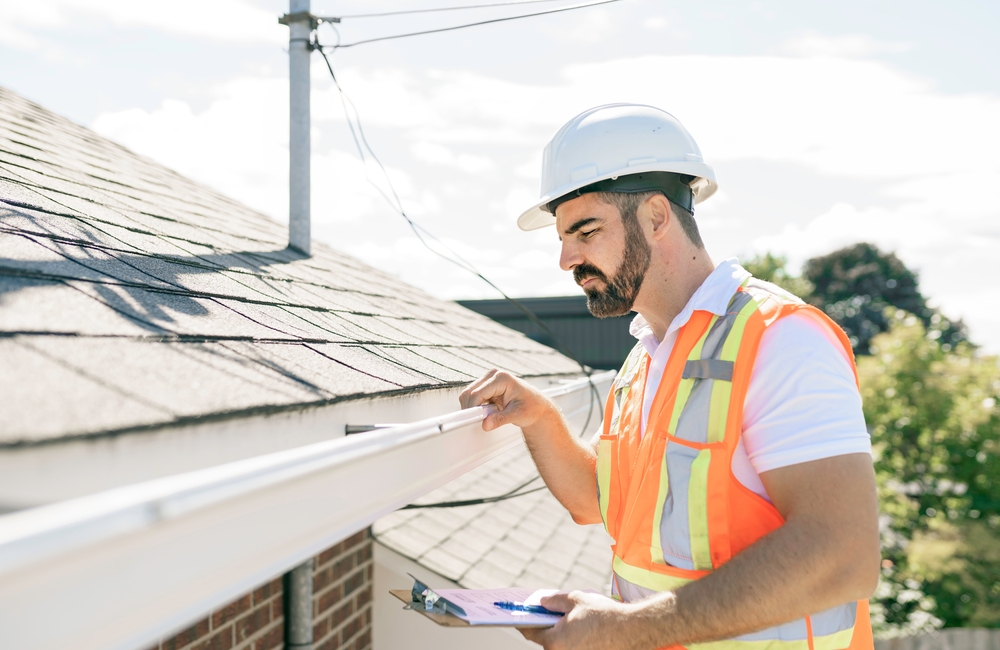
When most homeowners think about a “roof inspection,” they envision a professional climbing up a ladder to check the condition of the shingles, look for missing granules, or examine the flashing around the chimney. While these are undeniably critical components of a healthy roof, they only tell half the story. A roof is not just a layer of asphalt or metal sitting on top of your house; it is a complex, integrated water management system. And one of the most vital parts of that system is often the most overlooked: the gutters. The reality is that a roof inspection that ignores the gutters is incomplete. It’s like going to the doctor for a checkup and having them check your heart but ignore your circulation. The two are intrinsically linked. If your gutters are failing, your roof is at risk, and if your roof is deteriorating, your gutters will likely be the first place to show evidence of it. In this comprehensive guide, we will explore why roof inspection protocols must always include a thorough assessment of the gutter system. We will delve into how gutter health directly impacts roof longevity, the specific signs inspectors look for, and why ignoring this crucial component can lead to expensive repairs down the road. Whether you are a new homeowner or have lived in your house for decades, understanding this connection is key to protecting your investment. The Integral Relationship Between Your Roof and Gutters To understand why inspections must cover both areas, we first need to look at how they function together. Your roof has one primary job: to shed water. When it rains, the slope of your roof uses gravity to guide water down toward the eaves. However, once the water reaches the edge, the roof’s job is technically done. This is where the gutters take over. Gutters are the “catch and release” mechanism of your home. They collect the runoff and channel it into downspouts, which then direct the water safely away from the foundation. When this system works smoothly, your home stays dry. But when there is a disconnect—when the roof sheds water that the gutters cannot handle—the entire system fails. Why “The System” Matters In the world of Columbia SC roofing, we often see roofs that look perfectly fine from the street but are suffering from significant water damage at the eaves. This is usually because the gutters were treated as a separate entity rather than an extension of the roof itself. If a roof inspection report comes back “clean” but fails to note that the gutters are clogged or pitched incorrectly, the homeowner is left with a false sense of security. The next heavy storm could result in water backing up under the shingles, leading to rot that was entirely preventable. This is why we advocate for a holistic approach. You cannot effectively prevent roof damage without ensuring the drainage path is clear. How Gutter Issues Lead Directly to Roof Damage It is a common misconception that gutters only protect the foundation and the basement. While they certainly do that, their condition has a direct, physical impact on the roof structure itself. Here is a detailed look at how neglecting gutters during an inspection can lead to severe roof problems. 1. The Danger of Water Backflow and Wood Rot This is the most common issue we encounter. When gutters are clogged with leaves, twigs, and debris, water cannot flow to the downspouts. During a heavy rainstorm, that water fills the gutter trough to the brim. Since it has nowhere to go, it eventually overflows. While some of it spills over the front, a significant amount often spills over the back side of the gutter. This water washes against the fascia board—the long wooden board that the gutters are mounted to. Over time, this constant exposure to moisture causes the fascia to rot. But the damage doesn’t stop there. As the water level rises in a clogged gutter, it can actually wick upward, effectively flowing “uphill” through capillary action. This moisture gets underneath the edge of your roof shingles and reaches the roof decking (the plywood base of your roof) and the soffit (the underside of the eaves). A comprehensive inspection will look for “soft spots” along the eaves, which are a tell-tale sign that gutter backflow is rotting the roof deck from the bottom up. 2. The Weight of Wet Debris Wet leaves and standing water are incredibly heavy. A gutter full of wet sludge can weigh hundreds of pounds. Most residential gutters are held in place by spikes or hangers spaced every few feet. They are designed to hold flowing water, not heavy, stagnant muck. Under this excess weight, the gutters can begin to pull away from the house. As they sag, they create a gap between the roof edge and the gutter. This gap exposes the raw wood of the fascia and the rafter tails to the elements. Furthermore, if the gutters pull the fascia board loose, it can physically damage the lower rows of shingles or the drip edge flashing. An inspector needs to check the security of the gutter spikes to ensure the structural integrity of the roof edge hasn’t been compromised. 3. Ice Dams: A Winter Nightmare While South Carolina doesn’t see the heavy snows of the north, we do get freezing temperatures and occasional ice events. Gutters play a massive role in the formation of ice dams. An ice dam occurs when heat escapes from your home into the attic, warming the roof and melting snow or ice. This meltwater runs down to the eaves, which are colder because they overhang the house. If the gutters are clogged, the water freezes there, forming a dam. As more water melts, it backs up behind the dam and pools. Since shingles are designed to shed water running down, they are not waterproof against standing water. This pooled water seeps under the shingles and leaks directly into your attic, ruining insulation and ceilings. A
The Role of Gutters in Proper Roof Drainage
When you think about your roof, you probably picture the shingles, the chimney, or maybe the slope of the structure itself. It’s the shield that sits on top of your home, protecting you from rain, wind, and sun. However, there is an unsung hero in this protection system that often goes unnoticed until something goes wrong: your gutters. While they may seem like simple metal troughs attached to the eaves, gutters are the critical infrastructure of your home’s water management system. Without them, even the most expensive, high-quality roof cannot function correctly. Understanding the role of gutters in proper roof drainage is essential for every homeowner who wants to protect their investment and ensure the longevity of their property. In this comprehensive guide, we will explore exactly how gutters function as part of your roofing system, why they are vital for preventing serious damage, and what you need to do to keep them working efficiently. Understanding the Basics of Roof Drainage To appreciate your gutters, you first have to understand the sheer volume of water your roof handles. During a moderate rainstorm, thousands of gallons of water can fall on your roof surface. The primary job of your roof is to shed this water as quickly as possible. The slope (or pitch) of the roof uses gravity to guide water down toward the edges. But what happens when the water reaches the edge? Without gutters, that water would simply cascade off the side of the roof like a waterfall. While this might look dramatic, it is incredibly destructive. This uncontrolled water runoff causes soil erosion, damages your siding, ruins landscaping, and most critically, threatens your home’s foundation. This is where your gutter system steps in. It acts as the catch basin for all that runoff, collecting the water and channeling it into downspouts, which then direct it safely away from your home’s base. It effectively manages the flow, turning a potential flood into a controlled stream. Why Gutters Are Essential for Your Home’s Health The relationship between your roof and your gutters is symbiotic. Your roof sheds the water, and the gutters manage it. If one part of this system fails, the other cannot do its job properly. Here is why this system is so vital. 1. Protection Against Foundation Damage This is arguably the most critical function of your gutter system. When water pours directly off the roof, it pools around the perimeter of your house. Over time, this water saturates the soil. As the soil expands and contracts with moisture changes, it puts immense pressure on your foundation walls. Eventually, this leads to cracks, settling, and shifting. In severe cases, it can compromise the structural integrity of the entire house. Repairing a foundation is one of the most expensive home repairs you can face. A functional gutter system prevents this by directing water at least several feet away from the foundation. 2. Preventing Basement Flooding If you have a basement or a crawlspace, you know that moisture is the enemy. Water that pools around your foundation will inevitably find the path of least resistance. Often, that path leads right through cracks in your foundation walls and into your basement. Proper roof drainage ensures that the water never gets a chance to accumulate near those vulnerable underground areas. By keeping the soil around your home relatively dry, gutters act as a primary line of defense against a flooded basement and the mold growth that often follows. 3. Preserving Your Siding and Exterior Paint Have you ever seen a house with rot near the ground or paint peeling in strange patterns? This is often caused by splashback. When rainwater falls from the roof and hits the ground (or a deck/patio) without gutters, it splashes mud, dirt, and water back up onto the side of the house. Over time, this constant moisture rots wood siding, rusts metal, and causes paint to bubble and peel. Gutters eliminate this splashback, keeping your exterior walls dry and clean. 4. Protecting Your Landscaping You put time and money into your flower beds and shrubs. A “waterfall” effect from a roof without gutters can wash away mulch, expose plant roots, and even kill delicate flowers. The force of the water falling from a single story is enough to dig a trench in the ground around your home. Gutters preserve your landscaping efforts by diverting that destructive force. The Consequences of Neglected Gutters It is not enough to simply have gutters; they must be functional. A clogged or broken gutter is often worse than having no gutters at all. When gutters fill with leaves, pine needles, and debris, they trap water. This trapped water adds immense weight to the gutter system, causing it to pull away from the fascia board. Furthermore, when the water has nowhere to go, it overflows. But instead of falling cleanly to the ground, it often spills backward, rolling down the fascia and soffit, and sometimes even leaking inside your walls. This is why we emphasize the importance of regular inspections. If your gutters are sagging, leaking, or pulling away from the house, you may need professional assistance. Our team specializes in gutter repair services that can restore your system’s functionality before serious water damage occurs. Ice Dams and Winter Woes In colder climates, or even during the occasional freeze in South Carolina, clogged gutters contribute to ice dams. An ice dam forms when snow melts on the warmer upper part of your roof and runs down to the colder eaves. If the gutters are clogged, that water freezes, creating a ridge of ice. As more snow melts, it backs up behind this ice dam. Since it can’t drain, it seeps under your shingles. This can lead to significant leaks inside your attic and ceilings. Clean, free-flowing gutters are your best prevention against this winter nightmare. Signs Your Roof Drainage System is Failing How do you know if your gutters aren’t doing their job? You don’t always have to climb a ladder
Roof Leaks That Are Actually Gutter Problems
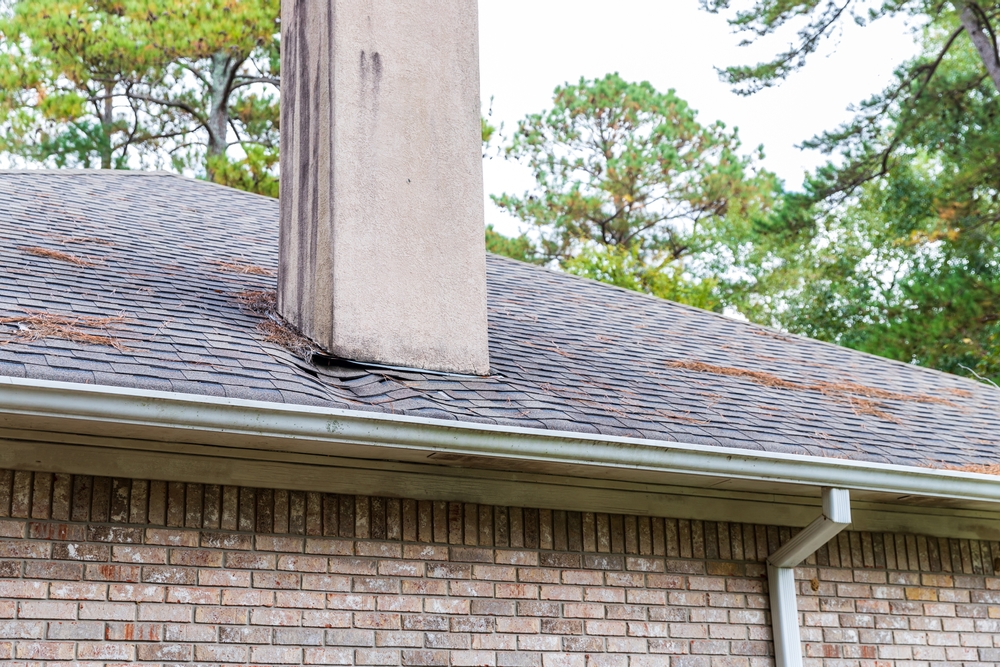
When you see a brown stain spreading across your ceiling or water dripping onto your living room floor during a storm, your first thought is almost always: “I have a hole in my roof.” It is a logical assumption. The roof is the barrier between you and the rain, so if water is getting in, the roof must have failed. But what if the roof itself—the shingles, the underlayment, the flashing—is actually fine? What if the culprit is the system designed to carry water away from the roof? A surprising number of reported roof leaks are not structural roof failures at all. They are gutter problems in disguise. When gutters fail to move water effectively, that water has to go somewhere. Often, it goes up, back, and inside your home. In this extensive guide, we will explore the often-misunderstood relationship between your drainage system and your roof’s integrity. We will break down how gutter issues masquerade as roof leaks, the specific “roof leak causes” related to drainage, and why “gutter maintenance” is the most underrated form of roof repair. The Illusion of the Roof Leak To understand why gutters cause roof leaks, you have to visualize the edge of your roof. This is a complex intersection of materials. You have the roof deck (wood), the fascia (wood), the soffit (wood or vinyl), the shingles (asphalt), and the drip edge (metal). The gutter hangs off the fascia, ideally tucked just under the drip edge. Its job is simple: catch water coming off the shingles and channel it to the downspouts. When a gutter is clogged or damaged, that system breaks down. The water fills the trough. Once full, the water rises. Physics dictates that water will seek its own level, but since the back of the gutter is often slightly lower or flush with the roof edge, the water doesn’t just spill over the front—it spills over the back. This “backflow” is the critical moment where a gutter problem becomes a roof problem. The water travels behind the gutter, wicked up by surface tension against the fascia board and potentially under the shingles. From inside the house, the resulting leak looks exactly like a shingle failure. It manifests near the exterior walls, often trickling down the drywall or soaking the insulation in the attic. Diagnosing this correctly is vital. If you pay for a roof patch when the problem is a clogged downspout, the leak will return the next time it rains. How Clogged Gutters Force Water Inside The most common culprit for these phantom roof leaks is a simple clog. Leaves, pine needles, twigs, and even tennis balls can block the flow of water. In the heavy rains common to Columbia, SC, a clog turns your gutter into a long, narrow swimming pool. The Mechanics of the Overflow Imagine a heavy summer thunderstorm. Gallons of water are hitting your roof every minute. That water rushes down the slope and hits the gutter. If the downspout is blocked, the gutter fills up in seconds. Once the gutter is full, the water becomes heavy. This weight pulls the gutter slightly away from the fascia board. Now you have a gap. The overflowing water spills over the back edge of the gutter, running down the fascia board. But it doesn’t just run down the outside. Because of the way homes are constructed, that water can seep behind the fascia and into the soffit—the underside of the eave. From the soffit, it can travel laterally into the wall cavity or be absorbed by the insulation in your attic. Inside your home, you see a wet spot on the ceiling near the wall. You call a roofer to fix a leak. But the shingles above that spot are pristine. The issue is the dam of wet leaves in the gutter. The “Ice Dam” Effect (Even Without Ice) We often hear about ice dams in northern climates, where frozen gutters force melting snow under shingles. However, a similar hydraulic principle happens with just water and debris. If your gutters are packed with dense, wet mulch (decaying leaves), that debris acts like a sponge. It holds water against the roof edge. This constant moisture keeps the edge of the roof deck wet. Over time, the wood rots. Once the wood rots, it becomes porous. The next heavy rain soaks right through the rotted decking and into your home. This is a slow-motion leak caused entirely by a lack of gutter maintenance. Misaligned Gutters: The Silent Saboteur It’s not always a clog. Sometimes, the gutter is clean, but the water still ends up inside. This is often due to improper pitch or alignment. Gutters need to be sloped slightly toward the downspouts to encourage flow. If a gutter is hung perfectly level, or worse, pitched away from the downspout, water will stand still. Standing water is dangerous for a roof. The Sagging Gutter Over time, the spikes or hangers holding your gutters can loosen. This causes sections of the gutter to sag. Water collects in these low spots. During a storm, these pools fill up quickly and overflow. If the sag is near a seam in the roof or a valley (where two roof slopes meet), the volume of water can be overwhelming. The overflow splashes back against the fascia and soffit. If there are any cracks in the paint or gaps in the caulking, water enters the structure. This type of leak is frustrating because it is intermittent. It might not leak during a light shower, but during a deluge, the “bowl” of the sagging gutter fills up and spills over. Homeowners often chase these leaks for years, patching perfectly good shingles while the gutter sags unnoticed. If you suspect your gutters are sagging or misaligned, our gutter repair services can re-pitch and secure them, ensuring water moves swiftly away from your home. The Fascia Board Connection The fascia board is the unsung hero of your roofline. It holds the gutter up and seals the end
How Gutters Protect Shingles and Roof Edges
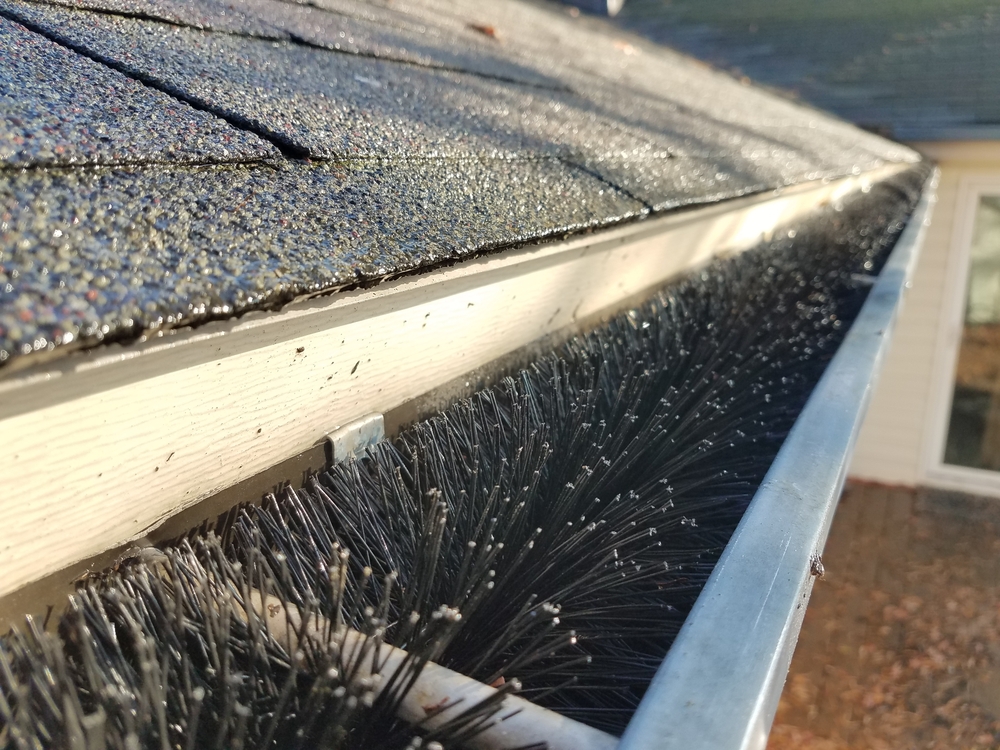
When you look at your home, you probably see the roof and the gutters as two separate systems. The roof covers the top, and the gutters line the edge. While they are distinct components, they work together in a critical partnership. Without functioning gutters, your roof—specifically your shingles and roof edges—are left vulnerable to a host of destructive forces. Many homeowners assume that gutters are primarily there to protect the foundation or keep the basement dry. While those are major functions, the role gutters play in preserving the integrity of the roof itself is often overlooked. Water is the enemy of building materials, and without a directed path off your roof, that water will find ways to rot wood, degrade asphalt, and compromise the structural edges of your home. In this comprehensive guide, we will explore exactly how gutters protect shingles and roof edges, the specific mechanics of water damage, and why professional gutter installation and maintenance are non-negotiable for a healthy roof. The Critical Relationship Between Roofs and Gutters To understand how gutters protect your roof, you first need to understand how water behaves on a roof. When it rains, water sheets down the slope of your shingles. Ideally, it hits the edge, drops into the gutter trough, and flows down the downspout away from the house. However, if that flow is interrupted—by a clog, a misalignment, or a lack of gutters entirely—water doesn’t just disappear. It backs up. It splashes. It lingers. The edge of your roof, known as the eave, is the most vulnerable part of the entire roofing system. It is where the roof deck ends and the fascia board begins. It is the transition point where materials are most exposed to the elements. Gutters are the shield for this sensitive area. Preventing Water Back-Up and Shingle Deterioration One of the primary ways gutters protect shingles is by preventing water back-up. When gutters are clogged with leaves and debris, water can fill the trough and sit stagnant. During heavy rains, this water has nowhere to go but up and over the edges—or worse, backward. When water backs up onto the roof, it can seep underneath the bottom row of shingles. Asphalt shingles are designed to shed water downward, not to be submerged in standing water. When moisture gets underneath them, it can cause the granules to loosen and the asphalt to deteriorate prematurely. This is often referred to as “shingle rot,” though it is technically a degradation of the substrate and adhesive. By ensuring water flows freely away from the roofline, gutters keep the shingles dry and functioning as intended. If you are noticing constantly wet shingles at your roof’s edge, it might be time to investigate our gutter repair services to ensure proper flow is restored. Protecting the Fascia and Soffit Directly beneath the roof edge are the fascia (the vertical board the gutter attaches to) and the soffit (the horizontal board under the eave). These wooden or composite components are crucial for the structural integrity of your roof edge. Without gutters, or with failing gutters, water rolls off the shingles and curls back underneath the edge due to surface tension. This is called “wicking.” This water drips constantly onto the fascia and soffit. Over time, this leads to: Wood Rot: Soft, rotting wood cannot support the weight of the roof edge or the gutter system itself. Paint Peeling: Constant moisture causes paint to bubble and peel, exposing raw wood to further damage. Mold and Mildew: Damp, shaded areas under the eaves are perfect breeding grounds for fungi. A well-installed gutter system breaks this surface tension, catching the water before it can curl back and damage these vital structural elements. The Mechanics of Water Damage on Roof Edges Water is persistent. It will find the path of least resistance. When gutters fail to protect the roof edge, several specific types of damage can occur. Understanding these mechanics helps highlight why gutter protection is synonymous with roof protection. Ice Dams: A Winter Nightmare for Shingles In colder climates or during unexpected freezes, clogged gutters are the primary culprit behind ice dams. An ice dam forms when heat escapes from your home, melting the snow on your roof. This meltwater runs down to the cold eaves. If the gutters are clogged with frozen debris, the water cannot drain. instead, it refreezes at the edge. As this cycle repeats, a ridge of ice builds up. Behind this dam, pools of water form. Since the water cannot flow off the roof, it backs up under the shingles. This trapped water can leak into your attic, soak insulation, and rot the roof deck. Even in areas like Columbia, SC, where deep freezes are less common, the principle remains: stagnant water at the roof edge is dangerous. Keeping gutters clean ensures that water—liquid or melting—always has an escape route. Erosion of Shingle Granules Have you ever seen a splash block under a downspout that has been worn smooth by dripping water? That same erosive force happens to your shingles if gutters are overflowing. When gutters are full, water splashes over the sides violently during heavy storms. This “splash back” can hit the lower courses of shingles with significant force. Over time, this repetitive impact washes away the protective granules on asphalt shingles. These granules are not just cosmetic; they protect the asphalt from UV rays. Once the granules are gone, the sun dries out the asphalt, leading to cracking, curling, and eventual failure of the shingle. Proper roof edge safety relies on managing this water flow gently. The Threat to Roof Decking The roof deck is the layer of plywood or OSB (Oriented Strand Board) that sits on top of your rafters. Your shingles are nailed into this deck. If water bypasses the gutters and wicks under the edge, the edge of the roof deck begins to rot. Rotten decking is a severe structural issue. It means the nails holding your shingles and your gutters have nothing solid to bite
Why Coordinating Roofing and Gutters Saves Money
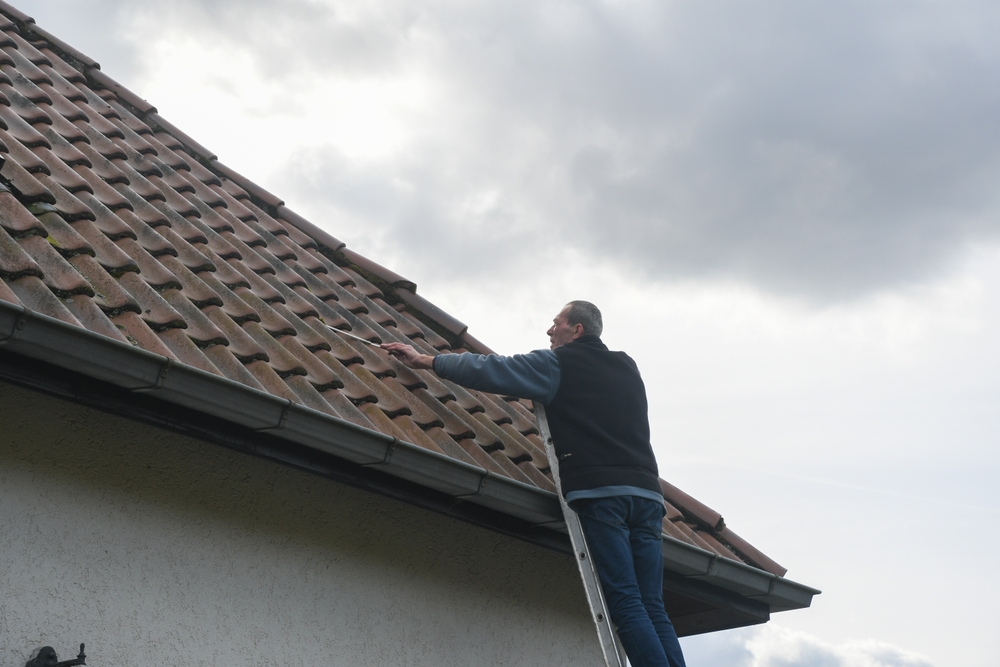
When it comes to home maintenance, savvy homeowners are always looking for ways to maximize value. You clip coupons for groceries, research the best time to buy appliances, and get multiple quotes for repairs. Yet, when it comes to the exterior of the home, many people overlook one of the most significant opportunities for savings: coordinating roofing and gutter projects. It is a common scenario. A homeowner notices a leak in the roof and hires a roofer. Two years later, they realize their gutters are sagging and hire a gutter company. While both problems get solved, this fragmented approach is essentially throwing money away. By treating your roof and your gutters as separate entities, you are paying for double the setup, double the logistics, and potentially missing out on critical integration details that extend the life of your home. At Cola City Roofing, we believe in a holistic approach to home exteriors. Your roof and your gutters are not just neighbors; they are partners in a complex water management system. When you coordinate their installation or repair, you unlock efficiencies that translate directly into dollar savings. In this extensive guide, we will break down the financial and practical benefits of bundling these services, showing you exactly why doing it all at once is the smartest financial move you can make for your home. The Hidden Costs of Fragmented Home Improvement To understand how you save money, you first need to understand where the money goes during a standard exterior project. When you hire a contractor, you aren’t just paying for shingles or aluminum channels. You are paying for “mobilization.” Mobilization includes everything it takes to get a crew, equipment, and materials to your doorstep. It involves: Fuel costs for trucks. Labor hours for travel and setup. Rental fees for dumpsters or scaffolding. Administrative costs for permits and scheduling. When you split roofing and gutter work into two separate jobs, you pay these mobilization costs twice. You pay for a crew to come out and set up ladders for the roof. Then, months or years later, you pay for a different crew to come out and set up ladders for the gutters. By coordinating these projects with a single contractor like Cola City Roofing, you consolidate these overhead costs. The crew is already there. The ladders are already up. The dumpster is already in the driveway. This logistical efficiency allows contractors to offer “bundled pricing,” significantly reducing the total labor cost compared to two separate contracts. Labor Efficiency: The Biggest Money Saver Labor is often the most expensive component of any construction project. In roofing and gutter work, a surprising amount of labor is spent on preparation and cleanup, not just the installation itself. The “Tear-Off” Synergy When we replace a roof, we have to tear off the old shingles. This is a messy, labor-intensive process. If we are also replacing the gutters, we can remove them at the same time. This actually speeds up the roofing tear-off. Without gutters in the way, roofers can push debris directly off the edge into the dump trailer without worrying about denting or scratching the aluminum troughs. If you keep your old gutters during a roof replacement, the crew has to work carefully around them. They have to use stand-offs for their ladders to avoid crushing the metal. They have to cover the gutters to prevent nails and granules from filling them up. All this extra caution takes time—and in construction, time is money. Streamlined Installation Coordination allows for a seamless workflow. As the roofing crew finishes the eaves and installs the drip edge (more on that later), the gutter crew can immediately begin measuring and fabricating the new seamless gutters. There is no downtime. The transition from “roofing mode” to “gutter mode” is fluid. This efficiency means the crew spends less time on your property overall. For you, that means less disruption to your daily life. For your wallet, it means fewer labor hours billed to your project. Material Compatibility and Waste Reduction Coordinating your projects also leads to savings on materials and waste disposal. Integrated Waste Management Construction debris disposal is expensive. Contractors pay by the ton to dump waste at landfills. When you do roofing and gutters separately, you might be paying minimum haul fees for two separate dumpsters. When combined, all the waste—old shingles, rotted wood, bent aluminum gutters—goes into the same container. This consolidation maximizes the value of the disposal fees. Bulk Material Purchasing While roofing shingles and gutter aluminum are different materials, the accessories often overlap. Sealants, flashing rolls, and fasteners are used in both trades. A contractor handling both scopes can purchase these ancillary materials in bulk for your project, reducing waste and passing savings on to you. The Drip Edge: Where Coordination Saves Your Investment Beyond the immediate cash savings, coordinating roofing and gutters prevents expensive future repairs caused by poor integration. The most critical point of integration is the “drip edge.” The drip edge is a piece of metal flashing installed along the roof’s edge. Its job is to bridge the gap between the roof deck and the gutter, ensuring that water flows into the gutter rather than wicking back behind it. The Problem with Separate Installations Roofing First, Gutters Later: If you install a roof but keep old gutters, the roofer has to slide the new drip edge behind the existing gutter. This is difficult and often results in a less-than-perfect seal. Later, when you finally replace the gutters, the installer has to rip the old ones off without damaging that delicate drip edge. Gutters First, Roofing Later: If you install new gutters on an old roof, they have to be tucked under the old, brittle shingles. When the roof is eventually replaced, the roofers might accidentally damage your shiny new gutters while tearing off the old shingles. The Power of Simultaneous Installation When you do both at once, we remove everything down to the bare wood. We can install the drip edge
Gutter Installation During Roof Replacement: What to Know
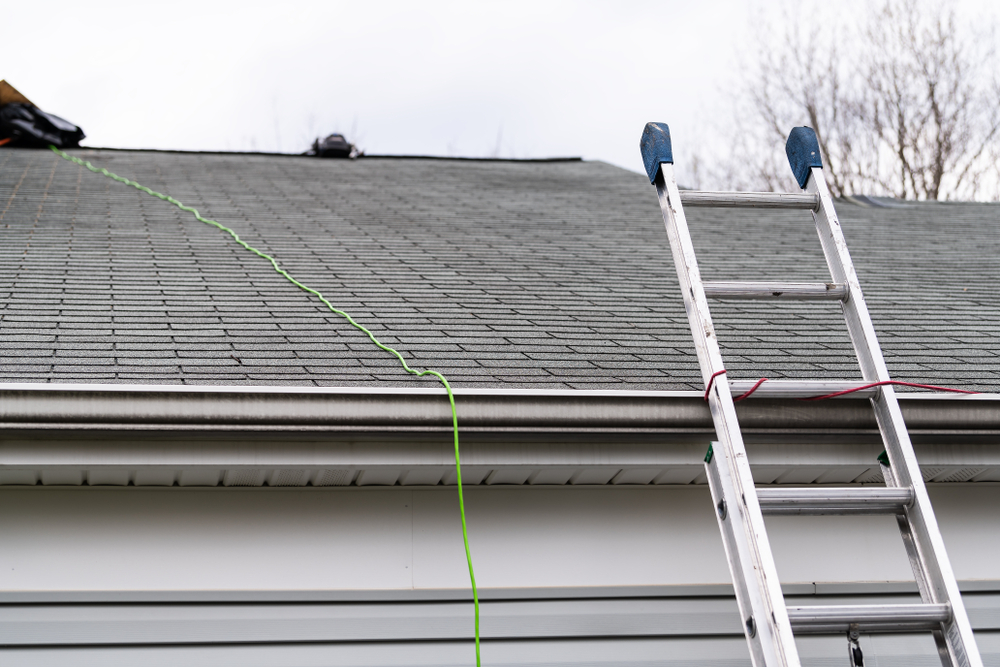
Replacing a roof is one of the most significant investments you will make as a homeowner. It is a loud, messy, and expensive process, but the result is a secure, dry home and a massive boost in curb appeal. When you are in the thick of planning a roof replacement—picking out shingle colors, reviewing warranties, and scheduling contractors—it is easy to get tunnel vision and focus solely on the shingles. However, there is another critical component of your home’s exterior that is staring you right in the face: your gutters. Many homeowners treat roofing and gutters as separate projects, often spaced years apart. But is this the best strategy? At Cola City Roofing, we often advise our clients to consider the “whole system” approach. Your roof and your gutters are teammates in the battle against water damage. When one is replaced without the other, you may be missing out on significant opportunities for efficiency, cost savings, and structural integrity. In this detailed guide, we will explore everything you need to know about coordinating gutter installation during a roof replacement. From the technical reasons why it makes sense to the financial benefits you might not have considered, we will help you decide if tackling both projects simultaneously is the right move for your home. The Symbiotic Relationship Between Roofs and Gutters To understand why replacing these two elements together is often recommended, you first have to understand how they work together. Your roof has one primary job: to shed water. It takes rain, snow, and sleet and uses gravity to push it down the slope to the eaves. Once that water hits the edge of the roof, your roof’s job is technically done. This is where the gutter system takes over. The gutters catch that high-velocity water and channel it safely away from your foundation, siding, and landscaping. If you install a brand-new, high-performance roof but leave old, sagging, or undersized gutters in place, you are essentially putting a high-performance engine in a car with flat tires. The roof will shed water efficiently, but the gutters won’t be able to handle the load. This can lead to back-ups that force water under your brand-new shingles, potentially rotting the roof deck and voiding your new warranty before the first year is up. The Top Benefits of Replacing Gutters and Roof Together While it might seem daunting to add another line item to your home improvement budget, there are compelling reasons to combine these projects. 1. Significant Cost Savings It might sound counterintuitive—spending more money now to save money later—but bundling roofing and gutter services is almost always cheaper than doing them separately. When a roofing crew is already on-site, the logistical heavy lifting is done. They have the trucks, the dumpsters, the scaffolding, and the ladders set up. They are already dealing with waste disposal. If you hire a gutter company two years later, they have to mobilize their entire operation just for that small job. By combining the labor and logistics, contractors can often offer a better package deal. 2. Protecting the Roof Edge (The Drip Edge Factor) This is a technical detail that many homeowners miss. The “drip edge” is a metal flashing installed at the edge of the roof to guide water into the gutter and prevent it from traveling back under the shingles. Proper gutter installation often requires manipulating or working closely with this drip edge. If you install gutters after a roof is finished, the installers have to be extremely careful not to damage the new drip edge or lift the newly sealed shingles. Conversely, if you keep old gutters on during a roof replacement, the roofers have to work around them, which can make it difficult to install the drip edge perfectly. By stripping everything off at once—shingles, drip edge, and gutters—the crew has a clean slate. They can install the new drip edge and the new gutters in the correct order, ensuring a watertight seal that is difficult to achieve when doing the jobs separately. 3. Convenience and Curb Appeal Living through a construction project is stressful. There is noise, debris, and people walking around your property. Do you really want to go through that twice? By coordinating the projects, you rip the bandage off in one go. Furthermore, aesthetics matter. Old, dented, or oxidized gutters can look even worse next to a pristine new roof. It is like wearing dirty sneakers with a tuxedo. Replacing both allows you to coordinate colors perfectly. You can match your gutters to your trim or choose a complementary color that highlights your new shingles, drastically improving your home’s curb appeal. Examining the Fascia: The Hidden Backbone One of the most critical reasons to replace gutters during a roof job involves the wood they are attached to: the fascia board. The fascia is the long board running along the lower edge of the roof. It carries all the weight of your gutters. Over time, fascia boards often rot due to water exposure or age. During a roof replacement, we often tear off the old roof down to the deck. This is the perfect—and sometimes the only—time to truly inspect the fascia board. If we discover rot, we replace the wood to ensure the roof has a solid foundation. If you leave your old gutters up, replacing rotted fascia becomes a nightmare. The gutters have to be carefully detached (which often bends or damages them) to get to the wood, and then reattached. It is labor-intensive and risky. If you are getting a new roof, it is highly likely you will need some fascia work. It is infinitely easier to install a new gutter system onto brand-new, solid fascia boards than to try to wrestle old gutters back onto new wood. When Should You Keep Your Old Gutters? We believe in honesty at Cola City Roofing. Just because you are getting a new roof doesn’t mean you are obligated to replace your gutters. There are scenarios where keeping your
How Faulty Gutters Can Damage Your Roof
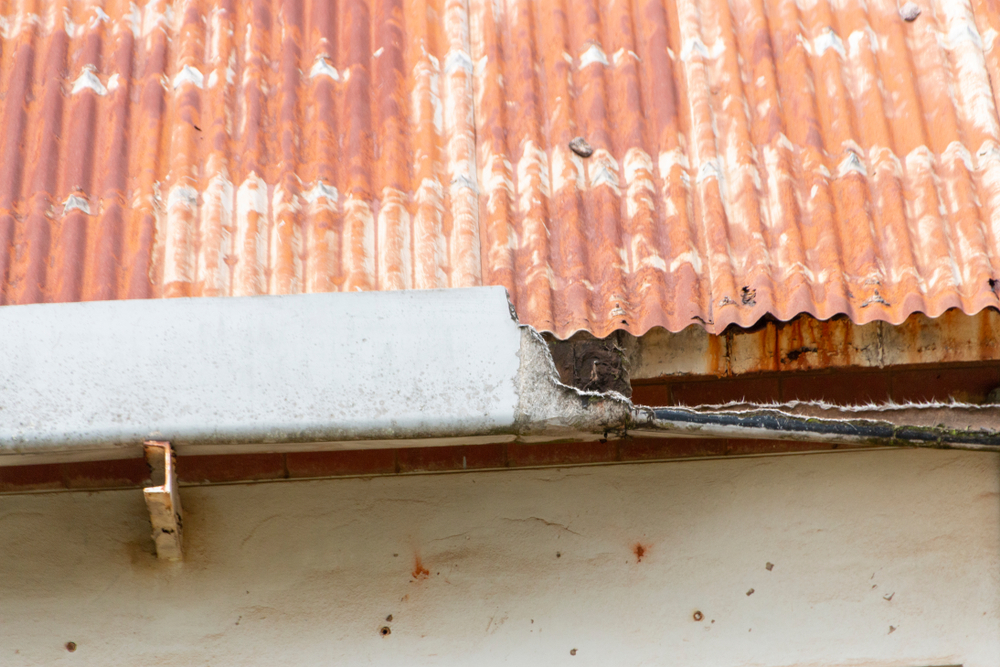
When you think about the health of your roof, you probably picture shingles, flashing, and maybe the occasional chimney inspection. However, there is a silent partner in your roofing system that plays a critical role in keeping your home dry and structurally sound: your gutters. While often overlooked, gutters are the unsung heroes of home maintenance. They are responsible for channeling thousands of gallons of rainwater away from your roof, walls, and foundation every year. When they work correctly, you barely notice them. But when they fail—whether due to clogs, misalignment, or damage—the consequences can be disastrous for your roof. At Cola City Roofing, we have seen firsthand how neglected gutter systems can turn minor weather events into major roofing headaches. In this comprehensive guide, we will explore exactly how faulty gutters damage your roof, the warning signs you should look for, and the preventive steps you can take to save thousands of dollars in repairs. The Critical Relationship Between Roofs and Gutters To understand the damage, you first need to understand the relationship. Your roof and gutters work as a unified system designed to battle one common enemy: water. Your roof’s job is to shed water. The shingles overlap to allow gravity to pull rain down the slope. Once that water reaches the edge of the roof—the eaves—it needs somewhere to go. This is where your gutters take over. They catch this runoff and divert it safely through downspouts and away from the house. If this hand-off fails, water has nowhere to go but backward. It pools, overflows, or wicks back up underneath your roofing materials. This disruption in the flow of water is the root cause of almost all gutter-related roof damage. The Mechanism of Water Back-Up When gutters are clogged with leaves, pine needles, or debris, they act less like channels and more like dams. During a heavy rainstorm, water fills the gutter trough rapidly. If it cannot escape down the downspout, it spills over the sides. While water spilling onto the ground is bad for your foundation, the water that stays in the gutter is worse for your roof. As the water level rises, it touches the edge of the roof deck and the fascia board. Wood acts like a sponge; it will wick moisture upwards. Over time, this constant exposure to standing water rots the wood that supports your gutter system and the edge of your roof. Top Ways Faulty Gutters Destroy Your Roof The damage caused by bad gutters isn’t always immediate. It often starts slowly and compounds over time. Here are the specific ways a failing gutter system compromises your roof. 1. Rotting Fascia Boards The fascia is the long, straight board that runs along the lower edge of the roof. It carries all the guttering and supports the bottom row of tiles or shingles. When gutters are full of heavy, wet debris or standing water, they pull away from the fascia. Worse, when water overflows the back of the gutter, it runs directly down the face of the fascia board. This constant moisture leads to wood rot. A rotted fascia board cannot hold the weight of the gutters, leading to a collapse that can rip off shingles and damage the roof edge in the process. If you notice your gutters sagging or pulling away from the house, you likely have fascia rot issues that need immediate attention. Our gutter repair services can help re-secure your system and replace damaged wood before the problem spreads. 2. Roof Deck Damage The roof deck is the wooden base (usually plywood or OSB) that your shingles are nailed to. It is the structural skin of your roof. When gutters clog, water can back up under the first few rows of shingles. This phenomenon is often worse in winter due to ice dams (which we will discuss later), but it can happen during heavy summer downpours too. Once water gets under the shingles, it soaks the roof deck. Wet decking loses its structural integrity, becoming soft and spongy. If you walk on your roof and feel a “give” near the edges, your decking is likely compromised. Replacing roof decking is a significant repair that requires stripping off the shingles and starting fresh in that section. 3. Shingle Damage and Granule Loss Gutters that are full of grit and abrasive debris can actually damage the shingles themselves. When water splashes back up from a clogged gutter onto the roof edge, it keeps the shingles in a state of perpetual dampness. Asphalt shingles are designed to shed water, not sit in it. Constant moisture can cause the granules—the rough, sand-like coating that protects the asphalt from UV rays—to loosen and wash away. Once the granules are gone, the shingles deteriorate rapidly, curl, and crack. This shortens the lifespan of your roof significantly. 4. Ice Dams: A Winter Nightmare For homeowners in areas that experience freezing temperatures, clogged gutters are the primary catalyst for ice dams. An ice dam forms when heat from your attic melts the snow on your roof. This meltwater runs down to the eaves. If your gutters are clogged or not draining, this water hits the cold gutter and freezes. As more snow melts, more water runs down and freezes, building a wall of ice. Eventually, this dam prevents water from draining off the roof. The water backs up behind the ice dam and seeps under your shingles. The damage from ice dams is often catastrophic because the water doesn’t just stay on the roof—it leaks into your attic, ruining insulation, and eventually dripping through your ceilings and down your walls. 5. Soffit Deterioration The soffit is the exposed surface beneath the overhanging section of a roof eave. It is essential for attic ventilation. When gutters leak or overflow, water often runs along the underside of the eave, saturating the soffit. Wet soffits can rot, warp, and peel paint. More importantly, if the soffit vents become blocked by rot or mold, your attic ventilation suffers.
Why Roofing Companies Should Handle Gutter Installation
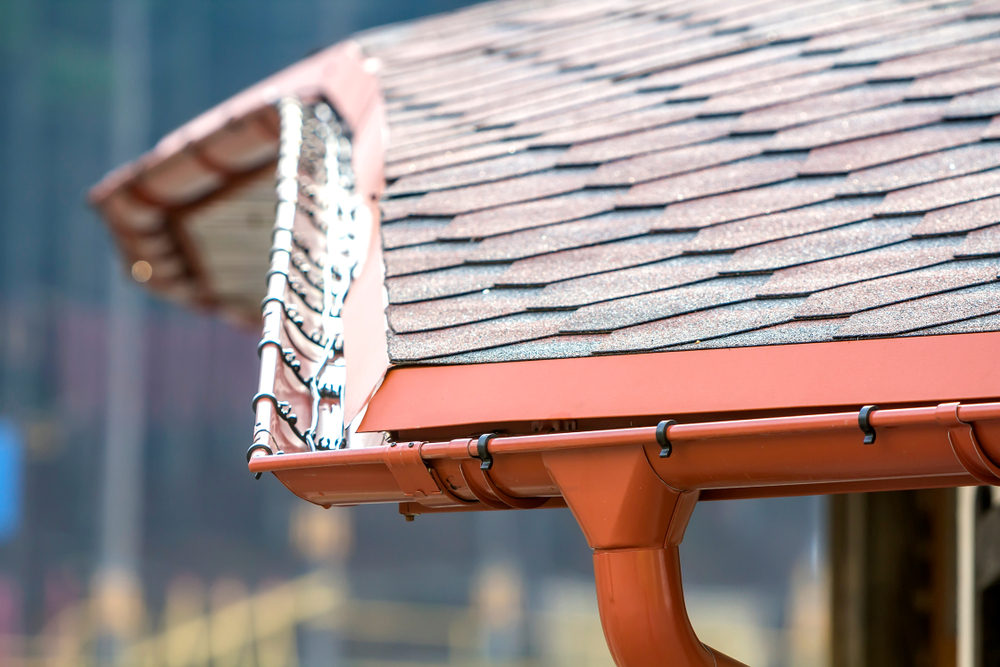
When it comes to home improvement, specialization is often seen as a virtue. You hire a plumber for pipes, an electrician for wiring, and a landscaper for the lawn. However, when it comes to the exterior of your home—specifically the roof and the gutters—the line between specializations should be blurred, if not erased entirely. While you can hire a dedicated gutter company or a general handyman to hang your new gutters, there is a compelling case for why a professional roofing company is the superior choice for this critical task. Your roof and your gutters are not merely neighbors; they are partners in a complex water management system designed to protect your home’s foundation, siding, and structural integrity. A failure in one almost invariably leads to failure in the other. This intrinsic connection means that the person installing your gutters needs to understand more than just how to attach aluminum to wood. They need to understand the dynamics of your roof. In this extensive guide, we will explore the technical, financial, and practical reasons why trusting a roofing company with your gutter installation is the smartest investment you can make for your home. We will delve into the mechanics of the roof-gutter interface, the common pitfalls of hiring non-experts, and how Cola City Roofing brings a holistic approach to protecting your property. The Myth of the Separate System One of the biggest misconceptions in home maintenance is that the roof and the gutters are separate entities. Homeowners often view the roof as the “hat” of the house and the gutters as separate accessories. This mindset leads to disjointed maintenance and installation practices that can leave your home vulnerable. The Roof-Gutter Interface To understand why a roofer is best suited to install gutters, you have to look at the “interface”—the specific area where the roof deck ends and the gutter begins. This is a zone of high vulnerability. It involves: The Drip Edge: A metal flashing that slides under the shingles and hangs over the gutter. The Fascia Board: The vertical board capping the rafter tails where gutters are mounted. The Soffit: The underside ventilation area. The Shingle Overhang: The precise length shingles must extend past the roof deck. A general contractor or a gutter-only specialist might look at this area simply as a mounting surface. A roofer, however, sees it as a critical transition point for water flow. If the gutters are installed too high, they can trap moisture against the fascia or under the shingles, leading to rot. If installed too low, water may overshoot the trough entirely during heavy rain. The Holistic Water Management Strategy Roofers are trained in water management. Their entire profession is dedicated to shedding water away from the structure. When a roofing company approaches a gutter installation project, they aren’t just thinking about “catching rain.” They are calculating: Roof Pitch: How steep is the roof, and how fast will water travel down it? Surface Area: How much water volume will be generated during a storm? Valleys and Convergences: Where are the high-flow areas where roof planes meet? A roofer understands that a steep roof with large valleys will shoot water with fire-hose intensity. They know that standard gutter placement might fail in these specific zones. This holistic understanding allows them to design a gutter system that actually works with the roof, rather than just hanging off it. Technical Expertise: Why Roofers Do It Better While hanging a gutter might seem straightforward—attach brackets, hang trough, add downspouts—the technical nuance required for a long-lasting installation is significant. Roofing companies bring a level of technical expertise to this specific interface that other trades simply do not possess. Understanding Flashing and Drip Edges The most common failure point in gutter systems installed by non-roofers is the drip edge. The drip edge must be integrated perfectly with the gutter. The back of the gutter needs to be tucked behind the drip edge flashing in many scenarios, or the drip edge must effectively overlap the gutter lip. If this relationship is ignored, water will wick back up under the shingles through capillary action. This leads to the rotting of the lowest few inches of the roof deck. Since this rot happens under the shingles, you won’t see it until your new gutters start falling off because the wood they are nailed to has turned to mush. Roofers deal with drip edges daily; they know exactly how to manipulate this flashing to ensure a watertight seal with the new gutter system. Protecting the Warranty Your roof is likely under a manufacturer’s warranty that protects you against material defects for 20 to 50 years. However, these warranties are notoriously strict. They often contain clauses that void coverage if “improper alterations” are made to the eave or roof edge. A handyman or inexperienced gutter installer can easily void your roof warranty by: Nailing straps on top of the shingles. Lifting shingles aggressively to install guards, cracking the fiberglass mat. Interfering with roof ventilation at the soffit intake. Because roofing companies are certified by manufacturers to install these systems, they know exactly what is and isn’t allowed. When Cola City Roofing performs gutter installation services, we ensure that every fastener and bracket is compliant with major roofing warranties, protecting your long-term investment. Ventilation Awareness The soffit (the area directly under the roof overhang) is the primary intake for your attic’s ventilation system. Fresh air enters here, travels up the underside of the roof deck, and exits through the ridge vent. This airflow keeps your attic cool in summer and dry in winter. Improperly installed gutters or gutter guards can block these intake vents. A gutter-only company might not realize the significance of covering a soffit vent with a wide gutter flange. A roofer, however, knows that blocking these vents is a recipe for disaster, leading to superheated attics, higher energy bills, and premature shingle failure. We install gutters with a keen eye on maintaining proper airflow dynamics. The Seamless Integration Advantage One of
How Gutters and Roofing Work Together to Protect Your Home
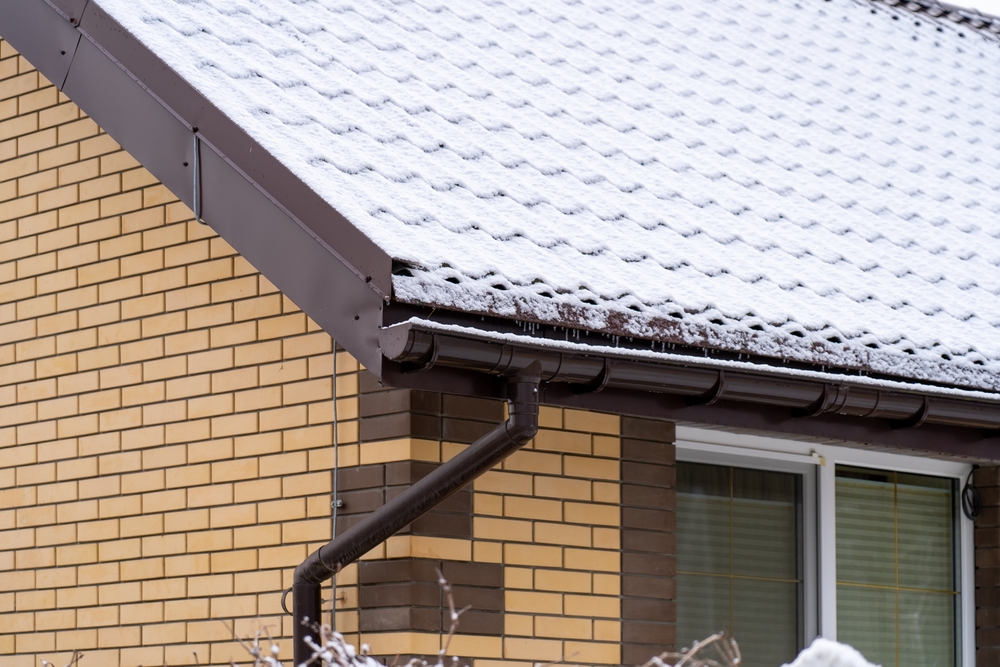
When you look at your home from the street, you might see your roof and your gutters as two separate components. The roof sits on top, shielding you from the sun and rain, while the gutters trace the edge, handling runoff. However, in the eyes of a professional roofer, these two elements are not separate entities. They are integral parts of a single, unified defense system designed to protect your home’s structural integrity. The relationship between your roof and your gutters is symbiotic. A high-quality roof cannot effectively protect your home without functional gutters to manage the water it sheds. Conversely, even the best gutter system is useless if the roof isn’t shedding water correctly. Understanding how these two components work together is crucial for every homeowner who wants to avoid costly repairs, water damage, and foundation issues. In this comprehensive guide, we will explore the intricate mechanics of your home’s exterior defense system. We will dive deep into how water management works, the specific dangers of a failing system, and why maintaining this partnership is the key to preserving your property value. The Anatomy of Your Home’s Defense System To understand how roofs and gutters collaborate, we first need to break down the anatomy of the roofing system. It is more than just shingles and aluminum troughs. Several components bridge the gap between the roof surface and the gutter channel, ensuring a seamless transition for water flow. The Roof Surface The roof itself is the first line of defense. Whether you have asphalt shingles, metal panels, or tile, the primary job of the roof surface is to shed water. It uses gravity and pitch (the angle of the roof) to direct precipitation downward toward the eaves. Without a proper exit strategy, this water would simply cascade off the edge, but that is where the rest of the system comes into play. The Drip Edge Often overlooked by homeowners, the drip edge is a critical piece of metal flashing installed at the edge of the roof. It hangs slightly over the gutter. Its purpose is to break the surface tension of water flowing off the roof, forcing it to drop into the gutter rather than curling back under the shingles to rot the roof deck or fascia board. The Fascia and Soffit The fascia is the long, straight board that runs along the lower edge of the roof. Your gutters are typically mounted to this board. The soffit is the exposed surface beneath the overhanging section of a roof eave. These components are vital for ventilation and structural support, but they are also the most vulnerable areas if the roof-gutter partnership fails. The Gutter Channels and Downspouts Finally, we have the gutters themselves. Their job is to catch the water shedding from the roof and channel it horizontally to the downspouts. The downspouts then carry the water vertically to the ground and direct it away from the foundation. When all these parts function in harmony, your home stays dry. When one part fails, the entire system is compromised. The Mechanics of Water Management Water is the single most destructive force against residential structures. It is persistent, fluid, and capable of eroding concrete, rotting wood, and fueling mold growth. The primary goal of your roof and gutter system is simple: control the flow of water. The Flow Path During a heavy rainstorm in Columbia, SC, hundreds of gallons of water can hit your roof in a matter of minutes. Here is how the system should handle it: Impact: Rain hits the shingles. Shedding: Gravity pulls the water down the slope. Transition: Water reaches the eave, crosses the drip edge, and falls into the gutter trough. Transport: The gutter is slightly pitched to guide water toward the nearest downspout. Exit: The downspout moves water to the ground, where a splash block or extension directs it at least 6 to 10 feet away from the foundation. If your gutters are clogged or misaligned, this flow path is broken. Water may overflow the trough, causing a “waterfall” effect that batters the ground below, digging trenches in your landscaping and splashing mud against your siding. If you need help assessing your current flow path, our experts in gutter installation services can evaluate your home’s specific needs. How Faulty Gutters Damage Your Roof It is a common misconception that gutter problems only affect the ground level. The truth is that clogged or damaged gutters can wreak havoc upward, damaging the roof itself. The Danger of Standing Water When gutters are clogged with leaves, pine needles, and debris, they fill up with water. This water is heavy—a gallon of water weighs over eight pounds. This excess weight can cause the gutters to pull away from the fascia board, but the real danger to the roof comes from the water level rising. If the water in the gutter rises high enough, it can submerge the edge of the roof shingles and the roof decking (the wooden layer beneath the shingles). Shingles are designed to shed water, not to be submerged in it. Constant contact with standing water causes the wood decking to rot. This rot can spread upward into the trusses and rafters, compromising the structural strength of your roof. Ice Dams: A Winter Nightmare While we don’t see arctic conditions every day in South Carolina, freezing temperatures do occur. When they do, clogged gutters are the primary culprit behind ice dams. An ice dam forms when heat from your home escapes through the attic, melting the snow or ice on the upper parts of your roof. This water runs down to the eaves. Since the eaves are not over the heated living space, they are colder. If your gutters are clogged with frozen debris, the water has nowhere to go. It freezes at the edge, building a dam of ice. As more water melts and runs down, it backs up behind this dam. This pool of water can seep under your shingles, leaking into your attic,