
How Quality Gutter Installation Gives Homeowners Peace of Mind
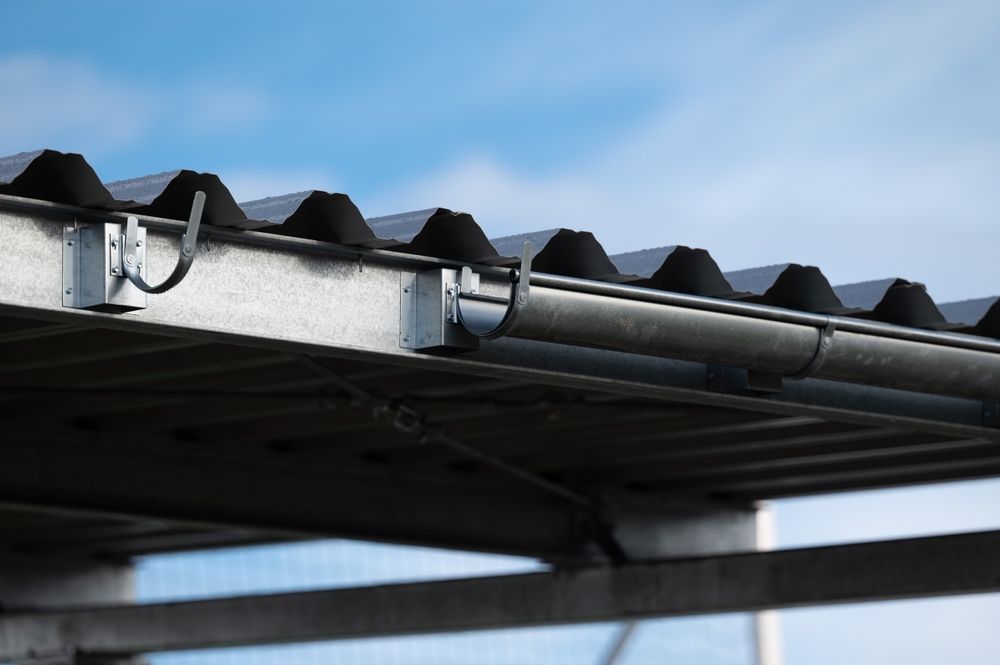
Your home is likely the most significant investment you will ever make. It is your sanctuary, the place where memories are made, and the foundation of your family’s daily life. Because of this, homeowners naturally worry about protecting it. We worry about the roof leaking during a storm, the basement flooding, or the siding rotting away. These anxieties often lurk in the back of our minds whenever the sky turns dark and the rain begins to fall. However, there is a simple, often overlooked solution to many of these worries: a high-quality gutter system installed by professionals. While gutters might seem like a mundane detail compared to a kitchen renovation or a new deck, they are the unsung heroes of home protection. A properly functioning gutter system is the first line of defense against the destructive power of water. When that system is designed and installed correctly, it offers something money can’t always buy: peace of mind. In this comprehensive guide, we will explore exactly how quality gutter installation transforms homeownership from a stressful battle against the elements into a secure, worry-free experience. We will delve into the mechanics of water protection, the value of expert craftsmanship, and the long-term benefits of investing in doing the job right the first time. The Psychology of Home Protection Why do we install security systems? Why do we buy insurance? We do these things because we want to know that if the worst happens, we are covered. We want to sleep soundly at night. Water is one of the most persistent and damaging forces in nature. It is patient, and it will find any weakness in your home’s exterior. The anxiety that comes from hearing water dripping where it shouldn’t, or seeing a puddle forming in the basement, is real and valid. Quality gutter installation addresses this anxiety at its source. It takes the variable of “uncontrolled water” out of the equation. When you know that your home is equipped with a system specifically engineered to capture and divert thousands of gallons of rainwater away from your foundation, the sound of a heavy downpour changes. It stops being a sound of potential danger and becomes just background noise. This psychological shift—from worry to confidence—is the core definition of peace of mind for a homeowner. The Foundation of Security: Protecting the Base The most critical function of a gutter system is protecting your home’s foundation. The foundation supports everything else. If it is compromised, the structural integrity of the entire house is at risk. The Threat of Hydrostatic Pressure When gutters are clogged, leaking, or nonexistent, rainwater falls directly off the roof and pools around the perimeter of the house. As the soil becomes saturated, it expands and presses against the foundation walls. This is known as hydrostatic pressure. Over time, this pressure can cause: Cracks: Concrete and masonry can crack under stress, providing an entry point for water. Bowing: In severe cases, foundation walls can bow inward. Settling: If water washes away the soil underneath the footing, the house can settle unevenly, leading to cracked drywall and sticking doors upstairs. The Solution: Expert Water Diversion A high-quality installation ensures that water is collected and moved significantly away from the danger zone. This involves not just hanging troughs, but calculating the correct size of the gutter to handle the roof’s volume and placing downspouts in strategic locations. By piping water 4, 6, or even 10 feet away from the home via extensions or underground drains, a professional installation effectively neutralizes the threat of hydrostatic pressure. Knowing your foundation is dry allows you to rest easy, regardless of how hard it rains. Protecting Your Siding and Curb Appeal Your home’s exterior cladding—whether it’s vinyl siding, wood clapboard, brick, or stucco—is designed to shed water that hits it from an angle (like rain). It is not designed to handle a waterfall washing over it from above. The “Waterfall Effect” When poor-quality gutters overflow, they create a curtain of water that washes down the side of the house. Wood Rot: For wood siding, this constant saturation leads to rot, peeling paint, and mold growth. Staining: On brick and stucco, splashing dirty roof water causes unsightly stains that are difficult to clean. Behind the Siding: The biggest danger is water getting behind the siding, where it can rot the sheathing and framing of the house unnoticed. Preserving Beauty and Value Investing in gutter installation services that utilize proper sizing (often upgrading to 6-inch gutters) ensures that the system can handle heavy downpours without overflowing. This preserves the aesthetic beauty of your home and protects the materials from premature aging. You gain the peace of mind that comes with knowing your home will look beautiful for years to come without expensive siding repairs. The Peace of Mind in Reduced Maintenance One of the biggest stressors for homeowners is the never-ending “to-do” list. Cleaning gutters is often at the top of the “dreaded chores” list. It is messy, gross, and dangerous. The Danger of DIY Cleaning Every year, thousands of homeowners are injured in ladder-related accidents while trying to clean or repair their gutters. The anxiety of having to climb a ladder 20 feet into the air is a significant burden. High-Quality Systems Minimize Maintenance A professional installation is designed to be low-maintenance. Seamless Design: Unlike sectional gutters that trap debris at every seam, seamless gutters offer a smooth channel that flushes small debris away automatically. Proper Pitch: Experts install gutters with a precise slope. This ensures water moves fast enough to be “self-cleaning,” carrying shingle grit and dirt with it rather than letting it settle. Gutter Guards: A quality installation often includes high-performance gutter guards. These keep leaves and twigs out while letting water in, virtually eliminating the need for dangerous cleaning sessions. There is immense peace of mind in looking out the window at a storm and knowing you don’t have to go out there and unclog anything. You have reclaimed your weekend and your safety. The
What Makes a Gutter System High-Quality?
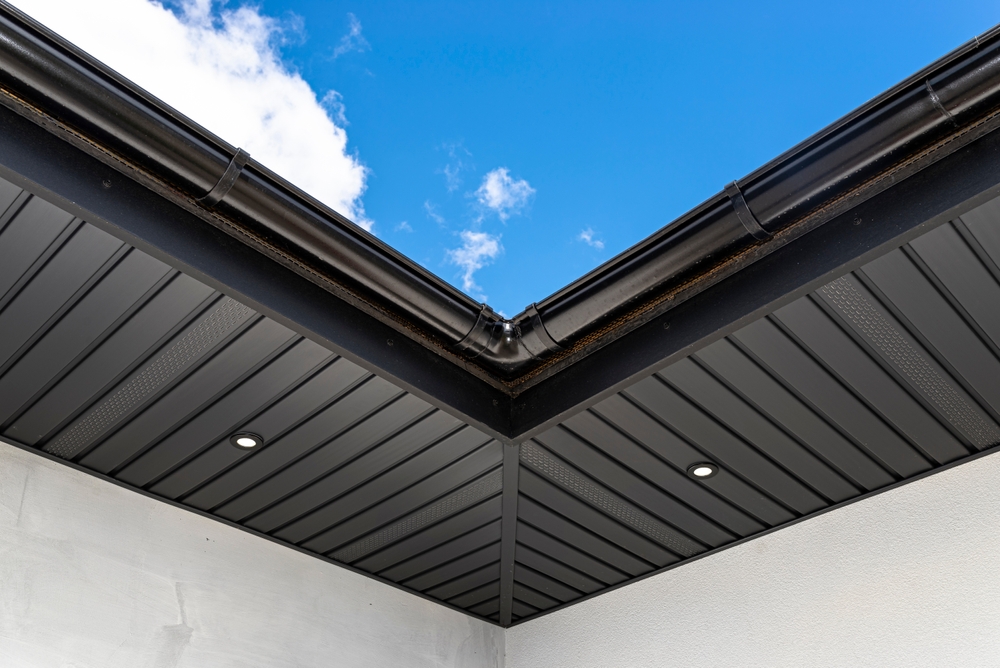
When you look at the exterior of a home, your eyes are likely drawn to the architectural details: the pitch of the roof, the texture of the siding, or the color of the front door. Rarely do we stop to admire the horizontal metal channels running along the eaves. Yet, in terms of functional protection, the humble gutter system is one of the most critical components of your home’s envelope. It is easy to assume that “a gutter is a gutter.” To the untrained eye, a flimsy vinyl trough bought at a discount hardware store might look similar to a custom-fabricated aluminum system installed by a professional. However, the difference in performance, longevity, and protection is vast. A low-quality system is essentially a temporary bandage that will eventually fail, leading to wet basements, rotted fascia boards, and eroded landscaping. A high-quality system, on the other hand, is a precision-engineered defense mechanism designed to handle thousands of gallons of water without faltering. So, what exactly elevates a gutter system from “standard” to “high-quality”? Is it the material? The size? The way it is attached to the house? The answer is “all of the above.” In this comprehensive guide, we will dissect the anatomy of a superior gutter system. We will explore the nuances of material thickness, the science of flow dynamics, and the critical importance of expert craftsmanship. Whether you are building a new home or replacing a failing system, understanding these factors will help you make an investment that truly protects your property. 1. The Foundation: Material Selection and Quality The first and most obvious indicator of quality is what the gutter is actually made of. While you can find gutters made of vinyl, steel, aluminum, and copper, the grade of these materials varies significantly. The Problem with Vinyl At the bottom of the quality spectrum lies vinyl (PVC). While inexpensive and easy for DIYers to snap together, vinyl lacks structural integrity. In cold climates, it becomes brittle and cracks. in hot climates, it warps and bows under UV exposure. A high-quality system avoids standard vinyl because it simply cannot withstand the test of time or the weight of heavy rain and debris. The Gold Standard: Aluminum For the vast majority of residential applications, aluminum is the material of choice—but not just any aluminum. Rust Resistance: Unlike steel, aluminum does not rust. This is non-negotiable for a high-quality system. A system that rusts is a system that will eventually leak. The Gauge Factor: This is the secret spec that separates professional systems from big-box store kits. Aluminum thickness is measured in inches. Standard/Economy: Often .025 inches thick. This is flimsy and easily dented by a wayward ladder or a falling branch. High-Quality: The industry standard for premium residential installation is .027 or preferably .032 inches. This “heavy gauge” aluminum is rigid, robust, and capable of holding the weight of snow, ice, and wet leaves without buckling. When you hire Cola City Roofing, we prioritize materials that can stand up to the elements. The Luxury Tier: Copper and Galvalume For those seeking the ultimate in durability and aesthetic, copper represents the pinnacle of quality. Copper: A copper system is a lifetime investment. It never needs painting, it doesn’t rust, and it develops a protective patina over time. It is soldered at the joints, creating a bond stronger than the metal itself. Galvalume: This is steel coated in an aluminum-zinc alloy. It offers the extreme strength of steel with the corrosion resistance of aluminum, often used in modern or industrial-style homes. 2. Construction: Seamless vs. Sectional If you take only one thing away from this guide, let it be this: A high-quality gutter system must be seamless. The Flaw of Sectional Gutters Traditional sectional gutters come in 10-foot pieces. To cover a 50-foot roofline, you would need five sections joined together by connectors and sealed with caulk. Leak Points: Every seam is a potential leak. Over time, UV rays degrade the sealant, and thermal expansion pulls the seams apart. Debris Traps: The ridges inside the gutter where sections connect act as speed bumps for water and traps for pine needles, leading to clogs. The Seamless Advantage A high-quality system is manufactured on-site using a specialized machine. The contractor feeds a continuous coil of metal into the machine, which forms the gutter to the exact length of your roof. Zero Seams: On a 50-foot run, there are zero seams. The only connection points are at the corners (miters) and end caps. Structural Integrity: A continuous piece of metal is structurally stronger than several pieces pieced together. Aesthetics: The clean, uninterrupted line of a seamless gutter looks significantly better and enhances curb appeal. When you invest in our gutter installation services, you are investing in custom-fabricated, seamless protection. 3. Capacity: Size Matters A gutter system can be made of the strongest metal on earth, but if it is too small to handle the volume of water coming off your roof, it is a low-quality system for your specific home. The Standard 5-Inch vs. The High-Performance 6-Inch For decades, the 5-inch K-style gutter was the residential standard. However, as weather patterns shift and storms become more intense, the 5-inch gutter is often overwhelmed. Capacity: A 6-inch gutter holds approximately 40% more water than a 5-inch gutter. Overshoot Protection: On homes with steep roof pitches, rainwater accelerates as it runs down the shingles. A narrow 5-inch gutter can be “overshot,” meaning the water flies right over the edge. The wider opening of a 6-inch gutter captures this high-velocity runoff effectively. A high-quality assessment involves calculating the square footage of the roof and the steepness of the pitch to determine the necessary capacity. Installing a 5-inch gutter on a large, steep roof is a sign of cutting corners. Upgrading to 6-inch gutters prevents the “waterfall effect” that damages foundations. Downspout Sizing The gutter trough is only half the equation; the water must have a way out. Standard systems use 2×3 inch downspouts. High-quality systems often upgrade
How Modern Gutter Systems Have Improved Over Time
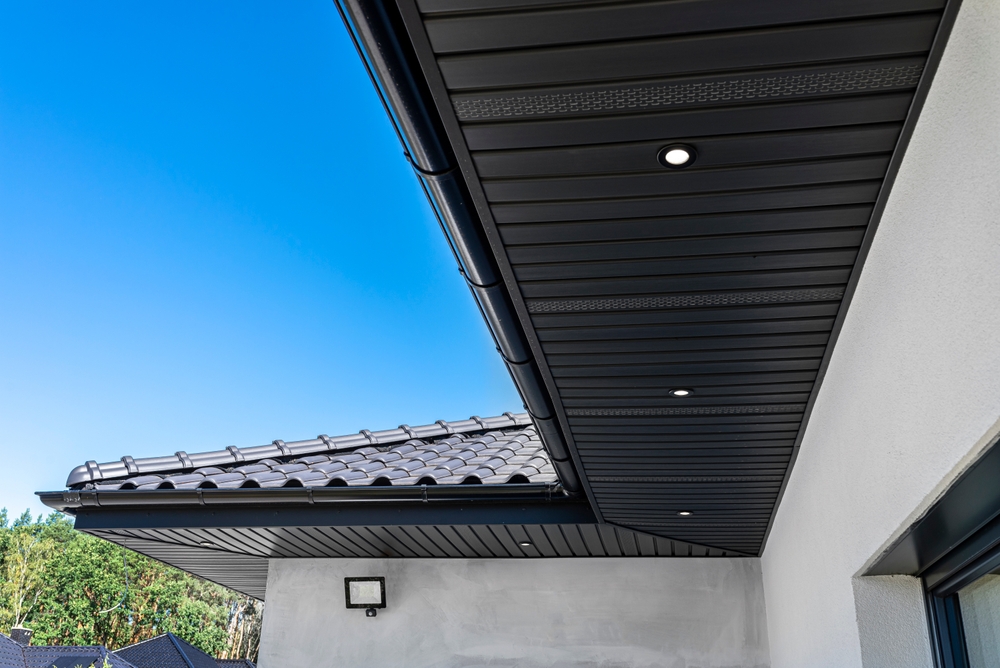
When you look up at the eaves of your home, you probably see a simple metal channel designed to catch rain. It seems like such a basic concept that one might assume it hasn’t changed much in centuries. However, the humble gutter system has undergone a radical transformation, evolving from crude stone channels to sophisticated, high-tech architectural elements that protect the structural integrity of millions of homes. Water management is one of the oldest engineering challenges in human history. From the aqueducts of Rome to the gargoyles of medieval cathedrals, directing water away from structures has always been essential. But for the average homeowner, the last few decades have brought about a quiet revolution in how we handle rainfall. Modern engineering, materials science, and manufacturing techniques have turned a high-maintenance headache into a sleek, efficient, and durable home defense system. In this deep dive, we will explore the fascinating journey of gutter systems, comparing the troublesome designs of the past with the seamless, low-maintenance solutions available today. We’ll look at how materials have shifted from wood and lead to aluminum and copper, and how innovation has solved the age-old problems of leaks, clogs, and rust. The Early Days: Wood, Lead, and Stone To appreciate where we are, we have to look at where we started. In early American architecture, specifically during the Colonial and Victorian eras, gutters were not the standardized metal products we know today. The Era of Wooden Gutters It might seem counterintuitive to use wood to transport water, but before the industrial revolution made metal affordable, wood was the most abundant material available. Craftsmen would hollow out cedar, hemlock, or fir beams to create a “V” or “U” shaped trough. The Challenges: Rot: Even naturally rot-resistant woods eventually succumb to constant moisture. Maintenance: Wooden gutters required annual oiling or painting to maintain their water resistance. Weight: Waterlogged wood is incredibly heavy, putting immense strain on the roof eaves. The Lead and Copper Liners Wealthier estates often lined these wooden troughs with lead or copper to extend their lifespan. While effective, this was prohibitively expensive for the average family. Furthermore, as we now know, lead poses significant environmental and health risks. Cast Iron and Steel By the late 19th and early 20th centuries, metal became more accessible. Cast iron and later galvanized steel became the standard. While stronger than wood, they introduced a new enemy: rust. These systems were heavy, prone to corrosion, and comprised of short sections that had to be soldered or sealed together. Every joint was a potential leak waiting to happen. The Aluminum Revolution: The Game Changer The single biggest leap forward in gutter history was the widespread adoption of aluminum in the post-WWII housing boom. Lightweight, rust-proof, and easy to work with, aluminum changed the industry overnight. Why Aluminum Won Unlike steel, aluminum does not rust. When exposed to oxygen, it forms a microscopic oxide layer that actually protects the metal from further corrosion. This meant that for the first time, homeowners had a gutter system that could last decades without painting. However, the early aluminum systems still had a major flaw: they were sold in 10-foot sections. Installers had to piece them together with connectors and sealants. Over time, the expansion and contraction caused by temperature changes would break these seals, leading to the dreaded “drip-drip-drip” at every seam. The Birth of Seamless Technology The modern era of guttering truly began with the invention of the portable roll-forming machine in the 1960s. This innovation allowed contractors to bring a machine to the job site, feed a flat coil of aluminum into one end, and extrude a perfectly formed gutter of any length out the other. Eliminating the Weak Link The shift to seamless gutters addressed the primary failure point of older systems. No Seams, No Leaks: By eliminating the joints every ten feet, the potential for leaks was reduced by nearly 95%. The only seams on a modern system are at the corners (miters) and downspout outlets. Custom Fit: Every house is unique. Seamless technology allows for a custom fit that runs the exact length of the roofline, creating a cleaner, more professional aesthetic. ** improved Flow:** Without ridges and sealant bumps inside the trough created by connectors, water flows more smoothly, and small debris is less likely to get snagged and cause a clog. For homeowners today, choosing seamless aluminum is the industry standard for reliability. If you are considering an upgrade, our gutter installation services utilize this technology to ensure a watertight fit for your home. Material Science: Beyond Basic Metal While aluminum is the most common material, modern material science has diversified the options available to homeowners, allowing for specialized solutions based on climate, aesthetic, and budget. Galvalume A step up from traditional galvanized steel, Galvalume is steel coated with a mixture of aluminum and zinc. This combines the immense strength of steel with the rust-resistance of aluminum. It offers a rugged, industrial look and is incredibly resistant to damage from falling branches or heavy ladders. Copper: The Forever Material While used in the past, modern copper gutters are precision-engineered. They are the premium choice for luxury and historic homes. Longevity: A copper system can last up to 100 years. Aesthetic Evolution: Copper is unique in that it is a “living” material. It starts bright and shiny, weathers to a deep bronze, and eventually develops a protective green patina. Durability: It is naturally biocidal (inhibiting moss growth) and does not require painting or finishing. Vinyl (PVC) Modern plastics have also improved. While early vinyl gutters became brittle and cracked in the cold, newer heavy-duty PVC compounds are UV-stabilized and flexible. They are a popular DIY option because they snap together, though they generally lack the longevity and structural strength of seamless metal systems professionally installed. Design Innovations: Shape and Capacity It’s not just what they are made of; it’s how they are shaped. The profile of the gutter determines how much water it can hold and how it
Why Old Homes Need Updated Gutter Systems
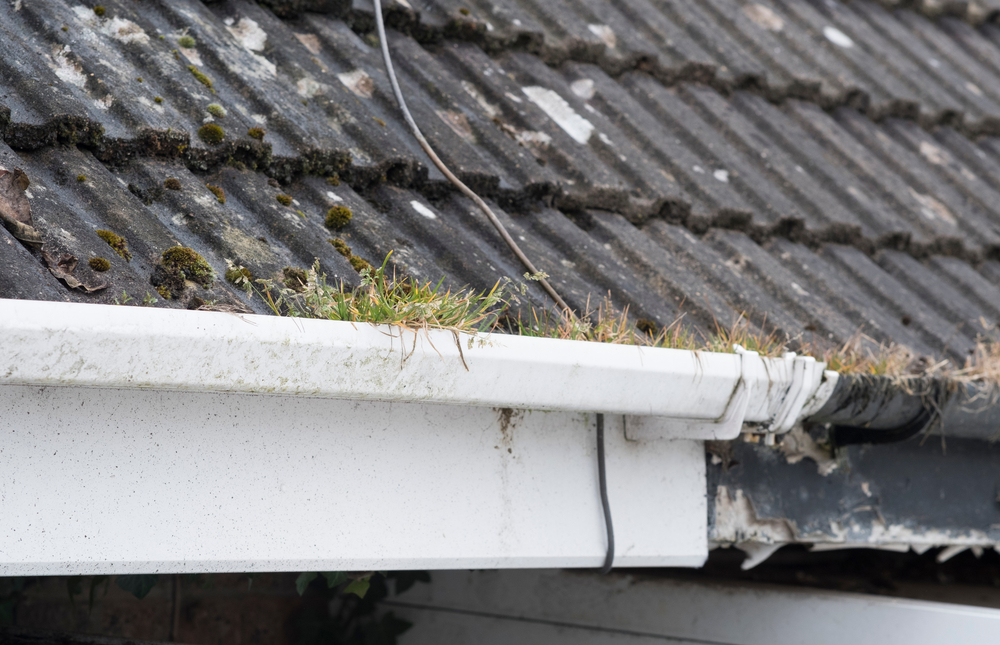
Owning an older home is a labor of love. There is a distinct charm to the creaking floorboards, the hand-carved crown molding, and the architectural character that simply cannot be replicated in modern construction. However, along with that charm comes a unique set of responsibilities. While you may be focused on restoring the original hardwood or updating the electrical wiring, there is one critical exterior component that often goes overlooked until it causes catastrophic damage: the gutter system. Water is the single greatest enemy of any structure, but it is particularly devastating to older homes. The materials and construction methods used fifty, eighty, or a hundred years ago interact differently with moisture than modern materials do. While the roof over your head gets plenty of attention, the system responsible for carrying that water away—your gutters—is arguably just as vital. In this comprehensive guide, we will explore why outdated gutter systems are a ticking time bomb for historic properties, the specific risks they pose, and how modern gutter technology can preserve the integrity of your beloved home while maintaining its vintage aesthetic. The Hidden Dangers of Outdated Gutter Systems Many older homes still sport their original—or at least decades-old—gutters. In some cases, these might be galvanized steel, wood, or even heavy cast iron. While they may look sturdy, time takes a toll on these materials that is not always visible from the ground. When these systems fail, the consequences for an older home are often far more severe than for a new build. Vulnerable Foundations The most critical function of a gutter system is to divert rainwater away from the home’s foundation. Modern homes often have concrete foundations with waterproofing barriers. Older homes, however, often sit on foundations made of brick, stone, or older concrete blends that are far more porous. When an old gutter system clogs, leaks, or sags, water spills directly over the edge and pools around the base of the house. Over time, this saturation compromises the mortar between bricks and stones. In freezing temperatures, this water expands, causing cracks and heaving. For an old home, foundation repair is not just expensive; it can compromise the structural stability of the entire frame. A modern, seamless gutter system ensures that water is transported a safe distance away from these sensitive areas. Rotting Fascia and Soffits In many historic architectural styles, the fascia boards and soffits are made of solid wood, often featuring intricate detailing. Old, seamed gutters are prone to leaking at the joints. Even a slow drip, occurring over months or years, keeps the wood behind the gutter constantly damp. This creates the perfect breeding ground for dry rot and mold. Because the rot starts behind the gutter, homeowners often don’t notice it until the gutter literally falls off the house, taking a chunk of the roofline with it. Updating to a new system protects this vintage woodwork, preserving the architectural details that give your home its value. Basement and Crawl Space Flooding Older homes frequently feature cellars, basements, or crawl spaces that were not designed with modern waterproofing standards in mind. When gutters fail to move water away from the perimeter, the soil becomes hydrostatic, pushing water through the path of least resistance—usually the walls of your basement. Chronic dampness in these lower levels leads to mold growth that can permeate the rest of the house, affecting indoor air quality. By installing a high-capacity modern gutter system, you essentially put a shield around your home’s footprint, keeping your basement dry and your storage items safe. The Evolution of Gutter Materials: Then vs. Now To understand why your old home needs an update, it helps to understand what you are likely currently working with. Gutter technology has advanced significantly in the last few decades. The Problem with Old Materials Galvanized Steel: Popular in the mid-20th century, these are prone to rust. Once the zinc coating wears off, the steel corrodes, leading to holes and structural failure. Wood Gutters: Common in very old homes (Victorian era), these require high maintenance, including regular oiling. If neglected, they rot quickly and are heavy, straining the roof eaves. Seamed Aluminum: An improvement over steel, but the seams (where two sections connect) are weak points. Sealants degrade over UV exposure, leading to inevitable leaks. The Advantages of Modern Materials Today, we primarily use aluminum and copper, but the manufacturing process is what has changed the game. Seamless Aluminum: Modern gutter installation services typically utilize seamless technology. A machine forms the gutter on-site from a single continuous coil of metal, customized to the exact length of your roofline. This eliminates the seams every ten feet, which are the primary source of leaks in older systems. Copper: For historic homes, copper is the gold standard. It is incredibly durable, does not rust (it develops a protective patina), and matches the aesthetic of historic architecture perfectly. While an investment, a copper gutter system can last 50 to 100 years, essentially serving as a lifetime solution for the home. Signs Your Historic Home Needs New Gutters How do you know if it’s time to retire your current system? While some signs are obvious, others require a keener eye. 1. Visible Sagging or Pulling Away Old installation methods often used spikes and ferrules—long nails driven through the gutter into the fascia. Over time, the weight of water, debris, and snow, combined with the expansion and contraction of the wood, works these spikes loose. If you see your gutters dipping in the middle or pulling away from the roofline, the pitch is ruined. Water will pool rather than flow, and the system needs to be replaced with modern hidden hangers that screw securely into the structure. 2. Peeling Paint or Rust Stains Take a walk around the perimeter of your home. Do you see orange flecks on your siding? Do you see paint peeling on the siding immediately below the gutter line? This indicates that water is splashing over the back or front of the gutter rather than
What Home Inspectors Look for in Gutter Systems

Buying or selling a home is a process filled with scrutiny, paperwork, and anticipation. Among the many hurdles to clear, the home inspection stands out as the most critical. It is the moment when the “bones” of the house are tested. While buyers often worry about the condition of the HVAC system, the age of the roof, or the stability of the foundation, there is one exterior component that ties all of those structural elements together: the gutter system. Gutters are the unsung heroes of home maintenance. When they work correctly, you barely notice them. When they fail, however, the consequences can be catastrophic, ranging from flooded basements to eroded landscapes and rotted roof decks. This is why seasoned home inspectors pay such close attention to home gutter systems. They know that a failing gutter is often a precursor to much more expensive structural damage. If you are a homeowner preparing to sell, or a buyer looking to understand the red flags in a potential new property, understanding the mechanics of a gutter inspection is vital. In this comprehensive guide, we will walk you through exactly what professionals look for, why it matters, and how you can ensure your home passes the test with flying colors. Why the Gutter System is a Top Priority for Inspectors Before diving into the specific checkpoints, it is important to understand the “why” behind the inspection. A home inspector isn’t just looking at the gutters to see if they are pretty or clean; they are assessing the water management capabilities of the entire property. Water is the single biggest enemy of a residential structure. It is persistent, heavy, and capable of finding its way through the smallest cracks. The gutter system is the first line of defense against rain and storm runoff. If the gutters fail to capture water from the roof and divert it away from the house, that water will inevitably end up where it shouldn’t be. Protecting the Foundation The primary job of a gutter system is to protect the home’s foundation. When an inspector looks at a gutter, they are thinking about the soil surrounding the house. If gutters leak or overflow, water saturates the ground right next to the foundation walls. In the winter, this water can freeze and expand, causing cracks (hydrostatic pressure). Over time, constant saturation can cause the soil to settle unevenly, leading to shifting foundations, sticking doors, and cracks in drywall. Preventing Roof and Fascia Rot Inspectors also look at gutters to determine the health of the roof edge. If gutters are clogged or misaligned, water can back up under the shingles or overflow behind the gutter trough. This leads to rotting fascia boards (the board the gutter is mounted to) and soffits. Rot in these areas provides an entry point for pests, birds, and moisture, compromising the attic space. Material Integrity: What Signs of Wear Tell the Story The first thing an inspector will note is the material of the gutters and their physical condition. While gutters can be made from various materials—aluminum, copper, steel, vinyl, or zinc—inspectors assess them all for signs of failure relevant to their composition. Rust and Corrosion If your home has galvanized steel gutters, rust is the enemy. Inspectors look closely at the bottom of the trough and the seams. Once rust begins, it acts like a cancer for the metal, eating through and creating holes. Even small pinholes can cause significant dripping that stains siding and erodes landscaping. Aluminum gutters, which are more common in modern Columbia SC gutter services, do not rust, but they can corrode over time if they come into contact with dissimilar metals or harsh chemicals. Inspectors will check for pitting and powdery residue on the surface, which indicates the metal is weakening. Physical Damage: Dents, Cracks, and Holes Physical trauma to the gutter system is a major red flag. This can come from falling tree limbs, ladders leaning against the troughs during maintenance, or heavy ice dams in winter. Cracks: In vinyl systems, cold weather and UV exposure can cause the plastic to become brittle and crack. A crack completely compromises the water channel. Dents: Large dents in aluminum gutters can impede water flow. If a dent creates a low spot or a dam, water will pool there, leading to mosquito breeding grounds and eventual overflow. Holes: Inspectors will look for holes drilled for previous accessories that were removed, or holes caused by wear and tear. Any hole is a leak point that needs to be sealed. Seam Failure Unless you have upgraded to a seamless system, your gutters likely have seams every 10 to 20 feet. These seams are sealed with a mastic or sealant that degrades over time. Inspectors look for staining on the underside of these seams, which indicates leaking. They will also check if the seams are pulling apart. Seam failure is one of the most common issues cited in inspection reports for older homes. Installation Quality: Is the System Secured Correctly? Even the highest quality materials will fail if the gutter installation services were performed poorly. Installation defects are perhaps the most common finding during home inspections. The inspector will evaluate the mechanics of how the system is attached to the home. Checking the Pitch and Slope Gutters are not meant to be perfectly level. If they were, water would just sit in them. They require a subtle, almost imperceptible slope toward the downspouts to rely on gravity for drainage. The standard rule of thumb is about a quarter-inch of drop for every 10 feet of gutter. Inspectors check this by: Visual Sighting: Looking along the gutter line to see if it sags in the middle or tilts away from the downspout. Water Marks: Looking inside the gutter (if visible) for standing water or dark sludge lines that indicate water pools there regularly. The Hose Test: Sometimes, an inspector might run water to see if it flows freely or stagnates. If the pitch is wrong, water stands
How Custom Gutter Design Improves Performance
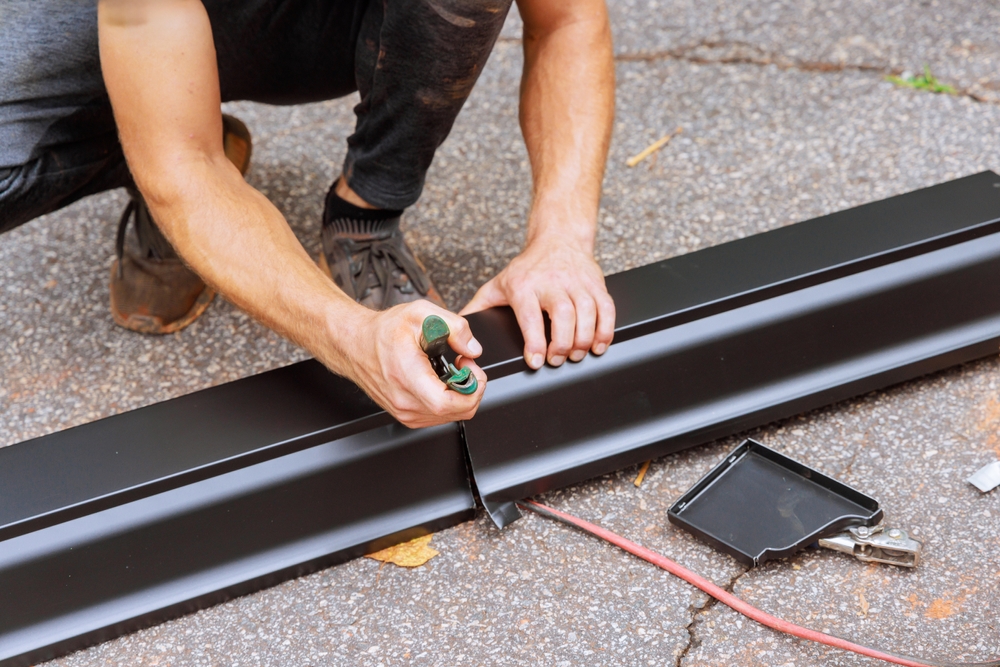
When it comes to home improvement, gutters are rarely the first thing that comes to mind. Most homeowners prioritize kitchen renovations, new flooring, or a fresh coat of paint. Yet, few components of your home’s exterior work as hard as your gutter system. It is the silent guardian of your foundation, roof, and landscaping. While standard, off-the-shelf gutters might seem like a convenient option, they often lack the precision required to handle the unique demands of your specific property. This is where custom gutter design changes the game. Performance in a gutter system isn’t just about catching water; it’s about managing flow, resisting wear, and integrating seamlessly with your home’s architecture. A custom-designed system doesn’t just hang on your eaves—it is engineered to perform specifically for your roof’s surface area, pitch, and local climate conditions. In this extensive guide, we will explore how tailored gutter solutions elevate performance far beyond what generic kits can offer. We will dive into the advantages of seamless construction, the science of proper sizing, the impact of premium materials, and how advanced features like gutter guards contribute to a low-maintenance, high-efficiency system. If you are tired of leaks, overflows, and constant cleaning, understanding the value of custom design is your first step toward a drier, safer home. The Performance Gap: Custom vs. Standard To understand why custom design improves performance, we must first identify the shortcomings of standard systems. Most DIY or “builder-grade” gutters are designed for the average home in an average climate. But “average” rarely applies to the intense thunderstorms of South Carolina or the specific architectural nuances of your house. The Myth of “Good Enough” Standard gutters typically come in 10-foot sections made of vinyl or lightweight aluminum. They are joined together with connectors and sealed with caulk. While this might function adequately in a light drizzle, performance drops explicitly during heavy rainfall. The seams create friction, slowing down water flow. The connectors become catch points for pine needles and debris. Over time, the sealant degrades, leading to drips that can stain siding and erode soil. In contrast, custom gutter design begins with the premise that “good enough” is a failure waiting to happen. A custom approach analyzes the specific volume of water your roof sheds and engineers a system to handle that maximum load without faltering. Engineering for Local Conditions Performance is relative to the environment. A gutter system in an arid desert has different performance requirements than one in the humid, storm-prone Southeast. In Columbia, SC, we face humidity that expands and contracts metal, intense UV radiation that brittles plastic, and sudden deluges that overwhelm low-capacity troughs. Tailored gutter solutions account for these variables. We use materials that withstand thermal cycling. We size the gutters to handle our specific rainfall intensity rates. This localized engineering ensures that the system performs when it matters most—during the worst weather, not just the mildest. Seamless Construction: The Core of High Performance The single most significant upgrade in gutter performance comes from seamless construction. While standard gutters are pieced together like a puzzle, custom seamless gutters are extruded on-site from a continuous coil of metal to the exact length of your roofline. eliminating the Weakest Links In a sectional gutter system, every seam is a potential failure point. If you have a 50-foot run of gutters, a standard system might have four or five seams. That is four or five places where leaks can develop. As the house settles or temperature changes cause expansion, these seams pull apart. Seamless gutters eliminate this risk entirely. A 50-foot run is a single, solid piece of aluminum or copper. There are no connectors to fail and no sealant to crack in the middle of the run. The only joints are at the corners (miters), which are heavily reinforced. This structural integrity translates directly to better performance: fewer leaks, less dripping, and a much longer lifespan. improved Flow Dynamics Fluid dynamics teaches us that smooth surfaces facilitate faster flow. Inside a sectional gutter, the ridges where pieces join create turbulence. They act as speed bumps for the water. Furthermore, these ridges snag small debris—twigs, shingle grit, and leaves. Once a small twig gets stuck, it catches more debris, eventually forming a dam. Seamless gutters offer a smooth, uninterrupted channel. Water glides effortlessly toward the downspouts. This increased velocity helps flush out small sediments naturally, creating a self-cleaning effect that keeps the system flowing freely. For homeowners in Columbia, seamless gutters Columbia SC are not just a luxury; they are the standard for high-performance water management. Aesthetic Superiority While performance is paramount, aesthetics matter. Seams are visible from the ground. They break up the clean horizontal lines of your roof. Over time, as dirt collects around the sealant, these seams become unsightly dark vertical stripes. Seamless gutters provide a sleek, polished look. They blend in with the fascia, becoming an architectural feature rather than a tacked-on utility. This visual cleanliness enhances curb appeal while silently performing the heavy lifting of water diversion. The Science of Sizing: Why Size Matters One of the most critical aspects of custom gutter design is sizing. Standard kits usually default to a 5-inch width. While this is the residential standard, it is often inadequate for modern homes with large, steep roofs. Calculating Hydraulic Capacity Performance is a numbers game. To design a high-performance system, we calculate the total square footage of the roof area draining into a specific gutter run. We also factor in the pitch of the roof. A steeper roof sheds water faster, hitting the gutter with more force and volume. If a standard 5-inch gutter is installed on a large, steep roof, it will likely overflow during a heavy downpour. The trough simply cannot hold the volume of water rushing into it. Custom solutions frequently utilize 6-inch gutters. While one inch sounds negligible, a 6-inch gutter holds nearly 40% more water than a 5-inch gutter. This massive increase in capacity ensures that even during torrential rains, the water stays inside
The Science Behind Proper Water Drainage | Cola City Roofing
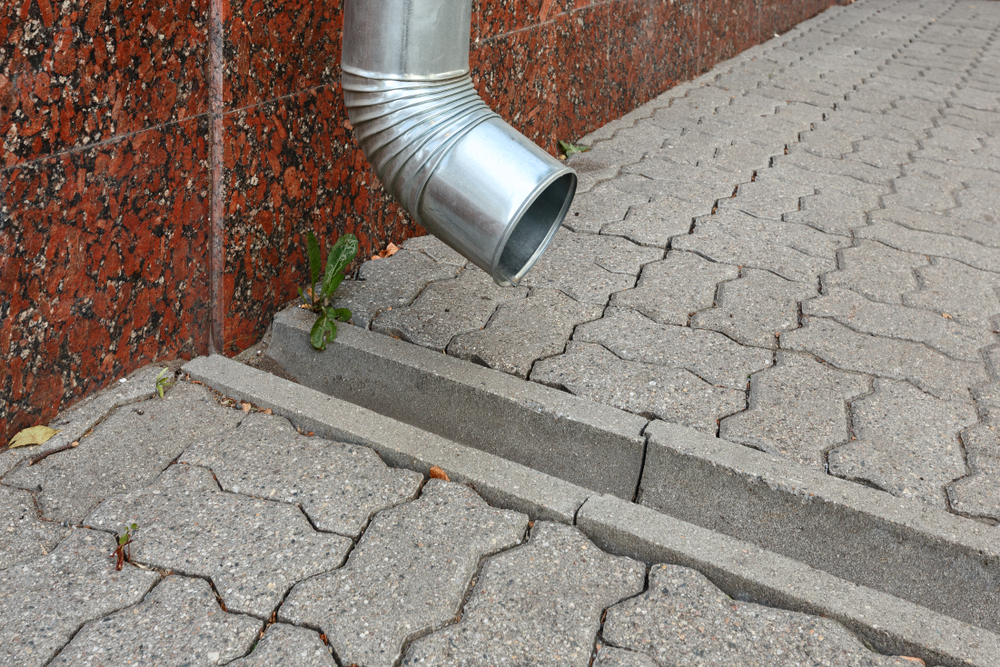
Water is one of nature’s most powerful forces. It carved the Grand Canyon, it shapes our coastlines, and if left unchecked, it can slowly dismantle the structural integrity of your home. While a rainstorm might seem like a simple weather event, the way water interacts with your roof and property involves complex physics. Understanding the science behind proper water drainage is not just academic—it is essential for protecting your biggest investment. Effective water management is about more than just bolting metal troughs to the edge of your roof. It involves calculating flow rates, understanding gravitational pull, analyzing surface tension, and accounting for hydraulic capacity. When these scientific principles are applied correctly, your home remains dry and stable. When they are ignored, water finds the path of least resistance, which is often right through your ceiling or into your foundation. In this deep dive into the physics of drainage, we will explore why water behaves the way it does, how gutter system design influences performance, and why specific architectural features like roof pitch dictate the solutions you need. Whether you are dealing with the humid, storm-prone climate of Columbia, SC, or just want to understand your home better, this guide covers the essential mechanics of keeping water where it belongs: away from your house. The Physics of Water Flow on Roofs To understand drainage, we must first understand gravity. When rain hits your roof, gravity immediately pulls it downward. However, the speed and volume of that water depend heavily on the geometry of your roof. The Role of Roof Pitch Roof pitch is the angle or slope of your roof, typically expressed as a ratio (e.g., 4:12 means the roof rises 4 inches for every 12 inches of horizontal run). The pitch is the primary accelerator of water. Low-Slope Roofs: On a flatter roof, water moves slower. This slower movement gives water more time to find imperfections in shingles or flashing. It also means water enters the gutter system at a lower velocity, which reduces the risk of overshooting but increases the risk of pooling if the gutters aren’t pitched correctly. Steep-Slope Roofs: A steep roof acts like a slide. Water accelerates rapidly as it descends. By the time it reaches the eave, it has significant kinetic energy. If your gutter system design doesn’t account for this velocity, the water can shoot right over the edge of a standard gutter, rendering it useless. Understanding pitch is critical for effective water drainage. A professional assessment will calculate the velocity of runoff to determine not just the size of the gutter, but the height at which it should be hung to catch the water trajectory effectively. Surface Area and Volume It’s a simple equation: the larger the roof, the more water it catches. But it’s not just about the footprint of your home; it’s about the “catchment area” of each roof plane. During a heavy downpour in Columbia, SC, a 1,000-square-foot roof section can collect over 600 gallons of water in just one inch of rain. That is nearly three tons of water weight hitting your drainage system. If your gutters are too small (e.g., standard 5-inch width) for the surface area they serve, the hydraulic capacity is breached, and overflow occurs. This is why professional gutter installation services often recommend 6-inch gutters for larger homes—they provide the necessary volume to handle peak flow rates. Surface Tension and Cohesion Water molecules are cohesive; they stick together. They also exhibit adhesion, sticking to surfaces. This is why water tends to curl around the edge of a roof drip edge rather than falling straight down. Proper drainage systems utilize this science. A drip edge is a metal flashing installed at the roof’s edge that uses surface tension to guide water directly into the gutter rather than letting it wick back up under the shingles or run down the fascia board. Without this mechanical intervention, capillary action—the ability of water to flow in narrow spaces without the assistance of external forces—can draw moisture into your roof decking, leading to rot. The Mechanics of Gutter System Design Gutters are not passive buckets; they are active channels. Their design must facilitate the continuous movement of fluid against friction and turbulence. The Importance of Slope (Pitch) For water to move laterally toward a downspout, the gutter itself must be angled. This is known as the “pitch” or “slope.” If a gutter is hung perfectly level, water will stagnate. Standing water is heavy, causing the gutter to sag, and it becomes a breeding ground for mosquitoes and algae. However, the science of the pitch requires precision. Too Little Pitch: Water moves too slowly, allowing sediment and debris to settle at the bottom, creating sludge that eventually causes clogs. Too Much Pitch: The water moves efficiently, but the gutter looks crooked against the roofline, ruining the aesthetic of the home. Furthermore, a steep pitch effectively reduces the capacity of the gutter at the lower end. The industry standard is typically about 1/4 inch of drop for every 10 feet of gutter run. This subtle angle uses gravity to keep water moving at a velocity that makes the system “self-cleaning,” washing small debris toward the downspout. Friction and Material Choices As water flows through a channel, friction against the walls of the gutter slows it down. The material of the gutter affects this friction coefficient. Vinyl: Often has seams and a slightly rougher texture over time as it degrades from UV exposure. Seams create turbulence, acting as speed bumps for the water. Seamless Aluminum or Copper: These materials offer smooth, uninterrupted channels. This reduces friction and turbulence, allowing water to flow more efficiently. This is why seamless systems are the gold standard for Columbia SC water management. Furthermore, seams are the weakest link in the chain. Every seam relies on a sealant that will eventually degrade due to thermal expansion and contraction. Once the seal breaks, the physics of the system fails, and water leaks out before reaching the downspout. Profile
Why One-Size-Fits-All Gutters Don’t Work
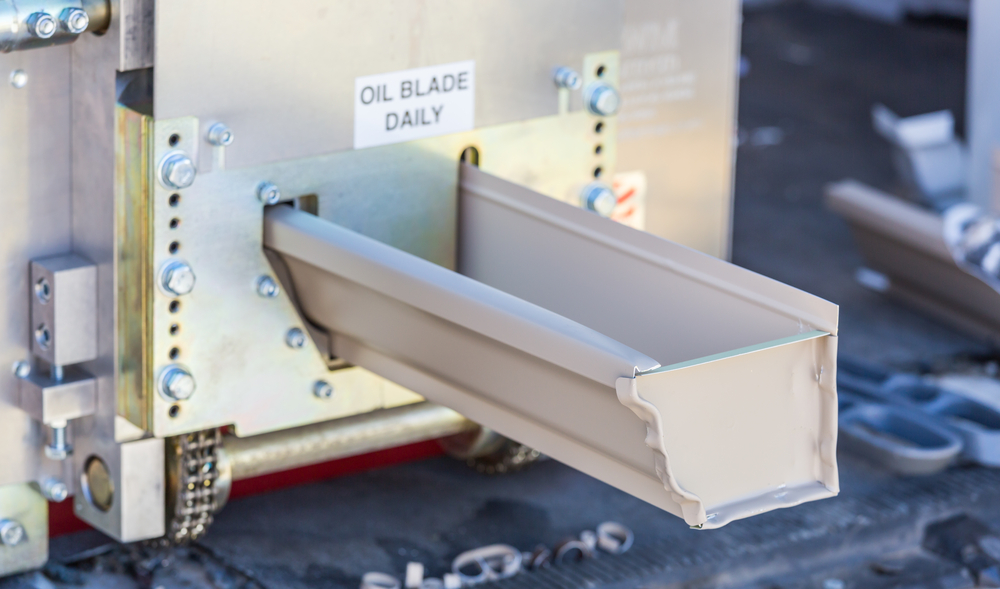
Every home has a unique personality. From the pitch of the roof to the landscaping that surrounds the foundation, the characteristics of your property are distinct. Yet, when it comes to water management, many homeowners settle for generic, off-the-shelf solutions that treat every house exactly the same. The truth is that your home’s drainage needs are as individual as its architecture, which is precisely why one-size-fits-all gutters simply don’t work. Water is one of the most destructive forces in nature. When controlled properly, it flows harmlessly away from your home. When managed poorly by inadequate gutter systems, however, it can erode your foundation, rot your fascia boards, and flood your basement. While buying a pre-packaged gutter kit from a big-box store might seem like a cost-effective quick fix, it often leads to expensive long-term damage. In this comprehensive guide, we will explore the critical limitations of generic gutter systems. We will dive into the physics of water flow, the importance of material selection, and why custom gutter solutions are the only way to truly protect your investment. Whether you are dealing with a steep roof pitch, heavy seasonal rainfall, or complex architectural angles, understanding why tailored gutter systems matter is the first step toward safeguarding your home. The Myth of Universal Gutter Systems The concept of “one-size-fits-all” is appealing because it suggests simplicity. It implies that you don’t need to worry about measurements, flow rates, or material durability—you can just buy a product, install it, and forget it. Unfortunately, in the world of roofing and drainage, this simplicity is a dangerous illusion. Every Roof Pitch is Different One of the primary reasons generic gutters fail is that they do not account for roof pitch. The pitch, or steepness, of your roof determines how fast water travels during a rainstorm. A steep roof will shed water much more rapidly than a flat or low-slope roof. If you install a standard 5-inch K-style gutter on a home with a steep, expansive roof, the water may rush down so quickly that it overshoots the gutter entirely. This “waterfall effect” renders the gutter useless, allowing water to pound against your foundation just as if you had no gutters at all. Conversely, a custom solution can account for this velocity, perhaps by installing 6-inch gutters or adjusting the placement to catch high-speed runoff effectively. Surface Area Matters The total square footage of your roof directly correlates to the volume of water your gutters must handle. A sprawling ranch-style home has a massive surface area that collects hundreds of gallons of water during a single downpour. A standard gutter kit is rarely calibrated to handle such volume. When the volume of water exceeds the capacity of the gutter trough, the system overflows. This overflow runs behind the gutter, soaking the fascia board and soffit, leading to wood rot and attracting pests like termites and carpenter ants. Professional gutter installation services begin with a calculation of your roof’s surface area to ensure the system installed has the capacity to handle peak rainfall in Columbia, SC. Climate Considerations Generic gutters are manufactured to be sold nationally, meaning the same product sold in arid Arizona is sold in storm-prone South Carolina. However, our local climate demands specific performance. We experience intense thunderstorms, humidity that affects material expansion, and occasional heavy debris from pine trees and oaks. A tailored approach considers these local weather patterns. For instance, in areas with heavy tree coverage, a standard open gutter is a recipe for instant clogs. A custom system might integrate heavy-duty guards or use specific materials like copper or seamless aluminum that resist corrosion and withstand the humidity better than cheaper vinyl alternatives often found in DIY kits. The Structural Risks of Improper Gutter Sizing Using the wrong size gutter is akin to putting tires from a compact car onto a heavy-duty truck. They might fit onto the wheel, but they will fail under the load. In the context of your home, the “load” is water weight, and the failure can be catastrophic. The Problem with 5-Inch vs. 6-Inch Gutters The residential standard has long been the 5-inch gutter. For many smaller homes with asphalt shingles and moderate slopes, this size is adequate. However, modern homes often feature complex rooflines, multiple valleys, and larger surface areas. For these properties, 5-inch gutters are woefully undersized. 6-inch gutters utilize an oversized downspout system and can hold significantly more water—nearly 40% more volume than their 5-inch counterparts. This extra capacity is crucial during torrential downpours. A one-size-fits-all approach typically defaults to the smaller, cheaper 5-inch option, leaving larger homes vulnerable to overflow. Upgrading to a custom 6-inch system ensures that even during the heaviest storms, water is channeled away efficiently. Downspout Placement and Quantity It is not just about the trough; it is also about the exit strategy. Generic kits often come with a set number of downspouts or recommend placing them at the corners of the house. However, water doesn’t always flow neatly to the corners. If a gutter run is too long without a downspout, the water has nowhere to go fast enough. The added weight of standing water can pull the gutters away from the fascia, causing them to sag or detach completely. A custom design analyzes the water load to determine exactly where downspouts should be placed and how many are needed. This might mean adding an extra downspout in the middle of a long run or increasing the size of the downspout from 2×3 inches to 3×4 inches to facilitate faster drainage. Material Durability: Why “Off-the-Shelf” Often Fails When you buy a standard gutter system, you are often limited in material choices—typically lightweight aluminum or vinyl. While these materials have their place, they are not universally suitable for every home or budget. The Short Lifespan of Vinyl (PVC) Vinyl gutters are the darlings of the DIY world because they are cheap and easy to snap together. However, they are fundamentally flawed for many environments. Vinyl becomes brittle when exposed
Understanding Gutter Pitch and Water Flow

A gutter system is a crucial component of your home’s exterior, tasked with the vital job of protecting your property from water damage. While they may seem like simple channels attached to your roofline, their effectiveness hinges on a precise and often overlooked detail: the pitch. The pitch, or slope, of your gutters is the single most important factor that determines how efficiently water is collected and directed away from your home. An incorrect pitch can render an expensive new gutter system almost useless, leading to overflow, standing water, and a host of potential problems. Many homeowners assume that gutters are installed perfectly level, but this is a common and damaging misconception. For water to move from your roof to your downspouts, it needs the help of gravity. That’s where gutter pitch comes in. It’s a subtle, carefully calculated downward angle that ensures water flows smoothly toward its designated exit. This guide will provide a deep dive into the concept of gutter pitch, explaining why it’s so critical, how it’s calculated, and the significant risks of getting it wrong. Understanding the science behind proper water flow will empower you to identify issues with your current system and know what to look for when hiring Columbia SC gutter experts for a new installation. What is Gutter Pitch? A Simple Explanation In the simplest terms, gutter pitch is the slope at which a gutter is installed. It is the slight, almost imperceptible downward tilt of a horizontal gutter run that guides rainwater toward a downspout. Without this slope, water would sit stagnant in the gutter troughs, creating numerous problems. The pitch ensures that gravity does the work, creating a consistent and reliable flow that clears water from your roofline quickly and efficiently. Think of it like a river. A river flows from a higher elevation to a lower one. Your gutter system should function in the same way, with the highest point being furthest from the downspout and the lowest point being at the downspout opening. This gentle gradient is the engine of your entire water management system. The standard, industry-accepted rule for gutter pitch is a drop of at least ¼ inch for every 10 feet of gutter. Some building codes may allow for a minimum of ⅛ inch per 10 feet on shorter runs, but a ¼-inch slope is widely considered the best practice to ensure optimal flow and prevent pooling. For very long sections of gutter (over 40 feet), professionals often increase the pitch or install the downspout in the middle, creating a high point at each end and sloping the gutters down toward the center. It’s a measurement that requires precision. A pitch that is too shallow will not create enough momentum for water to flow properly, while a pitch that is too steep can cause water to rush too quickly, overshooting the downspout or creating a visibly crooked and unappealing roofline. The Physics of Water Flow in Gutters To truly appreciate the importance of pitch, it helps to understand the basic physics at play. The effectiveness of your gutter system is a delicate balance between water volume, velocity, and the physical capacity of the channels. The Role of Gravity and Slope Gravity is the force that pulls water through your gutters. However, on a nearly level surface, the surface tension of water and friction from the gutter material can be enough to hold the water in place, especially when only a small amount is present. By introducing a slope, you give gravity the mechanical advantage it needs to overcome this resistance and initiate movement. A proper pitch ensures that water begins to flow as soon as it enters the gutter. This continuous movement is critical for several reasons: Self-Cleaning Action: Consistent water flow helps to carry small debris like shingle grit, pollen, and small leaves toward the downspout. This self-cleaning effect reduces the frequency of clogs and makes maintenance easier. Preventing Stagnation: When water pools in a gutter with an insufficient slope, it becomes stagnant. This standing water adds significant weight to the system, can accelerate corrosion of the gutter material, and creates a perfect breeding ground for mosquitoes and other pests. Maximizing Capacity: During a heavy downpour, the system’s ability to move water quickly is essential. A properly pitched gutter evacuates water as it arrives, keeping the channel clear to accept more rainfall. A poorly pitched gutter fills up quickly, as the slow-moving water creates a bottleneck that leads to overflow. The Problem of Insufficient Pitch (Too Shallow) This is the most common mistake in DIY or unprofessional gutter installation services. When the slope is less than the recommended minimum, several negative consequences arise. Pooling and Standing Water: Even a slight dip or a section that is too level will cause water to collect. This is the most obvious sign of an improper pitch. After a rainstorm, you should not see any significant amount of water left in your gutters. Debris Accumulation and Clogs: Without adequate water velocity, sediment and leaves settle at the bottom of the trough. Over time, this builds up into a dense sludge that creates blockages. These clogs cause water to back up and spill over the sides. Added Weight and System Strain: Water is heavy, weighing approximately 8.34 pounds per gallon. A 40-foot section of 5-inch gutter filled with just one inch of standing water is holding over 100 pounds of extra weight. This constant strain can cause hangers to pull loose from the fascia board, leading to sagging and eventual system failure. Ice Dam Formation: In climates that experience freezing temperatures, standing water in gutters is a primary contributor to the formation of ice dams. The water freezes into a solid block of ice, preventing any further drainage. As snow on the roof melts, the water backs up behind this ice dam, seeping under shingles and causing severe roof leaks and water damage to attics and interior walls. The Problem of Excessive Pitch (Too Steep) While less common, it
How Building Codes Affect Gutter Installation

Your home’s gutter system is its first line of defense against water damage. It diligently collects rainwater from your roof and channels it safely away from your foundation, siding, and landscaping. But installing a gutter system isn’t as simple as just attaching troughs to the edge of your roof. There is a complex web of rules and regulations known as building codes that govern nearly every aspect of the process. For homeowners in Columbia, SC, and beyond, understanding how these codes affect gutter installation is crucial for ensuring a safe, effective, and compliant water management system. Failing to adhere to local building codes can lead to a host of problems. These can range from failed inspections that delay construction projects to fines and penalties. More importantly, an improperly installed gutter system can result in significant water damage, leading to costly repairs for your foundation, roof, and walls. This detailed guide will explore the world of building codes for gutters, helping you understand their purpose, what they typically cover, and why professional expertise is non-negotiable for a successful installation. The Purpose of Building Codes for Gutters Building codes are not arbitrary rules designed to make a homeowner’s life more difficult. They are a set of standards and requirements established by local, state, or national authorities to ensure the health, safety, and welfare of the public. When it comes to gutters, these codes are specifically designed to guarantee that rainwater is managed effectively and safely, protecting the structural integrity of buildings and preventing public health issues. The primary goals of gutter installation regulations include: Protecting Structural Integrity: The most critical function of building codes for gutters is to prevent water damage. By dictating proper sizing, slope, and material requirements, codes ensure that the gutter system can handle the volume of rainfall in a specific geographic area. This prevents water from overflowing and saturating the ground near your foundation, which can lead to cracks, settling, and catastrophic structural failure over time. It also protects your roof decking and fascia boards from rot and deterioration. Ensuring Public Safety: Improperly managed water runoff can create hazards. In colder climates, water pooling on sidewalks and driveways can freeze, creating dangerous icy patches. In all areas, significant runoff can contribute to soil erosion, destabilizing landscapes and even neighboring properties. Codes often dictate where downspouts should discharge water to prevent these kinds of public safety issues. Standardizing Quality and Workmanship: Building codes establish a minimum benchmark for quality. They specify acceptable materials, fastener types, and installation techniques. This protects consumers from shoddy workmanship and ensures that every installation, regardless of the contractor, meets a baseline standard of durability and performance. When you hire a professional for gutter installation services, they are obligated to follow these standards. Environmental Protection: Modern building codes increasingly incorporate environmental considerations. Regulations might specify how runoff should be managed to prevent pollutants from entering local waterways or encourage the use of rainwater harvesting systems. Proper drainage helps control erosion and protects local ecosystems. By mandating these standards, building codes provide a framework that ensures every gutter system is built to last and function correctly, safeguarding your investment and your community. Key Areas Covered by Gutter Installation Regulations While specific building codes can vary significantly from one municipality to another, they generally address several core components of a gutter system. A professional contractor will be well-versed in the specific requirements for your location, but it is helpful for homeowners to have a general understanding of what these regulations entail. Gutter Sizing and Capacity One of the most important aspects regulated by building codes is the size of the gutters and downspouts. A system that is too small for your roof will be quickly overwhelmed during a heavy downpour, rendering it useless. Codes provide a formula for determining the appropriate size based on several factors: Roof Area: The total square footage of the roof surface that will drain into a particular section of the gutter. Roof Pitch: A steeper roof (higher pitch) causes water to flow faster, requiring a larger gutter to capture it without overshooting. Maximum Rainfall Intensity: This is a crucial, location-specific variable. Building codes use historical weather data to determine the maximum rate of rainfall a gutter system in that region must be able to handle, usually measured in inches per hour. A coastal area prone to hurricanes will have a much higher rainfall intensity value than an arid region. Based on these inputs, codes will specify the minimum required width of the gutters (e.g., 5-inch or 6-inch) and the size and number of downspouts needed to drain the calculated volume of water efficiently. Forgetting this calculation is a common mistake that leads to overflow and water damage. Material and Durability Standards Building codes also regulate the types of materials that can be used for gutters and their associated components. The goal is to ensure the system is durable enough to withstand local environmental conditions for a reasonable lifespan. Material Type: Common approved materials include aluminum, galvanized steel, vinyl, and copper. Codes will specify the minimum thickness or gauge for each material to prevent them from denting, bending, or failing under the weight of water, ice, or debris. For example, aluminum gutters used in areas with heavy snowfall might need to be a thicker gauge than those in a milder climate. Corrosion Resistance: In coastal regions like parts of South Carolina, salt spray can accelerate corrosion. Building codes in these areas often require materials with enhanced corrosion resistance, such as high-grade aluminum with a protective coating or copper, which develops a natural protective patina. Fasteners and Hangers: The code will specify the type, size, and spacing of the hangers or fasteners used to secure the gutters to the fascia board. They must be strong enough to support a gutter filled with water and debris. Regulations often require hangers to be spaced more closely in regions that experience snow and ice, which add significant weight. Gutter Slope and Pitch Requirements For a gutter