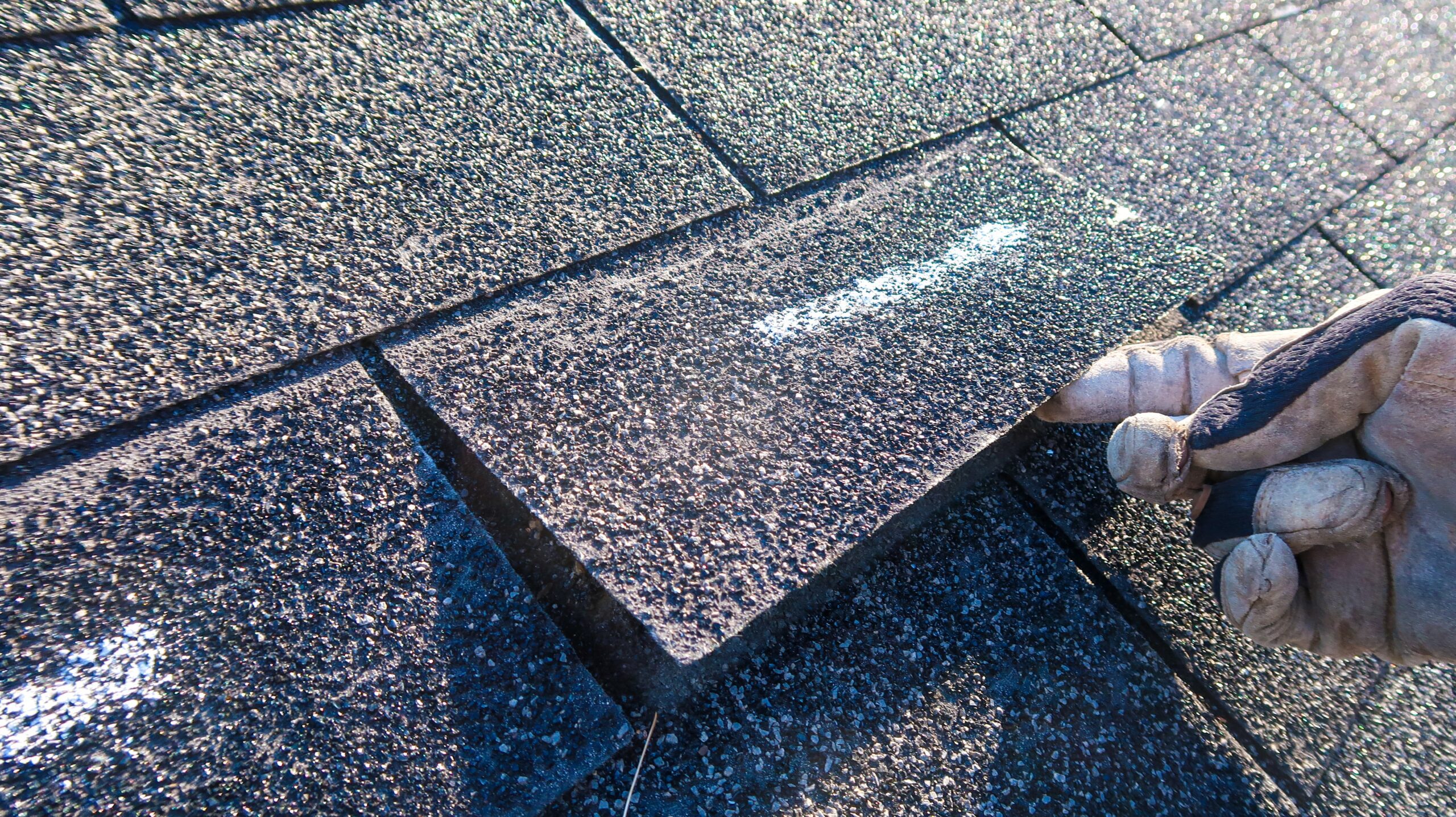

Buying or selling a home is a process filled with scrutiny, paperwork, and anticipation. Among the many hurdles to clear, the home inspection stands out as the most critical. It is the moment when the "bones" of the house are tested. While buyers often worry about the condition of the HVAC system, the age of the roof, or the stability of the foundation, there is one exterior component that ties all of those structural elements together: the gutter system.
Gutters are the unsung heroes of home maintenance. When they work correctly, you barely notice them. When they fail, however, the consequences can be catastrophic, ranging from flooded basements to eroded landscapes and rotted roof decks. This is why seasoned home inspectors pay such close attention to home gutter systems . They know that a failing gutter is often a precursor to much more expensive structural damage.
If you are a homeowner preparing to sell, or a buyer looking to understand the red flags in a potential new property, understanding the mechanics of a gutter inspection is vital. In this comprehensive guide, we will walk you through exactly what professionals look for, why it matters, and how you can ensure your home passes the test with flying colors.
Why the Gutter System is a Top Priority for Inspectors
Before diving into the specific checkpoints, it is important to understand the "why" behind the inspection. A home inspector isn’t just looking at the gutters to see if they are pretty or clean; they are assessing the water management capabilities of the entire property.
Water is the single biggest enemy of a residential structure. It is persistent, heavy, and capable of finding its way through the smallest cracks. The gutter system is the first line of defense against rain and storm runoff. If the gutters fail to capture water from the roof and divert it away from the house, that water will inevitably end up where it shouldn’t be.
Protecting the Foundation
The primary job of a gutter system is to protect the home’s foundation. When an inspector looks at a gutter, they are thinking about the soil surrounding the house. If gutters leak or overflow, water saturates the ground right next to the foundation walls. In the winter, this water can freeze and expand, causing cracks (hydrostatic pressure). Over time, constant saturation can cause the soil to settle unevenly, leading to shifting foundations, sticking doors, and cracks in drywall.
Preventing Roof and Fascia Rot
Inspectors also look at gutters to determine the health of the roof edge. If gutters are clogged or misaligned, water can back up under the shingles or overflow behind the gutter trough. This leads to rotting fascia boards (the board the gutter is mounted to) and soffits. Rot in these areas provides an entry point for pests, birds, and moisture, compromising the attic space.
Material Integrity: What Signs of Wear Tell the Story
The first thing an inspector will note is the material of the gutters and their physical condition. While gutters can be made from various materials—aluminum, copper, steel, vinyl, or zinc—inspectors assess them all for signs of failure relevant to their composition.
Rust and Corrosion
If your home has galvanized steel gutters, rust is the enemy. Inspectors look closely at the bottom of the trough and the seams. Once rust begins, it acts like a cancer for the metal, eating through and creating holes. Even small pinholes can cause significant dripping that stains siding and erodes landscaping.
Aluminum gutters, which are more common in modern Columbia SC gutter services , do not rust, but they can corrode over time if they come into contact with dissimilar metals or harsh chemicals. Inspectors will check for pitting and powdery residue on the surface, which indicates the metal is weakening.
Physical Damage: Dents, Cracks, and Holes
Physical trauma to the gutter system is a major red flag. This can come from falling tree limbs, ladders leaning against the troughs during maintenance, or heavy ice dams in winter.
- Cracks: In vinyl systems, cold weather and UV exposure can cause the plastic to become brittle and crack. A crack completely compromises the water channel.
- Dents: Large dents in aluminum gutters can impede water flow. If a dent creates a low spot or a dam, water will pool there, leading to mosquito breeding grounds and eventual overflow.
- Holes: Inspectors will look for holes drilled for previous accessories that were removed, or holes caused by wear and tear. Any hole is a leak point that needs to be sealed.
Seam Failure
Unless you have upgraded to a seamless system, your gutters likely have seams every 10 to 20 feet. These seams are sealed with a mastic or sealant that degrades over time. Inspectors look for staining on the underside of these seams, which indicates leaking. They will also check if the seams are pulling apart. Seam failure is one of the most common issues cited in inspection reports for older homes.
Installation Quality: Is the System Secured Correctly?
Even the highest quality materials will fail if the gutter installation services were performed poorly. Installation defects are perhaps the most common finding during home inspections. The inspector will evaluate the mechanics of how the system is attached to the home.
Checking the Pitch and Slope
Gutters are not meant to be perfectly level. If they were, water would just sit in them. They require a subtle, almost imperceptible slope toward the downspouts to rely on gravity for drainage. The standard rule of thumb is about a quarter-inch of drop for every 10 feet of gutter.
Inspectors check this by:
- Visual Sighting: Looking along the gutter line to see if it sags in the middle or tilts away from the downspout.
- Water Marks: Looking inside the gutter (if visible) for standing water or dark sludge lines that indicate water pools there regularly.
- The Hose Test: Sometimes, an inspector might run water to see if it flows freely or stagnates.
If the pitch is wrong, water stands still. Standing water adds immense weight to the system, causing it to pull away from the house, and eventually leads to overflow during heavy rains.
Hanger Spacing and Security
How is the gutter attached to the house? Older systems often use "spikes and ferrules"—large nails driven through a tube inside the gutter into the fascia. Over time, the expansion and contraction of the wood and metal cause these spikes to work themselves loose. An inspector will look for spike heads sticking out, indicating the gutter is loose.
Modern installations typically use hidden hangers that clip inside the gutter and screw into the fascia. Inspectors check the spacing of these hangers. In areas with heavy rain or potential for debris, hangers should be spaced no more than 24 inches apart. If they are spaced too widely (e.g., every 4 feet), the gutter will sag under the load of water and wet leaves.
Fascia Board Condition
The strength of the installation depends entirely on what the gutter is attached to. If the fascia board behind the gutter is soft, rotted, or damaged, the fasteners have nothing to bite into. Inspectors will gently push or pull on the gutters to check for movement. If the gutter swings or pulls away easily, it often means the wood behind it is compromised. This is a significant repair item because it usually requires removing the gutters, replacing the wood, and painting before re-installing.
Water Flow and Drainage Efficiency
Once the inspector is satisfied with the gutters themselves, their focus shifts to where the water goes. The drainage system—downspouts, elbows, and extensions—is just as critical as the troughs on the roof edge.
Downspout Placement and Functionality
Are there enough downspouts? A general rule is one downspout for every 30 to 40 feet of gutter. If a long run of gutter only has one outlet, it will likely be overwhelmed during a torrential downpour. Inspectors check to ensure downspouts are securely strapped to the siding and aren’t loose or rattling.
They also check the elbows (the bent pieces of pipe). Clogs frequently happen at the elbows and transitions. If an inspector sees dents or distortions in the elbows, it might indicate someone hammered on them to dislodge a clog—a sign of chronic maintenance issues.
Extensions and Diverters: Getting Water Away
This is one of the most frequently cited deficiencies in home inspection reports: Negative Grade Drainage.
Ideally, water should be discharged at least 4 to 6 feet away from the foundation. Inspectors often find downspouts that dump water directly at the base of the wall. This defeats the entire purpose of having gutters.
Inspectors look for:
- Splash Blocks: Concrete or plastic pads that help disperse energy but often aren’t enough to move water away.
- Extensions: Flexible or rigid pipes attached to the bottom of the downspout to carry water further out into the yard.
- Underground Drains: If the downspouts feed into underground pipes, the inspector will look for the exit point (pop-up emitter or daylight drain) to ensure it isn’t crushed or buried.
Signs of Standing Water and Erosion
Inspectors are detectives. Even on a dry day, they can tell if your gutter repair services are overdue by looking at the ground. They look for:
- Divots in the dirt: A trench or hole in the ground directly under the gutter line indicates the gutter is overflowing and the waterfall is digging a hole.
- Algae on the ground: Green slime on pavement or soil near the foundation suggests constant moisture.
- Efflorescence: White, powdery mineral deposits on the foundation walls (if visible) indicate that water is evaporating through the concrete, meaning the soil is too wet.
Structural Connections: Fascia, Soffit, and Roof Edge
The interface between the roof and the gutter is a complex area involving several building components. Inspectors examine this junction critically because it is a common leak point.
The Critical Role of the Drip Edge
A drip edge is a piece of metal flashing that slides under the roof shingles and hangs over the back edge of the gutter. Its job is to ensure that water dripping off the shingles falls into the gutter, not behind it.
Inspectors frequently find missing drip edges on older homes or DIY installations. Without a drip edge, surface tension can cause water to curl back under the shingle and run down the fascia board. Over time, this causes the fascia to rot and the gutter to detach. If an inspector sees a gap between the roof edge and the gutter with no flashing, it will be noted as a defect requiring correction.
Shingle Overhang
Inspectors check how far the shingles extend over the roof edge. The ideal overhang is roughly ¾ to 1 inch.
- Too little overhang: Water dribbles behind the gutter.
- Too much overhang: Water shoots over the gutter entirely during heavy rain, landing on the ground below (known as "overshooting").
This is a delicate balance that affects the performance of the entire system.
Common Red Flags That Fail Inspections
While many issues are subtle, some gutter problems are glaring red flags that will immediately appear on the inspection summary.
Separation from the Roofline
If you can stand on the ground and see "sky" between the back of the gutter and the house, the system has failed. This separation means the fasteners have pulled out. It poses a safety risk (the gutter could fall) and ensures that water is running down the siding. This is an immediate repair priority.
Severe Clogging and Biological Growth
Inspectors do not expect pristine gutters, but they do note neglect. If they see small trees growing out of the gutters, thick mats of moss, or gutters filled to the brim with decomposed "gutter muck," it signals that the home has not been maintained.
Why does this matter?
- Weight: Wet debris is incredibly heavy and strains the fasteners.
- Corrosion: Decomposing organic matter is acidic and eats away at metal gutters.
- Ice Dams: In winter, clogs prevent drainage, leading to ice dams that rip gutters off the house.
Evidence of Water Damage on Siding or Masonry
Inspectors look at the siding below the gutters. Stains, peeling paint, rotted cedar shakes, or eroded mortar joints in brick are evidence of long-term splashing or overflow. This tells the inspector that the gutter problem is not new—it is a chronic issue that may have caused hidden damage inside the wall cavity.
Gutter Guards and Leaf Protection Systems
Many homeowners install gutter guards to reduce maintenance. However, these systems are not foolproof, and inspectors examine them closely.
Improper Installation
Inspectors check if the guards are installed correctly. Sometimes, guards are tucked under the shingles incorrectly, lifting the shingles up and compromising the roof’s water barrier. This voids roof warranties and creates leaks.
Effectiveness vs. Obstruction
Not all gutter guards work as advertised. Some types, particularly cheap mesh screens, can become clogged with pine needles and grit, essentially forming a lid over the gutter. If the inspector sees that the guards are covered in debris and water is cascading over them, they will report that the system is functioning poorly. Conversely, high-quality covers that are well-maintained are noted as a positive feature that adds value to the home.
Regional Considerations: Columbia, SC Gutter Services
For homeowners in our local area, there are specific environmental factors that inspectors keep in mind. Columbia, SC gutter services must account for the specific climate challenges we face.
Heavy Storms and Volume
South Carolina experiences sudden, intense thunderstorms that dump massive amounts of water in minutes. Inspectors here look for larger gutter sizes. While 5-inch gutters are standard, 6-inch gutters are often recommended for larger roofs or steep pitches to handle the volume of water our storms produce. An inspector might note that a standard gutter system appears undersized for the roof’s surface area.
Pine Needles and Pollen
The abundance of pine trees in our region is a specific challenge. Pine needles are notorious for weaving through standard gutter guards and creating dense clogs. Inspectors in this area are very diligent about checking for pine needle accumulation in downspouts and underground drains, as this is a leading cause of system failure in the Carolinas.
Preparing Your Home for Inspection: A Checklist
If you are selling your home, or just want to perform a self-audit before calling in professionals, here is a checklist to get your gutter system inspection-ready.
- Clean the Troughs: Remove all leaves, twigs, and debris. Flush the gutters with a hose to ensure they are clean.
- Check the Downspouts: Ensure water flows freely out of the bottom. If it backs up, you have a clog that needs clearing.
- Secure Loose Hangers: If you see a spike sticking out or a hanger that has come loose, secure it or replace it.
- Seal Leaking Seams: Use a high-quality gutter sealant to patch any drips at corners or end caps.
- Add Splash Blocks: Ensure every downspout terminates onto a splash block or has an extension diverting water at least 4 feet away.
- Paint Rotted Wood: If the fascia has minor surface weathering, scrape and paint it. If it is rotted through, it must be replaced.
While minor maintenance can be done by a handy homeowner, structural issues like incorrect pitch, rotted fascia, or undersized systems usually require professional intervention.
Why Professional Assessment Matters
Home inspectors are generalists. They know a little bit about everything in the house. However, if they spot a potential issue with your gutter system, they will likely recommend a specialist for a further evaluation.
This is where the difference between a general check-up and a professional consultation comes into play. A dedicated roofing and gutter company can perform a more invasive analysis, checking the fascia integrity behind the metal, calculating the necessary water volume capacity for your specific roof pitch, and fabricating custom seamless solutions that eliminate leak points.
Attempting to fix major gutter issues yourself (DIY) can often lead to bigger problems. Using the wrong fasteners, failing to achieve the correct slope, or damaging the roof edge during installation are common DIY mistakes that inspectors catch immediately.
Conclusion
The gutter system is integral to the longevity of your home. It protects your foundation, preserves your siding, and keeps your basement dry. When a home inspector evaluates your property, they are looking for a system that effectively captures, transports, and diverts water away from the structure.
Rust, sagging, improper slope, and poor drainage are not just cosmetic annoyances; they are indicators of potential structural risk. Whether you are buying a new home or maintaining your current one, viewing your gutters through the eyes of an inspector can help you prioritize repairs and protect your investment.
If your inspection report has come back with red flags regarding your gutters, or if you want to be proactive before listing your home, do not hesitate to seek professional help. Addressing gutter issues is typically far less expensive than repairing the foundation damage they prevent.
For comprehensive assessments, repairs, or full system replacements, ensure you are working with trusted local experts. You can learn more about us and our dedication to quality at Cola City Roofing .
If you are ready to upgrade your home’s defense against water damage, visit our Contact Us page to schedule a consultation. Let us help you ensure your home is safe, dry, and ready for whatever the weather brings.
Additional Gutter Inspection Tips for Homeowners
While the main inspection covers the physical state of the gutters, there are subtle nuances that homeowners often miss. Here are deeper insights into maintaining a system that passes inspection every time.
The "sound" of a Gutter System
believe it or not, you can hear a failing gutter system. During a rainstorm, listen. Do you hear a loud slapping sound? That usually means water is dripping onto a hard surface because of a leak or overflow. Do you hear a hollow dripping inside the walls? That is a nightmare scenario indicating an internal leak. Inspectors will often ask homeowners about noises they hear during storms.
Visualizing Water Flow
The best time to inspect your own gutters is during a rainstorm. Put on a raincoat and walk the perimeter of your house.
- Look up: Is water pouring over the edge like a waterfall? (Clog or undersized gutter).
- Look down: Is water pooling near the foundation? (Grade issue).
- Look at the corners: Are the miters leaking? (Sealant failure).
Taking photos during a storm is incredibly helpful for professionals. If you call for gutter repair services , showing the roofer exactly where the overflow happens allows for a precise diagnosis.
The Ice Dam Factor
In colder climates or during freak freezes, ice dams are a major inspection point. They occur when heat escapes your attic, melts snow on the roof, and the water refreezes in the cold gutter. This builds a wall of ice that forces water under your shingles. While this is technically an attic insulation and ventilation issue, the damage manifests in the gutters. Inspectors who see bent hangers or warped gutters often trace the cause back to poor attic insulation.
The Role of Aesthetics in Inspection
While functionality is king, aesthetics do play a role. A home with battered, mismatched, or hanging gutters sends a psychological signal to the buyer and the inspector: "This house has been neglected."
Curb appeal affects value. Clean, straight, seamless gutters that match the trim of the house suggest a well-cared-for property. Even if the gutters technically work, if they are an eyesore, an inspector might look harder for other signs of neglect. Replacing old, battered gutters with a sleek new system is one of the most cost-effective ways to improve the exterior inspection report and the home’s overall marketability.
Final Thoughts on Gutter Maintenance
The inspection report is a snapshot in time. Just because gutters pass inspection today does not mean they will be functional in six months without care. Regular maintenance is the only way to extend the lifespan of your system.
We recommend cleaning your gutters at least twice a year—once in late spring (after the pollen and seeds fall) and once in late autumn (after the leaves drop). If you have heavy tree coverage, you may need to clean them quarterly.
Remember, your roof and your gutters work as a team. A great roof with bad gutters will eventually fail at the edges. Great gutters with a bad roof will get clogged with granule loss and debris. Keeping both in top condition is the secret to a dry, healthy home.
If you are unsure about the state of your system, don’t wait for a real estate transaction to find out something is wrong. Reach out to a professional today to secure your home’s future. Whether you need a simple tune-up or a complete overhaul, understanding these inspection standards puts you in the driver’s seat of your home maintenance journey.