When it comes to home improvement, gutters are rarely the first thing that comes to mind. Most homeowners prioritize kitchen renovations, new flooring, or a fresh coat of paint. Yet, few components of your home’s exterior work as hard as your gutter system. It is the silent guardian of your foundation, roof, and landscaping. While standard, off-the-shelf gutters might seem like a convenient option, they often lack the precision required to handle the unique demands of your specific property. This is where custom gutter design changes the game.
Performance in a gutter system isn’t just about catching water; it’s about managing flow, resisting wear, and integrating seamlessly with your home’s architecture. A custom-designed system doesn’t just hang on your eaves—it is engineered to perform specifically for your roof’s surface area, pitch, and local climate conditions.
In this extensive guide, we will explore how tailored gutter solutions elevate performance far beyond what generic kits can offer. We will dive into the advantages of seamless construction, the science of proper sizing, the impact of premium materials, and how advanced features like gutter guards contribute to a low-maintenance, high-efficiency system. If you are tired of leaks, overflows, and constant cleaning, understanding the value of custom design is your first step toward a drier, safer home.
The Performance Gap: Custom vs. Standard
To understand why custom design improves performance, we must first identify the shortcomings of standard systems. Most DIY or "builder-grade" gutters are designed for the average home in an average climate. But "average" rarely applies to the intense thunderstorms of South Carolina or the specific architectural nuances of your house.
The Myth of "Good Enough"
Standard gutters typically come in 10-foot sections made of vinyl or lightweight aluminum. They are joined together with connectors and sealed with caulk. While this might function adequately in a light drizzle, performance drops explicitly during heavy rainfall. The seams create friction, slowing down water flow. The connectors become catch points for pine needles and debris. Over time, the sealant degrades, leading to drips that can stain siding and erode soil.
In contrast, custom gutter design begins with the premise that "good enough" is a failure waiting to happen. A custom approach analyzes the specific volume of water your roof sheds and engineers a system to handle that maximum load without faltering.
Engineering for Local Conditions
Performance is relative to the environment. A gutter system in an arid desert has different performance requirements than one in the humid, storm-prone Southeast. In Columbia, SC, we face humidity that expands and contracts metal, intense UV radiation that brittles plastic, and sudden deluges that overwhelm low-capacity troughs.
Tailored gutter solutions account for these variables. We use materials that withstand thermal cycling. We size the gutters to handle our specific rainfall intensity rates. This localized engineering ensures that the system performs when it matters most—during the worst weather, not just the mildest.
Seamless Construction: The Core of High Performance
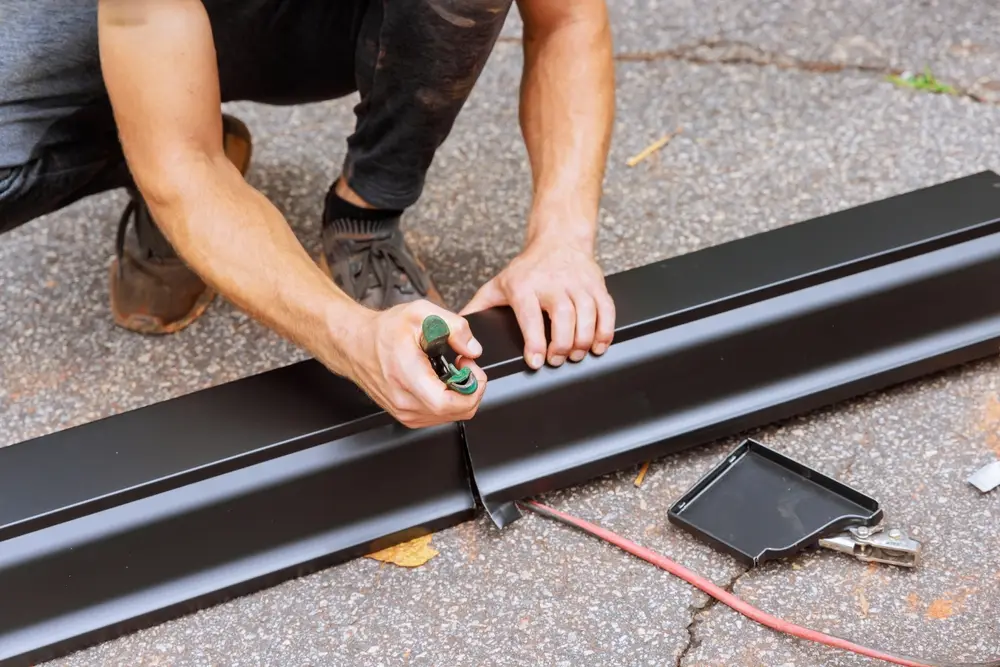
The single most significant upgrade in gutter performance comes from seamless construction. While standard gutters are pieced together like a puzzle, custom seamless gutters are extruded on-site from a continuous coil of metal to the exact length of your roofline.
eliminating the Weakest Links
In a sectional gutter system, every seam is a potential failure point. If you have a 50-foot run of gutters, a standard system might have four or five seams. That is four or five places where leaks can develop. As the house settles or temperature changes cause expansion, these seams pull apart.
Seamless gutters eliminate this risk entirely. A 50-foot run is a single, solid piece of aluminum or copper. There are no connectors to fail and no sealant to crack in the middle of the run. The only joints are at the corners (miters), which are heavily reinforced. This structural integrity translates directly to better performance: fewer leaks, less dripping, and a much longer lifespan.
improved Flow Dynamics
Fluid dynamics teaches us that smooth surfaces facilitate faster flow. Inside a sectional gutter, the ridges where pieces join create turbulence. They act as speed bumps for the water. Furthermore, these ridges snag small debris—twigs, shingle grit, and leaves. Once a small twig gets stuck, it catches more debris, eventually forming a dam.
Seamless gutters offer a smooth, uninterrupted channel. Water glides effortlessly toward the downspouts. This increased velocity helps flush out small sediments naturally, creating a self-cleaning effect that keeps the system flowing freely. For homeowners in Columbia, seamless gutters Columbia SC are not just a luxury; they are the standard for high-performance water management.
Aesthetic Superiority
While performance is paramount, aesthetics matter. Seams are visible from the ground. They break up the clean horizontal lines of your roof. Over time, as dirt collects around the sealant, these seams become unsightly dark vertical stripes.
Seamless gutters provide a sleek, polished look. They blend in with the fascia, becoming an architectural feature rather than a tacked-on utility. This visual cleanliness enhances curb appeal while silently performing the heavy lifting of water diversion.
The Science of Sizing: Why Size Matters
One of the most critical aspects of custom gutter design is sizing. Standard kits usually default to a 5-inch width. While this is the residential standard, it is often inadequate for modern homes with large, steep roofs.
Calculating Hydraulic Capacity
Performance is a numbers game. To design a high-performance system, we calculate the total square footage of the roof area draining into a specific gutter run. We also factor in the pitch of the roof. A steeper roof sheds water faster, hitting the gutter with more force and volume.
If a standard 5-inch gutter is installed on a large, steep roof, it will likely overflow during a heavy downpour. The trough simply cannot hold the volume of water rushing into it. Custom solutions frequently utilize 6-inch gutters. While one inch sounds negligible, a 6-inch gutter holds nearly 40% more water than a 5-inch gutter. This massive increase in capacity ensures that even during torrential rains, the water stays inside the channel and moves safely to the downspouts.
Oversized Downspouts
The gutter trough is only half the equation; the downspout is the bottleneck. A high-capacity gutter is useless if the water cannot exit fast enough. Standard downspouts are typically 2×3 inches.
In a custom high-performance system, we often upgrade to 3×4-inch oversized downspouts. This doubles the drainage speed. It also significantly reduces clogging, as larger debris like pine cones or large leaves can pass through the wider opening without getting stuck. By matching the gutter capacity with the appropriate downspout size, we ensure the system operates at peak efficiency.
Material Selection: Durability Meets Design
Generic gutters limit your material choices, usually to vinyl or thin aluminum. Custom design opens the door to a range of materials, each offering specific performance benefits.
Heavy-Gauge Aluminum
Not all aluminum is created equal. The stuff you buy at a big-box store is often thin (0.019 inches). It dents easily from hail or a wayward ladder. Custom professionals typically use 0.027 or 0.032-gauge aluminum.
This thicker metal is more rigid. It holds its shape better under the weight of water, snow, or debris. It resists warping in the summer heat. This structural rigidity ensures that the pitch of the gutter remains consistent over decades, preventing the sagging that leads to standing water and mosquito breeding.
The Longevity of Copper
For the ultimate in performance and longevity, copper is unmatched. Copper does not rust. It does not rot. It develops a protective patina over time that shields the metal from the elements. A copper gutter system can last upwards of 50 to 100 years.
While it is a significant investment, the performance lifecycle is incredible. You will likely replace your roof shingles three or four times before you need to replace copper gutters. For historic homes or luxury properties, copper offers a level of durability that standard materials simply cannot touch.
Galvalume and Steel
For homes surrounded by trees with heavy branches, steel offers superior impact resistance. Galvalume—steel coated with a zinc-aluminum alloy—provides the strength of steel with excellent corrosion resistance. If you live in an area where falling limbs are a concern, specifying a steel custom system can prevent the crushing damage that often destroys aluminum gutters.
Advanced Fastening Systems
How the gutter attaches to your home is just as important as the gutter itself. A high-performance gutter that falls off the house has failed completely.
The Problem with Spikes and Ferrules
Older or cheaper installations use "spikes and ferrules"—large nails driven through the front of the gutter into the fascia. These rely on friction to hold the gutter up. Over time, the freeze-thaw cycle and the weight of the water work these nails loose. You’ve likely seen gutters pulling away from a house, the nail heads sticking out an inch or two. This "gaposis" allows water to run behind the gutter, rotting the fascia board.
Hidden Hangers: The Modern Standard
Custom gutter design utilizes heavy-duty hidden hangers. These brackets clip inside the gutter and are screwed directly into the fascia with threaded screws. Screws have far superior holding power compared to nails.
Furthermore, a custom installer can adjust the spacing of these hangers based on the expected load. In areas with heavy snow or rain, we might place hangers every 18 inches instead of the standard 24 inches. This creates a rock-solid attachment that can support hundreds of pounds of water weight without sagging or pulling away.
Integrating Gutter Guards for Sustained Performance
A gutter clogged with leaves performs exactly like a gutter that doesn’t exist. Water spills over the edge, damaging your foundation. Therefore, keeping the system clean is essential for performance. While you can clean them manually, custom designs often integrate advanced gutter protection systems.
Filtration vs. Surface Tension
There is no "one ring to rule them all" when it comes to gutter guards; the right choice depends on the debris in your yard.
- Mesh Screens: Ideal for keeping out grit and small particles. High-quality surgical stainless steel mesh allows water to pass through while blocking even tiny debris like shingle granules.
- Reverse Curve (Surface Tension): These solid covers rely on physics. Water adheres to the curved nose of the guard and flows into the gutter, while leaves and debris fall off the edge.
A custom design approach evaluates your specific tree coverage. Do you have pine needles? Oak leaves? Maple seeds (helicopters)? A generic plastic screen from a hardware store will fail against pine needles. A tailored solution selects the specific guard technology that neutralizes the threat posed by your specific landscaping.
Reducing Maintenance Cycles
The goal of adding guards is to maintain high flow rates without constant intervention. By integrating the right guard into the initial design, we ensure the gutter maintains its hydraulic capacity year-round. This protects the homeowner from the dangerous chore of climbing ladders and ensures that the system is ready for a storm even if you haven’t checked it in months.
Protecting the Building Envelope
The ultimate measure of a gutter system’s performance is how well it protects the house. Custom designs go beyond the gutter trough to integrate with the rest of the building envelope.
Drip Edge Integration
Water has a habit of wicking backward. Without proper flashing, water dripping off the shingles can curl back and run behind the gutter, soaking the fascia and soffit.
A high-performance installation ensures that a "drip edge" flashing is properly installed under the shingles and draped into the gutter. This mechanical bridge guarantees that 100% of the roof runoff makes it into the trough. If your current system lacks this, our gutter repair services can retrofit proper flashing to stop water damage at the source.
Fascia Protection
Standard installations often involve slapping a gutter onto whatever wood is there. A custom performance installation begins with inspecting the fascia. If the board is rot-prone or uneven, it is repaired or wrapped in aluminum trim coil before the gutter is hung. This protects the wood from moisture and provides a flat, stable surface for the gutter, ensuring the pitch remains accurate over time.
Solving Complex Architectural Challenges
Not all roofs are simple rectangles. Dormers, valleys, turrets, and varying roof heights present complex drainage challenges that standard kits cannot solve.
Managing High-Velocity Valleys
When two roof planes meet in a valley, they channel a massive volume of water into a concentrated stream. During a heavy rain, this stream shoots out with fire-hose intensity. A standard gutter corner will simply let this water overshoot.
Custom design employs "splash guards" or high-back miters in these valley areas. These act as backstops, catching the high-velocity water and directing it downward into the trough. We also position downspouts strategically near these valleys to evacuate the surge of water immediately.
Upper-to-Lower Roof Drainage
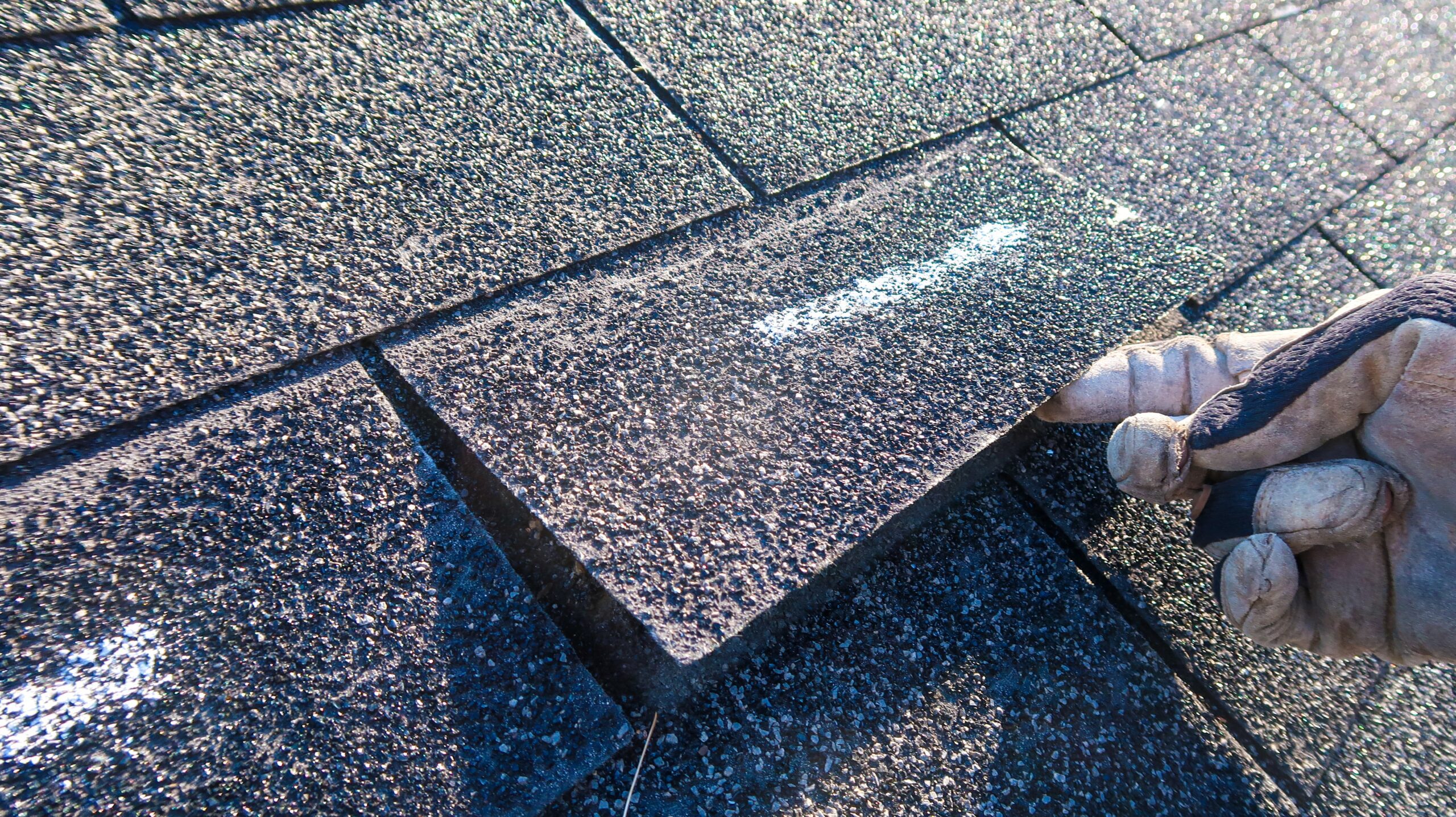
Many homes have a second-story roof that drains onto a first-story roof. If you simply let a downspout pour onto the shingles below, the concentrated water flow acts like a pressure washer. It strips the granules off the shingles, leading to premature roof failure and leaks.
A tailored gutter solution uses "spreader boots" to disperse the water over a wider area, or better yet, pipes the upper downspout directly into the lower gutter system. This bypass protects your roofing material and maintains a closed loop for the water, keeping it under control from the ridge to the ground.
The Financial Value of Performance
Investing in a custom gutter system costs more upfront than buying plastic sections at a hardware store. However, when measured against performance and asset protection, the value proposition is clear.
Preventing Foundation Damage
The most expensive damage water can cause is to your foundation. When gutters overflow or leak, water pools at the base of your home. This hydrostatic pressure can crack foundation walls, leading to tens of thousands of dollars in repairs. A high-performance custom system directs water safely away, acting as an insurance policy for your foundation.
Preserving Siding and Windows
Water splashing out of clogged or undersized gutters stains brick, rots wood siding, and damages window sills. By containing the water effectively, a custom system preserves the exterior finish of your home, reducing the frequency of painting and maintenance.
Increasing Resale Value
Prospective buyers look for signs of maintenance. A home with a high-quality, seamless, color-matched gutter system signals that the property has been well-cared for. It is a functional asset that adds to the curb appeal and perceived value of the home. Conversely, sagging, leaking gutters are a red flag that suggests potential hidden water damage.
Color and Design: Performance with Style
Performance doesn’t have to be ugly. One of the distinct advantages of custom gutter design is the ability to integrate the system into the visual palette of your home.
Custom Color Matching
Standard gutters usually come in white or brown. Custom aluminum gutters are available in dozens of baked-on enamel colors. You can match the gutters to your trim to make them disappear, or match them to the roof for a seamless transition. You can even choose a contrasting color to frame the house.
Profile Options
Beyond the standard "K-Style" gutter, custom fabricators can offer Half-Round gutters, Box gutters, or European profiles.
- Half-Round: excellent for historic restorations or adding a touch of elegance. Their round shape also improves self-cleaning performance.
- Box Gutters: Perfect for modern, contemporary homes, offering a sleek, industrial look with massive water-carrying capacity.
Choosing a profile that complements your architecture ensures that the gutter system enhances the beauty of your home rather than detracting from it.
Installation Expertise: The Human Factor
The final, and perhaps most critical, element of custom gutter performance is the installation itself. You can have the best materials in the world, but if the pitch is wrong, the system will fail.
The Art of the Pitch
Water needs gravity to move. Gutters must be pitched slightly toward the downspouts—typically 1/4 inch for every 10 feet. If the pitch is too steep, it looks crooked. If it’s too flat, water stands still.
Professional installers use precision levels to set the pitch perfectly. This ensures that water flows efficiently without the gutter looking "off" to the naked eye. This balance of function and form is the hallmark of skilled craftsmanship.
Secure Transitions
Connecting downspouts, elbows, and miters requires skill to ensure watertight seals. Custom installers use professional-grade sealants designed for exterior metal applications, ensuring that joints remain leak-free for years. They also rivet joints securely rather than just using screws, which can snag debris inside the pipe.
Environmental Benefits of High-Performance Systems
Believe it or not, custom gutters can be part of a green home strategy.
Water Harvesting
Because custom seamless gutters leak less and flow cleaner, they are ideal for rainwater harvesting systems. Connecting a high-performance gutter system to rain barrels or cisterns allows you to capture thousands of gallons of water for irrigation, reducing your reliance on municipal water and lowering your utility bills.
Reduced Waste
Cheap vinyl gutters degrade and crack after a few years, ending up in landfills. Heavy-gauge aluminum and copper systems last for decades. By investing in a durable product once, you reduce the consumption of raw materials and the waste stream generated by disposable building products.
Conclusion: Elevate Your Home’s Defense
Your home is likely your most significant investment. Protecting it requires more than just hope; it requires engineering. Standard gutter systems are a gamble—a "one-size-fits-all" band-aid on a complex water management problem.
Custom gutter design offers a comprehensive solution. It combines the science of hydrology with the durability of premium materials and the aesthetics of architectural design. It transforms your gutter system from a passive accessory into an active, high-performance defense shield.
From the seamless construction that prevents leaks to the tailored sizing that handles Columbia’s heaviest storms, every aspect of a custom system is built to perform. The result is a drier basement, a stable foundation, protected siding, and peace of mind every time the sky turns gray.
Don’t settle for "good enough" when it comes to protecting your home. Experience the difference that precision engineering makes. If you are ready to upgrade your home’s defenses, explore our gutter installation services today. If you have questions about your current system’s performance, contact us via our contact page for a professional assessment. Invest in custom gutter design, and let your home perform at its best.