Every home has a unique personality. From the pitch of the roof to the landscaping that surrounds the foundation, the characteristics of your property are distinct. Yet, when it comes to water management, many homeowners settle for generic, off-the-shelf solutions that treat every house exactly the same. The truth is that your home’s drainage needs are as individual as its architecture, which is precisely why one-size-fits-all gutters simply don’t work.
Water is one of the most destructive forces in nature. When controlled properly, it flows harmlessly away from your home. When managed poorly by inadequate gutter systems, however, it can erode your foundation, rot your fascia boards, and flood your basement. While buying a pre-packaged gutter kit from a big-box store might seem like a cost-effective quick fix, it often leads to expensive long-term damage.
In this comprehensive guide, we will explore the critical limitations of generic gutter systems. We will dive into the physics of water flow, the importance of material selection, and why custom gutter solutions are the only way to truly protect your investment. Whether you are dealing with a steep roof pitch, heavy seasonal rainfall, or complex architectural angles, understanding why tailored gutter systems matter is the first step toward safeguarding your home.
The Myth of Universal Gutter Systems
The concept of "one-size-fits-all" is appealing because it suggests simplicity. It implies that you don’t need to worry about measurements, flow rates, or material durability—you can just buy a product, install it, and forget it. Unfortunately, in the world of roofing and drainage, this simplicity is a dangerous illusion.
Every Roof Pitch is Different
One of the primary reasons generic gutters fail is that they do not account for roof pitch. The pitch, or steepness, of your roof determines how fast water travels during a rainstorm. A steep roof will shed water much more rapidly than a flat or low-slope roof.
If you install a standard 5-inch K-style gutter on a home with a steep, expansive roof, the water may rush down so quickly that it overshoots the gutter entirely. This "waterfall effect" renders the gutter useless, allowing water to pound against your foundation just as if you had no gutters at all. Conversely, a custom solution can account for this velocity, perhaps by installing 6-inch gutters or adjusting the placement to catch high-speed runoff effectively.
Surface Area Matters
The total square footage of your roof directly correlates to the volume of water your gutters must handle. A sprawling ranch-style home has a massive surface area that collects hundreds of gallons of water during a single downpour. A standard gutter kit is rarely calibrated to handle such volume.
When the volume of water exceeds the capacity of the gutter trough, the system overflows. This overflow runs behind the gutter, soaking the fascia board and soffit, leading to wood rot and attracting pests like termites and carpenter ants. Professional gutter installation services begin with a calculation of your roof’s surface area to ensure the system installed has the capacity to handle peak rainfall in Columbia, SC.
Climate Considerations
Generic gutters are manufactured to be sold nationally, meaning the same product sold in arid Arizona is sold in storm-prone South Carolina. However, our local climate demands specific performance. We experience intense thunderstorms, humidity that affects material expansion, and occasional heavy debris from pine trees and oaks.
A tailored approach considers these local weather patterns. For instance, in areas with heavy tree coverage, a standard open gutter is a recipe for instant clogs. A custom system might integrate heavy-duty guards or use specific materials like copper or seamless aluminum that resist corrosion and withstand the humidity better than cheaper vinyl alternatives often found in DIY kits.
The Structural Risks of Improper Gutter Sizing
Using the wrong size gutter is akin to putting tires from a compact car onto a heavy-duty truck. They might fit onto the wheel, but they will fail under the load. In the context of your home, the "load" is water weight, and the failure can be catastrophic.
The Problem with 5-Inch vs. 6-Inch Gutters
The residential standard has long been the 5-inch gutter. For many smaller homes with asphalt shingles and moderate slopes, this size is adequate. However, modern homes often feature complex rooflines, multiple valleys, and larger surface areas. For these properties, 5-inch gutters are woefully undersized.
6-inch gutters utilize an oversized downspout system and can hold significantly more water—nearly 40% more volume than their 5-inch counterparts. This extra capacity is crucial during torrential downpours. A one-size-fits-all approach typically defaults to the smaller, cheaper 5-inch option, leaving larger homes vulnerable to overflow. Upgrading to a custom 6-inch system ensures that even during the heaviest storms, water is channeled away efficiently.
Downspout Placement and Quantity
It is not just about the trough; it is also about the exit strategy. Generic kits often come with a set number of downspouts or recommend placing them at the corners of the house. However, water doesn’t always flow neatly to the corners.
If a gutter run is too long without a downspout, the water has nowhere to go fast enough. The added weight of standing water can pull the gutters away from the fascia, causing them to sag or detach completely. A custom design analyzes the water load to determine exactly where downspouts should be placed and how many are needed. This might mean adding an extra downspout in the middle of a long run or increasing the size of the downspout from 2×3 inches to 3×4 inches to facilitate faster drainage.
Material Durability: Why "Off-the-Shelf" Often Fails
When you buy a standard gutter system, you are often limited in material choices—typically lightweight aluminum or vinyl. While these materials have their place, they are not universally suitable for every home or budget.
The Short Lifespan of Vinyl (PVC)
Vinyl gutters are the darlings of the DIY world because they are cheap and easy to snap together. However, they are fundamentally flawed for many environments. Vinyl becomes brittle when exposed to prolonged UV radiation from the sun. In colder months, it can crack; in extreme heat, it can warp.
A custom gutter solution often utilizes seamless aluminum, steel, or copper. These materials offer superior longevity. Seamless aluminum, formed on-site to the exact lengths required for your home, eliminates the seams found in sectional vinyl gutters. Seams are the weakest points in any system; they are where leaks start and where debris gets snagged. By eliminating seams, custom gutter solutions drastically reduce the need for gutter repair services down the road.
The Strength of Steel and Copper
For homes that require extra durability or a specific aesthetic, standard kits offer zero options. Galvanized steel gutters are incredibly strong and can withstand damage from falling branches better than aluminum. Copper gutters, while an investment, offer a lifespan of 50 to 100 years and develop a beautiful patina over time.
Choosing a custom solution allows you to select the material that fits your budget and your home’s architectural style. You aren’t stuck with white plastic that yellows over time; you can choose colors and finishes that enhance your curb appeal while providing superior protection.
The Hidden Dangers of Seamed Gutters
We touched on this briefly, but it deserves its own section. The biggest differentiator between a "one-size-fits-all" store-bought system and a professional custom installation is the issue of seams.
The Leak Points
Store-bought gutters come in sections, usually 10 feet long. If your roofline is 40 feet long, you need to piece together four sections. That creates three seams. Each seam is a potential leak point. Over time, the sealant used to join these sections degrades due to thermal expansion and contraction.
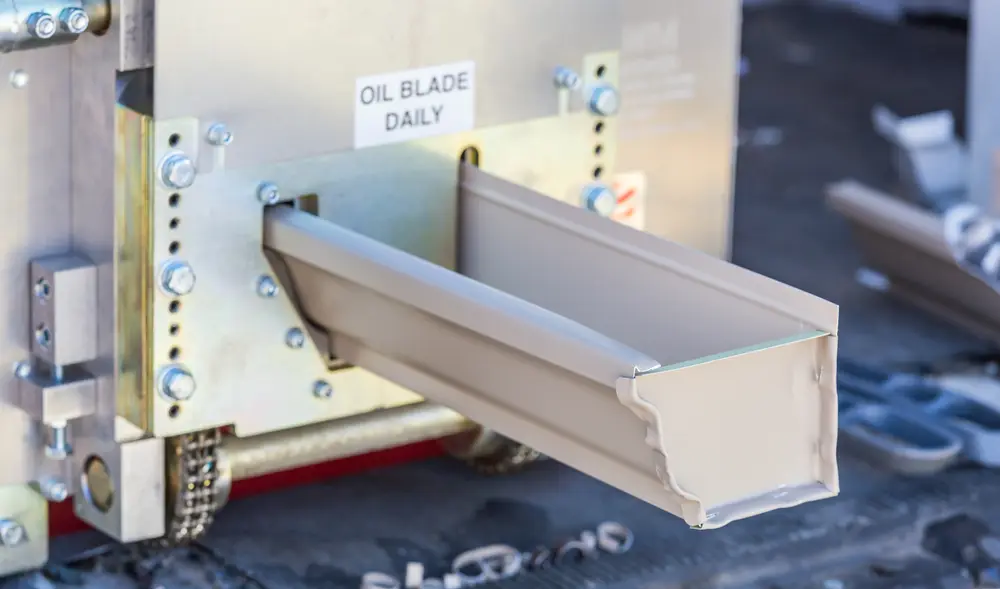
Once a seam fails, water drips directly onto the ground below. If this drip is near a window well or a doorway, it can cause localized flooding or ice patches in winter. Seamless gutters, on the other hand, are extruded from a machine on a truck at your home. A 40-foot run is a single, continuous piece of metal. No seams means no leaks.
Debris Accumulation
Seams are not just potential leaks; they are speed bumps for water and debris. Small ridges on the inside of the gutter where sections join can catch pine needles, twigs, and shingle grit. As this debris accumulates, it forms a dam. This dam slows down water flow, causing it to back up and overflow.
Because seamless gutters are smooth from end to end, water and small debris flow unobstructed toward the downspout. This self-cleaning action is a significant advantage of tailored gutter systems, reducing the frequency of maintenance required.
Aesthetic Integration with Your Home
Your home is likely your biggest investment, and its appearance matters. Generic white gutters can stick out like a sore thumb on a dark brick house or a rustic timber-frame home. One-size-fits-all solutions rarely prioritize aesthetics.
Color Matching
Custom gutter solutions come in a vast array of colors. You can match your gutters to your trim, your siding, or your roof to make them disappear visually. Alternatively, you can choose a contrasting color to highlight the architectural lines of your home. This level of customization allows the gutter system to become a design element rather than just a functional utility.
Profile Options
Most generic gutters come in a "K-style" profile, which has a flat bottom and a decorative front. While popular, it isn’t the only option. Half-round gutters, for example, offer a traditional, elegant look that suits historic homes and European-style architecture perfectly. Box gutters offer a modern, industrial look for contemporary homes.
Standard kits limit you to one profile. A custom approach evaluates the style of your home and suggests a profile that complements it. Installing a modern box gutter on a Victorian home would look jarring; similarly, a plastic K-style gutter cheapens the look of a high-end modern build. Tailored gutter systems respect the architectural integrity of your property.
The Importance of Professional Assessment
The core reason why one-size-fits-all gutters fail is the lack of professional assessment. Buying a box off a shelf skips the diagnosis phase entirely. It assumes the problem is just "I need gutters," when the real problem is "I need to manage water flow specifically for this structure."
Identifying Hidden Issues
When a professional inspects your home for a custom solution, they look beyond the roof edge. They examine the fascia boards for rot. They look at the grading of the landscape to see where water naturally pools. They check the condition of the soffits.
Installing new gutters over rotten fascia is a waste of money; the screws will eventually pull out, and the gutters will fall. A professional assessment identifies these pre-existing conditions so they can be repaired before the new system is installed. This holistic approach ensures the longevity of the installation.
Calculating Water Flow
Hydrology is a science. A professional installer calculates the catchment area of each roof slope. They factor in the "design storm" intensity for Columbia, SC. This data dictates the size of the gutter, the size of the downspouts, and their placement.
A DIYer or a handyman installing a generic kit rarely performs these calculations. They simply hang the gutter and hope for the best. When the first major storm hits, the difference between a calculated custom system and a guessed generic system becomes immediately apparent.
The Economics of Custom vs. Generic
It is undeniable that the upfront cost of a generic gutter kit is lower than a custom professional installation. However, looking at the total cost of ownership tells a different story.
The Cost of Failure
When a generic gutter fails—whether it leaks, overflows, or falls off—the secondary damage is expensive. repairing a water-damaged foundation can cost tens of thousands of dollars. Replacing rotted fascia and soffit is a labor-intensive carpentry job. Dealing with a flooded basement involves mold remediation and replacing flooring.
Compared to these potential costs, the price difference for a high-quality custom gutter system is negligible. You are paying for insurance against water damage.
Longevity and Replacement
Vinyl gutters might last 10 years if you are lucky. A seamless aluminum system can last 20-30 years. Copper can last a lifetime. If you have to replace your generic gutters three times in the span of one custom installation, you have spent more money on materials and labor in the long run, not to mention the hassle.
Investing in tailored gutter systems is an investment in the equity of your home. It signals to future buyers that the home has been well-maintained and protected from water damage.
Common Signs Your Generic Gutters Are Failing
If you currently have a standard gutter system, how do you know if it is failing? Here are some red flags to watch for:
- Overflowing During Heavy Rain: If you see water pouring over the sides like a waterfall, your gutters are either clogged or, more likely, too small for your roof’s surface area.
- Sagging or Pulling Away: If gaps appear between the gutter and the fascia, the fasteners are failing, likely due to the weight of water the system cannot drain fast enough.
- Peeling Paint on Siding: Water splashing out of gutters can damage the paint on your siding. If you see peeling or bubbling paint below the gutter line, you have a containment issue.
- Erosion in Landscaping: Trenches or holes in the dirt directly below the roofline indicate that water is bypassing the gutter or the downspout is not carrying it far enough away.
- Wet Basements: The classic sign of gutter failure. If water is pooling around the foundation, it will eventually find its way inside.
If you notice any of these signs, it is time to move away from generic fixes. Our team can assess the damage and propose a robust solution. You can reach out to us directly through our contact page to schedule an evaluation.
Custom Solutions for Complex Rooflines
Modern architecture loves complexity—dormers, turrets, valleys, and varying pitch angles. These features add character to a home, but they create nightmares for generic drainage systems.
Handling High-Velocity Valleys
A roof valley is where two roof slopes meet. During a storm, water from both slopes funnels into this valley, creating a high-speed stream of water. When this stream hits a standard gutter, it often shoots straight over the edge.
Custom solutions employ "splash guards" or higher-capacity corner miters specifically designed to capture this high-velocity water. They act as a backstop, forcing the water down into the trough rather than letting it escape.
Upper Roof to Lower Roof Drainage
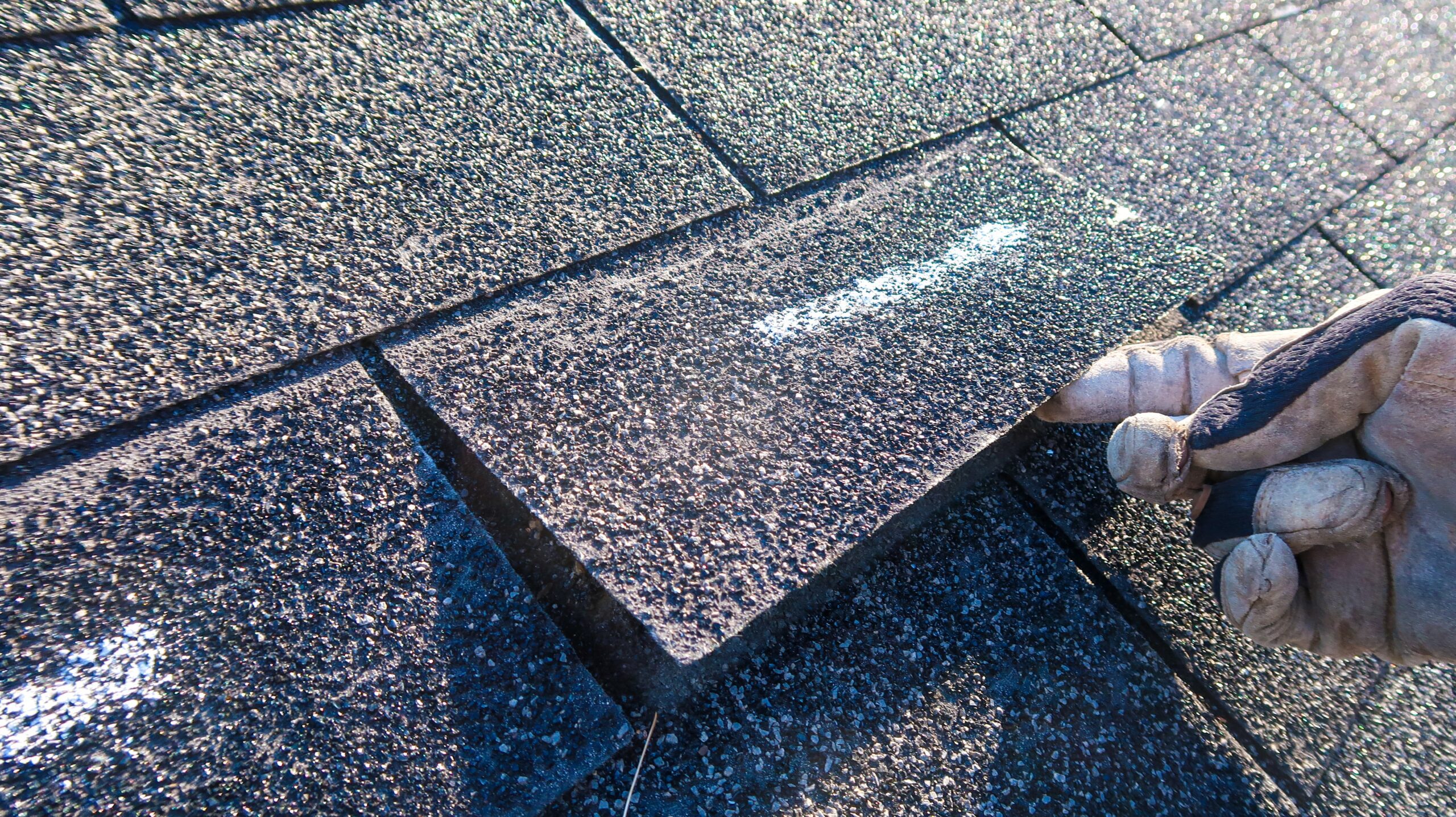
Many homes have a second story that drains onto a first-story roof. A generic approach simply lets the water from the upper downspout pour onto the shingles below. Over time, this concentrated stream of water wears away the granules on the shingles, leading to premature roof failure and leaks.
A tailored system includes spreader boots or connects the upper downspout directly into the lower gutter system using a specialized pipe. This protects the roof shingles and ensures the water volume is managed all the way to the ground.
Installation Expertise: The Human Element
The best materials in the world will fail if installed incorrectly. Generic kits are often installed by homeowners or general handymen who may not understand the nuances of pitch and flow.
The Art of the Pitch
Gutters must be pitched slightly toward the downspouts to encourage water flow. If the pitch is too steep, it looks cosmetically unappealing. If it is too flat, water stands still, breeding mosquitoes and causing corrosion.
Achieving the perfect pitch—usually about 1/4 inch for every 10 feet—requires skill and precise measurements. Professional installers use levels and chalk lines to ensure the pitch is accurate along the entire run, something that is difficult to achieve with short, segmented plastic sections.
Secure Fastening Systems
Generic gutters often use spikes and ferrules—large nails driven through the gutter into the fascia. Over time, the freeze-thaw cycle works these nails loose.
Custom installations typically use hidden hangers with heavy-duty screws. These hangers are placed closer together (every 24 inches or less) to provide superior holding power, especially when the gutter is full of water or snow. They are also invisible from the ground, providing a cleaner look.
Why Custom Gutter Solutions Are the Green Choice
Believe it or not, choosing a custom, durable gutter system is also an environmentally responsible decision.
Reducing Landfill Waste
Cheap vinyl and aluminum gutters have a short life cycle. When they crack or fail, they end up in landfills. By installing a durable, long-lasting custom system, you reduce the consumption of raw materials and the volume of waste generated over the lifespan of your home.
Water Harvesting Potential
For homeowners interested in sustainability, custom gutters are the first step in a rainwater harvesting system. Because seamless gutters leak less and can be fitted with advanced filtration screens, they are ideal for channeling clean water into rain barrels or cisterns for garden irrigation. This reduces reliance on municipal water and lowers your utility bills.
Conclusion: Protect Your Home with Precision
Your home is a complex system of components working together to keep you safe and dry. The gutter system plays a starring role in this protection. Relegating such a vital function to a one-size-fits-all product is a gamble that rarely pays off.
From the volume of rainfall in Columbia, SC, to the specific pitch of your roof, the variables are too numerous for a generic kit to handle effectively. Tailored gutter systems offer the capacity, durability, and aesthetic appeal that your home deserves. They prevent foundational erosion, protect your landscaping, and save you from the headache of constant repairs.
Don’t wait for the next storm to reveal the weaknesses in your drainage system. If you are ready to upgrade to a solution that actually works, explore our professional gutter installation services today. If you are struggling with a failing generic system and need immediate help, our gutter repair services can help mitigate the damage before a full replacement.
Water management is not a place to cut corners. Choose precision. Choose durability. Choose a custom solution that fits your home perfectly.