
Industrial Roofing Materials: The Complete Guide to Protecting Your Facility
When managing an industrial facility, the roof overhead does far more than just keep the rain out. It protects millions of dollars in equipment, inventory, and personnel. Unlike residential homes, industrial buildings have unique structural requirements, vastly different footprints, and face specific environmental stressors. Choosing the right material isn’t just a construction decision; it is a critical business asset strategy. For facility owners evaluating long-term performance and compliance requirements, our commercial and industrial roofing services in South Carolina provide engineered solutions tailored to high-demand environments. In this comprehensive guide, we will explore the landscape of industrial roofing materials. We will break down the most popular options, their specific advantages, and the applications where they shine brightest. Whether you are constructing a new manufacturing plant or looking to replace an aging warehouse roof, understanding these materials is the first step toward a secure facility. At Cola City Roofing, we understand that every square foot of your industrial roof matters. As the #1 Roofing Company in Columbia, SC, we bring years of expertise to every project, ensuring your business stays covered no matter the weather. The Unique Demands of Industrial Roofing Before diving into specific materials, it is crucial to understand what makes industrial roofing different from commercial or residential roofing. Industrial facilities often include factories, warehouses, power plants, and distribution centers. These structures typically feature: Low Slope or Flat Designs: Most industrial roofs are flat or low-slope to accommodate HVAC units, exhaust fans, and other machinery. Large Surface Areas: Industrial roofs often cover tens or hundreds of thousands of square feet, making cost-per-square-foot a major factor. Chemical and Heat Exposure: Manufacturing processes often release chemicals, steam, or high heat that can degrade standard roofing materials. Because of these factors, the materials used must be durable, flexible, and capable of withstanding rigorous conditions for decades. Facilities with heavy exhaust systems or corrosive output often require specialized planning. Our guide to manufacturing facility roofing systems breaks down how ventilation, chemical discharge, and rooftop equipment impact material selection. 1. Thermoplastic Polyolefin (TPO) TPO has rapidly become one of the most popular industrial roofing materials in the United States. It is a single-ply reflective roofing membrane made from polypropylene and ethylene-propylene rubber polymerized together. Key Benefits of TPO Energy Efficiency: TPO membranes are typically white and highly reflective. This reflects UV rays away from the building, significantly lowering cooling costs during hot South Carolina summers. Durability: It is resistant to mold, dirt accumulation, and physical impact. The flexibility of the material allows it to handle building movement and thermal expansion without cracking. Cost-Effective: Compared to other rolled rubber roofing, TPO offers a compelling balance of performance and price. Best Applications TPO is an excellent choice for warehouses and distribution centers where temperature control is vital for inventory preservation. If your facility has a flat roof and you are looking to reduce HVAC strain, TPO is a top contender. If your current TPO roof is showing signs of wear, our team can assess the damage. Learn more about our approach to maintaining these systems on our roofing services page. 2. Ethylene Propylene Diene Monomer (EPDM) Often referred to as “rubber roofing,” EPDM is a synthetic rubber roofing membrane that has been a staple in the industrial sector for decades. It is available in both black and white, though the black variety is most common. Key Benefits of EPDM Longevity: A well-installed EPDM roof can last upwards of 30 years. It has an incredible track record of performance. Hail Resistance: Due to its rubber composition, EPDM absorbs impact energy better than rigid materials, making it resistant to hail damage—a crucial factor during storm season. Ease of Repair: If punctures occur, EPDM is relatively easy to patch, which helps minimize downtime for your facility. Best Applications EPDM is ideal for industrial facilities in cooler climates or where the primary goal is heating cost reduction (the black surface absorbs heat). However, in warmer climates like Columbia, SC, it is still widely used due to its sheer durability against UV radiation and thermal shock. For facilities that have suffered storm damage, EPDM’s repairability is a major asset. Check out our storm damage consultations to see how we handle post-storm assessments. 3. Metal Roofing Systems Metal roofing is a broad category that includes standing seam, corrugated panels, and metal shingles. In the industrial sector, metal is prized for its strength and structural integrity. Key Benefits of Metal Roofing Extreme Durability: Metal roofs can last 40 to 70 years, often outlasting the business operations inside the building. Fire Resistance: Metal is non-combustible, making it a safer choice for manufacturing plants dealing with flammable materials or high heat. Low Maintenance: Once installed, metal roofs require very little upkeep compared to membrane roofs. Best Applications Metal is perfect for steep-slope industrial roofs or facilities with high aesthetic requirements. It is also excellent for manufacturing plants where fire safety codes are stringent. While the initial investment is higher, the lifecycle cost is often lower due to its longevity. If you are considering upgrading from a traditional roof to a metal system, our team specializes in these complex installations. Visit our roof replacement services page to explore your options. 4. Modified Bitumen (Mod-Bit) Modified Bitumen is an evolution of the old-school “built-up” roofing (BUR) systems (tar and gravel). It consists of asphalt reinforced with modifiers like fiberglass or polyester to improve durability and flexibility. Key Benefits of Modified Bitumen Multi-Layer Protection: Unlike single-ply membranes, Mod-Bit is installed in multiple layers, providing a robust barrier against water intrusion. Tensile Strength: It is incredibly tough and resistant to foot traffic, which is beneficial if your roof houses a lot of HVAC equipment requiring frequent maintenance access. Flexibility: The polymer modification allows the asphalt to expand and contract without cracking in extreme temperatures. Best Applications This material is ideal for industrial roofs that see heavy foot traffic or have high-load mechanical equipment installed on top. It provides a thick, durable platform that resists punctures better than some thinner
Warehouse, Retail, & Office Roofing: Choosing the Right System for Your Business
In the world of commercial real estate, not all roofs are created equal. A sprawling distribution center has vastly different needs than a boutique retail strip or a high-rise office complex. While they might all use similar materials—like TPO, EPDM, or metal—the application, design priorities, and maintenance strategies differ radically based on how the building is used. These differences are part of a broader commercial and industrial roofing strategy in South Carolina, where roof design must align with operational use, structural demands, and long-term asset management. For business owners and facility managers in Columbia, SC, understanding these nuances is critical. A roofing decision that works perfectly for a warehouse might be a disaster for a quiet office building. The heat load, the foot traffic, the aesthetics, and even the smell of the installation process all play a role in finding the right fit. At Cola City Roofing, we don’t believe in “cookie-cutter” commercial roofing. We understand that a roof is a functional asset that must support the specific operations of your business. In this comprehensive guide, we will break down the unique challenges and ideal solutions for warehouse roofing in Columbia SC, retail roofing solutions, and office building roof repair. Whether you are storing delicate inventory, hosting customers, or managing a corporate team, we have the expertise to protect your investment. Part 1: Warehouse Roofing Solutions Warehouses and distribution centers are the workhorses of the economy. These buildings are typically massive, open-span structures often located in industrial parks where aesthetics take a backseat to pure functionality and cost-efficiency. Large-scale storage facilities share structural similarities with agricultural buildings, particularly in drainage engineering and condensation control. Our agricultural and warehouse roofing guide explores those considerations in detail. The Unique Challenges of Warehouse Roofs Massive Square Footage Warehouses are big. A typical distribution center can easily exceed 50,000 or 100,000 square feet. This means that even a small difference in price per square foot adds up to tens of thousands of dollars. It also means that managing rainwater runoff is a major engineering challenge. Temperature Control (or lack thereof) Many older warehouses in the Midlands are unconditioned spaces. However, modern logistics centers often require climate control for sensitive goods (electronics, pharmaceuticals, food). A roof that absorbs heat can make the interior unbearably hot, driving up cooling costs or damaging inventory. Fewer Penetrations, Long Runs Unlike restaurants or offices, warehouses usually have fewer HVAC units per square foot. This allows for long, uninterrupted runs of roofing membrane, but it also means that wind uplift forces can be significant across such a large, flat surface. Ideally Suited Systems for Warehouses TPO (Thermoplastic Polyolefin) For modern warehouse roofing in Columbia SC, TPO is the undisputed king. Why: It is cost-effective for large surface areas. It comes in wide rolls (up to 12 feet), which speeds up installation on wide-open decks. Energy Benefit: The bright white surface reflects UV rays, drastically lowering the heat load inside the warehouse. This is a game-changer for unconditioned spaces, making it safer for workers in the summer. Metal Roofing Many industrial warehouses are metal buildings (PEMB – Pre-Engineered Metal Buildings). Why: Metal is incredibly durable and low maintenance. Restoration: When these metal roofs age and start to rust or leak at the seams, we often install a roof coating or a TPO “flute-fill” recover system rather than replacing the metal panels, saving the owner massive amounts of money. For a deeper breakdown of membrane thickness, reinforcement types, and performance differences between TPO, PVC, metal, and multi-ply systems, review our guide to industrial roofing materials. Maintenance Focus for Warehouses The biggest enemy of warehouse roofs is neglect. Because they are so large and often tall, no one looks at them. Gutters and Downspouts: Large roof areas collect massive amounts of water. If one downspout clogs, the backup can cause a roof collapse or major interior flooding. Skylights: Many warehouses have skylights for natural lighting. These plastic domes become brittle over time and are a common leak source. If you manage a warehouse, check out our roof repair services to fix those skylights before they crack. Part 2: Retail Roofing Solutions Retail properties range from standalone big-box stores to strip malls and shopping centers. The roofing priorities here shift dramatically toward customer experience and tenant protection. The Unique Challenges of Retail Roofs High Penetration Density Look at the roof of a grocery store or a strip mall. It is a forest of HVAC units, exhaust fans, refrigeration condensers, and plumbing vents. Each unit services a different tenant or zone. The Risk: Every single penetration is a potential leak point. The flashing work around these units must be flawless. Tenant Disruption You cannot close a retail store to fix a roof. If a leak drips onto the merchandise in a clothing store, the store loses revenue, and the landlord faces a lawsuit. Repairs must be fast, invisible, and silent. Aesthetics (Curb Appeal) For many retail buildings, the roof is visible from the road (think of the mansard roofs on fast-food chains or the parapet walls of a boutique shop). A dirty, stained roof looks unprofessional and drives customers away. Ideally Suited Systems for Retail PVC (Polyvinyl Chloride) PVC is often the best choice for retail roofing solutions, especially for centers that include restaurants. Why: Restaurants vent grease onto the roof. Animal fats destroy asphalt and rubber (EPDM) roofs in months. PVC is highly resistant to chemicals and grease. It is tougher and more puncture-resistant than TPO, which helps when HVAC technicians are constantly walking on the roof to service tenant units. Modified Bitumen For high-traffic retail roofs, Modified Bitumen is a strong contender. Why: It is thick and durable. If you have maintenance crews on the roof weekly to fix AC units for the nail salon and the pizza shop, you want a roof that can handle the boots. The “Leak Response” Factor In retail, speed is everything. A leak in a warehouse might hit a concrete floor; a leak in a retail
Multi-Tenant & HOA Commercial Roofing: Solutions for Complex Properties

Managing a commercial property is never easy, but managing a multi-tenant facility or a Homeowners Association (HOA) community brings a unique level of complexity. It is akin to herding cats. You aren’t just dealing with one building owner; you are dealing with a board of directors, a property management firm, and dozens—sometimes hundreds—of individual tenants or unit owners. In this ecosystem, the roof is often the most contentious asset. It is the massive umbrella that protects everyone, yet when it leaks, the finger-pointing begins immediately. Who is responsible? Is it a “limited common element” or a “general common element”? Is there enough money in the reserve fund? How do we coordinate repairs without disrupting twenty different businesses or families? For property managers and HOA boards in the Midlands, navigating multi-tenant commercial roofing in Columbia SC requires more than just a contractor with a ladder. It requires a strategic partner who understands the politics, the logistics, and the high stakes of community living. These types of properties fall under our broader commercial and industrial roofing services in South Carolina, where we focus on complex ownership structures and high-liability environments. At Cola City Roofing, we specialize in these complex environments. From sprawling townhome communities in Lexington to strip malls in Northeast Columbia, we understand that we aren’t just fixing a roof; we are restoring peace of mind for an entire community. In this comprehensive guide, we will explore the unique challenges of HOA roofing solutions, the critical role of maintenance in protecting reserve funds, and how to execute large-scale roofing projects with surgical precision. The Unique Ecosystem of Multi-Tenant Roofing To understand the roofing needs of these properties, we must first acknowledge why they are different from a standard standalone commercial building. 1. The “Too Many Cooks” Problem In a standard commercial scenario, a building owner makes a decision, signs a check, and the work gets done. In an HOA or multi-tenant retail park, the decision-making process is a labyrinth. The Property Manager: Acts as the middleman, fielding complaints from residents and trying to get authorization from the Board. The Board of Directors: Volunteers who have a fiduciary duty to the community but may not have construction expertise. They are often hesitant to spend money for fear of raising dues. The Tenants/Owners: The people living or working under the roof. They want the leak fixed yesterday, regardless of the budget process. Successful roofing projects in this space require a contractor who can communicate effectively with all three groups, providing the technical data the Board needs and the respectful service the tenants deserve. For larger apartment-style communities, our multi-family roofing solutions guide outlines how we coordinate scale, budgeting, and tenant communication across entire complexes. 2. Connected Risks In multi-tenant buildings (like strip malls or townhomes), roof systems are often continuous or shared. A leak in Unit A might actually be caused by a puncture over Unit B. Fire Walls: These properties have fire separation walls that penetrate the roof deck. Flashing these walls correctly is critical and often a failure point in older complexes. Drainage Disputes: If the gutter on the end unit clogs, it can back up water and flood the middle units. The “system” nature of the roof means everyone is connected. 3. Aesthetic Uniformity For HOAs especially, curb appeal is everything. You cannot simply patch a 15-year-old architectural shingle roof with a new bundle of shingles and expect it to match. The sun fades colors over time. HOA roofing solutions must prioritize aesthetics. A mismatched roof can lower property values and lead to lawsuits from homeowners. We specialize in finding discontinued matches or proposing full-scale replacements that enhance the community’s architectural style. Challenges Specific to Columbia, SC Communities Operating in the Midlands adds another layer of difficulty to managing multi-tenant roofs. The “Heat Dome” Effect Large condo complexes and retail centers often have vast expanses of black asphalt (parking lots) surrounding the buildings. This creates a micro-climate heat island. When you combine this with Columbia’s famous summer temperatures, the roof surface can bake at 160°F+ for months. This accelerates the aging of asphalt shingles and creates thermal shock issues for flat roofs. For HOAs, this means the “30-year shingle” installed by the builder might actually start failing at year 18 or 20, wreaking havoc on long-term reserve studies. Storm Corridors We are in a corridor that sees significant hail and wind activity. Hail: In a townhome complex, a hailstorm doesn’t hit just one house; it hits all 50 units. Assessing damage across a sprawling property requires a systematic approach to ensure the insurance claim covers everyone, not just the units with obvious damage. Pine Needles: Columbia is covered in pine trees. In multi-tenant complexes, pine needles are the number one cause of gutter clogs and roof rot. If the HOA landscaping contract doesn’t include roof blowing, the valleys of the roof will rot out prematurely. Roofing Solutions for Different Property Types “Multi-tenant” covers a wide range of structures. At Cola City Roofing, we tailor our approach based on the building type. 1. Retail Strip Centers & Office Parks These usually feature flat (low-slope) roofs, often using TPO, EPDM, or Modified Bitumen. The Challenge: HVAC units. A retail strip might have 20 different HVAC units on the roof—one for the pizza shop, one for the dentist, one for the nail salon. Each unit requires maintenance, meaning constant foot traffic from different HVAC contractors. The Solution: We install durable walkway pads to create a “road” on the roof. We also recommend TPO for its reflectivity, lowering cooling costs for tenants (a great selling point for leasing agents). 2. Townhome & Condo Communities (Steep Slope) These typically look like residential homes but are attached. They usually use architectural asphalt shingles. The Challenge: Ventilation. Many older townhome complexes were built with inadequate attic ventilation. This cooks the shingles from the bottom up. The Solution: When we perform a replacement, we don’t just swap shingles. We re-engineer the ventilation system, installing ridge vents and
Commercial Reroof vs Recover: Which Option Is Right for Your Columbia Business?
For any commercial building owner in Columbia, SC, the roof represents a massive investment and a critical asset. When that roof starts to fail—whether it’s due to age, storm damage, or persistent leaks—you are faced with a significant financial decision. Do you tear everything off and start fresh (reroofing), or can you save money by installing a new roof over the existing one (recovering)? This debate—commercial reroof vs recover in Columbia SC—is one of the most common discussions we have with our clients. The answer isn’t always straightforward. It depends on building codes, the condition of your insulation, your budget, and your long-term goals for the property. These decisions are part of a broader commercial and industrial roofing strategy that should align with your building’s long-term performance goals. At Cola City Roofing, we believe in empowering our clients with the knowledge to make the right choice. A recover can save you tens of thousands of dollars, but it isn’t always legal or safe. A full reroof offers a clean slate, but it comes with a higher price tag and more disruption. In this comprehensive guide, we will break down the differences between these two methods, explore the pros and cons of each, and help you navigate the decision-making process for your facility. Defining the Terms: What is the Difference? Before we dive into the financials and the physics, let’s clarify the terminology, as it can sometimes be confusing. 1. Reroofing (Full Tear-Off) Reroofing, often called a “tear-off,” is exactly what it sounds like. We remove every layer of the existing roof down to the structural deck (steel, wood, or concrete). Once the deck is exposed, we inspect it for damage, install new insulation, and then install a brand-new waterproofing membrane. The type of membrane selected plays a major role in performance and long-term durability, which is why understanding commercial roofing systems is critical before making a final decision. Think of it like: Stripping the paint off a car down to the bare metal before repainting it. 2. Recovering (Overlay) Recovering, or a “layover,” involves leaving the existing roof in place. We prepare the surface of the old roof (cleaning it, cutting out blisters, etc.) and then install a new membrane directly on top of it. This new membrane might be mechanically attached (screwed through the old roof into the deck) or adhered (glued). Think of it like: Installing new hardwood floors over existing linoleum. The “Recover” Option: Pros and Cons For many business owners, recovering is the preferred option because the numbers look very attractive upfront. The Benefits of Recovering Cost Savings This is the driving factor. A recover is typically 20% to 40% cheaper than a full reroof. Why? Labor: You skip the labor-intensive process of tearing off the old roof. Disposal: You avoid dump fees. Commercial roofs generate tons of waste. Keeping that waste out of the landfill saves thousands in disposal costs. Materials: You might be able to reuse the existing insulation (if it’s dry), saving the cost of new ISO boards. Speed and Convenience Because we don’t have to tear off the old roof, the project timeline is significantly shorter. We can often start installing the new roof immediately. Less Disruption: There is less noise and less risk of debris falling into the building. Since the old roof stays on, your building remains watertight during the installation process, protecting your inventory from sudden pop-up storms common in Columbia. Added Insulation When we install a recover, we often add a thin layer of cover board or new insulation over the old roof to provide a smooth surface. This adds to the overall R-value (thermal resistance) of the roof, potentially lowering your energy bills. The Drawbacks of Recovering Hiding Problems The biggest risk of a recover is that you might be trapping problems underneath. If the old roof has wet insulation or a rusting deck that wasn’t detected, you are simply covering it up. The moisture will eventually rot the deck from the inside out, potentially leading to catastrophic failure. Added Weight Commercial roofs are heavy. Adding a second layer of TPO, insulation, and fasteners adds significant dead load to the structure. Your building’s engineering must be checked to ensure it can support the extra weight. Shorter Lifespan Generally speaking, a recover roof doesn’t last quite as long as a full tear-off. The new roof will absorb heat from the old roof underneath it, which can accelerate aging. Additionally, if the old roof shifts or moves, it can stress the new membrane on top. Inspection Difficulties If a leak develops in the future, it is much harder to find the source on a double-layer roof. Water can enter the top layer, travel 20 feet between the layers, and then drip into the building through a hole in the bottom layer. The “Reroof” Option: Pros and Cons While more expensive, a full reroof (tear-off) is the gold standard for longevity and peace of mind. The Benefits of Reroofing (Tear-Off) Inspection of the Deck This is the single biggest advantage. By stripping the roof to the deck, we can see exactly what condition the structure is in. Rust: We can treat or replace rusted steel decking. Rot: We can replace rotted wood joists. Safety: You get 100% confirmation that your building is structurally sound. Removal of Wet Insulation Wet insulation is a cancer for roofs. It destroys thermal efficiency and breeds mold. A tear-off guarantees that 100% of the wet material is removed from your building. Maximum Lifespan A brand-new system installed on a clean deck will always perform better than an overlay. You will get the maximum possible warranty (up to 25 or 30 years) and reroofing benefits like optimal energy efficiency. Code Compliance Building codes in South Carolina change. A full tear-off allows us to bring the entire roof assembly up to current standards for wind uplift resistance and R-value (insulation). The Drawbacks of Reroofing High Cost It is labor-intensive and material-heavy. You are paying for demolition,
Commercial Roof Lifespan: How Long Will Your Investment Last?
Every business owner knows that a commercial roof is a significant investment. It is often one of the most expensive capital expenditures you will face during the life of your building. Naturally, when you sign that check for a new installation or a replacement, one question dominates your mind: “How long is this actually going to last?” The answer, unfortunately, is rarely a simple number. While manufacturers might slap a “20-year warranty” on a product, the reality of commercial roof lifespan in Columbia SC is far more nuanced. A roof is a dynamic system fighting a daily battle against the elements. Its longevity depends on a complex interplay of material science, installation quality, environmental stress, and—perhaps most importantly—how well you take care of it. In the heat and humidity of the Midlands, roofs age differently than they do in cooler climates. Understanding these local factors is key to protecting your bottom line. These lifespan factors are part of a broader commercial and industrial roofing strategy that ensures your building performs long-term in South Carolina’s climate. At Cola City Roofing, we have seen 30-year roofs fail in 10 years due to neglect, and we have seen 20-year roofs last for 35 years thanks to diligent maintenance. In this comprehensive guide, we will pull back the curtain on commercial roof longevity. We will explore the expected lifespans of different systems, the enemies that shorten them, and the actionable steps you can take to extend roof life and maximize your investment. What is the “Average” Commercial Roof Lifespan? Before we dive into the variables, let’s look at the benchmarks. Assuming proper installation and “normal” conditions, here is what you can generally expect from the most common commercial roofing systems used in South Carolina. Different commercial roofing systems age differently depending on their material composition and installation method. 1. TPO (Thermoplastic Polyolefin) Expected Lifespan: 22–30 years The Reality: TPO is a relatively modern material. Early formulations had issues with cracking, but modern high-quality TPO is incredibly durable. Its white reflective surface helps it survive our Columbia summers by reflecting UV rays that would otherwise degrade the chemical bonds. 2. EPDM (Ethylene Propylene Diene Monomer) Expected Lifespan: 25–35+ years The Reality: EPDM (rubber roofing) is legendary for its durability. We often see EPDM roofs that are older than the maintenance staff managing the building. The weak point is usually the seams (glued or taped) rather than the membrane itself. If the seams are maintained, the rubber can last nearly indefinitely. 3. PVC (Polyvinyl Chloride) Expected Lifespan: 20–30 years The Reality: PVC is tough and chemically resistant. It is the go-to choice for restaurants because it resists animal fats and grease. However, over decades, plasticizers can migrate out of the material, making it brittle. 4. Modified Bitumen (Mod-Bit) Expected Lifespan: 20 years The Reality: This multi-ply asphalt system is robust against foot traffic. Its life depends heavily on the granule surface. Once the granules wear off and the asphalt is exposed to the sun, degradation accelerates rapidly. 5. Metal Roofing (Standing Seam) Expected Lifespan: 40–60+ years The Reality: Metal is the king of longevity. A high-quality standing seam metal roof with a Kynar finish can easily outlast the current building ownership. The maintenance points are usually the fasteners (screws) and penetrations, not the panels themselves. 6. Built-Up Roofing (BUR / Tar and Gravel) Expected Lifespan: 20–30 years The Reality: These are the “tanks” of the roofing world. Multiple layers of felt and asphalt provide redundancy. However, they are becoming rarer due to the high cost of installation and the difficulty of finding leak sources. Factor 1: The South Carolina Climate Factor Why does a roof in Columbia, SC, often age faster than a roof in a milder climate? Our environment is particularly hostile to roofing materials. Thermal Shock In the Midlands, it is not uncommon for a summer afternoon to reach 98°F with high humidity. On a black roof, the surface temperature can soar to 170°F. Then, a sudden thunderstorm rolls in, dropping rain that is 70°F. In minutes, the roof temperature drops by 100 degrees. This causes “thermal shock.” The materials—metal flashings, membrane sheets, and insulation—contract rapidly. This constant expansion and contraction cycle pulls at seams, loosens fasteners, and cracks flashings. It is a silent killer of commercial roofs. UV Degradation We get a lot of sun. Ultraviolet (UV) rays are essentially a slow-motion laser beam attacking the chemical structure of your roof. Asphalt: UV dries out the oils in asphalt, leading to “alligatoring” (cracking that looks like reptile skin). Synthetics: UV can cause photo-oxidation in older plastics, leading to chalking and brittleness. Solution: This is why white, reflective roofs (TPO, PVC, Coatings) are so popular here. They bounce the destructive energy back into the atmosphere. Biological Attack Have you ever looked at a roof and seen black streaks or green moss? That is biology at work. Our high humidity fosters the growth of algae, moss, and even small plants in clogged gutters. Algae: Feeds on the limestone filler in asphalt shingles. Moss: Roots into the granules, lifting them up and allowing water underneath. Standing Water: Creates a breeding ground for bacteria that can actually attack certain roofing components. Factor 2: Installation Quality (The Day 1 Difference) You can buy the most expensive, 30-year warranty PVC membrane on the market, but if it is installed poorly, it might not last five years. Installation errors that kill lifespan: Improper Seaming: If a robot welder isn’t calibrated correctly for the ambient temperature, the TPO seams might look fused but are actually “cold welds” that will pop open in the wind. Wet Insulation: If a contractor installs roofing over wet insulation (perhaps after a rain shower during construction), that moisture is trapped forever. It will boil in the summer heat, causing blisters that ruin the new roof from the inside out. Flashing Errors: The roof rarely leaks in the middle of the sheet. It leaks at the walls, the curbs, and the pipes. Amateur flashing work relies
Roof Coatings: The Smart Alternative to Commercial Roof Replacement
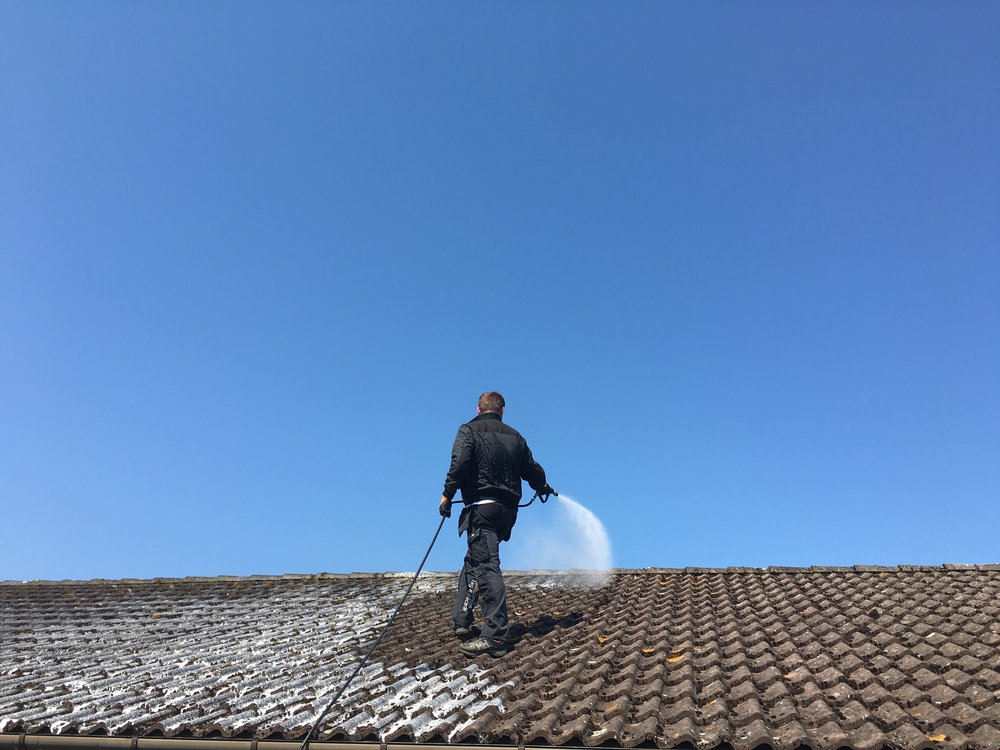
For any business owner or facility manager in Columbia, SC, the words “roof replacement” usually come with a heavy sigh. It is a massive capital expense, a logistical nightmare, and a disruption to your daily operations. The noise, the debris, and the cost can be overwhelming. But what if you didn’t have to replace your roof? What if you could restore it instead? Enter the world of commercial roof coatings. This technology has revolutionized the roofing industry, offering a way to extend the life of an existing roof by decades for a fraction of the cost of a full tear-off. At Cola City Roofing, we specialize in helping local businesses save money and protect their assets through advanced roof restoration. In this comprehensive guide, we will explore the power of commercial roof coatings in Columbia SC, specifically focusing on the two industry heavyweights: silicone and acrylic. We will break down the science, the savings, and the strategy behind choosing the right system for your building. The Problem: The Aging Commercial Roof To understand the value of coatings, you first need to understand what happens to a roof as it ages. In the Midlands of South Carolina, our roofs endure a brutal cycle of weather: Intense UV Radiation: The summer sun breaks down the chemical bonds in roofing membranes (like TPO, EPDM, and Modified Bitumen), causing them to become brittle and crack. Thermal Shock: Temperatures can swing 40-50 degrees in a single day, causing rapid expansion and contraction that stresses seams and flashings. Moisture: Our high humidity and frequent storms test the waterproofing limits of any system. Eventually, your roof reaches a tipping point. It isn’t necessarily “failed”—the structure underneath is sound—but the surface is worn out. This is the “sweet spot” for roof coatings. If you catch the roof in this window—before the insulation becomes saturated—you can apply a coating system that creates a seamless, waterproof barrier over the existing roof. It effectively resets the clock on your roof’s lifespan. What Exactly Is a Roof Coating? A common misconception is that a roof coating is just “paint.” While it is applied as a liquid (rolled or sprayed), a true elastomeric roof coating is a thick, high-performance membrane. Once cured, it forms a monolithic (seamless) layer that is: Elastic: It stretches and moves with the building. Waterproof: It seals small cracks and pinholes. Reflective: It bounces UV rays away from the building. This is often referred to as “Roof Restoration.” It bridges the gap between endless repairs and a full replacement. The Big Debate: Silicone vs. Acrylic When considering commercial roof coatings in Columbia SC, you will generally choose between two primary chemistries: Silicone and Acrylic. Both have their place, but they perform very differently depending on your specific roof type and drainage situation. 1. Silicone Roof Coatings Silicone has become the gold standard for restoring flat roofs, especially those with minor drainage issues. It is a moisture-cure chemistry that forms an impermeable barrier. The “Ponding Water” Advantage This is the single biggest selling point for silicone. Unlike other coatings, silicone is inorganic. It does not break down when exposed to standing water. If your flat roof has areas where water sits for 48 hours or more (common on older buildings), silicone is the only viable coating option. It will not bubble, peel, or re-emulsify. Silicone Roof Coating Benefits: Permanent Ponding Resistance: Ideal for low-slope roofs. UV Stability: Silicone does not chalk or degrade under UV exposure. It stays flexible indefinitely. High Solids Content: Most silicone coatings are “high solids,” meaning you can apply a thick layer in a single pass, saving on labor costs. Adhesion: It sticks to almost anything—TPO, EPDM, metal, and modified bitumen—often without a primer (though we always test first). The Downside: Silicone attracts dirt. Over time, the roof can look gray or dingy as dust sticks to the surface. While this slightly reduces reflectivity, it generally does not affect the waterproofing performance. Also, once you coat a roof with silicone, you can usually only recoat it with silicone in the future; nothing else sticks to it. 2. Acrylic Roof Coatings Acrylic coatings are water-based elastomeric coatings. They have been around for decades and are a proven, cost-effective solution for the right roof. The “Positive Drainage” Requirement Acrylics are essentially high-tech exterior paints reinforced for roofing. Because they are water-based, they will re-emulsify (turn back into liquid) if left under standing water for too long. Therefore, acrylics should only be used on roofs with excellent positive drainage or steeper slopes (like metal roofs). Acrylic Benefits: Cost-Effective: The material cost is generally lower than silicone. Ease of Application: Cleanup is easy (water-based), and the product is user-friendly. Aesthetics: Acrylics hold their bright white color longer than silicone because they don’t attract as much dirt. Breathability: Acrylics are permeable to water vapor, allowing moisture trapped in the substrate to escape (breathe) without blistering the coating. The Downside: They cannot handle ponding water. If you use acrylic on a flat roof that holds water, it will peel within a year. They also have a narrower temperature window for application; they cannot be applied if it might freeze or rain within 24 hours. The Financial Argument: Why Coat Instead of Replace? As a business owner, the bottom line matters. Roof restoration offers compelling financial advantages over replacement. 1. Significant Cost Savings A full roof tear-off and replacement involves: Labor to remove the old roof. Dump fees for disposal (tons of waste). New insulation board. New membrane and flashings. A coating system eliminates the tear-off and disposal costs entirely. You are simply paying for cleaning, minor repairs, and the new liquid membrane. On average, a restoration costs 50% to 70% less than a replacement. 2. Tax Advantages This is a huge benefit that many CPAs overlook. Replacement: A new roof is considered a capital improvement. You typically have to depreciate that cost over 39 years. Restoration: In many cases, applying a roof coating is classified as “maintenance” or “repair.” This means
Commercial Roof Inspections: The First Line of Defense for Your Business
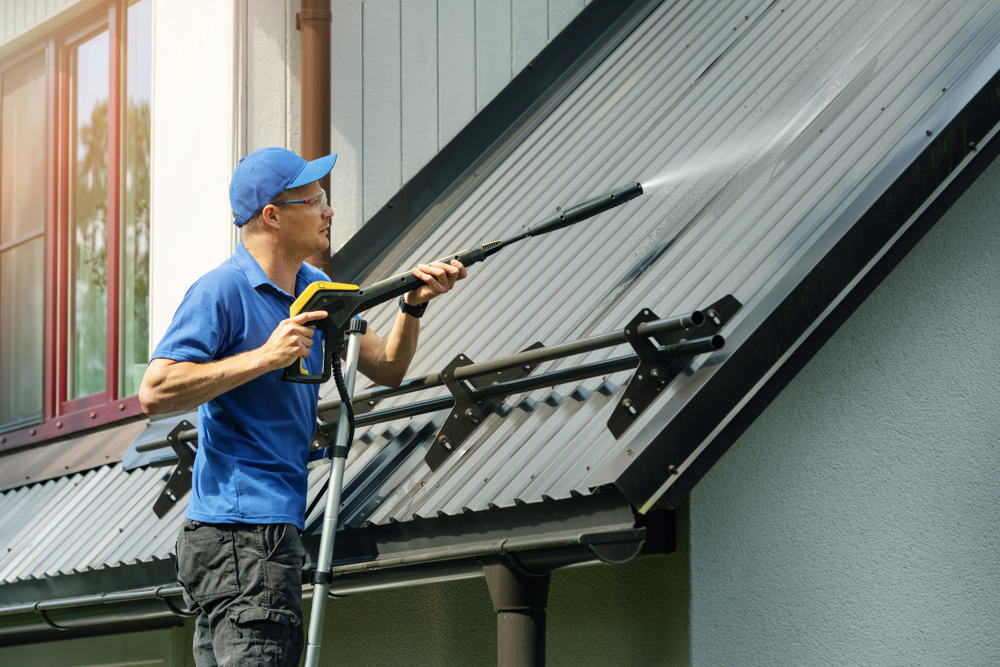
For most business owners and facility managers, the roof is the most “out of sight, out of mind” component of the entire building. You walk through the front doors every day, walk across the floors, and sit in the offices, but you rarely—if ever—climb the ladder to see what is happening overhead. Yet, that commercial roof is protecting everything valuable to your business: your inventory, your expensive equipment, your data servers, and, most importantly, your employees and customers. Ignoring the roof until water is dripping onto a conference table is a strategy, but it is a risky and expensive one. The alternative? Proactive commercial roof inspections in Columbia SC as part of a structured commercial and industrial roofing strategy. An inspection is not just a check-up; it is a financial safeguard. It provides the data you need to make smart decisions about maintenance, repairs, and capital expenditures. At Cola City Roofing, we believe that an informed building owner is an empowered one. In this comprehensive guide, we will explore why routine roof inspections are critical for commercial properties, what exactly happens during an inspection, and how partnering with a local expert can save your business thousands of dollars in avoided water damage and premature replacement costs. Why “Wait and See” Is a Failing Strategy Many building owners operate under the assumption that if the ceiling isn’t wet, the roof is fine. Unfortunately, this is a dangerous misconception. By the time a leak manifests inside the building—staining ceiling tiles, dripping onto floors, or causing mold growth—the damage on the roof is often already advanced. Water is tricky; it can enter through a small puncture in the membrane, travel sideways along a steel beam for twenty feet, and then drip down in a completely different location. During that time, it is saturating the insulation, rusting the metal deck, and potentially causing structural rot. The “Wait and See” approach leads to: Emergency Repairs: Fixing a leak during a storm costs significantly more than a scheduled repair on a sunny Tuesday. Business Interruption: You can’t run a retail store or a restaurant with buckets on the floor. Safety Liabilities: Wet floors are slip-and-fall hazards. Wet insulation breeds mold, which is a massive health liability. Reduced Lifespan: A roof designed to last 25 years might fail in 15 if minor issues like clogged drains or small tears are ignored. A scheduled inspection program moves you from a reactive stance (panic and expense) to a proactive stance (planning and savings). These inspections are typically part of a broader commercial roof maintenance program designed to extend service life and prevent emergency repairs. The Value of Commercial Roof Inspections in Columbia SC Columbia, South Carolina, presents a unique set of challenges for commercial roofing systems. Our climate is tough on roofs. Thermal Shock We have intense summer heat. On a 95-degree day in July, a black EPDM roof can reach temperatures over 160 degrees. When a sudden afternoon thunderstorm rolls in, that temperature can drop 60 degrees in minutes. This rapid expansion and contraction puts immense stress on seams and flashings. Routine inspections check for the resulting cracks or splits. UV Degradation The sun is relentless here. UV rays break down chemical bonds in roofing materials, causing them to become brittle or chalky. Inspections monitor the condition of the membrane surface. Severe Weather From hurricane remnants bringing heavy rain to spring storms bringing hail and high winds, our roofs take a beating. After any major weather event, a professional inspection is crucial to document damage for insurance purposes. Humidity and Bio-Growth Our humid climate is a breeding ground for algae and moss. While often cosmetic, heavy growth can trap moisture and degrade asphalt-based systems. Understanding these local factors is why choosing a local expert for commercial roof inspections in Columbia SC is vital. We know what to look for because we live and work here too. What Happens During a Commercial Roof Inspection? A professional roof inspection is a systematic, forensic examination of the entire roofing envelope. It is not a quick glance from the top of a ladder. At Cola City Roofing, our inspections are thorough and documented. The inspection process varies slightly depending on the commercial roofing system installed on your building. Here are the key elements we evaluate: 1. The Field of the Roof (The Membrane) This is the main waterproof layer. We walk the entire surface looking for: Punctures and Tears: Often caused by wind-blown debris or careless foot traffic from HVAC technicians. Blistering: Bubbles under the membrane indicating trapped air or moisture. Open Seams: For TPO and PVC roofs, we check the heat welds. For EPDM, we check the adhesive tape. Seam failure is a top cause of leaks. Ponding Water: Areas where water stands for more than 48 hours. This indicates structural sagging or clogged drains and accelerates membrane rot. 2. Flashings and Penetrations Flashings are the materials used to seal openings and edges. They are the weakest point of any roof. We meticulously inspect: Pipe Boots: The rubber seals around plumbing vents. These often dry rot and crack long before the main roof fails. HVAC Curbs: The metal boxes that AC units sit on. We check the corners and seals. Pitch Pans: Metal boxes filled with sealant around irregular penetrations. We check if the sealant has shrunk or cracked. Skylights: We check for cracks in the lens and failure in the curb flashing. 3. Drainage Systems If water can’t get off the roof, the roof will fail. We inspect: Internal Drains: Are the strainers missing? Are the pipes clogged? Scuppers: Are the openings through the parapet walls clear? Gutters and Downspouts: Are they securely attached and free of debris? 4. Perimeter Edges (Coping) The metal cap on top of the parapet wall is the first line of defense against wind. If the wind gets under the metal edge, it can peel the roof back. We check for loose fasteners and open joints in the metal coping. 5. The Building Interior
Commercial Roof Maintenance Programs: The Secret to Long-Term Savings
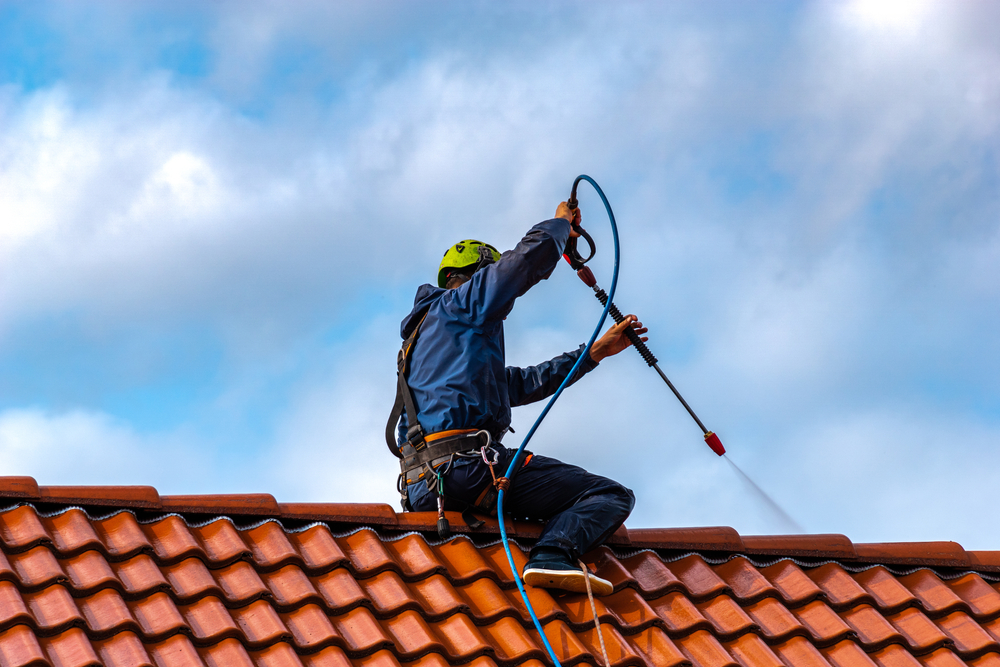
Imagine buying a brand-new fleet of delivery trucks for your business. You wouldn’t drive them for 100,000 miles without ever changing the oil, checking the tires, or inspecting the brakes. If you did, those trucks would fail long before they should, costing you a fortune in repairs and downtime. Your commercial building’s roof is no different. It is likely one of the most expensive capital assets your business owns. Yet, for many building owners and facility managers, the roof is ignored until water starts dripping onto a desk or a piece of expensive machinery. This “reactive” approach to roofing—fixing problems only after they cause damage—is the most expensive way to manage a facility. As part of our commercial and industrial roofing services in South Carolina, we help building owners move from reactive repairs to proactive asset management strategies. At Cola City Roofing, we champion a proactive approach. A structured commercial roof maintenance program is the single most effective way to extend the lifespan of your roof, predict future costs, and prevent catastrophic failures. In the Midlands of South Carolina, where our roofs face everything from blistering heat to severe thunderstorms, maintenance isn’t just a luxury; it’s a necessity. In this comprehensive guide, we will explore why commercial roof maintenance in Columbia SC is critical, what a robust maintenance plan looks like, and how partnering with a professional roofing contractor can save you thousands of dollars in the long run. Why Commercial Roof Maintenance Matters The concept is simple: find small problems before they become big, expensive ones. However, the benefits of a maintenance program go far beyond just fixing leaks. 1. Extending Roof Lifespan Most commercial roofing systems like TPO, EPDM, PVC, and Modified Bitumen are designed to last 20 to 30 years. However, the average lifespan of a neglected roof is significantly shorter—sometimes failing in as little as 10 to 15 years. Regular maintenance ensures you get every year of performance you paid for. Understanding commercial roof lifespan expectations allows facility managers to align maintenance budgets with long-term capital planning. By catching minor defects early, you prevent the premature degradation of the membrane. 2. Protecting the Warranty This is a critical point that many building owners overlook. Most manufacturer warranties explicitly state that the warranty is void if the roof is not properly maintained. If your roof fails due to neglect—for example, if clogged drains cause water to pond and rot the membrane—the manufacturer is well within their rights to deny your claim. A documented maintenance program provides the paper trail you need to keep your warranty valid. 3. Preventing Business Disruption A leaking roof is more than just a repair bill; it disrupts your operations. Retail: A leak can ruin merchandise and create slip hazards for customers. Office: Water damage can destroy computers, files, and furniture. Warehousing: Moisture can compromise packaging and inventory. Health Hazards: Unchecked leaks lead to mold growth, creating a liability for employee health. Scheduled maintenance happens on your terms, not during a crisis, ensuring your business keeps running smoothly. 4. Better Budgeting and Forecasting Surprise expenses are the enemy of any business budget. A maintenance program gives you a clear picture of your roof’s condition. Instead of being blindsided by a $100,000 replacement bill, your roofing partner can tell you, “Your roof is in good shape now, but you should budget for a coating in three years and a replacement in ten.” This allows for strategic financial planning. The Anatomy of a Commercial Roof Maintenance Program What exactly happens during a maintenance visit? It is far more than just a quick glance at the shingles or membrane. A professional maintenance program is a systematic, detailed process. At Cola City Roofing, our maintenance services generally fall into three categories: Inspection, Cleaning, and Prevention. Phase 1: The Comprehensive Inspection We recommend semi-annual inspections—typically in the spring and fall—as well as after any major weather event. Structured commercial roof inspections help document membrane condition, drainage performance, and warranty compliance. Surface Inspection: We check the field of the roof for signs of wear. TPO/PVC: We look for open seams, punctures from foot traffic, and UV degradation. EPDM: We check for shrinkage (pulling away from walls) and brittle membrane. Modified Bitumen/Asphalt: We look for blisters, ridges, and granule loss. Metal Roofs: We check for rust, loose fasteners, and open seams. Flashings and Penetrations: Flashings—the seals around AC units, vents, skylights, and walls—are the weak points of any roof. They usually fail long before the main roof membrane does. We meticulously check every curb and pipe boot to ensure the sealant is intact and not dried out. Drainage Assessment: Water is the enemy. We inspect all drains, scuppers, and gutters to ensure they are clear and flowing freely. We look for evidence of “ponding water”—areas where water sits for more than 48 hours. Ponding water adds massive weight to the structure and accelerates membrane deterioration. Perimeter Check: We examine the metal edge (coping cap) that seals the perimeter of the roof. Wind damage often starts here; if the wind lifts the edge, it can peel back the entire roof like a sardine can. Phase 2: Cleaning and Debris Removal A dirty roof is a failing roof. Debris might seem harmless, but it causes significant issues. Debris Removal: Leaves, twigs, trash, and even abandoned HVAC parts can accumulate on a commercial roof. This debris traps moisture against the membrane, leading to rot and algae growth. It also blocks drains, causing water backups. Bio-Growth Removal: In our humid South Carolina climate, algae and moss love to grow on roofs. This biological growth can eat away at asphalt-based products and make single-ply membranes slick and dangerous. We utilize safe cleaning methods to remove this growth without damaging the roof surface. You can learn more about our specialized cleaning techniques on our Roof Softwash & Roof Cleaning page. Gutter Cleaning: Commercial gutters are often larger than residential ones, but they still clog. Keeping them clean is essential for directing water away from the
Flat Roof Repair vs. Replacement: Making the Right Call for Your Commercial Building
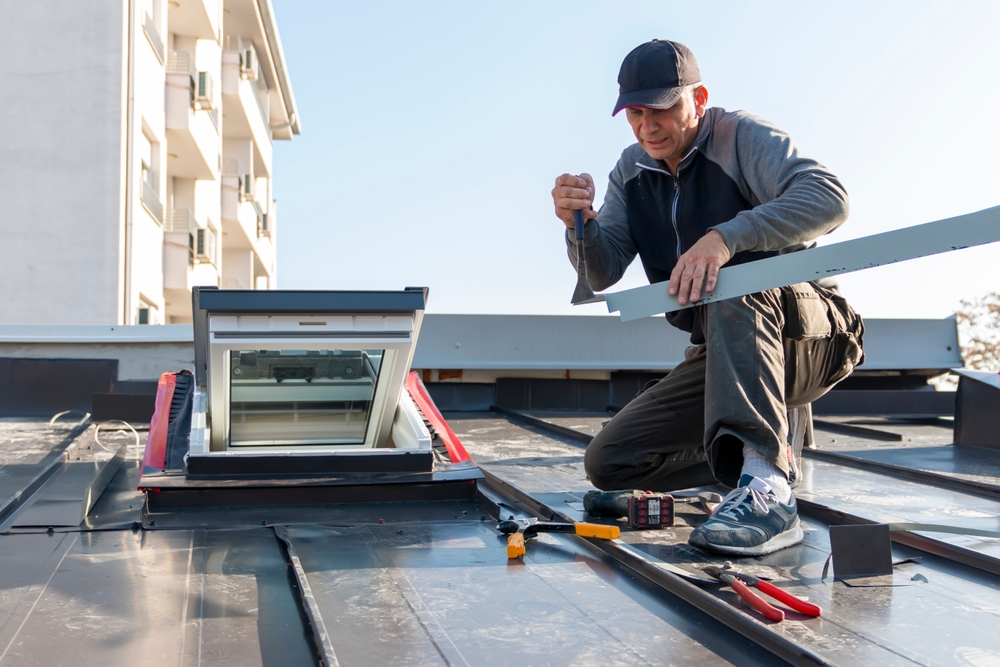
For commercial building owners and facility managers in Columbia, SC, the roof is often “out of sight, out of mind”—until water starts dripping onto inventory or a ceiling tile turns brown. When issues arise with a flat roof, the biggest question is almost always the same: Can we get by with a repair, or is it time for a full replacement? It’s a high-stakes decision. Repairing a roof that is past its prime can be a waste of money, like putting a band-aid on a broken bone. Conversely, replacing a roof that still has five to ten years of life left is a massive, unnecessary capital expenditure. At Cola City Roofing, we help businesses navigate this dilemma every day. We understand that your roof protects your livelihood, your employees, and your assets. In this guide, we will break down the critical factors that determine whether you need flat roof repair in Columbia SC or a complete commercial roof replacement. The Commercial Flat Roof Lifecycle To understand the repair vs. replacement debate, you first need to understand the lifecycle of a commercial roof. Unlike steep-slope residential roofs that shed water immediately, flat roofs (or low-slope roofs) must be watertight. They are constantly fighting gravity, UV radiation, and thermal expansion. Most commercial roofing systems—whether TPO, EPDM, PVC, or Modified Bitumen—have a typical lifespan ranging from 15 to 30 years. Years 1–10: Generally problem-free, barring installation errors or severe storm damage. Years 10–15: Minor maintenance issues appear (flashings needing resealing, minor punctures). Years 15–20+: The membrane begins to age. It may become brittle, shrink, or lose its reflective coating. Repairs become more frequent. Knowing where your roof sits in this timeline is the first step in making a smart financial decision. The Case for Flat Roof Repair Repair is almost always the preferred option for building owners because it is faster, less disruptive, and significantly cheaper in the short term. But when is it the right option? When to Choose Repair The Roof is Relatively New If your roof is less than 10-12 years old and experiencing leaks, it is likely an isolated issue rather than systemic failure. In this phase, the membrane itself is usually still flexible and intact. Damage is Localized If the leaks are confined to specific areas—perhaps around a specific HVAC unit, a drain, or a parapet wall—a targeted repair is usually sufficient. For example, if a storm blows debris onto the roof and punctures the membrane in one spot, there is no need to replace the entire system. The Insulation is Dry This is the most critical factor. Commercial flat roofs typically have insulation boards underneath the waterproof membrane. If water enters the system but the insulation hasn’t become saturated, a patch is viable. However, wet insulation is like a wet sponge; it loses its R-value (insulating power) and can rot the steel or wood deck beneath it. Budget Constraints Sometimes, a full replacement simply isn’t in the budget for the current fiscal year. A comprehensive repair plan can often buy you another 1-3 years of life, allowing you to plan and save for the eventual replacement. Common Flat Roof Repairs Our roof repair services team frequently handles: Patching Punctures: sealing holes caused by foot traffic or dropped tools. Resealing Flashings: Flashings (the material around vents and walls) usually fail before the main field of the roof. Unclogging Drains: ensuring water flows off the roof to prevent ponding. Blister Repair: fixing air or water pockets trapped under the membrane. The Case for Commercial Roof Replacement While replacement is a larger investment, there comes a tipping point where it is the more economically sound choice. Continuing to patch a failing roof is often referred to as “chasing leaks”—you fix one, and two more appear next week. When to Choose Replacement The Roof Has Exceeded Its Lifespan If your TPO or EPDM roof is 20+ years old, the chemical bonds in the material are breaking down. The membrane may be chalking, cracking, or shrinking. At this stage, patches may not even adhere correctly because the surrounding material is too degraded. Extensive Water Damage (Saturation) If a moisture scan reveals that 25% or more of the underlying insulation is wet, replacement is usually mandatory. You cannot simply patch over wet insulation; the trapped moisture will boil in the summer heat, causing the patch to fail, and eventually rust out the structural deck of your building. Frequent Leaks Over a Large Area If you have buckets catching drips in the warehouse, the office, and the breakroom, the waterproofing system has failed globally. Spot repairs will no longer be effective. Energy Inefficiency Older roofs often lack modern insulation standards or reflective capabilities. A new commercial roof replacement can significantly upgrade your building’s energy efficiency. Modern white TPO or PVC membranes reflect UV rays, drastically lowering cooling costs in our hot South Carolina summers. Storm Damage is Severe Sometimes, nature forces your hand. A severe hailstorm or hurricane can cause so much damage that repair is impossible. In these cases, insurance often covers the replacement. Visit our storm damage consultations page if you suspect this is the case. The “50% Rule” and Decision Math A good rule of thumb in the roofing industry is the repair cost vs. replacement cost ratio. If the cost of repairs equals 50% or more of the cost of a new roof, you should replace the roof. Here is why: Warranty: Repairs typically come with a limited warranty (e.g., 1 year on the specific repair area). A new roof comes with a 15, 20, or even 30-year manufacturer warranty (NDL – No Dollar Limit) that covers the entire system. Asset Value: A new roof increases the value of your commercial property. A patched-up old roof is a liability that can lower property value or kill a real estate deal. Tax Benefits: Under Section 179 of the tax code, business owners can often deduct the full cost of a commercial roof replacement in the year it is completed, rather
Commercial Roofing Systems: A Complete Guide to TPO, EPDM, PVC, & Modified Bitumen
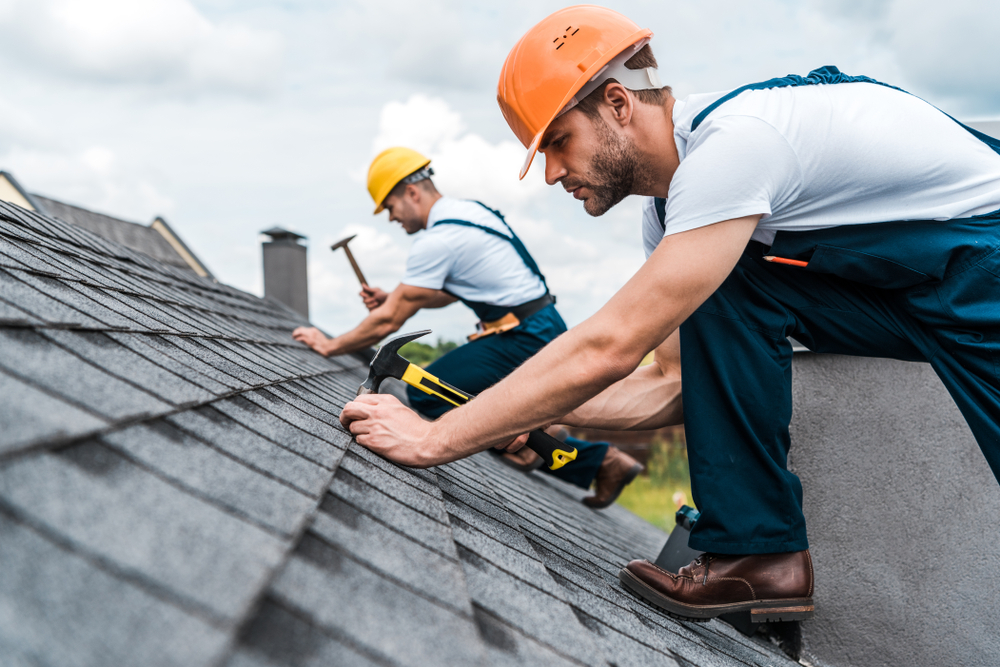
The roof of a commercial building is its first line of defense against the elements. Whether you manage a retail center, a warehouse, or an office complex in South Carolina, the integrity of your roof directly impacts your business operations. A failing roof isn’t just a nuisance; it’s a liability that can damage inventory, disrupt workflow, and endanger employees and customers. Choosing the right material for a commercial roof replacement or new installation is a significant decision. If you’re evaluating options for your building, our full breakdown of commercial and industrial roofing services in South Carolina explains how we approach system selection, installation, and long-term performance planning. Unlike steep-slope residential roofs, which typically use asphalt shingles, commercial buildings often have flat or low-slope roofs that require specialized systems designed to handle water pooling, UV exposure, and thermal expansion. In this comprehensive guide, we will break down the most popular commercial roofing systems in Columbia SC: TPO, EPDM, PVC, and Modified Bitumen. We will explore the pros and cons of each, helping you determine which solution offers the best performance and longevity for your property. Understanding Commercial Roofing Demands Before diving into specific materials, it is important to understand what makes commercial roofing unique. In the Midlands of South Carolina, our roofs face specific challenges. We experience intense summer heat, high humidity, sudden thunderstorms, and occasional hail. A robust commercial roof must provide: Weather Resistance: It must withstand heavy rain and wind without leaking. Thermal Performance: Reflective surfaces can significantly lower cooling costs during our hot summers. Durability: It needs to resist punctures from foot traffic (HVAC maintenance crews) and debris. Longevity: Commercial roofs are capital investments meant to last 20 to 30 years or more. Understanding the expected lifespan of each commercial roofing system is essential when planning capital expenditures. At Cola City Roofing, we have extensive experience installing and maintaining these systems across the region. Let’s look at the top contenders for your next project. TPO Roofing (Thermoplastic Polyolefin) TPO has rapidly become one of the fastest-growing commercial roofing products in the industry. It is a single-ply reflective roofing membrane made from polypropylene and ethylene-propylene rubber polymerized together. What is TPO? TPO is typically installed in a single layer. The membrane can be mechanically attached (screwed down) or fully adhered (glued) to the insulation board. One of its defining features is that the seams are heat-welded. This process fuses the sheets together, creating a monolithic, water-tight bond that is incredibly strong—often stronger than the membrane itself. Key TPO Roofing Benefits Energy Efficiency White TPO membranes are highly reflective. In a climate like Columbia, SC, where the sun beats down relentlessly from May to September, a white roof can reflect a significant amount of UV radiation. This reduces the heat transfer into the building, lowering the workload on your HVAC system and reducing energy bills. Durability and flexibility TPO resists mold, dirt accumulation, and tears. It is also flexible, allowing it to accommodate the building’s movement and thermal expansion/contraction without cracking. Cost-Effectiveness Compared to other rolled rubber roofing systems, TPO is often more affordable while still offering premium performance. It strikes an excellent balance between cost and longevity. Ease of Installation Because TPO sheets are wide and light, installation is generally faster than with other systems, which translates to lower labor costs for the business owner. Ideal Applications for TPO TPO is an excellent choice for businesses looking for a cost-effective, energy-efficient “cool roof.” It works well for: Restaurants (specifically those looking to reduce cooling costs) Warehouses Big-box retail stores Office buildings If you are considering a roof replacement, TPO is often the first option we recommend for flat roofs due to its all-around performance. EPDM Roofing (Ethylene Propylene Diene Monomer) You might know EPDM better as “rubber roofing.” It is a extremely durable synthetic rubber roofing membrane (ethylene propylene diene terpolymer) widely used in low-slope buildings worldwide. Its two primary ingredients, ethylene and propylene, are derived from oil and natural gas. What is EPDM? EPDM is available in both black and white, though the black variety is the most traditional. It is sold in a broad variety of widths, ranging from 7.5 feet to 50 feet. It can be installed fully adhered, mechanically attached, or ballasted (held down by smooth river stones). Key EPDM Benefits Proven Track Record EPDM has been used in the commercial roofing industry for over 60 years. It has one of the longest service lives in the industry. When properly installed and maintained, an EPDM roof can easily last 25 to 30 years. Weather Resistance Rubber is naturally resistant to ozone, UV radiation, and weathering. It handles thermal shock very well—meaning it can stretch during the heat of the day and contract at night without becoming brittle. Repairability One of the massive advantages of EPDM is that it is easy to repair. If a puncture occurs, or if you need to install new equipment on the roof later, patches are simple to apply. Our roof repair services team can often extend the life of an EPDM roof significantly with targeted maintenance. Hail Resistance The rubber compound absorbs impact energy well, making EPDM a solid choice in areas prone to hail storms. Potential Drawbacks The main drawback of traditional black EPDM is heat absorption. A black roof will absorb the sun’s heat, potentially increasing cooling costs for the building below. However, in cooler climates or on buildings with exceptional insulation, this might be less of a factor. White EPDM is available but tends to be more expensive. Ideal Applications for EPDM EPDM is perfect for: Buildings in areas with high hail risk Roofs with minimal foot traffic Projects where longevity is the primary goal over aesthetics Budget-conscious projects where energy reflection is not the top priority PVC Roofing (Polyvinyl Chloride) PVC roofing is another single-ply thermoplastic membrane, similar to TPO in that the seams are heat-welded. However, PVC has been around longer than TPO and has a slightly different chemical composition designed for extreme durability.