For commercial building owners and facility managers in Columbia, SC, the roof is often "out of sight, out of mind"—until water starts dripping onto inventory or a ceiling tile turns brown. When issues arise with a flat roof, the biggest question is almost always the same: Can we get by with a repair, or is it time for a full replacement?
It’s a high-stakes decision. Repairing a roof that is past its prime can be a waste of money, like putting a band-aid on a broken bone. Conversely, replacing a roof that still has five to ten years of life left is a massive, unnecessary capital expenditure.
At Cola City Roofing , we help businesses navigate this dilemma every day. We understand that your roof protects your livelihood, your employees, and your assets. In this guide, we will break down the critical factors that determine whether you need flat roof repair in Columbia SC or a complete commercial roof replacement .
The Commercial Flat Roof Lifecycle
To understand the repair vs. replacement debate, you first need to understand the lifecycle of a commercial roof. Unlike steep-slope residential roofs that shed water immediately, flat roofs (or low-slope roofs) must be watertight. They are constantly fighting gravity, UV radiation, and thermal expansion.
Most commercial roofing systems—whether TPO, EPDM, PVC, or Modified Bitumen—have a typical lifespan ranging from 15 to 30 years.
- Years 1–10: Generally problem-free, barring installation errors or severe storm damage.
- Years 10–15: Minor maintenance issues appear (flashings needing resealing, minor punctures).
- Years 15–20+: The membrane begins to age. It may become brittle, shrink, or lose its reflective coating. Repairs become more frequent.
Knowing where your roof sits in this timeline is the first step in making a smart financial decision.
The Case for Flat Roof Repair
Repair is almost always the preferred option for building owners because it is faster, less disruptive, and significantly cheaper in the short term. But when is it the right option?
When to Choose Repair
- The Roof is Relatively New If your roof is less than 10-12 years old and experiencing leaks, it is likely an isolated issue rather than systemic failure. In this phase, the membrane itself is usually still flexible and intact.
- Damage is Localized If the leaks are confined to specific areas—perhaps around a specific HVAC unit, a drain, or a parapet wall—a targeted repair is usually sufficient. For example, if a storm blows debris onto the roof and punctures the membrane in one spot, there is no need to replace the entire system.
- The Insulation is Dry This is the most critical factor. Commercial flat roofs typically have insulation boards underneath the waterproof membrane. If water enters the system but the insulation hasn’t become saturated, a patch is viable. However, wet insulation is like a wet sponge; it loses its R-value (insulating power) and can rot the steel or wood deck beneath it.
- Budget Constraints Sometimes, a full replacement simply isn’t in the budget for the current fiscal year. A comprehensive repair plan can often buy you another 1-3 years of life, allowing you to plan and save for the eventual replacement.
Common Flat Roof Repairs
Our roof repair services team frequently handles:
- Patching Punctures: sealing holes caused by foot traffic or dropped tools.
- Resealing Flashings: Flashings (the material around vents and walls) usually fail before the main field of the roof.
- Unclogging Drains: ensuring water flows off the roof to prevent ponding.
- Blister Repair: fixing air or water pockets trapped under the membrane.
The Case for Commercial Roof Replacement
While replacement is a larger investment, there comes a tipping point where it is the more economically sound choice. Continuing to patch a failing roof is often referred to as "chasing leaks"—you fix one, and two more appear next week.
When to Choose Replacement
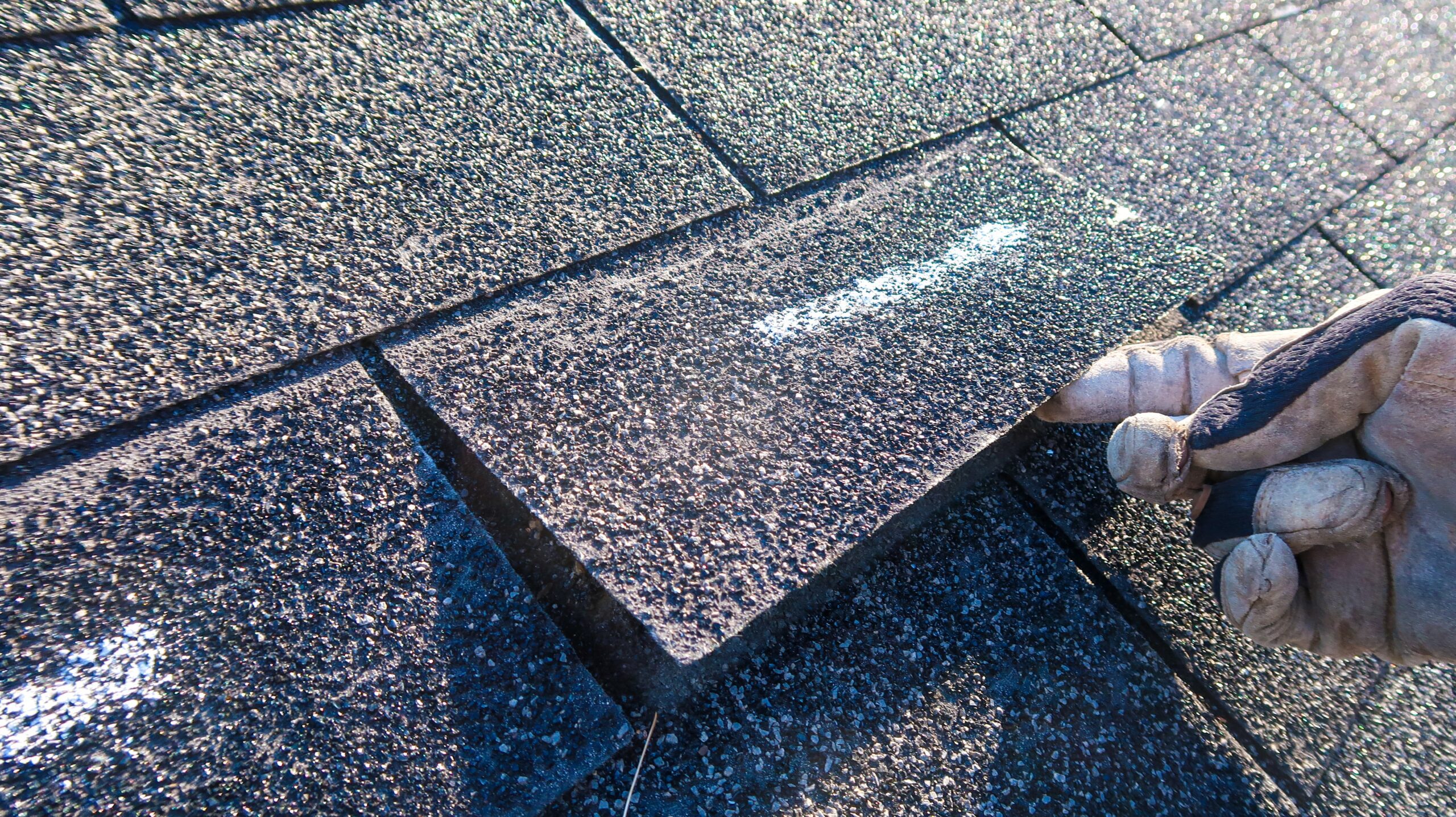
- The Roof Has Exceeded Its Lifespan If your TPO or EPDM roof is 20+ years old, the chemical bonds in the material are breaking down. The membrane may be chalking, cracking, or shrinking. At this stage, patches may not even adhere correctly because the surrounding material is too degraded.
- Extensive Water Damage (Saturation) If a moisture scan reveals that 25% or more of the underlying insulation is wet, replacement is usually mandatory. You cannot simply patch over wet insulation; the trapped moisture will boil in the summer heat, causing the patch to fail, and eventually rust out the structural deck of your building.
- Frequent Leaks Over a Large Area If you have buckets catching drips in the warehouse, the office, and the breakroom, the waterproofing system has failed globally. Spot repairs will no longer be effective.
- Energy Inefficiency Older roofs often lack modern insulation standards or reflective capabilities. A new commercial roof replacement can significantly upgrade your building’s energy efficiency. Modern white TPO or PVC membranes reflect UV rays, drastically lowering cooling costs in our hot South Carolina summers.
- Storm Damage is Severe Sometimes, nature forces your hand. A severe hailstorm or hurricane can cause so much damage that repair is impossible. In these cases, insurance often covers the replacement. Visit our storm damage consultations page if you suspect this is the case.
The "50% Rule" and Decision Math
A good rule of thumb in the roofing industry is the repair cost vs. replacement cost ratio.
If the cost of repairs equals 50% or more of the cost of a new roof, you should replace the roof.
Here is why:
- Warranty: Repairs typically come with a limited warranty (e.g., 1 year on the specific repair area). A new roof comes with a 15, 20, or even 30-year manufacturer warranty (NDL – No Dollar Limit) that covers the entire system.
- Asset Value: A new roof increases the value of your commercial property. A patched-up old roof is a liability that can lower property value or kill a real estate deal.
- Tax Benefits: Under Section 179 of the tax code, business owners can often deduct the full cost of a commercial roof replacement in the year it is completed, rather than depreciating it over 39 years. (Always consult your CPA, but this is a massive incentive for replacement).
The Third Option: Roof Restoration (Coatings)
Between repair and replacement sits a "middle ground" called restoration. This involves cleaning the existing roof and applying a liquid-applied coating (like silicone or acrylic).
Restoration is viable if:
- The roof structure is sound.
- The insulation is dry.
- The seams are relatively intact.
A coating creates a seamless, new waterproof layer over the old roof. It costs about half as much as a replacement and can extend the roof’s life by 10-15 years. It’s an excellent option for business owners who want to avoid a full tear-off. You can read more about surface preparation on our roof softwash and cleaning page.
Factors Influencing Costs in Columbia, SC
When you are budgeting for flat roof repair in Columbia SC or replacement, several local factors come into play.
1. Building Access
How easy is it to get materials onto your roof? A single-story warehouse with a large parking lot is easy to access. A 10-story office building downtown requires cranes and complex logistics, which increases labor costs.
2. Existing Layers
South Carolina building codes typically allow a maximum of two layers of roofing. If you already have two layers (e.g., an old tar roof with a rubber roof over it), you cannot add a third. You must perform a full tear-off, which increases disposal fees and labor time.
3. Roof Penetrations
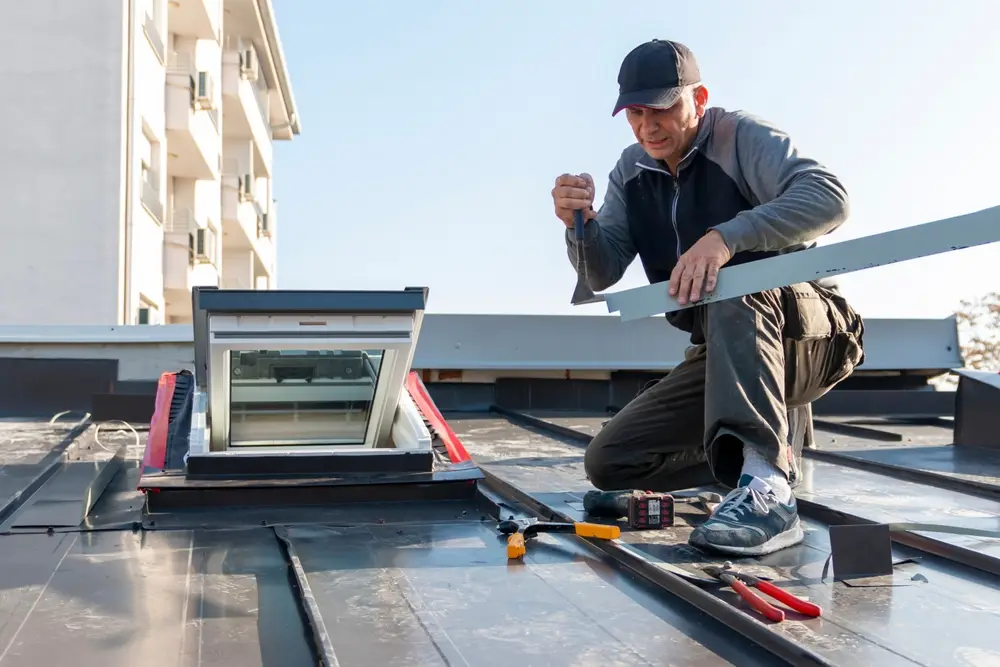
The more HVAC units, skylights, vents, and pipes sticking out of your roof, the more expensive the labor. Every single penetration must be hand-flashed by a skilled technician.
4. Material Choice
- TPO: Generally the most cost-effective single-ply option.
- EPDM: Slightly more expensive but very durable.
- PVC: Higher cost but excellent for restaurants (grease resistance).
- Modified Bitumen: Moderate cost, very tough against foot traffic.
We discuss these materials extensively in our guide to commercial roofing systems.
The Risk of Waiting
The biggest mistake we see business owners make is ignoring a "small" leak.
Water is patient and persistent. A small drip in the ceiling tile usually means water has been pooling on the deck for weeks or months. By the time you see it inside, the damage above is often extensive.
Consequences of delaying:
- Mold Growth: In our humid climate, wet insulation breeds mold within 24-48 hours. This can lead to air quality issues and employee sickness.
- Structural Damage: Water rusts steel decking and rots wood joists. We have seen roofs where an AC unit actually fell through the deck because the support structure had rusted away unnoticed.
- Electrical Hazards: Water and commercial wiring do not mix.
- Slip and Fall Liability: Puddles on a warehouse floor are a major safety hazard.
Whether it is a repair or a replacement, acting fast is the best way to save money.
How Cola City Roofing Can Help
At Cola City Roofing, we don’t believe in high-pressure sales. We believe in data. When you call us for an inspection, we provide a comprehensive report on the health of your roof.
Our Process
- Visual Inspection We walk the roof to identify visible defects: punctures, open seams, blistered areas, and clogged drains.
- Core Analysis (if needed) We may take a small core sample to see how many layers of roofing are present and to check the condition of the substrate.
- Moisture Scanning For larger roofs, we can use infrared technology to identify trapped moisture under the membrane. This tells us exactly how much of the roof is wet versus dry, which is the key to the repair vs. replace decision.
- Honest Recommendations If we can save your roof with repairs, we will tell you. If repairs are a waste of money, we will explain why and provide a transparent quote for replacement.
We specialize in roof replacement services that minimize disruption to your business. We know you have a company to run, so we work efficiently to keep your operations moving.
Conclusion: Protect Your Investment
Your commercial building is likely one of your biggest assets. The roof is the shield that protects that asset. Whether you need a simple patch to get through the rainy season or a brand-new energy-efficient system to lower your overhead for the next 20 years, the choice matters.
Don’t leave it to chance. Trust the local experts who understand Columbia’s weather, building codes, and business needs.
Is your flat roof showing signs of age? Do not wait for the next storm. Contact us today for a free assessment.
- Call us: (803) 446-8633
- Visit us online: Contact Us
- Check our work: See our Projects Before and Afters
We also offer flexible financing to help you manage your facility budget effectively.
Frequently Asked Questions
- How much does commercial roof replacement cost? Costs vary widely based on material and size, generally ranging from $5 to $12 per square foot. We provide custom quotes based on your specific building.
- Can I repair my own flat roof? It is not recommended. Commercial systems require specialized heat welders (for TPO/PVC) or specific adhesives (for EPDM) that aren’t sold at big-box hardware stores. Improper DIY repairs often void warranties.
- How long does a repair last? A proper patch applied by a professional can last as long as the surrounding roof. However, if the surrounding roof is deteriorating, the patch might hold while the area next to it fails.
- Will insurance cover my roof replacement? If the damage is caused by a covered peril like hail or wind, yes. We have extensive experience working with insurance adjusters. Check our Storm Damage Consultations page for more info.
- How often should I inspect my commercial roof? We recommend semi-annual inspections (spring and fall) and inspections after any major storm event.
Internal Links for Further Reading: