In the world of industrial construction, few elements are as critical as the roof. It’s the primary defense against the elements, a key factor in energy efficiency, and a significant component of the building’s structural integrity. When it comes to longevity, durability, and performance, metal panel systems stand in a league of their own.
For facility managers, warehouse owners, and industrial developers, choosing the right roofing system is a decision that impacts the bottom line for decades. Metal panel systems offer a blend of strength and versatility that traditional asphalt or membrane roofs often struggle to match.
At Cola City Roofing , we specialize in high-performance roofing solutions. As the premier roofing experts in Columbia, SC, we understand the unique demands placed on industrial structures in the Southeast. From scorching summers to severe thunderstorms, our metal roofing installations are engineered to withstand it all.
In this comprehensive guide, we will dive deep into metal panel systems—exploring the different types available, their specific benefits for industrial applications, and why they might be the smartest investment for your facility.
Why Metal? The Industrial Advantage
Before examining the specific types of panels, it is essential to understand why metal has become the gold standard for many industrial applications. Unlike residential homes, industrial buildings often have vast surface areas, low slopes, and house expensive machinery or inventory.
Unmatched Durability
The most significant advantage of a metal panel system is its lifespan. While a traditional commercial roof might last 15 to 20 years, a high-quality metal roof can last 40 to 70 years or more with proper maintenance. This longevity drastically reduces the lifecycle cost of the roof.
Weather Resistance
South Carolina weather can be unpredictable. Metal panels are engineered to resist high winds, heavy rain, and even hail. They are non-combustible, offering superior fire resistance—a crucial safety feature for manufacturing plants dealing with high heat or flammable materials.
Energy Efficiency
Modern metal roofs are often coated with "cool roof" finishes that reflect solar radiant heat. This can reduce roof surface temperatures by up to 50°F and lower cooling costs by 10-25%. For large industrial spaces, these energy savings are substantial.
If you are considering upgrading your current facility, our roof replacement services can help you transition to a durable metal system.
Types of Metal Panel Systems
Not all metal roofs are created equal. There are several distinct types of panel systems, each designed for specific structural needs and aesthetic preferences. Understanding the differences is key to choosing the right system for your facility.
1. Standing Seam Metal Roofing
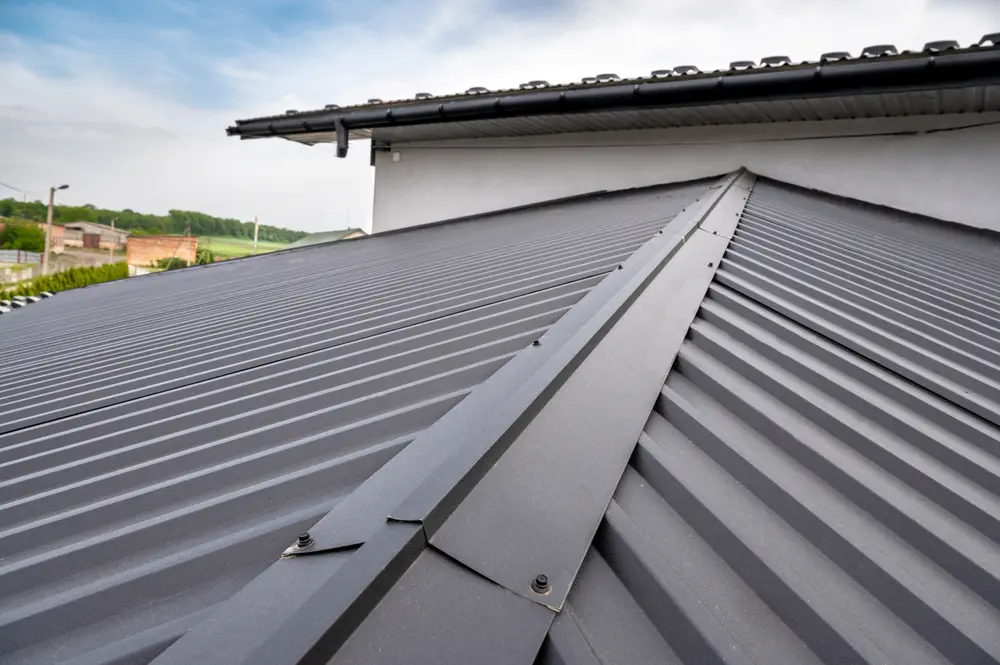
Standing seam is perhaps the most recognized and high-performing metal roofing system available. It features vertical legs with a flat space in between. The panels are attached to the roof deck with concealed clips, meaning there are no exposed fasteners.
The "Concealed Fastener" Advantage: The primary failure point of any metal roof is the fastener. Over time, screws can back out due to thermal expansion, and rubber washers can degrade in the sun. Standing seam systems eliminate this risk by hiding the fasteners beneath the seams.
- Watertight Integrity: Because the fasteners are concealed and the seams are raised above the level of the roof, standing seam panels offer exceptional leak protection.
- Thermal Movement: The clip system allows the panels to expand and contract freely with temperature changes, preventing the metal from buckling or tearing.
- Aesthetics: These panels offer a sleek, modern look that can enhance the architectural appeal of any industrial building.
This system is ideal for low-slope industrial roofs where water runoff is slower, as the raised seams prevent water from entering the joints.
2. Exposed Fastener Panels (R-Panel / PBR-Panel)
Exposed fastener systems are the traditional choice for many agricultural and industrial buildings. As the name suggests, the panels are fastened directly through the metal into the roof deck using screws with rubber washers.
- Cost-Effective: This is generally the most affordable metal roofing option. It is faster to install and requires less specialized labor than standing seam systems.
- Versatility: These panels are rugged and can be used for both roofing and wall siding in industrial metal buildings.
- Maintenance: While durable, these roofs require more maintenance. The exposed screws need to be checked periodically to ensure they haven’t loosened and that the washers are still intact.
For warehouses or storage facilities where budget is a primary constraint, exposed fastener panels offer a solid balance of durability and cost.
3. Corrugated Metal Panels
Corrugated metal is the "classic" wavy metal roof. The corrugation (the wave pattern) increases the tensile strength of the metal, allowing thinner, lighter sheets to span larger distances between structural supports.
- Structural Strength: The shape makes these panels incredibly tough against impact damage.
- Retrofit Friendly: Because they are lightweight, corrugated panels can sometimes be installed over an existing roof without requiring a tear-off, saving time and disposal fees.
4. Insulated Metal Panels (IMPs)
Insulated Metal Panels are a composite product. They consist of an insulating foam core sandwiched between two metal faces.
- All-in-One Solution: IMPs provide the exterior roof surface, the insulation, and the interior ceiling finish in a single pass. This speeds up construction time significantly.
- Superior Thermal Performance: Because the insulation is continuous and integral to the panel, there are no thermal bridges, providing excellent energy efficiency.
This system is particularly popular for cold storage facilities, food processing plants, and climate-controlled manufacturing centers.
Material Choices: What Are the Panels Made Of?
The profile of the panel is only half the story. The base metal plays a huge role in the roof’s performance, especially in varying environments.
Galvalume®
Galvalume is a steel coil coated with a mixture of zinc and aluminum. The aluminum provides barrier protection against corrosion, while the zinc offers galvanic protection to heal scratches.
- Best For: Most industrial applications not near saltwater. It offers the best combination of cost and longevity.
Galvanized Steel
This is steel coated with a layer of zinc. It is strong and less expensive than Galvalume but doesn’t last as long, especially in acidic environments.
Aluminum
Aluminum is naturally resistant to rust. It is lightweight and highly durable.
- Best For: Coastal industrial facilities or plants that emit corrosive fumes. Unlike steel, aluminum will not rust even if the coating is scratched.
Stainless Steel
The ultimate in durability. Stainless steel is incredibly strong and resistant to almost all forms of corrosion. However, its high cost makes it a niche product, usually reserved for extreme environments.
Structural Considerations for Industrial Roofs
Installing a metal panel system on an industrial building involves more than just screwing down sheets of metal. It requires a deep understanding of structural loads and building dynamics.
Wind Uplift
Large industrial roofs act like giant sails. High winds create low pressure above the roof, trying to suck the panels off the deck. Our installation process ensures that the fastening pattern meets or exceeds local wind uplift codes to prevent catastrophic failure during storms.
Thermal Expansion
Metal moves. A 100-foot long steel panel can expand by nearly an inch on a hot summer day. If the system is pinned rigidly at both ends, the panel will buckle. We design our systems to "float," allowing this movement to happen harmlessly.
Load Bearing Capacity
Industrial roofs often support heavy HVAC units, exhaust fans, and walkways. The panel system must be chosen to handle these point loads without deforming. We assess your roof’s usage requirements to recommend the correct gauge (thickness) of metal.
To learn more about how we assess structural needs, visit our roofing services page .
The Installation Process: Precision Matters
A metal roof is a system of components that must work together perfectly. A failure in a single flashing detail can compromise the entire roof. At Cola City Roofing, we pride ourselves on precision.
1. Deck Preparation
We ensure the substrate is smooth, clean, and structurally sound. Any rot or damage to the underlying deck is repaired before a single panel is laid.
2. Underlayment
We install high-temperature, self-adhering underlayment. This provides a secondary water barrier and protects the underside of the metal panels from condensation.
3. Panel Installation
Whether using clips for standing seam or screws for exposed fastener systems, we follow strict spacing guidelines. Proper alignment is critical; if the panels start slightly crooked, the error compounds across a large roof.
4. Flashing and Trim
This is where the real skill comes in. Chimneys, vents, curbs, and wall intersections are the most common leak points. Our team custom-fabricates flashings to ensure a watertight seal at every penetration.
Retrofitting: The Metal-Over-Metal Solution
Many older industrial buildings have existing metal roofs that are rusting or leaking. Tearing off an old metal roof can be expensive and leaves the facility exposed to the elements during the process.
The Solution: High-Hugger Systems We can often install a new metal roof directly over the old one. We use a sub-framing system that fits over the ribs of the old roof, creating a flat surface for the new panels.
- No Downtime: Your operations can continue inside while we work above.
- Added Insulation: The gap between the old and new roof can be filled with additional insulation, improving energy efficiency.
- Cost Savings: You avoid the labor and disposal costs of a tear-off.
If you are struggling with an aging roof, let us evaluate if a retrofit is right for you. Contact us for a consultation via our contact page .
Maintenance of Metal Panel Systems
While metal roofs are low maintenance, they are not no maintenance. To ensure your 50-year roof actually lasts 50 years, a proactive approach is required.
Inspecting Fasteners
On exposed fastener roofs, the rubber washers will eventually dry out and crack due to UV exposure. These screws need to be tightened or replaced every 15-20 years.
Clearing Debris
Leaves, pine needles, and dirt can accumulate in valleys and behind HVAC units. This debris holds moisture against the metal, which can accelerate corrosion. Regular cleaning is essential.
Checking Sealants
The caulk and sealants used at penetrations (like pipe boots) have a shorter lifespan than the metal panels. These need to be inspected and touched up periodically.
We offer comprehensive maintenance plans to keep your roof in peak condition. Visit our roof repair services section to see how we can extend the life of your existing roof.
Metal Roofing vs. Membrane Roofing (TPO/EPDM)
We often get asked: "Should I choose metal or TPO for my warehouse?" Both are excellent choices, but they serve different needs.
If you plan to own the building for decades, metal is usually the better long-term investment. If upfront capital preservation is the priority, TPO might be the right choice. We can help you weigh these options based on your specific business goals.
Common Myths About Metal Roofing
Myth 1: Metal roofs attract lightning.
Fact: Metal conducts electricity, but it does not attract it. Lightning typically strikes the highest object in the area. In fact, if your building is struck, a metal roof disperses the energy safely, and because it is non-combustible, it won’t catch fire.
Myth 2: Metal roofs are noisy in the rain.
Fact: In a residential setting without an attic, this might be true. However, in an industrial building with solid decking and insulation, a metal roof is no louder than any other roofing material.
Myth 3: Metal roofs rust easily.
Fact: Modern metal panels are coated with advanced galvalume or paint systems (like Kynar 500®) that are incredibly resistant to corrosion. Unless the coating is deeply scratched or the building is right on the ocean, rust is rarely an issue for decades.
Why Choose Cola City Roofing for Metal Systems?
Installing a metal panel system is a specialized trade. It requires different tools, different skills, and different safety protocols than installing shingles or TPO.
- Experienced Craftsmen: Our crews are trained specifically in metal fabrication and installation. We don’t just "do metal" on the side; it is a core part of our expertise.
- Local Knowledge: We know Columbia. We know the wind speeds, the rainfall intensity, and the humidity levels. We design our roofs to meet these specific local challenges.
- Project Management: We understand that industrial projects have tight schedules and safety requirements. We work efficiently to minimize disruption to your business.
We have a proven track record of successful industrial projects. Check out our projects before and afters to see the transformation a new roof can bring.
Conclusion: Investing in the Future of Your Facility
A metal panel system is more than just a roof; it is a capital asset that protects your business operations, lowers your energy bills, and adds value to your property. Whether you choose a standing seam system for its sleek durability or an exposed fastener system for its cost-effectiveness, you are making a choice for longevity.
The success of that investment, however, depends entirely on the quality of the installation. Don’t trust your industrial asset to generalists. Trust the experts who understand the science and engineering behind metal roofing.
Ready to explore metal roofing options for your facility? Cola City Roofing is here to guide you through every step of the process, from material selection to final inspection.
Contact us today for a free consultation. Get a Quote
We proudly serve the Midlands. Check our service locations to see if we are in your area.
Additional Resources
- Roof Softwash & Cleaning – Keep your metal roof looking new.
- Storm Damage Consultations – Assess your roof after severe weather.
- About Cola City Roofing – Learn more about our team and values.
Cola City Roofing – The #1 Roofing Company in Columbia, SC. https://colacityroofing.com/
Technical Deep Dive: Coatings and Finishes
For those interested in the science that makes modern metal roofs last so long, it comes down to the paint system. The bare metal is rarely exposed; it is protected by layers of high-performance coatings.
Kynar 500® (PVDF)
This is the industry standard for high-quality metal roofing resin. PVDF (polyvinylidene fluoride) resin has an incredible ability to retain color and gloss over time.
- Chalk Resistance: Lower quality paints will "chalk" (turn into a white powder) after years of UV exposure. Kynar resists this, keeping your roof looking new.
- Fade Resistance: If your company brand uses a specific blue or red, Kynar ensures that color stays vibrant for 30+ years.
Polyester Paints
These are less expensive than PVDF but offer less protection against UV fading. They are often used on agricultural buildings or where aesthetics are less critical than cost.
Cool Roof Pigments
Modern paints utilize special reflective pigments. Even dark colors like black or dark brown can now reflect a significant portion of infrared sunlight. This technology allows you to choose an aesthetically pleasing dark roof without sacrificing energy efficiency.
Safety and Compliance During Installation
Industrial roofing projects often take place on active jobsites. Safety is our top priority—both for our crew and your employees.
- OSHA Compliance: Our teams are fully trained in OSHA safety standards, including fall protection, ladder safety, and material handling.
- Site Management: We cordon off work zones to ensure that no debris endangers your staff or visitors below.
- Insurance: We carry full liability and workers’ compensation insurance, protecting you from any liability during the project.
We understand that you can’t just shut down your factory for a roof replacement. We work with you to schedule the most disruptive work during off-hours or weekends whenever possible.
The Financial Case for Metal Roofing
While the upfront cost of metal is higher than asphalt or single-ply membranes, the "Total Cost of Ownership" (TCO) tells a different story.
Hypothetical 60-Year Cost Analysis:
- Asphalt/Membrane: You will likely need to replace the roof 3 times in 60 years (Year 0, Year 20, Year 40). You pay for inflation on materials and labor each time.
- Metal: You install it once at Year 0. You may need minor maintenance, but no full replacement.
When you factor in the energy savings (lower cooling bills) and potential insurance discounts (for hail-resistant roofing), the metal roof often pays for itself long before it needs replacement.
Furthermore, metal roofs can increase the resale value of industrial properties. Potential buyers view a well-maintained metal roof as a major asset that they won’t have to worry about for decades.
Custom Fabrication: Solving Unique Problems
Every industrial building has its quirks. Maybe you have a uniquely shaped parapet wall, or complex HVAC ductwork penetrating the roof. Off-the-shelf parts often don’t work for these situations.
At Cola City Roofing, we don’t just buy parts; we fabricate solutions. We can custom-bend metal flashings to fit the exact geometry of your building. This ensures a tighter fit and a better seal than forcing a standard part to work where it doesn’t belong.
This capability is particularly important for:
- Historic Industrial Renovations: Matching the profile of vintage metalwork.
- Complex Drainage Systems: Creating custom scuppers and collector boxes to handle massive water volume.
- Expansion Joints: fabricating covers that allow large building sections to move independently.
Get Started with Cola City Roofing
Don’t let a deteriorating roof threaten your operations. Metal panel systems offer the durability, efficiency, and peace of mind that modern industry demands.
Take the first step toward a permanent roofing solution.
Call us or visit our contact page to schedule your on-site assessment. Let us show you why Cola City Roofing is the trusted partner for industrial businesses across South Carolina.
Cola City Roofing Your Shield Against the Elements.