Most homeowners in South Carolina think about their roof as a shield—a barrier designed to keep rain, wind, and sun out. While that is certainly its primary job, a healthy roof system must do something else just as important: it needs to breathe.
Attic ventilation is one of the most misunderstood aspects of home construction. It’s easy to assume that because you insulate your home to keep heat in (or out), your attic should be sealed up tight like a Tupperware container. In reality, sealing your attic completely is one of the worst things you can do for the longevity of your home.
Without proper airflow, your attic becomes a breeding ground for heat and moisture, two forces that can silently destroy your roof structure, ruin your insulation, and send your energy bills skyrocketing.
In this guide to Attic Ventilation Basics , we will strip away the jargon and explain exactly how ventilation works, why it is critical for homes in our humid climate, and how Cola City Roofing ensures your roof system is balanced for peak performance.
What Is Attic Ventilation?
At its core, attic ventilation is a system of intake and exhaust that creates a continuous flow of air through the space between your ceiling and your roof deck. It’s not just about having holes in your roof; it is about creating a balanced cycle.
Effective ventilation relies on two key components working in harmony:
- Intake Vents: These are typically located at the lowest point of the roof, usually under the eaves or in the soffits. They allow cool, fresh air to enter the attic.
- Exhaust Vents: These are located at or near the highest point of the roof (the ridge). They allow hot, stale air to escape.
When these two components are balanced 50/50, they create a natural wash of air along the underside of the roof deck. This moving air carries away excess heat in the summer and damaging moisture in the winter.
The Physics Behind the Flow
You don’t need a physics degree to understand how your roof breathes. It works on two simple principles:
- Thermal Buoyancy (The Stack Effect): Hot air is lighter than cold air, so it naturally rises. As the air in your attic heats up, it pushes upward toward the peak of your roof. If there are exhaust vents there, the hot air escapes. As it leaves, it creates negative pressure that pulls fresh, cooler air in through the lower intake vents.
- Wind Pressure: When wind blows over the top of your roof, it creates an area of low pressure (the Bernoulli principle) that acts like a vacuum, actively sucking air out of your exhaust vents. This pulls even more fresh air in from the bottom.
Without this cycle, the air in your attic becomes stagnant. And in South Carolina, stagnant attic air is dangerous.
Why Ventilation Matters: The "Hot Attic" Problem
In Columbia, SC, our summers are brutal. On a 95°F day, the temperature inside an unventilated attic can easily soar to 150°F or higher. That is hot enough to slow-cook a brisket.
When that intense heat gets trapped, it attacks your home from two directions:
1. Damage to Roofing Materials
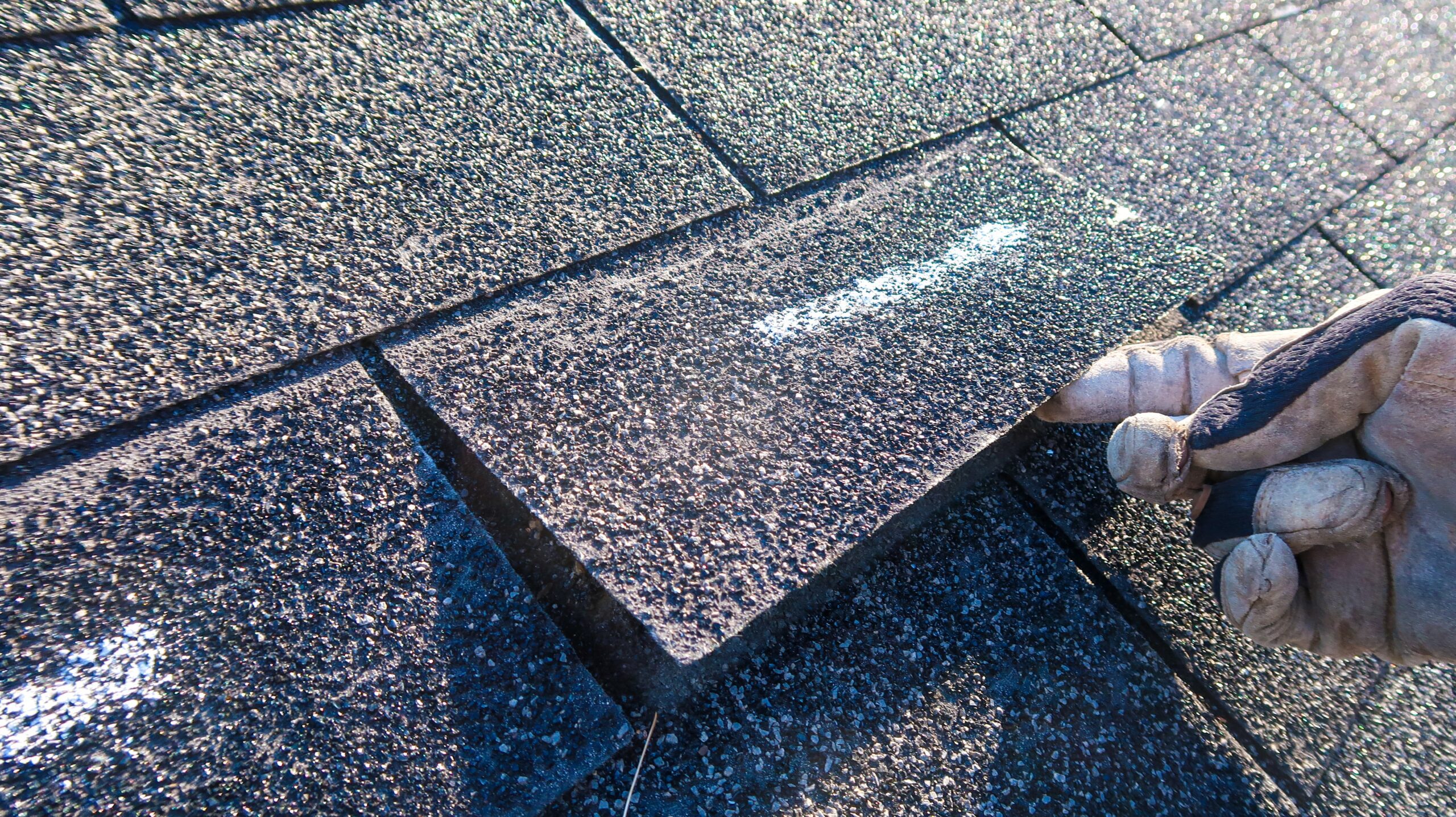
Your shingles are designed to withstand heat, but they are baked from the sun on the top. When they are also being baked from the bottom by a superheated attic, they age prematurely. The asphalt dries out, the granules loosen, and the shingles start to curl or crack years before they should.
This is why many shingle manufacturers will actually void their material warranties if the attic is not properly ventilated. During our Storm Damage Consultations , we often see roofs that look "storm damaged" but are actually suffering from "heat exhaustion" due to poor ventilation.
2. Strain on Energy Efficiency
Heat doesn’t just stay in the attic; it radiates downward. Even with good insulation, a 150°F heat mass in your attic will eventually transfer heat into your living spaces—your bedrooms, hallways, and living rooms.
Your air conditioner has to fight this radiating heat constantly. It runs longer, works harder, and wears out faster, all while driving up your electric bill. Proper ventilation plays a direct role in ventilation and energy efficiency, helping reduce attic temperatures significantly and lowering the load on your HVAC system.
The "Wet Attic" Problem: Why Winter Ventilation is Crucial
You might think ventilation is only a summer concern. After all, you want your house warm in the winter, right?
Actually, ventilation is just as critical in the winter, primarily to manage moisture.
Every day, a household of four generates 2 to 4 gallons of water vapor through cooking, cleaning, showering, and breathing. This warm, moist air rises and eventually migrates into the attic.
In the winter, your roof deck (the plywood underneath your shingles) is cold. When that warm, moist air hits the cold roof deck, it condenses into liquid water—just like a cold soda can sweating on a hot day.
The Consequences of Moisture Buildup
If that moisture cannot be vented out, it accumulates. Over time, this leads to:
- Mold and Mildew: Dark spots begin to grow on the underside of your roof decking. This can degrade air quality in your home and rot the wood.
- Wet Insulation: When fiberglass insulation gets wet, it loses its ability to trap heat (its R-value drops). It settles and becomes heavy, making your home colder and less energy-efficient.
- Structural Rot: Continuous dampness will eventually rot the rafters and trusses that hold your roof up.
We have seen this firsthand during Roof Repair Services , where we pull up shingles only to find the wood beneath is soft and crumbly due to years of trapped winter moisture.
Signs Your Attic Ventilation Is Poor
How do you know if your attic is suffocating? You don’t always need to climb up there to find out. Your home will often give you clues.
1. Ice Dams
While less common in Columbia than up north, we do get freezing temperatures. If you see icicles forming on the edge of your gutters but the rest of the roof is clear, it means heat is escaping your attic, melting the snow, and refreezing at the cold eaves. This is a classic sign of poor ventilation and insulation.
2. Rusty Nails
If you pop your head into the attic and see rusty nails sticking through the roof deck, that is a red flag. Nails shouldn’t rust in a dry environment. Rust indicates high humidity levels that aren’t being vented out.
3. AC That Never Stops
If your air conditioner runs continuously on sunny days and struggles to keep the upstairs cool, your attic might be acting like a giant heat lamp above your ceiling.
4. Deteriorating Shingles
Look at your roof from the ground. Are the shingles curling, cupping, or losing granules just 10 or 12 years after installation? Premature aging is the hallmark of a "hot roof."
If you notice any of these signs, it is time to contact us. We can assess your current system and recommend upgrades during a routine inspection or as part of a Roof Replacement Service .
Types of Ventilation Systems
At Cola City Roofing, we don’t believe in a one-size-fits-all approach. Different roof architectures require different ventilation strategies. Generally, vents fall into two categories: Intake and Exhaust.
Intake Vents (The Inhale)
- Soffit Vents: These are the most common and effective intake vents. They are installed in the soffit (the underside of the eaves). They can be continuous strips or individual rectangular vents.
- Gable Vents: Located on the exterior wall at the peak of a gable end. These can function as both intake and exhaust depending on wind direction, though they are less efficient than a balanced ridge/soffit system.
- Roof-Edge or Drip-Edge Vents: Used on homes with no soffits (common in older architecture). These are installed right at the gutter line to allow air entry.
Exhaust Vents (The Exhale)
- Ridge Vents: The gold standard for modern roofing. These run along the entire horizontal peak of the roof. They are covered by shingles, making them nearly invisible while providing maximum airflow.
- Box Vents (Turtle Vents): Static vents placed over holes cut near the ridge. They are effective for complex roof shapes where a long ridge vent isn’t possible.
- Power Vents (Attic Fans): Electric fans that actively pump hot air out. These are powerful but can sometimes be too powerful, pulling conditioned air from your house if intake is insufficient.
- Turbine Vents (Whirlybirds): Wind-powered vents that spin to draw air out.
The Golden Rule: Don’t Mix Exhaust Types
A common mistake we see is a roof with both ridge vents and box vents (or gable vents). This is bad practice. Air follows the path of least resistance.
If you have a ridge vent (high) and a gable vent (slightly lower), the ridge vent might pull air in through the gable vent instead of pulling it from the soffits. This "short-circuits" the system, leaving the lower part of the attic unventilated. We ensure your system is streamlined to pull air from the bottom and release it at the top.
How We Calculate Ventilation Needs
Ventilation isn’t a guessing game; it’s math. The FHA (Federal Housing Administration) sets a standard of 1/300 .
This means for every 300 square feet of attic floor space, you need 1 square foot of ventilation area (Net Free Area or NFA). This total area should be split 50/50 between intake and exhaust.
Example Calculation: If you have a 1,500 sq. ft. attic:
- 1500 ÷ 300 = 5 square feet of total ventilation needed.
- Split it: 2.5 sq. ft. of intake (soffit) and 2.5 sq. ft. of exhaust (ridge).
If you only install exhaust vents without adding intake vents, you are trying to suck air out of a vacuum. It won’t work, and it might actually pull dangerous gases (like carbon monoxide) from water heaters or furnaces back into the home—a phenomenon called back-drafting.
At Cola City Roofing , we calculate these numbers precisely before every installation to ensure your home is safe and efficient.
Ventilation and Your Warranty
We touched on this earlier, but it bears repeating: Improper ventilation can void your roof warranty.
Major shingle manufacturers like GAF, Owens Corning, and CertainTeed specify that their products must be installed on a properly ventilated deck. If you file a claim for defective shingles five years down the road, the first thing the adjuster will look for is ventilation.
If they see blocked soffits or insufficient exhaust, your claim could be denied. When you hire us for Roof Installation Services , we protect your investment by strictly adhering to these manufacturer specifications. We want your warranty to be ironclad.
Common Ventilation Obstacles
Even with the best vents installed, things can go wrong. Here are two common issues we fix:
1. Blocked Intake Vents
The most common problem is actually inside the attic. When homeowners (or careless contractors) install blown-in insulation, they often accidentally cover the soffit vents. This chokes off the air supply. We use "baffles" or "rafter mates"—plastic chutes that keep the insulation back and ensure a clear channel for air to flow from the soffit up to the ridge.
2. Painted-Over Vents
If you have recently painted your home exterior, check your vents. Painters sometimes spray right over soffit screens, clogging the mesh with thick paint and rendering them useless.
Beyond the Shingles: The Whole-System Approach
Your roof is a system. The shingles shed the water, the gutters move the water away, and the ventilation manages the air. If one part fails, the whole system suffers.
For example, if your gutters are clogged and overflowing, water can rot out the fascia board and soffit area—exactly where your intake vents are located. This can introduce moisture into the intake stream or cause the wood holding the vents to collapse. This is why we offer comprehensive Gutter Installation Services and Gutter Repair Services . Keeping your gutters flowing protects your ventilation intake.
Similarly, biological growth on a roof (algae and moss) retains heat. A darker, dirtier roof gets hotter than a clean one. Our Roof Softwash & Roof Cleaning service removes these black streaks, helping your roof reflect more sunlight and keeping the attic temperature manageable.
Is It Time for a Ventilation Audit?
If your home feels muggy in the winter, hot in the summer, or if your energy bills are creeping up, the solution might be over your head—literally.
Upgrading your ventilation is often most cost-effective when done during a re-roofing project, but improvements can sometimes be made as standalone repairs.
At Cola City Roofing , we serve the greater Columbia area, helping homeowners protect their biggest investment. We don’t just nail down shingles; we engineer solutions that help your home breathe.
- Curious about our work? Check out our Projects Before and Afters to see how we transform homes.
- Wondering about costs? We offer Financing options to make necessary upgrades affordable.
- Need reassurance? Read our Reviews to see why your neighbors trust us.
Conclusion: Let It Flow
Attic ventilation isn’t just a technical detail; it is the lungs of your home. It breathes out the heat that destroys shingles and breathes out the moisture that rots wood.
By understanding the basics—intake, exhaust, and balance—you can make smarter decisions about your roof maintenance. Whether you are building a new home, replacing an old roof, or just trying to lower your AC bill, proper airflow is the key to longevity.
Don’t let a suffocating attic shorten the life of your roof. If you are unsure about your current setup, reach out to the experts. Visit our About Us page to meet the team, or Contact Us today to schedule a consultation. Let’s make sure your roof is ready for whatever South Carolina weather throws its way.
Frequently Asked Questions About Attic Ventilation
Do I need an electric attic fan? Not necessarily. While they move a lot of air, electric fans can cost money to run and can sometimes depressurize your attic, pulling conditioned air from your house through ceiling leaks. For most homes, a passive, balanced system (ridge and soffit vents) is more reliable and costs $0 to operate.
Will ridge vents leak during a hurricane? High-quality ridge vents are designed with external baffles to deflect wind over the vent, creating suction rather than allowing entry. They also feature internal weather filters to stop driving rain. When installed correctly, they are extremely weather-resistant.
Can I have too much ventilation? It is rare, but yes. Excessive ventilation can potentially increase the risk of moisture intrusion during hurricanes if not designed correctly, or create "short circuits" in airflow. However, most homes we inspect suffer from too little ventilation, not too much.
Does spray foam insulation change ventilation needs? Yes, drastically. If you encapsulate your attic with spray foam on the underside of the roof deck, you are creating an "unvented" or "conditioned" attic. In this case, you seal the vents completely. This is a different strategy entirely and requires careful planning with your insulation contractor.
How do I know if my soffit vents are working? Go into your attic during the day (turn off the lights). Look down toward the eaves. You should see light coming through the vents. If you see light, air can get in. If it is pitch black, your vents are likely blocked by insulation or debris.
- Ridge Vents vs. Box Vents
- Best Roofing Companies in Columbia SC
- Storm Damage Roof Repair in Columbia SC
- Visit Our Blog for more tips and guides.