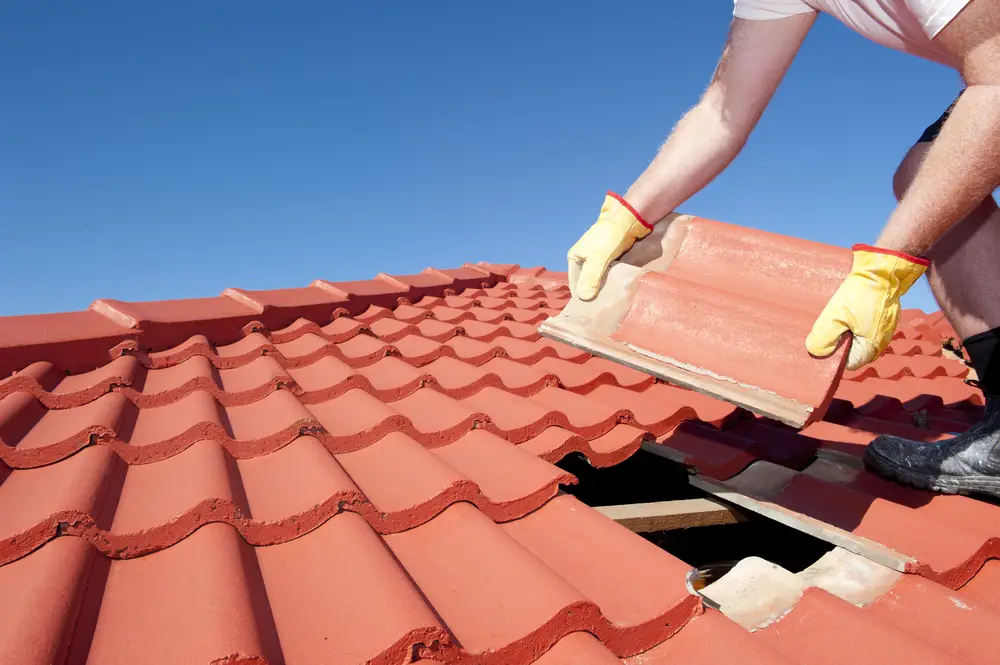
When you look at your roof, you probably see shingles. Maybe you notice the color, the texture, or the way it complements your home’s siding. But there is a silent, invisible system working underneath those shingles that determines whether your roof will last for 30 years or fail in 15. That system is ventilation.
For many homeowners in Columbia, SC, the roof is an "out of sight, out of mind" part of the house—until a leak appears. However, water isn’t the only enemy. Heat and moisture, trapped within your attic, are arguably more destructive over the long term because they work silently from the inside out.
At Cola City Roofing , we have seen countless roofs fail prematurely not because of bad shingles or severe storms, but because the roof couldn’t breathe — something we evaluate during our comprehensive roofing services in South Carolina. Understanding how ventilation affects roof lifespan is the key to protecting your investment and ensuring your home remains safe, efficient, and comfortable.
In this deep dive, we will explore the critical relationship between airflow and roof longevity, covering exactly how heat and humidity destroy roofing materials and what you can do to stop it.
The Science of Roof Aging: It’s Not Just About the Rain
To understand why ventilation matters, you first need to understand how a roof ages. A roof doesn’t just sit there; it endures a constant assault from the elements.
- UV Radiation: The sun breaks down the asphalt in shingles, making them brittle.
- Thermal Shock: Rapid changes in temperature cause roofing materials to expand and contract, leading to cracks.
- Moisture: Rain, snow, and humidity try to penetrate the defenses.
While you can’t control the weather outside, you can control the environment inside your attic. That is where ventilation comes in.
Proper ventilation creates a balanced system of intake and exhaust, something we break down further in our attic ventilation basics guide. This creates a continuous wash of air along the underside of the roof deck. When this system is working, it minimizes the temperature difference between the air outside and the air in your attic. When it fails, your attic becomes a superheated oven or a damp breeding ground for rot—both of which drastically shorten your roof’s lifespan.
How Heat Destroys Your Roof From the Inside Out
In South Carolina, we are no strangers to heat. But did you know that on a 90°F day, an unventilated attic can reach temperatures of 150°F or more? That is hot enough to slow-cook meat.
This intense heat doesn’t just make your upstairs bedrooms uncomfortable; it actively destroys your roof structure.
1. Fried Shingles (Premature Granule Loss)
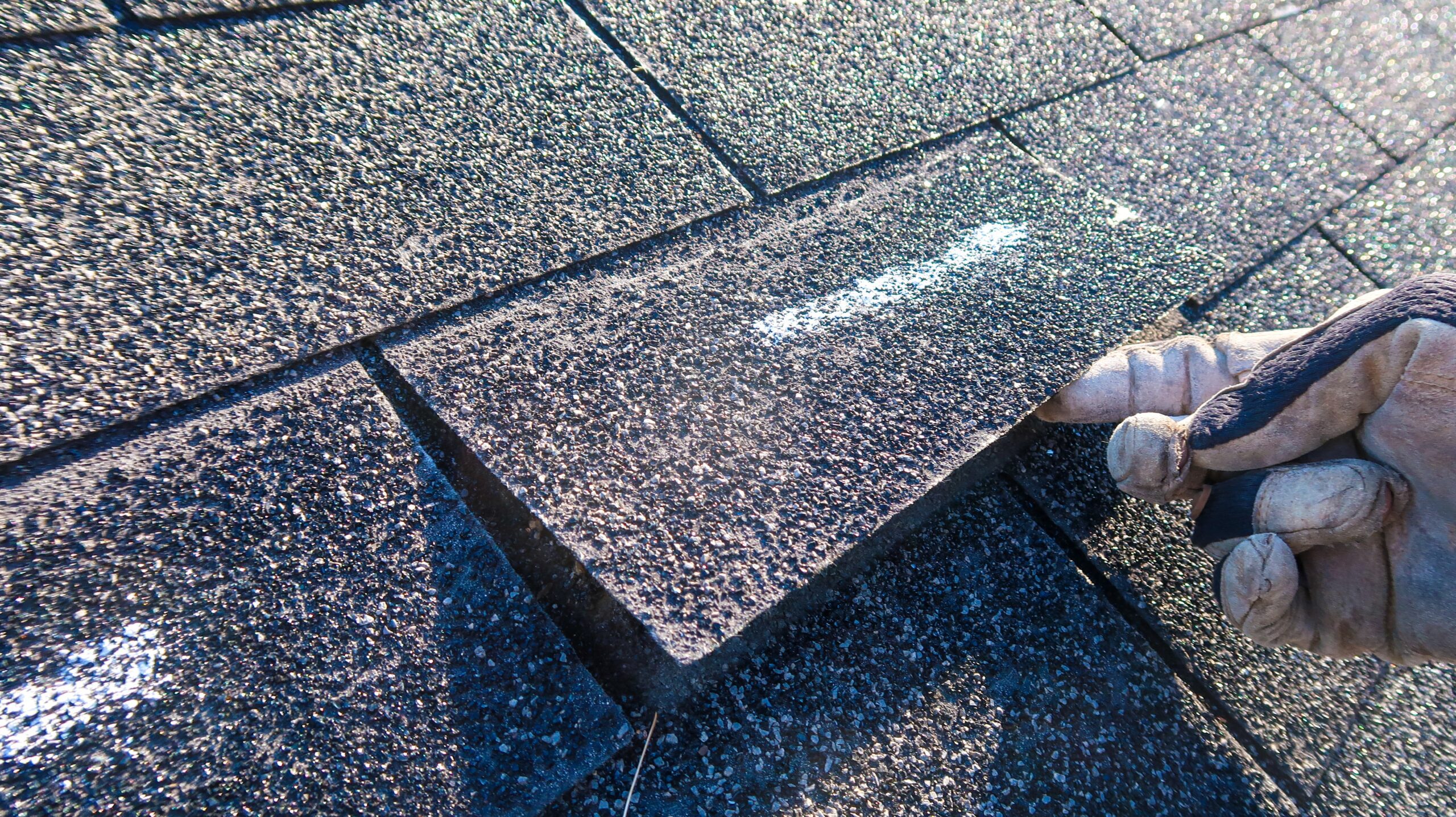
Asphalt shingles are designed to withstand heat, but they have a limit. When shingles are baked by the sun from above and roasted by a 150°F attic from below, they "cook." The volatile oils in the asphalt dry out much faster than they should.
As the asphalt dries, the shingles lose their flexibility. They become brittle and begin to shed their protective granules—those little sandy bits that protect the asphalt from UV rays. Once the granules are gone, the sun destroys the shingle rapidly. We often identify this during our Roof Repair Services when we see shingles that look 20 years old on a roof that was installed only 10 years ago.
2. Cupping and Curling
Have you ever seen shingles that look like they are peeling up at the corners? This is often a symptom of poor ventilation. The excessive heat buildup causes the shingles to warp, curl, or cup.
Once a shingle curls, it is no longer sealing properly. It becomes highly susceptible to wind damage. A strong gust that wouldn’t bother a healthy shingle can easily rip a curled shingle right off the roof.
3. Degradation of Underlayment
Beneath your shingles lies the underlayment (often felt or synthetic). This is your secondary barrier against water. Extreme attic heat can cause organic felt underlayment to dry out, become brittle, and crack. If your shingles are compromised during a storm, your dried-out underlayment won’t be able to stop the water, leading to leaks that rot the decking.
The Moisture Menace: The Silent Rot
While heat is the primary enemy in summer, moisture is the killer in winter. You might think, "My roof doesn’t leak, so why is there moisture in my attic?"
The answer comes from inside your house.
Every day, activities like showering, cooking, laundry, and even breathing release gallons of water vapor into your home’s air. Warm air holds moisture and rises. Eventually, it migrates through the ceiling and into the attic.
Condensation and "Attic Rain"
In the winter, your roof deck (the plywood or OSB sheets your shingles are nailed to) is cold. When the warm, humid air from your home hits that cold surface, it condenses into water droplets.
If there is no airflow to sweep this moisture away, it soaks into the wood. In severe cases, it can look like it is raining inside your attic, or frost can build up on the nails and then melt, dripping onto your insulation.
Rotting the Structural Integrity
This chronic dampness is devastating to the wooden structure of your roof.
- Decking Rot: The plywood softens and delaminates. When we perform a Roof Replacement Service , walking on rotted decking feels spongy and dangerous.
- Truss Damage: The moisture can attack the trusses and rafters—the very bones of your house. Fixing structural rot is significantly more expensive than installing a few vents.
- Nail Pops: As wood swells with moisture and shrinks when dry, it pushes the roofing nails up. This lifts the shingles, breaking the seal and creating leaks.
The Mold Factor
Moist, stagnant air in a dark attic is the perfect environment for mold growth. Mold eats organic material (your wood) and releases spores that can degrade your home’s air quality. If you see dark black or green spots on your attic ceiling, your ventilation is failing, and your roof’s lifespan is ticking down.
Ice Dams: A Winter Symptom of Poor Ventilation
While snow isn’t an everyday occurrence in Columbia, SC, we do get freezing weather. Poor ventilation is the primary cause of ice dams, which can destroy a roof in a single season.
Here is how it happens:
- Heat from your home escapes into a poorly ventilated attic.
- The warm attic melts the snow on the roof, even though it is freezing outside.
- The water runs down the roof until it hits the eaves (the overhang).
- The eaves are not over the heated house, so they are freezing cold. The water refreezes there, forming a dam of ice.
- New meltwater backs up behind the dam and gets pushed under your shingles.
This backed-up water can rot the roof deck, ruin insulation, and damage your drywall inside. Proper ventilation keeps the attic temperature closer to the outside temperature, preventing the snow from melting unevenly and stopping ice dams before they start.
Expansion and Contraction: The Physics of Failure
All materials expand when heated and contract when cooled. Your roof is no exception.
On a typical day, your roof expands as the sun comes up and contracts as it sets. This is normal, and roofing materials are built to handle it. However, poor ventilation exacerbates this cycle.
In a poorly vented attic, the temperature swings are extreme. The attic gets much hotter than it should and stays hot longer into the evening. This creates "thermal shock" for the materials.
- Metal Flashing: The aluminum or steel around your chimney and valleys expands at a different rate than the asphalt shingles. Extreme heat cycles can cause the sealants connecting these materials to crack and fail.
- Wood Movement: Excessive heat and moisture cause the wood deck to move more than intended. This constant movement loosens nails and compromises the structural integrity of the entire system.
By maintaining a steady airflow, you reduce the severity of these temperature swings, reducing the mechanical stress on your roof components.
How Ventilation Impacts Warranties
This is a point many homeowners miss: Your roof warranty depends on your ventilation.
Major shingle manufacturers like GAF, Owens Corning, and CertainTeed are very clear about this. Their warranties specifically state that the shingles must be installed over a properly ventilated deck.
Why? Because they know that poor ventilation ruins their product. They will not pay to replace shingles that failed because they were cooked from underneath.
If you file a warranty claim for defective shingles five years from now, the first thing the manufacturer will ask for is proof of ventilation. If our team at Cola City Roofing comes out for a Storm Damage Consultation or warranty inspection, we check the intake and exhaust balance immediately.
Ensuring your roof is vented correctly isn’t just about physics; it’s about protecting the legal validity of your warranty and your overall roof lifespan.
Signs Your Roof Lifespan Is Being Shortened
You don’t have to be a roofing expert to spot the warning signs of poor ventilation. Your house is likely trying to tell you something.
Exterior Warning Signs
- Blistering Shingles: If your shingles look like they have popped bubbles or blisters on the surface, trapped moisture or gas in the asphalt has expanded due to heat.
- Wavy Roofline: If you look along the ridge and it looks bumpy or uneven, the decking underneath may be warped from moisture.
- Rust on Metal Components: Rust on whirlybirds (turbines) or flashing is often a sign that humid air is venting out but condensing on the metal because the flow isn’t strong enough.
Interior Warning Signs
- Hot Ceilings: Touch the ceiling of your top floor on a sunny afternoon. If it feels warm, your attic is acting like a heat lamp.
- Sudden Increase in Energy Bills: If your AC is running non-stop, it might be fighting the heat load from the attic.
- Dripping Bathroom Fans: If water drips from your bathroom exhaust fan in winter, it might be condensation from the duct running through a cold attic, or the moist air isn’t escaping the attic space.
The Solution: Achieving Balanced Airflow
So, how do you fix these issues and extend your roof’s life? The answer lies in Net Free Area (NFA) and balance.
Ventilation is a math problem. You need a specific amount of open area for air to enter and exit, based on the square footage of your attic. The general rule is 1 square foot of ventilation for every 300 square feet of attic floor space (assuming there is a vapor barrier).
Crucially, this must be split 50/50:
- 50% Intake: Air entering at the bottom (soffits or eaves).
- 50% Exhaust: Air exiting at the top (ridge or box vents).
Why Balance Matters
If you have great exhaust vents (like a ridge vent) but no intake (clogged soffits), the exhaust vents act like a straw with the bottom pinched shut. No air moves. Even worse, the ridge vent might pull air from inside your house through light fixtures or attic hatches, sucking your expensive conditioned air out of the home.
Conversely, if you have plenty of intake but no exhaust, the hot air rises and gets trapped at the peak, continuing to cook the shingles.
How Cola City Roofing Protects Your Lifespan
At Cola City Roofing, we don’t just replace shingles; we engineer roofing systems designed for longevity. When we approach a project, whether it is a repair or a full replacement, we assess the ventilation holistically.
Here is how we ensure your roof hits its maximum lifespan:
1. Comprehensive Ventilation Assessment
During our initial inspection, we calculate your attic’s cubic footage and check your existing intake and exhaust levels. We look for blocked soffits (a common issue where insulation is blown over the vents) and mixed exhaust systems (like having a ridge vent AND a gable vent, which "short circuits" the airflow).
2. Installing the Right System for Your Architecture
Not every roof is the same.
- Gable Roofs: We typically recommend Ridge Vents . They offer the most continuous, efficient airflow along the entire peak of the roof, providing the best cooling for the deck.
- Hip Roofs: These have less ridge line, so we may use Box Vents or Power Vents to achieve the necessary air turnover.
- Older Homes: Many older Columbia homes lack soffits. We can install Drip Edge Vents or intake vents lower on the roof slope to ensure fresh air can get in.
You can see examples of our ventilation work in our Projects Before and Afters gallery.
3. Protecting the Intake
We ensure that your intake vents remain clear. If we are doing a roof replacement, we often install "baffles" or "rafter mates" in the attic. These are plastic channels that push the insulation back, guaranteeing a clear path for air to flow from the soffit up to the ridge.
We also check your gutters. If gutters are clogged, water can back up and rot the fascia board where the intake vents are located. Our Gutter Installation Services and Gutter Repair Services ensure the perimeter of your roof is dry and functional.
4. Cleaning for Efficiency
Sometimes, heat buildup is worsened by a dirty roof. Black algae streaks (Gloeocapsa Magma) darken the roof, causing it to absorb more solar radiation. Our Roof Softwash & Roof Cleaning services remove these stains. A cleaner, lighter-colored roof reflects more sunlight, staying cooler and reducing the burden on your ventilation system.
The Economic Impact: Why Ventilation Pays Off
Investing in proper ventilation isn’t just about saving the shingles; it puts money back in your pocket.
- Extended Roof Life: A properly ventilated roof can last 25-30 years. A poorly ventilated one might fail in 15. That is a massive difference in ROI.
- Lower Energy Bills: By lowering the attic temperature in summer, you reduce the cooling load on your AC. Studies have shown that proper attic ventilation can reduce cooling costs by 10-15%.
- Avoided Structural Repairs: Fixing rotted trusses or replacing a moldy roof deck costs thousands of dollars more than a simple re-roof. Ventilation prevents this damage entirely.
If you are concerned about the upfront cost of correcting ventilation issues, visit our Financing page. We offer options to help you protect your home now without breaking the bank.
Conclusion: Let Your Roof Breathe
The lifespan of your roof is not determined solely by the brand of shingle you buy. It is determined by the environment those shingles live in. By managing the heat and moisture in your attic, you are essentially buying your roof extra years of life.
Don’t let a "hot roof" silently drain your bank account. If you suspect your home has ventilation issues—or if you simply want a professional to verify your system is balanced—reach out to us.
- Check out our Service Locations to see if we are in your neighborhood.
- Read our About Us page to learn why Columbia homeowners trust us.
- Or simply Contact Us today for a free evaluation.
At Cola City Roofing, we help your home breathe easier, so you can rest easier.
Frequently Asked Questions
Does a metal roof need ventilation? Yes! While metal reflects heat better than asphalt, condensation is a major issue with metal roofs. Without ventilation, moisture can get trapped under the metal panels, rusting them from the underside or rotting the wooden purlins they attach to.
Can I just add a solar attic fan? Solar fans can be a great addition, but they are not a silver bullet. You must ensure you have enough intake ventilation first. If you add a powerful fan without adding soffit vents, the fan will starve for air and potentially pull conditioned air from your house.
Is ridge vent better than box vents for lifespan? generally, yes. Ridge vents provide continuous airflow along the entire highest point of the roof, eliminating hot spots. Box vents can leave pockets of stagnant air between the vents. However, the "best" vent is the one that fits your specific roof architecture.
How do I know if my soffit vents are blocked? The best way is to go into the attic during the day and turn off the light. Look down into the eaves. You should see daylight coming through the vents. If it is pitch black, they are likely blocked by insulation or debris.
Does spray foam insulation eliminate the need for ventilation? If you choose to encapsulate your attic with spray foam (applying it to the underside of the roof deck), you are creating an "unvented" attic assembly. In this specific case, you do seal the vents. However, this requires a specific design approach and isn’t a standard retrofit. For traditional insulation (blown-in or batt on the floor), ventilation is mandatory.