In the age of streaming services and fiber-optic internet, the once-ubiquitous satellite dish is slowly becoming a relic of the past. Drive through any neighborhood in Columbia, SC, and you will likely see rooftops dotted with gray or black dishes pointing toward the southern sky. Some are still in use, beaming sports and news into living rooms. But many others sit abandoned, ghost hardware from a previous homeowner or a canceled subscription.
Whether active or obsolete, every roof-mounted satellite dish shares one common trait: it is bolted directly through your shingles.
For a roofing system designed to shed water and protect your home, professional roofing services in South Carolina are essential — especially when penetrations like satellite dishes are involved. A satellite dish might provide entertainment, but if installed or removed incorrectly, it can also provide a direct pathway for water to enter your attic, rot your decking, and damage your ceilings.
At Cola City Roofing , we encounter satellite dish damage on a weekly basis. It is one of the most common—and most preventable—causes of roof leaks in the Midlands. In this comprehensive guide, we will explore the impact of satellite dishes on your roof, the dangers of DIY removal, and how our team can restore your roof’s integrity.
The Problem with Roof-Mounted Dishes
To understand the damage, you first have to understand the installation. When a satellite technician arrives at your home, their primary goal is to find a clear line of sight to the signal and secure the equipment so it doesn’t move in the wind.
To achieve this, they use a mounting plate (the "foot") and several large lag bolts. These bolts are driven through the shingles, through the waterproof underlayment, and ideally into a wooden rafter.
1. Compromising the Waterproof Barrier
Your roof is a system of overlapping layers designed to keep water out. Every time you drive a bolt through those layers, you create a puncture wound. While technicians usually apply a sealant (like silicone or tar) around the bolts, sealants degrade over time. In the intense South Carolina heat, silicone dries out, cracks, and peels away. Once that seal is broken, water follows the bolt threads right into your attic.
2. Wind Leverage
Satellite dishes are designed to catch signals, but they also catch the wind. They act like small sails. During a storm with high gusts, the wind pushes against the dish, creating leverage on the mounting bracket. Over time, this constant wiggling can loosen the bolts, widening the holes in your roof deck and breaking the sealant bond.
3. Rust and Corrosion
Most mounting hardware is metal. Over years of exposure to rain and humidity, cheap bolts can rust. Rust not only weakens the connection but can also stain your shingles, leaving unsightly orange streaks running down your roof.
4. Poor Placement
We have seen dishes mounted in valleys (where water collects), too close to the edge of the roof, or right on top of other flashing. These poor placement decisions disrupt the natural flow of water off the roof, leading to dams, debris buildup, and eventually, leaks.
The Danger of the "Ghost Dish"
Perhaps the biggest threat comes from dishes that are no longer being used. When a homeowner cancels their service or switches providers, the satellite company rarely comes back to retrieve the hardware. They simply disconnect the service remotely.
This leaves the homeowner with a piece of equipment that is slowly deteriorating. Since it’s "out of sight, out of mind," no one checks the sealant or the tightness of the bolts. Ten years later, you have a rusted bracket and a slow leak that has been rotting your roof deck unnoticed.
If you have a dish on your roof that you aren’t using, it is a ticking time bomb.
Signs Your Satellite Dish is Causing Damage
How do you know if that dish is causing a problem? Unlike a missing shingle, the damage is often hidden underneath the mounting bracket. However, there are signs you can look for.
Interior Water Stains
The most obvious sign is a water stain on the ceiling directly below the dish location. These stains often start small—a faint yellow ring or a patch of bubbling paint. If the dish is mounted over an attic space, you might not see the damage in your living area until the insulation is completely soaked.
Rotted Fascia or Soffit
Some dishes are mounted on the fascia board (the board running along the roof edge) or near the overhang. If the seal fails, water can rot the wood behind the mount. Look for soft spots, peeling paint, or dark discoloration on the wood around the bracket.
Visible Sealant Failure
If you can safely see the dish from a window or ladder, check the base. Is the sealant cracked? Is it peeling up at the edges? Do the bolts look rusty? If you see any gap between the bracket and the roof, water is getting in.
Loose Hardware
If you look up during a windy day and see the dish wobbling or vibrating, the lag bolts have likely stripped out the wood in the rafter. This movement is actively tearing up your shingles and roof deck.
Why DIY Removal is a Bad Idea
Homeowners often look at an old dish and think, "I have a wrench; I can take that down myself."
Please stop.
Removing the dish is the easy part. Fixing the holes left behind is where the real skill is required. We have seen countless DIY attempts where a homeowner removed the dish and simply filled the bolt holes with caulk.
Here is why that doesn’t work:
- Caulk is Temporary: Squirted into a hole, caulk will shrink and crack within a season.
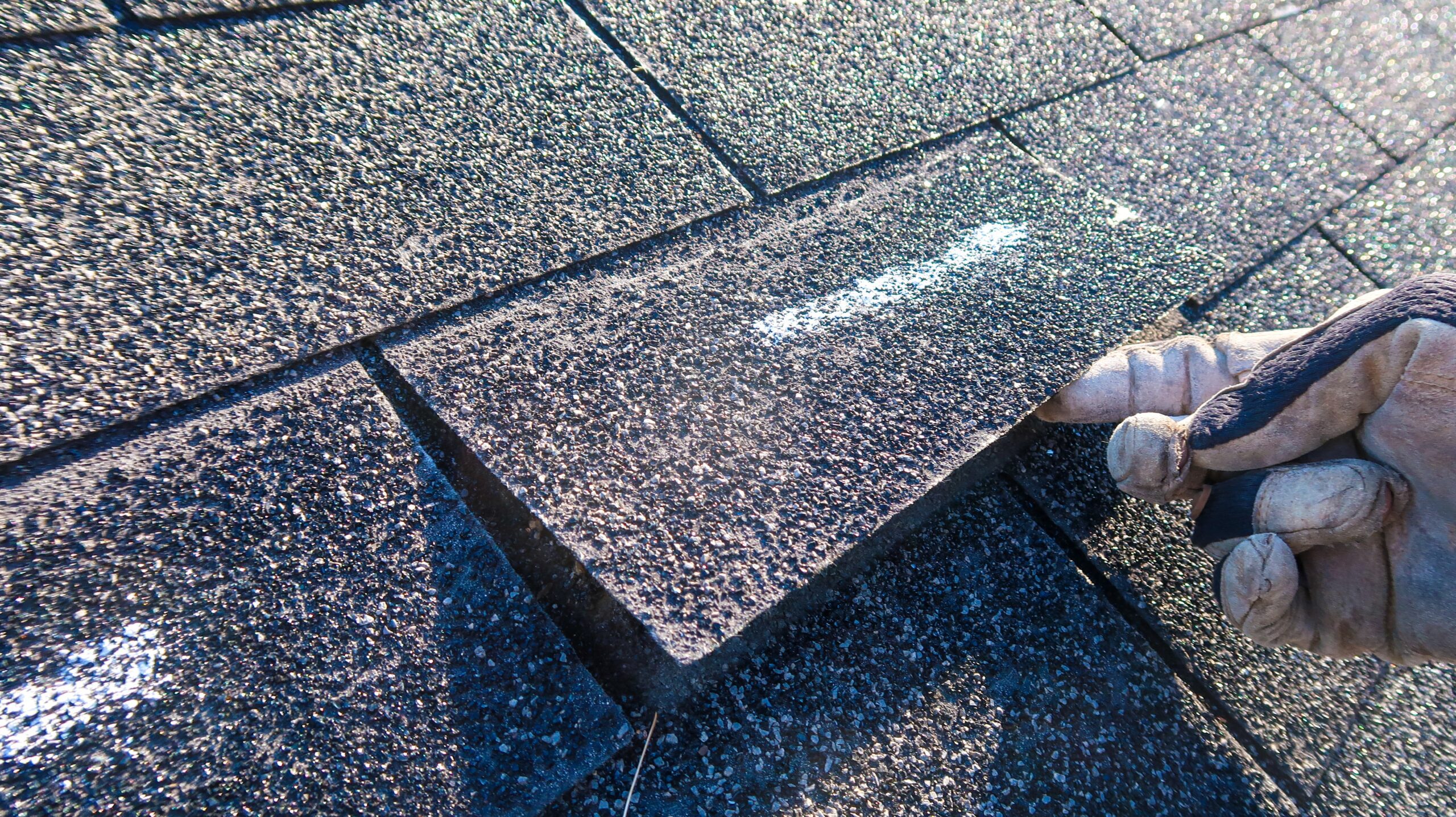
- Shingle Damage: The mounting bracket has likely bonded to the shingles underneath. prying it off often tears the shingles, leaving a large, exposed patch of roof deck.
- Hidden Rot: When you pull the bolts out, you might find that the wood underneath is soft and rotted. Caulk can’t fix rotten wood. You need structural repair.
The Proper Way to Repair Satellite Damage
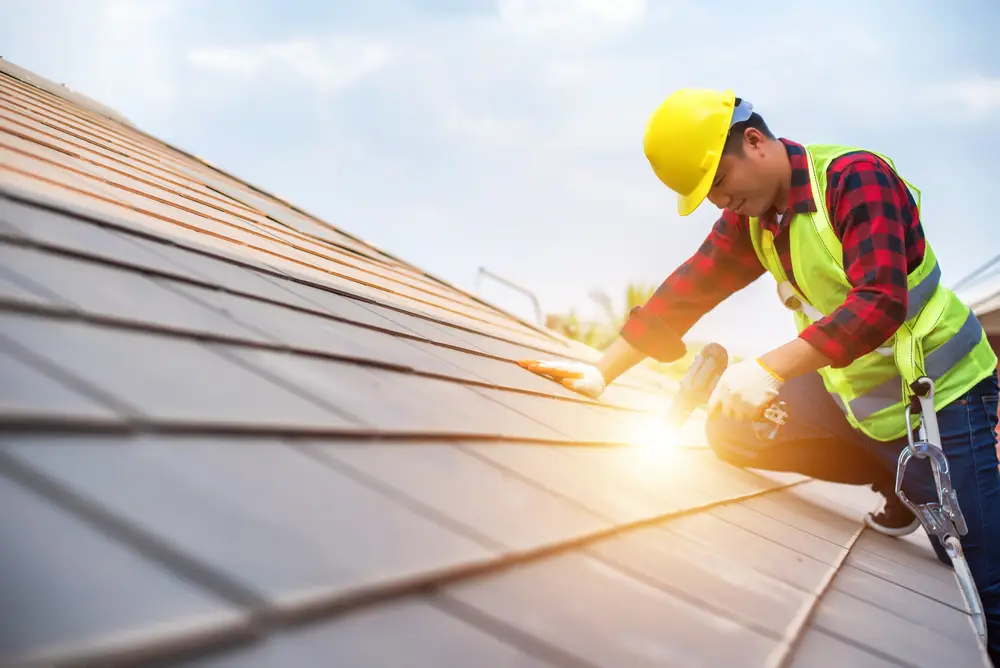
At Cola City Roofing, we treat satellite dish removal as a roofing repair, not a demolition job. When you hire us to address a dish, we follow a strict protocol to ensure your roof is restored to its original integrity.
Step 1: Safe Removal
We safely unbolt and remove the dish and the mounting bracket. We dispose of the hardware properly (unless you want to keep it as a souvenir!).
Step 2: Assessment
Once the bracket is gone, we inspect the damage. We look at the shingles to see if they are torn. We probe the bolt holes to check the condition of the roof deck. If the wood is solid, we proceed. If the wood is rotted, we may need to cut out that section of decking and replace it to ensure a solid nail base.
Step 3: Shingle Replacement
We don’t just patch the holes. We remove the damaged shingles surrounding the mount area. We carefully separate the shingle layers to expose the clean deck.
Step 4: Ice and Water Shield
For added protection, we often install a patch of self-adhering membrane (Ice and Water Shield) over the old holes. This seals the deck and provides a waterproof barrier.
Step 5: New Shingles
We install brand new shingles that match your existing roof as closely as possible. We weave them into the existing pattern, ensuring proper overlap so water sheds naturally.
The result? A roof that looks like the dish was never there, with zero risk of leaks.
This level of detail is standard for our Roof Repair Services . We don’t believe in shortcuts when it comes to keeping your home dry.
Installing a New Dish? Read This First.
If you are a cord-cutter who is switching to satellite, or if you are getting Starlink or a similar service, you need a plan.
You cannot rely on the technician to protect your roof. Their job is signal; our job is structure.
Our Recommendation: Don’t Mount on the Roof. If at all possible, ask the technician to use a pole mount in the yard or a side-mount on the fascia board or siding. Avoid penetrating the shingles if you have any other option.
If Roof Mounting is Mandatory:
- Commence Mount: Ask for a "commence mount" or "under-shingle mount." These are specialized brackets that slide under the shingles and attach to the roof deck, with flashing that properly diverts water. They are far superior to bolting directly through the top of the shingle.
- Call Us After: Once the installation is done, consider having Cola City Roofing come out for an inspection. We can check the flashing and apply high-grade roofing sealants to reinforce the technician’s work.
Satellite Dishes and Roof Replacement
If you are planning a complete Roof Replacement Service , this is the perfect time to deal with your satellite equipment.
If the dish is active: We will need to coordinate with you. We can detach the dish during the tear-off process. However, roofing crews cannot re-align the satellite signal. You will likely need to schedule your satellite provider to come out the day after the roof is finished to re-align the dish. We can, however, install a proper flashing mount for them to attach to, ensuring your new roof stays warrantied.
If the dish is inactive: We will remove it completely, discard it, and deck over the holes. You will get a clean, streamlined roof with no unnecessary penetrations.
Storm Damage and Satellite Dishes
High winds can wreak havoc on satellite dishes. We have seen storms rip dishes completely off roofs, taking chunks of asphalt shingles and plywood with them.
If your home has been through a severe weather event, check your dish.
- Is it pointing in a different direction?
- Is it hanging loosely by the cables?
- Are there shingles missing around the base?
If you see this kind of damage, it likely qualifies for an insurance claim. Our team offers Storm Damage Consultations to document the extent of the damage. We can help you navigate the claims process to get the repairs covered.
The Aesthetic Factor: Curb Appeal
Let’s be honest: satellite dishes are ugly. An old, rusted dish sitting on your front slope detracts from your home’s curb appeal. If you are thinking of selling your home, removing obsolete hardware is a quick, inexpensive way to clean up the exterior look.
A clean roofline suggests a well-maintained home. A roof cluttered with old dishes suggests deferred maintenance. By utilizing our removal and repair service, you improve both the function and the fashion of your home.
Frequently Asked Questions About Satellite Dish Removal
Q: Can I just leave the mounting bracket and take the dish off? A: You can, but it’s not ideal. The bracket will still rust, and the bolts are still penetrations. It is better to remove everything and repair the shingles properly.
Q: Will removing the dish void my roof warranty? A: If done incorrectly (DIY), yes. If done by a licensed roofer who repairs the area to manufacturer standards, your warranty should remain intact. In fact, leaving a leaking dish up is more likely to cause warranty disputes later.
Q: Can you fix a leak without removing the dish? A: We can try to reseal around the bolts, but this is a temporary band-aid. To fix the leak permanently, the dish usually needs to be removed so we can address the waterproofing layers underneath.
Q: Does Cola City Roofing recycle the dishes? A: We dispose of all construction debris properly. While we are not a dedicated electronics recycler, we ensure the metal components are disposed of in accordance with local regulations.
Other Roof Penetrations to Watch
While satellite dishes are common culprits, they aren’t the only accessories puncturing your roof.
- Solar Panels: These require dozens of penetrations. If you have solar, check out our guide on Solar Penetrations .
- Skylights: These large penetrations need constant maintenance. Learn more about Skylight Installation and Skylight Leaks .
- Vent Pipes: Those small rubber boots around plumbing pipes fail often. Read about Pipe Boots .
Trust the Local Experts
Your roof is too important to trust to a cable guy or a handyman with a caulking gun. When it comes to penetrating the waterproof barrier of your home, you need a certified roofing professional.
Cola City Roofing has been serving Columbia, Lexington, Irmo, and the surrounding areas for years. We understand the specific challenges of our climate and how to keep roofs watertight. Check our Service Locations to see if we are in your neighborhood.
Whether you need to remove an old "ghost dish," repair a leak from an active one, or prepare your roof for a new installation, we are here to help. We offer flexible Financing options for larger repairs, ensuring your home stays protected regardless of your budget.
Don’t let a $50 piece of hardware cause thousands of dollars in water damage. Take control of your roof today.
Visit our Contact Us page to schedule an inspection or dish removal service. Let us give you the clear signal that your roof is safe, secure, and leak-free.
More Roofing Insights
For more tips on maintaining your home’s exterior, browse our Blog . We cover everything from how to find the Best Roofing Companies in Columbia SC to detailed advice on Storm Damage Roof Repair in Columbia SC .
You can also see our quality workmanship firsthand by visiting our Projects: Before and Afters gallery. At Cola City Roofing, we treat your home like our own.