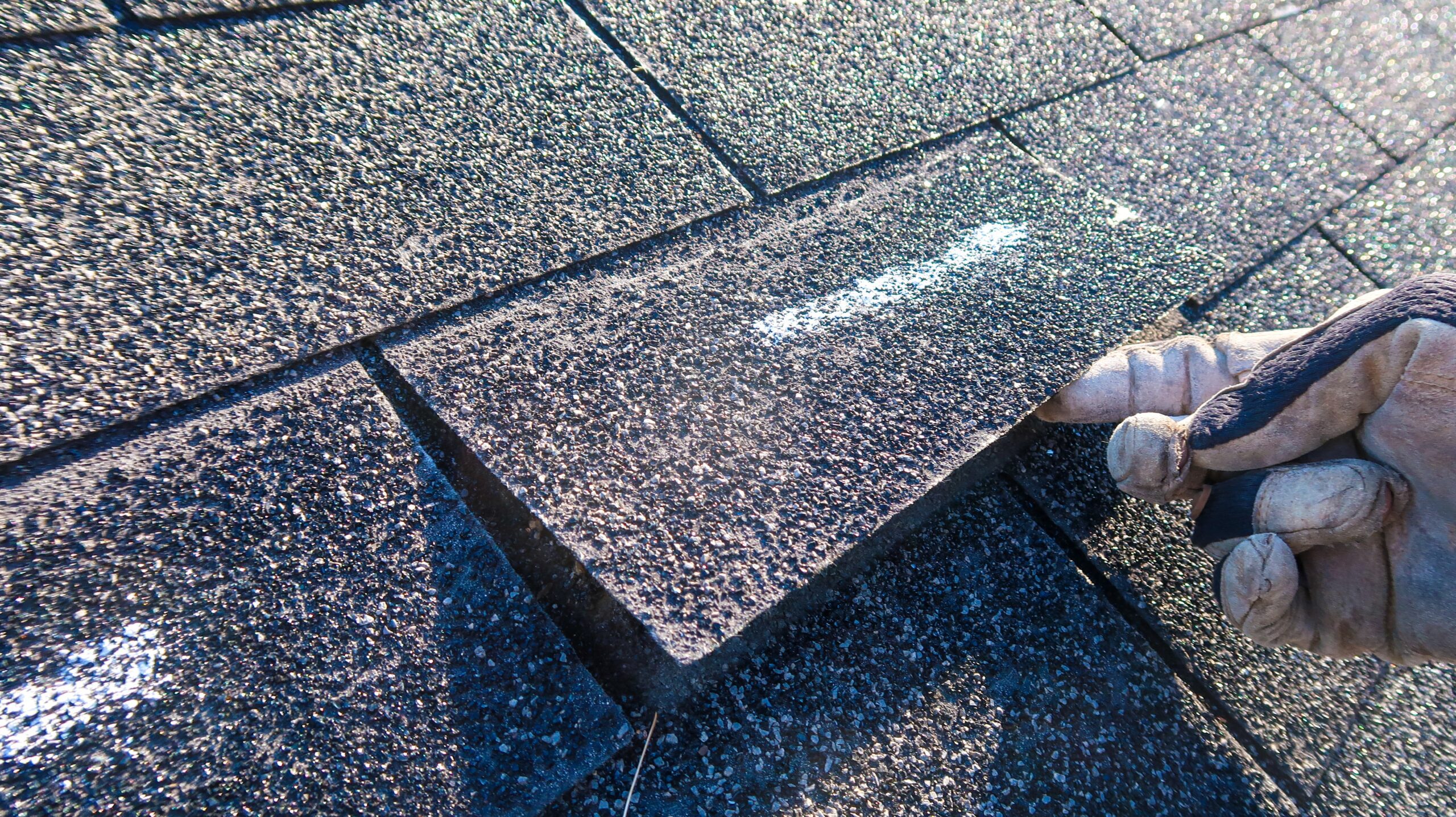
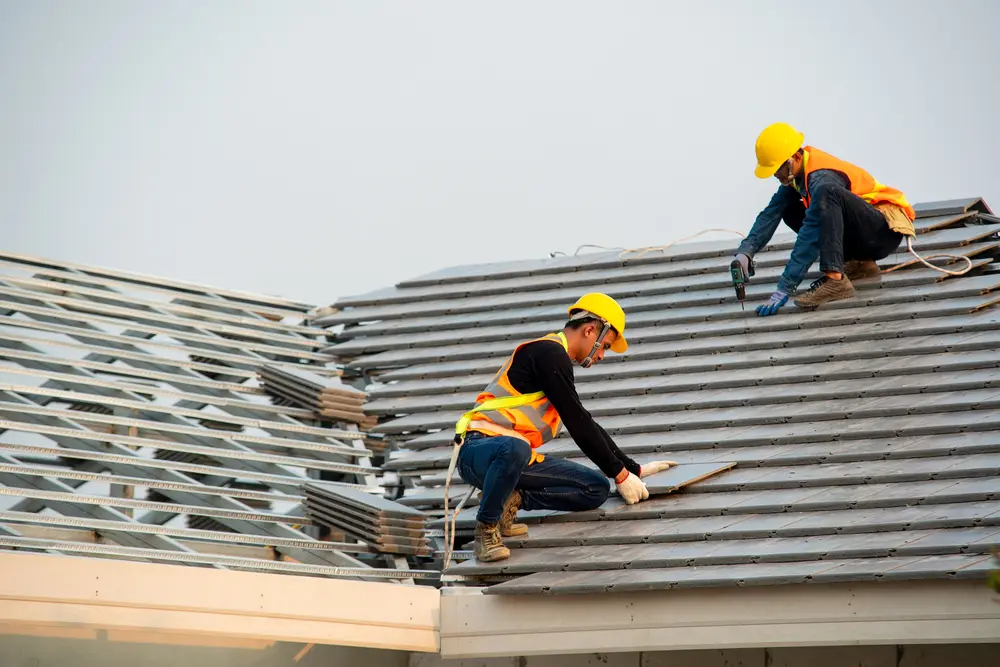
A manufacturing facility is the heart of production. It’s where raw materials become finished goods, where machinery hums around the clock, and where your business generates its value. But above the assembly lines, the CNC machines, and the busy workforce lies a critical component that often goes unnoticed until it fails: the roof.
Roofing for manufacturing facilities is a distinct discipline within the construction industry. As part of a broader commercial and industrial roofing strategy in South Carolina, manufacturing facilities require specialized system design that accounts for production demands, environmental exposure, and structural performance. Unlike a standard office building or a retail strip mall, a manufacturing plant imposes severe stress on its building envelope. Heat, chemical exhaust, vibrations, and massive footprints create a unique set of challenges that require specialized solutions.
At Cola City Roofing , we understand that a roof leak in a manufacturing plant isn’t just a puddle on the floor—it’s a production stop. It’s damaged inventory. It’s a safety hazard. As the leading roofing experts in Columbia, SC, we specialize in installing and maintaining high-performance roofing systems designed to keep your operations running smoothly, rain or shine.
In this comprehensive guide, we will explore the specific demands of manufacturing facility roofing, the best material options for different industrial processes, and how to manage the lifecycle of this massive asset.
The Unique Stressors on Manufacturing Roofs
To choose the right roof, you must first understand the enemy. Manufacturing environments attack roofs from both the outside (weather) and the inside (operations).
1. Chemical Exhaust and Fallout
Many manufacturing processes release byproducts. Whether it’s food processing releasing animal fats and oils, or metal plating releasing acidic fumes, these substances are vented out through the roof.
- The Problem: Standard asphalt-based roofs (like Modified Bitumen) or certain rubber roofs (EPDM) can degrade rapidly when exposed to oils or acids. The membrane can swell, crack, or dissolve, leading to premature failure around the vents.
- The Impact: Leaks around exhaust stacks are common and can allow water to mix with chemical residue, dripping back into the facility.
2. Excessive Heat and Thermal Shock
Industrial plants generate heat. Furnaces, kilns, and steam lines often run just inches below the roof deck.
- The Problem: The roof is cooked from below by the process heat and baked from above by the South Carolina sun. This extreme heat accelerates the aging of roofing materials.
- Thermal Shock: When a sudden summer thunderstorm dumps cold rain on a superheated roof, the material contracts rapidly. This "thermal shock" can tear seams apart and crack flashings.
Because manufacturing facilities often operate continuously, storm resilience must be engineered into the system from day one. Our industrial storm mitigation guide explains how wind uplift design, drainage planning, and material thickness impact long-term durability.
3. Structural Vibrations
Heavy machinery—stamping presses, large compressors, and generators—creates constant low-frequency vibrations throughout the building structure.
- The Problem: Rigid roofing systems can crack under this constant movement. Fasteners can slowly back out of the deck, compromising wind uplift ratings. The roofing system needs to be flexible enough to move with the building without losing its integrity.
4. High Foot Traffic
Manufacturing roofs are often crowded with equipment that needs maintenance: HVAC chillers, scrubbers, and filtration systems.
- The Problem: HVAC technicians are not roofers. They may drop tools, drag heavy panels, or walk in areas not designed for traffic. A punctured membrane leads to leaks that might not be discovered until the next heavy rain.
If your facility faces these challenges, you need a roofing partner who understands industrial dynamics. Explore our roofing services to see how we tailor our approach to your industry.
Material Selection: Matching the Roof to the Process
There is no "one size fits all" in industrial roofing. The "best" roof depends entirely on what is happening inside the building.
If you’re comparing system types in more depth, review our complete guide to industrial roofing materials to evaluate performance differences across membranes, metal systems, and multi-ply assemblies.
Thermoplastic Polyolefin (TPO)
TPO is currently the most popular choice for general manufacturing and warehousing.
- Best For: Light manufacturing, assembly plants, and warehouses.
- Why: It is cost-effective, durable, and the white surface reflects UV rays, lowering cooling costs. It is resistant to many chemicals but not all. It handles building movement well due to its flexibility.
Polyvinyl Chloride (PVC)
PVC is the heavyweight champion of chemical resistance.
- Best For: Food and beverage processing, chemical plants, and facilities with oil/grease exhaust.
- Why: PVC is highly resistant to animal fats, greases, and acids that eat other roofs. It is also naturally fire-retardant, which is a major plus for facilities with high fire risks.
Metal Roofing
Metal offers unmatched longevity and physical strength.
- Best For: Foundries, heavy manufacturing, and facilities requiring high security.
- Why: Metal can withstand extreme heat and physical impact better than any membrane. It is non-combustible and has a lifespan of 40-60 years. However, it can be susceptible to corrosion if the facility emits corrosive fumes, so the coating selection is critical.
Modified Bitumen (Mod-Bit)
Mod-Bit is a multi-ply system that is extremely tough.
- Best For: Facilities with heavy rooftop traffic and mechanical equipment.
- Why: The multiple layers create a thick, durable mat that resists punctures from dropped tools or heavy boots. It is less sensitive to foot traffic than single-ply membranes.
Not sure which material fits your production needs? Our team can conduct an on-site assessment. Contact us via our Contact Page .
Minimizing Downtime During Installation
For a manufacturing plant, "downtime" is a dirty word. You cannot afford to shut down production for weeks just to get a new roof. This is where strategic planning and contractor expertise come into play.
The "Lay-Over" Strategy
In many cases, we can install a new roof over the existing one (a "recover" or "lay-over").
- Pros: This eliminates the need to tear off the old roof, which is noisy, messy, and leaves the building temporarily exposed. It is faster and cheaper.
- Cons: Building codes only allow two layers of roofing. We must perform a core test to verify you don’t already have two layers. We also need to check if the structure can hold the added weight.
Interior Protection
If a full tear-off is required, debris and dust are major concerns, especially for clean manufacturing environments (electronics, pharmaceuticals).
- Suspended Ceilings: We can install temporary suspended tarps below the roof deck to catch falling dust and debris, ensuring the production floor remains sterile and safe.
Phased Installation
We work with your facility managers to schedule work around your shifts. We can tackle the roof in sections, or perform the most disruptive work during weekends or planned shutdowns.
Learn more about our project management capabilities on our Roof Replacement Services page.
Energy Efficiency: Cutting the Overhead on Overhead
Manufacturing facilities consume massive amounts of energy. The roof plays a significant role in the thermal efficiency of the building.
Cool Roofing
Installing a white, reflective roof (like TPO or PVC) can significantly reduce the temperature of the roof surface. On a 95°F day in Columbia, a black roof can reach 170°F, while a white roof stays closer to 110°F.
- Benefit: This reduces the heat load on your HVAC system, lowering electricity bills. It also creates a more comfortable working environment for employees on the plant floor, which can improve productivity and safety.
Insulation Upgrades
When re-roofing, it is the perfect time to upgrade insulation. Increasing the R-value (thermal resistance) of the roof assembly helps maintain stable interior temperatures, which is critical for precision manufacturing processes that are sensitive to thermal expansion.
Safety: The Non-Negotiable
Industrial rooftops are hazardous. When we work on your facility, we bring a rigorous safety culture that protects your employees and ours.
- Venting Safety: We ensure that intake vents are not sucking in fumes from our adhesives or roofing equipment.
- Fire Safety: If your facility contains flammable materials, we avoid open-flame installation methods (like torch-down roofing) and opt for cold-applied adhesives or peel-and-stick systems to eliminate fire risk.
- Fall Protection: We use warning lines and safety monitors to keep our crew safe, and we ensure our equipment does not block your emergency exits or fire lanes.
Industrial environments introduce additional safety variables beyond typical commercial projects. Review our industrial roofing safety guide to understand how compliance, fall protection, and hazardous material protocols affect project execution.
Preventive Maintenance: Protecting the Asset
A manufacturing roof is a significant capital investment. Neglecting it is a financial risk. We recommend a proactive maintenance plan.
- Clean the Drains: Clogged drains cause ponding water, which can collapse a roof structure.
- Inspect After Storms: High winds can lift flashing or damage metal panels.
- Manage Penetrations: Every time a new piece of machinery is installed and vented through the roof, the penetration must be flashed by a professional roofer, not just the mechanical contractor.
Why Choose Cola City Roofing?
We are not just roofers; we are industrial partners. We understand the stakes of your business.
- Local Expertise: We know the South Carolina climate and how it affects industrial structures.
- Proven Experience: We have successfully managed complex industrial projects across the Midlands.
- Communication: We keep you informed every step of the way, ensuring no surprises.
Don’t let a roofing issue disrupt your production line. Secure your facility with a roof built for performance.
Contact Cola City Roofing Today Get a Free Industrial Consultation