Short answer: homeowners insurance pays for sudden damage from an outside event, such as hail, a wind storm or a falling tree. A roof warranty pays when the roof fails because of a defect: a bad product (the manufacturer's warranty) or a bad installation (the contractor's workmanship warranty). Neither one pays for a roof that has simply worn out.
Picking the wrong one costs time. A storm claim sent to a shingle manufacturer gets turned down because storms are excluded. A leak from a missed flashing detail sent to your insurer is usually denied as faulty workmanship. This guide shows how to tell which is which before you call anyone.
Insurance Claim vs. Warranty Claim at a Glance
- Homeowners insurance: covers sudden, accidental damage from perils named in your policy, typically wind, hail and falling objects. You pay your deductible, and the insurer sends an adjuster.
- Manufacturer warranty: covers the roofing material itself if it fails because of a manufacturing defect. Coverage is often prorated over time and usually depends on correct installation and registration.
- Workmanship warranty: covers mistakes in how the roof was installed or repaired, such as flashing, fastening, underlayment or ventilation errors. It comes from your roofing contractor, and its length and terms vary by company.
- None of the three: normal aging, lack of maintenance, and damage you could have stopped but didn't, like an open leak left for months.
When It's an Insurance Claim
Insurance is built for events: something happened on a particular day that damaged the roof. In the Midlands, that usually means:
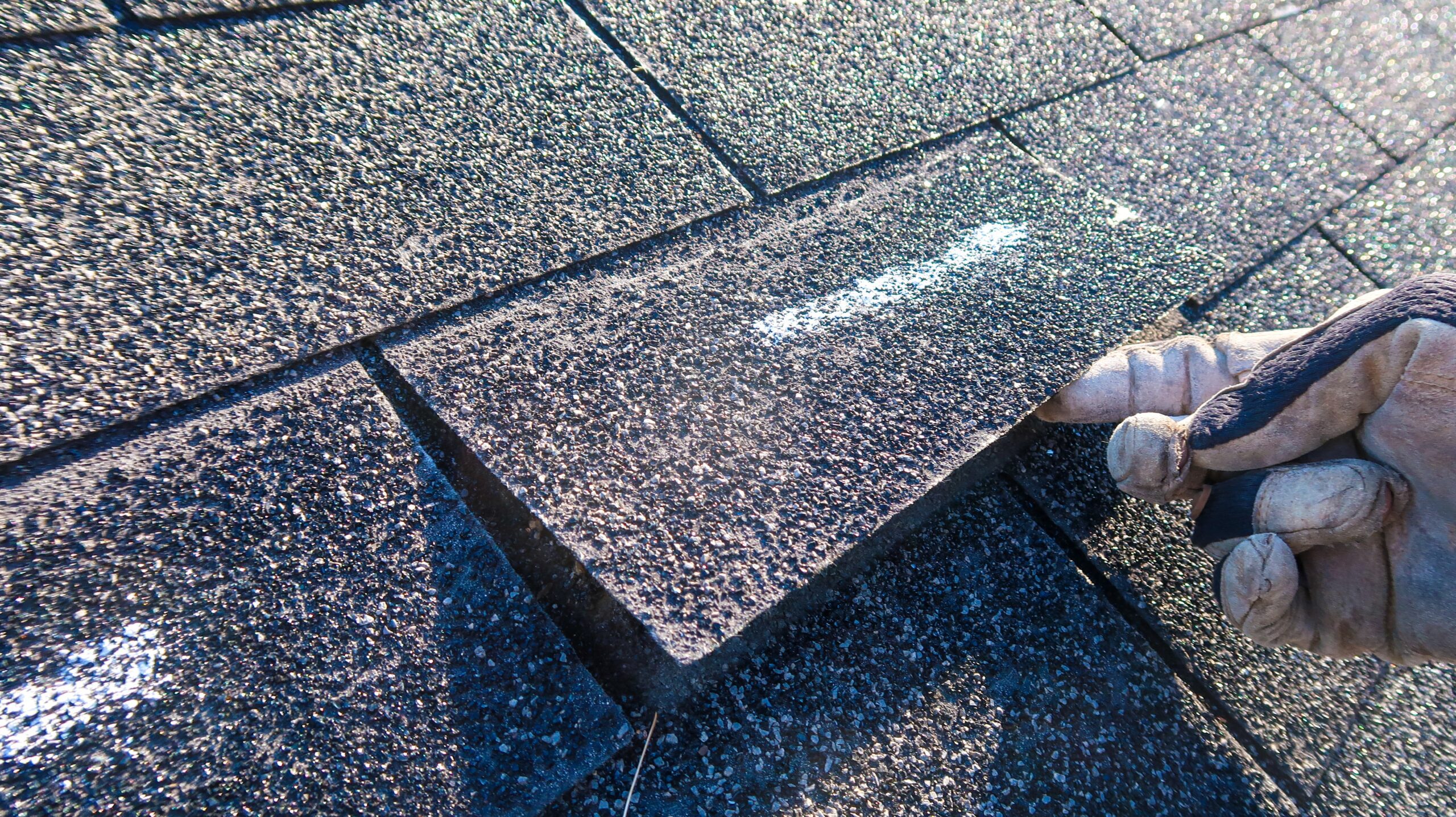
- Hail that bruises or fractures shingles, or dents vents, flashing and gutters (see our hail damage guide)
- High winds that lift, crease or tear off shingles (see our wind damage guide)
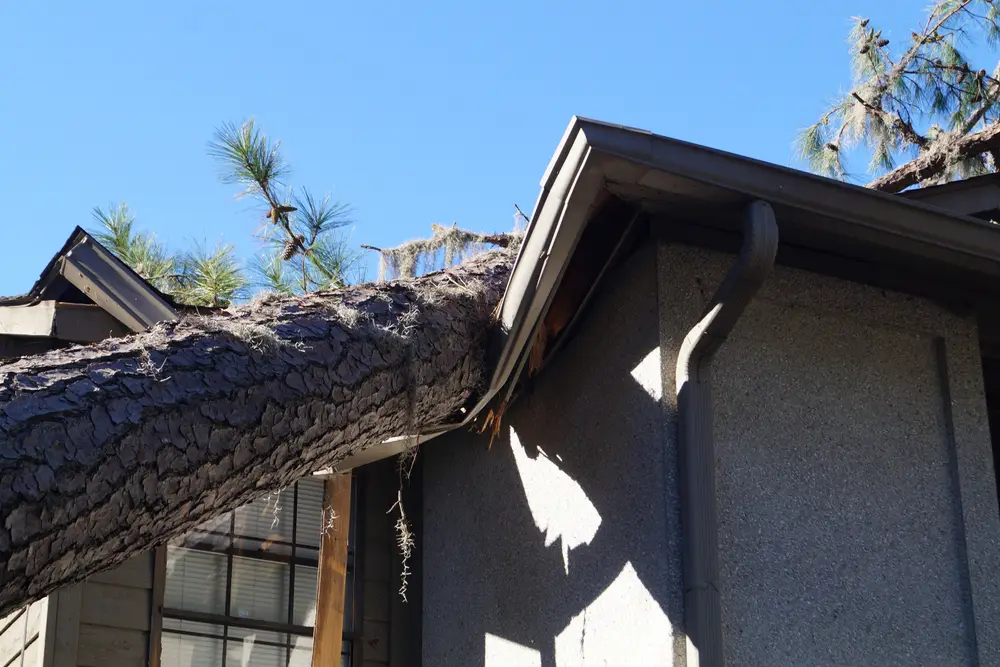
- A tree or large limb falling on the roof
- Tropical storm or hurricane-remnant damage, subject to any separate wind or hurricane deductible in your policy
The questions an adjuster asks come down to two things: when did it happen and what caused it. That is why dated photos and a written inspection soon after the storm matter so much. Our roof insurance claim process guide walks through filing, the adjuster visit, deductibles and ACV vs. RCV step by step.
What insurance usually won't pay for
- Wear and tear, such as granule loss across the whole roof or shingles curling from age
- Manufacturing defects in the materials
- Faulty or incomplete installation
- Damage that got worse because a known problem was left alone
Those exclusions are exactly where warranties come in.
When It's a Manufacturer Warranty Claim
A manufacturer warranty is a promise about the product, not the roof as a whole. It applies when the material fails early under normal conditions, for example shingles that blister, crack or lose granules far sooner than they should across an otherwise sound roof.
Things to know before you file one:
- Read the actual warranty. Terms, proration and exclusions differ by manufacturer and by product line. Your contractor should be able to tell you which shingle and accessories were installed.
- Storms are usually excluded, apart from wind blow-off within the shingle's stated wind rating. Many shingle warranties list a wind speed the product is rated for when installed to the manufacturer's specifications. Blow-off below that speed can be a warranty question; damage from a stronger storm goes to insurance.
- Installation matters. Manufacturers can deny coverage if the roof wasn't installed to their instructions, if ventilation is inadequate, or if later alterations damaged the system. Our article on what voids roofing warranties lists the common ones.
- Paperwork. Expect to need proof of purchase or installation date, photos and sometimes a sample of the failed material. Some enhanced warranties have to be registered after installation, and some transfer to a new owner only under set conditions (see warranty transferability).
When It's a Workmanship Warranty Claim
Most early roof failures aren't caused by the shingle. They come from installation details: a flashing step missed at a chimney or wall, nails driven high or crooked, underlayment lapped the wrong way, or intake and exhaust ventilation that doesn't balance. A workmanship warranty is the contractor's promise to fix their own installation mistakes.
Typical signs point to workmanship rather than weather or product:
- A leak in one specific spot, often around a chimney, skylight, wall or valley, on a fairly new roof
- Shingles sliding or lifting in a line or pattern rather than scattered storm damage
- Problems that appeared soon after the job, with no storm in between
- Attic heat or moisture problems after a new roof was installed
Call the contractor who did the work first, in writing if you can, and include photos. Don't let another company alter the area before the original installer has seen it, because changes by a third party can complicate both the workmanship and the manufacturer warranty. Our article on roof failure from age vs. poor installation covers the warning signs in more detail.
Gray Areas: When More Than One Could Apply
Some situations aren't clean-cut, and that's when an independent inspection pays off:
- Wind damage on a newer roof. Was the wind stronger than the shingle's rating (insurance), or did the shingles release at lower speeds because of how they were nailed or sealed (workmanship or manufacturer)?
- An old roof after a storm. The adjuster may separate storm damage from pre-existing wear and pay only for the storm portion.
- Leaks after a hail storm on a roof with a known flashing problem. The hail damage and the flashing problem may need to be documented and handled separately.
In these cases, a written inspection that photographs each kind of damage separately makes the conversation with the insurer, the manufacturer or the original installer much simpler. It also keeps you from filing an insurance claim that was never going to be covered.
What to Do First, Whatever the Cause
- Stop further damage. Most homeowners policies expect you to take reasonable steps to protect the property, such as a tarp over an opening. Keep receipts.
- Photograph everything before anything is moved or repaired: the roof, ceilings, attic and any debris, with dates.
- Find your paperwork: the policy declarations page, your installation contract or invoice, and any warranty certificate or registration.
- Get a professional inspection that says what the damage is and what likely caused it. Our roof warranty inspections article explains what that report should include.
- Then contact the right party: your insurer for storm damage, the original installer for workmanship, or the manufacturer (usually through the installer) for a product defect.
How Cola City Roofing Helps
We inspect the roof, photograph what we find and tell you plainly whether it looks like storm damage, an installation problem, a material problem or normal aging. If it's a storm claim, we can meet your adjuster on-site to make sure the full scope of damage is documented; the coverage decision is always your insurer's. If it isn't something insurance should cover, we'll say so and give you repair or replacement options.
On roofs we install, you get the shingle manufacturer's warranty plus our own workmanship warranty. We'll walk you through the written terms of both during your estimate. Our roofing warranties guide explains how the two divide up, and our insurance claims page covers how we work with adjusters.
Not sure which one applies to your roof? Request a free inspection or call (803) 734-3700.
Frequently Asked Questions
Is roof damage from a storm covered by my roof warranty?
Usually not. Manufacturer warranties cover defects in the material, and workmanship warranties cover installation mistakes. Hail, falling trees and wind stronger than the shingle's rating are insurance matters. The common exception is wind blow-off below the shingle's stated wind rating, which some manufacturer warranties cover.
Will homeowners insurance pay for a roof that was installed badly?
Generally no. Most policies exclude faulty workmanship and defective materials. Installation problems go to the contractor who did the work under their workmanship warranty.
What's the difference between a manufacturer warranty and a workmanship warranty?
The manufacturer warranty covers the roofing product if it fails because of a defect. The workmanship warranty covers how the roof was installed. It comes from your contractor, and its length and terms vary by company, so ask for it in writing.
Can I file both an insurance claim and a warranty claim?
Sometimes, when a roof has more than one problem, such as storm damage on one slope and a flashing defect at a chimney. Each issue has to be documented separately and sent to the party responsible for it.
Does an old roof qualify for either one?
Normal aging isn't covered by insurance or by warranties. Storm damage to an older roof can still be an insurance claim, but the payout may be reduced for depreciation depending on whether your policy pays actual cash value or replacement cost.
Should I call my insurer or a roofer first?
For anything short of an emergency, a roof inspection first tells you whether you're looking at storm damage, an installation problem or wear, and so who to call. For major damage such as a tree through the roof, protect the home and contact your insurer right away.