
A roof insurance claim turns on three things: that the damage came from a covered sudden event rather than age or wear, that you can evidence it with dated photographs and a written inspection, and that you file before your policy’s reporting window closes. Your deductible comes off whatever is approved, so a small repair is often not worth claiming at all. This guide explains what carriers in South Carolina look for, where claims usually fail, and what we can and cannot do on your behalf.
Filing a roof insurance claim is often one of the most stressful experiences a homeowner in the Midlands can face. Whether a sudden hailstorm has peppered your shingles in Lexington or a fallen oak tree has compromised your roof in downtown Columbia, the path from damage to a fully restored home is paved with complex paperwork, technical jargon, and high-stakes negotiations.
At Cola City Roofing , we have spent years helping our neighbors navigate this maze. We’ve seen homeowners get their claims denied for simple mistakes, and we’ve seen others settle for thousands of dollars less than what they were owed. This 3,000-word roof insurance claims guide is designed to pull back the curtain on the industry, giving you the knowledge and confidence to ensure your insurance company honors its commitment to protect your home.
Section 1: Understanding Your Policy Before Disaster Strikes
The best time to understand your insurance policy is before a storm hits. In South Carolina, homeowners’ policies can vary wildly in how they treat roof damage.
1.1 RCV vs. ACV: The Critical Difference
This is the single most important detail in your policy.
- Replacement Cost Value (RCV): If you have an RCV policy, the insurance company is obligated to pay the full Columbia SC roof cost 2025 to replace your roof with a new one of "like kind and quality." They will withhold "depreciation" until the work is finished, but you will eventually be reimbursed for the full cost (minus your deductible).
- Actual Cash Value (ACV): Under an ACV policy, the insurance company only pays what your roof is worth today . If your roof is 15 years old, they will subtract 15 years of "wear and tear" from the payout. This often leaves homeowners with a check for $4,000 for a roof that costs $12,000 to replace.
1.2 The Deductible: Your Only Out-of-Pocket Expense
In South Carolina, many policies have moved to a percentage-based deductible for wind and hail. Instead of a flat $500 or $1,000 fee, you might owe 1% or 2% of your home’s total insured value. If your home is insured for $300,000, a 2% deductible means you pay the first $6,000. Knowing this number helps you avoid surprises during the roofing-replacement process.
Section 2: Identifying "Claimable" Storm Damage
Insurance companies do not pay for roofs that are simply "old." They pay for roofs that have suffered "sudden and accidental" damage.
2.1 Hail Damage: The Bruised Shingle
Hail damage is often invisible to the naked eye. In Columbia, hailstorms create "bruises" in the asphalt matting. This weakens the shingle, causing it to shed granules and eventually leak. If you see dents in your metal gutters or mailbox, there is a high probability your roof is damaged. Our experts in storm damage roof repair in Columbia SC specialize in identifying these subtle signs.
2.2 Wind Damage: Creased and Missing Shingles
Wind doesn’t just blow shingles off; it creates a vacuum that lifts them. This breaks the factory seal. Once the seal is broken, the shingle "flaps" in the wind, creating a crease along the top. A creased shingle is considered a failed shingle by most insurance standards.
2.3 The "Matching" Dilemma
If only one slope of your roof is damaged, will the insurance company pay for the whole thing? In some cases, if the original shingles are no longer manufactured, you (or a licensed public adjuster you hire) can ask the insurer to replace more of the roof because a "uniform appearance" cannot be achieved. South Carolina law does not allow a roofing contractor to negotiate your claim (S.C. Code §40-59-25), but your roofer can document whether matching shingles are still made. This is where comparing brands like GAF, Owens Corning, and CertainTeed becomes vital to prove a match is impossible.
Section 3: The Step-by-Step Filing Process
When you suspect damage, follow this sequence to ensure your claim stays on track.
Step 1: The Professional Inspection
Do not call your insurance company first. Call a reputable contractor like Cola City Roofing. Why? Because if you file a claim and the adjuster finds no damage, that "zero-payout" claim stays on your record and can affect your future premiums. We provide a detailed report first so you know if a claim is actually warranted.
Step 2: Filing the Claim
Once damage is confirmed, call your insurance carrier’s claims hotline. You will be assigned a claim number and an adjuster.
Step 3: The Adjuster Meeting
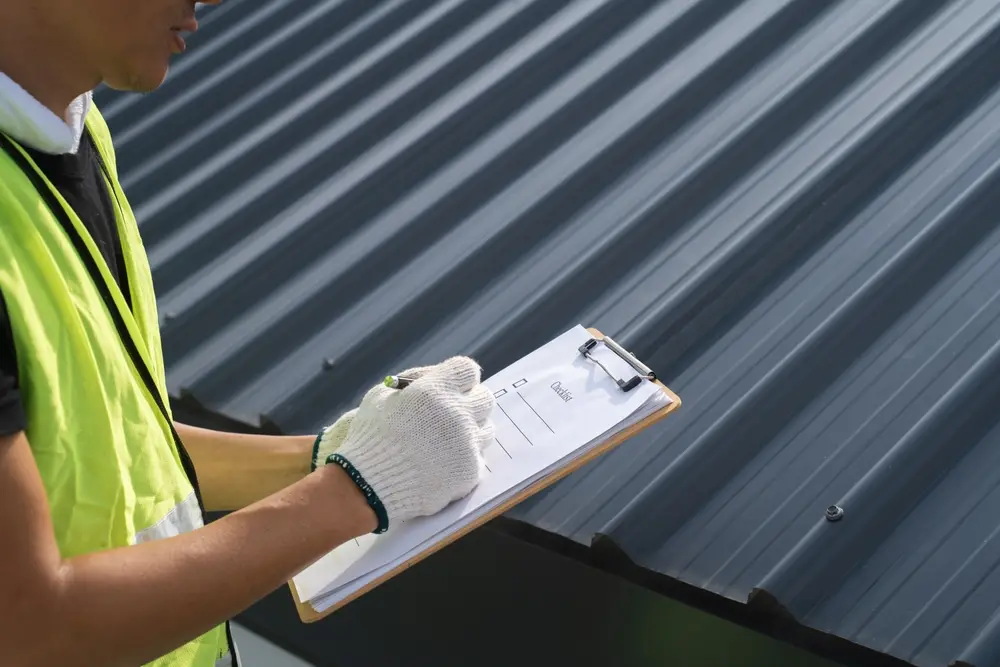
The insurance company will send an adjuster to look at the roof. Pro Tip: Always have your roofer present during this meeting. We act as your advocate, pointing out damage the adjuster might miss and ensuring they follow the proper roof-replacement-guide-columbia standards.
Step 4: Reviewing the "Scope of Loss"
A few days after the inspection, you will receive a "Scope of Loss" statement. This is a line-item estimate of what the insurance company is willing to pay. It is often written in a program called Xactimate. This is where you need to know how to read and understand a roof quote to ensure they didn’t leave out essential items like drip edge or ridge vents.
Section 4: The Role of Supplements (Getting What You’re Owed)
The first check you receive from the insurance company is rarely the final amount. In the roofing industry, we use "supplements" to bridge the gap between the insurance company’s initial low-ball estimate and the actual cost of a quality roof-installation-sc .
4.1 What is a Supplement?
A supplement is an additional charge submitted to the insurance company for items that were overlooked in the original estimate or for "code upgrades" required by law.
4.2 Code Upgrades and SC Law
South Carolina building codes are updated frequently. If your old roof didn’t have a drip edge, but the current code in Richland County requires it, your insurance company must pay for the upgrade if you have "Law and Ordinance" coverage. We handle all the homeowner roof permits SC and documentation to prove these requirements to your adjuster.
Section 5: Commercial Storm Damage Claims
If you own a business or commercial property in the Midlands, the insurance process is significantly different and often more complex.
5.1 Flat Roof Challenges
Commercial roofs (TPO, EPDM, or Modified Bitumen) don’t show hail damage like shingles do. It takes specialized thermal imaging and core sampling to prove a commercial claim.
5.2 Business Interruption
A leaking roof can shut down a retail store or warehouse. We specialize in commercial storm damage insurance claims that account for both the physical structure and the impact on your business operations.
Section 6: Deductibles and the "Free Roof" Myth
You may have heard a contractor say, "We’ll take care of your deductible," or "Your roof will be free." This is a major red flag.
6.1 It’s Illegal in South Carolina
As of recent years, it is insurance fraud for a contractor to "waive" or "absorb" a homeowner’s deductible. A contractor who is willing to commit fraud with the insurance company is likely willing to cut corners on your roof replacement .
6.2 The Paperwork Trail
The insurance company requires proof that the deductible was paid before they release the final "depreciation" check. If your roofer fakes this invoice, both you and the contractor could face legal consequences. At Cola City Roofing, we believe in doing things the right way—honestly and legally.
Section 7: Material Selection During a Claim
An insurance claim is the best time to upgrade your home’s protection. Since the insurance company is paying for the bulk of the replacement, you might only pay a small out-of-pocket difference to upgrade to the best roofing materials Columbia SC .
7.1 Impact-Resistant Shingles
Upgrading to a "Class 4" impact-resistant shingle can often lower your future insurance premiums. This is an investment that pays for itself over time.
7.2 Gutter Integration
If your roof is being replaced, your gutters must be removed and re-installed. This is the perfect time for a new gutter installation or to fix existing drainage issues with our gutter-repair-services .
Section 8: Why Hire a Local Contractor for Your Claim?
After a storm, "Storm Chasers" (out-of-state contractors) will flood your neighborhood. Hiring them is a gamble.
8.1 Local Accountability
A local company like Cola City Roofing is here for the long haul. We know the local service locations and have a reputation to maintain in the Midlands. If you have an issue with your claim a year from now, we’ll still be here to answer the phone. You can learn more about us and our history in Columbia here.
8.2 Knowledge of Local Adjusters
We work with the adjusters from State Farm, Allstate, Liberty Mutual, and others every single day. We know their requirements and we have built a level of professional respect that helps your claim move faster.
Section 9: Common Reasons Claims are Denied (And How to Fight Back)
If your claim was denied, don’t lose hope. Here are the common reasons and our strategies to overcome them.
- "Wear and Tear" vs. Damage: The adjuster may claim the roof is just old. We counter this by showing specific "impact marks" on the soft metal vents or gutters.
- Insufficient Damage: They may say there aren’t enough "hits" per square. We can request a "re-inspection" with a different adjuster or a supervisor.
- Late Filing: If you wait too long after a storm, they may deny the claim. This is why immediate documentation is key.