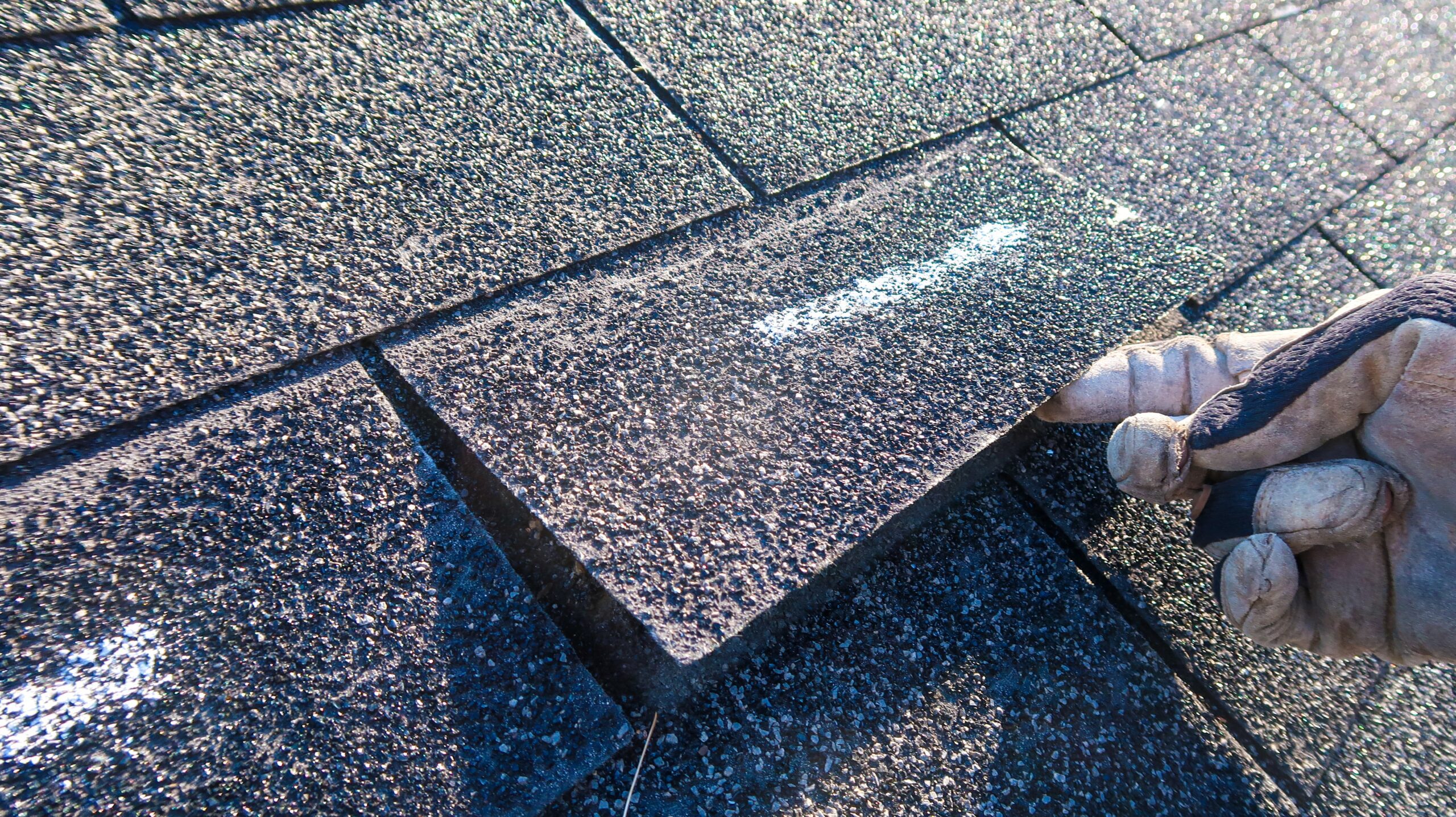
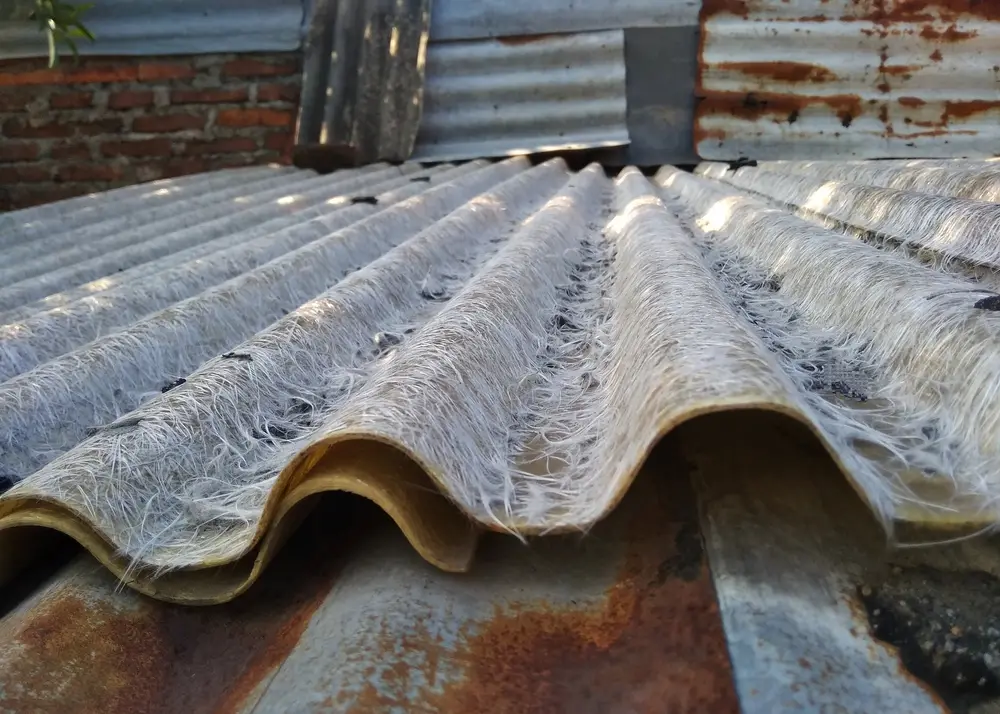
In a city as rich with history as Columbia, South Carolina, the skyline tells a story of two eras. On one street, you might find a antebellum home with a slate roof that has weathered a century of storms. Just a few blocks away, a sleek new commercial development sports an energy-efficient TPO flat roof. Both buildings require a roof that keeps water out, but the path to achieving that—and the rules governing it—could not be more different.
For property owners, understanding the distinction between historic roofing compliance and modern roofing solutions is not just an academic exercise; it is a legal and financial necessity. Getting it wrong can lead to stop-work orders, fines, and the expensive nightmare of having to tear off a brand-new roof because it violates a local ordinance.
At Cola City Roofing , we bridge the gap between the past and the present. Whether you are preserving a registered landmark or building a cutting-edge modern structure, our team of Columbia SC roofing experts has the knowledge to navigate the complex web of compliance. This guide explores the unique challenges of both worlds and how to ensure your project meets every standard.
The Tale of Two Roofs: Why Compliance Matters
Roofing compliance is about more than just building codes. It is about safety, energy efficiency, and in many cases, community identity.
For modern homes and buildings, compliance is primarily about the International Building Code (IBC) and local amendments. The focus is on wind uplift ratings, fire resistance, and thermal performance. It is a technical checklist designed to ensure the structure is safe and efficient.
For historic properties, compliance adds a layer of aesthetic and cultural stewardship. In designated historic districts like Waverly, Cottontown, or Old Shandon, your roof is considered a public asset. The Board of Architectural Review (BAR) or similar governing bodies have a say in what materials you use, the color you choose, and even the shape of your shingles.
Navigating these distinct regulatory environments requires a partner who understands the nuance.
Part 1: Historic Roofing Compliance – Preserving the Past
Owning a historic home is a labor of love. You are the custodian of local heritage. But when the roof starts to leak, that labor can feel overwhelming. Historic roofing isn’t just about fixing a leak; it’s about authentic restoration.
Understanding the "Secretary of the Interior’s Standards"
Most local historic preservation ordinances in South Carolina are based on the Secretary of the Interior’s Standards for Rehabilitation. The golden rule is simple: Repair rather than replace.
If a historic roof (like slate, clay tile, or metal standing seam) can be repaired, that is the preferred path. If replacement is necessary, the new material must match the old in design, color, texture, and visual qualities.
This presents a challenge. You cannot simply go to a big-box store and buy 100-year-old slate. You need roofing services that specialize in sourcing rare materials or finding modern equivalents that pass strict BAR review.
Common Historic Roofing Materials and Challenges
1. Slate
Slate is the "forever roof," often lasting 100+ years.
- The Challenge: Slate is heavy and brittle. finding a match for a specific quarry color from 1920 is difficult. Furthermore, walking on slate to repair it requires specialized skill to avoid cracking more tiles than you fix.
- The Compliance Issue: Using a synthetic slate substitute is often allowed, but only if it perfectly mimics the thickness and edge detail of natural slate. Cheap plastic-looking imitations will be rejected by preservation boards.
2. Metal Standing Seam
Many historic Columbia homes feature metal roofs. Historically, these were often terne-coated steel or copper.
- The Challenge: Modern "ag-panel" or screw-down metal roofs look very different from historic hand-crimped standing seam roofs.
- The Compliance Issue: Installing a modern metal roof with visible fasteners on a historic home is often a violation. You typically need a mechanically seamed panel with hidden fasteners to maintain the historic profile.
3. Clay and Concrete Tile
Common in Spanish Revival or Bungalow styles.
- The Challenge: These tiles are heavy and fragile. The underlayment beneath them often fails long before the tile does.
- The Compliance Issue: You must remove the tiles carefully, replace the underlayment, and reinstall the original tiles whenever possible to maintain compliance.
The Approval Process: Navigating the BAR
If your property is in a historic overlay district, you cannot pull a standard permit and start working. You likely need a Certificate of Appropriateness (COA). This process involves:
- Documentation: Photographing existing conditions.
- Product Submission: Submitting samples of the proposed replacement material.
- Review: Appearing before the architectural review board.
Cola City Roofing assists homeowners with this administrative burden. We know what the boards are looking for. We can provide the technical data sheets and samples needed to get your project approved faster. Visit our About Us page to see why local homeowners trust us with their most delicate projects.
Part 2: Modern Roofing Solutions – Efficiency and Performance
While historic compliance looks backward to preservation, modern compliance looks forward to performance. If you are building new construction or renovating a non-historic property, the rulebook is different but equally strict.
Energy Codes and Reflectivity
Modern building codes are increasingly focused on energy efficiency. In South Carolina’s hot climate, the roof plays a massive role in a building’s cooling load.
- Cool Roofs: For low-slope (flat) applications, codes often incentivize or require highly reflective materials like white TPO or PVC. These modern roofing solutions reflect UV rays, lowering the roof surface temperature by up to 50 degrees compared to a black roof.
- Insulation Requirements: When replacing a roof on a commercial building or a modern home with cathedral ceilings, you are often required to bring the insulation up to current code (R-value). This might mean adding rigid foam insulation board under the new roof membrane.
Wind and Storm Resistance
As climate patterns shift, wind uplift ratings have become stricter.
- The High-Velocity Hurricane Zone: While Columbia isn’t on the coast, we still feel the effects of hurricanes and severe thunderstorms. Modern compliance dictates specific nailing patterns and perimeter fastening for shingles and metal panels to ensure they don’t peel off in high winds.
- Impact Resistance: Many modern homeowners are opting for Class 4 Impact Resistant shingles. While not always a code requirement , these materials often qualify for insurance discounts and offer superior compliance with the reality of our weather.
Solar Readiness
Modern roofing compliance increasingly intersects with solar energy.
- Structural Load: Modern roofs must be evaluated to ensure they can support the additional dead load of solar panels.
- Integration: We offer roof replacement services that are "solar-ready," ensuring that vents and pipes are positioned to maximize the available space for future solar arrays.
The Intersection: When Modern Meets Historic
The most challenging projects are those where historic aesthetics must meet modern codes. How do you insulate a historic roof without changing its profile? How do you vent a 100-year-old attic to meet modern standards without adding ugly roof vents that the historic board hates?
Solution 1: Hidden Ventilation
Modern roofs need to breathe to prevent rot and mold. Historic roofs often relied on drafty construction for airflow. When we seal up a historic home for energy efficiency, we risk trapping moisture.
- Our Approach: We use low-profile ridge vents or hide intake vents behind historic fascia details. This satisfies the building code requirement for ventilation without violating the historic visual standards.
Solution 2: Synthetic Materials
Technology has given us "historic" materials made of modern composites.
- Synthetic Slate and Shake: We work with premium manufacturers who create polymer-based shingles that are molded from real slate and wood. They look identical from the street but are lighter, more durable, and often Class 4 impact rated. This is often the "magic bullet" that satisfies both the preservationist and the modern building inspector.
Solution 3: Structural Reinforcement
Sometimes, modern codes require a roof to hold more weight (snow/live load) than the historic framing was designed for.
- Our Approach: During a roof replacement service , we can reinforce rafters and decking from the outside, preserving the interior plaster ceilings while bringing the structure up to modern safety standards.
The Consequences of Non-Compliance
Why does all this matter? Why not just slap a roof on and hope for the best?
1. Fines and Legal Action
In historic districts, unapproved work is a violation of city ordinance. You can be fined daily until the violation is corrected. In extreme cases, you can be forced to remove the new roof entirely at your own expense.
2. Insurance Denials
If a roof is installed without proper permits or code compliance, your insurance carrier may deny a future claim. If a storm blows off a roof that wasn’t nailed to code, the insurer can argue that it was an installation error, not an act of God.
3. Resale Deal Killers
When you sell a home, the inspection will flag non-compliant roofing. If you put a modern metal roof on a historic home without a COA, the title search might reveal an open violation, killing the sale or forcing you to lower the price significantly.
How Cola City Roofing Manages Compliance
We take the stress of compliance off your shoulders. Our process is designed to ensure every box is checked before the first shingle is delivered.
Step 1: The Regulatory Audit
Before we provide a quote, we check the address against local zoning and historic district maps. We determine exactly which codes apply to your specific property.
Step 2: The Consultative Solution
If you are in a historic zone, we don’t just offer you a brochure. We consult with you on materials that have a track record of approval in your neighborhood. We can provide addresses of other homes we have done nearby so you can see the finished product.
Step 3: Permit Management
We handle the paperwork. We submit the permit applications, the engineering letters, and the product approval sheets. We meet the inspectors on site.
Step 4: Expert Installation
Our crews are trained in both historic restoration techniques and modern manufacturer specifications. Whether we are hand-soldering copper flashing or heat-welding a TPO seam, the craftsmanship is compliant and guaranteed.
Check out our projects before and afters to see examples of how we maintain architectural integrity while delivering modern performance.
The Role of Gutters in Compliance
Don’t forget the gutters. In historic districts, the shape of the gutter (half-round vs. K-style) matters.
- Historic: We offer gutter installation services featuring half-round copper or galvanized gutters that match period-correct styles.
- Modern: For contemporary homes, we install high-capacity box gutters or seamless aluminum systems that handle massive water volume while blending into the fascia.
If your historic gutters are failing but you want to keep them, our gutter repair services can often restore them, soldering leaks and re-securing brackets to preserve the original fabric of the home.
Maintenance: The Compliance Loophole
Here is a secret: maintenance usually doesn’t require a COA. If you have a historic roof that is showing its age, proactive maintenance is the best way to avoid the regulatory headache of a full replacement.
- Roof Softwash & Cleaning: Cleaning a historic roof removes damaging biological growth without altering the material, keeping you compliant and extending the roof’s life.
- Storm Damage Consultations: After a storm, swift repairs to a historic roof prevent further damage. We can perform emergency repairs that protect the historic fabric immediately.
Why Choose a Local Expert?
National roofing chains don’t know the difference between the Melrose Heights historic guidelines and the University Hill guidelines. They don’t have relationships with the local inspectors.
Cola City Roofing is local. We live here. We cherish the history of Columbia just as much as we embrace its growth. We are uniquely positioned to handle the spectrum of roofing needs in our city.
- We know the history. We understand the construction methods used in 1920s Columbia bungalows.
- We know the future. We are trained in the latest energy-efficient technologies.
- We know the law. We navigate the bureaucracy so you don’t have to.
Conclusion: Honor the Past, Protect the Future
Whether your home is a registered landmark or a modern marvel, it deserves a roof that fits. It deserves a roof that is legal, safe, and beautiful.
Don’t let the fear of compliance paralyze you. With the right partner, you can navigate the rules and get a roof that enhances your property value and protects your investment.
Ready to start your project?
- If you have a historic home, contact us for a preservation consultation.
- If you have a modern build, ask us about energy-efficient upgrades.
- Visit our service locations to see our work in your neighborhood.
Trust the Columbia SC roofing experts who respect the past while building for the future. Trust Cola City Roofing.