A new roof is one of the most significant investments you’ll make in your home. It protects your family and your property from the elements, enhances curb appeal, and contributes to your home’s overall value. When you decide to undertake a roof replacement , you’re not just buying shingles and labor; you’re investing in long-term peace of mind. A huge part of that peace of mind comes from roofing warranties. However, not all warranties are created equal.
Understanding the different types of protection available is crucial for making an informed decision. The world of roofing warranties can seem complex, but it generally breaks down into two main categories: the manufacturer’s warranty and the workmanship warranty. While they both offer a safety net, they cover very different aspects of your new roof.
Navigating these differences is key to ensuring your investment is truly protected for years to come. As Columbia’s trusted roofing experts, we at Cola City Roofing believe an educated homeowner is an empowered homeowner. This guide will break down everything you need to know about manufacturer vs. workmanship warranties, so you can confidently choose the right products and, more importantly, the right contractor for your project.
What is a Manufacturer’s Warranty?
A manufacturer’s warranty, also known as a material warranty, is a promise from the company that produces your roofing materials. This warranty guarantees that their products—shingles, underlayment, and other components—are free from defects and will perform as expected for a specified period. Essentially, it covers the physical integrity of the materials themselves.
Think of it like the warranty on a new car. The automaker guarantees that the engine, transmission, and other parts won’t fail due to a manufacturing flaw. Similarly, a shingle manufacturer guarantees that their shingles won’t blister, crack, or lose their protective granules prematurely due to a production error.
What Does a Manufacturer’s Warranty Typically Cover?
Most manufacturer warranties are designed to protect you against defects that originate in the factory. Here’s a closer look at what is usually included:
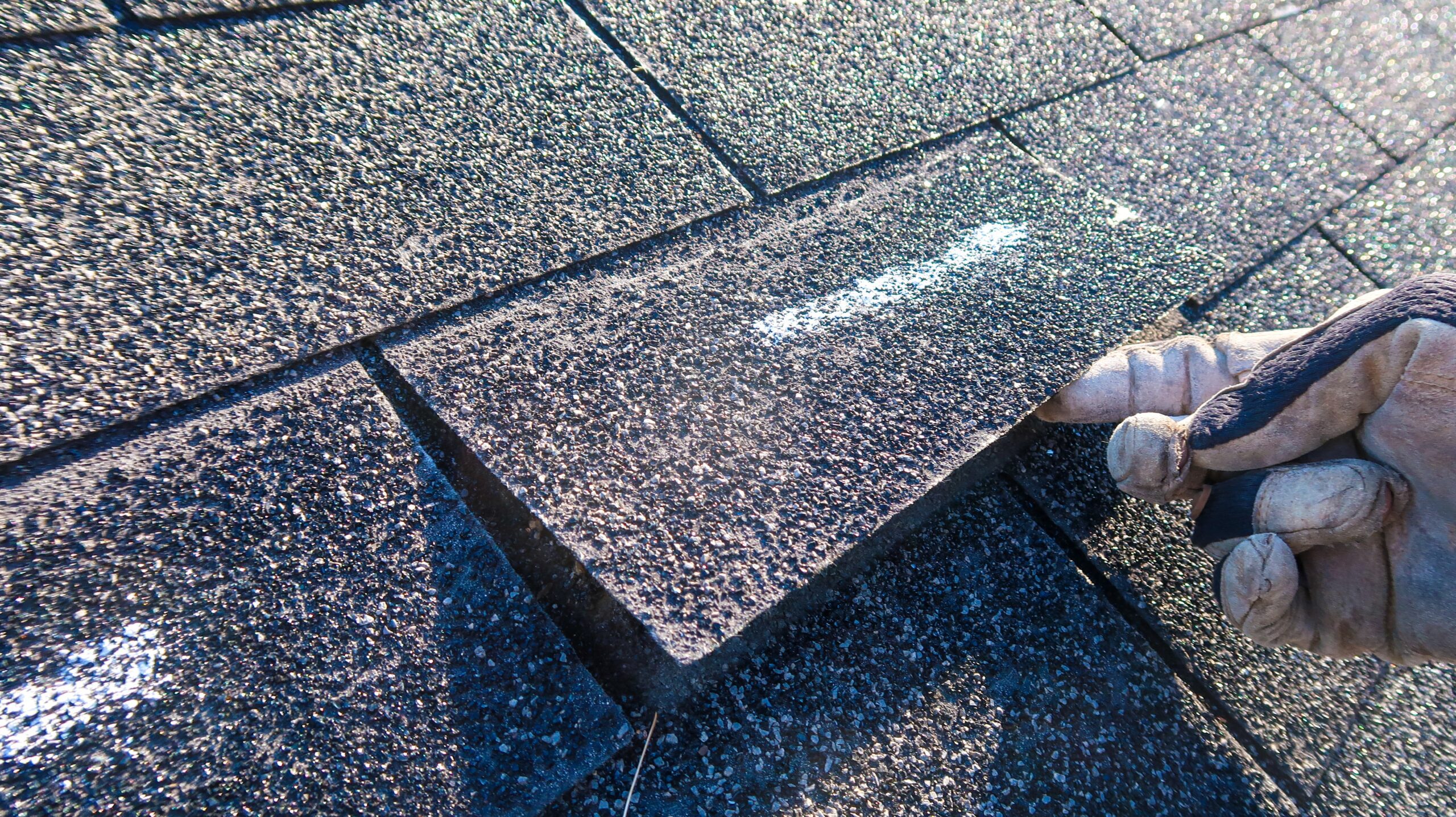
- Manufacturing Defects: This is the core of the warranty. It covers issues like shingles that were improperly made, leading to premature failure. This could manifest as blistering, cracking, splitting, or excessive granule loss under normal weather conditions.
- Premature Deterioration: High-quality shingles are designed to last for decades. If your new shingles begin to fall apart after only a few years, a manufacturer’s defect could be the culprit, and the warranty would likely cover the cost of replacement materials.
- Specific Performance Ratings: Many modern shingles come with specific performance guarantees, such as wind resistance up to a certain speed (e.g., 130 mph) or algae resistance for a set number of years. If the product fails to meet these standards (for instance, shingles blow off in winds lower than the rated speed), the warranty may apply.
Types and Tiers of Manufacturer Warranties
Shingle manufacturers like GAF, Owens Corning, and CertainTeed offer a range of warranty options, from basic limited warranties to comprehensive, multi-tiered protection plans.
- Standard Limited Warranties: Nearly every roofing shingle comes with a basic limited warranty. These typically cover the cost of defective materials but not the labor to replace them. The coverage is often prorated, meaning the manufacturer’s financial responsibility decreases as the roof ages.
- Enhanced or "System" Warranties: To gain better protection, manufacturers offer enhanced system warranties. These are available when you install a complete roofing system using components from a single manufacturer (shingles, underlayment, ridge caps, etc.). These warranties often provide longer non-prorated coverage periods and may even cover a portion of the labor costs for repairs.
- Premium "Golden" Warranties: The highest level of protection is typically offered only through manufacturer-certified contractors. These enhanced plans can cover both material and labor for an extended period, but terms vary by manufacturer and product line, so ask any contractor which warranty tiers they can register and for proof of their current certification before you sign.
What is Not Covered?
Understanding the exclusions is just as important as knowing what’s covered. A manufacturer’s warranty will not cover:
- Improper Installation: This is the most significant exclusion. If the roofing contractor fails to install the materials according to the manufacturer’s strict specifications, the warranty is void.
- Poor Maintenance: Neglecting your roof by allowing debris to pile up or failing to address minor issues can lead to damage that won’t be covered. Services like soft washing and roof cleaning are essential for maintenance.
- Damage from External Factors: The warranty does not cover damage from storms, hail, falling trees, or people walking on the roof. These events are typically covered by your homeowner’s insurance, and we offer storm damage consultations to help you navigate that process.
- Improper Ventilation: A roof needs to breathe. Inadequate attic ventilation can trap heat and moisture, "cooking" the shingles from below and causing them to fail prematurely. This type of failure is not considered a manufacturer’s defect.
The key takeaway is that a manufacturer’s warranty protects you from product failure, not installation failure. That’s where the second, equally important warranty comes into play.
What is a Workmanship Warranty?
A workmanship warranty, also known as an installation warranty, is a guarantee provided by your roofing contractor. This warranty is the roofer’s promise that they have installed your new roof correctly, following all industry best practices and the manufacturer’s specific guidelines. It covers any errors or defects related to the installation process.
If your roof leaks due to improperly installed flashing, poorly sealed valleys, or incorrectly nailed shingles, the workmanship warranty is your protection. It ensures that the contractor who did the work is responsible for fixing it.
Why is a Workmanship Warranty So Important?
According to roofing industry experts, the vast majority of premature roof failures are not due to defective materials but to installation errors. A shingle can be perfectly manufactured, but if it’s not installed correctly, it won’t be able to do its job.
A strong workmanship warranty is a sign of a contractor’s confidence in their own skills and processes. At Cola City Roofing , we stand behind every roof we build. Our commitment to quality craftsmanship is reflected in our robust workmanship warranty. We treat your family home as if it were our own, and that means ensuring the job is done right the first time.
What Does a Workmanship Warranty Cover?
A workmanship warranty covers any issue that arises from the installation process itself. This includes:
- Leaks: If your roof leaks due to mistakes like improper flashing installation around chimneys, skylights, or vents, the contractor is responsible for the roof repair .
- Improper Nailing: Shingles must be fastened with the correct number of nails placed in the precise location specified by the manufacturer. Over-driving, under-driving, or misplacing nails can void the material warranty and lead to blow-offs.
- Incorrect Flashing: Flashing is the metal material used to direct water away from critical areas. If it’s not installed properly, it creates an easy entry point for water.
- Poor Sealing: Valleys, vents, and other penetrations must be properly sealed. A failure in the sealant due to poor application is a workmanship issue.
- Violating Manufacturer Specifications: If a contractor cuts corners and doesn’t follow the installation instructions, they are liable for the resulting damage.
The Hallmarks of a Reputable Workmanship Warranty
When evaluating roofing warranties in Columbia, SC , pay close attention to the contractor’s workmanship guarantee. Here’s what to look for:
- Clear and Detailed Terms: The warranty should be provided in writing and clearly state what is covered, for how long, and what the process is for filing a claim. Vague, verbal promises are a red flag.
- Sufficient Duration: A one or two-year warranty may not be enough, as some installation issues can take time to appear. Reputable contractors often offer warranties of 5, 10, or even 25 years on their workmanship. The length of the warranty often speaks to the contractor’s confidence.
- Transferability: A transferable warranty can be a great selling point if you plan to move. It allows the new homeowner to inherit the remaining warranty period, adding value to your property.
- A Contractor Who Will Be There: A warranty is only as good as the company that backs it. Choose a local, established contractor with a long history of positive reviews and a physical presence in the community. A company that operates out of a truck and could disappear tomorrow can’t honor a long-term warranty.
Manufacturer vs. Workmanship Warranty: A Side-by-Side Comparison
To make it simple, let’s put the two warranties head-to-head.
The Critical Link Between the Two Warranties
It is essential to understand that these two warranties are deeply interconnected. As mentioned, the number one reason a manufacturer’s warranty claim is denied is due to improper installation.
If your roofer fails to follow the manufacturer’s detailed installation instructions, your expensive, 50-year material warranty could be void from day one. This is why choosing a contractor is about more than just getting the lowest bid; it’s about protecting your investment.
A manufacturer-certified contractor has proven that they understand and follow these critical installation standards. This not only ensures you get a high-quality installation but also unlocks access to the best-enhanced manufacturer warranties that cover both materials and workmanship—the ultimate protection package.
Choosing a Contractor: Your Most Important Warranty Decision
Your choice of a roofing contractor is the single most important factor in securing a reliable and long-lasting roof with meaningful warranty protection. A great contractor provides a great workmanship warranty and ensures your manufacturer’s warranty remains valid.
Here are key questions to ask when selecting a roofing contractor in the Columbia area:
- Are You Licensed and Insured? This is non-negotiable. A license proves they meet state requirements, and insurance protects you from liability in case of an accident on your property.
- Can I See Your Written Workmanship Warranty? Ask for a copy and review it carefully. Pay attention to the duration and the exclusions. Don’t rely on a handshake.
- Are You a Certified Installer for the Products You Use? Certification is a powerful indicator of quality. It means the manufacturer trusts the contractor to install their products correctly. This is your best bet for accessing enhanced "system" warranties.
- How Long Have You Been in Business in This Area? A long track record in your local community, like ours in the Columbia, SC service area , suggests stability and reliability.
- Can You Provide References and Show Me Past Projects? A reputable roofer will be proud of their work and happy to share references and a portfolio of their projects .
Navigating a Warranty Claim
What happens if you do have a problem? The process depends on which warranty applies.
- Workmanship Issue: If you suspect a leak or other problem is due to the installation, your first call should always be to your contractor. At Cola City Roofing, we will schedule a time to come inspect the issue. If it’s determined to be an installation error covered by our warranty, we will perform the necessary repairs at no cost to you.
- Material Defect Issue: If the contractor inspects the problem and determines it’s likely a manufacturer’s defect, they will help you initiate a claim with the manufacturer. This usually involves documenting the issue with photos, filling out paperwork, and sometimes sending a sample of the defective shingle to the manufacturer for analysis. A good contractor will guide you through this process.
It’s important to distinguish warranty claims from insurance claims. A warranty covers defects in the product or the installation. An insurance claim covers damage from specific events like hail, wind, or fire. If a recent storm has damaged your roof, you should contact us for a storm damage consultation to determine the best course of action.
Invest in Confidence with Cola City Roofing
Your roof is too important to leave to chance. Understanding the difference between a manufacturer’s warranty and a workmanship warranty empowers you to ask the right questions and choose a contractor who offers comprehensive protection.
At Cola City Roofing, we provide our Columbia-area clients with a powerful combination of protection:
- Expert Installation of top-quality materials from leading manufacturers.
- Access to Enhanced Manufacturer Warranties that offer superior, long-term coverage.
- A Rock-Solid Workmanship Warranty that demonstrates our unwavering commitment to quality and our confidence in our team.
We are proud to serve our community, and we believe in building roofs that last. If you’re considering a new roof or need help with your current one, we invite you to experience the Cola City Roofing difference. Contact us today for a free, no-obligation consultation and let us help you protect your most valuable asset.