Every roof tells a story. Some stories are just beginning, written on the clean lines of fresh blueprints and the smell of sawdust. Others are decades old, etched with the scars of past storms, relentless sun, and the quiet aging of materials. For property owners, builders, and investors in Columbia, South Carolina, understanding which story you are telling—and the specific requirements of that narrative—is crucial to the success of your project.
In the roofing industry, we generally categorize projects into two distinct worlds: New Construction Roofing and Retrofit Roofing (often called replacement or reroofing). While the end goal for both is identical—a watertight, durable, and beautiful roof—the path to get there is vastly different. The logistics, the technical challenges, the scheduling, and even the mindset of the crew change depending on whether we are capping a new structure or restoring an existing one.
At Cola City Roofing , we have spent years mastering both disciplines. We understand the high-pressure timelines of a new build site, and we possess the forensic care required to perform surgery on an occupied home. In this comprehensive guide, we will peel back the layers of the industry to explain the nuances of these two approaches. Whether you are a custom home builder breaking ground in Lexington or a homeowner in Irmo looking to upgrade your aging shingles, this guide will help you understand what to expect and how to choose the right Columbia SC roofing experts for the job.
Defining the Terms: What is the Difference?
Before diving into the technicalities, let’s establish a clear baseline.
New Construction Roofing involves installing a roof system on a brand-new building. The structure is typically uninhabited (or under construction), the framing is fresh, and there is no existing roofing material to remove. The roofer is often one of many subcontractors on a busy job site, working in tandem with framers, siding installers, and HVAC technicians.
Retrofit Roofing refers to working on an existing building. This category splits further into two sub-types:
- Tear-Off / Replacement: The complete removal of the old roof down to the deck, followed by the installation of a new system.
- Roof Recover (Overlay): Installing a new layer of roofing material over the existing roof.
While the materials (shingles, metal, TPO) might look the same in the brochure, the application of roofing services in these two contexts differs wildly.
Part 1: New Construction Roofing – The Art of the Blank Slate
There is a unique thrill in new construction. It represents potential. However, it also represents a logistical puzzle where timing is everything.
1. The Blueprint Phase: Planning for Perfection
In new construction, the roof isn’t just "installed"; it is engineered. We start by reviewing architectural plans. This allows us to spot potential issues before a single nail is driven.
- Pitch and Drainage: We verify that the designed pitch is adequate for the selected material. For example, putting standard shingles on a low-slope porch roof is a recipe for leaks. In the planning phase, we can recommend changing the slope or switching materials to a membrane system.
- Load Calculations: Modern homes often feature heavy materials like slate or clay tile. We ensure the truss design accounts for this weight.
- Ventilation Design: This is the most critical advantage of new construction. We can design the perfect intake (soffit) and exhaust (ridge) system from scratch, ensuring the home breathes correctly from day one. In retrofit scenarios, we are often fighting against poor original design; here, we get to get it right the first time.
2. The Symphony of Scheduling
A new construction site is a busy ecosystem. The roofer cannot start until the framer is done and the decking is inspected. However, the drywall crew cannot start until the roofer has made the building "dried-in" (watertight). This puts the roofer in a critical path position. Delays on our end ripple through the entire project, costing the builder money. Cola City Roofing prides itself on our operational efficiency. When the framer says "go," our crews mobilize immediately. We understand that in the world of new construction roofing , reliability is the most valuable currency.
3. Installing Flashing from Scratch
Flashing is the metalwork that seals joints and valleys. In a retrofit, we are often trying to slide new flashing under old siding without damaging it—a difficult task. In new construction, we install the step flashing and kick-out flashing before the siding or stucco goes on. This integration is superior. It allows for a seamless, layered water barrier that is far more robust than what can typically be achieved in a retrofit. It ensures that the critical intersection between the roof and the wall is bulletproof against wind-driven rain.
4. No "Hidden Surprises"
One of the biggest benefits of new construction is the absence of rot. We are fastening to brand-new OSB or plywood decking. We don’t have to worry about pulling up a shingle and finding a crater of rotted wood caused by a 10-year-old leak. This makes budgeting much more predictable for builders and homeowners.
5. Aesthetic Freedom
When building new, you aren’t constrained by the color of existing brick or siding (unless you want to be). You can choose the roof color first and design the rest of the exterior palette around it. This allows for bold choices—like a striking black metal roof or a high-contrast architectural shingle—that define the home’s character.
Part 2: Retrofit Roofing Solutions – The Science of Restoration
If new construction is about building, retrofit roofing is about healing. It involves taking a structure that has been battered by the elements and restoring its integrity. This requires a forensic mindset and a gentle touch.
1. The Forensic Inspection
Unlike new construction, where we rely on plans, retrofit projects rely on observation. Before we begin, we perform a deep-dive inspection.
- Identifying Failure Points: Why did the old roof fail? Was it just age? Was it poor ventilation? Was it storm damage? If we don’t answer this question, the new roof will likely fail for the same reason.
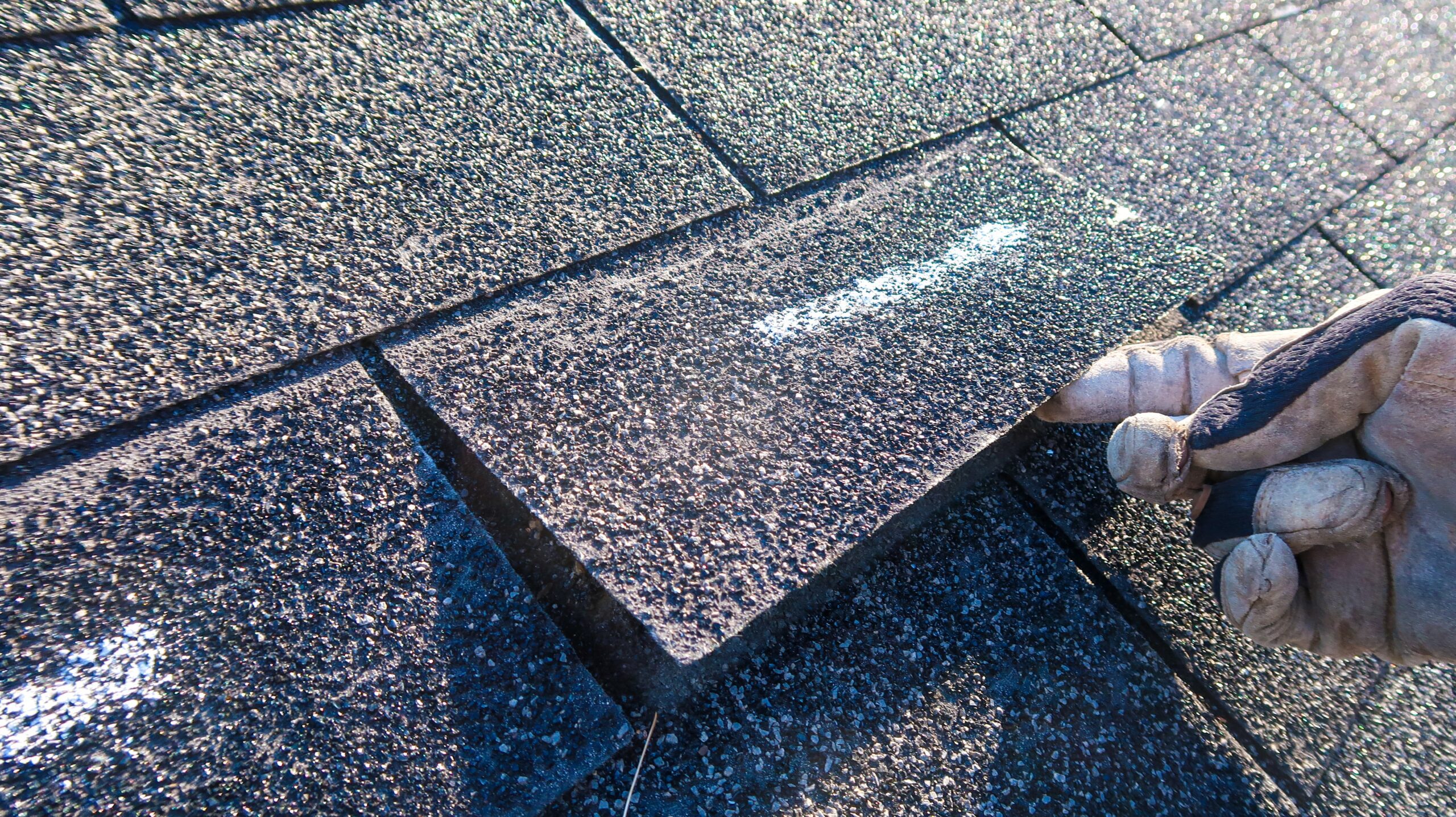
- Storm Damage Assessment: Many retrofits are triggered by weather. We specialize in storm damage consultations , identifying hail hits, wind creases, and flying debris impact that warrant an insurance claim.
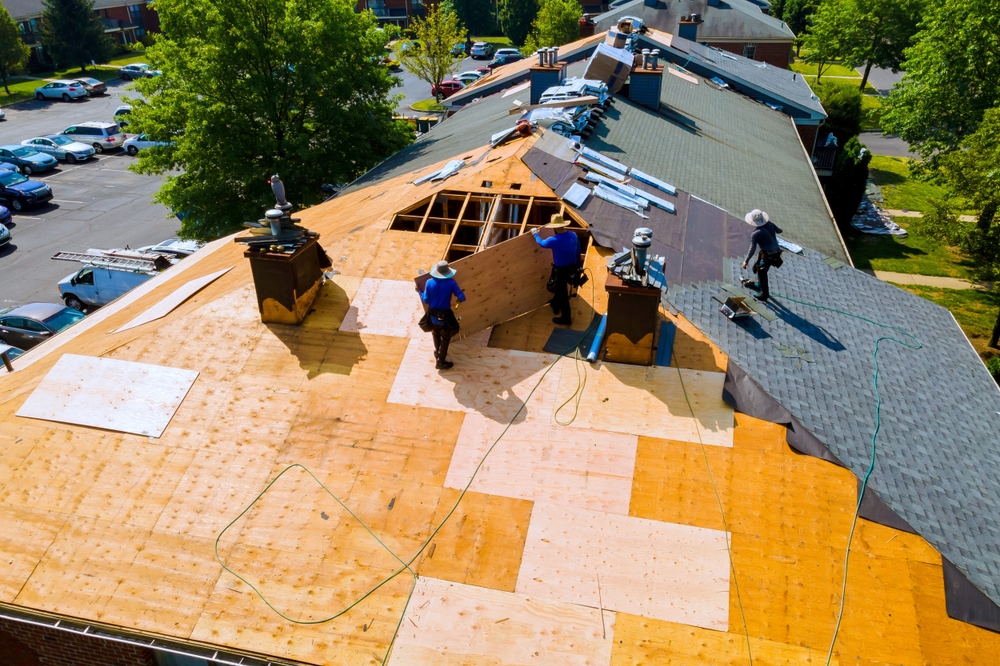
2. The Tear-Off: A Controlled Demolition
This is the most dangerous and messy part of roofing. We are essentially demolishing a major structural component of an occupied home.
- Protection is Paramount: Unlike a new build site, which is often mud and raw earth, a retrofit site has rose bushes, swimming pools, parked cars, and children. We use the "Catch-All" system and tarps to create a protective shield around the property.
- Debris Management: An average roof tear-off generates tons of waste. We manage dumpsters and debris removal meticulously to ensure the property is clean at the end of every work day.
3. Dealing with the Unknown
The "X-factor" in retrofit roofing is the condition of the decking. Once we strip the old shingles, we expose the wood skeleton of the roof.
- Wood Rot Replacement: It is common to find rotted decking around chimneys, valleys, and eaves. As reputable Columbia SC roofing experts , we never roof over rot. We excise the damaged wood and replace it to ensure the new nails have solid holding power. This often involves "change orders" or unforeseen costs, which we communicate transparently to the homeowner immediately.
4. The Siding and Gutter Challenge
In a retrofit, the siding and gutters are already there. We have to work around them.
- Flashing Integration: We sometimes have to carefully manipulate existing siding to replace step flashing. If the siding is brittle (like old vinyl or fiber cement), this requires extreme care.
- Gutter Preservation: We ensure ladders don’t crush existing gutters. If the gutters are in bad shape, we often recommend pairing the roof replacement with our gutter installation services for a complete exterior overhaul.
5. Improving on the Past
A retrofit is an opportunity to upgrade. Just because the old roof had 3-tab shingles and box vents doesn’t mean the new one has to.
- Ventilation Upgrades: We often cut in new ridge vents to replace inefficient static vents, drastically lowering attic temperatures and energy bills.
- Material Upgrades: We can move a homeowner from standard shingles to architectural shingles or even metal, increasing the home’s value and durability.
Comparing the Two: Cost, Time, and Complexity
To help you visualize the differences, let’s break down the key factors that property owners care about most.
Cost Factors
- New Construction: generally has a lower labor cost per square foot because there is no tear-off and no debris disposal from an old roof. The site is usually easier to access (no landscaping obstacles). However, material costs can be higher if the design is complex.
- Retrofit: Higher labor cost due to the tear-off process and waste disposal fees. There is also a budget contingency needed for replacing rotted decking. However, financing options—like those we offer at Cola City Roofing —make high-quality retrofits accessible.
Timeline
- New Construction: The roofing phase is fast, but it is tied to the larger construction schedule. We might be on site for two days, but the project takes six months.
- Retrofit: The project is intense but short. We can typically strip and replace an average residential roof in 1-2 days. The impact on the homeowner’s life is brief.
Risk Profile
- New Construction: The risk is primarily in design and scheduling. If the roof is designed poorly, leaks will happen. If the schedule slips, the builder loses money.
- Retrofit: The risk is in discovery (hidden rot) and property protection (damage to landscaping).
Retrofit Option B: The "Layover" or "Recover"
We must address a controversial topic in retrofit roofing solutions : the layover. This involves nailing new shingles directly over the old ones.
The Pros:
- It is cheaper (no tear-off labor or disposal fees).
- It is faster.
The Cons (and why we rarely recommend it):
- Weight: You are doubling the weight on the roof trusses.
- Heat: Multiple layers trap heat, cooking the shingles and shortening their lifespan.
- Inspection Blindness: You cannot inspect the decking for rot. You are essentially putting a band-aid over a potential wound.
- Resale Issues: Home inspectors will flag a double-layer roof, and it can be a negotiating point for buyers to lower the price.
At Cola City Roofing, we believe in doing the job right. In almost every scenario, a full tear-off and replacement is the superior investment for the longevity of the home.
The Cola City Roofing Advantage
Whether you are building a subdivision or saving a historic bungalow, why should you trust Cola City Roofing?
1. Versatility in Materials
We aren’t a "one-trick pony." We are experienced installers of:
- Asphalt Shingles: From standard 3-tab to luxury designer shingles.
- Metal Roofing: Standing seam and exposed fastener systems.
- Commercial Systems: TPO, EPDM, and Modified Bitumen for flat roof applications.
This versatility means we can handle the mixed-material designs often found in custom new construction (e.g., a shingle main roof with metal porch accents) just as easily as a straightforward retrofit.
2. Expert Craftsmanship
We invest heavily in training. Our crews know the specific nailing patterns required for high-wind warranties. They understand the nuances of flashing a chimney versus flashing a skylight. When you hire us for roof replacement services , you aren’t getting day laborers; you are getting skilled tradesmen who take pride in their work.
3. Customer-Centric Communication
- For Builders: We assign a project manager to communicate directly with your site superintendent. We provide reliable timelines and stick to them.
- For Homeowners: We educate you. We explain the difference between synthetic underlayment and felt. We show you the photos of the rot we found. We treat your home with the respect we would treat our own.
Visit our About Us page to learn more about our philosophy and our team.
4. Post-Installation Support
A roof is a long-term relationship.
- Warranties: We offer robust workmanship warranties alongside manufacturer material warranties.
- Maintenance: We offer ongoing maintenance plans. New construction roofs need inspections too (settling can cause issues), and retrofits need care to reach their full lifespan.
Why "Solar Ready" Matters for Both
A growing trend in both new construction and retrofits is solar readiness.
- New Construction: We can collaborate with solar installers to install mounting brackets during the roof installation, ensuring a perfectly sealed penetration that is far superior to drilling holes later.
- Retrofit: If you are considering solar, do the roof first! Putting solar panels on an old roof is a mistake. You will have to pay to remove and reinstall the panels when the roof eventually dies. We can coordinate your retrofit to happen immediately before solar installation.
Making the Right Choice for Your Project
So, how do you proceed?
If you are a Home Builder or Developer: You need a partner who scales. You need a roofer who can handle 50 homes in a subdivision with the same quality as one custom estate. You need paperwork, insurance certificates, and safety compliance. Cola City Roofing has the infrastructure to support your growth.
If you are a Homeowner: You need a partner who cares. You need someone who will explain why your bedroom ceiling has a stain and how to fix it permanently. You need financing options and a clean driveway when the job is done. We are that partner.
Conclusion: One Roof, Two Paths to Excellence
New construction is about precision planning. Retrofit is about precision execution. Both require a deep understanding of building science, materials, and local weather patterns.
In Columbia, SC, the weather is unforgiving. The sun bakes, the humidity swells wood, and the storms batter shingles. Whether your roof is being born today or reborn after 20 years, it needs to be tough.
Don’t leave your project to chance. Whether you are looking at a set of blueprints or looking up at a leak, reach out to the team that knows both sides of the coin.
Ready to get started?
- Visit our Projects Before and Afters to see our work in action.
- Check our Service Locations to see if we are in your neighborhood.
- Contact Us today for a consultation on your new build or retrofit project.
Build it right. Restore it better. Choose Cola City Roofing.