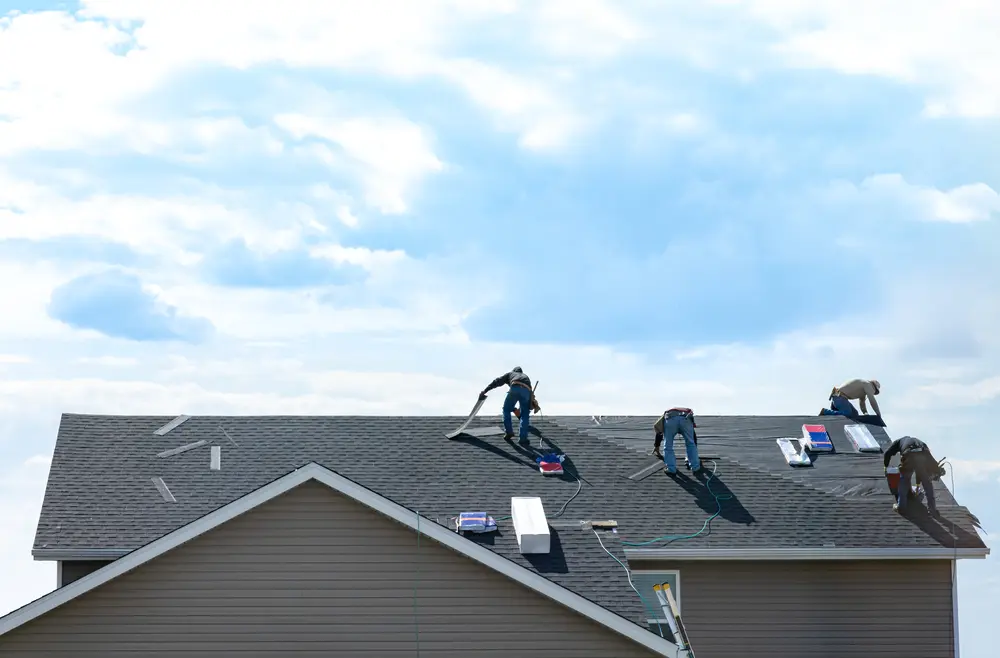
In South Carolina, storm season isn’t a matter of "if"—it’s a matter of "when." For industrial facility managers and building owners, severe weather represents one of the single largest threats to operational continuity. A massive warehouse or manufacturing plant might seem invincible due to its size, but the roof is often its most vulnerable point. High winds, torrential rains, and pounding hail can compromise a roof system in minutes, leading to millions of dollars in equipment damage, lost inventory, and halted production.
Industrial storm mitigation is not just about reacting after the clouds clear; it is about proactive engineering, strategic material selection, and rigorous preparation. As part of a broader commercial and industrial roofing strategy in South Carolina, storm mitigation should be integrated into system design, installation, and long-term facility planning. It is the difference between a minor repair bill and a catastrophic structural failure.
At Cola City Roofing , we have seen the aftermath of the Southeast’s most severe weather events. We know that the best defense is a good offense. As Columbia, SC’s premier roofing experts, we specialize in hardening industrial facilities against the elements. Whether you are looking to retrofit an aging roof for better wind resistance or need immediate post-storm triage, our team is equipped to handle the scale and complexity of industrial projects.
In this comprehensive guide, we will explore the science of storm mitigation, the materials that stand up to the test, and the steps you must take to protect your business assets before the next storm watch is issued.
The Anatomy of Storm Damage: Understanding the Threat
To mitigate damage, you first need to understand the forces at play. Industrial roofs face a "triple threat" during severe weather: Wind, Water, and Impact.
1. Wind Uplift: The Invisible Giant
Wind doesn’t just push against a building; it interacts with the aerodynamics of the structure. As wind hits the wall of a warehouse and travels up and over the roof edge, it creates an area of low pressure directly above the roof surface. Meanwhile, the air pressure inside the building remains normal or high.
This pressure difference creates a suction force called uplift . It tries to literally suck the roof membrane or metal panels off the deck.
- The Weak Points: The corners and perimeter of the roof experience the highest uplift forces. If the edge metal (fascia or coping) fails, the wind can get underneath the membrane and peel it back like a sardine can.
- The Consequence: Once the membrane peels, the insulation and deck are exposed to rain, and the structural integrity of the roof system is compromised.
2. Hydrostatic Pressure: The Weight of Water
Industrial roofs are typically flat or low-slope. They rely on internal drains, scuppers, and gutters to move water off the roof. During a torrential downpour—common in South Carolina thunderstorms—water can fall faster than it can drain.
- The Threat: As water accumulates, its weight increases rapidly. Just one inch of water over a 20×20 foot area weighs over 2,000 pounds.
- The Consequence: This weight can cause the roof deck to deflect (sag). This sagging creates a bowl that holds even more water. If the load exceeds the structural capacity, the roof can collapse.
3. Impact Damage: Hail and Debris
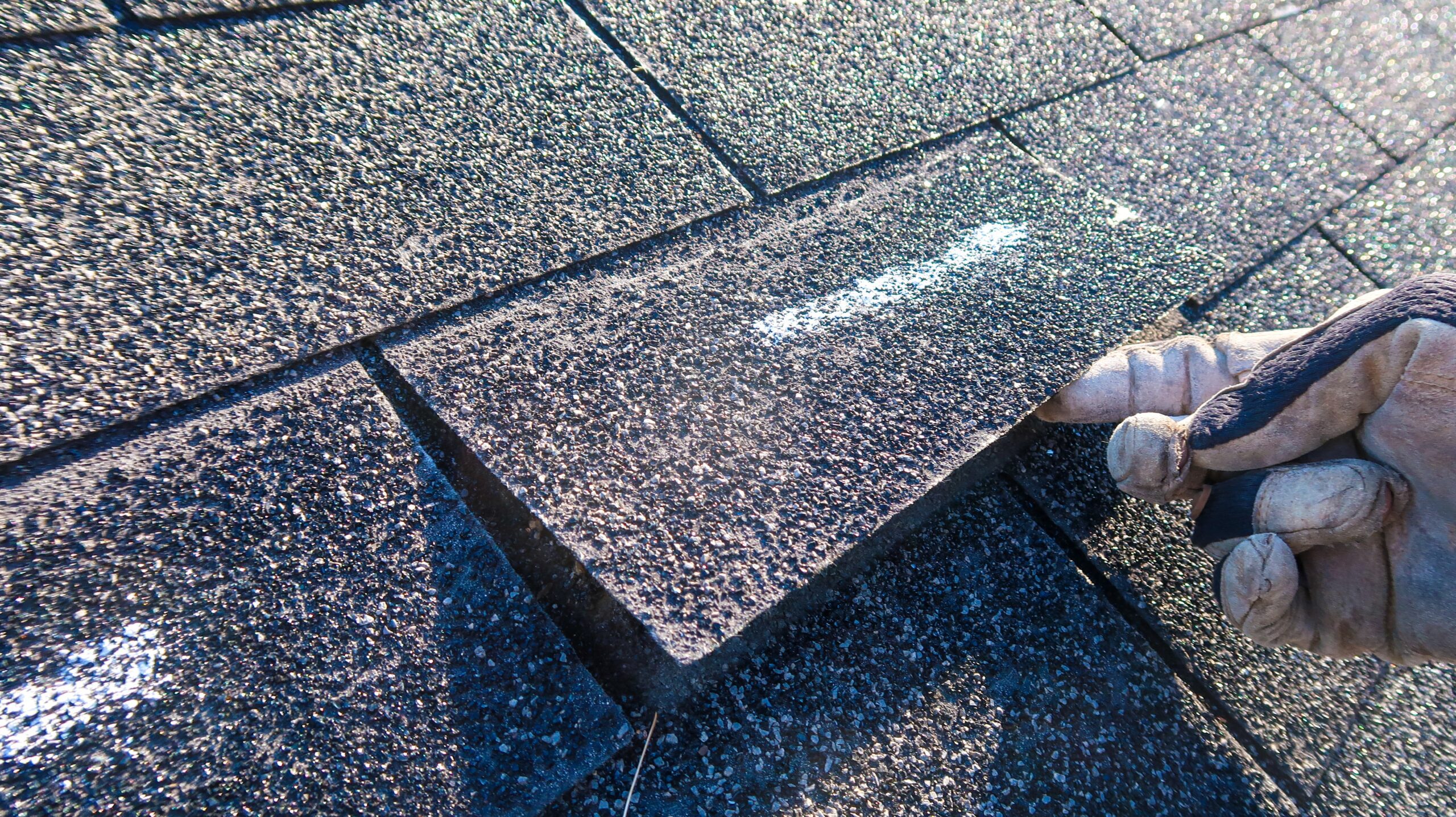
Hailstones the size of golf balls or baseballs carry immense kinetic energy. On an industrial roof, hail can shatter skylights, dent metal panels, and fracture the reinforcement layer within roofing membranes.
- The Threat: Often, hail damage isn’t immediately visible to the naked eye. It creates "micro-fractures" in the membrane.
- The Consequence: Over the next 12-18 months, UV rays expand these fractures, leading to widespread leaks long after the storm has passed.
If you suspect your facility has been compromised by any of these forces, immediate assessment is critical. Learn about our specialized approach on our storm damage consultations page .
Proactive Mitigation: Strengthening the System Before the Storm
The most effective mitigation happens during the design and installation phase, or through strategic retrofitting. You cannot control the weather, but you can control how your building responds to it.
1. Enhancing Perimeter Security
Since the roof edge is the first line of defense against wind uplift, securing it is paramount.
- ES-1 Compliance: Ensure that all edge metal (coping, fascia, gravel stops) meets the ANSI/SPRI ES-1 standard. This is the building code standard for edge metal wind resistance.
- Reinforced Fastening: At Cola City Roofing, we often increase the fastening density at the corners and perimeters of the roof—installing more screws and plates per square foot than in the center of the field—to counteract the higher wind loads in these zones.
Wind resistance is not just about hardware. Installation discipline and jobsite protocols also matter. Our industrial roofing safety guide explains how compliance and crew practices affect structural performance during extreme weather.
2. Improving Drainage Capacity
To combat water weight, the water must evacuate immediately.
- Tapered Insulation: We design roofing systems with tapered insulation boards that create a positive slope, guiding water directly to the drains and eliminating low spots where ponds can form.
- Secondary Drainage: Building codes require an emergency overflow system. If the primary drains clog with leaves or debris, secondary scuppers must be installed slightly higher than the primary drains to allow excess water to escape before the weight becomes critical.
- Gutter Sizing: For metal buildings, ensuring the gutters and downspouts are sized correctly for the roof’s square footage and the region’s maximum rainfall intensity is crucial.
Large footprint structures like distribution hubs and agricultural storage facilities require enhanced drainage engineering due to their scale. Explore how agricultural and warehouse roofing systems address water management and structural load concerns.
3. Skylight Protection
Skylights are often the first thing to break during a hailstorm.
- Hail Guards: Installing metal cages or screens over skylights can protect the glazing from large hail impacts.
- Impact-Resistant Glazing: When replacing skylights, opt for polycarbonate domes rather than acrylic. Polycarbonate has significantly higher impact resistance.
Material Selection: Choosing a Storm-Ready Roof
Not all roofing materials are created equal when it comes to storm resistance. Choosing the right material for your specific risk profile is a key mitigation strategy.
If you’re comparing system types in more detail, review our guide to industrial roofing materials to understand how membrane thickness, attachment method, and substrate selection influence storm performance.
Thermoplastic Polyolefin (TPO) & PVC
Single-ply membranes are popular, but their storm performance depends heavily on thickness and installation method.
- Thickness Matters: A standard 45-mil membrane offers basic protection. However, for storm mitigation, we recommend upgrading to 60-mil or 80-mil membranes. The extra thickness provides a greater "wear layer" against hail and flying debris.
- Fleece-Backing: For the ultimate in puncture resistance, we can install "fleece-backed" membranes. These have a thick layer of felt adhered to the bottom, acting as a shock absorber against hail impacts.
Metal Roofing
Metal is inherently strong, but the type of panel matters.
- Standing Seam: This system has no exposed fasteners and interlocking seams. It offers superior wind uplift resistance compared to screw-down panels because the panels can’t simply pull over the screw heads.
- Gauge Thickness: For storm-prone areas, upgrading from standard 26-gauge steel to thicker 24-gauge or 22-gauge steel drastically increases impact resistance against hail and debris.
Modified Bitumen (Mod-Bit)
This multi-layered asphalt system is incredibly tough.
- Puncture Resistance: Because it consists of multiple layers of heavy, reinforced asphalt, Mod-Bit is arguably the most puncture-resistant system available. It handles foot traffic and debris impacts exceptionally well.
- Granule Surface: The mineral granules on the top sheet act as armor against hail, similar to residential shingles.
If you are considering a roof replacement to harden your facility, our team can guide you through these material choices. Visit our roof repair services page to see how we can upgrade your current system.
The Role of Roof Inspections in Storm Mitigation
You cannot fix what you don’t know is broken. A roof that is already weakened by age or neglect will fail much faster in a storm than a well-maintained one.
Pre-Storm Inspections
We recommend a professional inspection at least twice a year (Spring and Fall). During these checks, we look for "silent killers" that weaken storm resistance:
- Loose Flashings: Any metal flashing that is pulling away from the wall is a potential wind entry point.
- Clogged Drains: A drain full of leaves is useless during a hurricane.
- Dried Sealants: If the caulk around pitch pans or terminations is cracked, wind-driven rain will penetrate the building envelope.
Tree Management
For facilities surrounded by landscaping, trees are a major liability. Overhanging branches can scrape the roof membrane during high winds, and falling limbs can puncture the deck.
- Mitigation Strategy: Establish a "clear zone" around the facility. Trim any branches that could potentially strike the roof or fall onto it.
Emergency Preparedness Plan: When the Storm Hits
Despite the best engineering, nature is unpredictable. Every industrial facility needs a Roofing Emergency Action Plan (REAP).
1. Identify Your Team
Who makes the call to shut down operations? Who contacts the roofing contractor? Establish a clear chain of command. At Cola City Roofing, we partner with facility managers to be their "first call" after a storm event.
2. Stockpile Emergency Supplies
Do not wait until the storm is overhead to look for supplies. Keep a "Roof Emergency Kit" on-site containing:
- Heavy-duty tarps
- Sandbags (to hold tarps down—never use bricks or sharp objects)
- Flashlights and batteries
- Basic safety gear (hard hats, gloves)
3. Protect Interior Assets
If you know a specific area of the roof is older or prone to leaks, move sensitive inventory or machinery away from that zone before the storm arrives. Cover immobile equipment with plastic sheeting.
Post-Storm Protocol: Assessing and Mitigating Further Damage
Once the storm passes, the danger isn’t over. The immediate aftermath is a critical window for mitigating secondary damage.
Safety First
Do not send your maintenance crew onto the roof immediately after a severe storm.
- Electrical Hazards: Debris may hide live power lines.
- Structural Instability: The storm may have weakened the deck.
- Slippery Surfaces: Wet TPO or metal is like ice.
Call a professional roofing contractor. Our crews are trained to safely navigate storm-damaged environments.
The Triage Process
Our first priority is not a permanent fix—it is to stop the water.
- Tarping: We install emergency tarps over compromised areas to seal the building envelope.
- Debris Removal: We clear drains and remove debris that could cause further damage or injury.
- Documentation: We take high-resolution photos of all damage. This is crucial for your insurance claim.
Navigating the Insurance Claim
Industrial insurance claims are complex. Insurance adjusters will look for evidence of pre-existing damage to deny or reduce the claim.
- The Advocate: Cola City Roofing acts as your technical advocate. We meet the adjuster on the roof. We point out the specific evidence of storm damage (like hail spatter marks or wind-creased membranes) to ensure nothing is overlooked.
- Distinguishing Damage: We help distinguish between "old age" blistering and "storm-induced" damage, ensuring you get fair coverage for the event.
For more on how we assist with this process, read about our storm damage consultations .
Case Study: The Cost of Inaction vs. Mitigation
Consider two identical warehouses in Columbia.
Warehouse A has a 20-year-old roof. The drains haven’t been cleaned in two years. The edge metal is loose.
- The Storm: A severe thunderstorm brings 60mph winds and 3 inches of rain.
- The Result: The loose edge metal peels back. Wind gets under the membrane and tears off a 5,000 sq ft section. Rain floods the facility, ruining $500,000 of inventory. The facility is closed for 3 weeks for repairs. Total loss: >$1 Million.
Warehouse B has the same roof, but they invested in a retro-fit edge metal system and semi-annual maintenance.
- The Storm: The same storm hits.
- The Result: The reinforced edge holds. The clean drains handle the water volume. A few small branches fall on the roof but cause no punctures.
- The Cost: $0 in damage. $0 in lost production.
Mitigation is an investment with a massive ROI.
Facilities with high equipment density, such as production plants, require additional planning around penetrations and rooftop mechanical loads. See how manufacturing facility roofing systems are engineered for durability and storm resilience.
Why Cola City Roofing is Your Storm Mitigation Partner
Industrial roofing requires a higher level of expertise than residential work. The stakes are higher, the systems are more complex, and the safety risks are greater.
- Rapid Response: We are local. When a storm hits Columbia, we are already here, ready to deploy. We don’t have to travel from out of state.
- Technical Knowledge: We understand wind uplift calculations and drainage engineering. We don’t just patch holes; we restore structural integrity.
- Comprehensive Services: From the initial preventative maintenance to the emergency tarping and final roof replacement, we handle the entire lifecycle of the roof.
Don’t leave your facility’s future to chance. The best time to prepare for a storm is today.
Contact Cola City Roofing Let us perform a comprehensive storm vulnerability assessment on your facility. We will identify the weak points and design a mitigation strategy that fits your budget.
Schedule Your Assessment Today
We proudly serve the industrial hubs of the Midlands. Check our service locations to see if we are in your area.
Related Resources
- Roof Repair Services – Learn about our repair capabilities.
- Industrial Roofing Materials – Choose the right material for storm resistance.
- About Cola City Roofing – Meet the team dedicated to protecting your business.
Cola City Roofing – Fortifying South Carolina Industry Against the Elements. https://colacityroofing.com/
Detailed FAQ: Industrial Storm Prep
Q: Can I install a "wind vented" roof system? A: Yes. Wind vented systems use the power of the wind to actually pull the membrane tighter to the deck. It is a specialized system that works incredibly well in high-wind zones. We can evaluate if your building is a candidate for this technology.
Q: Does my warranty cover storm damage? A: Typically, no . Most standard manufacturer warranties cover "material defects," not "Acts of God" like hurricanes or tornadoes. However, some "NDL" (No Dollar Limit) warranties do cover wind speeds up to a certain velocity (e.g., 72mph). It is vital to check your specific warranty terms.
Q: How do I know if my roof has hail damage? A: On a TPO roof, look for circular fractures that look like "spiderwebs" in the material. On a metal roof, look for dents. However, some damage is subtle. We use infrared moisture scans to see if water has penetrated the insulation below the surface, which confirms the integrity of the membrane has been breached.
Q: Should I put sandbags on my roof before a hurricane? A: Generally, no. Adding loose weight to a roof before a storm can be dangerous if the sandbags become projectiles. It is better to ensure the permanent structure is secure. Sandbags are best used for temporary emergency tarping after damage has occurred.