Every business owner knows that a commercial roof is a significant investment. It is often one of the most expensive capital expenditures you will face during the life of your building. Naturally, when you sign that check for a new installation or a replacement, one question dominates your mind: "How long is this actually going to last?"
The answer, unfortunately, is rarely a simple number. While manufacturers might slap a "20-year warranty" on a product, the reality of commercial roof lifespan in Columbia SC is far more nuanced. A roof is a dynamic system fighting a daily battle against the elements. Its longevity depends on a complex interplay of material science, installation quality, environmental stress, and—perhaps most importantly—how well you take care of it.
In the heat and humidity of the Midlands, roofs age differently than they do in cooler climates. Understanding these local factors is key to protecting your bottom line. These lifespan factors are part of a broader commercial and industrial roofing strategy that ensures your building performs long-term in South Carolina’s climate.
At Cola City Roofing , we have seen 30-year roofs fail in 10 years due to neglect, and we have seen 20-year roofs last for 35 years thanks to diligent maintenance. In this comprehensive guide, we will pull back the curtain on commercial roof longevity. We will explore the expected lifespans of different systems, the enemies that shorten them, and the actionable steps you can take to extend roof life and maximize your investment.
What is the "Average" Commercial Roof Lifespan?
Before we dive into the variables, let’s look at the benchmarks. Assuming proper installation and "normal" conditions, here is what you can generally expect from the most common commercial roofing systems used in South Carolina. Different commercial roofing systems age differently depending on their material composition and installation method.
1. TPO (Thermoplastic Polyolefin)
- Expected Lifespan: 22–30 years
- The Reality: TPO is a relatively modern material. Early formulations had issues with cracking, but modern high-quality TPO is incredibly durable. Its white reflective surface helps it survive our Columbia summers by reflecting UV rays that would otherwise degrade the chemical bonds.
2. EPDM (Ethylene Propylene Diene Monomer)
- Expected Lifespan: 25–35+ years
- The Reality: EPDM (rubber roofing) is legendary for its durability. We often see EPDM roofs that are older than the maintenance staff managing the building. The weak point is usually the seams (glued or taped) rather than the membrane itself. If the seams are maintained, the rubber can last nearly indefinitely.
3. PVC (Polyvinyl Chloride)
- Expected Lifespan: 20–30 years
- The Reality: PVC is tough and chemically resistant. It is the go-to choice for restaurants because it resists animal fats and grease. However, over decades, plasticizers can migrate out of the material, making it brittle.
4. Modified Bitumen (Mod-Bit)
- Expected Lifespan: 20 years
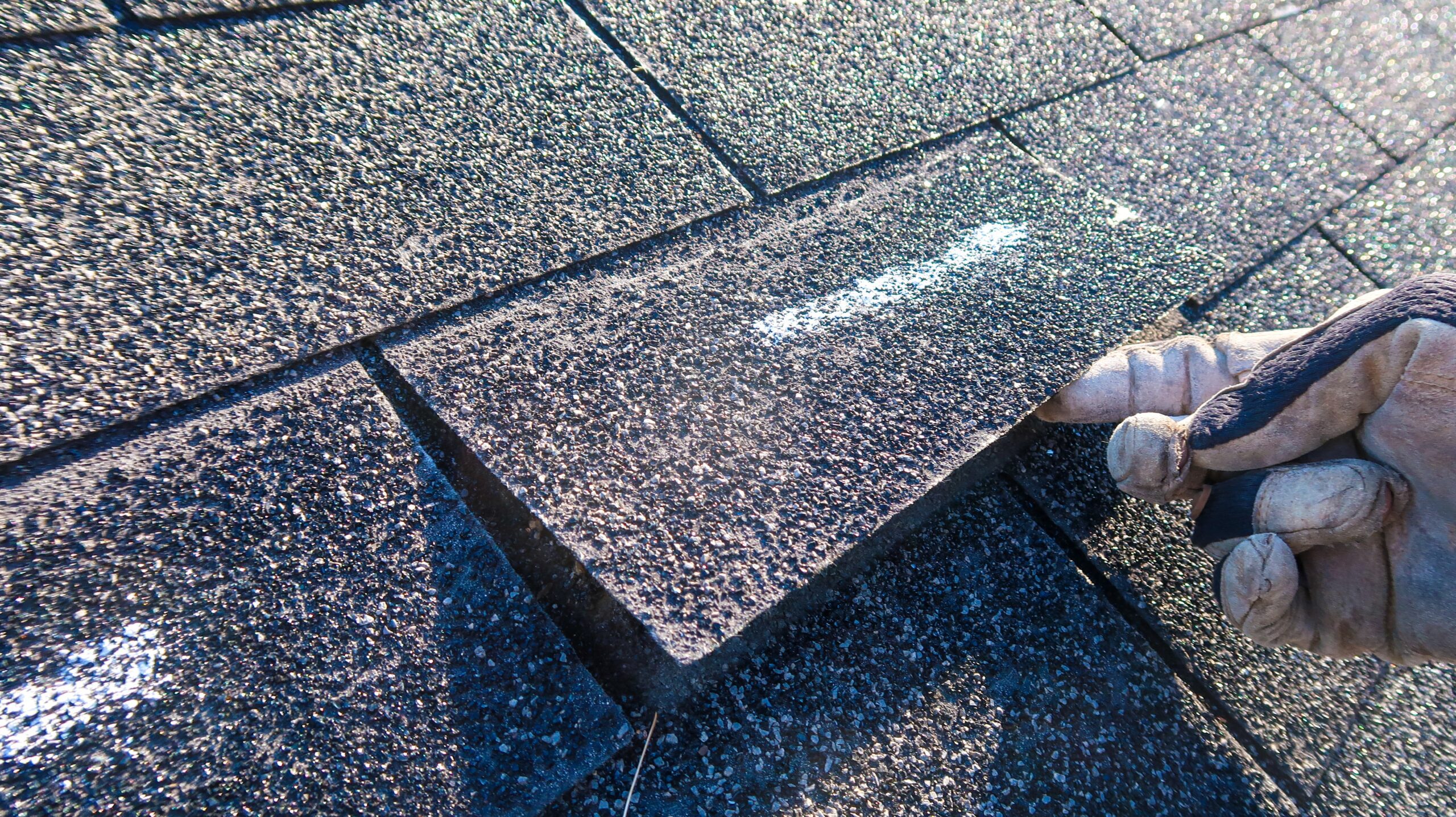
- The Reality: This multi-ply asphalt system is robust against foot traffic. Its life depends heavily on the granule surface. Once the granules wear off and the asphalt is exposed to the sun, degradation accelerates rapidly.
5. Metal Roofing (Standing Seam)
- Expected Lifespan: 40–60+ years
- The Reality: Metal is the king of longevity. A high-quality standing seam metal roof with a Kynar finish can easily outlast the current building ownership. The maintenance points are usually the fasteners (screws) and penetrations, not the panels themselves.
6. Built-Up Roofing (BUR / Tar and Gravel)
- Expected Lifespan: 20–30 years
- The Reality: These are the "tanks" of the roofing world. Multiple layers of felt and asphalt provide redundancy. However, they are becoming rarer due to the high cost of installation and the difficulty of finding leak sources.
Factor 1: The South Carolina Climate Factor
Why does a roof in Columbia, SC, often age faster than a roof in a milder climate? Our environment is particularly hostile to roofing materials.
Thermal Shock
In the Midlands, it is not uncommon for a summer afternoon to reach 98°F with high humidity. On a black roof, the surface temperature can soar to 170°F. Then, a sudden thunderstorm rolls in, dropping rain that is 70°F. In minutes, the roof temperature drops by 100 degrees. This causes "thermal shock." The materials—metal flashings, membrane sheets, and insulation—contract rapidly. This constant expansion and contraction cycle pulls at seams, loosens fasteners, and cracks flashings. It is a silent killer of commercial roofs.
UV Degradation
We get a lot of sun. Ultraviolet (UV) rays are essentially a slow-motion laser beam attacking the chemical structure of your roof.
- Asphalt: UV dries out the oils in asphalt, leading to "alligatoring" (cracking that looks like reptile skin).
- Synthetics: UV can cause photo-oxidation in older plastics, leading to chalking and brittleness.
- Solution: This is why white, reflective roofs (TPO, PVC, Coatings) are so popular here. They bounce the destructive energy back into the atmosphere.
Biological Attack
Have you ever looked at a roof and seen black streaks or green moss? That is biology at work. Our high humidity fosters the growth of algae, moss, and even small plants in clogged gutters.
- Algae: Feeds on the limestone filler in asphalt shingles.
- Moss: Roots into the granules, lifting them up and allowing water underneath.
- Standing Water: Creates a breeding ground for bacteria that can actually attack certain roofing components.
Factor 2: Installation Quality (The Day 1 Difference)
You can buy the most expensive, 30-year warranty PVC membrane on the market, but if it is installed poorly, it might not last five years.
Installation errors that kill lifespan:
- Improper Seaming: If a robot welder isn’t calibrated correctly for the ambient temperature, the TPO seams might look fused but are actually "cold welds" that will pop open in the wind.
- Wet Insulation: If a contractor installs roofing over wet insulation (perhaps after a rain shower during construction), that moisture is trapped forever. It will boil in the summer heat, causing blisters that ruin the new roof from the inside out.
- Flashing Errors: The roof rarely leaks in the middle of the sheet. It leaks at the walls, the curbs, and the pipes. Amateur flashing work relies on caulk (which lasts 2-5 years) rather than proper welding and counter-flashing.
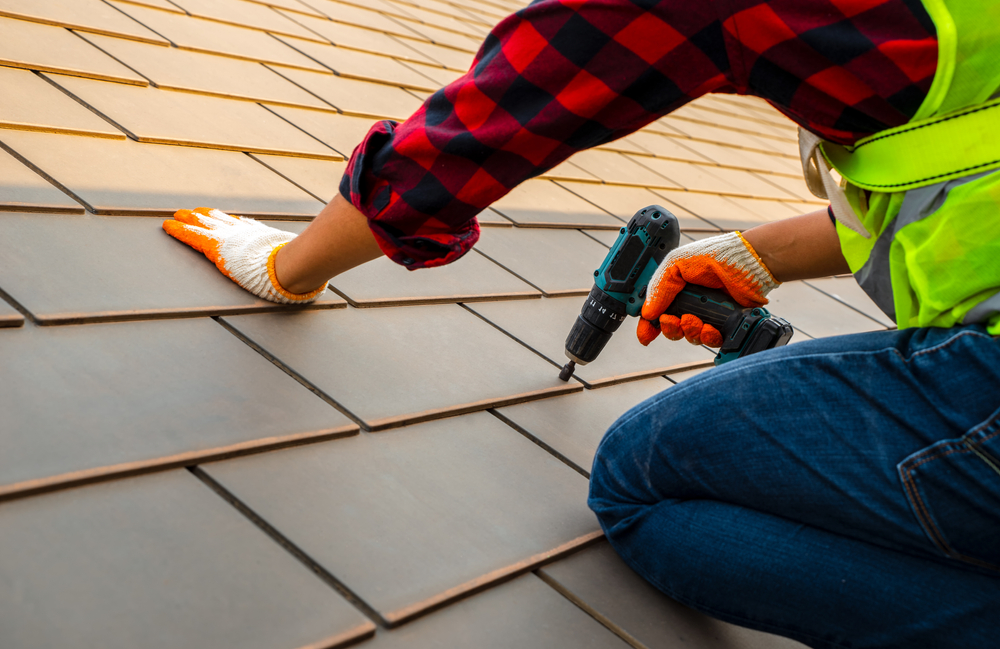
This is why vetting your contractor is the most important step in securing longevity. At Cola City Roofing, our crews are trained on all major manufacturers’ systems, ensuring that Day 1 is the start of a long life, not a countdown to failure.
Factor 3: Maintenance (The Variable You Control)
This is the good news: You have immense control over how long your roof lasts through structured commercial roof maintenance.
Think of your commercial roof like a fleet vehicle. If you never changed the oil in your delivery trucks, would you expect them to reach 200,000 miles? Of course not. Yet, many business owners install a roof and ignore it for 15 years.
Reactive vs. Proactive Lifespans:
- Reactive Approach: "I’ll fix it when it leaks." Result: Small problems fester. A $200 puncture becomes a $20,000 saturated insulation problem. The roof fails at year 15.
- Proactive Approach: "I inspect it twice a year." Result: Drains are cleared. Punctures are patched immediately. Seams are probed and reinforced. The roof lasts 25 or 30 years.
The Math of Maintenance: Studies have shown that a proactive maintenance program can extend the life of a commercial roof by up to 60% , while costing a fraction of a premature replacement. By catching issues early, you are literally buying extra years of performance.
If you don’t have a plan in place, we strongly recommend exploring our maintenance programs (Note: please contact us directly to discuss setting up a recurring maintenance schedule tailored to your building).
Routine commercial roof inspections are the foundation of extending lifespan and preventing premature system failure.
Factor 4: Roof Traffic and Abuse
Commercial roofs are working platforms. They host HVAC units, satellite dishes, exhaust fans, and security cameras. This means people are walking on them.
The HVAC Factor HVAC technicians are vital for your building’s comfort, but they can be tough on roofs.
- Dropped Tools: A wrench dropped on a TPO roof can punch a hole straight through.
- Panels: We often find sharp metal access panels left lying directly on the membrane.
- Oil/Grease: HVAC units leak. The oil can eat away at EPDM rubber, causing it to swell and dissolve.
How to combat this:
- Walkway Pads: Install dedicated, reinforced walkways from the roof hatch to the HVAC units. This dictates where people walk and adds a layer of armor.
- Log Books: Keep a log of who goes on the roof. If a leak appears right after the cable guy was up there, you know where to look.
Signs Your Roof is Reaching End of Life
How do you know if your roof is just needing a repair or if it’s terminal? Here are the signs that the lifespan is running out.
1. The Insulation is Wet
This is the death knell. If we perform a moisture scan and find that 30% or more of the insulation is saturated, the roof system has failed. You cannot repair wet insulation. It destroys the thermal value (R-value) and rusts the steel deck.
2. The Membrane is Shattering
On older TPO or PVC roofs, the plasticizers eventually evaporate. When this happens, the membrane loses flexibility. If you can bend a sample of the roof and it cracks like a potato chip, it is time for a replacement.
3. "Alligatoring" on Asphalt
On built-up or modified bitumen roofs, look for severe cracking that resembles dry mud or alligator skin. This means the oils are gone, and water is penetrating the mat.
4. Frequent Leaks
If you fix a leak in the north corner, and next month a leak appears in the south corner, and then the middle… your roof is telling you something. The waterproofing integrity is failing globally, not locally. Continuing to pay for roof repair services at this stage is throwing good money after bad.
How to Extend Roof Life: Actionable Tips
You want to squeeze every drop of value out of your investment. Here is your game plan to extend roof life in Columbia, SC.
1. Keep the Drains Clear
This is the #1 easiest thing you can do. Ponding water is the enemy. Water weighs 5.2 lbs per square foot per inch of depth. That weight stresses the structure and degrades the membrane.
- Action: Check your drains, scuppers, and gutters quarterly. Remove the soda bottles, tennis balls, and leaves that accumulate.
2. Trim Overhanging Trees
Trees are beautiful, but they don’t belong over a commercial roof.
- Shade: Promotes algae growth.
- Debris: Fills gutters instantly.
- Damage: In a windstorm, branches can whip against the membrane, acting like a sander.
- Action: Maintain a 10-foot clearance zone around your roof perimeter.
3. Inspect After Storms
Don’t assume your roof is fine just because you don’t see water inside. Hail damage can be subtle. It might bruise the insulation or fracture the mat without causing an immediate leak.
- Action: Call Cola City Roofing for a quick check-up after any significant hail or wind event. Documenting damage early is crucial for insurance claims if replacement becomes necessary. Understanding the commercial storm damage insurance process ensures you recover properly when severe weather accelerates roof deterioration.
4. Fix Small Problems Immediately
Do not let a "small drip" persist. Water travels. A small leak saturates insulation, which spreads the damage like a cancer.
- Action: Empower your facility manager to call for repairs the moment a defect is spotted.
5. Consider a Roof Coating
If your roof is aging (say, 15 years old) but the insulation is dry, consider a restoration coating (silicone or acrylic).
- Benefit: A coating creates a seamless new barrier over the old roof. It stops leaks, reflects UV rays (lowering energy costs), and can extend the lifespan by 10-20 years. It is significantly cheaper than a replacement and often qualifies as a maintenance expense for taxes.
The Role of Warranty vs. Lifespan
Do not confuse "Warranty" with "Lifespan."
- Warranty: An insurance policy from the manufacturer that covers material defects for a set time (e.g., 20 years). It usually excludes damage from ponding water, storms, or lack of maintenance.
- Lifespan: How long the roof actually functions.
A roof with a 20-year warranty can last 25 years if maintained. A roof with a 20-year warranty can fail in 12 years if neglected (and the warranty will likely be voided).
Read the Fine Print: almost all warranties require you to perform and document regular maintenance. If you cannot prove you maintained the roof, the manufacturer can deny your claim when the material fails prematurely.
When Replacement is the Smartest Choice
Sometimes, trying to extend lifespan is financially unwise. We believe in honest consulting. We will tell you if your roof is "dead."
You should replace rather than repair when:
- Safety is compromised: The deck is rusted or rotting.
- Energy costs are bleeding you: Your old roof has R-5 insulation, and a new roof would give you R-25, saving you thousands a year in HVAC costs.
- Repair costs are mounting: If you are spending 5-10% of the replacement cost annually on repairs, stop. Put that money toward a new asset that will be worry-free for decades.
Why Partner with Cola City Roofing?
Managing the lifespan of a commercial roof requires a partner, not just a vendor. You need someone who knows the history of your building, understands your budget cycles, and can offer strategic advice.
At Cola City Roofing, we take the long view.
- Data-Driven Decisions: We use moisture scanning and core sampling to give you scientific data on your roof’s health, not just guesses.
- Comprehensive Services: From emergency roof repair services to preventative maintenance and full replacements, we handle every stage of the lifecycle.
- Local Accountability: We are right here in Columbia. We drive past the roofs we install. We are invested in making sure they last because our reputation depends on it.
Conclusion: Maximizing Your ROI
Your commercial roof is a shield for your revenue stream. Every year you can extend its life is a year you keep capital in your pocket for other investments.
The secret to a long commercial roof lifespan in Columbia SC isn’t magic; it’s management. It’s choosing the right materials, installing them correctly, and maintaining them faithfully.
Don’t let your roof be a mystery. Take control of its future today.
Is your roof aging gracefully or failing fast? Let’s find out. Contact Cola City Roofing for a comprehensive lifespan assessment. We will give you a clear timeline of your roof’s remaining life and a roadmap to extend it.
- Call us: (803) 446-8633
- Visit us online: Contact Us
- Explore Options: If repairs are needed, check our Roof Repair Services page.
Your roof can last longer. Let us show you how.
Frequently Asked Questions
- Does a roof coating really add lifespan? Yes. A properly applied silicone or acrylic coating system can add 10, 15, or even 20 years to an existing roof. It protects the underlying membrane from UV rays and weather, effectively pausing the aging process.
- How often should I inspect my roof? We recommend semi-annual inspections (Spring and Fall) and inspections after any major storm. This frequency catches problems before they become expensive.
- Does foot traffic really damage roofs? Absolutely. Punctures from boots and dropped tools are a leading cause of leaks. Installing walkway pads is a cheap insurance policy against this damage.
- Can I just add another layer of roofing instead of replacing? In South Carolina, building codes typically allow a maximum of two layers of roofing. If you only have one layer now, you might be able to install a "layover" (recover) which is cheaper than a full tear-off. We can verify this with a core sample.
- What is the longest-lasting flat roof option? While metal lasts the longest overall, for flat membranes, a thick (60-mil or 80-mil) EPDM or PVC roof generally offers the best longevity, often exceeding 30 years with care.
Internal Links for Further Reading:
- Roof Maintenance Programs (Check our feed for maintenance specifics)
- Storm Damage Consultations
- About Us