Imagine buying a brand-new fleet of delivery trucks for your business. You wouldn’t drive them for 100,000 miles without ever changing the oil, checking the tires, or inspecting the brakes. If you did, those trucks would fail long before they should, costing you a fortune in repairs and downtime.
Your commercial building’s roof is no different. It is likely one of the most expensive capital assets your business owns. Yet, for many building owners and facility managers, the roof is ignored until water starts dripping onto a desk or a piece of expensive machinery.
This "reactive" approach to roofing—fixing problems only after they cause damage—is the most expensive way to manage a facility. As part of our commercial and industrial roofing services in South Carolina, we help building owners move from reactive repairs to proactive asset management strategies.
At Cola City Roofing , we champion a proactive approach. A structured commercial roof maintenance program is the single most effective way to extend the lifespan of your roof, predict future costs, and prevent catastrophic failures. In the Midlands of South Carolina, where our roofs face everything from blistering heat to severe thunderstorms, maintenance isn’t just a luxury; it’s a necessity.
In this comprehensive guide, we will explore why commercial roof maintenance in Columbia SC is critical, what a robust maintenance plan looks like, and how partnering with a professional roofing contractor can save you thousands of dollars in the long run.
Why Commercial Roof Maintenance Matters
The concept is simple: find small problems before they become big, expensive ones. However, the benefits of a maintenance program go far beyond just fixing leaks.
1. Extending Roof Lifespan
Most commercial roofing systems like TPO, EPDM, PVC, and Modified Bitumen are designed to last 20 to 30 years. However, the average lifespan of a neglected roof is significantly shorter—sometimes failing in as little as 10 to 15 years. Regular maintenance ensures you get every year of performance you paid for. Understanding commercial roof lifespan expectations allows facility managers to align maintenance budgets with long-term capital planning. By catching minor defects early, you prevent the premature degradation of the membrane.
2. Protecting the Warranty
This is a critical point that many building owners overlook. Most manufacturer warranties explicitly state that the warranty is void if the roof is not properly maintained. If your roof fails due to neglect—for example, if clogged drains cause water to pond and rot the membrane—the manufacturer is well within their rights to deny your claim. A documented maintenance program provides the paper trail you need to keep your warranty valid.
3. Preventing Business Disruption
A leaking roof is more than just a repair bill; it disrupts your operations.
- Retail: A leak can ruin merchandise and create slip hazards for customers.
- Office: Water damage can destroy computers, files, and furniture.
- Warehousing: Moisture can compromise packaging and inventory.
- Health Hazards: Unchecked leaks lead to mold growth, creating a liability for employee health.
Scheduled maintenance happens on your terms, not during a crisis, ensuring your business keeps running smoothly.
4. Better Budgeting and Forecasting
Surprise expenses are the enemy of any business budget. A maintenance program gives you a clear picture of your roof’s condition. Instead of being blindsided by a $100,000 replacement bill, your roofing partner can tell you, "Your roof is in good shape now, but you should budget for a coating in three years and a replacement in ten." This allows for strategic financial planning.
The Anatomy of a Commercial Roof Maintenance Program
What exactly happens during a maintenance visit? It is far more than just a quick glance at the shingles or membrane. A professional maintenance program is a systematic, detailed process.
At Cola City Roofing, our maintenance services generally fall into three categories: Inspection, Cleaning, and Prevention.
Phase 1: The Comprehensive Inspection
We recommend semi-annual inspections—typically in the spring and fall—as well as after any major weather event. Structured commercial roof inspections help document membrane condition, drainage performance, and warranty compliance.
Surface Inspection: We check the field of the roof for signs of wear.
- TPO/PVC: We look for open seams, punctures from foot traffic, and UV degradation.
- EPDM: We check for shrinkage (pulling away from walls) and brittle membrane.
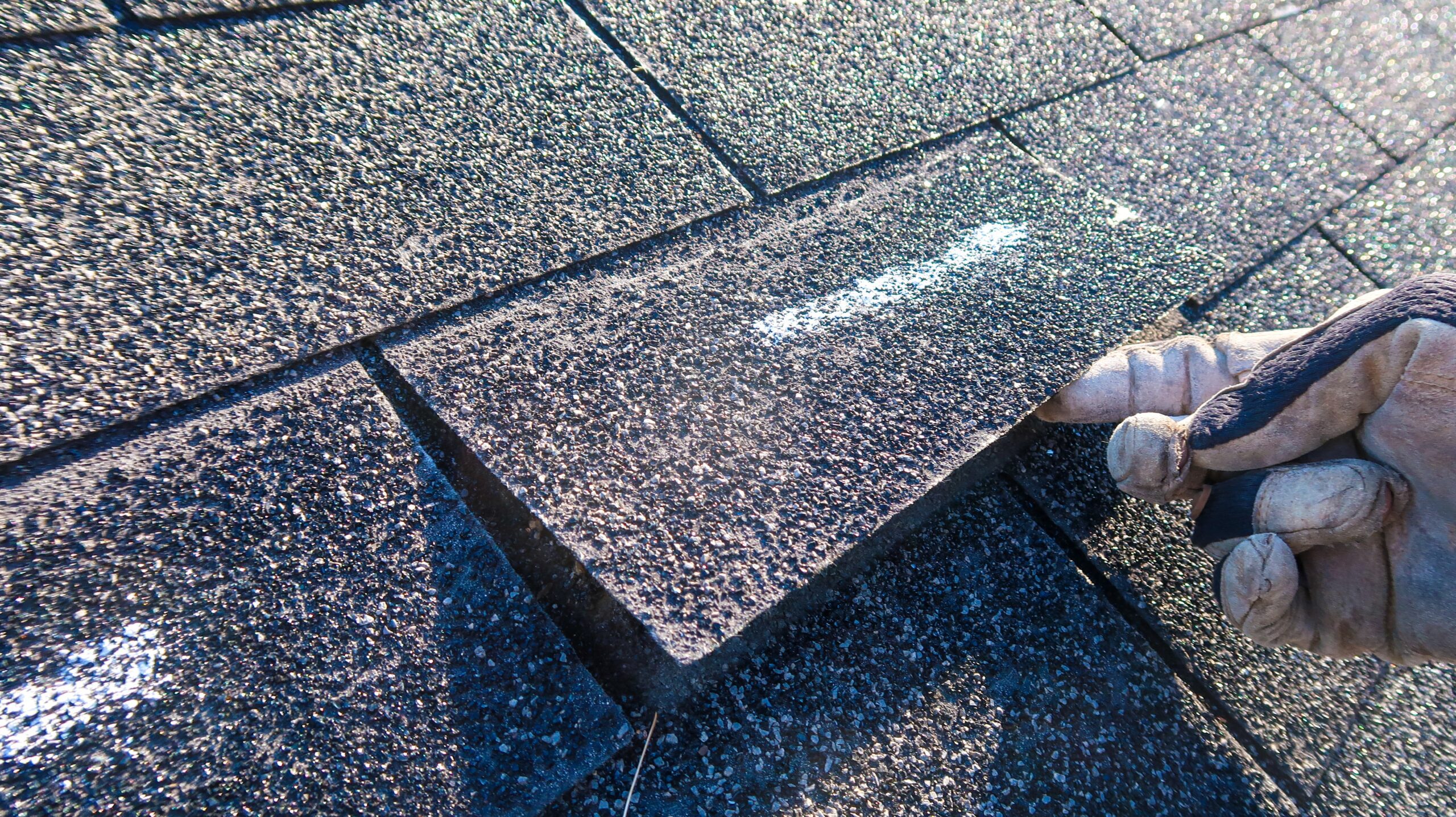
- Modified Bitumen/Asphalt: We look for blisters, ridges, and granule loss.
- Metal Roofs: We check for rust, loose fasteners, and open seams.
Flashings and Penetrations: Flashings—the seals around AC units, vents, skylights, and walls—are the weak points of any roof. They usually fail long before the main roof membrane does. We meticulously check every curb and pipe boot to ensure the sealant is intact and not dried out.
Drainage Assessment: Water is the enemy. We inspect all drains, scuppers, and gutters to ensure they are clear and flowing freely. We look for evidence of "ponding water"—areas where water sits for more than 48 hours. Ponding water adds massive weight to the structure and accelerates membrane deterioration.
Perimeter Check: We examine the metal edge (coping cap) that seals the perimeter of the roof. Wind damage often starts here; if the wind lifts the edge, it can peel back the entire roof like a sardine can.
Phase 2: Cleaning and Debris Removal
A dirty roof is a failing roof. Debris might seem harmless, but it causes significant issues.
- Debris Removal: Leaves, twigs, trash, and even abandoned HVAC parts can accumulate on a commercial roof. This debris traps moisture against the membrane, leading to rot and algae growth. It also blocks drains, causing water backups.
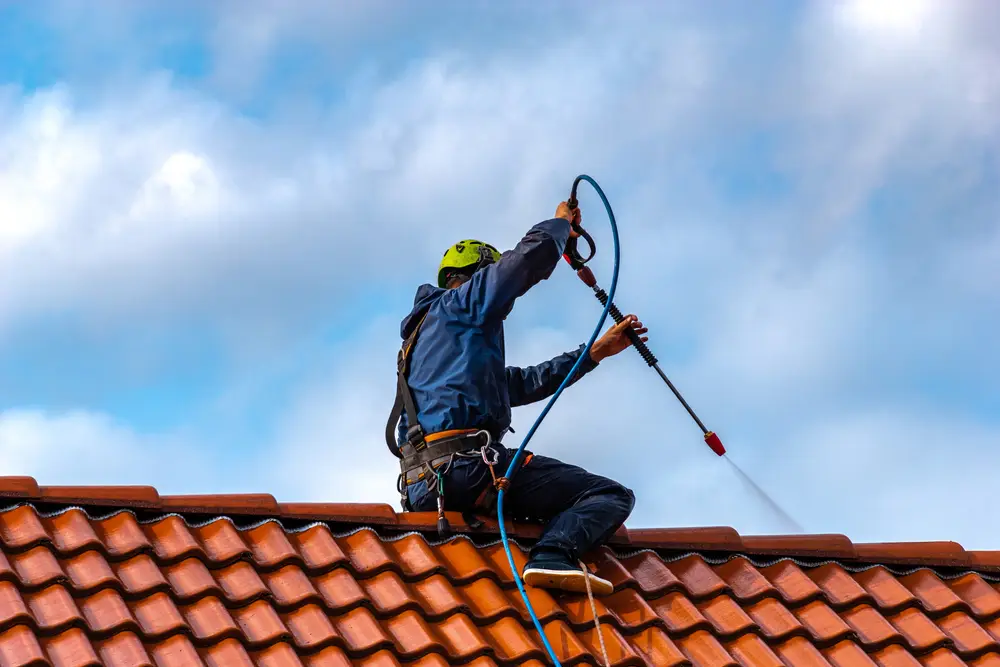
- Bio-Growth Removal: In our humid South Carolina climate, algae and moss love to grow on roofs. This biological growth can eat away at asphalt-based products and make single-ply membranes slick and dangerous. We utilize safe cleaning methods to remove this growth without damaging the roof surface. You can learn more about our specialized cleaning techniques on our Roof Softwash & Roof Cleaning page.
- Gutter Cleaning: Commercial gutters are often larger than residential ones, but they still clog. Keeping them clean is essential for directing water away from the building’s foundation.
Phase 3: Preventive Repairs
The goal of maintenance is to fix problems while they are small and inexpensive. During a maintenance visit, we often perform minor "housekeeping" repairs immediately.
- Sealant Touch-ups: applying "pitch pan" filler or caulk to drying seals around pipes.
- Debris Clearing: physically removing blockages from drains.
- Fastener Tightening: replacing or tightening loose screws on metal flashings.
- Patching: applying small patches to minor punctures found during the walk-through.
For more significant issues discovered during the inspection, such as large blisters or wet insulation, we provide a detailed proposal for roof repair services .
Specific Maintenance Needs by Roof Type
Different commercial roofing systems have different vulnerabilities. Here is what we look for based on your specific material.
TPO and PVC Maintenance
These thermoplastic single-ply membranes are heat-welded.
- What we watch for: "Cold welds" (seams that weren’t fused perfectly during installation), punctures from maintenance crews dropping tools, and UV cracking in older membranes. We also check for chemical damage on PVC roofs, especially near restaurant grease vents.
EPDM (Rubber) Maintenance
- What we watch for: EPDM seams are taped or glued, not welded. Over time, the adhesive can dry out and fail. We pay close attention to seam integrity and "shrinkage," where the rubber pulls tight and stresses the perimeter attachments.
Modified Bitumen and Built-Up Roofs (BUR)
- What we watch for: These multi-layer systems are prone to "blistering"—air pockets trapped between layers that expand in the heat. If a blister pops, water gets in. We also look for exposed asphalt where the protective granules have worn away.
Commercial Metal Roofing
- What we watch for: The biggest issue with metal roofs is the fasteners. The rubber washers on the screws degrade over time, creating thousands of tiny leak points. We also check for rust and ensure that expansion joints are moving freely.
The Cost of Neglect vs. The Cost of Maintenance
Many business owners hesitate to sign up for a maintenance program because they view it as an extra expense. However, data consistently shows that maintenance is a savings vehicle, not a cost center.
The "Reactive" Scenario:
- You ignore the roof for 15 years.
- Small leaks saturate the insulation unnoticed.
- Mold spreads in the plenum space.
- A major storm causes a catastrophic leak.
- Result: You are forced to pay for an emergency replacement, mold remediation, and damaged inventory. Total cost: $$$$$$
The "Proactive" Scenario:
- You pay a modest annual fee for inspections and minor upkeep.
- Small punctures are patched for a few hundred dollars.
- Drains are kept clear, preventing structural stress.
- The roof lasts 25 years instead of 15.
- Result: You defer the capital cost of replacement by a decade. Total cost: $
Think of it this way: Reactive maintenance costs up to $0.25 per square foot per year based on crisis repairs. Proactive maintenance typically costs a fraction of that, averaging $0.14 per square foot.
When Should You Start a Maintenance Program?
The best time to start is immediately after a new roof installation. This establishes a baseline and ensures the roof is cared for from Day 1.
However, if you have an existing roof that has been neglected, it is not too late. We can perform a comprehensive "bring-to-standard" inspection to identify all existing issues, fix them, and then place the roof on a recurring maintenance schedule.
Seasonal Considerations in Columbia, SC
In the Midlands, our weather dictates our maintenance schedule:
- Spring Inspection: We check for damage caused by winter freezes or spring hail storms. We clear drains of pollen and seeds that can sprout into plants on your roof.
- Fall Inspection: We prepare the roof for winter by clearing fallen leaves (a major cause of clogged drains) and checking that seals are ready for colder temperatures.
- Post-Storm Checks: After a hurricane or severe thunderstorm passes through Columbia, we recommend a quick check to ensure wind-blown debris hasn’t punctured the membrane.
If damage is discovered, understanding the commercial storm damage insurance process can significantly reduce financial exposure.
Common Commercial Roofing Enemies
A maintenance program is essentially a war against the enemies of your roof. Who are they?
- The HVAC Guy We love HVAC technicians—they keep us cool in the summer. However, they are often the biggest cause of roof damage. Heavy tool bags dragged across a TPO membrane can cause tears. Panels removed from AC units often get dropped, puncturing the roof. A maintenance program monitors foot traffic damage.
- The Sun Ultraviolet (UV) rays are relentless. They break down the chemical bonds in roofing materials, causing them to become brittle and crack. While we can’t turn off the sun, maintenance ensures that reflective coatings are intact to protect the underlying membrane.
- Ponding Water Standing water acts as a magnifying glass for the sun, intensifying heat damage. It also adds weight. If water sits for more than 48 hours, the materials begin to break down chemically. Keeping drains clear is the only defense.
- Trees Overhanging branches can scrape the roof surface during windy days. Falling leaves clog gutters. Maintenance includes trimming back vegetation that encroaches on the roofline.
Why Choose Cola City Roofing for Your Maintenance?
You have many choices for commercial roof maintenance in Columbia SC , but not all contractors are created equal. Some view maintenance as a quick "blow and go" service. At Cola City Roofing, we view it as a partnership to manage your asset.
1. Expertise Across All Systems
Our teams are trained and experienced in all major commercial roofing systems. Whether you have a modern TPO roof or an aging tar-and-gravel system, we know exactly what to look for.
2. Comprehensive Reporting
We don’t just tell you the roof looks "okay." We provide detailed reports including:
- Photos of all defects found.
- Photos of repairs completed during the visit.
- An assessment of the remaining useful life of the roof.
- Budgetary recommendations for future capital expenditures.
3. Local Focus
We are not a national chain or a storm-chasing outfit. We are a local business invested in the Columbia community. We understand the specific weather patterns and building codes of South Carolina.
4. Integrity
If your roof is in good shape, we will tell you. If it needs a repair, we will quote exactly what is needed—no more, no less. We pride ourselves on transparency. You can read what our clients say about our honesty on our reviews page .
DIY vs. Professional Maintenance
Can your facility maintenance staff handle roof inspections?
While your internal team can handle basic tasks like clearing a clogged drain, we strongly advise against relying on them for comprehensive roof maintenance.
Safety Risks: Roofing is dangerous. Falls are a leading cause of workplace injury. Our crews are trained in OSHA safety standards, fall protection, and ladder safety.
Technical Knowledge: Does your maintenance technician know the difference between a cold weld and a proper TPO seam? Do they know which sealant is compatible with EPDM rubber (and which ones will dissolve it)? Using the wrong repair material—like putting asphalt cement on a PVC roof—can cause massive damage that voids your warranty.
Warranty Compliance: Manufacturers often require maintenance to be performed by a licensed roofing contractor to maintain the warranty. In-house repairs might not satisfy this requirement.
Leave the roof to the roofer. It is safer, smarter, and ensures warranty compliance.
The Maintenance Checklist: What You Can Do
While we recommend professional inspections, there are things you can do between our visits to keep your roof healthy:
- Restrict Access: Keep the roof hatch locked. Only authorized personnel should be on the roof.
- Log Visitors: Keep a log of everyone who goes on the roof (HVAC techs, electricians, etc.). If a leak appears right after a visit, you know where to look.
- Visual Check from Ground: Look for debris hanging from gutters or staining on the exterior walls, which could indicate overflowing drains.
- Interior Check: Encourage employees to report ceiling stains immediately.
Conclusion: An Ounce of Prevention
Benjamin Franklin’s axiom holds true: "An ounce of prevention is worth a pound of cure."
A commercial roof maintenance program is that ounce of prevention. It is a small investment that yields massive returns in longevity, safety, and financial predictability. Don’t wait for a thunderstorm to find out your roof has problems.
At Cola City Roofing, we are ready to help you protect your business. Whether you need a one-time roof inspection service (Note: Inspection services often lead to replacement assessments, but for general inquiries, use our contact page) or a recurring maintenance contract, we have the expertise to deliver.
Secure the future of your building today.
- Schedule an Inspection: Visit our Contact Us page.
- Learn More: Read our blog on Storm Damage Roof Repair in Columbia SC to see what happens when maintenance is ignored.
- Explore Options: If your roof is beyond maintenance, check out our Roof Replacement Services .
Your roof protects everything your business is. Let us help you protect your roof.
Frequently Asked Questions About Roof Maintenance
1. How much does a commercial roof maintenance program cost?
The cost varies based on the size of the roof, the complexity (number of penetrations), and the ease of access. However, it is always significantly cheaper than the cost of emergency leak repairs and premature replacement. Contact us for a custom quote.
2. My roof is brand new. Do I still need maintenance?
Yes! In fact, the first two years are critical. Sometimes, installation errors (like a slow leak in a seam) don’t show up immediately. Additionally, maintaining the roof from the start is the best way to ensure it reaches its full 25-30 year lifespan.
3. Will maintenance fix all my leaks?
A maintenance visit is designed to prevent leaks and fix minor issues. If your roof has active, complex leaks, that falls under roof repair services , which is a more involved process. However, the inspection part of the maintenance program will identify where those leaks are coming from.
4. Can you perform maintenance on a roof you didn’t install?
Absolutely. We can take over the care of any commercial roof, regardless of who installed it. We will perform an initial assessment to document the current condition and any pre-existing issues.
5. What if I have a warranty claim?
If we find a defect that is covered by your manufacturer’s warranty during our inspection, we can help guide you through the claims process. Having a professional advocate on your side is invaluable when dealing with manufacturers.
6. Do you offer financing for repairs found during maintenance?
Yes, we understand that even necessary repairs can be an unexpected expense. Visit our Financing page to view your options.
Internal Links for Further Reading:
- Commercial Roofing Systems Blog (Check our blog feed for the latest updates)
- About Us
- Questions and Answers