For most business owners and facility managers, the roof is the most "out of sight, out of mind" component of the entire building. You walk through the front doors every day, walk across the floors, and sit in the offices, but you rarely—if ever—climb the ladder to see what is happening overhead.
Yet, that commercial roof is protecting everything valuable to your business: your inventory, your expensive equipment, your data servers, and, most importantly, your employees and customers.
Ignoring the roof until water is dripping onto a conference table is a strategy, but it is a risky and expensive one. The alternative? Proactive commercial roof inspections in Columbia SC as part of a structured commercial and industrial roofing strategy .
An inspection is not just a check-up; it is a financial safeguard. It provides the data you need to make smart decisions about maintenance, repairs, and capital expenditures. At Cola City Roofing , we believe that an informed building owner is an empowered one.
In this comprehensive guide, we will explore why routine roof inspections are critical for commercial properties, what exactly happens during an inspection, and how partnering with a local expert can save your business thousands of dollars in avoided water damage and premature replacement costs.
Why "Wait and See" Is a Failing Strategy
Many building owners operate under the assumption that if the ceiling isn’t wet, the roof is fine. Unfortunately, this is a dangerous misconception.
By the time a leak manifests inside the building—staining ceiling tiles, dripping onto floors, or causing mold growth—the damage on the roof is often already advanced. Water is tricky; it can enter through a small puncture in the membrane, travel sideways along a steel beam for twenty feet, and then drip down in a completely different location.
During that time, it is saturating the insulation, rusting the metal deck, and potentially causing structural rot.
The "Wait and See" approach leads to:
- Emergency Repairs: Fixing a leak during a storm costs significantly more than a scheduled repair on a sunny Tuesday.
- Business Interruption: You can’t run a retail store or a restaurant with buckets on the floor.
- Safety Liabilities: Wet floors are slip-and-fall hazards. Wet insulation breeds mold, which is a massive health liability.
- Reduced Lifespan: A roof designed to last 25 years might fail in 15 if minor issues like clogged drains or small tears are ignored.
A scheduled inspection program moves you from a reactive stance (panic and expense) to a proactive stance (planning and savings). These inspections are typically part of a broader commercial roof maintenance program designed to extend service life and prevent emergency repairs.
The Value of Commercial Roof Inspections in Columbia SC
Columbia, South Carolina, presents a unique set of challenges for commercial roofing systems. Our climate is tough on roofs.
- Thermal Shock We have intense summer heat. On a 95-degree day in July, a black EPDM roof can reach temperatures over 160 degrees. When a sudden afternoon thunderstorm rolls in, that temperature can drop 60 degrees in minutes. This rapid expansion and contraction puts immense stress on seams and flashings. Routine inspections check for the resulting cracks or splits.
- UV Degradation The sun is relentless here. UV rays break down chemical bonds in roofing materials, causing them to become brittle or chalky. Inspections monitor the condition of the membrane surface.
- Severe Weather From hurricane remnants bringing heavy rain to spring storms bringing hail and high winds, our roofs take a beating. After any major weather event, a professional inspection is crucial to document damage for insurance purposes.
- Humidity and Bio-Growth Our humid climate is a breeding ground for algae and moss. While often cosmetic, heavy growth can trap moisture and degrade asphalt-based systems.
Understanding these local factors is why choosing a local expert for commercial roof inspections in Columbia SC is vital. We know what to look for because we live and work here too.
What Happens During a Commercial Roof Inspection?
A professional roof inspection is a systematic, forensic examination of the entire roofing envelope. It is not a quick glance from the top of a ladder. At Cola City Roofing, our inspections are thorough and documented.
The inspection process varies slightly depending on the commercial roofing system installed on your building. Here are the key elements we evaluate:
1. The Field of the Roof (The Membrane)
This is the main waterproof layer. We walk the entire surface looking for:
- Punctures and Tears: Often caused by wind-blown debris or careless foot traffic from HVAC technicians.
- Blistering: Bubbles under the membrane indicating trapped air or moisture.
- Open Seams: For TPO and PVC roofs, we check the heat welds. For EPDM, we check the adhesive tape. Seam failure is a top cause of leaks.
- Ponding Water: Areas where water stands for more than 48 hours. This indicates structural sagging or clogged drains and accelerates membrane rot.
2. Flashings and Penetrations
Flashings are the materials used to seal openings and edges. They are the weakest point of any roof. We meticulously inspect:
- Pipe Boots: The rubber seals around plumbing vents. These often dry rot and crack long before the main roof fails.
- HVAC Curbs: The metal boxes that AC units sit on. We check the corners and seals.
- Pitch Pans: Metal boxes filled with sealant around irregular penetrations. We check if the sealant has shrunk or cracked.
- Skylights: We check for cracks in the lens and failure in the curb flashing.
3. Drainage Systems
If water can’t get off the roof, the roof will fail. We inspect:
- Internal Drains: Are the strainers missing? Are the pipes clogged?
- Scuppers: Are the openings through the parapet walls clear?
- Gutters and Downspouts: Are they securely attached and free of debris?
4. Perimeter Edges (Coping)
The metal cap on top of the parapet wall is the first line of defense against wind. If the wind gets under the metal edge, it can peel the roof back. We check for loose fasteners and open joints in the metal coping.
5. The Building Interior
We don’t just look on the roof; we look under it. We inspect the interior ceilings and walls for water stains, rust on the steel deck, or signs of daylight showing through.
Different Inspection Technologies
While the human eye is the best tool, technology allows us to see what is invisible to the naked eye.
Infrared (Thermal) Moisture Scans For larger commercial roofs, we can use infrared cameras. Wet insulation holds heat longer than dry insulation. By scanning the roof at sunset, we can see the "hot spots" where water is trapped beneath the membrane.
This is a game-changer for decision-making. If a roof looks old but the scan shows the insulation is dry, you might just need a restoration coating. If the scan shows 40% of the roof is saturated, you need a replacement. This data prevents you from wasting money on repairs that won’t work or replacing a roof that is actually healthy.
When Should You Schedule an Inspection?
There is never a "bad" time to inspect your roof, but there are strategic times that offer the most value.
1. Semi-Annual Schedule (Spring and Fall)
- Spring: Check for damage caused by winter freezes and prepare for the storm season. Clear drains of pollen and seeds.
- Fall: Clear leaves and debris before winter. Ensure seals are tight before the temperature drops.
2. Post-Storm
After a significant weather event—hail, tropical storm winds, or heavy debris impact—you should schedule an inspection immediately. Even if you don’t see a leak, the membrane may be bruised or punctured. Documenting this damage early is essential for filing an insurance claim. Visit our storm damage consultations page for more details on how we assist with this process.
3. Before Buying or Leasing
Never sign a lease or purchase a commercial building without a professional roof inspection. A standard building inspector often does not have the specialized knowledge to evaluate a commercial flat roof properly. You don’t want to inherit a $100,000 roofing problem the day you get the keys.
4. Before Warranty Expiration
If your 15-year or 20-year manufacturer warranty is about to expire, get an inspection. If we find defects covered by the warranty, you can get them fixed by the manufacturer before the coverage lapses.
The Cost of Inspection vs. The Cost of Neglect
Building owners sometimes balk at the cost of professional roof inspection services . However, the return on investment is massive.
Consider this scenario: A small puncture in a TPO roof costs perhaps $300 to patch during a routine inspection. If ignored, that puncture allows water to soak the insulation over six months. The water rusts the steel deck ($$$), ruins the ceiling tiles below ($), drips onto a server rack ($$$$), and creates a slip hazard ($$$$$). Suddenly, a $300 problem has become a $30,000 insurance claim and operational nightmare.
Routine inspections act as an insurance policy for your budget. They allow you to:
- Fix small problems cheap.
- Maximize the lifespan of the asset. Getting 25 years out of a roof instead of 15 saves tens of thousands in capital expenditure and aligns with realistic commercial roof lifespan planning.
- Plan your budget. Knowing you will need a replacement in 3 years allows you to save, rather than scrambling for financing when the roof collapses.
What to Expect in an Inspection Report
A professional inspection isn’t just a verbal "it looks good." At Cola City Roofing, we provide detailed documentation.
Your report should include:
- Executive Summary: A high-level overview of the roof’s condition (Good, Fair, Poor, Critical).
- Photo Documentation: Clear photos of every defect found—punctures, split seams, rusted flashings, etc.
- Drainage Analysis: Notes on whether water is moving effectively off the roof.
- Recommendations: A prioritized list of needed actions. Immediate: Critical leaks or safety hazards.
- Short-term: Preventative repairs to avoid future leaks.
- Long-term: Capital planning for restoration or replacement.
- Cost Estimates: Transparent pricing for any recommended roof repair services .
This report becomes a vital part of your facility management records. It proves due diligence for insurance carriers and potential buyers.
DIY vs. Professional Inspections
"Can’t my maintenance guy just go up there and look?"
This is a common question. While your internal maintenance team plays a role (clearing leaves, checking for visible damage), they are rarely trained as professional roofers.
Risks of DIY Inspections:
- Safety: Commercial roofs have hazards—unmarked skylights, slippery surfaces, low parapet walls, and electrical lines. Falls are a leading cause of workplace injury. Our crews are trained in OSHA safety standards.
- Missed Diagnosis: An untrained eye sees a puddle. A roofer sees a clogged internal drain causing structural deflection. An untrained eye sees a patch. A roofer sees an incompatible material (like asphalt on PVC) eating a hole in the membrane.
- Warranty Voiding: Using the wrong sealant or repair technique can void your manufacturer’s warranty immediately.
- Foot Traffic Damage: Ironically, untrained staff walking on a roof often cause more punctures than they find.
We recommend leaving the forensic inspection to the experts and empowering your maintenance staff to handle only basic housekeeping tasks like debris removal.
Common Issues Found During Columbia SC Inspections
What do we typically find when we inspect commercial roofs in the Midlands?
- Neglected Maintenance The most common issue is simply a lack of care. Drains clogged with soda bottles, tennis balls, and leaves. Small trees growing out of gutters. This simple neglect causes the majority of ponding water issues.
- "Botched" Previous Repairs We often see roofs where a previous "handyman" tried to fix a leak using a tube of generic caulk from a hardware store. Silicone caulk doesn’t stick well to dirty TPO. Asphalt cement eats through single-ply membranes. These improper repairs often make the leak worse and are expensive to clean up properly.
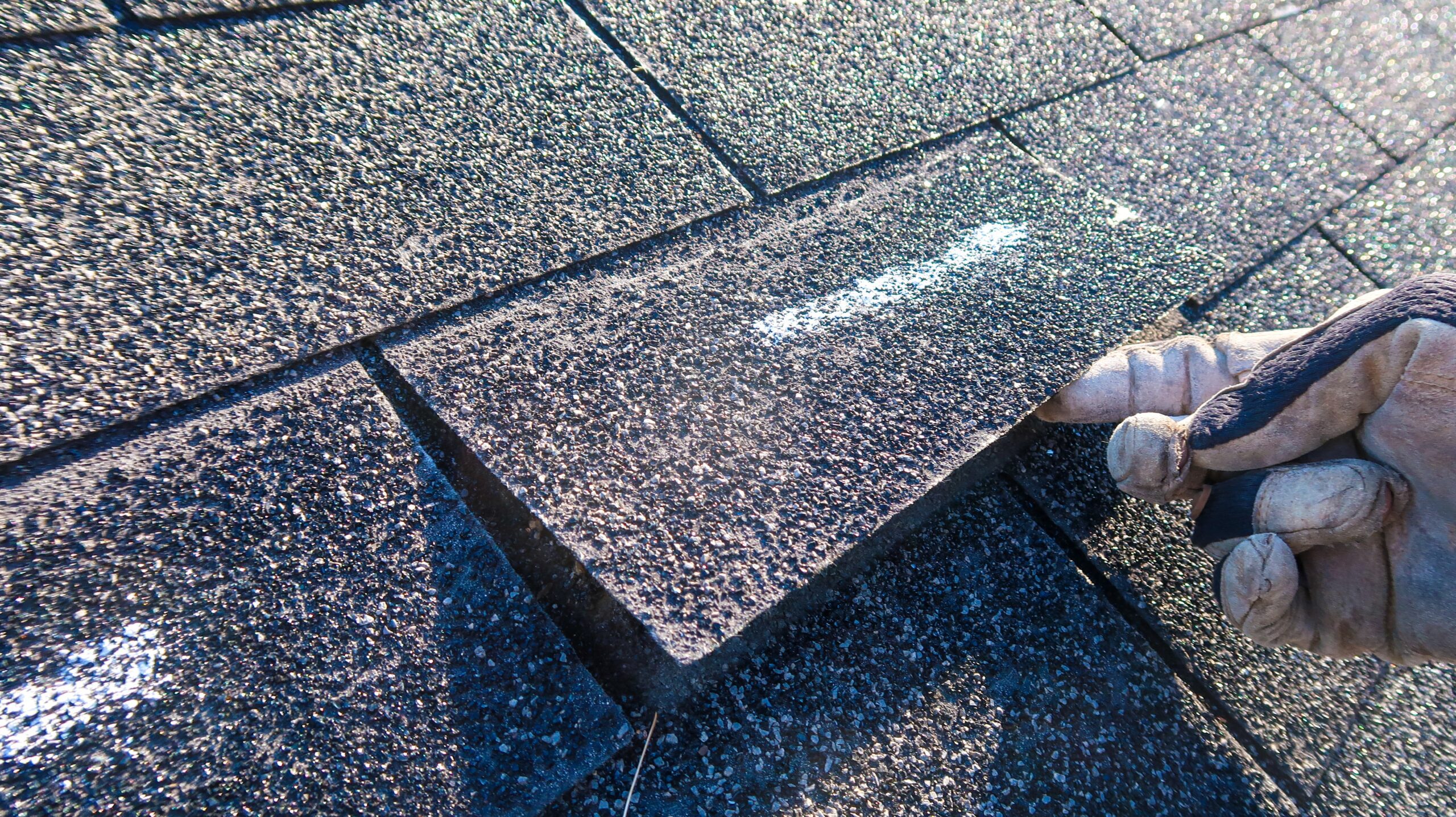
- Hail Damage Hail is subtle on flat roofs. It doesn’t always punch a hole straight through. It bruises the insulation underneath and creates "star fractures" in the membrane that might not leak for a year. Our inspectors are trained to spot these specific impact marks.
- Shrinkage (EPDM) On older rubber roofs, the membrane shrinks over time. This pulls on the perimeter flashings and the penetrations, causing the seams to unzip. If caught early, this can be repaired. If ignored, the whole roof can pull loose.
How Cola City Roofing Supports Your Business
At Cola City Roofing, we view ourselves as partners in your facility management. We aren’t just here to sell you a new roof; we are here to help you manage the one you have.
Our Inspection Process:
- Schedule: We work around your business hours to minimize disruption.
- Inspect: We perform a comprehensive, boots-on-the-roof analysis.
- Educate: We walk you through the report, explaining the "why" behind every recommendation. No jargon, just plain English.
- Execute: Whether it’s a simple cleaning or a complex repair, we handle it with our own trained crews.
We are local to Columbia, SC. We understand the local building codes, the weather patterns, and the needs of local business owners.
Conclusion: Knowledge is Power
A commercial roof inspection is one of the most powerful tools a facility manager has. It removes the guesswork. It eliminates the fear of the next rainstorm. It turns an unknown liability into a managed asset.
Don’t wait for the ceiling tile to fall. Take control of your building’s health today.
Is it time for a check-up? If it has been more than a year since a professional looked at your commercial roof, or if you have weathered a recent storm, contact us.
- Call us: (803) 446-8633
- Visit us online: Contact Us
- Learn More: Read about our specific roof repair services to see how we handle issues we find.
Let Cola City Roofing give you the peace of mind that comes from knowing your business is covered—literally.
Frequently Asked Questions About Roof Inspections
- How much does a commercial roof inspection cost? The cost varies based on the size of the roof, the complexity (number of levels and penetrations), and the ease of access. We provide custom quotes. However, many times inspection fees can be credited toward any repairs performed.
- Do I need to be present during the inspection? You do not need to be on the roof with us, but we recommend being available on-site so we can ask questions about leak history and access the interior to check for water stains.
- Will an inspection interrupt my business? Rarely. We are quiet and non-intrusive. Unless we need access to a specific secure area, your daily operations can continue as normal.
- How long does an inspection take? A small retail strip might take an hour. A large warehouse complex might take half a day. We will give you a time estimate when you schedule.
- If you find damage, do I have to use you for repairs? No. You are under no obligation. Our report is yours to keep. However, we hope our expertise and transparency demonstrate why we are the best choice to handle the repairs.
- Can you inspect for storm damage specifically? Yes. If you suspect hail or wind damage, we perform a specific type of inspection geared toward insurance documentation. Visit our Storm Damage Consultations page for details.
Internal Links for Further Reading:
- Roofing Services
- Blog: Commercial Roof Maintenance Programs (Check our feed for updates)
- About Us