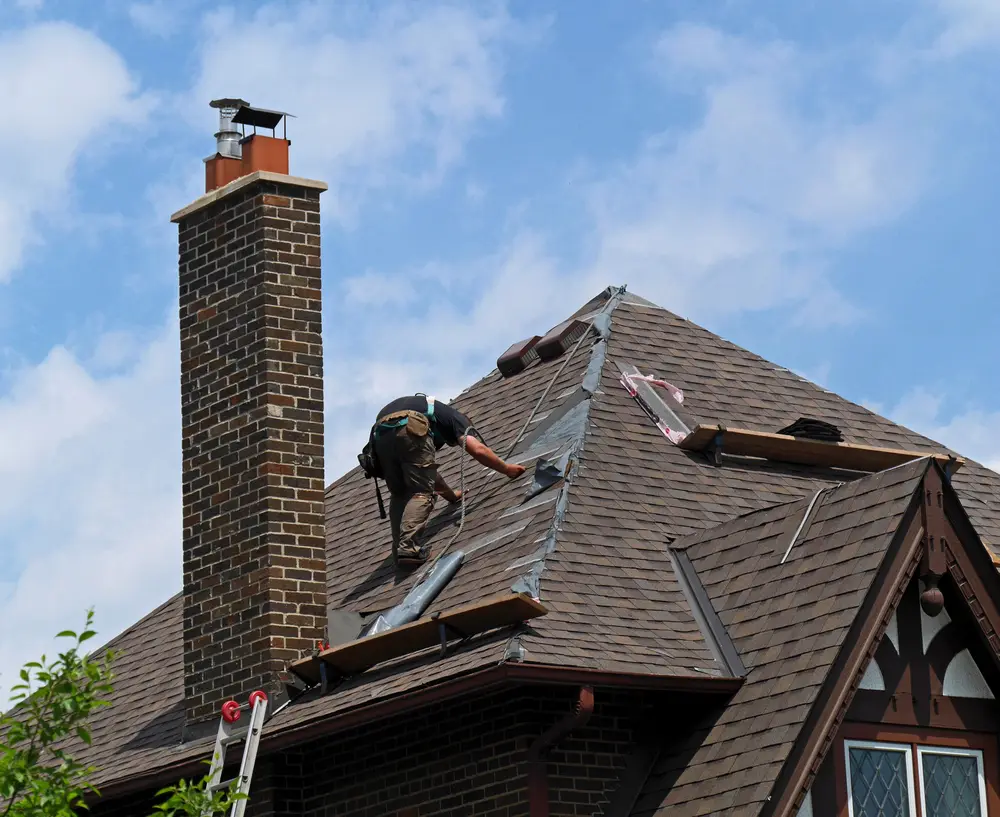
The fireplace is often the heart of the home—a gathering place for warmth, comfort, and family memories. But while you are enjoying the crackle of the fire inside, the exterior structure of your chimney is waging a constant battle against the elements. Rising above the roofline, your chimney is exposed to wind, rain, hail, and the relentless South Carolina sun.
At the intersection where this masonry giant meets your roof deck lies the most vulnerable point of your entire roofing system. This critical junction relies on a component that most homeowners never think about until water starts dripping into their living room: chimney flashing .
Chimney flashing is the unsung hero of a watertight roof. When installed correctly, it is an impenetrable shield. But when it fails—whether due to age, storm damage, or poor workmanship—the consequences can be disastrous. Water intrusion around a chimney can rot roof decking, damage insulation, and disrupt proper attic ventilation basics.
At Cola City Roofing , we have seen firsthand how a small flashing failure can turn into a major restoration project. As part of our comprehensive roofing services in South Carolina, we specialize in diagnosing and repairing these complex leaks. In this comprehensive guide, we will explore the anatomy of chimney flashing, why it fails, and how to ensure your home remains safe and dry.
What is Chimney Flashing and Why Does It Matter?
To understand the importance of flashing, you have to understand the movement of your home. Your house is not a static object. Wood expands and contracts with humidity and temperature changes. Your foundation settles slightly over time.
However, your chimney—typically built of brick, stone, or block—is a rigid, heavy structure that sits on its own independent foundation. It does not move in sync with the wood framing of your roof. This differential movement creates a dynamic gap between the chimney and the roof deck. You cannot simply seal this gap with caulk or tar; the movement would tear those sealants apart in months.
Chimney flashing is a system of metal sheets (usually aluminum, copper, or galvanized steel) designed to bridge this gap while allowing for movement. Its job is simple but vital: to intercept water flowing down the chimney or the roof and direct it away from the penetration point and onto the shingles.
The Anatomy of a Proper Flashing System
A professional chimney flashing installation is not a single piece of metal; it is a multi-layered system. If any one of these layers is missing or installed incorrectly, the system will fail.
- Base Flashing (or Apron Flashing): This is the bottom piece installed at the front (down-slope) of the chimney. It sits on top of the shingles and directs water onto the roof surface.
- Step Flashing: This is used along the sides of the chimney. Small L-shaped pieces of metal are woven between each course of shingles. Each piece of step flashing overlaps the one below it, ensuring that water is carried safely down the roof, step by step.
- Counter Flashing (or Cap Flashing): This is the most visible part. It is embedded into the mortar joints of the chimney masonry and hangs down over the base and step flashing. Its purpose is to prevent water running down the face of the brick from getting behind the flashings below.
- Cricket (or Saddle): If your chimney is wide (typically 30 inches or wider), building codes require a cricket. This is a small, peaked roof structure built behind the chimney (on the up-slope side) to divert water and debris around the chimney rather than letting it pool against the back wall.
Common Signs of Flashing Failure
Chimney leaks are notoriously tricky. Water can enter at the roofline but travel along rafters or ceiling joists before dripping into your home ten feet away from the chimney. However, there are common signs that point specifically to flashing failure.
1. Water Stains on the Ceiling or Walls
If you see brown, circular stains on the ceiling near your fireplace, or if the drywall around the chimney chase feels damp or crumbly, you have an active leak. This is the most obvious sign that water is bypassing your roofing system.
2. Dripping Sounds in the Firebox
Sometimes, you might hear water dripping inside the chimney flue itself. While this can sometimes be an issue with the chimney cap, it often indicates that water is entering through the flashing and soaking through the porous masonry.
3. Efflorescence on Brick
Have you noticed a white, chalky powder on the bricks of your fireplace? This is called efflorescence. It occurs when moisture inside the masonry evaporates, leaving behind salt deposits. While some moisture is normal, excessive efflorescence usually means the chimney is saturated with water, often due to poor flashing or a lack of waterproofing.
4. Visible Rust or Gaps
If you can see your chimney from the ground (use binoculars for a better view), look at the metal around the base. Do you see rust stains running down the roof? Does the metal look bent, lifted, or separated from the brick? Are there globs of black tar smeared around the base? (Tar is a temporary patch, not a permanent repair, and often signals a previous failed attempt to stop a leak).
5. Damaged Shingles Around the Chimney
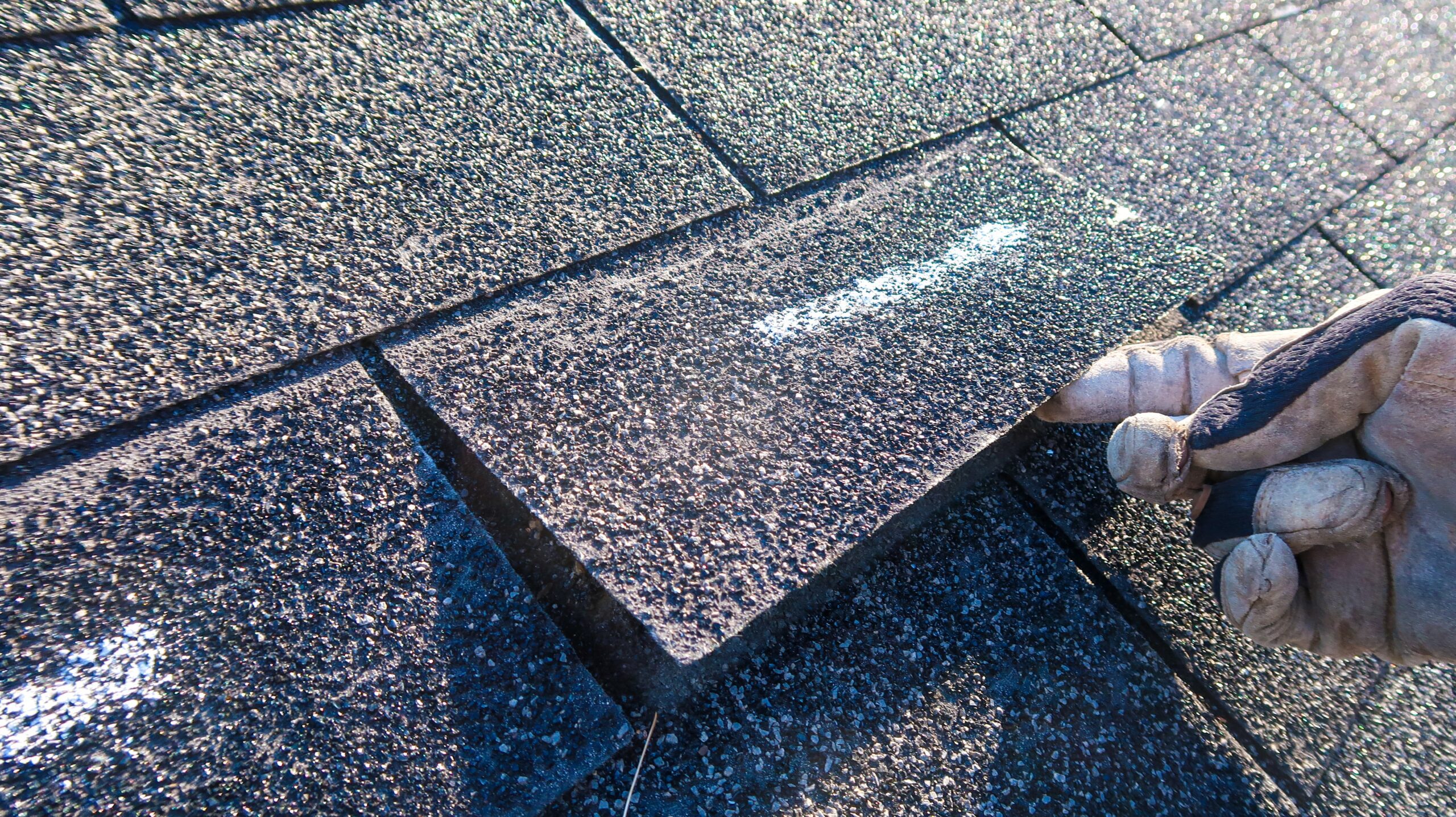
Are the shingles around the chimney curling, buckling, or missing granules? This can indicate that water is getting underneath them, or that heat escaping from a poorly insulated chimney chase is "cooking" the shingles from the bottom up.
Why Does Chimney Flashing Fail?
Even the best flashing job won’t last forever, but premature failure is common. Here are the top reasons why chimney flashing leaks in Columbia, SC.
The South Carolina Climate
Our local weather is tough on roofs. The intense summer heat causes metal flashing to expand, while sudden cooling during thunderstorms causes it to contract. Over years, this thermal cycling can work the metal loose from the mortar joints. Additionally, high winds from tropical storms can lift poorly secured flashing, driving rain underneath.
Improper Installation
This is, unfortunately, the most common cause we see. Installing flashing correctly requires skilled craftsmanship. It involves cutting into the mortar (called regleting) to secure the counter flashing. Many inexperienced roofers skip this step. Instead, they simply glue the metal to the brick with caulk. The sun eventually dries out the caulk, it cracks, and water pours right behind the metal.
At Cola City Roofing, we treat chimney flashing with the respect it deserves. We use proper reglet techniques and high-quality sealants to ensure a mechanical bond that lasts.
Settling Foundations
As mentioned earlier, your house and chimney move independently. If your home settles significantly, it can physically tear the flashing away from the brick or the roof deck. This is particularly common in older homes or homes built on shifting soil.
Lack of a Cricket
Water is powerful. When rainwater rushes down your roof and hits the flat back wall of a wide chimney, it pools. This standing water inevitably finds a way through the shingles or flashing. Without a cricket to divert this flow, the back of the chimney becomes a constant leak risk.
The Risks of Ignoring a Chimney Leak
A small drip might seem manageable with a bucket, but ignoring a chimney leak is a dangerous gamble. The damage is often happening where you can’t see it—inside the walls and attic.
- Wood Rot: The roof deck (the plywood your shingles sit on) and the structural framing around the chimney are made of wood. Constant moisture exposure causes this wood to rot, weakening the roof structure and potentially leading to a collapse.
- Mold Growth: Damp, dark attics are breeding grounds for mold. Mold can spread rapidly through your insulation and into your living space, posing serious health risks to your family.
- Masonry Damage: In the winter, water trapped inside the brick can freeze and expand (though less common in SC, we do get freezing temps). This freeze-thaw cycle causes the face of the brick to pop off (spalling) and cracks the mortar joints, leading to expensive masonry repairs.
How Cola City Roofing Fixes Chimney Flashing
When you call us for a chimney leak, we don’t just apply a band-aid. We perform a thorough inspection to identify the root cause. Our repair process is methodical and designed for longevity.
Step 1: Comprehensive Inspection
We inspect the chimney from the roof, checking the condition of the masonry, the cap, and the existing flashing. We also inspect the attic (if accessible) to trace the path of the water and assess any internal damage.
Step 2: Removing the Old System
We don’t layer new metal over old problems. We remove the shingles surrounding the chimney and strip away the old, failed flashing. This allows us to inspect the underlying wood decking for rot. If we find damaged wood, we replace it to ensure a solid nail base.
Step 3: Ice and Water Shield
Before any metal goes down, we install a high-temperature self-adhering membrane (Ice and Water Shield) around the base of the chimney. This rubberized layer seals around nails and provides a secondary, waterproof barrier against wind-driven rain.
Step 4: Installing Step Flashing
We weave new step flashing into each course of new shingles. We ensure each piece overlaps correctly to shed water effectively.
Step 5: Counter Flashing Installation
This is the craftsman’s touch. We cut a groove (reglet) into the mortar joints of your chimney. The top edge of the new counter flashing is inserted into this groove and secured with lead wedges or specialized masonry anchors. We then seal the joint with a high-performance polyurethane sealant. This ensures that even if water runs down the face of the brick, it cannot get behind the flashing.
Step 6: Cricket Installation (If Needed)
If your chimney is wide and lacks a cricket, we will frame and install a new one. This small investment can save you thousands in future leak repairs by managing water flow properly.
Chimney Maintenance: Prevention is Key
While flashing is critical, it is part of a larger system. Maintaining your chimney helps protect the flashing and the roof.
- Waterproofing the Brick: Brick is like a sponge. Applying a breathable masonry water repellent prevents the bricks from soaking up rain, which reduces efflorescence and freeze-thaw damage.
- Checking the Chimney Cap: A damaged or missing cap allows rain to pour directly down the flue. We can inspect and replace caps to keep animals and water out.
- Tree Trimming: Overhanging branches can drop leaves that pile up behind the chimney, trapping moisture against the flashing. Keep trees trimmed back to allow airflow and sunlight to dry the roof.
Integrating Flashing Repair with Roof Replacement
If your roof is nearing the end of its lifespan, it is the perfect time to address chimney issues. When ventilation is upgraded during roof replacement , we always replace the chimney flashing.
Trying to reuse old flashing on a new roof is a recipe for disaster. The metal is often fatigued, bent, or full of old nail holes. By installing a completely new flashing system integrated with your new roof, we can offer a comprehensive warranty that covers the entire assembly.
Conversely, if you need flashing repair but your roof is relatively new, we can perform a targeted Roof Repair Service . We carefully remove the surrounding shingles, replace the flashing, and install matching shingles to blend the repair seamlessly into your existing roof.
Why Choose Cola City Roofing?
Chimney flashing requires a specific skillset that bridges the gap between roofing and masonry. Not every general contractor or handyman understands the intricacies of water management at this critical junction.
At Cola City Roofing, we are specialists. We understand the specific challenges of Columbia homes.
- Local Expertise: We know how South Carolina weather impacts building materials and install systems designed to withstand our climate.
- Quality Materials: We use durable metals and top-tier sealants that won’t crack or peel after a few seasons.
- Transparency: We provide photos of the damage and explain our repair plan clearly. No hidden costs, no surprises.
- Financing: We offer flexible Financing options so you can protect your home immediately without financial stress.
Whether you are in Columbia, Lexington, Irmo, or any of our Service Locations , we are your neighbors, and we treat your home with the care it deserves.
Other Roof Penetrations Need Love Too
While the chimney is the "king" of roof penetrations, don’t forget the smaller subjects in the kingdom. Your roof likely has plumbing vent pipes and bathroom & kitchen vent exhaust systems, and perhaps even skylights.
- Pipe Boots: The rubber gaskets around plumbing vents (pipe boots) are a common source of leaks. The rubber dries out and cracks over time. We inspect these during every roof check-up.
- Skylights: Similar to chimneys, Skylight Installation requires precise flashing. If you have skylights, check out our guide on Skylight Leaks (Note: Link to relevant blog) to learn more.
- Solar Panels: If you have Solar Penetrations , ensuring the mounts are sealed is vital.
We take a holistic view of your roof. When we come out to look at your chimney, we’ll give the rest of your roof a health check-up too.
Storm Damage and Your Chimney
Did a recent storm roll through? High winds can tear counter flashing right out of the mortar. Hail can dent aluminum flashing, breaking the seal or damaging the protective coating.
Damage isn’t always visible from the ground. If you suspect your home has been hit by severe weather, schedule a Storm Damage Consultation . We can document the damage for your insurance claim and ensure your chimney is restored to pre-storm condition.
Conclusion: Don’t Let a Drip Become a Disaster
Your chimney adds character, warmth, and value to your home. Don’t let a flashing failure turn it into a source of stress. Water damage is progressive—it gets worse (and more expensive) every day it is ignored.
If you suspect a leak, or if your chimney flashing looks rusted and worn, contact the experts at Cola City Roofing. We will provide an honest assessment and a durable solution.
Check out our Projects: Before and Afters to see examples of our flashing work, or read our Reviews to see why Columbia homeowners trust us.
Visit our Contact Us page today to schedule your inspection. Keep the fire in the fireplace, and the water on the roof—where it belongs.
Additional Resources
For more information on keeping your home safe and dry, visit our Blog . We cover essential topics like Best Roofing Companies in Columbia SC and answer common homeowner queries on our Questions and Answers page.
Need help with gutters too? Proper drainage complements good flashing. Learn about our Gutter Installation Services and Gutter Repair Services .
Protect your biggest investment with Cola City Roofing.