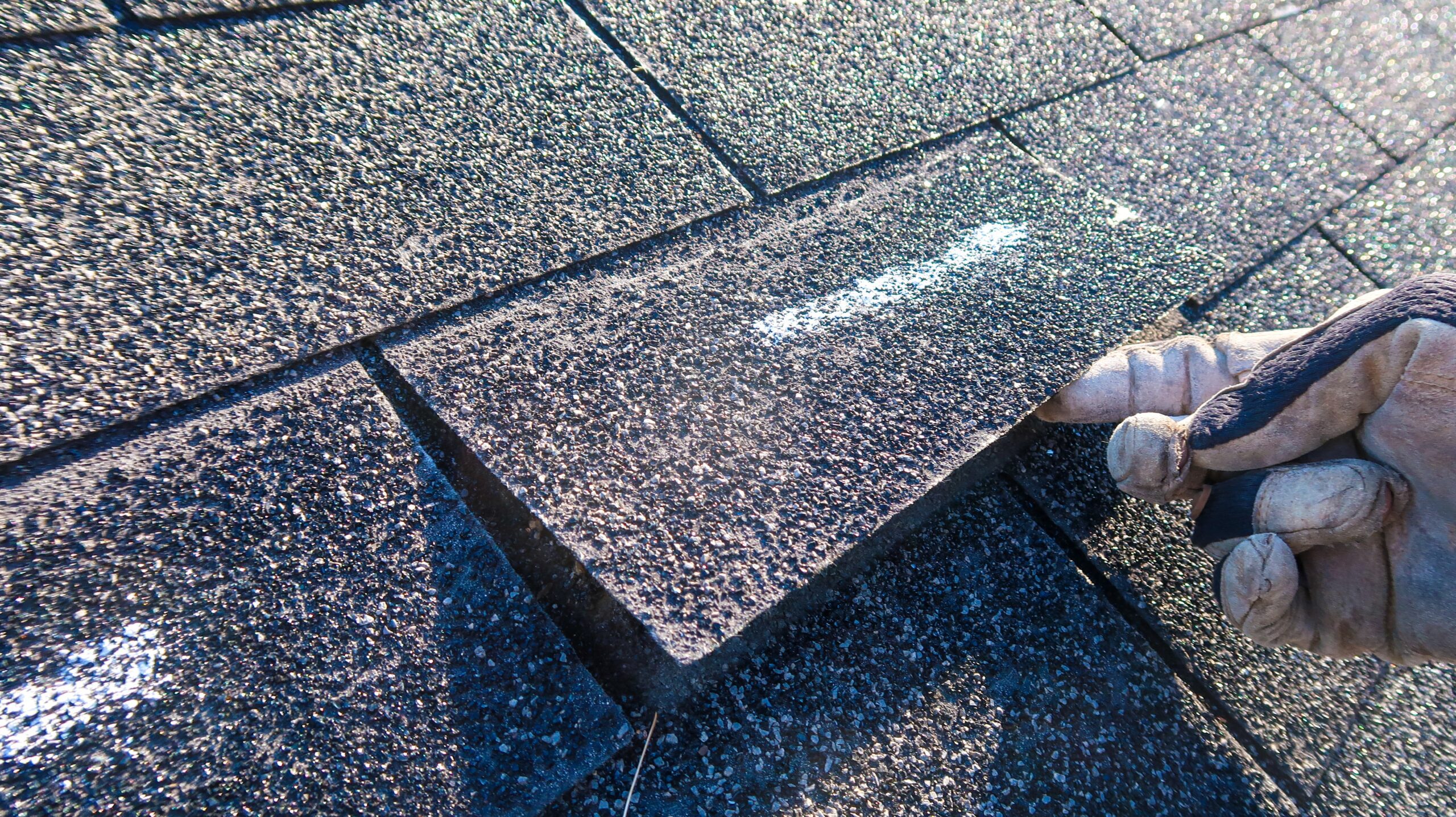
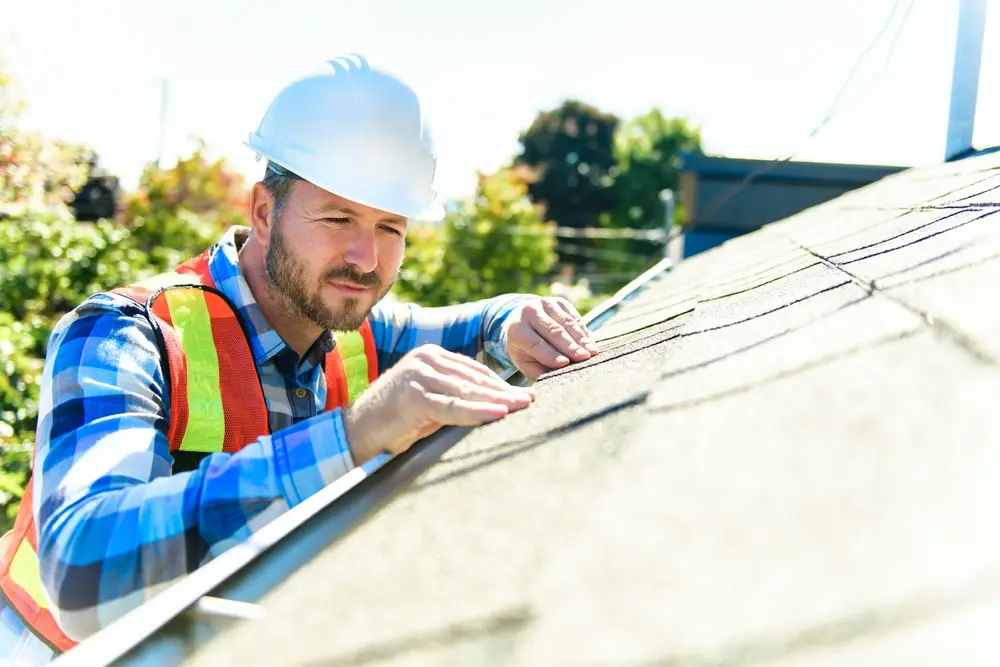
When you look up at your roof, you probably see shingles, maybe a chimney, and perhaps some gutters. But dotted across that expanse of asphalt or metal are small, unassuming pipes sticking straight up into the air. These are your plumbing vents, essential for allowing sewer gases to escape and for air to enter your plumbing system so water drains smoothly.
Surrounding the base of each of these pipes is a critical component known as a pipe boot .
Despite their small size and relatively low cost, pipe boots are responsible for a disproportionately large number of roof leaks in Columbia, SC. In fact, if you have a mystery stain on your ceiling and no obvious storm damage, a failed pipe boot is often the prime suspect.
At Cola City Roofing, as part of our comprehensive roofing services in South Carolina, we treat these small components with the seriousness they deserve. A cracked pipe boot might seem minor, but the water damage it allows can lead to thousands of dollars in repairs to your insulation, drywall, and flooring can lead to serious moisture buildup and mold inside your attic. In this comprehensive guide, we will pull back the curtain on this vital roofing accessory. We will explore what they are, why they fail so frequently in our South Carolina climate, and how we fix them to ensure your home remains watertight.
What is a Pipe Boot and Why Do You Need It?
A roof is designed to be a continuous shield against the elements. Every time you punch a hole in that shield—whether for a chimney, a skylight, or a plumbing vent—you create a potential entry point for water.
A pipe boot (also called a roof boot, pipe flashing, or vent boot) is the specialized flashing used to waterproof the penetration where a plumbing vent pipe exits the roof.
The Anatomy of a Pipe Boot
Most residential pipe boots consist of two main parts:
- The Flange (or Base): A flat, rectangular piece of metal or plastic that sits flush against the roof deck. It is interwoven with the shingles to ensure water runs over it, not under it.
- The Boot (or Sleeve): A flexible rubber or neoprene collar that rises from the center of the flange. This collar fits snugly around the pipe, creating a compression seal that prevents water from running down the side of the pipe and into your attic.
While there are all-metal versions (often made of lead or copper), the most common type found on homes in Columbia is the "neoprene pipe boot." These are affordable and effective, but they have a distinct weakness: the sun.
The Silent Killer: Why Pipe Boots Fail
If your roof shingles are rated to last 25 or 30 years, you might assume every part of your roof will last that long. Unfortunately, that is rarely the case with standard pipe boots.
In South Carolina, we experience intense UV radiation during our long, hot summers. This ultraviolet light attacks the rubber collar of the pipe boot. Over time—usually within 7 to 10 years—the rubber loses its elasticity. It becomes dry, brittle, and eventually cracks.
The Progression of Failure
- Hardening: The soft rubber becomes hard as a rock.
- Splitting: As the pipe expands and contracts with temperature changes, the hardened rubber can no longer stretch. It splits or tears.
- Separation: The rubber collar may separate entirely from the pipe, creating a gap.
- Leakage: Rainwater runs down the pipe, bypasses the failed seal, and enters the attic.
This creates a frustrating scenario for homeowners: You can have a perfectly good roof with 15 years of life left in the shingles, but still have active leaks because of a $20 rubber part.
Other Causes of Failure
- Squirrel Damage: For reasons known only to them, squirrels and other rodents sometimes chew on the lead or rubber of pipe boots, sharpening their teeth and destroying your waterproofing in the process.
- Improper Installation: If the nails used to secure the base are placed too close to the pipe or are not sealed properly, they can become leak points.
- Storm Damage: High winds can lift the shingles around the boot, or hail can crack plastic bases. If you suspect weather damage, our Storm Damage Consultations can help determine if insurance should cover the repair.
Detecting a Pipe Boot Leak: What to Look For
Pipe boot leaks are sneaky. The water often runs down the outside of the plumbing pipe inside your walls, meaning the leak might manifest far below the roofline.
Interior Signs
- Peeling Paint or Wallpaper: Often seen in bathrooms or kitchens near the ceiling.
- Stains in Closets: Plumbing vents often run through closet walls. Check the ceilings of your upper-floor closets for yellow or brown rings.
- Cabinet Damage: If the leak travels all the way down to the sink, you might find water damage inside your sink vanity or kitchen cabinet.
- Musty Smells: Damp insulation in the attic or walls can create a persistent mildew odor, even if you don’t see water.
Exterior Signs (The Eye Test)
You can often spot a bad pipe boot from the ground with a good pair of binoculars.
- Cracked Rubber: Look closely at the collar around the pipe. Does it look frayed or split?
- Missing Collar: Sometimes the entire rubber top shears off and slides down the pipe.
- Rust: On metal bases, excessive rust can lead to pinhole leaks.
- Lifted Shingles: Are the shingles around the base of the pipe lying flat? If they are humped up, the boot may be installed incorrectly.
Repair vs. Replacement: The Cola City Roofing Approach
When a pipe boot fails, there are a few ways to address it. However, not all fixes are created equal. We have seen plenty of "handyman specials" involving duct tape or buckets of tar. These are temporary patches that often fail within months.
At Cola City Roofing, we believe in doing it right. Here is how we handle pipe boot issues.
The "Rain Collar" Fix (The Temporary Solution)
If the rubber boot is cracked but the base flashing is still sound, a "rain collar" can be installed. This is a rubber ring that slides over the pipe and sits on top of the old, cracked boot, acting like an umbrella. It covers the crack and diverts water away.
- Pros: Fast, inexpensive, no shingle removal required.
- Cons: It doesn’t fix the underlying issue; it just covers it. It is a maintenance item that will eventually fail too.
The Full Replacement (The Permanent Solution)
This is our recommended method for a long-lasting repair.
- Remove Shingles: We carefully remove the shingles surrounding the pipe to expose the flange of the old boot.
- Remove Old Boot: We pull the nails and remove the failed unit entirely.
- Inspect Decking: We check the wood roof deck around the pipe. If the leak has been active for a while, the wood may be rotted. We replace any damaged wood to ensure a solid nail base.
- Install New Boot: We install a high-quality new pipe boot. We prefer boots with UV-resistant collars or all-lead boots that can last as long as the roof itself.
- Ice and Water Shield: We often install a layer of self-adhering membrane around the pipe for extra protection.
- Re-shingle: We install new shingles that match your existing roof as closely as possible, weaving them properly over the flange to ensure water sheds correctly.
This comprehensive approach is part of our standard Roof Repair Services . We don’t just stop the leak; we restore the integrity of the roofing system.
Why We Recommend Upgraded Pipe Boots
Since standard neoprene boots have a known shelf life, many homeowners ask: "Is there something better?"
Yes. When we perform a full Roof Replacement Service , or when we replace a failed boot, we often recommend upgrading to Lead Pipe Boots or specialized Bullet Boots .
Lead Pipe Boots
Lead is a soft, malleable metal. A lead pipe boot is formed from a single sheet of lead. The top is folded down into the pipe, creating a permanent seal without any rubber or caulking.
- Longevity: Lead can last 50+ years. It is immune to UV damage.
- Squirrel Defense: While squirrels can chew lead, it is harder for them to destroy than rubber.
- Cost: Slightly more expensive upfront but pays for itself by never needing replacement.
Bullet Boots
These are heavy-duty PVC boots designed to cover the pipe completely. They have a built-in screen to prevent debris (and critters) from falling into the plumbing vent. They are aesthetically pleasing, coming in colors to match your shingles, and are incredibly durable against UV rays.
The Importance of Routine Maintenance
Because pipe boots fail faster than shingles, they are the number one reason you need regular roof maintenance. Waiting for a leak to appear means damage has already been done.
We recommend a professional roof inspection every 1-2 years. During this inspection, we check every pipe boot for signs of dry rot or cracking. Catching a failing boot early allows us to replace it before water enters your attic.
If you are uncomfortable climbing a ladder (and you should be—roofs are dangerous!), let our team handle it. While we are up there, we can also check for other maintenance items, such as the need for Gutter Repair Services or inspecting Chimney Flashing .
Pipe Boots and Roof Cleaning
Have you noticed black streaks or moss on your roof? While cleaning is great for curb appeal, you have to be careful around pipe boots. High-pressure washing can blast water under the rubber collar or tear aged rubber apart.
At Cola City Roofing, we offer Roof Softwash & Roof Cleaning . This method uses low-pressure water and specialized cleaning solutions to remove algae and moss safely. We take special care to protect your pipe boots and other sensitive penetrations during the cleaning process.
Dealing with Animal Damage
We briefly mentioned squirrels, but it bears repeating: rodents love pipe boots. If you have trees overhanging your roof, you are providing a highway for squirrels to access your vents.
If we find animal damage on your pipe boots, we can install lead caps or specialized protective covers (like "Critter Quitter" guards) to prevent future chewing. We also recommend trimming back tree branches to make access more difficult for pests.
Other Roof Penetrations to Watch
While pipe boots are the most common offenders, your roof has other holes that need guarding.
- Exhaust Vents: Exhaust vents from kitchens and bathrooms can create major problems if not installed correctly. These have their own flashing systems that can fail.
- HVAC Flues: The metal pipes for your furnace or water heater require metal storm collars.
- Solar Mounts: If you have solar panels, each mounting point is a penetration. Learn more about how we handle Solar Penetrations .
We inspect all of these during our visits because proper attic ventilation basics depend on every penetration being sealed correctly.
DIY vs. Professional Repair
We understand the DIY impulse. You see a cracked rubber boot, watch a YouTube video, and think, "I can fix that with a tube of caulk."
Here is why we advise against DIY pipe boot repair:
- Safety: Falling off a roof can be fatal. It is not worth the risk to save a service call fee.
- Improper Sealing: Slathering tar or caulk around the base can actually trap water behind the boot, causing it to rot the deck faster. Water needs to flow freely.
- Shingle Damage: To replace a boot correctly, you have to manipulate shingles. In cold weather, shingles are brittle and crack easily. In hot weather, they can tear. Our pros know how to handle shingles without destroying them.
- Warranty: DIY repairs often void your roof warranty. Our repairs come with a workmanship guarantee.
Financing Your Repairs
Finding out you have multiple failed boots and some rotted decking can be an unexpected expense. We believe a dry home shouldn’t be a financial burden. That is why we offer flexible Financing options. We can bundle pipe boot replacements with other needed services, like Gutter Installation or Skylight Replacement , into one manageable monthly payment.
Trust Cola City Roofing with the Details
In the grand scheme of a house, a pipe boot is a tiny detail. But at Cola City Roofing, we know that the details are what keep you dry. We have built our reputation in Columbia, SC, by sweating the small stuff. We don’t cut corners on flashing, we don’t use cheap materials, and we don’t ignore the little rubber collars that protect your home.
Whether you need a simple boot replacement or a complete roof overhaul, we are here to help. Check our Service Locations to see if we are in your neighborhood. You can also browse our Projects: Before and Afters to see the quality of our work for yourself.
Don’t let a $20 part cause $2,000 in damage. If your roof is over 7 years old, your pipe boots are likely living on borrowed time.
Visit our Contact Us page today to schedule an inspection. Let us give you the peace of mind that comes with a truly watertight roof.
Additional Roofing Resources
Want to learn more about how to protect your home? Visit our Blog for articles on topics like Best Roofing Companies in Columbia SC and advice on handling Storm Damage Roof Repair in Columbia SC .
You can also find answers to common questions on our Questions and Answers page. At Cola City Roofing, we are dedicated to educating our customers so they can make the best decisions for their homes.