When most homeowners think about water damaging their roof, they look up at the clouds. They worry about torrential downpours, hail storms, or a missing shingle letting the rain in. It is a natural concern; keeping the weather out is, after all, a roof’s primary job.
However, there is another source of water that is just as destructive, but it attacks from the inside out. It doesn’t come from a storm cloud; it comes from your shower, your stove, and even your own breath. This enemy is condensation , and if your attic isn’t properly ventilated, it can turn the space above your head into a breeding ground for mold, mildew, and rot.
At Cola City Roofing, through our comprehensive roofing services in South Carolina, we have inspected countless homes in Columbia, SC, where the roof looked perfect from the street, but the attic told a different story. We have seen roof decks black with mold and rafters softened by rot—all because the house couldn’t breathe.
In this comprehensive guide, we will explore the science of moisture buildup, the dangers of attic mold, and how a properly designed ventilation system is your best defense against this invisible threat.
Where Does the Moisture Come From?
You might be wondering: "My roof doesn’t leak, so how is water getting into my attic?"
The answer lies in the daily activities of your household. An average family of four generates between 2 to 4 gallons of water vapor every single day.
- Cooking: Boiling pasta or simmering soup releases steam.
- Bathing: Hot showers create massive humidity clouds.
- Laundry: Drying clothes (if not properly vented) pumps moisture into the air.
- Breathing: Yes, simply breathing releases moisture.
The Stack Effect Warm air holds more moisture than cold air. Because warm air is lighter, it rises. This creates a phenomenon known as the "stack effect" or the "chimney effect." The warm, humid air generated in your living spaces moves upward, passes through the ceiling (via light fixtures, attic hatches, and wiring holes), and ends up in your attic.
If your attic is a dead end—meaning there is no ventilation to carry that air out—the moisture is trapped.
The Science of Condensation: The "Sweaty Can" Effect
To understand why trapped moisture is dangerous, you need to understand the dew point.
Think about a cold can of soda sitting outside on a hot, humid South Carolina afternoon. Within minutes, water droplets form on the outside of the can. The can isn’t leaking; the water is coming from the air. When warm, humid air hits a cold surface, it can no longer hold its moisture, and that moisture condenses into liquid water.
This same process happens in your attic. In the winter, the plywood or OSB decking that supports your shingles gets very cold. When the warm, moist air rising from your house hits that cold roof deck, it condenses.
Without airflow to dry it out, this condensation soaks into the wood. Over weeks and months of winter weather, your roof deck can become saturated, creating the perfect environment for biological growth.
The Dangers of Attic Moisture
Moisture buildup isn’t just a nuisance; it is a rapid destroyer of building materials and a potential health hazard.
1. Mold and Mildew Growth
Mold spores are everywhere in the environment, waiting for the right conditions to grow. They need three things: a food source (wood/paper), a comfortable temperature, and moisture. Your damp attic provides all three.
Once mold takes hold on your rafters and roof sheathing, it spreads quickly.
- Health Risks: Mold releases spores and mycotoxins. Because air in your home circulates, these spores can be pulled down into your living space through the HVAC system or ceiling leaks, triggering allergies, asthma attacks, and respiratory issues for your family.
- Remediation Costs: Removing extensive mold growth is difficult and expensive. It often requires professional remediation teams to blast the wood with dry ice or chemicals.
2. Wood Rot and Structural Failure
Wood that stays wet will eventually rot. This is a biological decomposition process. The structural trusses and rafters that hold up your roof are made of wood. If moisture penetrates deep into the fibers, the wood softens and loses its load-bearing capacity.
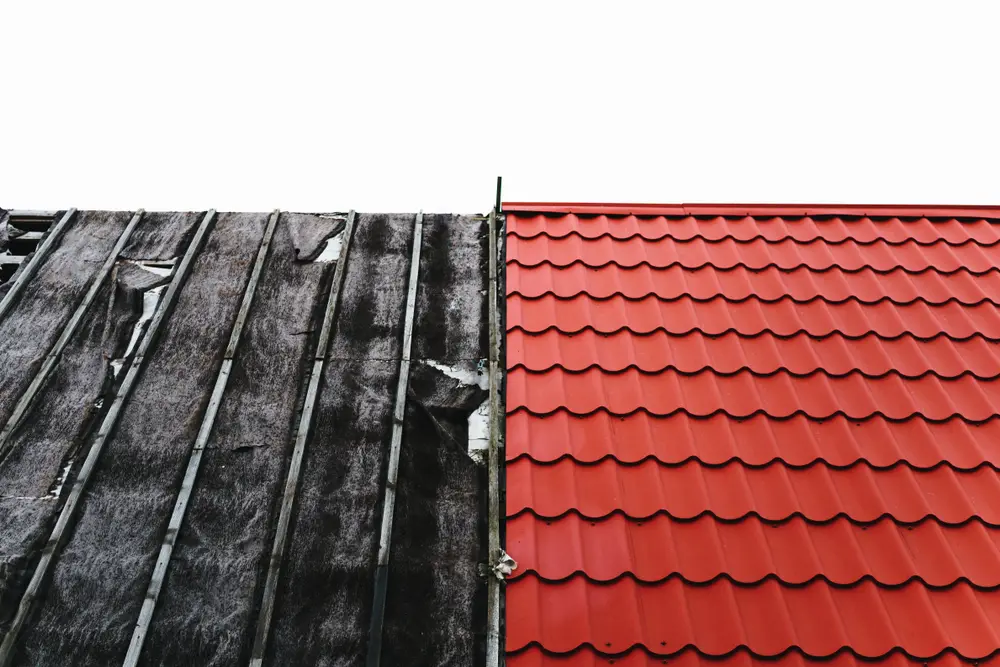
We have performed Roof Replacement Services where the decking was so rotted from internal moisture that it crumbled under our feet. Replacing structural framing is significantly more expensive than simply replacing shingles.
3. Ruined Insulation
Most attics use fiberglass or cellulose insulation. These materials work by trapping pockets of air to resist heat flow.
When insulation gets wet from dripping condensation (often called "attic rain"), it collapses. The air pockets disappear, and the material becomes a conductor of heat rather than an insulator. Wet insulation is useless and severely impacts energy efficiency. It creates a thermal bridge that pulls heat out of your home in winter, driving up your energy bills while inviting more condensation.
4. Shingle Failure
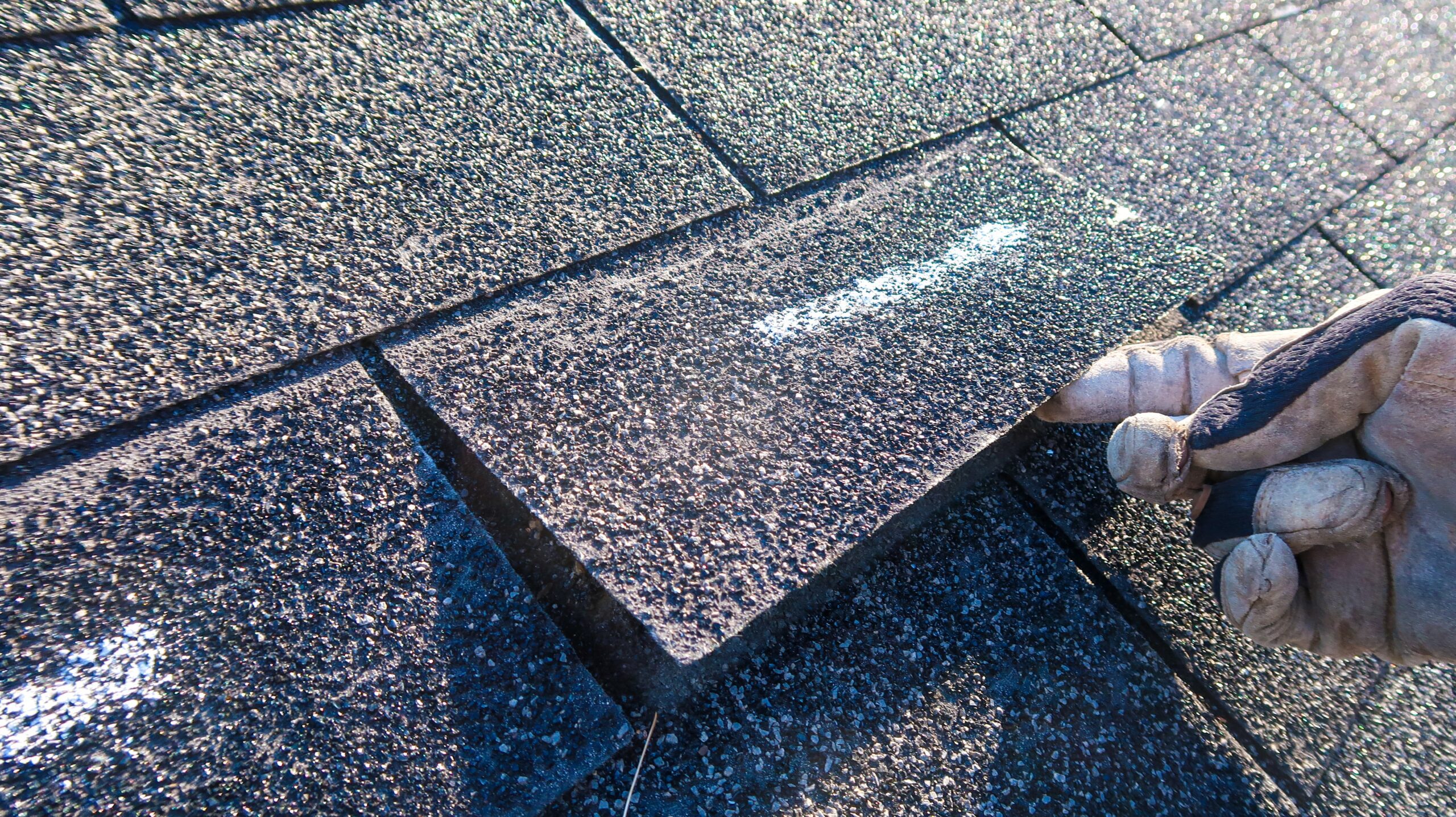
Moisture can also attack from underneath the shingles, shortening your roof lifespan. If the roof deck is constantly damp, the moisture can migrate upward into the shingles themselves. This can cause the shingles to curl, buckle, or lose their granular coating prematurely. Manufacturers may void warranties if they find the damage resulted from poor ventilation rather than material defects.
Signs You Have a Moisture Problem
You don’t always have to climb into the attic to know there is an issue, though a physical inspection is best. Here are signs that moisture is winning the battle in your home.
The "Rusty Nail" Test
If you do pop your head into the attic, look at the nails protruding through the roof deck. In a healthy, dry attic, these nails should look relatively new or slightly oxidized. If they are rusty, or if they have frozen droplets of ice on them in winter, you have a high-humidity problem.
Dark Stains on Wood
Look at the plywood sheathing above you. It should be the color of natural wood. If you see dark gray or black stains, especially near the nails or in the corners, that is mold or mildew beginning to form.
Damp Insulation
Touch the top layer of insulation. It should feel dry and fluffy. If it feels heavy, matted, or damp to the touch, it is absorbing water dripping from the roof deck.
Musty Smells
If you go into your upstairs bedrooms or open the attic hatch and are hit with a heavy, musty, earthy smell, active mold growth is likely nearby.
Foggy Windows
While not always caused by the attic, persistent condensation on the inside of your home’s windows indicates humidity levels in the house are too high. If that humidity is on your windows, it is definitely in your attic too.
The Solution: Ventilation is the Cure
The only way to stop moisture buildup is to ensure it never has a chance to settle. You need to sweep it out of the attic before it touches a cold surface. This is the job of your ventilation system.
Ventilation is a continuous cycle of Intake and Exhaust .
1. Intake (The Fresh Air)
Cool, dry air enters the attic at the lowest point, typically through soffit vents located under the eaves of your roof. This air is drier than the air inside the attic.
2. The Sweep
As this fresh air enters, it travels up along the underside of the roof deck. It acts like a broom, picking up the warm, moist air and carrying it upward.
3. Exhaust (The Exit)
The moisture-laden air is pushed out through exhaust vents at the highest point of the roof, such as ridge vents or box vents.
When this system is balanced properly (50% intake, 50% exhaust), it exchanges the air in your attic regularly. It prevents the air from becoming stagnant and saturated, keeping the wood dry and the mold away.
Common Ventilation Mistakes That Cause Mold
Installing vents isn’t enough; they have to be installed correctly . At Cola City Roofing , we often fix ventilation mistakes made by builders or previous contractors that led to mold issues.
Blocked Soffit Vents
This is the #1 cause of attic moisture we see. When insulation is blown into an attic, it is easy for the installer to accidentally cover the soffit vents at the edge of the roof.
If the intake is blocked, the exhaust vents at the top have no air to pull from. The airflow stops dead. The moisture sits in the attic and festers. We install baffles (also called rafter mates)—plastic chutes that hold the insulation back and guarantee a clear channel for air to flow from the soffit.
Bathroom Fans Venting Into the Attic
This is a critical error. Your bathroom exhaust fan is designed to remove steam from your shower. If that fan simply dumps that steam directly into the attic space instead of ducting it all the way to the outside (through the roof or a gable wall), you are literally pumping water into your attic.
During our Storm Damage Consultations and inspections, we check to ensure all bathroom and kitchen fans are vented completely to the exterior of the home.
Unbalanced Systems
If you have a powerful ridge vent but no soffit vents, the ridge vent might actually pull air from inside your house through ceiling leaks to feed its demand for air. This sucks warm, humid house air into the attic faster, accelerating the condensation problem. Balance is key.
Preventing Moisture Before It Starts
Ventilation is the primary defense, but a holistic approach involves limiting how much moisture gets into the attic in the first place.
Air Sealing the Attic Floor
Ideally, your living space should be sealed off from your attic. By sealing gaps around light fixtures, plumbing pipes, and the attic hatch with spray foam or caulk, you stop the "stack effect" from pushing humid house air into the cold attic. This makes your ventilation system’s job much easier.
Controlling Home Humidity
In the humid South, managing indoor humidity is a battle. Using dehumidifiers in basements and crawl spaces, and ensuring your AC is sized correctly to remove humidity, will reduce the moisture load on your attic.
How Cola City Roofing Helps You Fight Mold
Protecting your home from mold and rot requires a professional eye. At Cola City Roofing, we don’t just look at shingles; we look at the health of the entire roofing system.
Here is how we help homeowners in Columbia, SC prevent moisture disasters:
1. Comprehensive Attic Inspections
We don’t guess; we verify. When you call us for a check-up or Roof Repair Service , we assess your current ventilation levels. We calculate whether you have enough Net Free Area (NFA) to handle the square footage of your attic.
2. Custom Ventilation Design
Every roof is unique. A hip roof needs a different strategy than a gable roof.
- We install high-efficiency Ridge Vents for maximum airflow on standard peaks.
- We utilize Box Vents or power fans for complex roof lines.
- We retrofit Intake Vents (like drip-edge vents) for older homes that lack soffits.
3. Protecting Your Investment
If we are performing a Roof Replacement Service , we replace any rotted decking we find. We don’t cover up problems. We remove the moldy wood, install fresh decking, and then install a balanced ventilation system to ensure the rot never comes back.
4. Gutter Management
Believe it or not, your gutters play a role. Clogged gutters can cause water to back up and rot the fascia board and soffit area, which can block intake vents and introduce moisture into the attic perimeter. Our Gutter Installation Services ensure water flows freely away from your home.
The Cost of Inaction
Ignoring attic moisture is a gamble with high stakes.
- The cost of ventilation: Installing proper vents usually costs a few hundred to a few thousand dollars, depending on the scope.
- The cost of inaction: Replacing a rotted roof structure and remediating mold can cost tens of thousands of dollars and displace you from your home during repairs.
Furthermore, a moldy attic can make your home difficult to sell. Home inspectors are trained to look for black stains on roof decking. Finding them can kill a real estate deal instantly.
Conclusion: Let Your Roof Breathe, Keep the Mold Out
Your home is likely your biggest investment. Protecting it means looking beyond the curb appeal and understanding the physics of how it operates.
Moisture is persistent. It moves silently and works slowly, but the damage it causes is real. The good news is that with proper ventilation, moisture is easily managed. By establishing a constant flow of fresh air, you keep your attic dry, your wood strong, and your family safe from mold.
Don’t wait until you smell mildew or see a sagging roofline. If you are unsure about the state of your attic’s health, let the experts at Cola City Roofing take a look.
Ready to secure your home?
- Verify your safety: Schedule an inspection via our Contact Us page.
- See our work: Browse our Projects Before and Afters to see clean, well-vented roof installs.
- Read our reputation: Check our Reviews to see why your neighbors trust us.
Visit our Service Locations to see if we serve your neighborhood. Let’s make sure your roof is healthy, dry, and built to last.
Frequently Asked Questions
Does spray foam insulation prevent mold? Spray foam insulation applied to the underside of the roof deck creates a "conditioned" or "unvented" attic. In this specific design, the attic becomes part of the interior space, and outdoor ventilation is sealed off. This does prevent condensation on the roof deck because the foam prevents the warm air from touching the cold deck. However, this must be done correctly by a professional, or it can trap moisture elsewhere.
Can I just remove the mold myself with bleach? For small spots on surface wood, DIY solutions might work temporarily. However, bleach often doesn’t penetrate porous wood deeply enough to kill the roots of the mold. If the ventilation issue isn’t fixed, the mold will return within weeks. Professional remediation combined with ventilation correction is the only permanent cure.
Is it normal for my attic to be damp in the winter? No. Your attic should be dry year-round. If you see dampness, frost, or wet insulation, your ventilation system is failing to remove the moisture generated by your home.
Will a dehumidifier in the attic help? Putting a dehumidifier in a vented attic is useless because you are trying to dehumidify the great outdoors. The air is constantly being exchanged. A dehumidifier is only effective in a sealed (unvented) space. The solution for a vented attic is more airflow, not mechanical drying.
How do I know if my bathroom fan is vented correctly? Go into the attic and find the fan housing. Follow the duct pipe attached to it. It should go to a vent hood on the roof or a vent on the side wall. If the pipe just ends in the middle of the attic, or is aimed at a soffit vent (where the moist air will just get sucked back in), it needs to be fixed immediately.
- Attic Ventilation Basics
- Ridge Vents vs. Box Vents
- Visit Our Blog for more home maintenance tips.