Every homeowner in South Carolina dreads the arrival of the monthly utility bill during the peak of summer or the dead of winter. We often look at the thermostat with suspicion, wondering if bumping it up just one degree will make a difference. We invest in double-paned windows, add extra insulation, and buy high-efficiency HVAC units, all in the name of saving energy.
But there is a massive, often overlooked factor that dictates how much energy your home consumes: Attic Ventilation.
At Cola City Roofing, through our comprehensive roofing services in South Carolina, we frequently meet homeowners who are baffled by their high energy costs. Their AC unit is new, their windows are sealed, yet their upstairs rooms feel like a sauna in July. The problem usually isn’t the air conditioner; it’s the air above the air conditioner.
In this comprehensive guide, we will explore the critical link between roof ventilation and energy efficiency. We will explain how a well-vented attic acts as a thermal buffer for your home, reduces the strain on your HVAC system, and ultimately keeps more money in your wallet.
The Thermodynamics of Your Attic
To understand why ventilation saves energy, you first have to understand what happens inside an enclosed attic space. Your attic is essentially a giant air pocket sitting on top of your living space.
The Summer "Heat Sponge" Effect
In Columbia, SC, solar radiation is intense. On a sunny, 95°F day, the sun beats down on your roof shingles. Dark shingles absorb this heat and transfer it through the roof deck into the attic air.
Without proper ventilation to flush this heat out, the attic acts like a greenhouse or a parked car with the windows rolled up. The temperature inside can easily soar to 150°F or higher .
This superheated air mass doesn’t just stay in the attic. According to the laws of thermodynamics, heat always moves to cooler areas. This means that 150-degree heat is constantly trying to push its way down into your 75-degree living room. It radiates through the insulation, heats up your drywall ceilings, and warms the air inside your home.
The Winter Moisture Battle
In the winter, the dynamic shifts. You are heating the inside of your home. Warm air rises and inevitably leaks into the attic. If that attic is poorly vented, the warm air hits the cold roof deck and condenses, making insulation wet.
Wet insulation is useless insulation. Water conducts heat far better than air does. When fiberglass insulation gets damp, it loses its R-value (its ability to resist heat flow). This means the heat you are paying to generate flows right out of your roof, forcing your furnace to run longer to maintain the temperature.
How Proper Airflow Reduces Cooling Loads
The primary way ventilation improves energy efficiency in the South is by reducing the "cooling load"—the amount of heat your air conditioner must remove to keep your house comfortable.
1. Reducing Radiant Heat Transfer
Your ceiling insulation acts as a barrier, but it is not a fortress. Even the best insulation has a limit to how much heat it can stop. The greater the temperature difference between your attic and your living space (known as the Delta T), the faster heat transfers.
- Scenario A (Poor Ventilation): Attic is 150°F. Living space is 75°F. Difference = 75 degrees. Your insulation is overwhelmed, and heat pours through the ceiling.
- Scenario B (Good Ventilation): Attic is 105°F (much closer to outside air temp). Living space is 75°F. Difference = 30 degrees.
By using a balanced system of intake and exhaust vents (like ridge vents and soffit vents), you constantly flush out the superheated air and replace it with outdoor air. This keeps the attic temperature much lower, significantly reducing the amount of heat pressing down on your ceilings.
2. Protecting Ductwork Efficiency
In many homes, the HVAC ductwork runs through the attic. If you have a "hot attic," your ducts are essentially running through an oven.
Even if your ducts are insulated, they aren’t immune to 150-degree heat. The air you paid to cool down to 55 degrees at the AC unit might warm up to 65 degrees by the time it travels through the hot attic to your bedroom vent. This loss of efficiency means your AC has to run longer cycles to cool the room, consuming significantly more electricity.
Proper ventilation cools the environment surrounding your ducts, ensuring that the cold air stays cold until it reaches you.
The Strain on Your HVAC System
Your Heating, Ventilation, and Air Conditioning (HVAC) system is likely the most expensive appliance in your home. It is also the biggest energy consumer.
When an attic is poorly ventilated, your HVAC system is forced to work overtime.
Continuous Runtime
When heat radiates down from the attic, your thermostat senses the temperature rise almost immediately after the AC shuts off. This causes "short cycling" or continuous running. Instead of running for 20 minutes and resting for 20, the unit runs for 45 minutes and rests for 10.
This extra runtime translates directly to kilowatt-hours on your electric bill.
Premature Equipment Failure
Imagine running a marathon in a sauna. That is what your HVAC system does in a hot attic. The excessive heat and the demand for continuous operation cause wear and tear on the compressor, blower motor, and capacitors.
A system that should last 15-20 years might fail in 10 if it is constantly fighting a poorly ventilated attic. By improving ventilation, you aren’t just lowering monthly bills; you are deferring the massive capital cost of replacing your AC unit.
If you suspect your roof system is contributing to HVAC strain, we can assess your ventilation during a routine checkup. Visit our Contact Us page to schedule an inspection.
The Role of Insulation vs. Ventilation
A common misconception is that if you add enough insulation, you don’t need to worry about ventilation. This is false. In fact, insulation and ventilation are partners; they work best when they work together.
The Blanket Analogy
Think of insulation as a heavy wool blanket. If you wear a wool blanket in the summer sun, you will still get hot because the heat builds up underneath it. You need a breeze (ventilation) to carry that heat away.
- Insulation resists heat transfer.
- Ventilation removes heat.
If you add 20 inches of insulation to your attic floor but block your soffit vents, you trap heat in the attic even more effectively. This heat will eventually saturate the insulation and radiate down. Conversely, if you have great ventilation but no insulation, the conditioned air from your home will escape too easily.
At Cola City Roofing , when we perform Roof Replacement Services , we often inspect the insulation levels to ensure they complement the new ventilation system we are installing.
Cool Roofs and Radiant Barriers
In the quest for energy efficiency, ventilation is step one. But there are other technologies that can work alongside ventilation to maximize savings.
Radiant Barriers
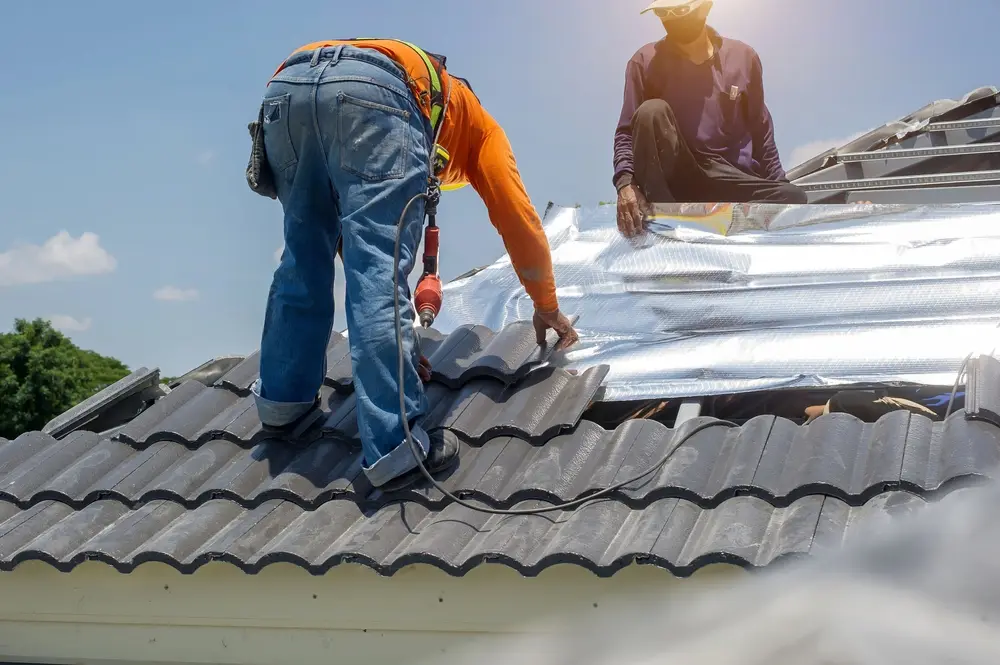
A radiant barrier is a reflective material (usually aluminum foil bonded to paper or plastic) installed on the underside of the roof rafters. It reflects radiant heat from the sun back out toward the roof, preventing it from heating the attic air.
However, radiant barriers require ventilation to work. If you reflect heat but don’t give it a way to escape, it just builds up in the roofing materials, potentially frying your shingles. With good airflow, a radiant barrier can reduce cooling costs by an additional 5-10%.
Light-Colored Shingles
The color of your roof matters. Dark shingles absorb 70-90% of the sun’s energy. Lighter-colored shingles reflect more sunlight. While you shouldn’t choose a roof color solely for efficiency, it is a factor to consider.
Furthermore, a dirty roof absorbs more heat. Black algae streaks (Gloeocapsa Magma) darken the roof surface, increasing heat absorption. Our Roof Softwash & Roof Cleaning service can restore your roof’s original lighter color, helping it reflect more UV rays and keeping the attic cooler.
Signs Your Ventilation Is Costing You Money
How do you know if your energy bills are high due to poor ventilation or just high rates? Here are some diagnostic signs to look for in your home.
1. The Upstairs/Downstairs Temperature Split
In a two-story home, it is normal for the upstairs to be slightly warmer. However, if there is a drastic difference—for example, if you need a sweater downstairs but are sweating upstairs—that is a classic sign of attic heat radiating through the ceiling. Your AC is cooling the downstairs fine, but it can’t keep up with the attic heat attacking the second floor.
2. AC Never Shuts Off
On a hot afternoon, listen to your AC unit. Does it run for hours without pausing? If your home is well-insulated and the windows are closed, the unit should be able to cycle off periodically. Continuous running suggests it is fighting a massive heat load, likely from the attic.
3. Touch the Ceiling
On a sunny day, place your hand on the ceiling of your top floor. It should feel roughly the same temperature as the interior walls. If it feels warm to the touch, heat is bleeding through.
4. Spikes in Usage
Compare your energy bills year over year. If your usage (kWh) is creeping up but your lifestyle hasn’t changed, your attic ventilation might be blocked or your insulation might be compromised by moisture.
Calculating the Savings
Exactly how much can you save? It depends on the severity of the problem, but studies by the Department of Energy and various roofing institutes suggest significant potential.
- Cooling Costs: Proper attic ventilation can reduce cooling energy consumption by 10% to 25% in hot climates like South Carolina.
- Roof Longevity: By keeping your shingles cooler, you extend their lifespan. Replacing a roof at 25 years instead of 15 years yields massive long-term savings.
- HVAC Lifespan: Extending the life of your AC unit by 3-5 years saves thousands in deferred replacement costs.
While ventilation upgrades have an upfront cost, the return on investment (ROI) is often realized within a few years through lower monthly bills.
Types of Ventilation for Energy Efficiency
Not all vents are created equal when it comes to saving energy. The goal is to maximize the "chimney effect"—using natural convection to move air without using electricity.
The Ridge and Soffit System (The Gold Standard)
This is the most energy-efficient setup because it is passive and continuous.
- Soffit Vents (Intake): Installed under the eaves, they bring cool air in.
- Ridge Vents (Exhaust): Installed at the peak, they let hot air out.
Because the intake is low and the exhaust is high, it utilizes the full height of the attic to create a strong natural draft. It requires zero electricity to run and works 24/7.
Solar Attic Fans
For homes where passive ventilation is difficult (like complex hip roofs), solar attic fans are a great energy-efficient option. They actively pump hot air out using solar power, meaning they cost $0 to operate. However, they must be installed correctly with adequate intake vents, or they will starve for air.
Power Vents (Electric Fans)
Hard-wired attic fans move a lot of air and are controlled by a thermostat. While they do use electricity, the cost to run the fan is usually far less than the cost of the AC electricity saved by cooling the attic. However, we generally prefer passive systems or solar options to minimize ongoing costs and maintenance.
We discuss the pros and cons of different vent types in our blog post on Ridge Vents vs. Box Vents .
The "Tight House" Paradox
Modern energy efficiency advice often focuses on sealing "air leaks" in the home envelope to prevent drafts. This is true for windows and doors, but it leads to confusion about the attic.
You want a "tight" living space but a "loose" attic.
The barrier between the two (your ceiling) must be sealed tight. You do not want attic air (which may contain insulation fibers and dust) leaking into your house, and you don’t want expensive conditioned air leaking into the attic.
Common leak points include:
- Attic hatch or pull-down stairs.
- Recessed light fixtures (can lights).
- Bathroom fan ducts.
- Wiring penetrations.
At Cola City Roofing, when we assess a home, we look at the whole system. Improving ventilation works best when you also air-seal the attic floor. This ensures the ventilation system cools the roof deck without sucking your AC out of the living room.
Winter Efficiency and Ice Dams
We have focused heavily on summer cooling, but ventilation impacts winter energy efficiency too.
In the winter, you want your roof to remain cold . If the attic is warm (due to poor ventilation trapping heat escaping from the house), it melts the snow on the roof. This meltwater runs down to the cold gutters and refreezes, forming ice dams .
Ice dams are massive energy wasters.
- They indicate you are losing heat through your roof (heat you paid for).
- They cause water to back up into the wall cavities, wetting insulation. Wet insulation loses its R-value, causing you to lose even more heat.
Proper ventilation keeps the roof deck cold, preventing the melt-freeze cycle. This preserves the integrity of your insulation and ensures your furnace heat stays inside the living envelope where it belongs.
Cola City Roofing’s Approach to Energy Efficient Roofing
We don’t just nail down shingles; we design roofing systems that enhance home performance. When you hire us for a project, whether it’s a Storm Damage Consultation or a new install, we evaluate the ventilation through the lens of efficiency.
1. The NFA Calculation
We calculate the Net Free Area (NFA) required for your specific attic size. We ensure the intake and exhaust are balanced 50/50. This balance is critical for efficiency. If the system is unbalanced, it creates pressure differentials that can actually pull conditioned air out of your house.
2. Clearing the Airways
A common issue we find is blocked soffit vents. Over time, insulation blown into the attic can drift and cover the intake vents. This is like trying to breathe with your hand over your mouth. We install baffles (insulation stops) to ensure a clear channel for air to flow from the soffit up to the ridge.
3. Integrated Systems
If we are installing new gutters, we ensure they are positioned correctly not to block airflow. Our Gutter Installation Services are designed to complement the roof’s ventilation system.
Does Your Roof Need an Energy Audit?
If you are tired of high bills, don’t just turn up the thermostat and suffer. Look up.
Upgrading your ventilation is one of the most cost-effective home improvements you can make. Unlike replacing windows (which has a 20+ year payback period), ventilation improvements often pay for themselves quickly through immediate energy savings.
It is often easiest to address ventilation during a re-roofing project. If your roof is aging, check out our Roof Replacement Services . We can strip the old system down and install a modern, energy-efficient ridge vent system that will pay dividends for decades.
If a full replacement isn’t in the budget yet, we can often retrofit vents or add intake to improve the situation. Check our Financing page for options to make these upgrades affordable now.
Conclusion: A Green Roof is a Breathing Roof
Energy efficiency is about more than just solar panels and LED light bulbs. It is about managing the physics of your home. By respecting the flow of heat and air through your attic, you create a home that is easier to cool, easier to heat, and cheaper to own.
Don’t let your attic hold your wallet hostage. A properly ventilated roof protects your home, your comfort, and your bank account.
Ready to lower your bills?
- Verify your airflow: Contact us for an inspection.
- See the results: browse our Projects Before and Afters .
- Learn more: Read our About Us to see why we are Columbia’s trusted roofing experts.
Visit our Service Locations to see if we are in your area, and let Cola City Roofing help you build a more efficient home today.
Frequently Asked Questions
Will a ridge vent lower my electric bill? In most cases, yes. By allowing the hottest air at the peak of your attic to escape, a ridge vent reduces the heat load on your ceilings and AC ducts, leading to shorter AC run times and lower bills.
How much insulation do I need in South Carolina? For our climate zone (Zone 3), the Department of Energy recommends R-30 to R-60 for uninsulated attics. This usually translates to about 10-18 inches of insulation. However, adding insulation without adding ventilation can lead to moisture problems.
Do turbine vents save energy? Yes, wind turbines (whirlybirds) are energy efficient because they use wind power to spin and pump out air. However, they must be maintained (oiled) to prevent squeaking and seizing.
Can I use an attic fan instead of AC? A "whole house fan" is different from an attic fan. A whole house fan pulls cool night air through open windows into the attic, pushing hot air out. This can drastically reduce AC usage in spring and fall. However, standard attic ventilation fans just cool the attic space itself, which helps the AC work better but doesn’t replace it.
Does a metal roof save more energy? Metal roofs are generally more energy-efficient than asphalt because they reflect more solar radiation and have a lower thermal mass (they don’t hold heat as long after the sun goes down). When combined with proper ventilation, a metal roof can offer significant cooling savings. Read more in our blog: Shingle vs Metal Roofs in Storms .