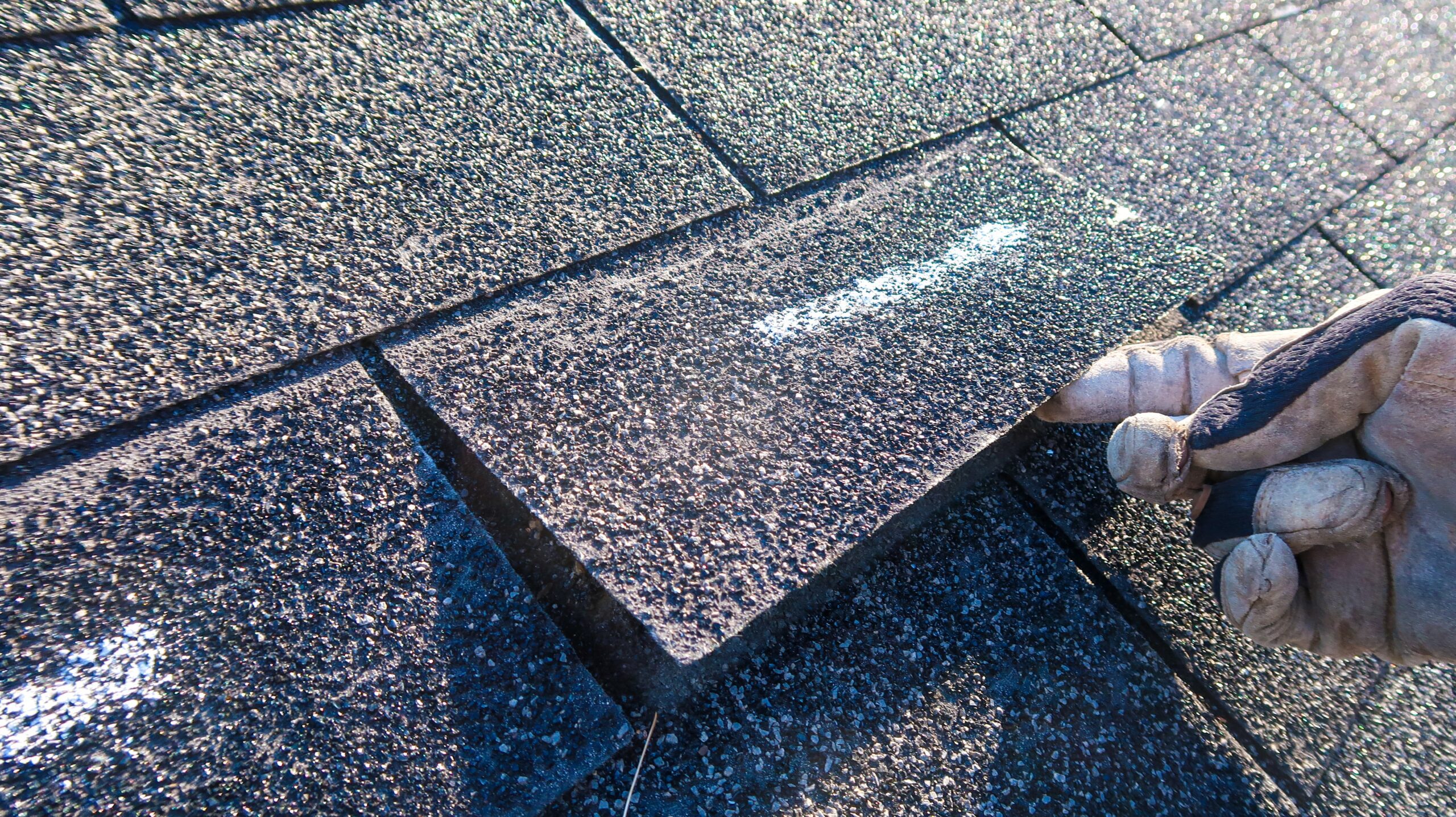

When you decide to replace your roof through professional roofing services in South Carolina, the process often feels like a checklist of visible aesthetics. You spend hours holding shingle samples against your siding, debating between "Charcoal Black" and "Weathered Wood." You consider the curb appeal, the warranty, and perhaps the type of underlayment.
But while you are focused on what goes on the roof, the most critical factor for the roof’s longevity is actually what goes through it: Air.
At Cola City Roofing , we believe that a roof replacement is more than just swapping out old shingles for new ones. It is a once-in-a-decade opportunity to re-engineer the way your home breathes. Ventilation is the respiratory system of your house, and understanding attic ventilation basics is essential before starting a replacement, and a roof replacement provides the perfect access to fix chronic issues, balance airflow, and protect your new investment and extend your roof lifespan for the long haul.
In this comprehensive guide, we will explore why ventilation must be a priority during your roof replacement project. We will discuss how we calculate your home’s needs, the types of upgrades available, and why getting this right now can save you thousands of dollars in future repairs and energy bills.
Why Roof Replacement Is the Golden Opportunity
Many homeowners ask us, "Can’t I just add vents later if I need them?"
Technically, yes. But it is difficult, expensive, and invasive.
Retrofitting ventilation into an existing roof is like trying to fix the plumbing in a house after the drywall is already painted. You have to tear things apart carefully, risking damage to the surrounding materials.
During a roof replacement, everything is stripped down to the deck. When our crew performs a Roof Replacement Service , we remove all the old layers of shingles and felt, exposing the bare plywood decking. This gives us unimpeded access to:
- Cut New Exhaust Slots: We can easily cut the ridge line open to install a ridge vent system without worrying about damaging existing shingles.
- Inspect the Intake: We can see clearly down into the eaves to check if the soffit vents are blocked by insulation—something that is very hard to see from inside a dark attic.
- Seal the Deck: We can properly flash and seal new penetrations seamlessly with the new underlayment, ensuring a watertight bond that retrofitting can rarely match.
Doing ventilation work during the replacement is more cost-effective because the crew is already there, the tools are already set up, and the materials are easily integrated. It is the difference between open-heart surgery and a preventative checkup.
The Consequences of Ignoring Ventilation
We have seen it happen too often: a homeowner buys a premium roof with a 50-year shingle, but hires a contractor who ignores ventilation. Ten years later, that premium roof is failing.
Why? Because the environment under the shingle was hostile.
1. Voided Warranties
This is the most immediate financial risk. Major manufacturers like GAF, Owens Corning, and CertainTeed explicitly state in their warranties that their products must be installed on a properly ventilated deck. If your shingles blister or crack prematurely due to heat buildup, and the manufacturer finds that you didn’t have adequate exhaust vents, your warranty claim will be denied. You will be left paying for a second roof out of pocket.
2. Thermal Shock
In South Carolina, an unventilated attic can reach 150°F or higher. This cooks the shingles from the bottom up. It dries out the asphalt oils, making the shingles brittle and prone to cracking. It also causes the wood decking to expand and contract violently with temperature swings, loosening nails and compromising the wind resistance of the roof.
3. Moisture Rot
In the winter, warm air from your home leaks into the attic, which can lead to serious moisture buildup and mold. If it can’t escape, it condenses on the cold roof deck. Over time, this rots the plywood. If we don’t fix the ventilation during the replacement, we might be nailing your brand-new shingles into wood that is destined to rot within a few years.
The Assessment: How We Plan Your Airflow
Before a single shingle is removed, a proper roof replacement starts with math.
At Cola City Roofing , our project managers perform a ventilation calculation based on the 1/300 Rule . This rule states that for every 300 square feet of attic floor space, you need 1 square foot of Net Free Area (NFA) for ventilation.
- Example: A 1,500 sq. ft. attic needs 5 sq. ft. of ventilation.
- The Split: Crucially, this must be split 50/50 between Intake (soffits) and Exhaust (ridge/vents).
The Pre-Construction Inspection
When we come out for an estimate or Storm Damage Consultation , we don’t just measure the roof area. We look for:
- Existing Exhaust: Do you currently have box vents? Wind turbines? A ridge vent? Are they working, or are they rusted shut?
- Existing Intake: Do you have soffit vents? Are they painted over? If you have an older home with no soffits, do you have gable vents?
- Baffles: We check inside the attic to see if insulation is blocking the airflow from the eaves.
This assessment allows us to design a custom ventilation plan that is included in your roof replacement quote. We don’t guess; we engineer the solution.
Upgrading to Ridge Vents: The Modern Standard
For most residential gable roofs, the best upgrade we can make during a replacement is installing a Ridge Vent System .
What is a Ridge Vent?
A ridge vent is a continuous exhaust vent that runs along the very peak of your roof. During the replacement, we cut a strip of decking away on both sides of the ridge beam (usually about 2-3 inches wide). We then install a high-performance vent over this slot and cover it with matching cap shingles.
Why We Prefer It
- Efficiency: Because it is at the highest point of the roof, it captures the hottest air (which naturally rises).
- Continuous Flow: Unlike box vents that are spaced out, a ridge vent provides uniform exhaust along the entire length of the attic. This eliminates "hot pockets" of stagnant air.
- Aesthetics: It is nearly invisible from the street. It gives your new roof a clean, unbroken silhouette compared to the "mushroom farm" look of multiple metal turbines.
If your home currently has box vents or turbines, we will typically recommend removing them during the replacement. We will deck over the old holes with new plywood and install the ridge vent system instead. This is a massive upgrade in both performance and curb appeal.
Handling Complex Roofs: When Ridge Vents Aren’t Enough
Not every roof is a simple A-frame. Many beautiful homes in Columbia have complex architecture—hip roofs (pyramid shape), multiple valleys, and dormers.
On a hip roof, there might be very little horizontal ridge length at the top. A 10-foot ridge vent might not provide enough NFA to vent a 2,000 sq. ft. attic.
In these cases, our expertise shines. During the replacement planning, we might specify:
- High-Efficiency Box Vents: We calculate exactly how many static vents are needed and place them strategically on the rear slopes to minimize visibility while maximizing airflow.
- Power Vents: For attics with limited ridge line, a thermostatically controlled electric fan can be installed to actively pump hot air out.
- Solar Fans: An energy-efficient option that runs when the sun is shining—exactly when you need it most.
We ensure that whatever system we choose, it is balanced with the intake. We never mix system types (e.g., using a ridge vent and a turbine) because this can short-circuit the airflow.
The Intake Challenge: Fixing Soffits
The exhaust is the "glamorous" part of ventilation because it’s on top of the roof. But the intake (at the bottom) is the workhorse. You cannot suck air out of a bottle; you need an opening for air to enter.
During a roof replacement, we have a unique opportunity to address intake issues that are otherwise inaccessible.
Installing Baffles (Rafter Mates)
One of the most common issues we find is blocked soffits. Over the years, insulation blown into the attic drifts over to the edges and clogs the vents. During the tear-off phase, when the roof deck is exposed near the eaves, we can reach down into that tight space and install baffles . These are plastic channels that act as a dam. They hold the insulation back while providing a clear tunnel for fresh air to flow from the soffit vent up along the roof deck.
Drip Edge Vents
If your home is older and was built without soffit overhangs, you might have zero intake. This is a ventilation disaster. During the replacement, we can install a product called a Drip Edge Vent (or intake vent). This is a specialized vent that sits right at the gutter line, underneath the first row of shingles. It allows air to enter the roof deck directly at the edge, providing the critical intake needed for the ridge vent to work. This is almost impossible to install correctly without removing the old roof first.
Protection During the Process
Ventilation work involves cutting holes in your house. Naturally, you might worry about debris falling into your attic.
At Cola City Roofing, we take cleanliness seriously.
- Tarping: If we are cutting a ridge slot or removing old box vents, we take care to prevent sawdust and wood chips from burying your stored items in the attic.
- Debris Management: When we remove old turbines or vents, we deck over the holes immediately to keep the structure secure.
- Magnetic Sweeps: Ventilation work involves nails. We perform thorough magnetic sweeps of your yard to ensure no fasteners are left behind.
You can see examples of our clean, professional job sites in our Projects Before and Afters gallery.
Integration with Other Systems
A roof replacement is a holistic project. Ventilation doesn’t work in a vacuum; it interacts with your gutters and insulation.
Gutters and Intake
If your gutters are clogged or incorrectly pitched, water can back up against the fascia board. This can rot the wood framing that holds your soffit vents. Since we are already working at the roof edge, many homeowners choose to pair their roof replacement with our Gutter Installation Services . Installing new, properly sized gutters ensures that the intake area of your ventilation system remains dry and rot-free.
Insulation Check
While the roof is open, it is the perfect time to peek at your insulation levels. Ventilation removes heat, but insulation prevents heat transfer. If you have R-10 insulation (very thin) and we install a great ventilation system, you will still lose energy. We can advise you if your insulation levels are critically low so you can address it before the new roof is sealed up.
The Cost Factor: Is It Worth It?
Homeowners are often budget-conscious during a roof replacement. It is a big investment. When we suggest adding ridge vents or baffling the intake, some ask, "Is the extra cost worth it?"
The answer is an unequivocal yes.
The cost of upgrading ventilation during a replacement is a tiny fraction of the total project cost—usually just the cost of the vent material and a small amount of labor. Compare this to the cost of:
- Energy Bills: A properly vented roof can lower cooling costs by 10-20% every summer which directly improves your home’s energy efficiency. Over the 25-year life of the roof, this pays for the vents ten times over.
- Roof Lifespan: If proper ventilation extends your roof life by just 5 years (and it often extends it by much more), you are deferring a $15,000+ replacement cost.
- Mold Remediation: Fixing a moldy attic caused by poor ventilation can cost thousands.
By spending a little more now to get the airflow right, you are ensuring the roof actually lasts as long as the warranty says it should.
Common Myths About Ventilation
During our consultations, we often have to debunk myths that lead homeowners to make poor decisions during replacement.
Myth 1: "More ventilation is always better." Fact: Balance is better. If you have too much exhaust and not enough intake, the system can pull conditioned air from your house or even pull rain into the ridge vent during a hurricane. We calculate the exact NFA needed—no more, no less.
Myth 2: "Heat rises, so I don’t need fans or vents." Fact: Heat rises, but if it has nowhere to go, it builds up pressure. Without an exit (exhaust) and an entrance (intake), that hot air is trapped. It needs a pathway.
Myth 3: "My old roof lasted 20 years without ridge vents, so I don’t need them." Fact: Building materials have changed. Old homes were "drafty"—they leaked air everywhere, which accidentally ventilated the attic. Modern homes are sealed tighter for efficiency, which means dedicated attic ventilation is more critical now than ever. Also, modern shingles are made differently and can be more sensitive to heat than the heavy, organic mats of 40 years ago.
Why Choose Cola City Roofing for Your Replacement?
Any contractor can nail down shingles. But designing a balanced roof system requires expertise.
At Cola City Roofing, we are not just installers; we are building science students.
- We Verify: We check your intake before we quote the job.
- We Calculate: We run the NFA numbers for your specific square footage.
- We Use Premium Products: We use rigid ridge vents with external baffles that deflect wind and rain, ensuring your attic stays dry even in severe storms.
- We Stand Behind It: Our workmanship warranty covers the ventilation integration, giving you peace of mind.
We serve the greater Columbia area, helping neighbors upgrade their homes with systems that last. Check out our Reviews to see what past clients say about their cooler, more efficient homes.
The Long-Term Benefit: Peace of Mind
Ultimately, ventilation during roof replacement is about peace of mind. You want to know that when you pay for a new roof, you won’t have to worry about it again for decades. You want to know that your attic isn’t secretly rotting from the inside out. You want to know that your AC isn’t fighting a losing battle against a superheated heat trap.
By integrating proper ventilation into your Roof Replacement Service , you are securing the health of your entire home.
Conclusion: Don’t Just Cover Your Home—Protect It
A roof replacement is a big project. Don’t cut corners on the invisible parts. The airflow under your shingles is just as important as the asphalt on top.
If you are considering a new roof, make sure you choose a contractor who talks about ventilation first , not as an afterthought.
Ready to start your project?
- Get a free estimate: Visit our Contact Us page to schedule a consultation.
- Learn about financing: We offer flexible Financing to help you afford the full system upgrade your home needs.
- Meet the team: Check out our About Us page.
Visit our Service Locations to see if we are working in your neighborhood. Let Cola City Roofing build you a roof that looks great and breathes easy.
Frequently Asked Questions
Will adding a ridge vent make my house colder in winter? No. This is a common fear, but proper ventilation actually keeps the attic dry in winter, which protects your insulation. Dry insulation works better than damp insulation. Furthermore, ventilation prevents the attic from getting too warm, which prevents ice dams. It does not suck heat out of your living space if your ceiling is properly insulated.
Can you install ridge vents on a metal roof? Yes! Metal roofs also require ventilation to prevent condensation and rust. There are specialized ridge caps for metal roofs that allow airflow while keeping water out. Check out our blog on Shingle vs Metal Roofs for more info.
Do I need to clean my soffit vents before the replacement? It helps, but we can often address blocked soffits during the tear-off process. However, if your soffits are painted shut on the outside, you may need a painter or carpenter to replace the vent screens, which is a separate trade.
Does a new roof include new bathroom vents? Standard roofing quotes include the roof cap for the bathroom vent, but usually not the ductwork inside the attic or the fan itself. However, if we notice disconnected ducts during the job, we can often quote a repair. Read more about Bathroom and Kitchen Vent Issues .
How long does a roof replacement with ventilation upgrade take? Most residential replacements take 1-2 days. Adding ridge vents and baffling intake adds very little time to the overall project—usually just an hour or two for the crew.