Managing a commercial property is never easy, but managing a multi-tenant facility or a Homeowners Association (HOA) community brings a unique level of complexity. It is akin to herding cats. You aren’t just dealing with one building owner; you are dealing with a board of directors, a property management firm, and dozens—sometimes hundreds—of individual tenants or unit owners.
In this ecosystem, the roof is often the most contentious asset. It is the massive umbrella that protects everyone, yet when it leaks, the finger-pointing begins immediately. Who is responsible? Is it a "limited common element" or a "general common element"? Is there enough money in the reserve fund? How do we coordinate repairs without disrupting twenty different businesses or families?
For property managers and HOA boards in the Midlands, navigating multi-tenant commercial roofing in Columbia SC requires more than just a contractor with a ladder. It requires a strategic partner who understands the politics, the logistics, and the high stakes of community living. These types of properties fall under our broader commercial and industrial roofing services in South Carolina, where we focus on complex ownership structures and high-liability environments.
At Cola City Roofing , we specialize in these complex environments. From sprawling townhome communities in Lexington to strip malls in Northeast Columbia, we understand that we aren’t just fixing a roof; we are restoring peace of mind for an entire community.
In this comprehensive guide, we will explore the unique challenges of HOA roofing solutions , the critical role of maintenance in protecting reserve funds, and how to execute large-scale roofing projects with surgical precision.
The Unique Ecosystem of Multi-Tenant Roofing
To understand the roofing needs of these properties, we must first acknowledge why they are different from a standard standalone commercial building.
1. The "Too Many Cooks" Problem
In a standard commercial scenario, a building owner makes a decision, signs a check, and the work gets done. In an HOA or multi-tenant retail park, the decision-making process is a labyrinth.
- The Property Manager: Acts as the middleman, fielding complaints from residents and trying to get authorization from the Board.
- The Board of Directors: Volunteers who have a fiduciary duty to the community but may not have construction expertise. They are often hesitant to spend money for fear of raising dues.
- The Tenants/Owners: The people living or working under the roof. They want the leak fixed yesterday , regardless of the budget process.
Successful roofing projects in this space require a contractor who can communicate effectively with all three groups, providing the technical data the Board needs and the respectful service the tenants deserve.
For larger apartment-style communities, our multi-family roofing solutions guide outlines how we coordinate scale, budgeting, and tenant communication across entire complexes.
2. Connected Risks
In multi-tenant buildings (like strip malls or townhomes), roof systems are often continuous or shared. A leak in Unit A might actually be caused by a puncture over Unit B.
- Fire Walls: These properties have fire separation walls that penetrate the roof deck. Flashing these walls correctly is critical and often a failure point in older complexes.
- Drainage Disputes: If the gutter on the end unit clogs, it can back up water and flood the middle units. The "system" nature of the roof means everyone is connected.
3. Aesthetic Uniformity
For HOAs especially, curb appeal is everything. You cannot simply patch a 15-year-old architectural shingle roof with a new bundle of shingles and expect it to match. The sun fades colors over time. HOA roofing solutions must prioritize aesthetics. A mismatched roof can lower property values and lead to lawsuits from homeowners. We specialize in finding discontinued matches or proposing full-scale replacements that enhance the community’s architectural style.
Challenges Specific to Columbia, SC Communities
Operating in the Midlands adds another layer of difficulty to managing multi-tenant roofs.
The "Heat Dome" Effect
Large condo complexes and retail centers often have vast expanses of black asphalt (parking lots) surrounding the buildings. This creates a micro-climate heat island. When you combine this with Columbia’s famous summer temperatures, the roof surface can bake at 160°F+ for months. This accelerates the aging of asphalt shingles and creates thermal shock issues for flat roofs. For HOAs, this means the "30-year shingle" installed by the builder might actually start failing at year 18 or 20, wreaking havoc on long-term reserve studies.
Storm Corridors
We are in a corridor that sees significant hail and wind activity.
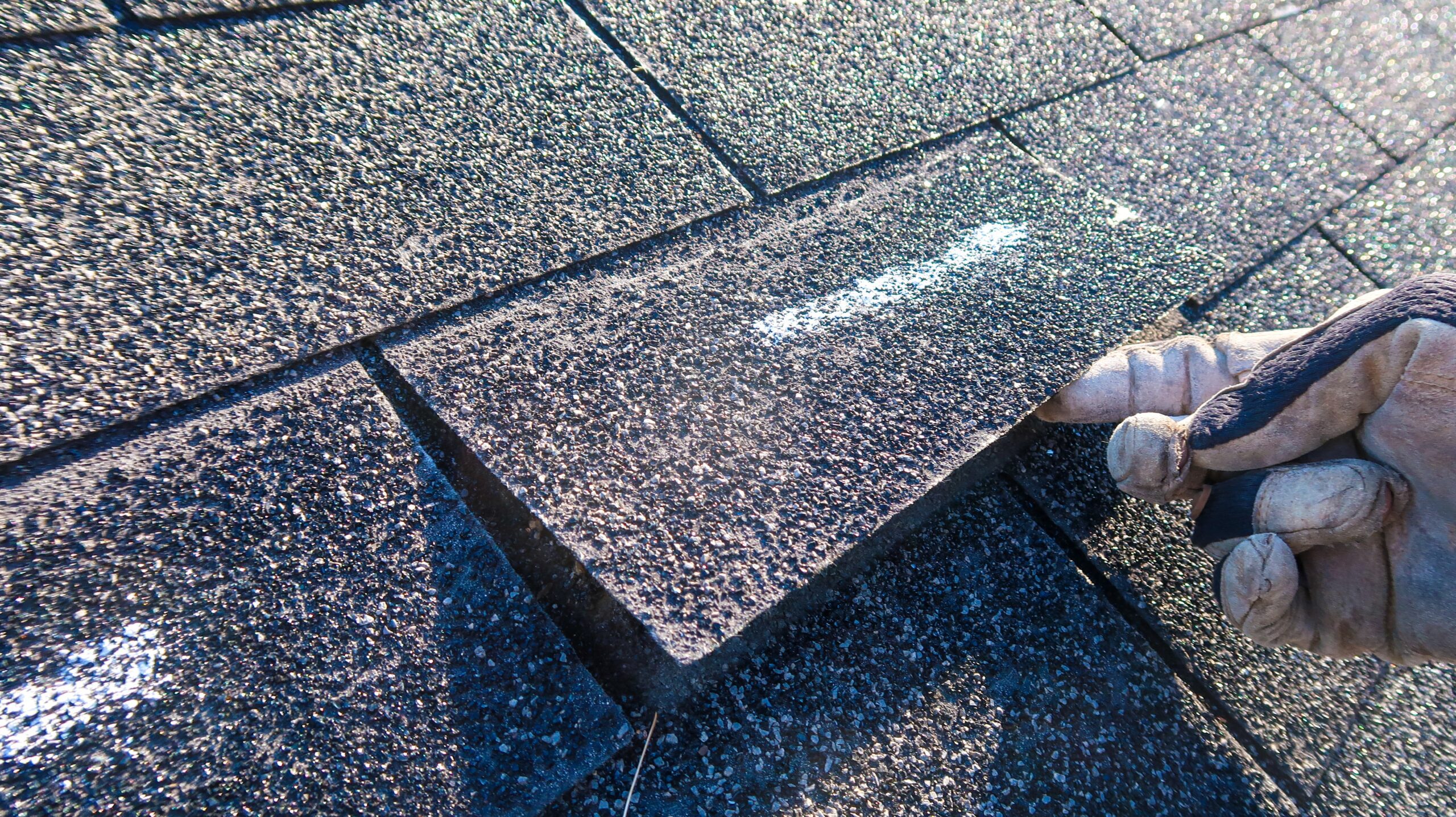
- Hail: In a townhome complex, a hailstorm doesn’t hit just one house; it hits all 50 units. Assessing damage across a sprawling property requires a systematic approach to ensure the insurance claim covers everyone , not just the units with obvious damage.
- Pine Needles: Columbia is covered in pine trees. In multi-tenant complexes, pine needles are the number one cause of gutter clogs and roof rot. If the HOA landscaping contract doesn’t include roof blowing, the valleys of the roof will rot out prematurely.
Roofing Solutions for Different Property Types
"Multi-tenant" covers a wide range of structures. At Cola City Roofing, we tailor our approach based on the building type.
1. Retail Strip Centers & Office Parks
These usually feature flat (low-slope) roofs, often using TPO, EPDM, or Modified Bitumen.
- The Challenge: HVAC units. A retail strip might have 20 different HVAC units on the roof—one for the pizza shop, one for the dentist, one for the nail salon. Each unit requires maintenance, meaning constant foot traffic from different HVAC contractors.
- The Solution: We install durable walkway pads to create a "road" on the roof. We also recommend TPO for its reflectivity, lowering cooling costs for tenants (a great selling point for leasing agents).
2. Townhome & Condo Communities (Steep Slope)
These typically look like residential homes but are attached. They usually use architectural asphalt shingles.
- The Challenge: Ventilation. Many older townhome complexes were built with inadequate attic ventilation. This cooks the shingles from the bottom up.
- The Solution: When we perform a replacement, we don’t just swap shingles. We re-engineer the ventilation system, installing ridge vents and intake vents to ensure the new roof lasts its full warranty period.
If you are dealing with shared roof lines between only two or three owners, our townhome and duplex roofing guide explains tie-ins, neighbor coordination, and phased replacements.
3. Mixed-Use Buildings
Downtown Columbia has seen a rise in mixed-use buildings (retail on the bottom, apartments on top).
- The Challenge: Access and Safety. You have pedestrians walking below and residents living above.
- The Solution: We utilize strict safety perimeters, overhead protection (sidewalk sheds), and crane operations to move materials without endangering the public.
The Board’s Burden: Reserve Funds and Assessments
The most painful conversation in any HOA meeting is the "Special Assessment." This happens when a major capital expense (like a new roof) arises, and there isn’t enough money in the bank to pay for it. Each homeowner is suddenly hit with a bill for $5,000 or $10,000.
It is a nightmare scenario that leads to angry neighbors and ousted Board members.
We break down reserve planning, governing document responsibilities, and assessment strategy in more detail in our condo and HOA roofing article.
How Roofing Impacts the Reserve Study
A Reserve Study is a financial roadmap that estimates the remaining life of community assets. If the study says the roofs will last 25 years, but they fail in year 18 due to lack of maintenance, the HOA has a 7-year financial gap to fill.
Cola City Roofing helps Boards avoid this by:
- Accurate Lifespan Assessments: We provide honest evaluations. If a roof has 5 years left, we say 5, not 10. This allows the Board to adjust monthly dues gradually rather than panicking later.
- Maintenance Plans: By implementing a routine maintenance program, we can often extend the life of the roof to match the Reserve Study projections.
Maintenance Programs: The Fiduciary Responsibility
For an HOA Board or Property Manager, neglecting roof maintenance isn’t just bad practice; it can be a breach of fiduciary duty. If a roof leaks and causes mold in a tenant’s unit, and it is discovered that the roof was never inspected, the HOA could be liable for negligence.
Why Multi-Tenant Maintenance is Critical:
- Documentation for Insurance: If a storm hits, the insurance adjuster will look for signs of "wear and tear." If they see gutters growing trees and unsealed flashings, they may deny the claim, citing neglect. A maintenance log proves the roof was cared for.
- Economies of Scale: It is far cheaper to have us inspect 20 buildings in one visit than to call us out 20 separate times for individual leaks. We offer volume pricing for community-wide maintenance.
Our roof repair services for HOAs are designed to be proactive. We check the flashing around every chimney in the complex. We clear the communal gutters. We caulk the exposed nail heads. We stop the leaks before the residents even know they exist.
The Cola City Roofing Approach to Large Projects
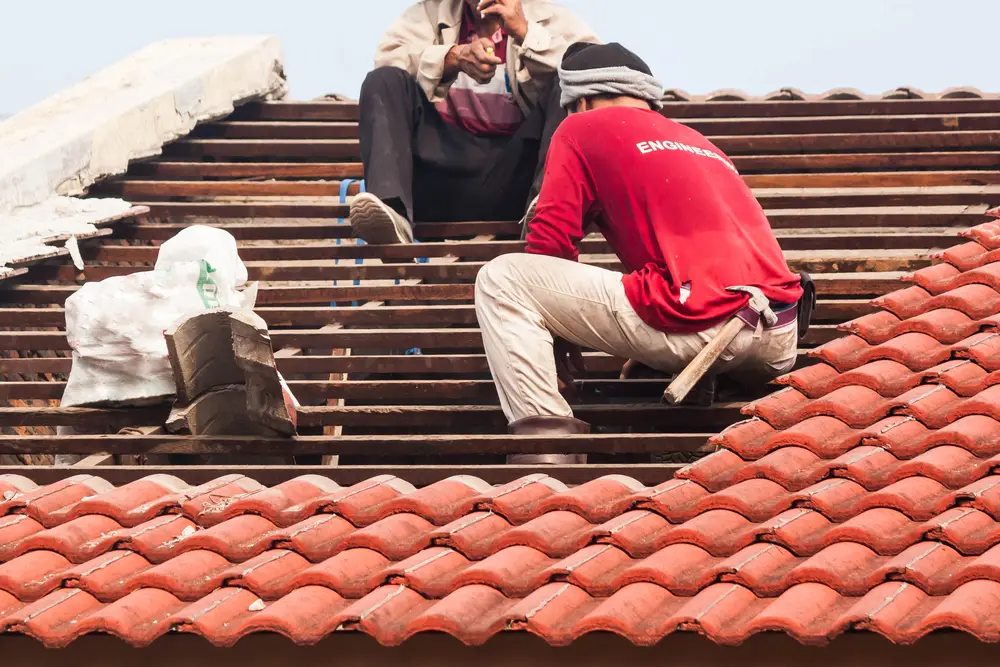
Replacing the roofs on an entire apartment complex or HOA community is a massive industrial operation. It requires logistics, patience, and communication. Here is how we handle multi-tenant commercial roofing in Columbia SC .
Phase 1: Communication Strategy
Before a single hammer swings, we work with the Property Manager to craft a communication plan.
- Notices: We provide flyers and emails to residents explaining the schedule.
- Parking: We clearly map out where dumpsters will be and which parking spots need to be vacated on specific days.
- Expectations: We are honest about the noise. Roofing is loud. We let residents know the working hours (e.g., 8 AM to 6 PM) so they can plan accordingly.
Phase 2: Site Safety and Logistics
In a residential complex, safety is paramount. Kids play in driveways; residents walk dogs.
- Debris Management: We use magnetic sweeps daily to pick up nails. We tarp landscaping to protect shrubs.
- Traffic Control: We use cones and signage to direct traffic around our cranes and delivery trucks.
Phase 3: The "Unit-by-Unit" Execution
We don’t tear off more than we can dry in. In a multi-tenant building, we work systematically from one end to the other.
- Fire Walls: We pay special attention to the fire walls separating units. We ensure the flashing allows for independent movement of the structures (expansion joints) so the roof doesn’t tear when the building shifts.
Phase 4: Closeout and Warranty
For HOAs, paperwork is vital.
- Warranties: We provide transferable warranties for each unit (if applicable) or a master warranty for the association.
- Inspections: We walk the property with the Board member or Property Manager to sign off on the cleanup and quality before sending the final invoice.
Navigating Insurance Claims for HOAs
When a hailstorm sweeps through neighborhoods like Irmo or Lake Murray, HOAs are often the hardest hit. A complex with 20 buildings effectively has 20 roofs damaged at once.
The "Sample" Trap Insurance adjusters often try to inspect just one or two "test squares" on a few buildings and extrapolate the results.
- The Risk: They might inspect a building protected by trees and say there is no damage, while the buildings on the other side of the street are destroyed.
- Our Solution: We insist on a comprehensive inspection. We document damage on every slope of every building. We ensure the claim covers the entire complex to maintain uniformity.
The Deductible Challenge Commercial policies for HOAs often have high deductibles (e.g., 2% or 5% of the insured value). This can be millions of dollars in deductible exposure. We help Boards understand the scope of work so they can explain the financial reality to the homeowners.
Case Scenario: The "Piecemeal" Repair Nightmare
We often see HOAs that have tried to save money by doing "piecemeal" repairs—replacing Building A in 2020, Building B in 2022, and so on.
Why this fails:
- Color Mismatch: Shingle manufacturers change colors. The "Weathered Wood" shingle from 2020 might look completely different from the 2025 version. The community ends up looking like a patchwork quilt, lowering property values.
- Inefficiency: You pay for mobilization (getting crews and dumpsters to the site) every single time. Doing the whole complex at once is significantly cheaper per square foot.
- Warranty Gaps: You end up with a tracking nightmare—20 different warranty expiration dates.
We advocate for comprehensive HOA roofing solutions . If the roofs are nearing end-of-life, we help the Board plan for a phased but continuous replacement project (e.g., all roofs replaced over a 2-year period) to maintain consistency and pricing.
Why Cola City Roofing is the Property Manager’s Choice
Property managers in Columbia are busy. They deal with pool leaks, landscaping disputes, and noise complaints. They don’t have time to babysit a roofing contractor.
We make you look good. When you hire Cola City Roofing, you are hiring a partner who respects the hierarchy of association management.
- We show up on time.
- We dress professionally.
- We treat residents with respect.
- We provide the paperwork you need for your Board meetings.
We understand that our performance reflects on you. If the project goes smoothly, the Board is happy with the Manager. If the project is a mess, the Manager gets the heat. We are in the business of keeping the heat off of you.
A Note on "Low Bid" Contractors
HOA Boards are legally required to be fiscally responsible, which often leads them to choose the lowest bidder. Warning: In multi-tenant roofing, the lowest bidder is often the highest risk. Cheap contractors cut corners on:
- Safety: Putting the HOA at risk of lawsuits if a worker falls.
- Insurance: They may not have adequate General Liability or Workers’ Comp coverage.
- Flashings: They reuse old step flashing to save money, leading to leaks in 3 years.
- Cleanup: They leave nails in the grass, leading to flat tires and injured pets.
The "savings" of the low bid evaporate the moment the first lawsuit arrives or the first roof leaks. We provide competitive, transparent pricing that reflects the true cost of doing the job right .
Conclusion: Protecting the Community Above All
The roof over a multi-tenant building is more than just shingles and TPO; it is the shield for a community. It protects the investments of families and the livelihoods of business owners.
Managing these roofs requires a balance of technical skill, financial literacy, and diplomatic communication. At Cola City Roofing, we have mastered this balance.
Whether you are a Property Manager looking for a reliable vendor for repairs, or an HOA Board President facing a daunting replacement project, we are here to guide you.
Don’t let roofing issues divide your community. Partner with the experts in multi-tenant commercial roofing in Columbia SC .
- Call us: (803) 446-8633
- Visit us online: Contact Us
- Learn More: Read about our Roofing Services to see our full capabilities.
Let us handle the roof, so you can handle the rest of the community business.
Frequently Asked Questions for HOAs & Property Managers
1. How do we pay for a new roof if our reserves are low?
This is a common issue. We can help you explore financing options or work with you to provide the documentation needed for an SBA loan or a bank loan for the Association. We can also structure the project in phases to spread the cost over multiple fiscal years.
2. Can you attend our Board meeting?
Yes. We frequently attend HOA Board meetings (in person or via Zoom) to present our findings, explain the scope of work, and answer questions from Board members. We know that these decisions often require a vote, and we are there to support the process.
3. How do you handle tenant complaints during construction?
We provide a dedicated Project Manager for large multi-tenant projects. Residents are given a contact number to report issues (like a blocked driveway or debris). We address these complaints immediately so they don’t escalate to the Property Manager.
4. What is the best roof for a flat-roof condo building?
We generally recommend TPO (Thermoplastic Polyolefin). It is white (energy efficient), durable, and cost-effective. It also doesn’t have the odor issues associated with hot asphalt, which keeps residents happier during installation.
5. Do you offer emergency service for multi-tenant properties?
Yes. If a storm blows off shingles or a leak starts pouring into a unit, we have emergency repair crews ready to tarp and secure the building to mitigate damages. Check our Roof Repair Services for more info.
6. Who is responsible for the roof: the HOA or the Owner?
This depends entirely on your Covenants, Conditions, and Restrictions (CC&Rs). Typically, in condos and townhomes, the HOA covers the "roof structure" and exterior shingles, while the owner is responsible for the "interior" damage (drywall, paint) caused by a leak. However, every association is different. We recommend consulting your legal counsel, but we can help assess where the damage originated.
Internal Links for Further Reading:
- Roof Repair Services
- Roofing Services (For maintenance inquiries)
- About Us
- Questions and Answers