
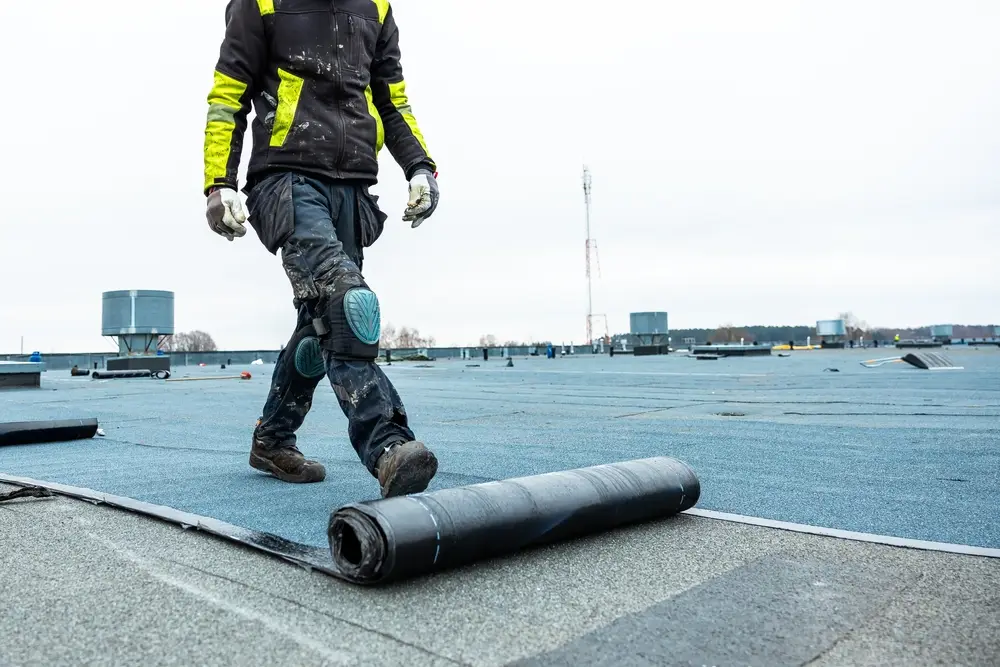
Managing a commercial property in the Midlands comes with a unique set of responsibilities. Whether you oversee a retail center in Harbison, a warehouse in Northeast Columbia, or a historic office building in the Vista, your roof is the single most important structural element protecting your assets, your employees, and your business continuity.
In a city like Columbia, South Carolina—rightly nicknamed "Famously Hot"—commercial roofs face extreme thermal stress, high UV radiation, and volatile storm patterns. At Cola City Roofing , we understand that a commercial roof isn’t just a building component; it’s a massive financial asset that requires expert management.
This 3,000-word commercial roofing guide serves as a comprehensive commercial roofing overview , designed to help property managers and business owners understand commercial roof systems , maximize their investment’s lifespan, and navigate the complexities of commercial roofing solutions in the South Carolina climate.
Section 1: Understanding Commercial Roof Systems
Unlike residential properties which primarily use asphalt shingles, commercial buildings utilize a wide variety of specialized membranes and materials. Choosing the right system depends on your building’s slope, its usage (industrial vs. retail), and your long-term energy goals.
1.1 TPO (Thermoplastic Polyolefin)
TPO is currently the most popular choice for flat or low-slope commercial buildings in Columbia. It is a single-ply reflective roofing membrane.
- Why it’s great for SC: TPO is typically white, providing high solar reflectivity. This helps keep cooling costs down during our 100-degree summers.
- Durability: It is highly resistant to chemical exposure and bacterial growth, making it ideal for restaurants and manufacturing facilities.
1.2 EPDM (Ethylene Propylene Diene Terpolymer)
Often referred to as "rubber roofing," EPDM is a durable synthetic rubber membrane.
- Longevity: EPDM is known for its extreme lifespan, often lasting 30+ years.
- Consideration: Because it is usually black, it absorbs heat. In Columbia, this can lead to higher cooling costs unless a reflective topcoat is applied.
1.3 Modified Bitumen (Mod Bit)
Modified Bitumen is an evolution of traditional built-up roofing (BUR). It consists of multiple layers of asphalt and fabrics.
- Strength: It is exceptionally "tough" and handles foot traffic better than single-ply membranes. If you have heavy HVAC equipment on your roof that requires frequent servicing, Mod Bit is a strong contender.
1.4 Commercial Metal Roofing
Metal is a premier choice for industrial warehouses and "big box" retail.
- Storm Resistance: Metal roofs offer superior wind uplift ratings.
- Efficiency: When coated with Kynar finishes, they provide excellent best roofing materials Columbia SC performance in terms of heat rejection.
Section 2: The Critical Importance of Commercial Roof Inspections
A commercial roof can hide significant damage until it’s too late. Small leaks in a large-scale building can travel hundreds of feet through the structural steel before they show up on your ceiling.
2.1 The Bi-Annual Audit
We recommend a professional inspection every spring and fall. In the spring, we look for damage caused by winter temperature swings and spring hail. In the fall, we ensure the system is ready for hurricane season.
2.2 Thermal Imaging for Leak Detection
One of the most effective commercial roofing solutions we offer at Cola City Roofing is infrared moisture scanning. Because wet insulation holds heat longer than dry insulation, our thermal cameras can "see" water trapped under your membrane that isn’t visible to the naked eye. This allows for surgical repairs rather than total roofing-replacement .
Section 3: Commercial Roof Lifespan in the Midlands
How long should your commercial roof last? While many manufacturers promise 20 to 30 years, the Columbia climate is aggressive.
3.1 UV Degradation
The high UV index in South Carolina causes the polymers in many roofing membranes to break down. This leads to "chalking," brittleness, and eventually, cracks at the seams.
3.2 Thermal Expansion
Commercial buildings are large, and their roofs are vast expanses of material. The expansion and contraction of these materials during a typical SC temperature swing can put immense stress on the "flashing"—the metal pieces around vents, HVAC units, and parapet walls.
Section 4: Reroof vs. Recover: The Big Decision
When your commercial roof reaches the end of its life, you generally have two options: a total tear-off (reroof) or a recover.
4.1 The Recover Option
A recover involves cleaning the existing roof and installing a new membrane directly over it.
- Pros: Significantly lower cost; less business interruption; less waste in the landfill.
- Cons: You can only do this once. South Carolina building codes—which we navigate when securing homeowner roof permits SC —generally prohibit having more than two layers of roofing due to weight concerns.
4.2 The Reroof (Tear-Off)
If your existing insulation is wet or if you already have two layers of roofing, you must perform a full tear-off.
- Benefits: Allows for the inspection of the steel or wood deck; enables you to upgrade your insulation (R-value) to modern standards, which can pay for itself in energy savings over time. You can learn more about the logistics in our roof replacement guide Columbia .
Section 5: Commercial Roof Maintenance Checklist
Regular maintenance is the only way to protect your warranty and ensure you don’t face a premature Columbia SC roof cost 2025 shock.
- Clear the Drains: Clogged drains on a flat roof lead to "ponding." One inch of water weighs over 5 pounds per square foot; on a 20,000-square-foot roof, ponding can lead to structural collapse.
- Check the Seams: Heat causes seams to pull apart. We use specialized tools to "probe" the seams of TPO and EPDM roofs during every maintenance visit.
- Inspect Gutter Systems: Commercial buildings often use "box gutters." If these fail, water backs up into the building’s exterior walls. We provide expert gutter-repair-services specifically for commercial drainage.
- HVAC Access Points: Maintenance crews often drop tools or panels that can puncture thin roofing membranes. Ensure your roof has dedicated "walkway pads" in high-traffic areas.
Section 6: Storm Damage and Insurance Claims
Living in South Carolina means dealing with hurricanes, tornadoes, and hail. When a storm hits, the scale of commercial damage can be catastrophic.
6.1 Understanding Commercial Policies
Commercial insurance policies are significantly different from residential ones. They often involve high deductibles and complex "Actual Cash Value" (ACV) vs "Replacement Cost" (RCV) clauses. We specialize in commercial storm damage insurance claims, providing the technical data adjusters need to approve large-scale repairs.
6.2 Wind Uplift and "The Edge"
In high-wind events, the most vulnerable part of a commercial roof is the edge metal. If the wind gets under the edge, it can peel back the entire membrane like a sardine can. We ensure all our roof-installation-sc projects meet the latest ES-1 wind standards.
Section 7: Energy Efficiency and the "Cool Roof" Movement
For a business owner, a roof is a tool for overhead reduction. In Columbia, a "Cool Roof" is one of the most effective ways to lower operating costs.
7.1 SRI (Solar Reflectance Index)
When choosing commercial roofing solutions , look for the SRI rating. Materials with a high SRI reflect sunlight and release absorbed heat more effectively. A high-SRI white TPO roof can be 50 to 60 degrees cooler than a dark EPDM roof, drastically reducing the load on your building’s HVAC units.
Section 8: Choosing a Commercial Roofing Contractor
Commercial roofing is a high-stakes industry. You need a contractor with the experience, insurance, and manufacturer certifications to do the job right.
8.1 Manufacturer Certifications
Major companies like GAF, Owens Corning, and CertainTeed have elite tiers for commercial installers. Hiring a certified contractor allows you to access "NDL" (No Dollar Limit) warranties, where the manufacturer guarantees the roof’s performance for 20+ years.
8.2 Safety and Liability
Commercial roofing is dangerous. Ensure your contractor has a robust safety program and carries significant liability and Workers’ Comp insurance. At Cola City Roofing, safety is our top priority. You can learn more about-us and our safety credentials here.
Section 9: Commercial Roofing Costs in 2025/2026
Budgeting for a commercial project is complex. While every building is different, you can find general guidance on how to read and understand a roof quote to help you navigate the bidding process.
- Material Volatility: Prices for TPO and EPDM are tied to petroleum and chemical costs, which can fluctuate.
- The Cost of "Down Time": When we quote a project, we factor in the logistics of your business. We can perform work in phases or during off-hours to ensure your customers and operations are not impacted.