
Ventilation and Energy Efficiency: The Hidden Key to Lower Utility Bills
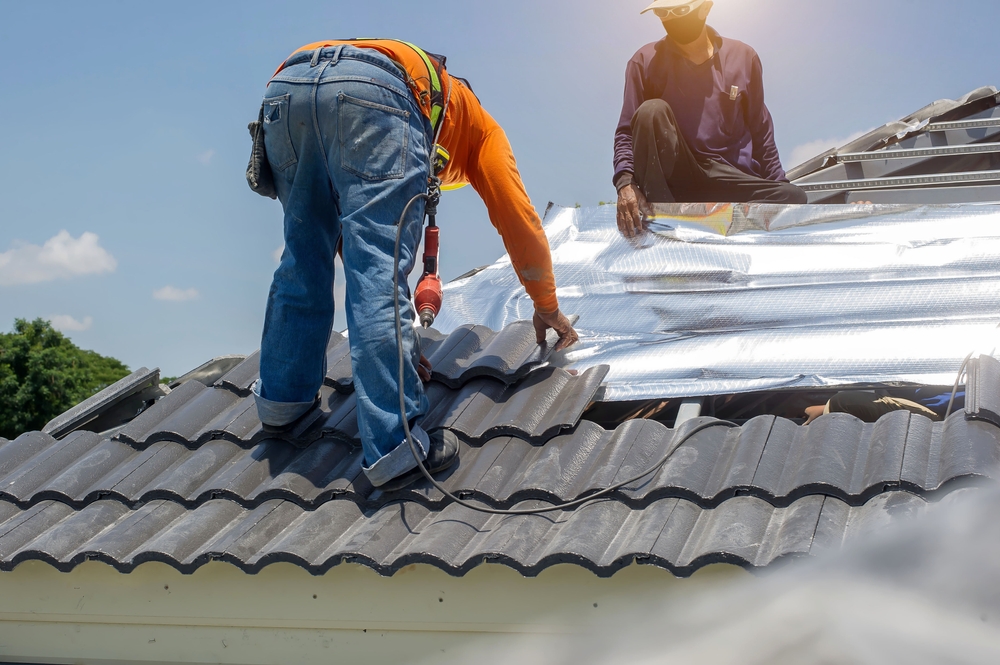
Every homeowner in South Carolina dreads the arrival of the monthly utility bill during the peak of summer or the dead of winter. We often look at the thermostat with suspicion, wondering if bumping it up just one degree will make a difference. We invest in double-paned windows, add extra insulation, and buy high-efficiency HVAC units, all in the name of saving energy. But there is a massive, often overlooked factor that dictates how much energy your home consumes: Attic Ventilation. At Cola City Roofing, through our comprehensive roofing services in South Carolina, we frequently meet homeowners who are baffled by their high energy costs. Their AC unit is new, their windows are sealed, yet their upstairs rooms feel like a sauna in July. The problem usually isn’t the air conditioner; it’s the air above the air conditioner. In this comprehensive guide, we will explore the critical link between roof ventilation and energy efficiency. We will explain how a well-vented attic acts as a thermal buffer for your home, reduces the strain on your HVAC system, and ultimately keeps more money in your wallet. The Thermodynamics of Your Attic To understand why ventilation saves energy, you first have to understand what happens inside an enclosed attic space. Your attic is essentially a giant air pocket sitting on top of your living space. The Summer “Heat Sponge” Effect In Columbia, SC, solar radiation is intense. On a sunny, 95°F day, the sun beats down on your roof shingles. Dark shingles absorb this heat and transfer it through the roof deck into the attic air. Without proper ventilation to flush this heat out, the attic acts like a greenhouse or a parked car with the windows rolled up. The temperature inside can easily soar to 150°F or higher. This superheated air mass doesn’t just stay in the attic. According to the laws of thermodynamics, heat always moves to cooler areas. This means that 150-degree heat is constantly trying to push its way down into your 75-degree living room. It radiates through the insulation, heats up your drywall ceilings, and warms the air inside your home. The Winter Moisture Battle In the winter, the dynamic shifts. You are heating the inside of your home. Warm air rises and inevitably leaks into the attic. If that attic is poorly vented, the warm air hits the cold roof deck and condenses, making insulation wet. Wet insulation is useless insulation. Water conducts heat far better than air does. When fiberglass insulation gets damp, it loses its R-value (its ability to resist heat flow). This means the heat you are paying to generate flows right out of your roof, forcing your furnace to run longer to maintain the temperature. How Proper Airflow Reduces Cooling Loads The primary way ventilation improves energy efficiency in the South is by reducing the “cooling load”—the amount of heat your air conditioner must remove to keep your house comfortable. 1. Reducing Radiant Heat Transfer Your ceiling insulation acts as a barrier, but it is not a fortress. Even the best insulation has a limit to how much heat it can stop. The greater the temperature difference between your attic and your living space (known as the Delta T), the faster heat transfers. Scenario A (Poor Ventilation): Attic is 150°F. Living space is 75°F. Difference = 75 degrees. Your insulation is overwhelmed, and heat pours through the ceiling. Scenario B (Good Ventilation): Attic is 105°F (much closer to outside air temp). Living space is 75°F. Difference = 30 degrees. By using a balanced system of intake and exhaust vents (like ridge vents and soffit vents), you constantly flush out the superheated air and replace it with outdoor air. This keeps the attic temperature much lower, significantly reducing the amount of heat pressing down on your ceilings. 2. Protecting Ductwork Efficiency In many homes, the HVAC ductwork runs through the attic. If you have a “hot attic,” your ducts are essentially running through an oven. Even if your ducts are insulated, they aren’t immune to 150-degree heat. The air you paid to cool down to 55 degrees at the AC unit might warm up to 65 degrees by the time it travels through the hot attic to your bedroom vent. This loss of efficiency means your AC has to run longer cycles to cool the room, consuming significantly more electricity. Proper ventilation cools the environment surrounding your ducts, ensuring that the cold air stays cold until it reaches you. The Strain on Your HVAC System Your Heating, Ventilation, and Air Conditioning (HVAC) system is likely the most expensive appliance in your home. It is also the biggest energy consumer. When an attic is poorly ventilated, your HVAC system is forced to work overtime. Continuous Runtime When heat radiates down from the attic, your thermostat senses the temperature rise almost immediately after the AC shuts off. This causes “short cycling” or continuous running. Instead of running for 20 minutes and resting for 20, the unit runs for 45 minutes and rests for 10. This extra runtime translates directly to kilowatt-hours on your electric bill. Premature Equipment Failure Imagine running a marathon in a sauna. That is what your HVAC system does in a hot attic. The excessive heat and the demand for continuous operation cause wear and tear on the compressor, blower motor, and capacitors. A system that should last 15-20 years might fail in 10 if it is constantly fighting a poorly ventilated attic. By improving ventilation, you aren’t just lowering monthly bills; you are deferring the massive capital cost of replacing your AC unit. If you suspect your roof system is contributing to HVAC strain, we can assess your ventilation during a routine checkup. Visit our Contact Us page to schedule an inspection. The Role of Insulation vs. Ventilation A common misconception is that if you add enough insulation, you don’t need to worry about ventilation. This is false. In fact, insulation and ventilation are partners; they work best when they work
How Ventilation Affects Roof Lifespan: The Hidden Factor Protecting Your Investment
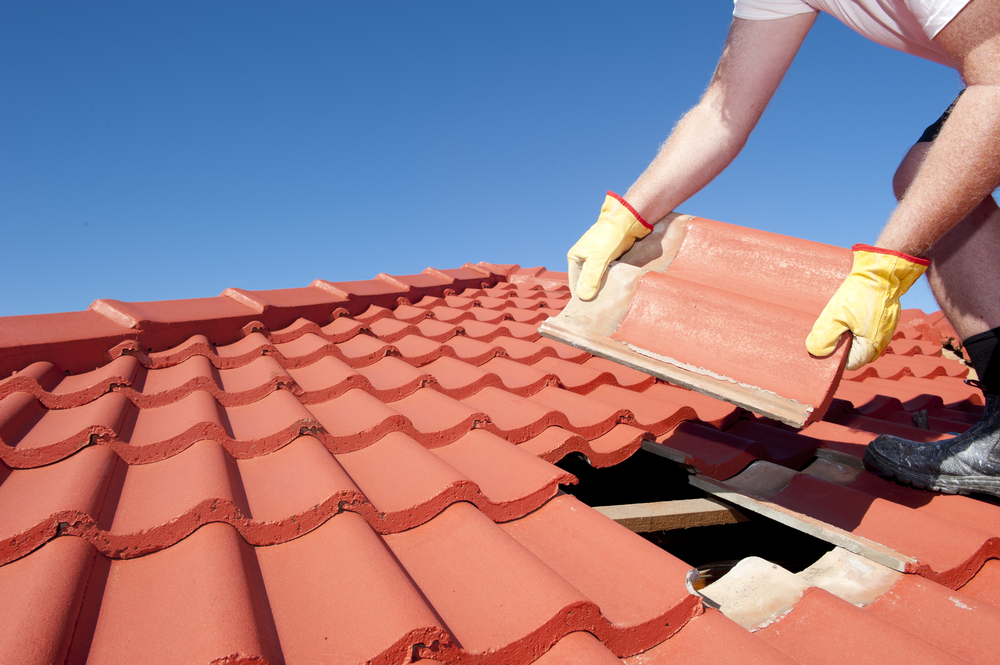
When you look at your roof, you probably see shingles. Maybe you notice the color, the texture, or the way it complements your home’s siding. But there is a silent, invisible system working underneath those shingles that determines whether your roof will last for 30 years or fail in 15. That system is ventilation. For many homeowners in Columbia, SC, the roof is an “out of sight, out of mind” part of the house—until a leak appears. However, water isn’t the only enemy. Heat and moisture, trapped within your attic, are arguably more destructive over the long term because they work silently from the inside out. At Cola City Roofing, we have seen countless roofs fail prematurely not because of bad shingles or severe storms, but because the roof couldn’t breathe — something we evaluate during our comprehensive roofing services in South Carolina. Understanding how ventilation affects roof lifespan is the key to protecting your investment and ensuring your home remains safe, efficient, and comfortable. In this deep dive, we will explore the critical relationship between airflow and roof longevity, covering exactly how heat and humidity destroy roofing materials and what you can do to stop it. The Science of Roof Aging: It’s Not Just About the Rain To understand why ventilation matters, you first need to understand how a roof ages. A roof doesn’t just sit there; it endures a constant assault from the elements. UV Radiation: The sun breaks down the asphalt in shingles, making them brittle. Thermal Shock: Rapid changes in temperature cause roofing materials to expand and contract, leading to cracks. Moisture: Rain, snow, and humidity try to penetrate the defenses. While you can’t control the weather outside, you can control the environment inside your attic. That is where ventilation comes in. Proper ventilation creates a balanced system of intake and exhaust, something we break down further in our attic ventilation basics guide. This creates a continuous wash of air along the underside of the roof deck. When this system is working, it minimizes the temperature difference between the air outside and the air in your attic. When it fails, your attic becomes a superheated oven or a damp breeding ground for rot—both of which drastically shorten your roof’s lifespan. How Heat Destroys Your Roof From the Inside Out In South Carolina, we are no strangers to heat. But did you know that on a 90°F day, an unventilated attic can reach temperatures of 150°F or more? That is hot enough to slow-cook meat. This intense heat doesn’t just make your upstairs bedrooms uncomfortable; it actively destroys your roof structure. 1. Fried Shingles (Premature Granule Loss) Asphalt shingles are designed to withstand heat, but they have a limit. When shingles are baked by the sun from above and roasted by a 150°F attic from below, they “cook.” The volatile oils in the asphalt dry out much faster than they should. As the asphalt dries, the shingles lose their flexibility. They become brittle and begin to shed their protective granules—those little sandy bits that protect the asphalt from UV rays. Once the granules are gone, the sun destroys the shingle rapidly. We often identify this during our Roof Repair Services when we see shingles that look 20 years old on a roof that was installed only 10 years ago. 2. Cupping and Curling Have you ever seen shingles that look like they are peeling up at the corners? This is often a symptom of poor ventilation. The excessive heat buildup causes the shingles to warp, curl, or cup. Once a shingle curls, it is no longer sealing properly. It becomes highly susceptible to wind damage. A strong gust that wouldn’t bother a healthy shingle can easily rip a curled shingle right off the roof. 3. Degradation of Underlayment Beneath your shingles lies the underlayment (often felt or synthetic). This is your secondary barrier against water. Extreme attic heat can cause organic felt underlayment to dry out, become brittle, and crack. If your shingles are compromised during a storm, your dried-out underlayment won’t be able to stop the water, leading to leaks that rot the decking. The Moisture Menace: The Silent Rot While heat is the primary enemy in summer, moisture is the killer in winter. You might think, “My roof doesn’t leak, so why is there moisture in my attic?” The answer comes from inside your house. Every day, activities like showering, cooking, laundry, and even breathing release gallons of water vapor into your home’s air. Warm air holds moisture and rises. Eventually, it migrates through the ceiling and into the attic. Condensation and “Attic Rain” In the winter, your roof deck (the plywood or OSB sheets your shingles are nailed to) is cold. When the warm, humid air from your home hits that cold surface, it condenses into water droplets. If there is no airflow to sweep this moisture away, it soaks into the wood. In severe cases, it can look like it is raining inside your attic, or frost can build up on the nails and then melt, dripping onto your insulation. Rotting the Structural Integrity This chronic dampness is devastating to the wooden structure of your roof. Decking Rot: The plywood softens and delaminates. When we perform a Roof Replacement Service, walking on rotted decking feels spongy and dangerous. Truss Damage: The moisture can attack the trusses and rafters—the very bones of your house. Fixing structural rot is significantly more expensive than installing a few vents. Nail Pops: As wood swells with moisture and shrinks when dry, it pushes the roofing nails up. This lifts the shingles, breaking the seal and creating leaks. The Mold Factor Moist, stagnant air in a dark attic is the perfect environment for mold growth. Mold eats organic material (your wood) and releases spores that can degrade your home’s air quality. If you see dark black or green spots on your attic ceiling, your ventilation is failing, and your roof’s lifespan is ticking down. Ice Dams: A Winter
Attic Ventilation Basics: Why Your Roof Needs to Breathe
Most homeowners in South Carolina think about their roof as a shield—a barrier designed to keep rain, wind, and sun out. While that is certainly its primary job, a healthy roof system must do something else just as important: it needs to breathe. Attic ventilation is one of the most misunderstood aspects of home construction. It’s easy to assume that because you insulate your home to keep heat in (or out), your attic should be sealed up tight like a Tupperware container. In reality, sealing your attic completely is one of the worst things you can do for the longevity of your home. Without proper airflow, your attic becomes a breeding ground for heat and moisture, two forces that can silently destroy your roof structure, ruin your insulation, and send your energy bills skyrocketing. In this guide to Attic Ventilation Basics, we will strip away the jargon and explain exactly how ventilation works, why it is critical for homes in our humid climate, and how Cola City Roofing ensures your roof system is balanced for peak performance. What Is Attic Ventilation? At its core, attic ventilation is a system of intake and exhaust that creates a continuous flow of air through the space between your ceiling and your roof deck. It’s not just about having holes in your roof; it is about creating a balanced cycle. Effective ventilation relies on two key components working in harmony: Intake Vents: These are typically located at the lowest point of the roof, usually under the eaves or in the soffits. They allow cool, fresh air to enter the attic. Exhaust Vents: These are located at or near the highest point of the roof (the ridge). They allow hot, stale air to escape. When these two components are balanced 50/50, they create a natural wash of air along the underside of the roof deck. This moving air carries away excess heat in the summer and damaging moisture in the winter. The Physics Behind the Flow You don’t need a physics degree to understand how your roof breathes. It works on two simple principles: Thermal Buoyancy (The Stack Effect): Hot air is lighter than cold air, so it naturally rises. As the air in your attic heats up, it pushes upward toward the peak of your roof. If there are exhaust vents there, the hot air escapes. As it leaves, it creates negative pressure that pulls fresh, cooler air in through the lower intake vents. Wind Pressure: When wind blows over the top of your roof, it creates an area of low pressure (the Bernoulli principle) that acts like a vacuum, actively sucking air out of your exhaust vents. This pulls even more fresh air in from the bottom. Without this cycle, the air in your attic becomes stagnant. And in South Carolina, stagnant attic air is dangerous. Why Ventilation Matters: The “Hot Attic” Problem In Columbia, SC, our summers are brutal. On a 95°F day, the temperature inside an unventilated attic can easily soar to 150°F or higher. That is hot enough to slow-cook a brisket. When that intense heat gets trapped, it attacks your home from two directions: 1. Damage to Roofing Materials Your shingles are designed to withstand heat, but they are baked from the sun on the top. When they are also being baked from the bottom by a superheated attic, they age prematurely. The asphalt dries out, the granules loosen, and the shingles start to curl or crack years before they should. This is why many shingle manufacturers will actually void their material warranties if the attic is not properly ventilated. During our Storm Damage Consultations, we often see roofs that look “storm damaged” but are actually suffering from “heat exhaustion” due to poor ventilation. 2. Strain on Energy Efficiency Heat doesn’t just stay in the attic; it radiates downward. Even with good insulation, a 150°F heat mass in your attic will eventually transfer heat into your living spaces—your bedrooms, hallways, and living rooms. Your air conditioner has to fight this radiating heat constantly. It runs longer, works harder, and wears out faster, all while driving up your electric bill. Proper ventilation plays a direct role in ventilation and energy efficiency, helping reduce attic temperatures significantly and lowering the load on your HVAC system. The “Wet Attic” Problem: Why Winter Ventilation is Crucial You might think ventilation is only a summer concern. After all, you want your house warm in the winter, right? Actually, ventilation is just as critical in the winter, primarily to manage moisture. Every day, a household of four generates 2 to 4 gallons of water vapor through cooking, cleaning, showering, and breathing. This warm, moist air rises and eventually migrates into the attic. In the winter, your roof deck (the plywood underneath your shingles) is cold. When that warm, moist air hits the cold roof deck, it condenses into liquid water—just like a cold soda can sweating on a hot day. The Consequences of Moisture Buildup If that moisture cannot be vented out, it accumulates. Over time, this leads to: Mold and Mildew: Dark spots begin to grow on the underside of your roof decking. This can degrade air quality in your home and rot the wood. Wet Insulation: When fiberglass insulation gets wet, it loses its ability to trap heat (its R-value drops). It settles and becomes heavy, making your home colder and less energy-efficient. Structural Rot: Continuous dampness will eventually rot the rafters and trusses that hold your roof up. We have seen this firsthand during Roof Repair Services, where we pull up shingles only to find the wood beneath is soft and crumbly due to years of trapped winter moisture. Signs Your Attic Ventilation Is Poor How do you know if your attic is suffocating? You don’t always need to climb up there to find out. Your home will often give you clues. 1. Ice Dams While less common in Columbia than up north, we do get freezing temperatures. If you see
Ridge Vents vs. Box Vents: Which Is Best for Your Roof?
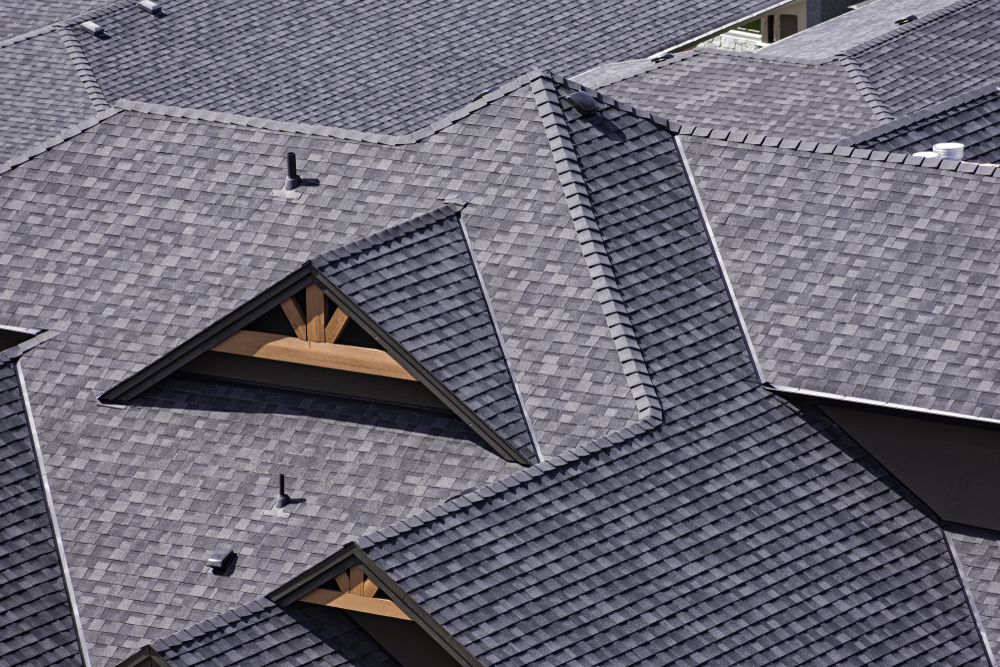
When it comes to protecting your home, most homeowners focus on the obvious elements: shingles, gutters, and flashing. However, one of the most critical components of a healthy roof system is often invisible from the ground: ventilation. Proper attic ventilation is the unsung hero of roof longevity. It regulates temperature, manages moisture, and prevents costly damage like rot and mold. If you are planning a roof replacement or trying to solve heating and cooling issues in your home, you will likely face a common debate: Ridge Vents vs. Box Vents. Both systems aim to do the same thing—exhaust hot, stale air from your attic—but they achieve this goal in very different ways. Choosing the right one depends on your roof’s architecture, your climate, and your aesthetic preferences. In this comprehensive guide, we will break down the differences, pros, and cons of each system to help you make an informed decision for your South Carolina home. Understanding Attic Ventilation Basics Before diving into the specific product comparison, it is crucial to understand why you need ventilation in the first place. Your attic is essentially a buffer zone between the conditioned air inside your home and the elements outside. The Stack Effect Ventilation works on a principle called the “stack effect.” Hot air rises. In a properly ventilated attic, cool, fresh air enters through intake vents (usually located in the soffits or eaves). As this air warms up, it rises and exits through exhaust vents near the peak of the roof. Without this continuous cycle of airflow, your attic becomes a heat trap in the summer and a moisture trap in the winter. Summer Issues: Superheated attics can bake your shingles from the bottom up, shortening their lifespan. This heat also radiates down into your living spaces, forcing your HVAC system to work overtime. Winter Issues: Warm, moist air from your home rises into the attic. If it cannot escape, it condenses on cold surfaces (like nails and roof decking), leading to mold, wood rot, and compromised insulation. Choosing the right exhaust method—ridge or box—is vital to ensuring this cycle works efficiently. What Are Box Vents? Box vents, also known as turtle vents, louvers, or flat vents, are static exhaust vents installed over a hole cut into the roof deck. They create a pathway for hot air to escape. How They Work Box vents rely on natural convection. As heat rises in the attic, it naturally seeks an escape route. Box vents provide that opening near the top of the roof. They are static, meaning they have no moving parts, unlike turbine vents that spin in the wind. The Installation Process Installing box vents involves cutting a square or rectangular hole in the roof decking, usually a few feet down from the ridge. The vent is placed over the hole, flanged under the surrounding shingles to prevent leaks, and sealed with roofing cement. Pros of Box Vents Simplicity and Familiarity: Box vents have been around for decades. Every roofer knows how to install them, and they are a tried-and-true technology. Versatility in Placement: Because they are individual units, box vents can be placed strategically in complex roof areas. If you have a hip roof (where there is very little horizontal ridge) or a roof with many valleys and dormers, box vents might be the only viable option to ensure all sections of the attic are vented. Cost: Individually, box vents are inexpensive. However, because you need multiple units to ventilate a standard roof properly, the labor cost can sometimes balance this out. Cons of Box Vents Uneven Ventilation: This is the biggest drawback. Box vents create “pockets” of ventilation. They are effective immediately around the area where they are installed, but they may leave “dead spots” of stagnant air in areas of the attic further away from the vents. Aesthetic Impact: Box vents are visible protrusions on your roofline. While they come in colors to match shingles, they break up the smooth look of the roof. For homeowners concerned with curb appeal, seeing five or ten “turtles” on the back of the roof can be an eyesore. Potential for Leaks: Every box vent requires a hole in your roof decking. If you need 10 vents to properly ventilate your attic, that is 10 separate penetrations. Every penetration is a potential leak point if the flashing fails or the sealant cracks over time. At Cola City Roofing, we pay special attention to flashing details during our Roof Repair Services to prevent these exact issues. Efficiency: Compared to ridge vents, box vents are generally less efficient at moving large volumes of air unless a significant number of them are installed. What Are Ridge Vents? Ridge vents are a continuous exhaust system installed along the very peak (the ridge) of your roof. They are designed to look like a seamless part of the roofline, often covered by matching shingle caps. How They Work A ridge vent works by cutting a continuous strip of decking away on both sides of the ridge beam. The vent is then installed over this slot. This creates a continuous exhaust point at the highest possible part of the attic. Because hot air naturally rises to the highest point, ridge vents utilize the entire length of the roof peak to let air escape. Additionally, many modern ridge vents use an external baffle design. When wind blows over the ridge, the baffle creates an area of low pressure (the Bernoulli effect) that actively pulls air out of the attic, significantly increasing airflow compared to static convection alone. Pros of Ridge Vents Continuous, Uniform Airflow: Because the vent runs the entire length of the roof peak, it eliminates the “dead spots” common with box vents. It provides uniform ventilation across the entire underside of the roof deck, washing the whole attic with fresh air. Superior Aesthetics: Ridge vents are low-profile. Once installed and covered with ridge cap shingles, they are nearly invisible from the ground. They maintain the clean, architectural lines of
Industrial Storm Mitigation: Fortifying Your Facility Against Nature’s Fury
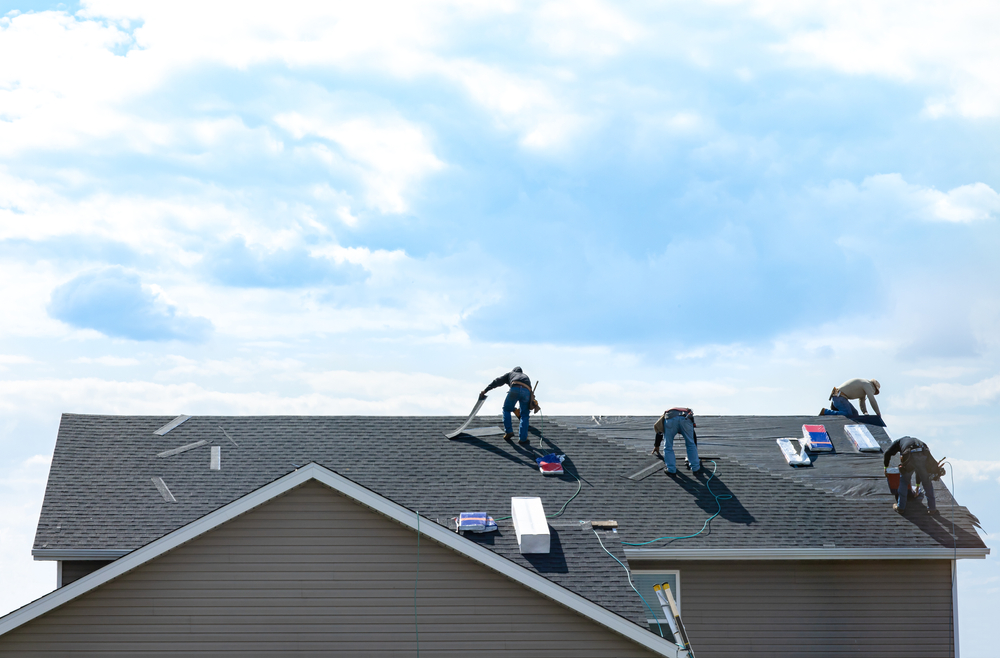
In South Carolina, storm season isn’t a matter of “if”—it’s a matter of “when.” For industrial facility managers and building owners, severe weather represents one of the single largest threats to operational continuity. A massive warehouse or manufacturing plant might seem invincible due to its size, but the roof is often its most vulnerable point. High winds, torrential rains, and pounding hail can compromise a roof system in minutes, leading to millions of dollars in equipment damage, lost inventory, and halted production. Industrial storm mitigation is not just about reacting after the clouds clear; it is about proactive engineering, strategic material selection, and rigorous preparation. As part of a broader commercial and industrial roofing strategy in South Carolina, storm mitigation should be integrated into system design, installation, and long-term facility planning. It is the difference between a minor repair bill and a catastrophic structural failure. At Cola City Roofing, we have seen the aftermath of the Southeast’s most severe weather events. We know that the best defense is a good offense. As Columbia, SC’s premier roofing experts, we specialize in hardening industrial facilities against the elements. Whether you are looking to retrofit an aging roof for better wind resistance or need immediate post-storm triage, our team is equipped to handle the scale and complexity of industrial projects. In this comprehensive guide, we will explore the science of storm mitigation, the materials that stand up to the test, and the steps you must take to protect your business assets before the next storm watch is issued. The Anatomy of Storm Damage: Understanding the Threat To mitigate damage, you first need to understand the forces at play. Industrial roofs face a “triple threat” during severe weather: Wind, Water, and Impact. 1. Wind Uplift: The Invisible Giant Wind doesn’t just push against a building; it interacts with the aerodynamics of the structure. As wind hits the wall of a warehouse and travels up and over the roof edge, it creates an area of low pressure directly above the roof surface. Meanwhile, the air pressure inside the building remains normal or high. This pressure difference creates a suction force called uplift. It tries to literally suck the roof membrane or metal panels off the deck. The Weak Points: The corners and perimeter of the roof experience the highest uplift forces. If the edge metal (fascia or coping) fails, the wind can get underneath the membrane and peel it back like a sardine can. The Consequence: Once the membrane peels, the insulation and deck are exposed to rain, and the structural integrity of the roof system is compromised. 2. Hydrostatic Pressure: The Weight of Water Industrial roofs are typically flat or low-slope. They rely on internal drains, scuppers, and gutters to move water off the roof. During a torrential downpour—common in South Carolina thunderstorms—water can fall faster than it can drain. The Threat: As water accumulates, its weight increases rapidly. Just one inch of water over a 20×20 foot area weighs over 2,000 pounds. The Consequence: This weight can cause the roof deck to deflect (sag). This sagging creates a bowl that holds even more water. If the load exceeds the structural capacity, the roof can collapse. 3. Impact Damage: Hail and Debris Hailstones the size of golf balls or baseballs carry immense kinetic energy. On an industrial roof, hail can shatter skylights, dent metal panels, and fracture the reinforcement layer within roofing membranes. The Threat: Often, hail damage isn’t immediately visible to the naked eye. It creates “micro-fractures” in the membrane. The Consequence: Over the next 12-18 months, UV rays expand these fractures, leading to widespread leaks long after the storm has passed. If you suspect your facility has been compromised by any of these forces, immediate assessment is critical. Learn about our specialized approach on our storm damage consultations page. Proactive Mitigation: Strengthening the System Before the Storm The most effective mitigation happens during the design and installation phase, or through strategic retrofitting. You cannot control the weather, but you can control how your building responds to it. 1. Enhancing Perimeter Security Since the roof edge is the first line of defense against wind uplift, securing it is paramount. ES-1 Compliance: Ensure that all edge metal (coping, fascia, gravel stops) meets the ANSI/SPRI ES-1 standard. This is the building code standard for edge metal wind resistance. Reinforced Fastening: At Cola City Roofing, we often increase the fastening density at the corners and perimeters of the roof—installing more screws and plates per square foot than in the center of the field—to counteract the higher wind loads in these zones. Wind resistance is not just about hardware. Installation discipline and jobsite protocols also matter. Our industrial roofing safety guide explains how compliance and crew practices affect structural performance during extreme weather. 2. Improving Drainage Capacity To combat water weight, the water must evacuate immediately. Tapered Insulation: We design roofing systems with tapered insulation boards that create a positive slope, guiding water directly to the drains and eliminating low spots where ponds can form. Secondary Drainage: Building codes require an emergency overflow system. If the primary drains clog with leaves or debris, secondary scuppers must be installed slightly higher than the primary drains to allow excess water to escape before the weight becomes critical. Gutter Sizing: For metal buildings, ensuring the gutters and downspouts are sized correctly for the roof’s square footage and the region’s maximum rainfall intensity is crucial. Large footprint structures like distribution hubs and agricultural storage facilities require enhanced drainage engineering due to their scale. Explore how agricultural and warehouse roofing systems address water management and structural load concerns. 3. Skylight Protection Skylights are often the first thing to break during a hailstorm. Hail Guards: Installing metal cages or screens over skylights can protect the glazing from large hail impacts. Impact-Resistant Glazing: When replacing skylights, opt for polycarbonate domes rather than acrylic. Polycarbonate has significantly higher impact resistance. Material Selection: Choosing a Storm-Ready Roof Not all roofing materials are created equal when
Agricultural and Warehouse Roofing: Protection for Crops, Livestock, and Inventory
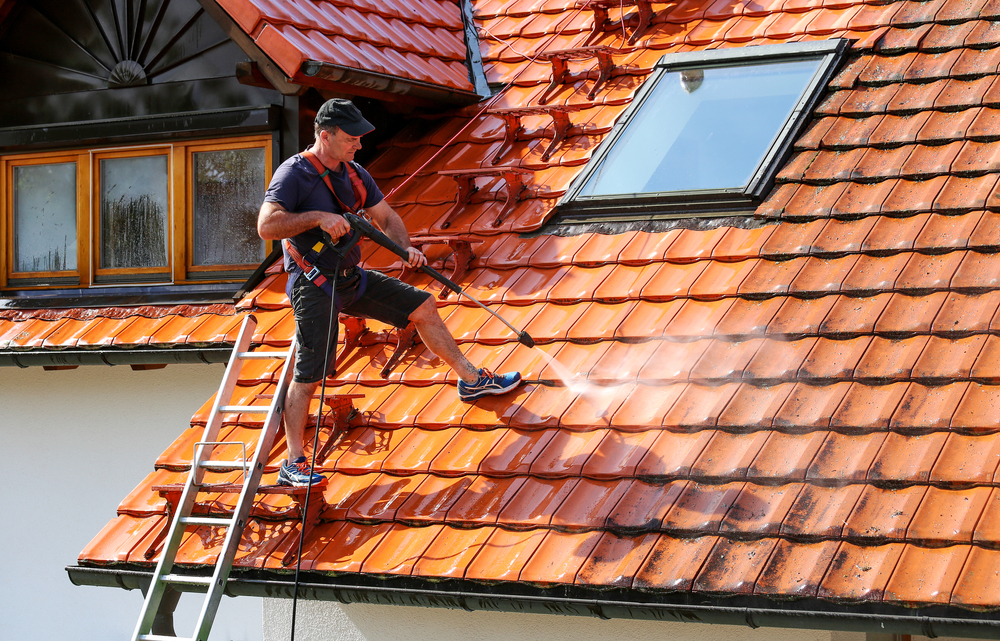
When managing an agricultural operation or a warehouse facility, the roof is more than just a cover; it is a critical asset that protects your livelihood. Whether it’s sheltering millions of dollars in inventory, expensive farming equipment, or livestock, the roof plays a vital role in the operational efficiency and financial security of your business. Unlike residential or standard commercial buildings, agricultural and warehouse structures face unique challenges. As part of a broader commercial and industrial roofing strategy in South Carolina, warehouse and agricultural facilities require systems engineered for scale, environmental exposure, and operational continuity. They often have massive footprints, are exposed to harsh environmental conditions (ammonia from livestock, dust, humidity), and require cost-effective solutions that don’t compromise on durability. At Cola City Roofing, we understand the specific needs of the agricultural and logistics sectors. As Columbia, SC’s premier roofing experts, we specialize in delivering high-performance roofing systems that withstand the rigors of farm and warehouse life. From massive metal barns to sprawling distribution centers, we have the expertise to keep your assets dry and secure. In this comprehensive guide, we will explore the specific demands of agricultural and warehouse roofing, the best material options available, and how to maintain these massive structures for long-term performance. The Unique Demands of Agricultural and Warehouse Roofing To choose the right roofing system, you must first understand the environment it will serve. These facilities are not standard office buildings; they are working structures with distinct stressors. 1. Scale and Cost-Efficiency The most obvious characteristic of these buildings is their size. Warehouses and barns often cover tens or hundreds of thousands of square feet. The Challenge: Even a small difference in material cost per square foot adds up to a massive difference in the total project budget. Owners need solutions that balance upfront affordability with long-term durability. The Solution: We focus on materials like metal panels and TPO membranes that offer excellent performance-to-cost ratios for large surface areas. 2. Interior Environment Control Warehouses need to protect goods from humidity and temperature spikes. Agricultural buildings often house livestock that generate heat and moisture. The Challenge: Condensation is a major enemy. In metal barns, “sweating” roofs can drip water onto crops or equipment, causing rot or rust. In warehouses, high humidity can ruin cardboard packaging. The Solution: Proper insulation and ventilation are non-negotiable. We design systems that manage airflow and thermal breaks to prevent condensation buildup. Facilities with processing or packaging operations often share similar environmental control challenges. See how manufacturing facility roofing systems are engineered to manage heat, chemical exposure, and vibration. 3. Chemical Exposure This is specific to the agricultural sector. Animal confinement buildings (hog barns, poultry houses) generate significant amounts of ammonia and other corrosive gases. The Challenge: Standard steel roofs can rust rapidly from the inside out when exposed to ammonia vapors. Fasteners can corrode, leading to structural weakness. The Solution: We use specialized materials like aluminum or heavy-gauge steel with advanced anti-corrosion coatings (like Galvalume®) to resist chemical attack. 4. Durability Against the Elements These structures are often located in open fields or industrial parks with little protection from the wind. The Challenge: High winds can generate massive uplift forces on large, flat surfaces. Hail is also a significant threat to large metal or membrane roofs. The Solution: Our installations are engineered to meet or exceed local wind uplift codes, using rigorous fastening patterns to keep the roof secure during South Carolina storms. Large agricultural and warehouse roofs are especially vulnerable to wind uplift at corners and perimeters. Our industrial storm mitigation guide explains how fastening density, edge reinforcement, and drainage design reduce catastrophic failure risk. If you are planning a new build or need to replace an aging roof, our team can help you navigate these challenges. Visit our roofing services page to learn more about our industrial capabilities. Top Material Choices for Warehouses and Agriculture There is no single “best” roof. The right choice depends on your specific operation, budget, and long-term goals. 1. Metal Roofing Systems Metal is the traditional king of agricultural roofing and is widely used in warehousing. Exposed Fastener Panels (Ag Panels) This is the most common and cost-effective solution for pole barns and storage sheds. Pros: Very affordable, quick to install, and durable against impact. Cons: The rubber washers on the screws eventually degrade and need replacing. Best Application: Equipment storage, hay barns, and general-purpose warehouses. Standing Seam Metal For higher-end facilities or climate-controlled warehouses, standing seam is a superior option. Pros: Concealed fasteners mean no leak points. The floating clip system allows for thermal expansion, which is critical for very long warehouse roofs. Cons: Higher initial investment. Best Application: Commercial warehouses, processing facilities, and office portions of agricultural complexes. Aluminum Panels Pros: Naturally resistant to rust and corrosion. Cons: More expensive than steel and softer (more prone to hail dents). Best Application: Livestock housing where ammonia levels are high, or coastal warehouses exposed to salt spray. 2. TPO (Thermoplastic Polyolefin) For flat-roofed warehouses and distribution centers, TPO is rapidly becoming the industry standard. Pros: The white reflective surface lowers cooling costs significantly—a huge benefit for large, open spaces. It is resistant to mold and dirt accumulation. Cons: Not suitable for high-heat environments or roofs with heavy foot traffic unless protected with walkway pads. Best Application: Large distribution centers, cold storage facilities, and flat-roofed agricultural processing plants. 3. Spray Polyurethane Foam (SPF) SPF is a unique solution often used for retrofitting aging metal roofs on barns and warehouses. Pros: It is sprayed on as a liquid and expands to form a seamless, insulating barrier. It seals every crack and hole in an old metal roof and adds significant R-value (insulation). Cons: Requires specialized installation conditions (cannot be sprayed in wind or rain). Best Application: sealing up old, leaky metal barns to extend their life and improve temperature control. Unsure which material fits your needs? We can provide a comprehensive assessment. Contact us via our Contact Page. For a deeper comparison of membrane systems,
Manufacturing Facility Roofing: Built for Production and Performance
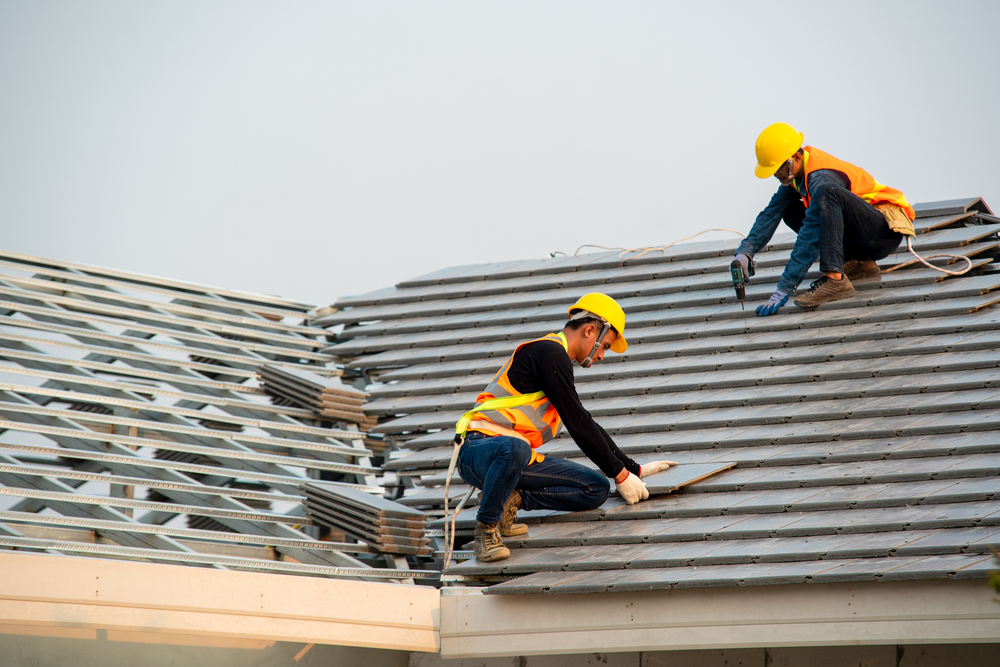
A manufacturing facility is the heart of production. It’s where raw materials become finished goods, where machinery hums around the clock, and where your business generates its value. But above the assembly lines, the CNC machines, and the busy workforce lies a critical component that often goes unnoticed until it fails: the roof. Roofing for manufacturing facilities is a distinct discipline within the construction industry. As part of a broader commercial and industrial roofing strategy in South Carolina, manufacturing facilities require specialized system design that accounts for production demands, environmental exposure, and structural performance. Unlike a standard office building or a retail strip mall, a manufacturing plant imposes severe stress on its building envelope. Heat, chemical exhaust, vibrations, and massive footprints create a unique set of challenges that require specialized solutions. At Cola City Roofing, we understand that a roof leak in a manufacturing plant isn’t just a puddle on the floor—it’s a production stop. It’s damaged inventory. It’s a safety hazard. As the leading roofing experts in Columbia, SC, we specialize in installing and maintaining high-performance roofing systems designed to keep your operations running smoothly, rain or shine. In this comprehensive guide, we will explore the specific demands of manufacturing facility roofing, the best material options for different industrial processes, and how to manage the lifecycle of this massive asset. The Unique Stressors on Manufacturing Roofs To choose the right roof, you must first understand the enemy. Manufacturing environments attack roofs from both the outside (weather) and the inside (operations). 1. Chemical Exhaust and Fallout Many manufacturing processes release byproducts. Whether it’s food processing releasing animal fats and oils, or metal plating releasing acidic fumes, these substances are vented out through the roof. The Problem: Standard asphalt-based roofs (like Modified Bitumen) or certain rubber roofs (EPDM) can degrade rapidly when exposed to oils or acids. The membrane can swell, crack, or dissolve, leading to premature failure around the vents. The Impact: Leaks around exhaust stacks are common and can allow water to mix with chemical residue, dripping back into the facility. 2. Excessive Heat and Thermal Shock Industrial plants generate heat. Furnaces, kilns, and steam lines often run just inches below the roof deck. The Problem: The roof is cooked from below by the process heat and baked from above by the South Carolina sun. This extreme heat accelerates the aging of roofing materials. Thermal Shock: When a sudden summer thunderstorm dumps cold rain on a superheated roof, the material contracts rapidly. This “thermal shock” can tear seams apart and crack flashings. Because manufacturing facilities often operate continuously, storm resilience must be engineered into the system from day one. Our industrial storm mitigation guide explains how wind uplift design, drainage planning, and material thickness impact long-term durability. 3. Structural Vibrations Heavy machinery—stamping presses, large compressors, and generators—creates constant low-frequency vibrations throughout the building structure. The Problem: Rigid roofing systems can crack under this constant movement. Fasteners can slowly back out of the deck, compromising wind uplift ratings. The roofing system needs to be flexible enough to move with the building without losing its integrity. 4. High Foot Traffic Manufacturing roofs are often crowded with equipment that needs maintenance: HVAC chillers, scrubbers, and filtration systems. The Problem: HVAC technicians are not roofers. They may drop tools, drag heavy panels, or walk in areas not designed for traffic. A punctured membrane leads to leaks that might not be discovered until the next heavy rain. If your facility faces these challenges, you need a roofing partner who understands industrial dynamics. Explore our roofing services to see how we tailor our approach to your industry. Material Selection: Matching the Roof to the Process There is no “one size fits all” in industrial roofing. The “best” roof depends entirely on what is happening inside the building. If you’re comparing system types in more depth, review our complete guide to industrial roofing materials to evaluate performance differences across membranes, metal systems, and multi-ply assemblies. Thermoplastic Polyolefin (TPO) TPO is currently the most popular choice for general manufacturing and warehousing. Best For: Light manufacturing, assembly plants, and warehouses. Why: It is cost-effective, durable, and the white surface reflects UV rays, lowering cooling costs. It is resistant to many chemicals but not all. It handles building movement well due to its flexibility. Polyvinyl Chloride (PVC) PVC is the heavyweight champion of chemical resistance. Best For: Food and beverage processing, chemical plants, and facilities with oil/grease exhaust. Why: PVC is highly resistant to animal fats, greases, and acids that eat other roofs. It is also naturally fire-retardant, which is a major plus for facilities with high fire risks. Metal Roofing Metal offers unmatched longevity and physical strength. Best For: Foundries, heavy manufacturing, and facilities requiring high security. Why: Metal can withstand extreme heat and physical impact better than any membrane. It is non-combustible and has a lifespan of 40-60 years. However, it can be susceptible to corrosion if the facility emits corrosive fumes, so the coating selection is critical. Modified Bitumen (Mod-Bit) Mod-Bit is a multi-ply system that is extremely tough. Best For: Facilities with heavy rooftop traffic and mechanical equipment. Why: The multiple layers create a thick, durable mat that resists punctures from dropped tools or heavy boots. It is less sensitive to foot traffic than single-ply membranes. Not sure which material fits your production needs? Our team can conduct an on-site assessment. Contact us via our Contact Page. Minimizing Downtime During Installation For a manufacturing plant, “downtime” is a dirty word. You cannot afford to shut down production for weeks just to get a new roof. This is where strategic planning and contractor expertise come into play. The “Lay-Over” Strategy In many cases, we can install a new roof over the existing one (a “recover” or “lay-over”). Pros: This eliminates the need to tear off the old roof, which is noisy, messy, and leaves the building temporarily exposed. It is faster and cheaper. Cons: Building codes only allow two layers of roofing. We must perform
Industrial Roofing Safety: Navigating Compliance and Protecting Crews
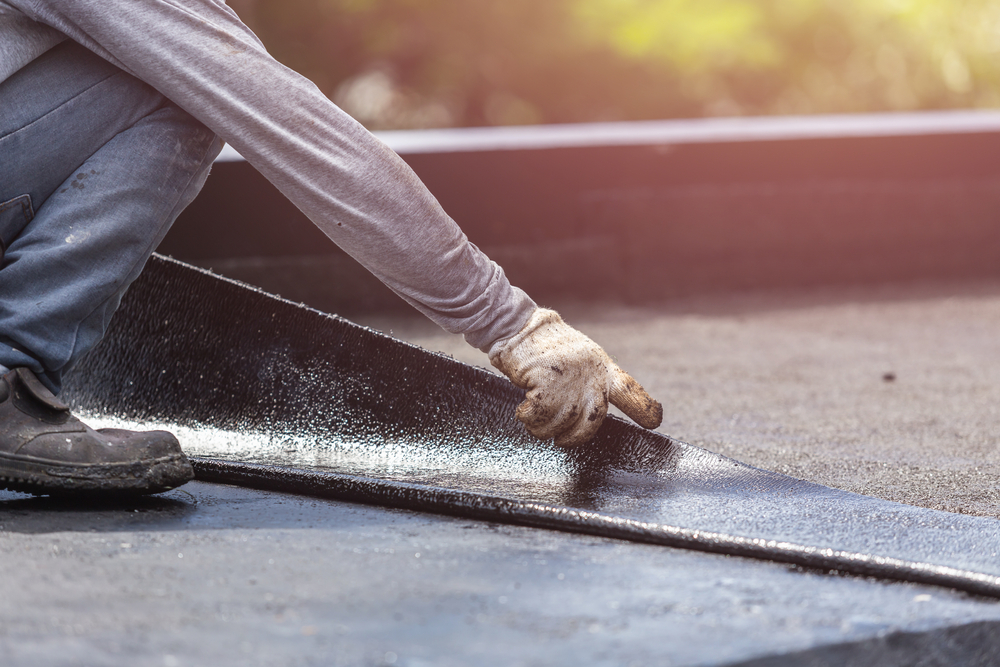
In the high-stakes world of industrial roofing, productivity and profit margins often dominate the conversation. However, there is one metric that supersedes all others: safety. An industrial roof is a dynamic, hazardous environment. Between the height, the heavy machinery, the weather conditions, and the sheer scale of the structures, the potential for accidents is ever-present. For facility managers and business owners, ensuring that your roofing contractor adheres to strict safety standards isn’t just about moral responsibility—it’s about operational continuity and liability management. A single accident can shut down a job site for weeks, trigger massive fines, and cause irreparable reputational damage. At Cola City Roofing, safety is not a checklist; it is our culture. We believe that the only successful project is one where every crew member goes home safe at the end of the day. As Columbia, SC’s leading roofing experts, we adhere to rigorous safety protocols that meet or exceed industry standards. In this guide, we will explore the critical landscape of industrial roofing safety. We will discuss common hazards, the role of OSHA guidelines, and why hiring a compliant contractor is the best business decision you can make. For a full overview of how safety integrates into large-scale systems and compliance planning, review our commercial and industrial roofing services in South Carolina. Disclaimer: This article is for informational purposes only and does not constitute legal advice. Safety regulations are subject to change. Always consult with a qualified safety professional or legal counsel regarding specific compliance requirements. The High Cost of Cutting Corners Why does safety matter so much in industrial roofing? The answer lies in the statistics. Construction falls remain the leading cause of fatalities in the industry. But beyond the tragic human cost, the business impact of non-compliance is staggering. Operational Disruption If an accident occurs on your property, the project stops immediately. Investigations by regulatory bodies can freeze work for days or weeks. For an industrial facility trying to maintain production schedules while a roof is being replaced overhead, this downtime is disastrous. Liability Concerns While contractors carry insurance, property owners are not immune to liability. If you hire a contractor with a known history of safety violations, you could be drawn into legal battles regarding negligence. Hiring a compliant, fully insured partner like Cola City Roofing shields you from these risks. Quality of Workmanship There is a direct correlation between safety and quality. A crew that rushes, skips safety steps, and works in a chaotic environment is more likely to cut corners on the actual roofing installation. Safe crews are disciplined crews, and disciplined crews install superior roofs. Learn more about our disciplined approach on our About Us page. Understanding the Hazards: What We Are Up Against To understand safety compliance, you must first understand the specific dangers inherent to industrial roofing. These aren’t just “slippery slopes”; they are complex environmental hazards. Roofing material selection directly impacts jobsite risk levels. Certain membranes perform better in high-heat or chemical environments. See our breakdown of industrial roofing materials to understand how material choice influences long-term safety. 1. Fall Hazards This is the most obvious danger. Industrial roofs are often 20, 30, or 50 feet in the air. But the edge of the roof isn’t the only risk. Unprotected Edges: The perimeter of the roof requires strict control zones. Skylights: These are often fragile. A worker stepping on a skylight can fall through to the factory floor below. Roof Hatches: Open access points are essentially holes in the floor that people can stumble into. 2. Hazardous Substances Industrial roofs often vent chemical byproducts from the manufacturing process below. Roofing crews may be exposed to fumes, dust, or residues that are toxic. Furthermore, older industrial buildings may still contain asbestos in the existing roofing materials or insulation. 3. Electrical Hazards Industrial roofs are often home to high-voltage HVAC units, transformers, and conduits. Accidental contact with a live wire during a tear-off can be fatal. Additionally, overhead power lines near the building perimeter pose a risk to cranes and ladders. 4. Heat Stress In South Carolina, the summer sun can heat a black EPDM or asphalt roof to over 150°F. Heat exhaustion and heat stroke are real threats. Compliance involves mandatory water breaks, shade stations, and monitoring crew health. In storm-prone regions like South Carolina, heat stress planning must also account for rapid weather shifts and severe storm exposure. Our guide to industrial storm mitigation explains how facility design and roofing systems reduce weather-related risk. 5. Material Handling Industrial roofing involves moving tons of material—heavy rolls of membrane, pallets of insulation, and buckets of adhesive. Back injuries and muscle strains from improper lifting are common if ergonomic protocols aren’t followed. Large production environments such as distribution hubs and agricultural storage facilities require coordinated access planning. Explore how roofing strategy differs for agricultural and warehouse roofing systems. OSHA and Industrial Roofing: The Framework for Safety The Occupational Safety and Health Administration (OSHA) sets the federal standards for construction safety. For industrial roofing, these regulations are extensive and specific. A reputable contractor doesn’t just “know” these rules; they live by them. Fall Protection (OSHA Standard 1926.501) This is the big one. OSHA requires employers to provide fall protection systems for workers on walking/working surfaces with an unprotected side or edge which is 6 feet or more above a lower level. Common Compliance Methods We Use: Personal Fall Arrest Systems (PFAS): This includes the full-body harness, the lanyard, and the anchor point. Every worker near an edge is tied off. If a fall occurs, the system arrests the fall before the worker hits the ground. Guardrail Systems: Temporary rails installed around the perimeter of the roof or around open hatches. This is a passive system that physically prevents a fall. Warning Line Systems: For low-slope roofs, we can set up a flagged warning line 6 feet (or more) from the edge. Workers inside the line don’t need to be tied off, but no work is permitted outside the line without a
Structural Load Considerations: The Hidden Backbone of Industrial Roofing
When we think about a roof, we usually focus on the surface: the shingles, the metal panels, or the white TPO membrane gleaming in the sun. We think about leaks, insulation, and curb appeal. But for industrial facility managers and building owners, the most critical aspect of a roofing system is one you can’t see from the outside: structural load capacity. An industrial roof is more than just a lid on a box. It is a working platform that supports massive HVAC units, heavy snowfalls, accumulated water during storms, and the weight of maintenance crews. Failing to account for these loads doesn’t just risk a leak—it risks a catastrophic structural collapse. At Cola City Roofing, we believe that a safe roof starts with the math, not the materials. As Columbia, SC’s premier roofing experts, we approach every industrial project with a deep understanding of structural dynamics. Whether you are retrofitting an old warehouse or designing a new manufacturing plant, understanding structural loads is the difference between a long-lasting asset and a liability. In this in-depth guide, we will break down the complex world of structural load considerations. We’ll explain the different types of loads, why they matter for your material selection, and how we engineer solutions that keep your facility safe. What Are Structural Loads? In engineering terms, a “load” is simply a force applied to a structure. For roofs, these forces come from gravity, weather, and the building’s own components. Structural engineers and professional roofers categorize these loads into two main groups: Dead Loads and Live Loads. 1. Dead Loads: The Permanent Weight Dead loads refer to the weight of the roof structure itself and any permanent equipment attached to it. This is weight that is always there, 24/7, 365 days a year. Examples of Dead Loads: The Decking: Steel, concrete, or wood panels that form the base of the roof. The Roofing Material: The weight of the asphalt, metal, or membrane. This varies significantly; a multi-ply built-up roof (BUR) with gravel is much heavier than a single-ply TPO sheet. Insulation: Layers of polyiso or other insulating materials. MEP Equipment: Mechanical, Electrical, and Plumbing units like HVAC chillers, exhaust fans, and water tanks that are permanently mounted on the roof. Solar Panels: If you have a photovoltaic array, that is a significant dead load. When we evaluate a roof for replacement, we must calculate the existing dead load. If we plan to install a heavier system or add a second layer of roofing (a “lay-over”), we must ensure the underlying steel joists and columns can handle the extra pounds per square foot (PSF). 2. Live Loads: The Temporary Weight Live loads are transient forces that move or change over time. These are harder to predict but are critical for safety calculations because they often represent the “worst-case scenario.” Examples of Live Loads: Maintenance Crews: The weight of workers, their toolboxes, and materials during repairs. Mobile Equipment: Pressure washers, generators, or carts used during service. Construction Operations: Pallets of shingles or rolls of membrane temporarily stacked on the roof during installation. Building codes specify minimum live load requirements (often 20 PSF for standard roofs) to ensure that a roof won’t collapse just because a few people are walking on it. 3. Environmental Loads: Nature’s Weight While technically categorized under live loads in some contexts, environmental loads are distinct enough to warrant their own focus, especially in South Carolina. Snow Loads: While Columbia doesn’t see blizzard conditions often, even a few inches of wet, heavy snow can add thousands of pounds of stress to a large flat roof. Rain Loads: This is critical for flat industrial roofs. If drains clog, water can pool (ponding water). Water weighs 5.2 pounds per inch of depth per square foot. A large puddle can quickly become tons of localized weight. Wind Uplift: This is a “negative” load. High winds create suction that tries to pull the roof up off the building. The fastening system must be strong enough to resist this force. The Danger of Overloading: Why Calculations Matter Ignoring structural load limits is dangerous. An overloaded roof might not collapse immediately, but it will suffer from deflection. What is Deflection? Deflection is the sagging of roof components (joists or decking) under weight. On a flat roof, deflection creates a bowl shape. When it rains, water flows into this bowl. The weight of the water causes the roof to sag further, which allows it to hold more water. This vicious cycle is called progressive collapse. It can turn a minor drainage issue into a major structural failure in a matter of hours during a heavy storm. At Cola City Roofing, we prevent this by conducting thorough load analyses before we start any project. We don’t just guess; we measure. If you are concerned about sagging or ponding on your current roof, check out our roofing services page to see how we can help. Structural Considerations When Re-Roofing The most common time structural load becomes an issue is during a re-roofing project. Industrial building owners often face a choice: Tear off the old roof or recover (lay-over) the existing one. The Lay-Over Dilemma Building codes typically allow up to two layers of roofing materials on a building. Adding a second layer is cheaper because you avoid the labor and disposal costs of removing the old roof. However, you are adding weight. A layer of TPO is light (less than 1 PSF). A layer of Modified Bitumen is heavier. A layer of gravel-surfaced Built-Up Roofing is very heavy (6-7 PSF). If your building was designed with a tight safety margin, adding that second layer might push it over the edge. Before we recommend a recover system, we perform a core cut to see what is already up there. If we find two layers already, a complete tear-off is mandatory by code. Learn more about your replacement options on our roof replacement services page. Changing Materials Sometimes, owners want to switch materials. For example, moving from a
Metal Panel Systems: The Ultimate Industrial Roofing Solution
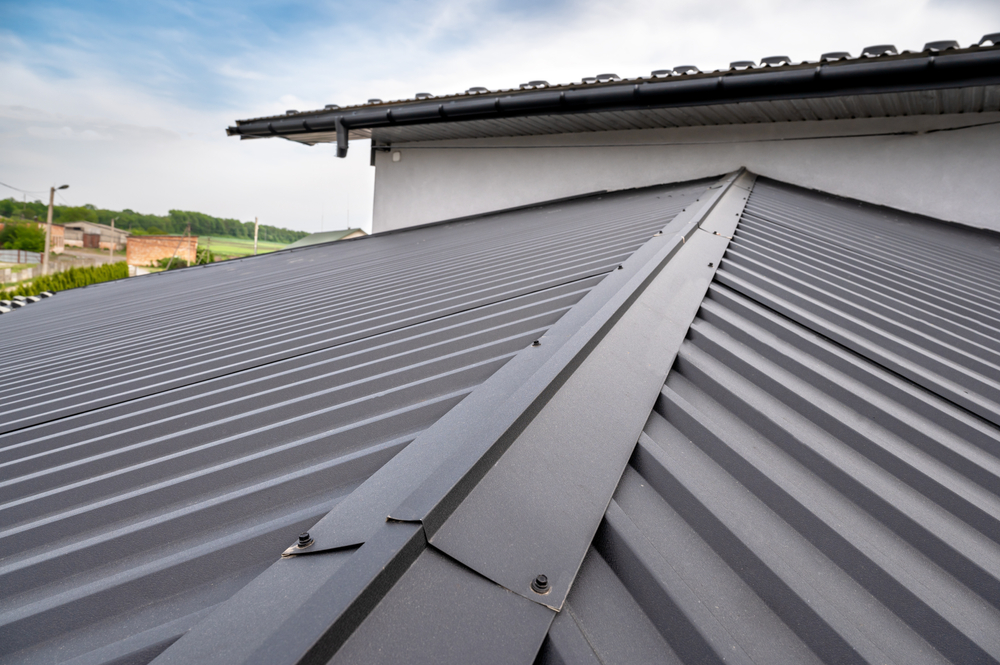
In the world of industrial construction, few elements are as critical as the roof. It’s the primary defense against the elements, a key factor in energy efficiency, and a significant component of the building’s structural integrity. When it comes to longevity, durability, and performance, metal panel systems stand in a league of their own. For facility managers, warehouse owners, and industrial developers, choosing the right roofing system is a decision that impacts the bottom line for decades. Metal panel systems offer a blend of strength and versatility that traditional asphalt or membrane roofs often struggle to match. At Cola City Roofing, we specialize in high-performance roofing solutions. As the premier roofing experts in Columbia, SC, we understand the unique demands placed on industrial structures in the Southeast. From scorching summers to severe thunderstorms, our metal roofing installations are engineered to withstand it all. In this comprehensive guide, we will dive deep into metal panel systems—exploring the different types available, their specific benefits for industrial applications, and why they might be the smartest investment for your facility. Why Metal? The Industrial Advantage Before examining the specific types of panels, it is essential to understand why metal has become the gold standard for many industrial applications. Unlike residential homes, industrial buildings often have vast surface areas, low slopes, and house expensive machinery or inventory. Unmatched Durability The most significant advantage of a metal panel system is its lifespan. While a traditional commercial roof might last 15 to 20 years, a high-quality metal roof can last 40 to 70 years or more with proper maintenance. This longevity drastically reduces the lifecycle cost of the roof. Weather Resistance South Carolina weather can be unpredictable. Metal panels are engineered to resist high winds, heavy rain, and even hail. They are non-combustible, offering superior fire resistance—a crucial safety feature for manufacturing plants dealing with high heat or flammable materials. Energy Efficiency Modern metal roofs are often coated with “cool roof” finishes that reflect solar radiant heat. This can reduce roof surface temperatures by up to 50°F and lower cooling costs by 10-25%. For large industrial spaces, these energy savings are substantial. If you are considering upgrading your current facility, our roof replacement services can help you transition to a durable metal system. Types of Metal Panel Systems Not all metal roofs are created equal. There are several distinct types of panel systems, each designed for specific structural needs and aesthetic preferences. Understanding the differences is key to choosing the right system for your facility. 1. Standing Seam Metal Roofing Standing seam is perhaps the most recognized and high-performing metal roofing system available. It features vertical legs with a flat space in between. The panels are attached to the roof deck with concealed clips, meaning there are no exposed fasteners. The “Concealed Fastener” Advantage: The primary failure point of any metal roof is the fastener. Over time, screws can back out due to thermal expansion, and rubber washers can degrade in the sun. Standing seam systems eliminate this risk by hiding the fasteners beneath the seams. Watertight Integrity: Because the fasteners are concealed and the seams are raised above the level of the roof, standing seam panels offer exceptional leak protection. Thermal Movement: The clip system allows the panels to expand and contract freely with temperature changes, preventing the metal from buckling or tearing. Aesthetics: These panels offer a sleek, modern look that can enhance the architectural appeal of any industrial building. This system is ideal for low-slope industrial roofs where water runoff is slower, as the raised seams prevent water from entering the joints. 2. Exposed Fastener Panels (R-Panel / PBR-Panel) Exposed fastener systems are the traditional choice for many agricultural and industrial buildings. As the name suggests, the panels are fastened directly through the metal into the roof deck using screws with rubber washers. Cost-Effective: This is generally the most affordable metal roofing option. It is faster to install and requires less specialized labor than standing seam systems. Versatility: These panels are rugged and can be used for both roofing and wall siding in industrial metal buildings. Maintenance: While durable, these roofs require more maintenance. The exposed screws need to be checked periodically to ensure they haven’t loosened and that the washers are still intact. For warehouses or storage facilities where budget is a primary constraint, exposed fastener panels offer a solid balance of durability and cost. 3. Corrugated Metal Panels Corrugated metal is the “classic” wavy metal roof. The corrugation (the wave pattern) increases the tensile strength of the metal, allowing thinner, lighter sheets to span larger distances between structural supports. Structural Strength: The shape makes these panels incredibly tough against impact damage. Retrofit Friendly: Because they are lightweight, corrugated panels can sometimes be installed over an existing roof without requiring a tear-off, saving time and disposal fees. 4. Insulated Metal Panels (IMPs) Insulated Metal Panels are a composite product. They consist of an insulating foam core sandwiched between two metal faces. All-in-One Solution: IMPs provide the exterior roof surface, the insulation, and the interior ceiling finish in a single pass. This speeds up construction time significantly. Superior Thermal Performance: Because the insulation is continuous and integral to the panel, there are no thermal bridges, providing excellent energy efficiency. This system is particularly popular for cold storage facilities, food processing plants, and climate-controlled manufacturing centers. Material Choices: What Are the Panels Made Of? The profile of the panel is only half the story. The base metal plays a huge role in the roof’s performance, especially in varying environments. Galvalume® Galvalume is a steel coil coated with a mixture of zinc and aluminum. The aluminum provides barrier protection against corrosion, while the zinc offers galvanic protection to heal scratches. Best For: Most industrial applications not near saltwater. It offers the best combination of cost and longevity. Galvanized Steel This is steel coated with a layer of zinc. It is strong and less expensive than Galvalume but doesn’t last as long, especially in acidic environments.