When you look at your home from the street, you might see your roof and your gutters as two separate components. The roof sits on top, shielding you from the sun and rain, while the gutters trace the edge, handling runoff. However, in the eyes of a professional roofer, these two elements are not separate entities. They are integral parts of a single, unified defense system designed to protect your home’s structural integrity.
The relationship between your roof and your gutters is symbiotic. A high-quality roof cannot effectively protect your home without functional gutters to manage the water it sheds. Conversely, even the best gutter system is useless if the roof isn’t shedding water correctly. Understanding how these two components work together is crucial for every homeowner who wants to avoid costly repairs, water damage, and foundation issues.
In this comprehensive guide, we will explore the intricate mechanics of your home’s exterior defense system. We will dive deep into how water management works, the specific dangers of a failing system, and why maintaining this partnership is the key to preserving your property value.
The Anatomy of Your Home’s Defense System
To understand how roofs and gutters collaborate, we first need to break down the anatomy of the roofing system. It is more than just shingles and aluminum troughs. Several components bridge the gap between the roof surface and the gutter channel, ensuring a seamless transition for water flow.
The Roof Surface
The roof itself is the first line of defense. Whether you have asphalt shingles, metal panels, or tile, the primary job of the roof surface is to shed water. It uses gravity and pitch (the angle of the roof) to direct precipitation downward toward the eaves. Without a proper exit strategy, this water would simply cascade off the edge, but that is where the rest of the system comes into play.
The Drip Edge
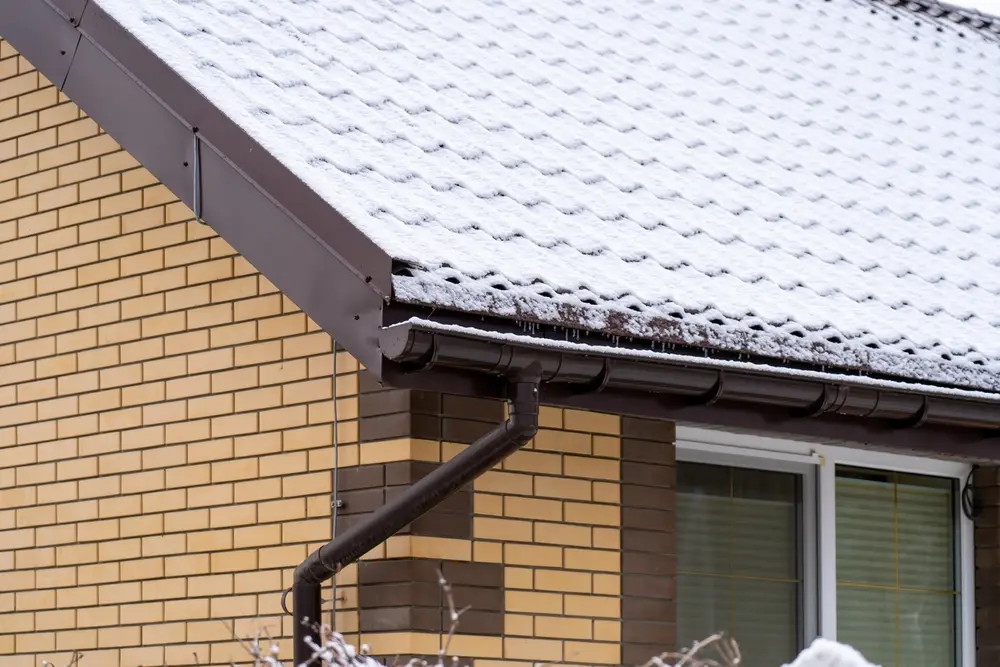
Often overlooked by homeowners, the drip edge is a critical piece of metal flashing installed at the edge of the roof. It hangs slightly over the gutter. Its purpose is to break the surface tension of water flowing off the roof, forcing it to drop into the gutter rather than curling back under the shingles to rot the roof deck or fascia board.
The Fascia and Soffit
The fascia is the long, straight board that runs along the lower edge of the roof. Your gutters are typically mounted to this board. The soffit is the exposed surface beneath the overhanging section of a roof eave. These components are vital for ventilation and structural support, but they are also the most vulnerable areas if the roof-gutter partnership fails.
The Gutter Channels and Downspouts
Finally, we have the gutters themselves. Their job is to catch the water shedding from the roof and channel it horizontally to the downspouts. The downspouts then carry the water vertically to the ground and direct it away from the foundation.
When all these parts function in harmony, your home stays dry. When one part fails, the entire system is compromised.
The Mechanics of Water Management
Water is the single most destructive force against residential structures. It is persistent, fluid, and capable of eroding concrete, rotting wood, and fueling mold growth. The primary goal of your roof and gutter system is simple: control the flow of water.
The Flow Path
During a heavy rainstorm in Columbia, SC, hundreds of gallons of water can hit your roof in a matter of minutes. Here is how the system should handle it:
- Impact: Rain hits the shingles.
- Shedding: Gravity pulls the water down the slope.
- Transition: Water reaches the eave, crosses the drip edge, and falls into the gutter trough.
- Transport: The gutter is slightly pitched to guide water toward the nearest downspout.
- Exit: The downspout moves water to the ground, where a splash block or extension directs it at least 6 to 10 feet away from the foundation.
If your gutters are clogged or misaligned, this flow path is broken. Water may overflow the trough, causing a "waterfall" effect that batters the ground below, digging trenches in your landscaping and splashing mud against your siding. If you need help assessing your current flow path, our experts in gutter installation services can evaluate your home’s specific needs.
How Faulty Gutters Damage Your Roof
It is a common misconception that gutter problems only affect the ground level. The truth is that clogged or damaged gutters can wreak havoc upward, damaging the roof itself.
The Danger of Standing Water
When gutters are clogged with leaves, pine needles, and debris, they fill up with water. This water is heavy—a gallon of water weighs over eight pounds. This excess weight can cause the gutters to pull away from the fascia board, but the real danger to the roof comes from the water level rising.
If the water in the gutter rises high enough, it can submerge the edge of the roof shingles and the roof decking (the wooden layer beneath the shingles). Shingles are designed to shed water, not to be submerged in it. Constant contact with standing water causes the wood decking to rot. This rot can spread upward into the trusses and rafters, compromising the structural strength of your roof.
Ice Dams: A Winter Nightmare
While we don’t see arctic conditions every day in South Carolina, freezing temperatures do occur. When they do, clogged gutters are the primary culprit behind ice dams.
An ice dam forms when heat from your home escapes through the attic, melting the snow or ice on the upper parts of your roof. This water runs down to the eaves. Since the eaves are not over the heated living space, they are colder. If your gutters are clogged with frozen debris, the water has nowhere to go. It freezes at the edge, building a dam of ice.
As more water melts and runs down, it backs up behind this dam. This pool of water can seep under your shingles, leaking into your attic, soaking insulation, and ruining drywall ceilings inside your home.
Pest Infestations
Standing water and rotting organic matter in gutters create a perfect ecosystem for pests. Mosquitoes breed in the stagnant water, while carpenter ants and termites are attracted to the moist, rotting wood of the fascia. Once these insects establish a colony in your gutters, it is a short trip for them to migrate into your roof structure and attic space.
How a Failing Roof Damages Your Gutters
The relationship goes both ways. Just as bad gutters hurt the roof, a deteriorating roof can destroy your gutter system.
Granule Loss
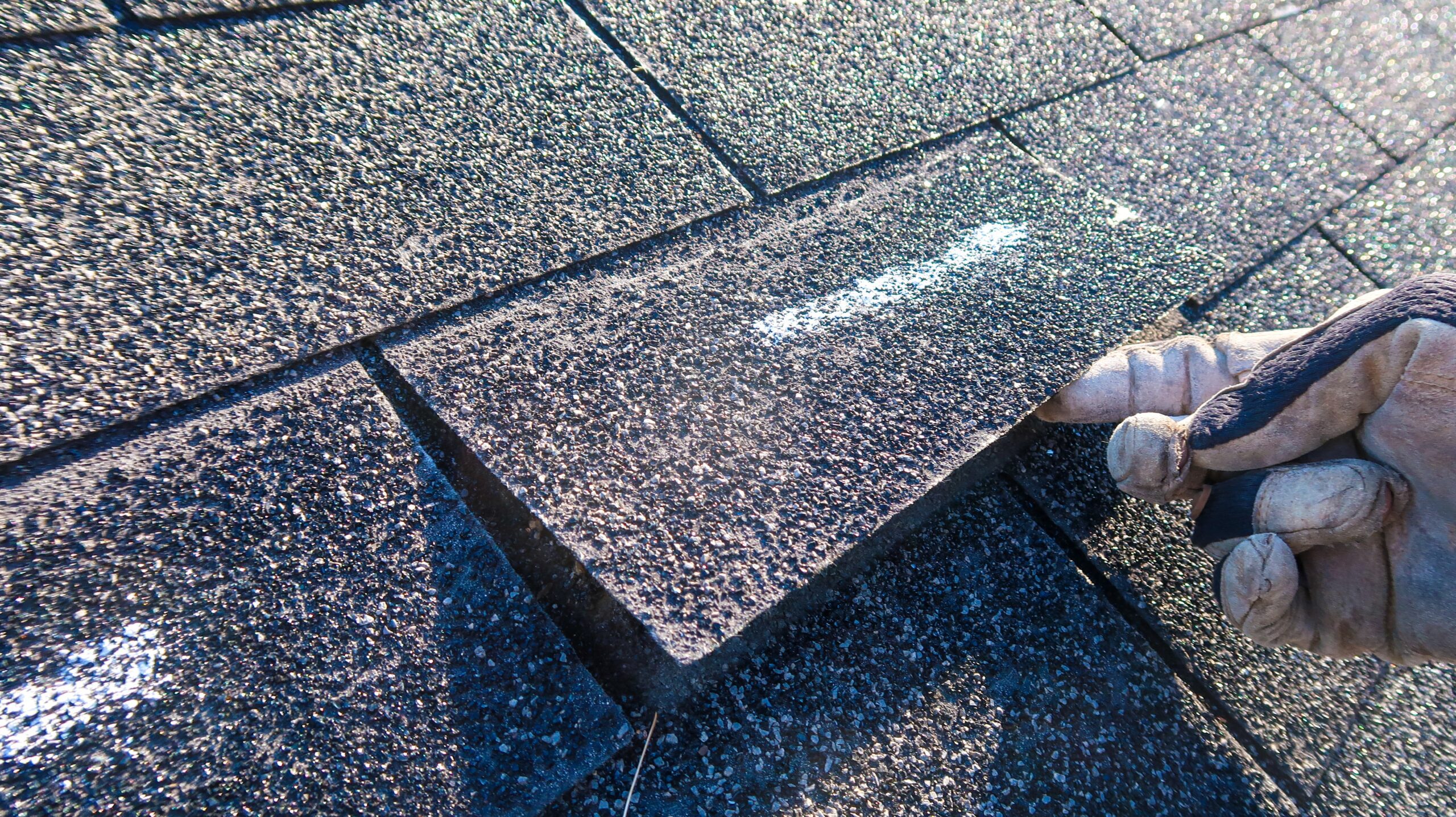
Asphalt shingles are covered in small, ceramic-coated granules that protect the asphalt from UV rays. As a roof ages, it begins to shed these granules. You might notice them washing out of your downspouts—they look like coarse black sand.
If your roof is shedding granules excessively, this "sand" accumulates in the bottom of your gutters. It creates a dense, heavy sludge that is difficult to wash away with normal rain. This sludge adds significant weight to the gutter system, causing it to sag or pull away from the house. It also slows down water flow, encouraging debris buildup.
Structural Sagging
If your roof is old and sagging due to weakened decking or structural issues, it changes the angle at which water enters the gutter. It may cause water to overshoot the gutter entirely during heavy rains, or it may create low spots where water pools on the roof edge before dripping behind the gutter, leading to fascia rot.
The Consequences of a Disconnected System
When the partnership between roof and gutters breaks down, the consequences extend far beyond the roofline. The damage cascades downward, affecting every part of your home.
Foundation Damage
This is the most expensive consequence of gutter failure. When gutters overflow or downspouts dump water right next to the house, the soil around your foundation becomes supersaturated. This creates hydrostatic pressure against your foundation walls.
Over time, this pressure causes cracks in the foundation. In winter, the water in the soil can freeze and expand, pushing against the foundation with immense force (a process called frost heave). If the soil under the footing washes away, the house can settle unevenly, leading to cracked walls, stuck doors, and uneven floors throughout the home.
Siding and Exterior Damage
Water overflowing from gutters splashes against your siding. While vinyl and brick are water-resistant, they are not waterproof. Constant exposure to splashing water can lead to staining, mold growth, and eventual rotting of the sheathing behind the siding. For wood siding, the rot can happen rapidly, requiring expensive replacement.
Landscape Erosion
You invest time and money into your landscaping. A failed gutter system can wash away mulch, kill delicate plants through overwatering, and erode the topsoil. The "waterfall effect" from a clogged gutter can dig deep trenches in your flower beds, ruining the aesthetic appeal of your home.
Basement and Crawl Space Flooding
If water pools around your foundation, it will eventually find a way inside. This leads to wet basements and damp crawl spaces. Moisture in these areas promotes mold growth, which can circulate through your HVAC system and affect your family’s health. It also creates a hospitable environment for termites and other wood-destroying organisms.
Optimizing the System: Installation Matters
To ensure your roof and gutters work together effectively, proper installation is non-negotiable. This is why it is often recommended to have professionals handle both aspects, or at least coordinate them closely.
Proper Pitch and Size
Gutters are not installed perfectly level; they must have a slight pitch (usually about 1/4 inch for every 10 feet) to ensure water flows toward the downspouts. If the pitch is too steep, it looks unappealing; if it’s too flat, water stands still.
Furthermore, the size of the gutter must match the size and pitch of the roof. A large, steep roof sheds water very quickly. A standard 5-inch gutter might not be able to handle the volume of water rushing off a steep roof during a torrential downpour. In these cases, 6-inch gutters and oversized downspouts are required to manage the flow volume.
Flashing and Drip Edge Integration
We mentioned the drip edge earlier, but its installation is critical. It must be installed under the roofing underlayment but over the back edge of the gutter. This overlapping "shingle effect" ensures that water cannot travel backward. If this integration is missed during a roof replacement or gutter installation, you are almost guaranteed to have fascia rot eventually.
If you suspect your current system was installed incorrectly or is showing signs of failure, consider our gutter repair services to correct the pitch, seal leaks, and secure loose brackets before major damage occurs.
Maintenance: The Key to Longevity
Even the best-designed system requires maintenance. To keep your roof and gutters working in harmony, you need a regular maintenance schedule.
Biannual Cleaning
At a minimum, gutters should be cleaned twice a year: once in the late spring (to clear out blossoms and seeds) and once in the late fall (after the leaves have dropped). In areas with heavy tree coverage, you may need to clean them more frequently.
Safety Tip: If you choose to clean them yourself, always use a sturdy ladder and a spotter. Never stand on the top rung of a ladder or lean out too far.
Visual Inspections
You don’t always need a ladder to spot problems. Next time it rains heavily, grab an umbrella and walk around your house. Look for:
- Water spilling over the edges of the gutter.
- Leaks at the corner joints (miters).
- Water running behind the gutter along the fascia.
- Downspouts that are essentially dry while the gutters are overflowing (indicating a clog).
Roof Debris Removal
Keep your roof surface clean. Piles of leaves in the "valleys" of your roof act like dams, trapping moisture against the shingles. When these piles eventually wash down, they create massive clogs in the gutters instantly. Using a roof rake or a leaf blower to clear the roof helps the gutters function better.
Trimming Trees
Overhanging tree branches are the enemy of a clean roof. They drop leaves, acorns, and twigs directly into your system. They also provide a bridge for squirrels and raccoons to access your roof. Keep branches trimmed back at least 6 to 10 feet from the roofline.
Gutter Guards: Are They Worth It?
Many homeowners ask if gutter guards are a solution to the maintenance problem. Gutter guards cover the top of the trough, allowing water to enter while keeping large debris out.
While they can significantly reduce the frequency of cleaning, they do not eliminate the need for maintenance entirely. Small particles like pine needles and roof granules can still get through some mesh screens. However, for homes surrounded by deciduous trees, high-quality gutter guards can be an excellent investment to keep the water flowing freely and reduce the burden on the roof edge.
Signs You Need Professional Help
While minor clogs can be cleared by a handy homeowner, some signs indicate that the structural relationship between your roof and gutters is failing. You should contact a professional if you see:
- Pulling Away: If the gutters are hanging loose or pulling the nails out of the fascia, the wood may be rotten. Re-nailing them won’t work; the wood needs to be replaced.
- Sagging Roofline: If the edge of your roof looks wavy or dips near the gutters, you may have decking rot.
- Interior Water Spots: Water stains on the ceiling near the exterior walls usually indicate an ice dam or eave leak.
- Basement Dampness: Unexplained moisture in the basement often points to a downspout or drainage failure.
Ignoring these signs can turn a few hundred dollars in repairs into a few thousand dollars in structural renovation.
The Value of Coordinated Care
Your home is likely your largest financial investment. Protecting it requires a holistic approach. When you think about replacing your roof, you should be thinking about your gutters. When you repair your gutters, you should be inspecting your roof edge.
At Cola City Roofing, we understand this dynamic deeply. We don’t just slap shingles on a deck; we engineer a water management system that protects your family and your finances. Whether you need a full roof replacement, a new gutter system, or repairs to keep your current setup running, we have the expertise to ensure both components work together seamlessly.
If you are concerned about the state of your roof or gutters, don’t wait for the next storm to reveal the weaknesses in your system. Contact us today for a comprehensive inspection. We will assess your entire exterior water management system and provide honest, practical solutions to keep your home safe and dry for years to come.
Frequently Asked Questions
Can I install new gutters on an old roof?
Yes, you can install new gutters on an existing roof. However, care must be taken not to damage the lower shingles or the drip edge during installation. If your roof is nearing the end of its life (within 3-5 years), it is often more cost-effective to replace both at the same time to ensure perfect integration of the drip edge and flashing.
How do I know if my downspouts are clogged?
If water is spilling over the sides of your gutters during rain but little to no water is coming out of the bottom of the downspout, you likely have a clog. You can sometimes clear this by tapping the downspout or using a plumbing snake.
What is the best material for gutters?
Seamless aluminum is the most popular choice for residential homes due to its balance of durability, cost, and resistance to rust. Copper is a premium option that lasts longer and adds a distinct aesthetic but comes at a higher price point. Vinyl gutters exist but are prone to cracking in temperature fluctuations and are generally not recommended for long-term durability.
Does a steep roof need bigger gutters?
generally, yes. Steep roofs accelerate the speed of water runoff. During heavy storms, this fast-moving water can shoot over the edge of a standard 5-inch gutter. 6-inch gutters provide a larger catch basin to capture this high-velocity flow effectively.
Can clogged gutters void my roof warranty?
In some cases, yes. If a roofing manufacturer determines that damage to the shingles or decking was caused by homeowner negligence (like failing to clean gutters leading to rot), they may deny a warranty claim for that specific damage. Keeping your gutters clean is a requirement for maintaining the validity of your home’s protections.
Conclusion
Your home acts as a shelter, a sanctuary, and an investment. The roof and the gutters are the shield and sword that defend this investment against the elements. They are not solitary players; they are teammates. When they work together, your foundation stays stable, your attic stays dry, and your siding stays clean.
Don’t let a breakdown in this system compromise your comfort or your wallet. By understanding how they function together and staying on top of maintenance, you ensure that your home remains standing strong through every storm. Whether you need a simple tune-up or a complete overhaul of your exterior defenses, remembering that roofs and gutters are a package deal is the first step toward responsible homeownership.