
Why Regular Roof Inspections Save You Thousands
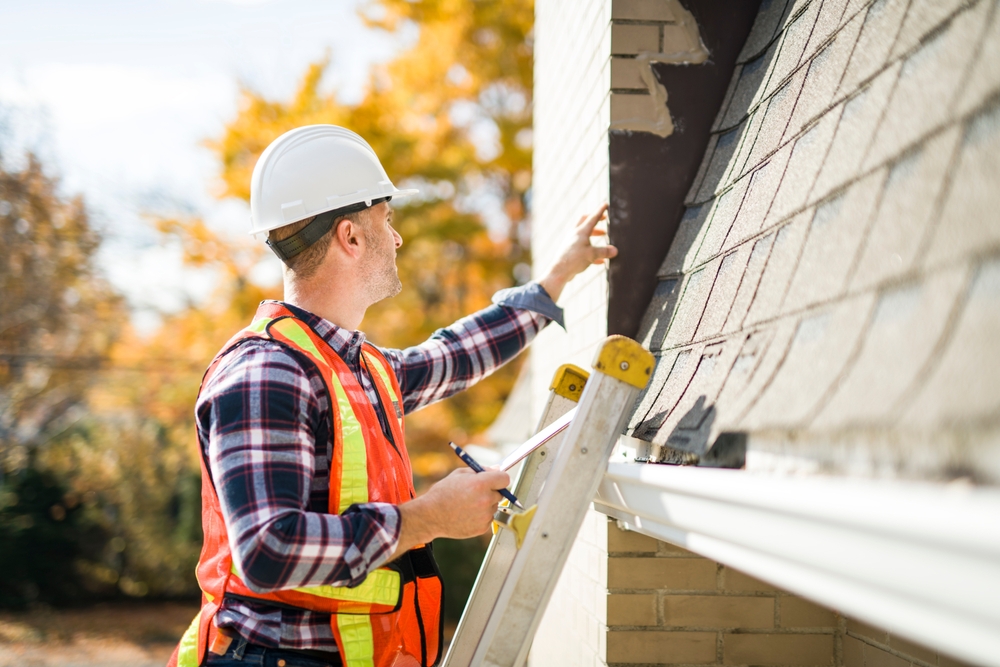
For most homeowners, the roof is an “out of sight, out of mind” part of the house. As long as it isn’t actively leaking, it’s easy to assume everything is fine. This common oversight can be a costly mistake. Minor, hidden issues can silently develop into major failures, turning a small repair job into a catastrophic expense that could have been avoided. The single most effective way to prevent this is with regular, professional roof inspections. Think of a roof inspection like a routine check-up for your health or an oil change for your car. It’s a low-cost, preventative measure that identifies potential problems before they escalate. For homeowners in Columbia, SC, where roofs endure intense sun, heavy rain, and seasonal storm threats, this proactive approach isn’t just a good idea—it’s an essential part of responsible homeownership. Investing a small amount in a yearly inspection can genuinely save you thousands, or even tens of thousands, of dollars in the long run. This guide will explain how by revealing the common, costly problems that a professional inspection can catch early. The Power of Prevention: Catching Small Problems Early The core value of a roof inspection lies in its ability to spot subtle signs of wear and tear before they compromise your entire roofing system. A trained professional can identify issues that an untrained eye would easily miss. Here are some of the critical problems an inspection can uncover. 1. Identifying and Stopping Minor Leaks The most feared roofing problem is a leak, but most leaks don’t start with a sudden cascade of water from your ceiling. They often begin as tiny intrusions of moisture that go unnoticed for months or even years. These slow leaks can cause devastating damage behind the scenes. Water can saturate insulation, promote dangerous mold growth in your attic, and slowly rot the wooden roof deck and structural supports of your home. By the time you see a water stain on your drywall, the damage is already extensive and expensive to fix. An inspector can spot the early warning signs of a leak, such as: Compromised sealant around flashing, vents, and chimneys. “Nail pops,” where nails have pushed up through the shingles, creating a small entry point for water. Cracked or missing shingles that expose the underlayment. Fixing a small leak might cost a few hundred dollars. Repairing widespread wood rot, replacing insulation, and remediating mold can easily cost thousands. 2. Addressing Damaged or Failing Shingles Your shingles are the armor of your roofing system. In Columbia’s climate, they take a constant beating from UV rays, wind, and rain. An inspection can assess the overall health of your shingles and identify localized damage. An inspector looks for: Curling or Clawing: Shingles that are curling at the edges are nearing the end of their life and are highly susceptible to being torn off by wind. Cracking: Thermal shock—the expansion and contraction from daily temperature swings—can cause older shingles to crack. Granule Loss: The sandpaper-like granules on your shingles protect the underlying asphalt from the sun. Significant granule loss (often found in gutters) is a sign that your roof is aging and becoming vulnerable. Replacing a handful of damaged shingles is a simple, affordable repair. Waiting until widespread failure occurs guarantees the need for a full, premature roof replacement. 3. Correcting Poor Attic Ventilation Proper ventilation might be the most overlooked aspect of a healthy roofing system. A well-ventilated attic allows hot, moist air to escape. A poorly ventilated one traps it. In the summer, trapped heat can bake your shingles from the inside out, drastically shortening their lifespan. In the winter, trapped moisture can condense on the underside of your roof deck, leading to rot and mold. Poor ventilation also forces your HVAC system to work harder, driving up your energy bills year-round. A professional inspector will check your intake and exhaust vents to ensure your attic has a balanced system that allows air to circulate freely. Correcting ventilation issues can extend the life of your roof and lower your utility costs—a double win. 4. Cleaning and Securing Gutters While cleaning gutters is a task many homeowners can do, an inspector assesses the entire gutter system. Clogged gutters can cause water to back up and seep under the edge of your roof, rotting the fascia board and roof decking. Furthermore, an inspector will check that the gutters are securely attached to your home. Gutters heavy with water and debris can pull away from the house, creating an entry point for water and pests. Ensuring your gutters are clean and secure is a simple preventative step that averts major water damage. How Inspections Extend the Lifespan of Your Roof An architectural shingle roof is designed to last about 25-30 years, but that lifespan assumes proper maintenance. Neglecting your roof is like never changing the oil in your car—you can’t expect it to reach its full life expectancy. By catching and addressing the small issues described above, regular inspections allow your roof to perform as intended for its entire projected lifespan. You might delay the need for a full roof replacement by five, seven, or even ten years. Given that a new roof costs thousands of dollars, the return on investment from a yearly inspection is immense. It helps you maximize the value of your initial investment and budget for a replacement on your own timeline, not in an emergency. The ColaCity Roofing Inspection Advantage At ColaCity Roofing, we believe an inspection should be more than a quick look. It should be a comprehensive diagnostic assessment that provides you with knowledge and peace of mind. Our inspections are built on a foundation of honesty and expertise. When you schedule a free inspection with us, here is what you can expect: A Thorough, Multi-Point Check: Our experts safely navigate your roof, examining every component from the shingles and flashing to the decking and ventilation system. We check the attic for signs of leaks and
Can a Roof Be Repaired Instead of Replaced?
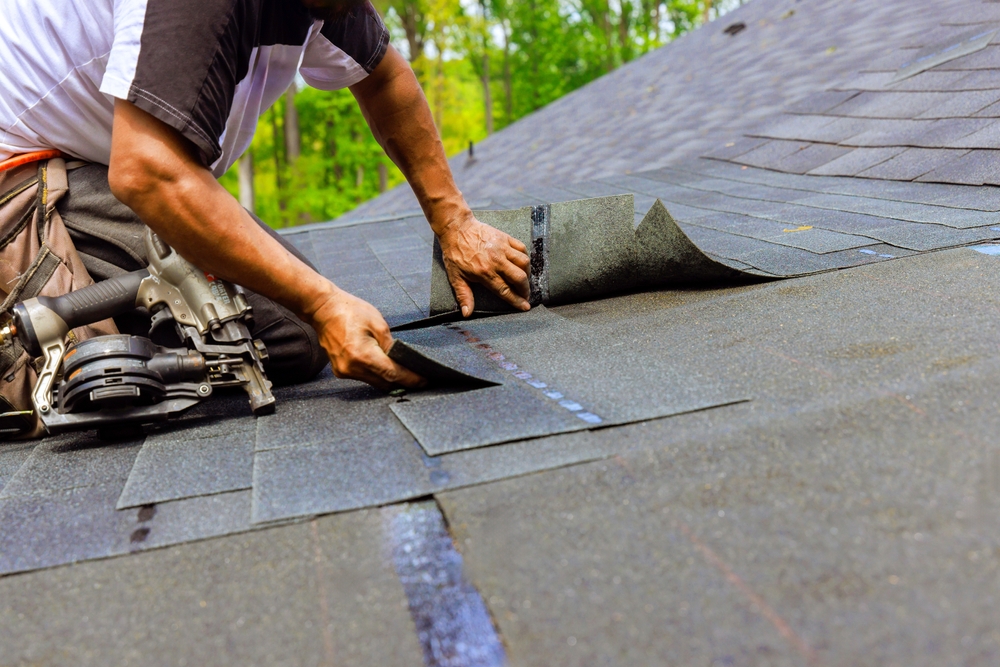
Noticing a water stain on your ceiling or finding a few shingles in your yard after a storm can cause immediate concern for any homeowner. The first question that often comes to mind is, “Do I need a whole new roof?” The prospect of a full roof replacement can be daunting, both logistically and financially. The good news is that not every roof issue requires such a drastic measure. In many cases, a professional roof repair services in South Carolina can effectively solve the problem, extending the life of your current roof for years. However, sometimes a repair is just a temporary fix for a much larger problem, and delaying a necessary replacement can lead to more extensive and costly damage down the road. In fact, we’ve covered specific warning signs in our article on when roof repairs aren’t enough in Columbia, SC. So, how can you tell the difference? Understanding whether your roof needs a simple repair or a full replacement depends on several key factors. This guide will walk you through the decision-making process, helping you assess the damage, consider the age of your roof, and weigh the costs, so you can make the most sensible choice for your Columbia, SC home. When a Roof Repair Is the Smart Choice A targeted repair is often the most practical and cost-effective solution when the damage is isolated and the rest of your roof is in good health. Here are the most common scenarios where a repair is the recommended course of action. If you’re unsure which direction to take, our team provides comprehensive roofing services in South Carolina designed to help homeowners make the right long-term decision. 1. The Damage Is Localized If the problem is confined to a small, specific area, a repair is usually sufficient. This is common after a storm or when a single component fails. Missing or Damaged Shingles: A strong gust of wind can lift and remove a few shingles. If the surrounding shingles are still in good condition, a professional can easily weave in new ones to restore the roof’s integrity. Minor Leaks Around Flashing: Flashing is the metal material installed around chimneys, vents, skylights, and in roof valleys. It’s a common failure point. If the seals around the flashing have degraded but the metal itself is sound, re-sealing or replacing a small section can stop a leak effectively. Small Punctures or Holes: A fallen branch or flying debris can sometimes create a small hole in your roof. If the damage is limited to one or two shingles and the underlying decking is intact, a simple patch and shingle replacement is all that’s needed. 2. Your Roof Is Relatively Young The age of your roof is a critical factor. Most architectural asphalt shingle roofs in Columbia are designed to last 25-30 years. If your roof is less than 10-15 years old and has been well-maintained, it likely has plenty of life left. In this case, investing in a high-quality repair makes financial sense. The goal is to address the immediate issue without prematurely discarding a roofing system that is otherwise performing well. 3. You’re Planning for the Short-Term In some situations, a repair can be a strategic choice. For example, if you are planning to sell your home in the next year or two, a targeted repair to pass an inspection might be more practical than investing in a full replacement that you won’t get to enjoy. It can also be a temporary solution to prevent further damage while you budget for a full replacement in the near future. When a Full Roof Replacement Is Necessary While a repair is often preferable, there are times when it’s like putting a bandage on a wound that needs stitches. A full replacement is a significant investment, but it is the only correct long-term solution in certain situations. 1. The Roof Has Reached the End of Its Lifespan No roof lasts forever. As an asphalt shingle roof ages, it becomes brittle and loses its protective granules. If your roof is approaching the 20-25 year mark, it’s living on borrowed time. At this stage, shingles are more likely to crack, curl, and fail across the entire roof surface. Pouring money into repairing one leak today will likely only lead to another leak in a different spot next month. A replacement is the only way to ensure comprehensive, long-term protection. Signs of an aging roof: Widespread curling or clawing shingle edges. Significant loss of the protective asphalt granules (you’ll see them accumulating in your gutters). Numerous cracked or bald shingles across different roof sections. 2. The Damage Is Widespread After a severe hailstorm or major wind event, the damage may not be isolated to just one area. If an inspection reveals damage across more than 25-30% of your roof’s surface, a replacement is almost always more cost-effective. Attempting to perform dozens of small repairs would be labor-intensive and expensive, and the final result would be a patched-up roof that may still be vulnerable in other areas. A full replacement provides a uniform, integrated system built to last. 3. There Is Moisture Damage to the Roof Deck Sometimes, the most serious damage isn’t visible on the surface. A slow, undetected leak can cause the underlying wood decking (the plywood or OSB sheets your shingles are nailed to) to rot. If an inspection reveals soft, spongy spots on the roof or visible water damage and decay in your attic, a replacement is necessary. Simply repairing the shingles on top of rotted wood is a recipe for disaster. A full replacement involves tearing off the old materials, inspecting and replacing any damaged decking, and installing a new, complete roofing system. The Cost Factor: Repair vs. Replace Cost is a major consideration for every homeowner. A typical roof repair might cost a few hundred to a couple of thousand dollars, depending on the scope. A full roof replacement is a much larger investment,
Roofing Materials: What’s Best for Columbia SC Homes?
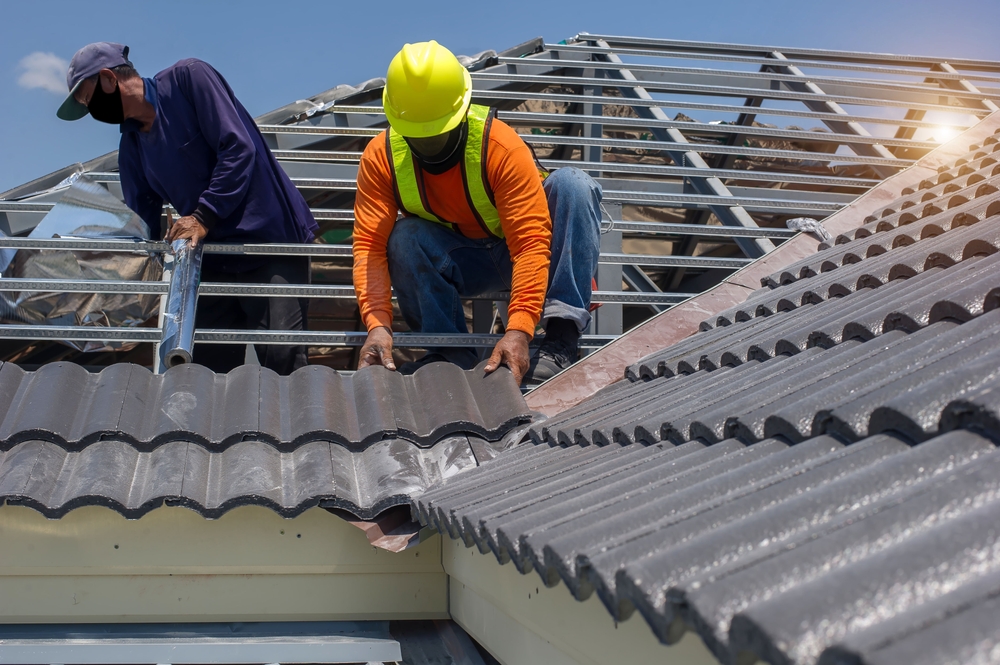
Choosing the right material for your new roof is one of the most important decisions you’ll make as a homeowner. It’s also a key part of understanding your full range of roofing services in South Carolina, from repair and replacement to long-term system performance. The material impacts everything from your home’s curb appeal and energy efficiency to its long-term durability and resale value. For homeowners in Columbia, South Carolina, the decision carries extra weight. Our local climate—characterized by hot, humid summers, significant rainfall, and the seasonal threat of tropical storms—demands a roofing material that can handle it all. With several options on the market, it can be challenging to know which one is the right investment for your property. Should you stick with the popular choice, or is a premium material worth the extra cost? This guide breaks down the most common roofing materials available for Columbia homes. We will explore the pros and cons of each, focusing on their performance in our specific climate, so you can make an informed and confident decision that protects your home for decades. The Columbia Climate Challenge: What Your Roof Faces Before diving into materials, it’s essential to understand what we ask a roof to do in the Midlands of South Carolina. A roofing system here must withstand: Intense UV Radiation: The relentless summer sun can bake roofing materials, causing them to degrade, crack, and lose their protective qualities over time. High Humidity and Heavy Rain: Moisture is a constant threat. A good roofing system must prevent water intrusion and resist the growth of algae and mold, which thrive in our humid environment. High Winds: While we are not on the coast, Columbia frequently experiences strong winds from thunderstorms and the remnants of hurricanes, which can lift and tear off roofing materials. Thermal Shock: The temperature swings between a hot day and a cooler night can cause materials to expand and contract, testing the integrity of seals and fasteners. The best roofing material for Columbia is one that successfully balances durability, cost, and aesthetics while standing up to these specific environmental pressures. If you want a broader breakdown of options, review our guide to the most common roofing materials for Columbia SC homes. Architectural Asphalt Shingles: The All-Around Champion Walk through any neighborhood in Columbia, and you’ll see that architectural asphalt shingles are, by far, the most popular roofing material. There’s a good reason for this. Modern architectural shingles offer a fantastic combination of performance, affordability, and style, making them an ideal choice for the vast majority of local homes. Unlike the old, flat “3-tab” shingles, architectural shingles (also known as dimensional shingles) are made with multiple layers of asphalt laminated together. This construction gives them a thicker, more substantial appearance that can mimic the look of more expensive materials like wood shake or slate. Pros: Excellent Value: They provide outstanding performance and a long lifespan (typically 25-30 years) for a relatively moderate cost, offering the best return on investment for most homeowners. Proven Performance: High-quality architectural shingles are engineered to withstand high winds (many are rated for up to 130 mph), resist algae growth, and reflect solar heat. Design Versatility: They come in a massive array of colors and styles, making it easy to find an option that perfectly complements your home’s exterior. Easier Repairs: If a few shingles are damaged by a storm or falling debris, they can typically be replaced individually without requiring a full roof replacement. Cons: Shorter Lifespan Than Metal or Tile: While durable, they will not last as long as premium materials like metal. You can expect to replace an asphalt shingle roof every 25-30 years. Susceptible to Heat Degradation: Over many years, the intense SC sun will eventually break down the asphalt, causing the protective granules to flake off and the shingles to become brittle. ColaCity Roofing’s Recommendation: For most Columbia homeowners, we recommend high-quality architectural shingles from trusted manufacturers like GAF or Owens Corning roofing systems. They represent the sweet spot of cost, durability, and beauty, and are perfectly suited to our climate when installed correctly. Metal Roofing: The Lifetime Investment Once seen primarily on commercial buildings and rustic barns, metal roofing has surged in popularity for residential homes. Standing-seam metal roofs, with their clean, vertical lines, offer a modern aesthetic and unparalleled longevity. While the upfront cost is significantly higher than shingles, a metal roof can be a “once-in-a-lifetime” investment. Pros: Exceptional Longevity: A properly installed metal roof can last 50 years or more, two to three times longer than an asphalt shingle roof. Superior Durability: Metal is highly resistant to wind, fire, rot, and insect damage. The interlocking panels create a formidable barrier against extreme weather. Energy Efficiency: Metal roofs are excellent at reflecting solar radiant heat, which can significantly reduce your cooling costs during Columbia’s scorching summers. This “cool roof” technology is a major advantage in our climate. Learn more about energy-efficient roofing options in Columbia, SC and how reflective materials impact cooling costs. Low Maintenance: Metal roofs require very little upkeep and are not susceptible to the algae growth that often plagues asphalt shingles. Cons: High Initial Cost: The primary barrier for most homeowners is the cost. A metal roof can be two to three times more expensive than an asphalt shingle roof. Specialized Installation: Installing a metal roof requires specific skills and tools. It’s crucial to hire a contractor with proven experience in metal roofing. Potential for Denting: While strong, some metal (like aluminum) can be dented by heavy hail or falling branches. ColaCity Roofing’s Recommendation: We recommend metal roofing for homeowners who are in their “forever home” and prioritize long-term performance and energy efficiency over initial cost. It’s an outstanding investment for those who want the ultimate peace of mind. For a storm-focused comparison, see our full breakdown of shingle versus metal roof performance in storms. Exploring Other Options: Tile and Slate While less common in Columbia, materials like tile and slate are also available
Cost of a New Roof in Columbia SC (2025 Guide)
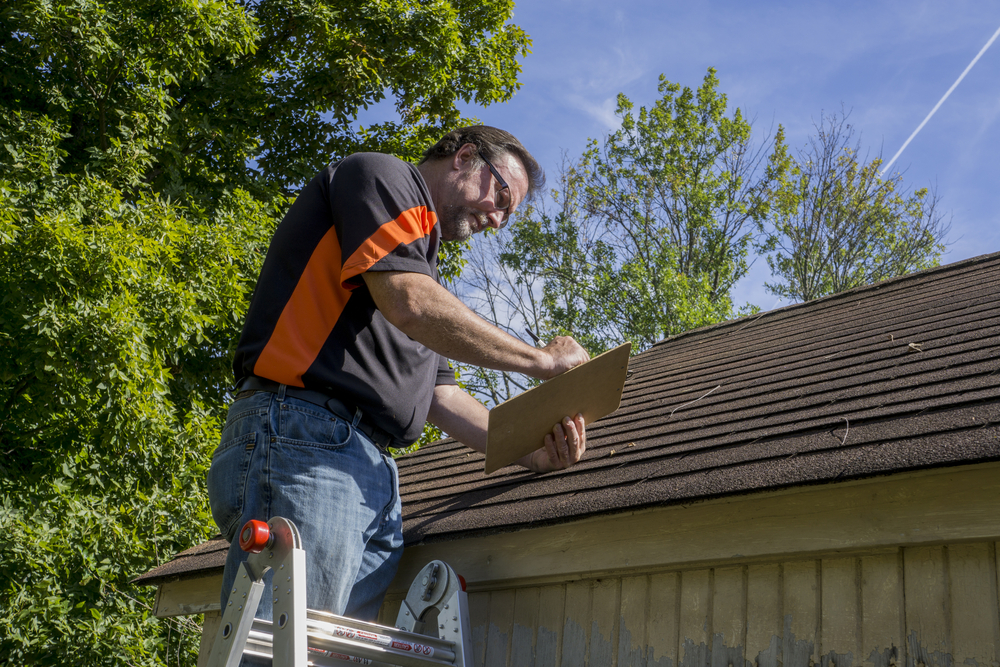
A new roof is one of the most significant investments you can make in your home. It protects your property, enhances curb appeal, and contributes to energy efficiency. For homeowners in Columbia, South Carolina, understanding the potential cost is the first step in planning for this crucial project. But figuring out a precise number can be tricky because no two roofs are exactly alike. The final price tag for a roof replacement depends on a wide range of variables. This 2025 guide will break down the key factors that influence the cost of a new roof in the Columbia, SC area. We will explore everything from materials and roof size to labor and permits, giving you a clear picture of what to expect. This information will help you budget effectively and understand the value you receive when you invest in a quality installation. The Biggest Factors Influencing Roof Replacement Costs When a roofing contractor prepares an estimate, they are calculating more than just the price of shingles. They are assessing the entire scope of the project. Here are the primary factors that will determine the total cost of your new roof. 1. Roofing Materials The material you choose is the single largest driver of cost. In Columbia, architectural asphalt shingles are the most popular choice due to their excellent balance of durability, aesthetics, and affordability. However, other options are available, each at a different price point. Architectural Asphalt Shingles: These are the standard for most homes in the area. They offer a dimensional look, a lifespan of 25-30 years, and come in a vast array of colors. They provide excellent performance against rain and wind. Metal Roofing: Once reserved for commercial buildings, standing-seam metal roofs are gaining popularity for residential homes. They are significantly more expensive upfront but can last 50 years or more. They are also highly energy-efficient and resistant to wind, fire, and rot. Designer & Luxury Shingles: For homeowners seeking a premium look, luxury shingles mimic the appearance of natural slate or cedar shakes at a fraction of the cost and maintenance. These are thicker, heavier, and offer superior impact resistance and longevity compared to standard architectural shingles. 2. Roof Size and Pitch (Steepness) The size of your roof, measured in “squares” (a 10×10-foot area, or 100 square feet), directly impacts material and labor costs. A larger roof requires more shingles, more underlayment, and more hours of labor. The pitch, or steepness, of your roof is another critical factor. A steeper roof is more dangerous and difficult for crews to work on. It requires extra safety equipment and a slower, more deliberate installation process. Roofs with a pitch greater than 6/12 (meaning the roof rises 6 inches for every 12 inches of horizontal run) will almost always have higher labor costs. 3. Complexity of the Roof A simple, single-gabled roof is far less expensive to replace than a complex roof with multiple hips, valleys, dormers, and skylights. Each of these features requires custom cutting, detailed flashing work, and more time to ensure a watertight seal. The more corners and angles your roof has, the higher the labor cost will be. Other structural elements that add to the cost include: Chimneys: Require intricate flashing to prevent leaks. Skylights: May need to be replaced or re-flashed. Vents: Proper ventilation is crucial and requires installing ridge vents or other vent types. 4. Labor and Installation Labor costs typically account for 40-60% of the total project price. This cost covers not just the installation team but also project management, insurance (workers’ compensation and liability), and workmanship warranties. Hiring a highly skilled, insured, and reputable contractor may cost more than an uninsured handyman, but it is an essential investment in quality. Professional installers are trained to follow manufacturer specifications, which is necessary to validate your material warranty. A poor installation can void warranties and lead to premature roof failure, costing you far more in the long run. 5. Removal of the Old Roof and Decking Repair Part of a proper roof replacement is tearing off the old materials down to the roof deck. The cost of tear-off and disposal is included in most professional estimates. If a contractor suggests “roofing over” your existing shingles, be wary. This is often a sign of corner-cutting. Once the old roof is removed, the contractor will inspect the underlying wood decking. If there are signs of rot, water damage, or delamination, those sheets of plywood or OSB must be replaced. This is a common and necessary additional cost. A professional estimate will typically include a per-sheet price for any decking that needs to be replaced. Average Roof Replacement Costs in Columbia, SC (2025) Based on local market data, here are some general cost ranges you can expect for a professional roof replacement in the Columbia area. Keep in mind these are estimates for a typical single-family home. Your actual cost will vary based on the factors discussed above. Architectural Asphalt Shingles: For an average-sized home (around 2,000 sq. ft.), homeowners can typically expect to pay between $12,000 and $25,000. Larger, steeper, or more complex homes could see costs rise to $20,000 or more. Metal Roofing: A standing-seam metal roof on the same home would likely cost between $18,000 and $35,000+. While the initial investment is high, the long lifespan and energy savings can offset the cost over time. Disclaimer: These are ballpark figures for budgeting purposes only. The only way to get an accurate cost for your specific home is to get a detailed, written estimate from a qualified roofing contractor. Getting Value for Your Money with ColaCity Roofing At ColaCity Roofing, we understand that a new roof is a major financial decision. Our approach is built on providing transparent pricing and exceptional value, ensuring you know exactly what you are paying for. When you work with us, you receive a comprehensive, itemized estimate with no hidden fees. We detail the costs of materials, labor, permits, and disposal,
Best Roofing Companies in Columbia, SC (2026)
Choosing a roofing company for your home is a significant decision. Your roof is the primary shield against the elements, protecting your family and your investment. In Columbia, South Carolina, homeowners need a roofer who understands the local climate, from intense summer sun to the potential for hurricane-season storms. Finding a trustworthy, skilled, and reliable company can feel overwhelming. To help you with your research, we’ve compiled a guide to some of the top roofing companies in the Columbia, SC area. This list will help you understand your options and make an informed decision for your home’s needs. We will cover key factors like local expertise, quality of materials, and customer satisfaction to help you navigate the process. Need a Roof Inspection or Quote? Whether you’re comparing roofing companies for a repair, replacement, or storm damage inspection, the right contractor should make the process clear—not confusing. At Cola City Roofing, we help homeowners across Columbia, Lexington, Irmo, and surrounding South Carolina communities compare roofing options honestly and make confident decisions without sales pressure. Schedule your free roof inspection today and see why so many local homeowners trust our team. What Makes a Great Columbia Roofing Company? Before diving into the list, it’s important to know what criteria define a top-tier roofing contractor. When evaluating companies, consider the following: Local Experience: A company familiar with Columbia’s weather patterns and building codes is better equipped to recommend the right materials and installation techniques. Proper Licensing and Insurance: Always verify that a company holds the necessary South Carolina licenses and carries both liability insurance and workers’ compensation. This protects you from any potential accidents or property damage. High-Quality Materials: The best roofers use materials from reputable manufacturers and offer strong warranties. They should explain the pros and cons of different options, like architectural shingles or metal roofing. Transparent Pricing: You should receive a detailed, written estimate that breaks down the costs of labor, materials, permits, and any other expenses. Positive Customer Reviews: Look for consistent positive feedback on platforms like Google, the Better Business Bureau (BBB), and Angi. Reviews often provide honest insight into a company’s professionalism and quality of work. Columbia’s Top 5 Roofing Companies Here are five companies that have built strong reputations for quality and service in the Columbia area. 1. ColaCity Roofing At ColaCity Roofing, we are proud to be a leading choice for homeowners in Columbia and the surrounding communities. Our foundation is built on a deep commitment to our local area. We aren’t just a business; we are your neighbors. This local focus allows us to provide tailored solutions that stand up to South Carolina’s specific weather challenges. What truly sets us apart is our dedication to an exceptional customer experience from start to finish. We understand that a roof replacement is a major project, and we aim to make the process as smooth and stress-free as possible. Our team provides clear communication, transparent quotes, and professional project management. We use only high-quality materials from trusted brands, ensuring your new roof is durable, beautiful, and backed by solid warranties. Our expertise in navigating insurance claims for storm damage also provides homeowners with invaluable support when they need it most. Highlights: Local Columbia Experts: Deep knowledge of local climate needs and building regulations. Customer-First Approach: Focused on clear communication and a hassle-free experience. Premium Materials: Installation of top-grade materials for long-lasting protection. Storm Damage Specialists: Experienced in helping homeowners with insurance claims. 2. The Red Shirt Guys Roofing Known for their distinctive red shirts, this company has established a strong presence in the Midlands. The Red Shirt Guys Roofing are often praised for their professionalism and organized approach to projects. They handle both residential and commercial roofing, offering services that include repairs, replacements, and inspections. Customers frequently mention their responsive communication and the thorough cleanup they perform after a job is completed. They hold certifications from major manufacturers, which allows them to offer enhanced warranties on their installations. Highlights: Strong brand recognition and professional image. Certified with leading roofing manufacturers. Positive reviews regarding communication and site cleanliness. 3. Crescent Construction Crescent Construction is another well-regarded company serving the Columbia area, offering a range of exterior services in addition to roofing, such as siding and gutters. This can be an advantage for homeowners looking to complete multiple exterior projects at once. They have been in business for many years, building a reputation for reliable work and solid craftsmanship. Their portfolio includes a variety of roofing projects, showcasing their versatility with different materials and home styles. They emphasize their commitment to quality and customer satisfaction on every job. Highlights: Offers multiple exterior services, including siding and gutters. Long-standing business with extensive experience in the region. Focus on craftsmanship and project versatility. 4. Premiere Roofing Premiere Roofing has earned a reputation in Columbia for its quality installations and attention to detail. They focus on residential roof replacements and repairs. Homeowners often commend their sales and project management teams for being informative and helpful without being pushy. Premiere Roofing is known for taking the time to educate customers on their options, helping them feel confident in their choices. Their commitment to using quality materials and adhering to industry best practices makes them a solid contender for your roofing project. Highlights: Strong focus on residential roof replacements. Praised for their educational and low-pressure sales approach. Emphasis on attention to detail during installation. 5. Burgin Roofing Services A family-owned business with deep roots in South Carolina, Burgin Roofing Services has been serving the state for generations. Their long history speaks to their stability and commitment to the community. They handle a wide array of roofing services, from minor repairs to full replacements on both residential and commercial properties. Customers often appreciate their experience and the sense of trust that comes with a long-established local company. They pride themselves on integrity and a straightforward business approach. Highlights: Family-owned and operated for multiple generations. Extensive history and experience in the
How to Choose the Best Roofer in Columbia SC
Your roof is one of the most critical components of your home, silently protecting you from scorching summer heat, heavy rains, and strong winds. When it’s time for a repair or replacement, choosing the right contractor is a major decision. The quality of their work directly impacts your home’s safety, value, and appearance for years to come — especially when investing in professional roofing services in South Carolina. For homeowners in Columbia, South Carolina, selecting a roofer involves finding a company that understands our unique climate and local building requirements. With so many options available, how can you be sure you’re hiring a reliable, skilled professional? This guide provides a step-by-step process for choosing the best roofer. If you’re still early in your search, our breakdown on how to choose the right roofing contractor near you walks through the full vetting process in more detail. We’ll cover the essential checks, the right questions to ask, and the red flags to avoid, empowering you to make a confident choice for your home. Step 1: Start with Local Research and Credentials The first step in your search is to compile a list of potential candidates. A great roofer will have a strong local presence and verifiable credentials. Check for Proper Licensing and Insurance Never hire a roofer who cannot provide proof of proper licensing and insurance. In South Carolina, a roofing contractor must be licensed by the Residential Builders Commission for any work exceeding $500. You can verify a license online through the SC Department of Labor, Licensing and Regulation. Equally important is insurance. A legitimate roofer must carry two key types of coverage: General Liability Insurance: This protects your property from any damage that might occur during the project. Workers’ Compensation Insurance: This covers the roofer’s employees if they are injured on your property, protecting you from personal liability. Ask for certificates of insurance directly from the contractor and don’t hesitate to contact the insurance provider to confirm that the policies are active. Read Reviews and Ask for References Online reviews offer a window into a company’s reputation, especially when reading detailed roofing reviews in Columbia SC from local homeowners. Look for consistent feedback on platforms like Google, the Better Business Bureau (BBB), Angi, and Nextdoor. Pay attention to how companies respond to both positive and negative reviews—a professional response to criticism is a good sign. Beyond online platforms, ask the contractor for a list of recent local references. Speaking to past customers allows you to ask specific questions: Did the project start and finish on time? Was the communication clear throughout the process? Did the final cost match the initial estimate? Was the crew professional and did they clean up the site properly? Are you satisfied with the quality of the work? Step 2: Compare Quotes and Understand the Details After narrowing down your list to three or four reputable companies, it’s time to request detailed written estimates. A low bid isn’t always the best deal; the quality of the estimate itself is often more revealing. What Should a Good Estimate Include? A professional quote is a comprehensive document, not just a number scribbled on a piece of paper. It should clearly itemize all costs, including: Labor: The cost for the installation crew. Materials: The specific type and brand of shingles, underlayment, and other components. Permits: The cost of pulling any required municipal permits. Removal and Disposal: The cost to tear off and haul away your old roof. Project Timeline: An estimated start and completion date. Payment Schedule: A breakdown of when payments are due. Warranty Information: Details on both the material and workmanship warranties. Be cautious of any quote that is significantly lower than the others. This could indicate the use of subpar materials, an uninsured crew, or a contractor who plans to cut corners. Step 3: Ask the Right Questions During your consultation with a potential roofer, use the opportunity to assess their expertise and professionalism. A great contractor will be happy to answer your questions thoroughly and patiently. Before signing anything, review our full list of questions to ask a roofer before hiring so you don’t miss anything important. Key Questions for Your Potential Roofer How long have you been in business in the Columbia area? A roofer with local experience understands our climate challenges, from intense sun to hurricane-season storms. Are you certified by any roofing manufacturers? Certifications (like being a GAF Master Elite® or Owens Corning Platinum Preferred Contractor) mean the crew has been factory-trained. It also allows them to offer enhanced warranties. Who will be my main point of contact? Knowing you will have a dedicated project manager ensures smooth communication. What steps do you take to protect my property during installation? This includes covering landscaping, siding, and A/C units, as well as performing a thorough cleanup with magnetic sweeps for nails. What is your process for handling unexpected issues? Sometimes, rotted decking or other problems are discovered after the old roof is removed. A professional will have a clear plan for addressing this and communicating the additional costs. Why ColaCity Roofing Meets the Mark Navigating this process can feel overwhelming, but at ColaCity Roofing, we strive to make it simple and transparent. We built our company on the principles of trust, quality, and outstanding customer service, checking every box for what homeowners should look for in a top-tier roofer. Licensed & Insured: We are fully licensed to operate in South Carolina and carry robust general liability and workers’ compensation insurance for your complete protection. Proven Reputation: We are proud of our stellar reviews across multiple platforms and are always happy to provide local references. Our reputation is our most valuable asset. Detailed, Transparent Quotes: We provide comprehensive, easy-to-understand estimates that break down every cost. There are no hidden fees, just honest pricing. Local Expertise: As a Columbia-based company, we are your neighbors. We understand the best materials and techniques to ensure your roof stands up to
Shingle Versus Metal Roof in Storms: Which Holds Up Better?

South Carolina weather can be unpredictable, with everything from intense summer thunderstorms to the potential for hurricane-force winds. When severe weather hits, your roof is your home’s primary line of defense. This makes choosing the right roofing material one of the most important decisions a homeowner can make. The debate often comes down to a classic choice: a metal roof versus a shingle roof. Choosing the right material is one of the most important decisions within your overall residential roofing services in South Carolina plan. Both options have their merits, but when it comes to standing strong against storms, their performance can differ significantly. We will explore how roof shingles and metal panels handle high winds, heavy rain, and other severe weather challenges. Understanding these differences will help you make an informed decision to protect your home and family. Understanding the Basics: Shingle Roofs vs. Metal Roofs Before we dive into storm performance, let’s cover the fundamentals of these two popular roofing materials. Though they both serve the same ultimate purpose, their composition and design are worlds apart. What Are Roof Shingles? When people talk about a traditional roof, they are usually picturing asphalt roof shingles. These are the most common roofing material in the United States, made from a fiberglass or organic base mat coated with asphalt and topped with mineral granules. These granules give the shingles their color and also provide protection from UV rays. Shingles are installed in overlapping rows to create a water-resistant barrier over the roof deck. What Is a Metal Roof? A metal roof is a system made from metal panels or shingles. Common materials include steel (galvanized, galvalume), aluminum, and copper. These roofs come in two main styles: standing seam panels, which have raised, interlocking seams, and stamped metal shingles that mimic the look of traditional asphalt, slate, or wood. Metal roofing is known for its durability and long lifespan. Key Differences in Material and Design The primary difference lies in how they are constructed and installed. Roof shingles are smaller, individual units that are nailed to the roof deck. This creates many seams across the roof’s surface. In contrast, metal roofs, particularly standing seam systems, use large panels that run vertically from the ridge to the eave. This design results in fewer seams, which is a major advantage in preventing water intrusion. These are just two of the most common roofing materials used in the Midlands — you can explore all available roofing materials in Columbia, SC in our full guide. How Storms Impact Roof Shingles Asphalt shingles are designed to be durable, but severe storms can push them to their limits. Here’s how they typically fare. Wind Resistance of Shingle Roofs High winds are a major threat to shingle roofs. Wind blowing over a roof creates uplift pressure. If the wind gets under the edge of a shingle, it can lift it, break the sealant, and potentially tear it completely off the roof. This leaves the underlying roof deck exposed. While architectural shingles offer better wind resistance than basic 3-tab shingles, both can be vulnerable to damage in winds exceeding 90 mph. Water and Leak Vulnerability Missing or damaged roof shingles create direct pathways for water to seep into your home. Even if shingles remain in place, the sheer volume of water during a downpour, combined with high winds, can drive rain underneath the shingle overlaps. Clogged gutters can worsen this problem by causing water to back up under the eaves. Lifespan After Severe Weather A single severe storm can significantly reduce the lifespan of a shingle roof. Hail can crack or dent shingles and dislodge the protective granules, accelerating their deterioration. Even if a roof survives a storm without obvious leaks, the stress from wind and hail can weaken its integrity, making it more susceptible to damage in future weather events. How Storms Impact Metal Roofs Metal roofing systems are widely recognized for their exceptional performance in harsh weather conditions. For a deeper look at how metal systems perform in severe weather, see our guide on metal roofing and storm performance. Metal Roof Resistance to High Winds When comparing a metal roof versus shingle roof in high winds, metal almost always comes out on top. Standing seam metal roofs are particularly resilient. The panels interlock and are fastened with clips, creating a unified structure that is extremely resistant to wind uplift. Many metal roofing systems are rated to withstand winds of 140 mph or higher, making them an excellent choice for hurricane-prone regions. Protection Against Heavy Rain and Hail The interlocking design of metal panels provides superior protection against wind-driven rain. With far fewer seams than a shingle roof, there are simply fewer opportunities for water to penetrate. While hail can dent a metal roof, it is highly unlikely to puncture the material. This means that even after a hailstorm, the roof’s structural integrity remains intact, preventing leaks. Longevity and Durability in Harsh Weather Metal roofs are built for the long haul. Materials like steel and aluminum are resistant to rot, insects, and fire. They don’t become brittle or crack over time due to sun exposure. A metal roof can withstand repeated cycles of severe weather far better than an asphalt shingle roof, maintaining its protective qualities for 50 years or more. Comparing Shingle Roof Versus Metal Roof Performance Let’s put the two materials head-to-head on the factors that matter most to homeowners in storm-prone areas. Storm Damage Resistance: Side-by-Side Comparison Wind: Metal roofs offer superior wind uplift resistance due to their interlocking panel design. Shingles are more susceptible to being lifted and torn off. Rain: Metal roofs have fewer seams, drastically reducing the risk of leaks from wind-driven rain. The many seams on a shingle roof are potential weak points. Hail: Metal may dent from large hail, but it rarely punctures. Asphalt shingles can be cracked or have their protective granules knocked off, compromising their integrity. Cost vs. Long-Term Value in Storm-Prone Areas Initially, a shingle roof is
Pros and Cons of Metal Roofing for Storms
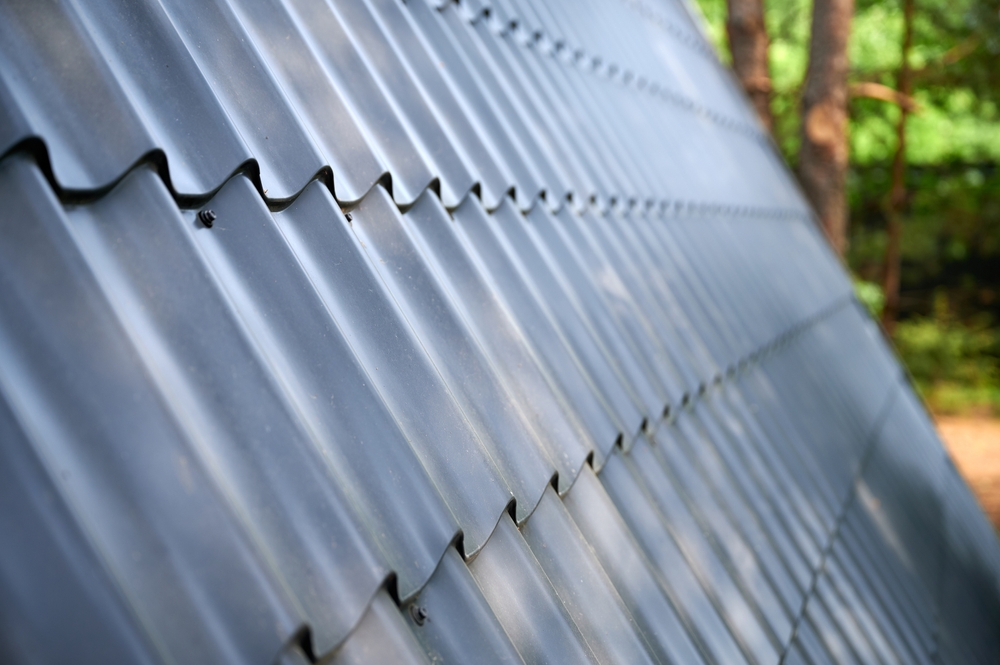
When it comes to protecting your home, your roof is the first line of defense. In South Carolina, where seasonal storms, hurricanes, and hail are a reality, choosing a durable roofing material is not just a preference—it’s a necessity. Homeowners are increasingly looking for materials that can withstand severe weather, leading many to consider metal roofing. At Cola City Roofing, we provide comprehensive roofing services in South Carolina, including storm-resistant solutions tailored for local homes. We understand the unique challenges our weather presents, and we’re here to help you navigate your options. Let’s explore the pros and cons of metal roofing to determine if it’s the right choice for protecting your home from storms. If you’re comparing materials directly, see our full breakdown of shingle versus metal roofs in storms. What Makes Metal Roofing Storm-Resistant? Metal roofing has earned a reputation for resilience, and for good reason. Unlike some traditional materials that can degrade quickly under harsh conditions, metal provides a robust shield. Its inherent properties make it an excellent candidate for storm-prone regions. The strength of metal allows it to stand up to high winds and impacts from hail. Its interlocking panels create a tight seal against driving rain, preventing water intrusion. Furthermore, modern metal roofs are designed for longevity, often lasting two to three times longer than asphalt shingles. This durability means fewer repairs and replacements over the life of your home. Beyond its strength, a metal roof can also improve your home’s energy efficiency by reflecting solar heat, which is an added bonus during our hot South Carolina summers. Learn more about energy-efficient roofing options in Columbia, SC and how reflective materials reduce cooling costs. Pros of Metal Roofing for Storms When evaluating storm resistant metal roofing, the advantages are significant. From wind performance to long-term value, metal offers compelling benefits for homeowners. Exceptional Wind Resistance South Carolina is no stranger to coastal storms and hurricanes that bring powerful winds. Metal roofs are engineered to handle these extreme conditions. The panels are mechanically fastened and interlock, creating a unified structure that is highly resistant to wind uplift. While asphalt shingles can be torn off by strong gusts, a properly installed metal roof can often withstand wind speeds of 140 miles per hour or more. This performance provides peace of mind when a storm is on the horizon. Protection Against Hail Damage Hail can pulverize standard roofing materials, cracking or breaking shingles and leading to costly water damage. While no roof is completely immune to cosmetic blemishes from very large hailstones, metal roofs offer superior protection against structural damage. Metal is far less likely to fracture or puncture than asphalt. This resistance significantly reduces the chances of metal roof storm damage compromising your home’s protection. Fire and Lightning Safety A common question we hear is, “Is a metal roof dangerous in a lightning storm?” The answer is no; in fact, it’s quite the opposite. A metal roof is non-combustible and will not ignite if struck by lightning. Instead of attracting a strike, a metal roof safely disperses the electrical charge. Because it’s a conductive material, it allows the energy to travel safely through the structure to the ground, reducing the risk of fire that can occur with materials like wood shakes. Long-Term Value While the initial investment is higher, a metal roof often proves more economical over time. Its durability means you’ll spend less on repairs and replacements after storms. Many insurance companies recognize the protective qualities of metal roofing and offer discounts on homeowner’s insurance premiums for homes with storm-resistant roofs. These long-term savings, combined with the roof’s extended lifespan, create substantial value. Cons of Metal Roofing for Storms Despite its many advantages, metal roofing isn’t without its drawbacks. It’s important to consider these factors to make a fully informed decision. Upfront Cost Considerations The most significant hurdle for many homeowners is the initial cost. Metal roofing is a premium product, and its upfront price is higher than that of traditional materials like asphalt shingles. However, it’s essential to view this as a long-term investment. The extended lifespan and lower maintenance costs can offset the initial expense over time. Noise During Heavy Rain and Hail Some people worry that a metal roof will be noisy during a downpour or hailstorm. While it’s true that metal can be louder than asphalt, this issue is easily managed with modern installation techniques. When installed over a solid substrate with proper insulation, the sound of rain on a metal roof is significantly muffled, often becoming a gentle drumming rather than a disruptive clatter. Potential for Cosmetic Damage While metal roofs are excellent at preventing structural damage, they can still sustain cosmetic issues like minor dents from large hail or falling debris. These dents typically do not affect the roof’s performance or integrity, but they can be a cosmetic concern for some homeowners. Choosing a textured or stone-coated metal finish can help conceal these minor imperfections. Is Metal Roofing the Right Choice for Storm-Prone Areas? For homeowners in South Carolina, balancing the pros and cons is key. A metal roof offers unmatched protection against wind, hail, and fire, making it an ideal choice for our weather. Its longevity and potential insurance savings provide strong financial incentives. At Cola City Roofing, we often recommend storm-resistant metal roofing for homeowners looking for a durable, long-term solution. The higher initial cost is an important consideration, but when weighed against the potential cost of repeated storm repairs and premature replacement, metal often emerges as the superior investment for ultimate protection and peace of mind. Metal is just one of several roofing materials available in Columbia, SC, each with different storm performance characteristics. Get Your Home Storm-Ready with Cola City Roofing Metal roofing provides powerful protection against severe weather, but its benefits come with considerations like cost and installation. Understanding these factors helps you make the best decision for your home and family. If you’re ready to explore a stronger, more resilient roofing solution, we’re here
Storm Damage Roof Repair in Columbia, SC: What to Do in the First 24 Hours
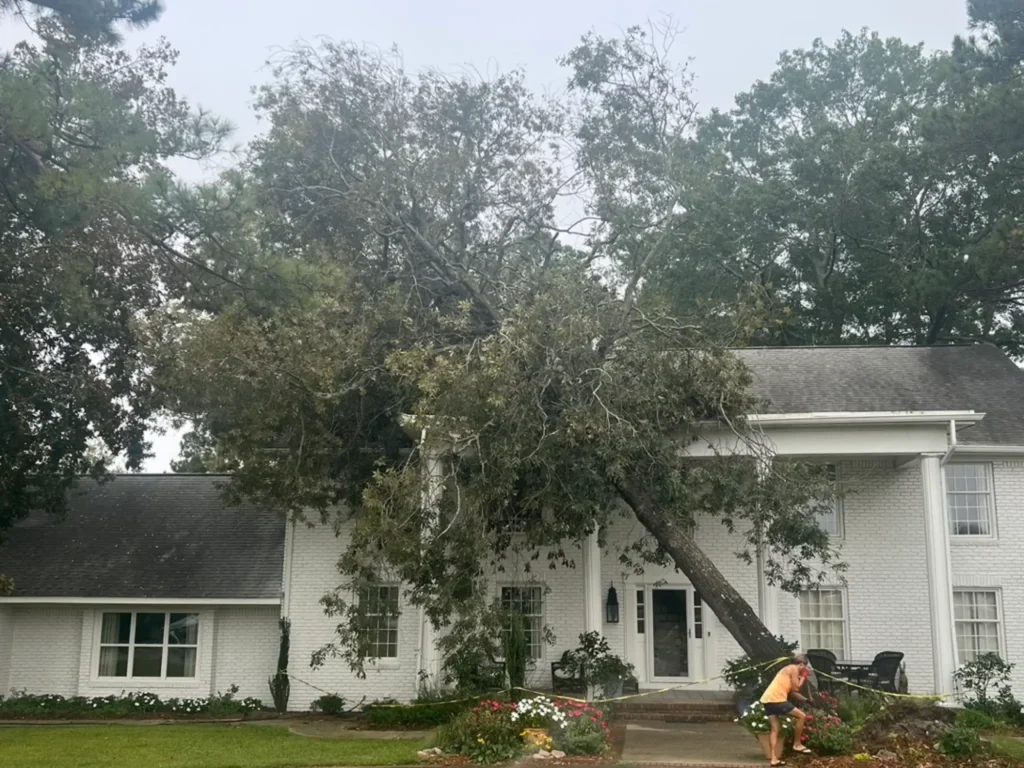
Why Immediate Action Saves Money Hidden leaks, mold, and structural risks When a storm hits Columbia, SC, the damage to your roof may not always be visible at first glance. Hidden leaks can develop behind shingles, gutters can overflow, and water can seep into the attic, causing mold growth and structural weakening. Acting quickly reduces the risk of these hidden damages escalating into costly repairs. Homeowners searching for a roof replacement company near me need to understand that waiting too long can compromise the roof’s integrity and the overall safety of the home. Mold growth is one of the most insidious consequences of delayed storm damage repair. Mold can develop within 24 hours in damp environments, potentially causing health risks for the family and expensive remediation. Engaging professionals for storm damage roof repair in Columbia ensures the roof is inspected thoroughly and any early signs of mold are addressed. Structural risks also increase with time. Water infiltration can weaken the trusses, decking, and insulation. The longer damage goes unaddressed, the more extensive the repair required. Local roofing contractors in Columbia, SC are trained to identify these risks and prevent further degradation. Even minor leaks can escalate into major damage if left unattended. A small puncture or missing shingle can allow rainwater to seep in, potentially affecting walls, ceilings, and electrical systems. Prompt response with emergency roof replacement services can minimize these risks. Immediate action also helps homeowners leverage insurance coverage efficiently. Many claims require proof of prompt attention to damage. By contacting insurance approved roofers quickly, homeowners ensure that their insurance roof replacement in Columbia claim is supported by timely intervention. Preventing further damage by acting quickly Acting within the first 24 hours can prevent secondary damage, saving thousands in repair costs. This includes water intrusion, interior damage, and pest infestations caused by exposed areas. Quick measures such as tarping, securing loose shingles, and inspecting gutters help mitigate immediate risks. Contractors who provide roofing companies that work with insurance services often include emergency tarping as part of their rapid response. A rapid response also reassures insurance adjusters that the homeowner acted responsibly, reducing the risk of claim disputes. Proper documentation of immediate action can support getting roof replaced insurance claims requests and improve approval chances. Lastly, swift action enhances safety. Damaged roofs can collapse or cause injuries if left unattended. Engaging a roof replacement company immediately ensures professional handling and minimizes personal risk. How to Safely Assess Storm Damage What homeowners can (and shouldn’t) do themselves Homeowners should perform a preliminary inspection from the ground using binoculars, looking for missing shingles, broken gutters, or damaged flashing. Avoid climbing onto the roof immediately, as storm-damaged surfaces are slippery and unsafe. Simple tasks like removing debris from gutters or documenting visible damage with photos are safe for homeowners. These photos are essential for home insurance roof replacement help and facilitate accurate insurance claims. However, do not attempt structural repairs, shingle replacement, or climbing on a damaged roof. These tasks require professional expertise to avoid injuries and prevent further damage. Licensed roofing contractors in Columbia, SC have the proper tools and safety equipment for safe assessments. Safety precautions and initial roof inspection tips Always wear protective gear, including gloves, sturdy shoes, and eye protection. Ensure pets and children are kept away from the work area. Use ladders cautiously and only if stable ground and support are available. Initial documentation should include wide-angle and close-up photos, noting the location and severity of damage. Professionals experienced in storm damage roof repair in Columbia can guide homeowners on capturing evidence that strengthens insurance claims. If the roof shows significant structural damage, avoid walking on it entirely. Contacting emergency roof replacement specialists ensures the assessment is done safely and thoroughly. Homeowners should also check the attic for water stains, mold, and leaks. This internal inspection provides early detection of damage that may not be visible from the outside, crucial for insurance roof replacement Columbia claims. Call Your Roofer Before Your Insurer—Here’s Why Advantages of contacting a professional storm damage roof repair Columbia, SC team first Calling a professional roofing company first ensures that your damage is assessed correctly before the insurance adjuster arrives. Experts can provide immediate safety measures and prevent further deterioration. A roofing company familiar with insurance approved processes can generate detailed reports, photos, and damage assessments, ensuring adjusters have accurate information. This also allows homeowners to understand the scope of repair needed, providing realistic expectations for costs, timelines, and insurance coverage. Professionals know how to identify hidden damage, which might be overlooked in a hurried claim process. Coordinating with your insurer for accurate documentation Roofing contractors assist with accurate documentation of damage, including before-and-after photos, detailed reports, and contractor estimates. This ensures that insurance claims are based on verifiable evidence, increasing the likelihood of approval to get roof replaced insurance claims in Columbia, SC. Coordination also helps clarify coverage, deductibles, and policy limits. Experienced roofing companies that work with insurance can communicate directly with adjusters to streamline approvals and prevent misunderstandings. Ensuring a fair and thorough inspection A professional roofer ensures that your roof is thoroughly evaluated for all storm-related damage. This protects the homeowner from underpayment or claim disputes, particularly when filing for a new roof for insurance situations. Roofers can also prioritize emergency repairs, like temporary tarping or water diversion, to prevent further damage while waiting for full insurance approval. How Cola City Roofing Responds to Emergencies Rapid tarp service to protect your home Cola City Roofing offers immediate tarping services after storms, covering exposed areas to prevent water intrusion and additional damage. This is a crucial first step in emergency roof replacement Columbia scenarios. Detailed damage reports for insurance claims Our team prepares comprehensive reports with photos, measurements, and damage descriptions. These reports support insurance roof replacement Columbia claims and reduce the likelihood of claim disputes. Coordination with adjusters to speed up approvals We work closely with insurance adjusters, scheduling inspections, providing estimates, and ensuring documentation meets insurer standards. Homeowners
How to Find the Best Roof Replacement Company Near You (and Avoid Costly Mistakes)
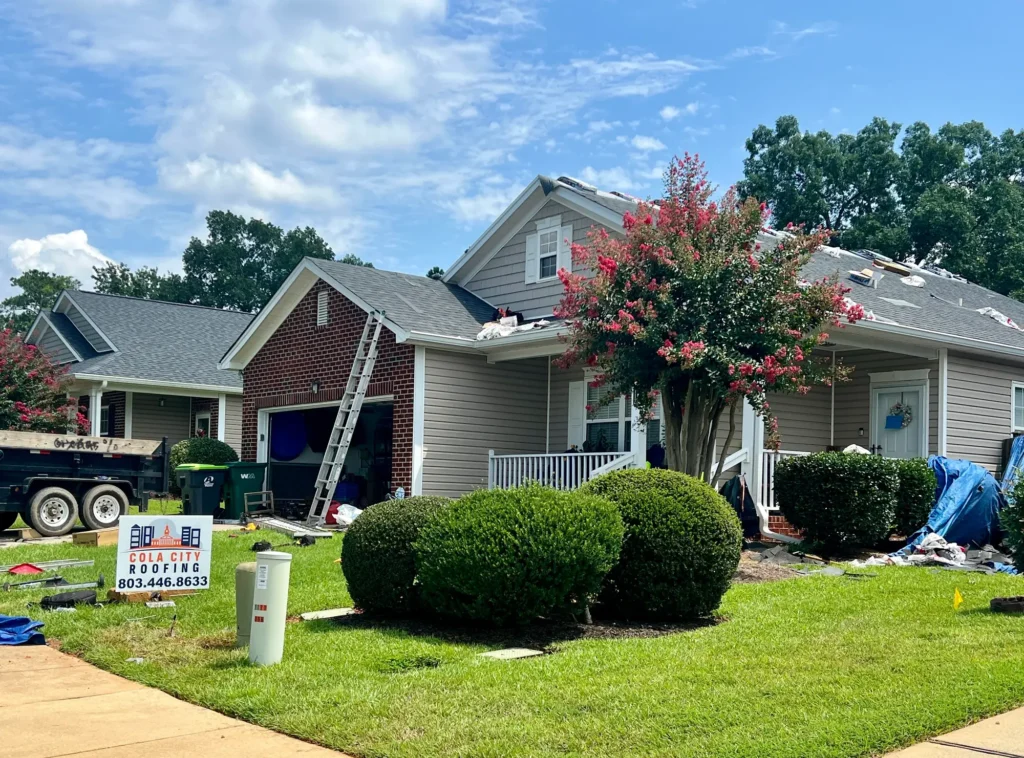
Why Choosing the Right Roof Replacement Company Matters The importance of quality workmanship and local expertise Your roof is the single most important shield protecting your home. When it’s time to replace it, searching for a roof replacement company near me isn’t just about picking a name from a list. The contractor you choose directly impacts your home’s safety, energy efficiency, and long-term value. Roofs installed with poor workmanship often fail early, leak during heavy rains, or suffer structural issues that cost homeowners thousands to fix. Hiring roofing contractors in Columbia, SC who are experienced with local weather conditions ensures your roof is built to withstand storms, hail, and intense heat. Local roofers know which materials last in your climate and which designs meet state and city building codes. They can recommend solutions tailored to your home rather than using a one-size-fits-all approach. Quality workmanship also protects your manufacturer’s warranty, which is critical if you ever need to file a claim later. When you hire a contractor with a solid reputation, you also benefit from long-term support. If there’s ever a problem, you can call them back for maintenance or repairs. A trustworthy roofing company won’t disappear after your check clears. How storm damage and insurance claims make your choice even more critical Storms add a layer of urgency. High winds, hail, or falling branches can cause serious roof damage. Some problems, like bruised shingles or small leaks, aren’t visible from the ground. A qualified roofing contractor will perform a detailed inspection, catching hidden issues before they grow worse. This can save you from costly repairs down the road. If you’re filing for an insurance roof replacement in Columbia, SC, you need insurance approved roofers who understand how to work with insurance companies. A roofer with claims experience knows how to document every issue, meet with your adjuster, and provide estimates in the format insurers prefer. Without that support, you risk delays or even denial of your claim. After storms, many “storm chaser” companies flood neighborhoods with quick promises and low prices. These out-of-town roofers often leave once the job is done, making it difficult to get service if problems arise later. Choosing a reliable roofing company that works with insurance in your area ensures your contractor will be there when you need them most. What Makes a Roofing Company Truly Reliable? Licenses and certifications you should look for The first sign of a reliable roofer is proper licensing. Any legitimate roofing company must be licensed to operate in your state. A license confirms they understand building codes, follow safety regulations, and meet professional standards. Reputable roofing contractors in Columbia, SC will also carry insurance to protect you from liability if there’s an accident on your property. Manufacturer certifications are another hallmark of quality. Companies whose contractors have undergone extensive manufacturer training, ensures they install roofing systems correctly and gives you access to enhanced warranties. If you need a new roof for insurance, choosing Cola City Roofing, a certified contractor, helps your claim move forward smoothly because insurers trust proven professionals. Reading reviews and checking warranties Before you hire anyone, read reviews from real customers. Look for consistent patterns of good service, clear communication, and professional cleanup after jobs. Homeowners who leave feedback about smooth home insurance roof replacement help or quick response during emergency roof replacement in Columbia, SC situations are great indicators that you’re dealing with a dependable roofer. Also, check their warranties. A strong roofing company provides both material warranties (from the manufacturer) and workmanship warranties (from the contractor). Ask questions: What happens if there’s a problem five years down the line? Does the company handle warranty claims directly, or do you have to chase the manufacturer yourself? A roofing company that works with insurance will explain how warranties and insurance policies interact, giving you a clear picture before work begins. Key Questions to Ask Before Hiring a Roof Replacement Company Near You Do they have experience with insurance claims? When storm damage strikes, not every roofer is equipped to guide you through the insurance process. Ask potential contractors how often they handle claims and whether they’ll meet your adjuster on-site. Companies offering home insurance roof replacement help will take photos, create detailed inspection reports, and prepare estimates that meet insurer standards. This prevents you from being stuck paying for repairs that should have been covered. A roofing contractor with insurance expertise will also advise you on temporary protective measures. For example, if your home requires tarping to stop leaks while you wait for claim approval, they’ll explain whether your insurance will reimburse you for that work. Their goal is to protect your home now while ensuring you receive fair coverage later. Can they provide a written estimate and clear project timeline? A reliable roof replacement company near me will give you a clear, written estimate that breaks down costs by materials, labor, and disposal fees. They’ll also highlight any optional upgrades, such as better ventilation systems or energy-efficient shingles. A detailed estimate leaves no room for surprises and allows you to compare contractors fairly. Equally important is the timeline. Ask when they can start, how long the job will take, and when you can expect a final inspection. This is especially critical in emergency roof replacement Columbia, SC situations when you need immediate action. A professional roofer sets realistic expectations and communicates openly if delays occur. The Hidden Risks of Choosing the Cheapest Roofer How cut corners can lead to denied insurance claims While it may seem smart to choose the lowest bid, roofing is one area where you truly get what you pay for. Some contractors cut costs by skipping permits, using cheaper materials, or hiring inexperienced labor. These shortcuts can lead to roofs that fail prematurely and may even void your manufacturer’s warranty. Worse, if your roof isn’t installed to code, insurance adjusters may refuse to cover future damage. If you ever need to get a roof replaced insurance claim in Columbia, SC