
Why Local Experience Matters for Roofing Jobs
When your home needs a new roof or a critical repair, your first instinct might be to find the most available or cheapest option. But choosing a roofing contractor involves more than just price and a quick look at their services. Hiring a company with deep local roofing experience can make a significant difference in the quality, durability, and overall success of your project. A roofer who understands the specific challenges of our Columbia, South Carolina climate is better equipped to protect your home for years to come. Local roofers are more than just contractors; they are your neighbors. They understand the community, are familiar with local regulations, and have a vested interest in maintaining a strong reputation. This connection translates into higher accountability and a more personal level of service. From navigating afternoon thunderstorms to selecting materials that withstand our intense summer heat, a local expert brings knowledge that a national chain simply cannot match. We will explore why choosing community roofing contractors is one of the smartest decisions a homeowner can make. The Benefits of Hiring a Local Roofing Contractor Opting for a roofer from your own community offers practical advantages that protect your investment and give you peace of mind. These benefits often become most apparent when you need help the most, such as after a storm or when dealing with unexpected issues. Fast response times after storms South Carolina is no stranger to severe weather. Sudden thunderstorms, hail, and high winds can cause immediate damage to your roof, leaving your home vulnerable. When you work with a local roofing company, you benefit from their proximity. They can be on-site quickly to assess the damage, perform temporary emergency repairs like tarping, and prevent a small leak from turning into a major interior problem. A contractor from out-of-state might take days to arrive, especially when widespread storms create high demand. By then, water damage could already be spreading. Having a team nearby means you get a faster, more efficient response when every minute counts. This quick action is a core part of what makes searching for “local roofers near me” so important for homeowners in the Midlands. Familiarity with local building codes Every municipality, from Columbia and Lexington to Irmo and Forest Acres, has its own set of building codes and permit requirements. These regulations dictate everything from the type of materials you can use to how they must be installed. A contractor unfamiliar with these specific local rules can cause significant delays or, worse, perform work that isn’t compliant. Non-compliant work can lead to failed inspections, fines, and the need for expensive rework. Local contractors work with these city and county regulations every day. They know what paperwork is needed, who to talk to at the permit office, and how to ensure every aspect of your roofing project meets or exceeds local standards. This regional roofing expertise streamlines the entire process, saving you from bureaucratic headaches and ensuring the job is done right the first time. Easier follow-up and warranty support A roofing project doesn’t end the day the crew packs up. Reputable contractors stand behind their work with warranties covering both materials and labor. If an issue arises a year or two down the road, you need to know that your roofer will be there to honor their commitment. Hiring a local company with a physical office and a tangible presence in the community makes this process much simpler. You know where to find them and can easily get in touch. Conversely, “storm-chasing” companies from other states may be impossible to track down once they’ve moved on to the next storm-hit area, leaving you with a worthless warranty. A local roofer’s reputation depends on their follow-through, giving them every reason to provide reliable, long-term support. How Local Roofers Understand Regional Weather and Materials A roof in South Carolina faces very different challenges than one in a drier, colder state. Our combination of intense sun, high humidity, and heavy rainfall requires specific knowledge about how to build a roof that lasts. This is where a contractor’s local roofing experience becomes invaluable. Roofing challenges unique to South Carolina’s climate The Midlands climate presents a unique set of hurdles. The relentless summer sun can cause shingles to bake, curl, and degrade prematurely. High humidity creates the perfect environment for algae and moss growth, which can trap moisture and damage your roof’s structure over time. Furthermore, our region experiences sudden, heavy downpours that test the effectiveness of your roof’s water-shedding capabilities and flashing. An experienced local roofer understands these factors intimately. They know how to properly ventilate an attic to combat heat and moisture buildup, which not only extends the life of your roof but can also lower your energy bills. They are skilled in installing flashing and underlayment in a way that provides maximum protection against our driving rains. This specialized knowledge is something that can only be gained through years of working in this specific environment. Best roofing materials for hot, humid regions Not all roofing materials perform equally well in the South Carolina heat and humidity. A local expert can guide you toward the best options for our area. For instance, they might recommend architectural shingles with algae-resistant properties to prevent unsightly black streaks and prolong the shingle’s lifespan. They can also advise on color choices, as lighter-colored shingles can help reflect sunlight and keep your attic cooler. Their regional roofing expertise extends to understanding which brands and product lines have a proven track record of durability in our climate. They’ve seen firsthand which materials hold up and which ones fail. This insight helps you choose a roofing system that provides the best long-term value and performance for your home, ensuring your investment is a wise one. Local Knowledge Means Smoother Permitting and Compliance One of the most overlooked aspects of a roofing project is navigating the administrative side: permits and inspections. A contractor with local experience has a significant advantage here. They have
The Difference Between Roofing Contractors and Roof Installers
When it’s time to fix or replace your roof, you’ll hear several terms used to describe the professionals involved. “Roofer,” “installer,” and “contractor” are often used interchangeably, but they represent very different roles. Understanding the difference between roofing contractors vs roof installers is crucial for protecting your home, your investment, and your peace of mind. A roofing project is more than just nailing down shingles. It involves project management, legal compliance, material sourcing, and skilled labor. Knowing who is responsible for each part of the job helps you make an informed hiring decision and ensures your project runs smoothly from start to finish. This guide will clarify the distinct roofing company roles, explain their responsibilities, and help you understand why working with a full-service contractor is almost always the best choice for protecting your home. Defining Roofing Contractors A roofing contractor is the conductor of the orchestra. They are the licensed and insured professionals responsible for managing the entire roofing project, from the initial consultation to the final cleanup. Think of them as your single point of contact and the person ultimately accountable for the quality, safety, and legality of the job. As your project manager, the contractor oversees every detail. Their role is comprehensive, ensuring that all moving parts work together seamlessly to deliver a high-quality, durable roof that protects your family. Responsibilities during a roofing project A contractor’s duties go far beyond just overseeing the work. Their responsibilities include: Initial Assessment and Quoting: A contractor inspects your roof, identifies issues, discusses material options (like architectural shingles vs. standard asphalt), and provides a detailed, written estimate outlining the scope of work and total cost. Material Sourcing: They order and coordinate the delivery of all necessary materials, from the shingles and underlayment to flashing and vents. They ensure the right quantity of high-quality materials arrives on time. Permitting and Compliance: In areas like Columbia and Richland County, specific building permits are often required for a full roof replacement. The contractor is responsible for securing these permits and ensuring the entire project complies with local building codes. Team Management: The contractor hires and manages the crew of roof installers. They provide the installers with a detailed work plan, supervise their progress, and ensure they adhere to safety standards and project specifications. Client Communication: Throughout the project, the contractor keeps you informed. They answer your questions, provide updates on progress, and address any concerns that may arise. Final Inspection and Punch List: Once the installation is complete, the contractor performs a final walkthrough to ensure every detail meets quality standards. This includes checking for proper sealing, clearing debris, and managing the final “punch list” of any remaining minor adjustments. Why contractors are licensed and insured This is perhaps the most critical distinction. A reputable roofing contractor holds two essential forms of protection: a state license and comprehensive insurance. Licensing: In South Carolina, a residential specialty contractor license is required for roofing work exceeding certain costs. This license proves the contractor has met the state’s requirements for experience, financial stability, and knowledge of building codes. It’s your first sign that you are dealing with a legitimate professional. Insurance: This is non-negotiable. A contractor must carry both general liability insurance and workers’ compensation. General Liability Insurance protects your property. If a ladder falls and breaks a window or damages your landscaping, this insurance covers the repair costs. Workers’ Compensation protects you from liability if an installer gets injured on your property. Without it, you, the homeowner, could be held financially responsible for their medical bills and lost wages. Hiring a licensed and insured contractor transfers the risk from you to them, providing a vital safety net for your home and finances. What Roof Installers Actually Do If the contractor is the project manager, the roof installers are the skilled craftspeople who perform the physical labor. They are the experts in the hands-on work of removing your old roof and installing the new one. An installer’s expertise is in the “how-to” of the job, executing the plan created by the contractor. While their role is more focused, the quality of their work is what ultimately determines how well your roof performs. A great contractor knows that their reputation depends on the skill and diligence of their installation team. The hands-on labor side of roofing A roof installer’s day is physically demanding and requires a specific skill set. Their primary tasks include: Tear-Off: Carefully removing the old shingles, underlayment, and any damaged decking without causing unnecessary damage to your home’s structure. Decking Repair: Inspecting the underlying wood deck and replacing any rotted or damaged sections as directed by the contractor. Underlayment and Flashing Installation: Laying down the protective barriers (underlayment) that prevent water intrusion and installing metal flashing around chimneys, vents, and valleys—critical areas where leaks often start. Shingle Installation: Nailing down the new shingles according to the manufacturer’s specifications. This is a precise job that requires correct nail placement, proper spacing, and a specific pattern to ensure the roof is watertight and qualifies for its warranty. Cleanup: Removing all old materials, stray nails, and debris from your property, often using magnetic rollers to ensure your yard is safe for kids and pets. How installers follow contractor specifications Installers do not make project-level decisions. Instead, they work directly from the plan provided by the roofing contractor. This plan dictates every aspect of their work, including: The type of materials to use (e.g., specific brand of synthetic underlayment, color of shingles). The installation method required (e.g., how many nails per shingle, which is especially important in high-wind areas). The specific details for your roof (e.g., how to handle a tricky valley or flash a custom skylight). The contractor’s job is to ensure the installers have clear instructions and to verify that the work is performed to these exact standards. This relationship between roofing project management and hands-on labor is the core of a successful roofing job. Key Differences Between Contractors and Installers The simplest
What to Expect During Your First Roofing Consultation
Scheduling your first roofing consultation can feel like a big step. You might be dealing with a leak, noticing worn-out shingles, or simply feel it’s time for an inspection. Whatever the reason, understanding the process can remove any uncertainty and empower you to make confident decisions for your home. This guide breaks down exactly what happens during a professional roofing consultation, from the first call to the final quote. At Cola City Roofing, we believe an informed homeowner is a happy homeowner. We want you to feel comfortable and clear about every step we take. Think of a roofing consultation not as a sales pitch, but as a collaborative meeting to assess your roof’s health and discuss the best path forward. We’ll walk you through what to expect, what to prepare, and the right questions to ask, so you can feel secure knowing your home is in good hands. Why Roofing Consultations Are Important A thorough roofing consultation is the foundation of a successful roofing project. It’s far more than just getting a price; it’s a detailed assessment that ensures the work is tailored to your home’s specific needs. This initial meeting sets the stage for the entire project, establishing clear communication and a shared understanding between you and your contractor. It’s your opportunity to meet the team, evaluate their professionalism, and get a real feel for how they operate. More importantly, this first step protects you. A professional evaluation can uncover hidden issues that, if missed, could lead to bigger, more expensive problems down the road. It ensures that any roofing estimate you receive is accurate and comprehensive, covering all necessary work without leaving room for unexpected charges. How consultations prevent surprise costs One of the biggest anxieties for homeowners is the fear of a project’s cost spiraling out of control. A detailed roofing consultation is your best defense against this. During the inspection, a professional roofer doesn’t just glance at your shingles. They get on the roof to perform a hands-on assessment of its condition, checking for things like soft spots in the decking, damaged flashing around chimneys and vents, and the state of your underlayment. By identifying these potential issues upfront, the contractor can include the necessary repairs or replacements in your initial roofing estimate. This transparency means the price you agree to is the price you pay. Without this thorough roof inspection process, a contractor might give you a lowball offer to win the job, only to add “unexpected” charges later when they “discover” problems. A proper consultation protects your budget and provides peace of mind. What to prepare before your appointment A little preparation can help you get the most out of your roofing consultation. Start by making a list of any concerns you have. Have you noticed any leaks, water stains on your ceiling, or granules from your shingles in your gutters? Jot these down so you don’t forget to mention them. If you can, take pictures of any visible damage. It’s also helpful to think about your goals. Are you looking for a quick repair, or are you considering a full replacement with a different style or color of shingle? Knowing what you hope to achieve helps the contractor provide recommendations that align with your vision and budget. Finally, if your roof work is related to storm damage, have your insurance policy number and your adjuster’s contact information handy. This will streamline the process if you decide to move forward with a claim. Step-by-Step Breakdown of a Roofing Consultation Every roofing company has its own process, but a professional consultation generally follows a structured series of steps. Our goal is to make the experience smooth, transparent, and respectful of your time and property. Here’s a detailed look at what you can expect when you schedule a complimentary site visit with Cola City Roofing. Initial phone call or online booking The process begins when you first reach out to us, either by phone or by filling out a form on our website. This initial conversation is simple and straightforward. We’ll ask for your name, address, and the best way to contact you. We’ll also ask a few basic questions about your roof, such as its approximate age and the reason you’re calling. Are you dealing with an active leak, storm damage, or are you just planning for a future replacement? This brief chat helps us understand your immediate needs and schedule a site visit at a time that works for you. We treat your home as if it were our own from this very first interaction, ensuring we gather the right information to send the right expert to your property. Roof inspection and measurements This is the most critical part of the roofing consultation. When our roofing expert arrives, they will introduce themselves and first ask to speak with you about the concerns you noted. Then, with your permission, they will conduct a thorough on-site evaluation. This is much more than a quick look from the ground. Our roof inspection process involves getting on the roof to examine every component up close. We’ll check the condition of your shingles, look for signs of wind or hail damage, inspect the flashing, seals around pipes and vents, and check the condition of your gutters. We also assess the underlying roof decking for any soft spots that could indicate water damage. During this time, we take precise measurements of your roof’s surfaces. These measurements are essential for calculating the amount of materials needed and providing an accurate roofing quote. Discussion of materials and options After completing the inspection, our expert will sit down with you to discuss their findings. They will explain what they saw, show you photos of any problem areas, and provide clear recommendations. This is your time to ask questions and explore your options. We’ll discuss different material choices, such as architectural shingles versus standard 3-tab shingles, and explain the pros and cons of each. We can show you samples of different
Top 10 Signs You Need to Hire a Local Roofer
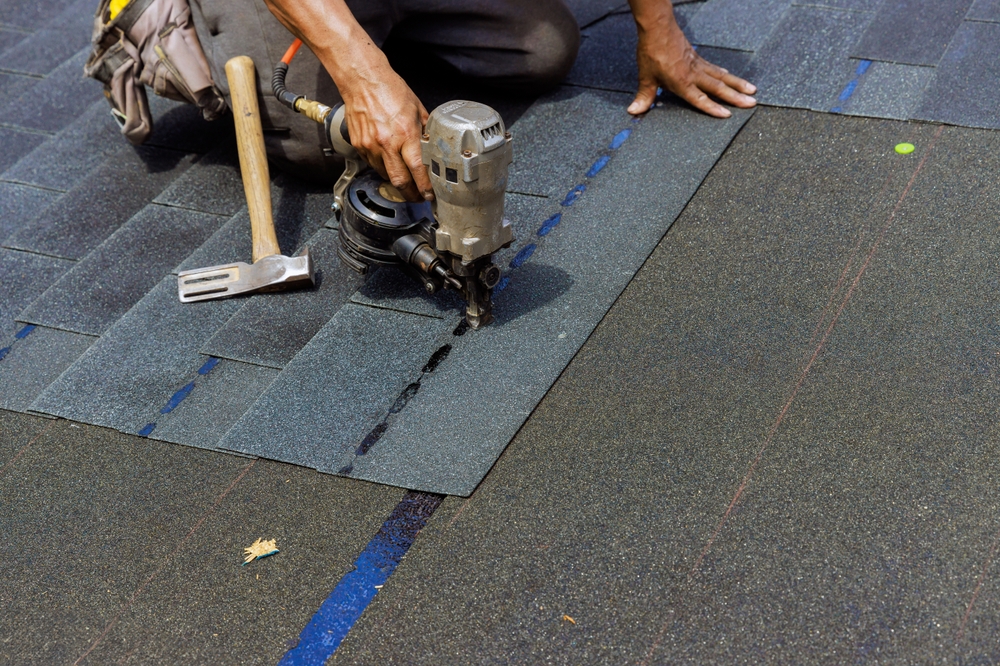
Your roof works tirelessly to protect your home from the sun, rain, and wind. Because it’s always overhead, it’s easy to forget about it until a problem becomes too obvious to ignore. But many common roof damage signs appear long before a major leak starts. Knowing what to look for can save you from costly repairs and give you peace of mind. This guide covers the top ten indicators that it’s time to hire a local roofer for an inspection or repair. By spotting these issues early, you can keep your home safe, dry, and secure. We’ll walk through everything from curling shingles to rising energy bills, so you can feel confident knowing when to make the call. Curling or Missing Shingles: The First Warning Sign Your shingles are the first line of defense against the elements. When they start to look worn out, it’s a clear signal that your roof’s health is declining. Two of the most common roof damage signs are curling and missing shingles, and they often point to different issues. What curling shingles mean for your roof’s lifespan When you see the edges of your shingles turning upward (curling) or the middle starting to bubble (clawing), it’s usually a sign of age or heat damage. Asphalt shingles lose their flexibility over time. The intense South Carolina sun can speed up this process, causing them to shrink and warp. Curling shingles are a problem because they can no longer seal properly against the roof deck. This allows wind and rain to get underneath, which can lift them off entirely. It also exposes the underlying layers to moisture, which can lead to rot. If you notice widespread curling across your roof, it often indicates your roof is nearing the end of its effective lifespan and you should consider when to replace the roof. How a local roofer can fix missing shingles quickly A few missing shingles after a strong storm might not seem like a big deal, but each gap is an open invitation for water to enter your home. High winds can easily catch the edge of a loose or older shingle and tear it away, leaving the underlayment and roof deck exposed. The good news is that a local roofing contractor can often replace a few missing shingles without needing to replace the whole roof. A professional will match the new shingles to your existing ones as closely as possible and ensure they are sealed correctly to prevent future wind damage. If you need a roof repair near me, addressing it quickly prevents a small problem from turning into a much larger one. Leaks or Water Stains on Ceilings and Walls A discolored spot on your ceiling is one of the most alarming roof damage signs for any homeowner. Water is sneaky and can travel a long way from its entry point, making the source of the leak difficult to pinpoint. Ignoring it is never a good idea, as even a small drip can lead to significant issues. How to trace water stains to roof leaks Finding the origin of a leak requires a bit of detective work. Water rarely drips straight down. It often runs along roof decking, rafters, or inside walls before it finds a place to show itself. If you have attic access, that’s the best place to start. Safely enter your attic with a flashlight and look for damp insulation, dark wood stains, or active drips directly above the ceiling stain. Keep in mind the leak on the roof’s surface may be several feet higher than where the water appears inside. A professional roofer has the experience to trace these paths back to the source, which could be a cracked shingle, failed flashing, or a damaged pipe boot. Why leaks get worse if ignored A minor water stain might seem like a cosmetic issue, but the damage it represents is ongoing. Unaddressed leaks can lead to: Structural Damage: Persistent moisture will rot the wooden components of your roof structure, including the decking, rafters, and joists. This weakens your home’s framework. Mold and Mildew: Trapped moisture in ceilings and walls creates the perfect environment for mold to grow, which can pose health risks and be costly to remediate. Damaged Insulation: Wet insulation becomes compressed and loses its R-value, making your home less energy-efficient. Compromised Electrical Systems: Water coming into contact with electrical wiring is a serious fire hazard. Don’t wait. If you see signs of a leak, it’s time to call a professional for an inspection. Granules in the Gutters After Rain Have you ever cleaned your gutters and noticed they’re full of a black, sandy substance? Those are asphalt granules from your roof shingles. While it’s normal for a new roof to shed some excess granules, finding a large amount in your gutters is a definite roof damage sign. What roof granules are and why they matter Asphalt shingles are coated with a layer of crushed mineral granules for a reason. This coarse layer serves several critical functions: UV Protection: The granules act like sunscreen for your shingles, protecting the underlying asphalt from breaking down under harsh sunlight. Fire Resistance: They contribute to the shingle’s Class A fire rating. Durability: They add weight and stability to the shingle. When these granules wear away, the asphalt layer is exposed to the elements. The shingle becomes brittle, prone to cracking, and far less effective at protecting your home. How local roofers assess asphalt shingle wear When a professional inspects your roof, they aren’t just looking for a few bare spots. A local roofer will examine the overall condition of the shingles. They’ll check for significant granule loss across entire sections of the roof, especially on south-facing slopes that get more sun. They might also gently touch the shingles to see if they feel brittle or soft. Widespread granule loss is a strong indicator that your roof has aged significantly. At this stage, repairs may only be a temporary fix, and your
How to Choose the Right Roofing Contractor Near You
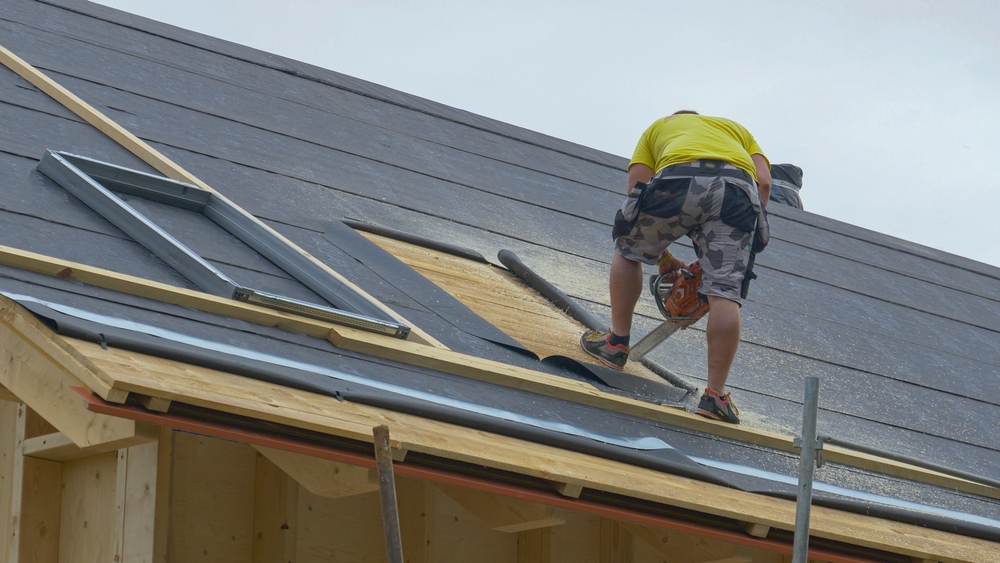
Finding the right person to work on your home’s roof can feel overwhelming. Your roof is what protects your family and your biggest investment from the elements, so you need a team you can trust. This guide is here to help you navigate the process of finding reliable roofing contractors near me, so you can make an informed decision with confidence. We’ll walk you through everything from initial research to comparing roofing quotes and understanding the fine print. Choosing a roofer is a major decision. You’re not just buying shingles; you’re investing in safety, quality workmanship, and long-term protection for your home — the kind of reliability homeowners expect from professional roofing services in South Carolina. Let’s break down how to find the best roofing companies near me and ensure your project is a success from start to finish. Why Choosing the Right Roofing Contractor Matters A roof replacement or repair is one of the most significant projects a homeowner will undertake. The contractor you hire directly impacts the quality of the work, the lifespan of your roof, and the protection of your home. A job done right means decades of security against rain, wind, and sun. A poor job can lead to leaks, structural damage, and costly future repairs. The right contractor does more than just install shingles. They act as your partner, helping you choose the best materials, navigating potential insurance claims, and ensuring the final result is something you’re proud of. They treat your home as if it were their own, focusing on quality and customer satisfaction above all else. What to Look for in a Local Roofing Company When you start your search, it’s easy to get lost in a sea of options. To narrow it down, focus on a few key qualities that separate the great contractors from the rest. A reputable local roofer will have a proven track record of excellence and transparency. Experience with your specific roof type Not all roofs are the same. A contractor who specializes in asphalt shingles may not be the best choice for a metal or tile roof. Ask potential roofers about their experience with your specific roofing material and style. An experienced team will understand the unique installation requirements, potential challenges, and proper maintenance for your type of roof, ensuring a durable and long-lasting result. Verified reviews and customer testimonials What past customers say is one of the strongest indicators of a company’s quality. Look for recent, detailed reviews on platforms like Google. Pay attention to comments about communication, professionalism, worksite cleanliness, and how the company handled any unexpected issues. A long list of positive, authentic testimonials shows that the contractor consistently delivers on their promises. Reading through roofing reviews in Columbia can also give you insight into how companies handle communication, scheduling, and unexpected issues. Local references and portfolio examples A trustworthy contractor will be proud to show off their work. Ask for a portfolio of recently completed projects in and around the Columbia area. Even better, request local references you can contact. Seeing their work firsthand or speaking with a past client provides undeniable proof of their skill and customer service. This also confirms they are an established part of your community. How to Research Roofing Contractors Near You Your search for roofing contractors near me should start online but extend to real-world verification. Begin by creating a shortlist of three to five local companies that appear professional and have strong reviews. Check their websites for information about their services, history, and team. Next, look for their presence on third-party sites like the Better Business Bureau (BBB). An A+ rating, like the one we hold at Cola City Roofing, demonstrates a commitment to ethical business practices. You can also search for the company name online to see if any complaints or red flags appear. This initial research helps you weed out unqualified candidates before you even make a phone call. Key Questions to Ask Before Hiring a Roofer Once you have your shortlist, it’s time to reach out. Your initial conversation is a great opportunity to gauge their professionalism and expertise. Prepare a list of questions to ask each potential contractor. If you’re unsure where to start, reviewing common questions to ask your roofer can help you compare companies more confidently. Here are a few essential questions: How long have you been in business in the Columbia, SC, area? Can you provide proof of your license and insurance? Who will be the main point of contact for my project? Do you use subcontractors, and if so, are they also insured? What is your process for protecting my property (landscaping, siding, etc.) during the project? How do you handle cleanup during and after the job? What warranties do you offer on your workmanship and the materials? A professional roofer will be happy to answer these questions clearly and thoroughly. Understanding Licenses, Insurance, and Warranties This is where you separate the professionals from the risks. A licensed roofing contractor who is fully insured protects you from liability and ensures they meet state and local standards. Never skip this step. Roofing contractor license verification checklist A legitimate contractor will have a valid license issued by the relevant state or local authorities. You can, and should, ask for their license number and verify it. For South Carolina, you can check credentials through the SC Department of Labor, Licensing and Regulation. This confirms they have met the required standards for knowledge and business practices. Types of insurance every roofer should carry Proper insurance is non-negotiable. It protects you, your property, and the workers. There are two critical types of insurance to verify: General Liability Insurance: This covers any damage that might occur to your property during the roofing project. For example, if a tool falls and breaks a window, this insurance would cover the repair. Worker’s Compensation Insurance: This covers medical costs and lost wages for any worker who gets injured on your property. Without
How Often Should You Replace Your Roof? A Columbia SC Homeowner’s Guide
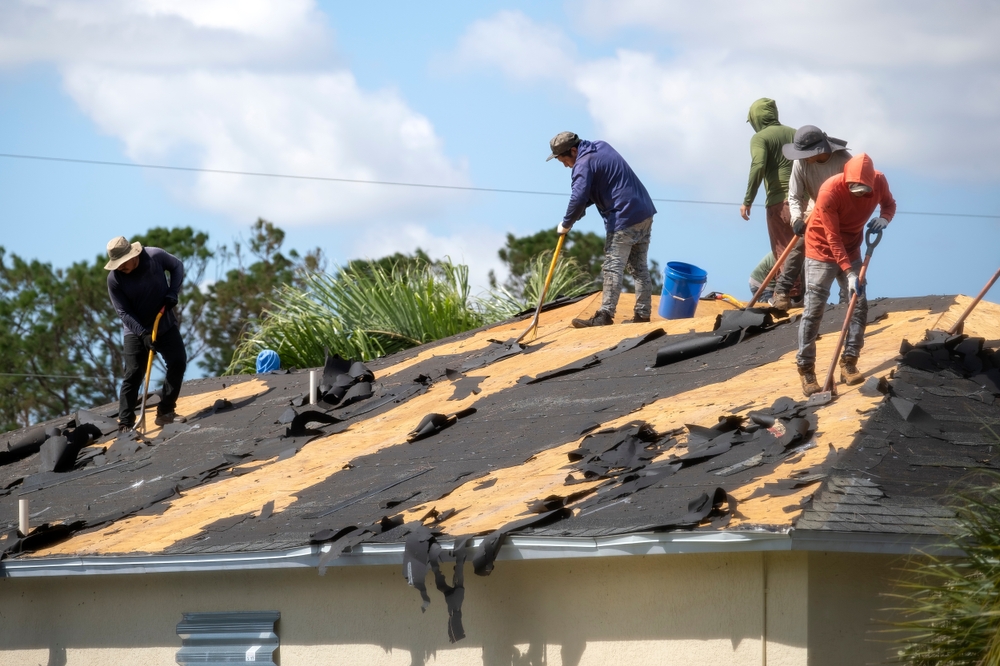
Whether you’re a long-term resident enjoying your forever home or a new buyer starting a new chapter, one of the most significant components you’re responsible for is the roof. It’s your home’s first line of defense, but it doesn’t last forever. This leads to one of the most common questions we hear from Columbia homeowners: “How often should I actually expect to replace my roof?” The answer isn’t a single number. A roof’s lifespan depends on a variety of factors, including the material it’s made from, the quality of the installation, and the specific environmental challenges it faces. For homeowners in the Midlands of South Carolina, our unique climate of intense sun, high humidity, and seasonal storms plays a huge role in how long a roof will last. This guide will provide a clear overview of roof lifespans, the factors that can shorten them, and the warning signs that indicate it’s time to start planning for a replacement. Roof Lifespan by Material: The Manufacturer’s Promise Every roofing material comes with a manufacturer-rated lifespan. This number represents how long the material is expected to last under ideal conditions. Here are the typical lifespans for the most common roofing materials found in the Columbia area. Architectural Asphalt Shingles: 25-30 Years This is, by far, the most popular roofing material for homes in Columbia, and for good reason. Architectural shingles (or dimensional shingles) offer a fantastic balance of durability, style, and value. Unlike the older, flat 3-tab shingles that only last 15-20 years, modern architectural shingles are thicker and built to withstand higher winds and impacts. A properly installed and maintained architectural shingle roof should reliably protect your home for about two and a half to three decades. Metal Roofing: 50+ Years Standing-seam metal roofs have surged in popularity due to their exceptional durability and modern aesthetic. While the upfront cost is higher than shingles, a metal roof can easily last 50 years or more, making it a “once-in-a-lifetime” investment for many homeowners. They are highly resistant to wind, rot, and fire, and their longevity makes them a very cost-effective option over the long term. Premium Materials (Tile and Slate): 75-100+ Years Materials like clay tile, concrete tile, and natural slate are the champions of longevity. A tile roof can last over a century, while a slate roof can protect a home for 150 years or more. However, these materials are extremely heavy, requiring reinforced roof structures. They are also significantly more expensive and require specialized installation, making them a less common choice for most homes in the Columbia market. The Columbia Climate Factor: What Affects Your Roof’s Real-World Lifespan? A manufacturer’s warranty is one thing; real-world performance in the South Carolina Midlands is another. Several local environmental factors work to shorten a roof’s lifespan. Understanding these will help you know what to look for. Intense UV Radiation: The relentless summer sun is your roof’s greatest enemy. UV rays bake the asphalt in shingles, causing the protective oils to dry out. This makes them brittle, prone to cracking, and causes them to lose their protective granules over time. High Humidity and Heavy Rain: Our humid climate is a perfect breeding ground for algae, moss, and mildew. Blue-green algae can cause unsightly black streaks on your roof (a condition called gloeocapsa magma). While mostly cosmetic, heavy moss growth can trap moisture against the shingles, accelerating their decay. Constant moisture also tests the integrity of every seal and seam. Thermal Shock: The significant temperature swings between a scorching hot day and a cooler night cause roofing materials to constantly expand and contract. Over many years, this thermal shock can weaken seals, loosen fasteners, and create stress fractures in shingles. Severe Weather: Columbia frequently experiences strong winds from thunderstorms and the remnants of tropical systems. High winds can lift shingles, breaking their seals and leaving them vulnerable to being torn off completely. Hailstorms, though less frequent, can cause severe impact damage that compromises the entire roof system. Key Signs It’s Time for a Replacement Your roof will give you warning signs long before it fails completely. Knowing how to spot them is key to planning a replacement on your own terms. Visible Shingle Damage: From the ground (using binoculars for safety), look for shingles that are curling at the edges, cracking, or have sections that look bald or smooth. These are all signs that the asphalt has aged and is no longer protecting your home effectively. Excessive Granule Loss: Check your gutters and the area around your downspouts for an accumulation of what looks like coarse black sand. These are the protective granules from your shingles. A large amount of granule loss means your roof’s “sunscreen” is gone, and it is rapidly deteriorating. Widespread Staining or Algae Growth: While a few black streaks are common, if large sections of your roof are covered in algae or moss, it indicates that moisture is dwelling on the surface and the shingles are likely retaining water. Leaks or Water Stains in the Attic: The most definitive sign is evidence of water. Use a flashlight in your attic to look for water-stained wood on the underside of the roof deck, damp insulation, or a musty smell. By the time you see a stain on your living room ceiling, the leak has been active for a while. A Sagging Roofline: Stand back from your house and look at the ridgeline. If it appears to droop or sag in the middle, this is a serious structural issue, likely caused by rotted roof decking. This requires immediate professional attention. Making the Smart Choice for Your Home So, how often should you replace your roof? If you have architectural shingles, you should start thinking about a replacement as you approach the 20- to 25-year mark. This is the window where proactive planning can save you from the stress of an emergency replacement. If your roof is older than 25 years, it is living on borrowed time and
What’s the Best Time of Year to Replace a Roof in Columbia SC?
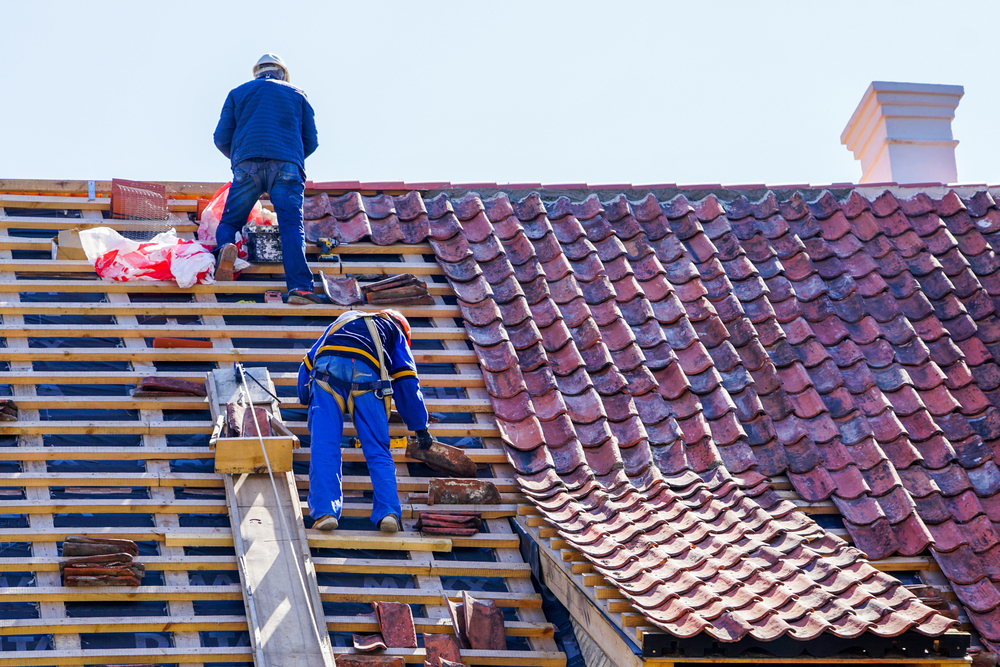
Deciding to replace your roof is a major step. Once you’ve chosen your materials and selected a trusted contractor, one final question remains: When should you do it? While an emergency leak or storm damage can make the decision for you, most homeowners have the flexibility to schedule their roof replacement. In Columbia, South Carolina, where the weather can swing from mild and pleasant to intensely hot or stormy, timing is an important consideration. Is there a “perfect” season for a roof replacement? While some times of the year offer more predictable weather, the truth is that a skilled and professional roofing crew can successfully install a new roof in any season. The most important factor is not the month on the calendar, but the quality of the contractor you hire. This guide will break down the pros and cons of replacing your roof during each of Columbia’s distinct seasons. Understanding these factors will help you make an informed decision that works best for your schedule, your budget, and the needs of your home. The Ideal Conditions for Roof Installation Before we dive into the seasons, it helps to know what constitutes a perfect day for roofing. The most critical element for installing asphalt shingles is temperature. Shingles have a thermally activated asphalt sealant strip that requires warmth from the sun to bond properly. This process, called thermal sealing, is what makes your roof a single, watertight unit. Ideal Temperature: The sweet spot is typically between 45°F and 85°F. This range allows shingles to be flexible enough to handle without cracking but not so hot that they become soft and scuff easily. Dry Conditions: A roof replacement cannot be done in the rain. A dry roof deck is essential for a safe and effective installation. Mild Wind: Calm or mildly windy days are best. High winds can make handling large materials dangerous and can prevent shingles from sealing correctly before they have a chance to bond. With these conditions in mind, let’s see how each Columbia season stacks up. Fall (September – November): The Popular Choice For many roofing contractors and homeowners in Columbia, fall is considered the prime season for roof replacement. The extreme heat of summer has subsided, and the weather is often mild and predictable. Pros: Optimal Temperatures: Fall typically offers the cool, pleasant temperatures that are perfect for both the installation crew and the shingles themselves. The shingles can seal properly without the risk of overheating. Lower Humidity: Compared to the summer, lower humidity levels mean a more comfortable working environment and less chance of moisture being trapped during installation. Stable Weather Patterns: While a stray shower can always happen, fall generally has fewer pop-up thunderstorms than the summer months, allowing for more consistent workdays. Cons: High Demand: Because fall is the ideal season, it’s also the busiest. You may face longer waiting times to get on a reputable contractor’s schedule. Potentially Higher Prices: Basic supply and demand can mean that prices might be at their peak during this busy season. End of Hurricane Season: Early fall still overlaps with the end of the Atlantic hurricane season (which runs through November 30th), so there is still a slight risk of a tropical system disrupting a project. Winter (December – February): The Season of Opportunity Many homeowners assume that roofing is impossible in the winter. While it presents some challenges, a mild South Carolina winter can be a surprisingly good time for a roof replacement, especially for homeowners looking for flexibility and potential savings. Pros: Increased Availability: Winter is generally the slowest season for roofers. This means you can often schedule your project much faster and may have more flexibility with dates. Potential for Off-Season Discounts: With less demand, some contractors may offer more competitive pricing or discounts to keep their crews busy during the slower months. Mild SC Winters: Unlike northern climates, Columbia’s winters are relatively mild. We often have plenty of sunny days with temperatures well within the acceptable range for shingle installation (above 40-45°F). Cons: Colder Temperatures: On colder days, shingles can become brittle and more susceptible to cracking during installation. Professional crews know how to handle materials carefully in these conditions. Shorter Days: Less daylight means a shorter working window for crews, so a project might take an extra day to complete. Slower Sealing Process: The thermal sealing process can take longer in colder weather. While the roof is still watertight upon installation thanks to proper nailing, it may take a few warmer days for the adhesive strips to fully bond. Spring (March – May): A Great Alternative to Fall Spring in Columbia is another fantastic season for roofing, sharing many of the same benefits as fall. The weather is warming up, the days are getting longer, and the conditions are often just right for outdoor work. Pros: Pleasant Temperatures: Like fall, spring provides the moderate temperatures that are ideal for installing shingles and for crew comfort and efficiency. Good for Sealing: The warming weather and strong sun provide excellent conditions for the shingles’ thermal sealant to activate quickly and effectively. Beat the Summer Heat: Completing your roof replacement in the spring means your new, potentially more energy-efficient roof is ready for the brutal heat of a Columbia summer. Cons: Unpredictable Rain: Spring is known for its frequent rain showers and thunderstorms. Weather can be volatile, potentially leading to more frequent project delays than in the fall. Pollen: Columbia’s infamous spring pollen season can be a nuisance. A heavy coating of yellow pollen can settle on the roof before the shingles have fully sealed. While not a structural problem, it’s a cosmetic consideration. Allergies: For homeowners sensitive to allergens, a construction project that stirs up dust and pollen might be less than ideal. Summer (June – August): Hot and Challenging, but Doable Summer is perhaps the most challenging season for roof replacement in South Carolina, primarily due to the intense heat and humidity. However, professional crews are well-equipped
Signs You Need a New Roof: Columbia SC Checklist
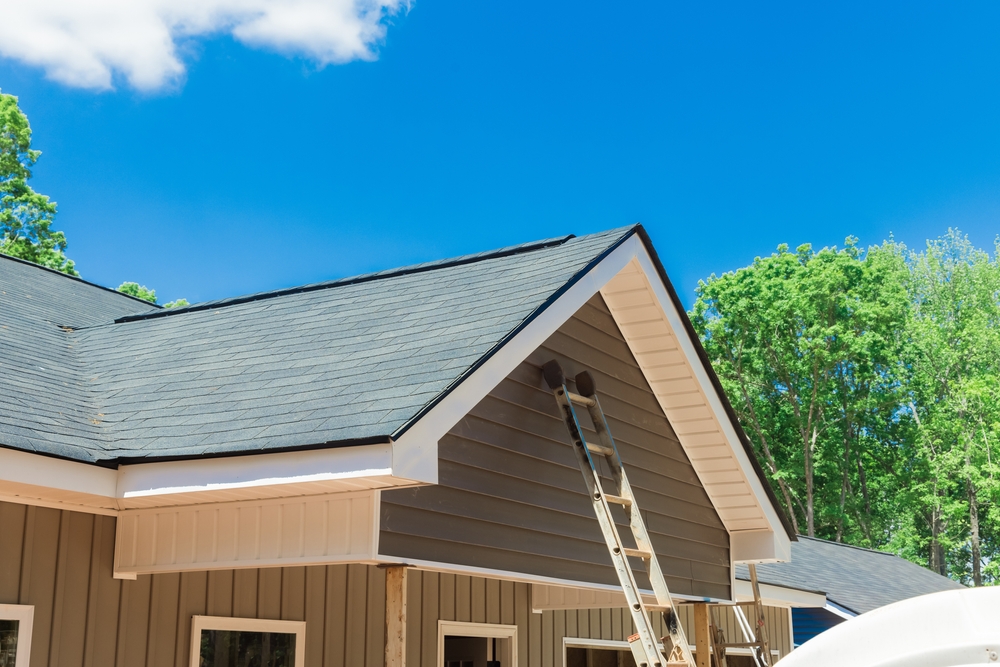
Your roof works tirelessly, day in and day out, to protect your home from the intense Columbia sun, heavy downpours, and strong seasonal winds. Because it’s always there, it’s easy to forget about it until a problem becomes too obvious to ignore. But by that point, a small issue may have already spiraled into a costly disaster involving water damage, wood rot, and mold. Knowing the subtle and not-so-subtle signs of a failing roof is one of the most important things you can do as a homeowner. Being able to spot trouble early allows you to plan and budget for a replacement on your own terms, rather than making a frantic call during an emergency. How can you tell if your roof is simply aging gracefully or secretly crying out for help? This checklist is designed specifically for Columbia, SC homeowners. It will guide you through the key indicators that your roof may be nearing the end of its functional life. Use these points to assess your own roof and determine if it’s time to call in a professional for a new roof. Your Columbia, SC Roof Replacement Checklist Some signs of roof failure are obvious, while others are much more subtle. Go through this list to get a comprehensive picture of your roof’s current health. 1. The Age of Your Roof This is the most straightforward indicator. No roof lasts forever, and different materials have different lifespans. In Columbia, the most common roofing material is the architectural asphalt shingle, which is designed to last approximately 25 to 30 years. If your roof is 20-25 years old or older: It’s time to start paying close attention. Even if it looks okay from the ground, its materials are likely becoming brittle and less effective. At this age, you should begin budgeting for a replacement, as it’s living on borrowed time. If you don’t know the roof’s age: If you weren’t the one who installed it, look for home sale records or ask a previous owner. If that information is unavailable, assume it needs a professional inspection to determine its condition. A qualified roofer can often estimate the age based on the materials and their condition. 2. The Condition of Your Shingles Your shingles are the frontline soldiers of your roofing system. Their condition is a direct reflection of your roof’s overall health. You can spot many of these signs from the ground with a pair of binoculars. Check for: Curling or Clawing Shingles: Look at the edges and corners of your shingles. Are they starting to curl upwards or lie flat? This is a clear sign of aging and heat damage. Curled shingles are extremely vulnerable to being caught and torn off by wind. Cracked Shingles: Thermal shock, caused by the daily fluctuation between hot sun and cooler nights, can cause visible cracks in shingles over time. These cracks are direct pathways for water to seep into the underlayment. Missing Shingles: A few missing shingles after a major storm can often be repaired. However, if you are consistently finding shingles in your yard or see multiple bare patches, it points to a systemic failure of the adhesive and fasteners. 3. Granules in Your Gutters Take a look inside your gutters or near your downspouts. Do you see a build-up of black, sand-like particles? These are the asphalt granules that cover the surface of your shingles. Their job is to protect the underlying asphalt from UV rays and add fire resistance. While it’s normal to lose a small amount of granules over a roof’s life, a large accumulation is a red flag. It means your shingles are “balding” and their protective layer is rapidly deteriorating, accelerating the aging process. 4. Leaks, Water Stains, and Moisture This is the sign that homeowners dread most, and for good reason. Any evidence of water inside your home is a critical issue that requires immediate attention. Stains on Ceilings or Walls: Dark, brownish stains on your interior ceilings or running down walls are classic signs of a roof leak. Don’t just paint over them; you must find and fix the source. Moisture or Mold in the Attic: On a sunny day, safely take a look inside your attic. Do you smell a musty, damp odor? Do you see any water-stained wood, active drips, or signs of black mold or mildew on the underside of the roof deck? This indicates a leak that may have been happening for a long time. Spongy or Soft Spots on the Roof: (For professionals only) When walking on a roof, a professional can feel for soft spots, which indicate the underlying wood decking has rotted from moisture. This is a definitive sign that a full replacement, including decking repair, is necessary. 5. Damaged or Failing Flashing Flashing consists of the metal pieces installed around any roof penetration, such as chimneys, skylights, vents, and in the valleys where roof planes meet. Its job is to create a watertight seal in these vulnerable areas. Inspect these areas for signs of trouble: Rusted or Corroded Metal: Rust can create holes and weak points in the flashing. Bent or Lifted Sections: High winds can damage flashing, breaking the seal and allowing water to get underneath. Cracked Sealant: The caulk or sealant used around flashing can dry out and crack over time, creating an easy entry point for rain. Faulty flashing is one of the most common sources of roof leaks. While it can sometimes be repaired, widespread flashing failure on an older roof often accompanies other issues that warrant a full replacement. 6. Sagging Roof Deck Stand back from your house and look at the lines of your roof. Are the ridgelines perfectly straight, or do you see a noticeable dip, curve, or “saddleback” in the middle? A sagging roof is a serious structural issue. It can be caused by waterlogged or rotted decking, an improperly installed roof, or framing problems in the attic. This is not just
Homeowner’s Guide to Roof Permits in Columbia SC
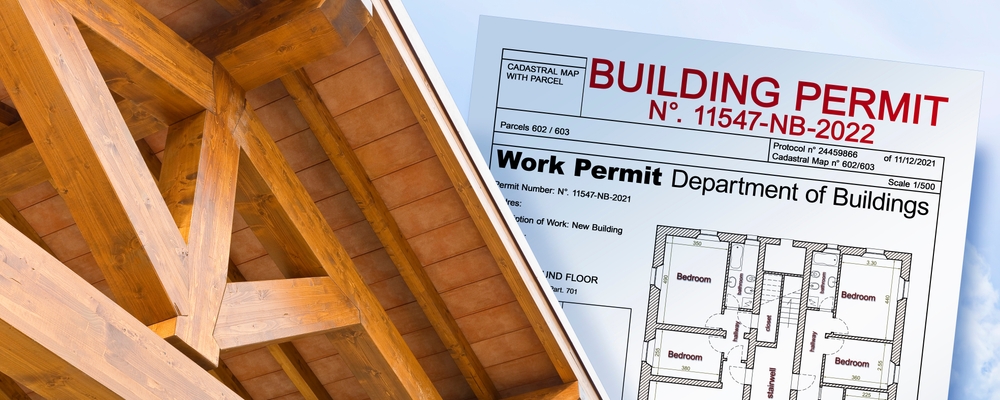
When you decide to replace your roof, your mind probably goes straight to choosing shingle colors and scheduling the work. One crucial step that often gets overlooked by homeowners is the building permit. The topic of permits can seem bureaucratic and confusing, but it’s a non-negotiable part of any major home improvement project, including roofing. A permit is more than just a piece of paper; it’s a fundamental part of ensuring your project is safe, legal, and up to code. For homeowners in Columbia, South Carolina, understanding the “why” and “how” of roof permits is essential for a smooth and successful project. Skipping this step can lead to significant headaches, from fines and legal trouble to issues when you try to sell your home. This guide will demystify the roof permitting process in the Columbia area. We’ll explain why permits are so important, what the process entails, and how partnering with a professional contractor like ColaCity Roofing can handle this entire process for you, providing complete peace of mind. What is a Roofing Permit and Why is it Required? A roofing permit is an official authorization issued by your local building department—in our case, the City of Columbia or Richland County, depending on your address. This permit grants you or your contractor legal permission to proceed with a roof replacement or a major repair. But why is it necessary? The primary purpose of the permitting process is to protect you, the homeowner. It ensures that the work performed on your home meets the minimum safety and construction standards set by local and state building codes. The key benefits of securing a permit include: Ensuring Code Compliance: Building codes are in place for a reason. They specify requirements for materials, installation techniques, and structural integrity to make sure your roof can withstand local weather conditions, like high winds and heavy rain. A permit triggers an inspection process to verify this compliance. Third-Party Verification: A city or county building inspector is a neutral, third-party expert who will examine your contractor’s work. This inspection confirms that the job was done correctly, holding your contractor accountable for the quality of their installation. Protecting Your Home’s Value: A permitted roof replacement is a matter of public record. This provides documented proof that the work was done legally and professionally, which is a major asset when you eventually sell your home. Lack of a permit can cause significant delays or even derail a real estate transaction. Insurance and Warranty Validity: Many homeowner’s insurance policies and manufacturer’s warranties can be voided if work is completed without the required permits. If an unpermitted roof fails and causes damage, your insurance company may refuse to cover the loss. The Permit Process in Columbia and Richland County The process of obtaining a roofing permit involves submitting an application and relevant documents to the appropriate local authority. For residents within the city limits, this is the City of Columbia’s Development Center. For those in unincorporated areas, it’s the Richland County Building Department. While the specifics can vary slightly, the general steps include: Application Submission: The contractor fills out a permit application. This form includes details about the property, the scope of work (e.g., “tear-off and replacement of asphalt shingle roof”), and information about the contractor’s license. Documentation: The contractor must provide proof of their South Carolina residential builder’s license and business license. They also need to show they carry adequate general liability and workers’ compensation insurance. This step is crucial as it prevents unlicensed or uninsured individuals from legally working on your home. Plan Review (If Necessary): For a standard shingle roof replacement, a detailed architectural plan is not usually required. However, for more complex projects involving structural changes, a plan review might be part of the process. Permit Issuance: Once the application is approved and the fee is paid, the permit is issued. The permit card must be posted in a visible location at the job site, usually on a front window or door. Inspections: The permit process includes at least one, and sometimes two, mandatory inspections. A “sheathing” inspection may be required after the old roof is torn off to check the condition of the wood deck. A “final” inspection occurs after the new roof is installed to confirm that all work complies with the building code. The inspector will check for proper nailing, flashing installation, and ventilation. Final Approval: Once the project passes the final inspection, the permit is “closed out,” officially completing the process. The Serious Risks of Skipping a Roof Permit Some homeowners or less-reputable contractors might be tempted to skip the permitting process to save a little time and money. This is a shortsighted and risky decision with potentially severe consequences. Financial Penalties: If the city or county discovers work being done without a permit, they will issue a “stop-work order” immediately, halting all progress. You will likely face fines that are often double the original permit fee. Forced Teardown: In a worst-case scenario, if the unpermitted work is found to be substandard or unsafe, the building department could require you to tear off the new roof and start over—this time with a permit. Future Sales Complications: When you sell your home, buyers will conduct due diligence, which can include checking permit records. An unpermitted roof replacement is a major red flag for buyers and their lenders, and you may be forced to get a retroactive permit (which is difficult and expensive) or drastically lower your asking price. Liability Issues: If an uninsured worker is injured on your property during an unpermitted job, you could be held personally liable for their medical expenses. Safety Hazards: Without the oversight of a building inspector, a contractor can cut corners. Improper installation can lead to premature roof failure, leaks, and structural damage, putting your family and property at risk. How ColaCity Roofing Provides Total Peace of Mind Navigating the permitting process can seem like a hassle, but it doesn’t have to be your worry.
Partnering with Local HOAs: Cola City Roofing in Action

Living in a community governed by a Homeowners’ Association (HOA) offers many benefits, from well-maintained common areas to a consistent neighborhood aesthetic that protects property values. When it comes to major exterior projects like a roof replacement, however, navigating HOA rules and guidelines can sometimes feel like an added layer of complexity for homeowners. For HOA board members, managing large-scale projects or ensuring compliance across dozens of homes can be a significant undertaking. This is where a strategic partnership between an experienced roofing contractor and the HOA can create immense value for everyone involved. By working together, HOAs, homeowners, and a trusted roofer can streamline projects, ensure high-quality results, and even achieve cost savings. At ColaCity Roofing, we have extensive experience collaborating with HOAs across Columbia, South Carolina. We understand the unique challenges and opportunities these partnerships present. This article explores the powerful benefits of this collaborative approach and demonstrates how ColaCity Roofing acts as a valuable partner to communities, ensuring projects are smooth, compliant, and successful. The Challenge: Roofing in an HOA Community Both homeowners and HOA boards face distinct challenges when it comes to roofing projects. For homeowners, the primary concern is compliance. You need to be certain that the materials, colors, and installation methods you choose meet the specific requirements laid out in your community’s covenants. Choosing a non-compliant shingle color or material can lead to frustrating and costly consequences, including fines or being forced to redo the work. For HOA boards, the challenges are broader. They are responsible for: Maintaining Aesthetic Uniformity: Ensuring that all roof replacements adhere to pre-approved standards to keep the neighborhood looking cohesive and attractive. Managing Large-Scale Needs: Coordinating roofing replacements for multi-family buildings (like townhomes or condos) or responding to widespread storm damage across the community. Vendor Vetting: Finding a reliable, insured, and professional contractor who can be trusted to work within the community’s guidelines and respect residents’ properties. Communicating with Residents: Answering questions and providing guidance to homeowners undertaking their own roofing projects. A strong partnership with a dedicated roofing contractor directly addresses these challenges, turning a potentially complicated process into a simple and efficient one. The Benefits of a Roofer-HOA Partnership When a roofing company like ColaCity Roofing establishes a relationship with a local HOA, it creates a win-win-win situation for the board, the homeowners, and the contractor. 1. Streamlined Communication and Approval Instead of every homeowner individually researching approved materials and submitting plans, a dedicated roofing partner already knows the rules. We work directly with HOA boards and property management companies to understand their specific covenants. We keep a record of approved shingle manufacturers, product lines, and color palettes. When a homeowner in that community contacts us, we can immediately guide them toward compliant options, eliminating guesswork and preventing mistakes. This pre-vetted knowledge dramatically simplifies the approval process for the homeowner and reduces the administrative burden on the HOA board. 2. Guaranteed Quality and Consistency One of an HOA’s primary goals is to maintain a uniform, high-quality appearance throughout the community. By recommending or partnering with a single, trusted contractor, the HOA can be confident that every roofing job will be completed to the same high standard. This consistency applies to: Materials: Using the exact same high-quality shingles across multiple homes. Workmanship: Ensuring every installation is performed with the same level of expertise and attention to detail. Site Management: Upholding consistent standards for property protection, job site cleanliness, and professionalism from the crew. This approach prevents the “patchwork” look that can develop when multiple contractors with varying quality standards work in the same neighborhood. 3. Potential for Cost Savings through Volume When an HOA needs to manage a large-scale project—such as re-roofing an entire block of townhomes or coordinating repairs after a major hailstorm—partnering with one contractor can lead to significant cost savings. By purchasing materials in bulk and scheduling crews more efficiently for multiple jobs in one location, a roofing company can often provide a more competitive price per home than if each homeowner contracted the work individually. This group discount, or volume pricing, allows residents to receive a top-tier roof for a better price, saving the community money while increasing property values. 4. A Single, Accountable Point of Contact When issues or questions arise, having a single, dedicated point of contact is invaluable for an HOA board. Instead of dealing with multiple companies, the board has one trusted partner to call. At ColaCity Roofing, we provide HOAs with a dedicated project manager who serves as their direct liaison. This individual understands the community’s needs, oversees all projects within the neighborhood, and ensures clear communication between our team, the board, and the residents. This accountability simplifies project management and fosters a long-term, trusting relationship. How ColaCity Roofing Partners with Columbia-Area HOAs Our experience working with HOAs in Columbia, Lexington, and the surrounding areas has taught us that a successful partnership is built on trust, communication, and respect for the community’s rules. Our process is designed to be collaborative from the very beginning: Initial Consultation: We meet with the HOA board or property manager to review the community’s covenants, conditions, and restrictions (CC&Rs) related to roofing. We listen to your needs, concerns, and goals. Establish Pre-Approved Standards: We work with you to create a simple, clear menu of pre-approved roofing systems, including specific shingle brands and colors. This makes it easy for residents to make compliant choices. Resident Education: We can provide educational materials for homeowners or even attend an HOA meeting to explain the roofing process, answer questions, and present the approved options. Seamless Project Execution: For every project within the community, we handle all aspects of the job with the utmost professionalism. This includes pulling necessary permits, protecting homeowners’ landscaping and property, and conducting a thorough cleanup with magnetic sweeps to remove nails. Ongoing Support: We remain a resource for the HOA long after the projects are complete, offering inspections, maintenance advice, and priority service for any future needs.