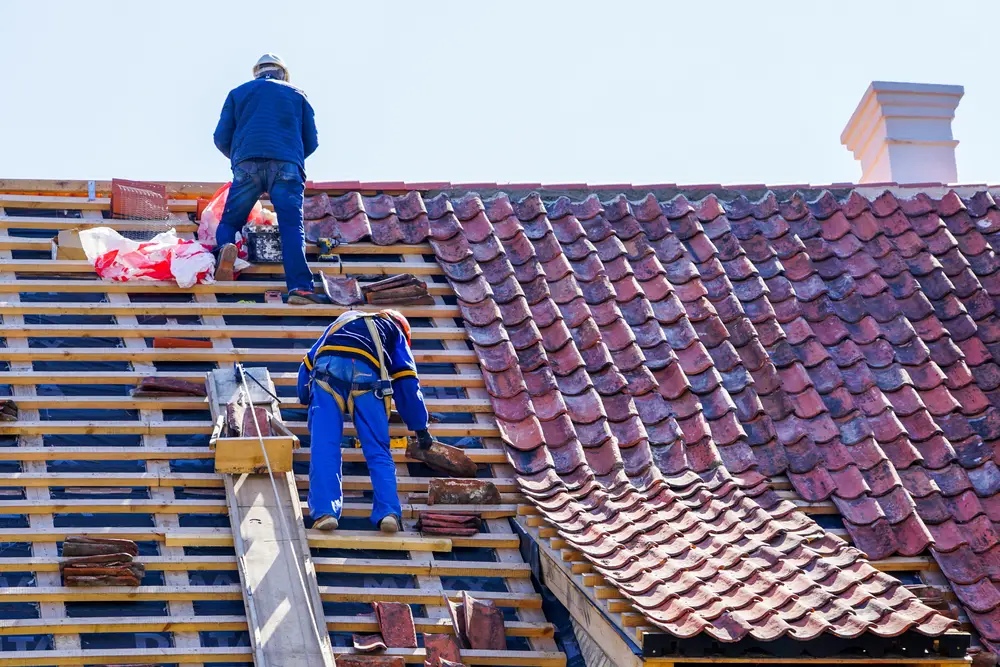
Deciding to replace your roof is a major step. Once you’ve chosen your materials and selected a trusted contractor, one final question remains: When should you do it? While an emergency leak or storm damage can make the decision for you, most homeowners have the flexibility to schedule their roof replacement. In Columbia, South Carolina, where the weather can swing from mild and pleasant to intensely hot or stormy, timing is an important consideration.
Is there a "perfect" season for a roof replacement? While some times of the year offer more predictable weather, the truth is that a skilled and professional roofing crew can successfully install a new roof in any season. The most important factor is not the month on the calendar, but the quality of the contractor you hire.
This guide will break down the pros and cons of replacing your roof during each of Columbia’s distinct seasons. Understanding these factors will help you make an informed decision that works best for your schedule, your budget, and the needs of your home.
The Ideal Conditions for Roof Installation
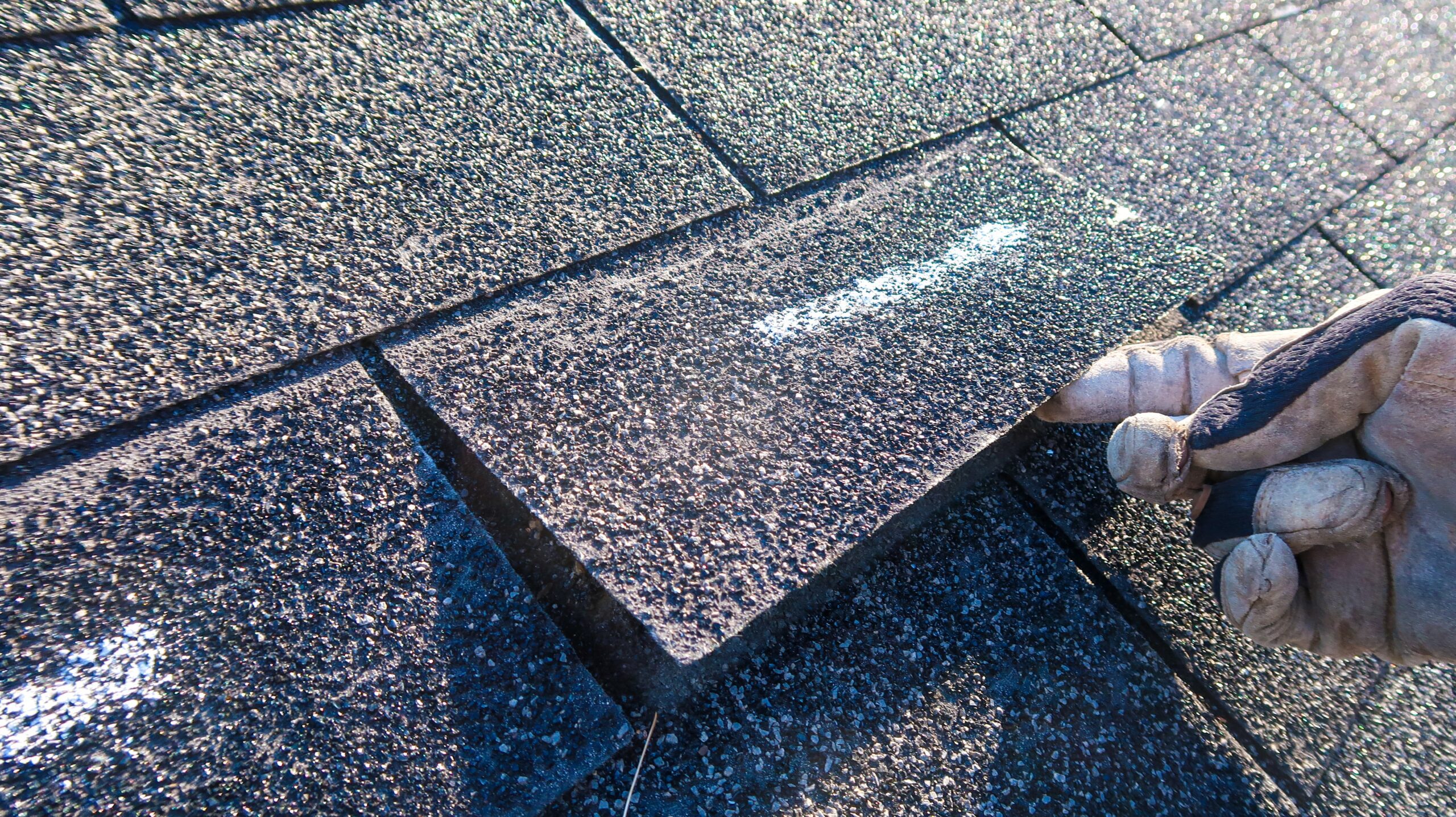
Before we dive into the seasons, it helps to know what constitutes a perfect day for roofing. The most critical element for installing asphalt shingles is temperature. Shingles have a thermally activated asphalt sealant strip that requires warmth from the sun to bond properly. This process, called thermal sealing, is what makes your roof a single, watertight unit.
- Ideal Temperature: The sweet spot is typically between 45°F and 85°F. This range allows shingles to be flexible enough to handle without cracking but not so hot that they become soft and scuff easily.
- Dry Conditions: A roof replacement cannot be done in the rain. A dry roof deck is essential for a safe and effective installation.
- Mild Wind: Calm or mildly windy days are best. High winds can make handling large materials dangerous and can prevent shingles from sealing correctly before they have a chance to bond.
With these conditions in mind, let’s see how each Columbia season stacks up.
Fall (September – November): The Popular Choice
For many roofing contractors and homeowners in Columbia, fall is considered the prime season for roof replacement. The extreme heat of summer has subsided, and the weather is often mild and predictable.
Pros:
- Optimal Temperatures: Fall typically offers the cool, pleasant temperatures that are perfect for both the installation crew and the shingles themselves. The shingles can seal properly without the risk of overheating.
- Lower Humidity: Compared to the summer, lower humidity levels mean a more comfortable working environment and less chance of moisture being trapped during installation.
- Stable Weather Patterns: While a stray shower can always happen, fall generally has fewer pop-up thunderstorms than the summer months, allowing for more consistent workdays.
Cons:
- High Demand: Because fall is the ideal season, it’s also the busiest. You may face longer waiting times to get on a reputable contractor’s schedule.
- Potentially Higher Prices: Basic supply and demand can mean that prices might be at their peak during this busy season.
- End of Hurricane Season: Early fall still overlaps with the end of the Atlantic hurricane season (which runs through November 30th), so there is still a slight risk of a tropical system disrupting a project.
Galleries
Recent Works
Need proof of our skills? Check out our recent roof and gutter work!
Winter (December – February): The Season of Opportunity
Many homeowners assume that roofing is impossible in the winter. While it presents some challenges, a mild South Carolina winter can be a surprisingly good time for a roof replacement, especially for homeowners looking for flexibility and potential savings.
Pros:
- Increased Availability: Winter is generally the slowest season for roofers. This means you can often schedule your project much faster and may have more flexibility with dates.
- Potential for Off-Season Discounts: With less demand, some contractors may offer more competitive pricing or discounts to keep their crews busy during the slower months.
- Mild SC Winters: Unlike northern climates, Columbia’s winters are relatively mild. We often have plenty of sunny days with temperatures well within the acceptable range for shingle installation (above 40-45°F).
Cons:
- Colder Temperatures: On colder days, shingles can become brittle and more susceptible to cracking during installation. Professional crews know how to handle materials carefully in these conditions.
- Shorter Days: Less daylight means a shorter working window for crews, so a project might take an extra day to complete.
- Slower Sealing Process: The thermal sealing process can take longer in colder weather. While the roof is still watertight upon installation thanks to proper nailing, it may take a few warmer days for the adhesive strips to fully bond.
Spring (March – May): A Great Alternative to Fall
Spring in Columbia is another fantastic season for roofing, sharing many of the same benefits as fall. The weather is warming up, the days are getting longer, and the conditions are often just right for outdoor work.
Pros:
- Pleasant Temperatures: Like fall, spring provides the moderate temperatures that are ideal for installing shingles and for crew comfort and efficiency.
- Good for Sealing: The warming weather and strong sun provide excellent conditions for the shingles’ thermal sealant to activate quickly and effectively.
- Beat the Summer Heat: Completing your roof replacement in the spring means your new, potentially more energy-efficient roof is ready for the brutal heat of a Columbia summer.
Cons:
- Unpredictable Rain: Spring is known for its frequent rain showers and thunderstorms. Weather can be volatile, potentially leading to more frequent project delays than in the fall.
- Pollen: Columbia’s infamous spring pollen season can be a nuisance. A heavy coating of yellow pollen can settle on the roof before the shingles have fully sealed. While not a structural problem, it’s a cosmetic consideration.
- Allergies: For homeowners sensitive to allergens, a construction project that stirs up dust and pollen might be less than ideal.
Summer (June – August): Hot and Challenging, but Doable
Summer is perhaps the most challenging season for roof replacement in South Carolina, primarily due to the intense heat and humidity. However, professional crews are well-equipped to handle the challenges and complete successful installations.
Pros:
- Instant Shingle Sealing: The high heat ensures that the shingle sealant bonds almost immediately, creating a quick and powerful watertight seal.
- Longer Daylight Hours: Crews have more daylight to work with, potentially allowing them to complete projects faster.
Cons:
- Extreme Heat: The primary drawback is the oppressive heat. Roof temperatures can soar to 150°F or higher, creating dangerous conditions for crews and making the shingles soft and prone to scuffing during installation. Professional roofers adjust by starting very early in the morning and taking necessary safety precautions.
- Afternoon Thunderstorms: Summer afternoons in Columbia are notorious for sudden, pop-up thunderstorms. Crews must be vigilant and ready to secure the job site quickly to prevent water from entering the home.
- Potential for Scuffing: The hot shingles can be easily marked or damaged by foot traffic. Experienced crews know how to navigate a hot roof to minimize this.
The ColaCity Roofing Promise: Quality in Any Season
While there are pros and cons to each season, the most important variable is the skill and professionalism of your roofing contractor. At ColaCity Roofing, we have the experience and training to perform flawless installations year-round.
- We Adapt to the Conditions: Our crews are trained to handle materials properly, whether it’s a cold winter morning or a scorching summer afternoon.
- We Prioritize Safety and Quality: We follow strict safety protocols and industry best practices for every season, ensuring the well-being of our team and the integrity of your roof.
- We Watch the Weather: We use advanced weather tracking to plan our workdays, minimizing the risk of project delays and ensuring your home is never left exposed to the elements.
Ultimately, the best time to replace your roof is when you need it. If you have an active leak or severe damage, you shouldn’t wait for the "perfect" season. If you have the flexibility to plan, we can work with you to find a time that fits your schedule and budget.
Ready to discuss the best timeline for your roof replacement project? Contact ColaCity Roofing today for a free, no-obligation consultation. We’ll help you assess your roof’s condition and plan for a seamless installation, no matter the season.