Your roof works tirelessly to protect your home from the sun, rain, and wind. Because it’s always overhead, it’s easy to forget about it until a problem becomes too obvious to ignore. But many common roof damage signs appear long before a major leak starts. Knowing what to look for can save you from costly repairs and give you peace of mind.
This guide covers the top ten indicators that it’s time to hire a local roofer for an inspection or repair . By spotting these issues early, you can keep your home safe, dry, and secure. We’ll walk through everything from curling shingles to rising energy bills, so you can feel confident knowing when to make the call.
Curling or Missing Shingles: The First Warning Sign
Your shingles are the first line of defense against the elements. When they start to look worn out, it’s a clear signal that your roof’s health is declining. Two of the most common roof damage signs are curling and missing shingles, and they often point to different issues.
What curling shingles mean for your roof’s lifespan
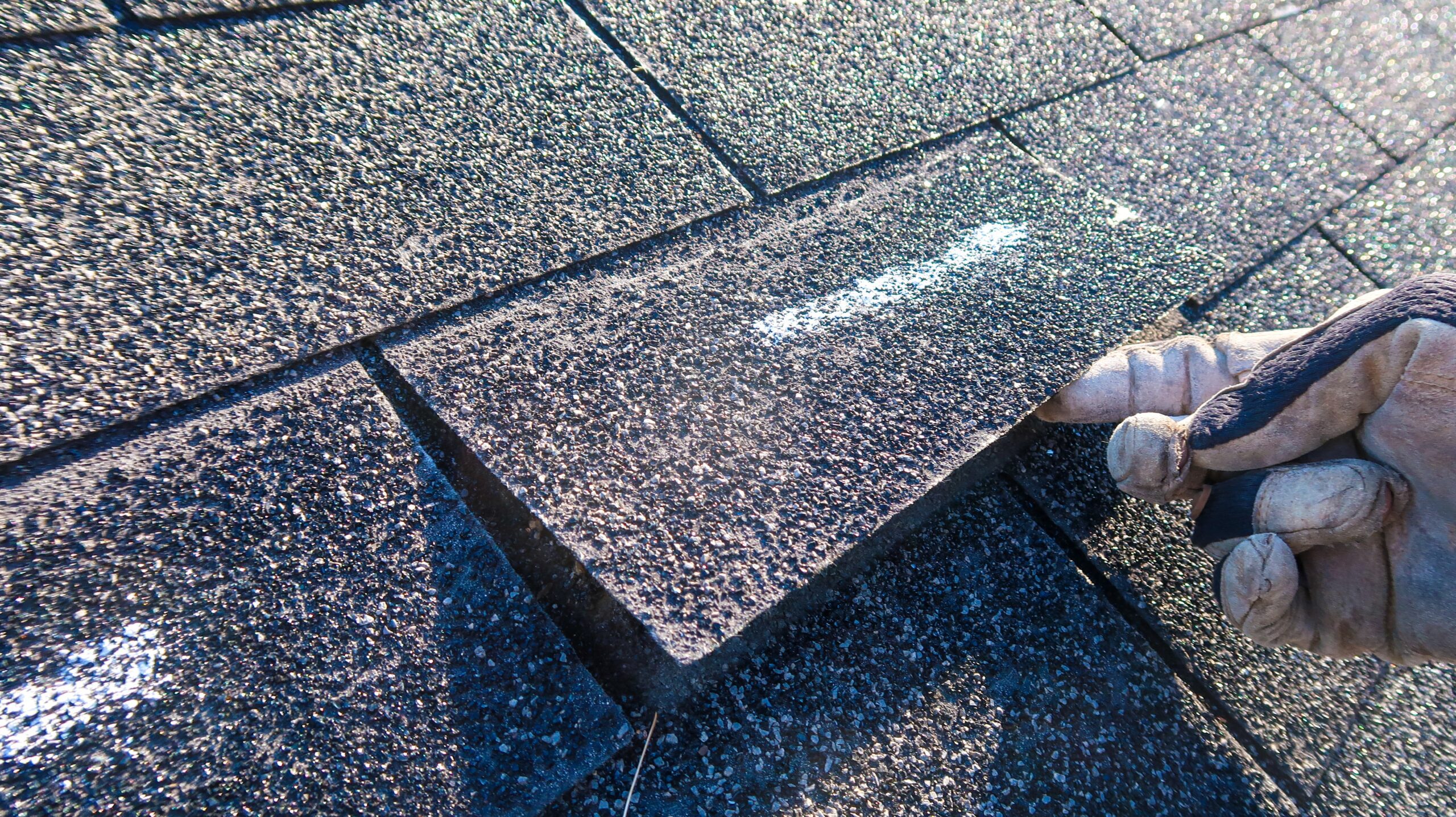
When you see the edges of your shingles turning upward (curling) or the middle starting to bubble (clawing), it’s usually a sign of age or heat damage. Asphalt shingles lose their flexibility over time. The intense South Carolina sun can speed up this process, causing them to shrink and warp.
Curling shingles are a problem because they can no longer seal properly against the roof deck. This allows wind and rain to get underneath, which can lift them off entirely. It also exposes the underlying layers to moisture, which can lead to rot. If you notice widespread curling across your roof, it often indicates your roof is nearing the end of its effective lifespan and you should consider when to replace the roof.
How a local roofer can fix missing shingles quickly
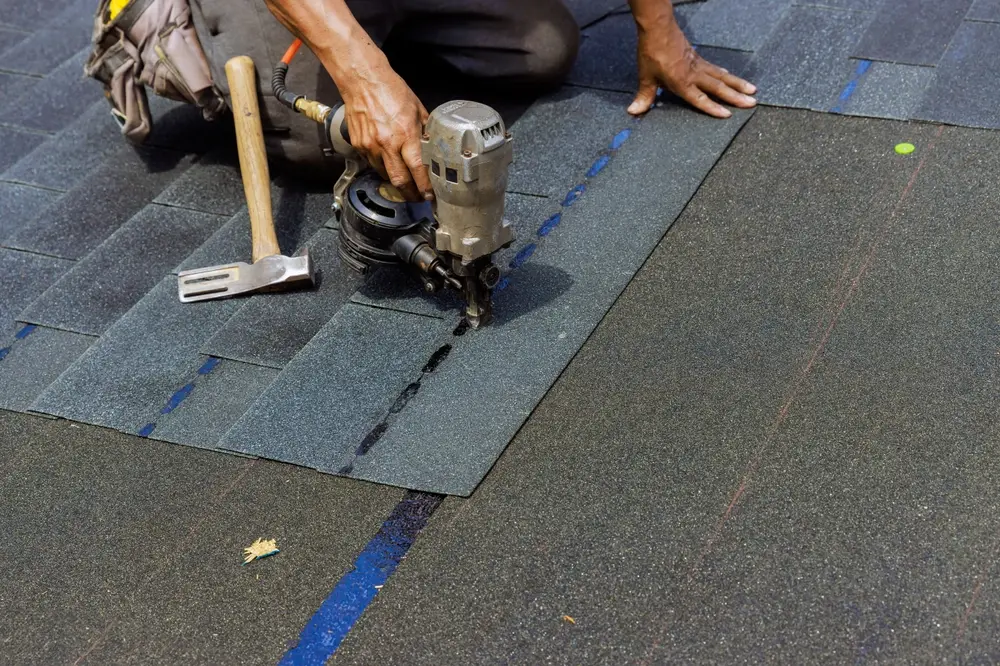
A few missing shingles after a strong storm might not seem like a big deal, but each gap is an open invitation for water to enter your home. High winds can easily catch the edge of a loose or older shingle and tear it away, leaving the underlayment and roof deck exposed.
The good news is that a local roofing contractor can often replace a few missing shingles without needing to replace the whole roof. A professional will match the new shingles to your existing ones as closely as possible and ensure they are sealed correctly to prevent future wind damage. If you need a roof repair near me, addressing it quickly prevents a small problem from turning into a much larger one.
Galleries
Recent Works
Need proof of our skills? Check out our recent roof and gutter work!
Leaks or Water Stains on Ceilings and Walls
A discolored spot on your ceiling is one of the most alarming roof damage signs for any homeowner. Water is sneaky and can travel a long way from its entry point, making the source of the leak difficult to pinpoint. Ignoring it is never a good idea, as even a small drip can lead to significant issues.
How to trace water stains to roof leaks
Finding the origin of a leak requires a bit of detective work. Water rarely drips straight down. It often runs along roof decking, rafters, or inside walls before it finds a place to show itself. If you have attic access, that’s the best place to start.
Safely enter your attic with a flashlight and look for damp insulation, dark wood stains, or active drips directly above the ceiling stain. Keep in mind the leak on the roof’s surface may be several feet higher than where the water appears inside. A professional roofer has the experience to trace these paths back to the source, which could be a cracked shingle, failed flashing, or a damaged pipe boot.
Why leaks get worse if ignored
A minor water stain might seem like a cosmetic issue, but the damage it represents is ongoing. Unaddressed leaks can lead to:
- Structural Damage: Persistent moisture will rot the wooden components of your roof structure, including the decking, rafters, and joists. This weakens your home’s framework.
- Mold and Mildew: Trapped moisture in ceilings and walls creates the perfect environment for mold to grow, which can pose health risks and be costly to remediate.
- Damaged Insulation: Wet insulation becomes compressed and loses its R-value, making your home less energy-efficient.
- Compromised Electrical Systems: Water coming into contact with electrical wiring is a serious fire hazard.
Don’t wait. If you see signs of a leak, it’s time to call a professional for an inspection.
Granules in the Gutters After Rain
Have you ever cleaned your gutters and noticed they’re full of a black, sandy substance? Those are asphalt granules from your roof shingles. While it’s normal for a new roof to shed some excess granules, finding a large amount in your gutters is a definite roof damage sign.
What roof granules are and why they matter
Asphalt shingles are coated with a layer of crushed mineral granules for a reason. This coarse layer serves several critical functions:
- UV Protection: The granules act like sunscreen for your shingles, protecting the underlying asphalt from breaking down under harsh sunlight.
- Fire Resistance: They contribute to the shingle’s Class A fire rating.
- Durability: They add weight and stability to the shingle.
When these granules wear away, the asphalt layer is exposed to the elements. The shingle becomes brittle, prone to cracking, and far less effective at protecting your home.
How local roofers assess asphalt shingle wear
When a professional inspects your roof, they aren’t just looking for a few bare spots. A local roofer will examine the overall condition of the shingles. They’ll check for significant granule loss across entire sections of the roof, especially on south-facing slopes that get more sun.
They might also gently touch the shingles to see if they feel brittle or soft. Widespread granule loss is a strong indicator that your roof has aged significantly. At this stage, repairs may only be a temporary fix, and your roofer might recommend planning for a full replacement.
Sagging or Uneven Roof Lines
Take a step back from your house and look at the lines of your roof. Do they appear straight and solid, or do you notice a dip, curve, or swag in the ridgeline? A sagging roof is one of the most serious roof damage signs and requires immediate professional attention.
Signs of structural damage
A sagging roof is almost always a symptom of a deeper structural problem. The weight of the shingles, combined with snow or standing water, can be immense. If the underlying framework is compromised, it may begin to buckle under the load.
Common causes of a sagging roof include:
- Water damage that has rotted the roof decking or rafters.
- Inadequate or failing roof joists.
- A foundation that has settled unevenly.
- Too much weight on the roof (e.g., multiple layers of old shingles).
This isn’t just a cosmetic problem; it’s a sign that your roof could be at risk of collapse.
When to call a professional roofing contractor near you
Do not attempt to get on a sagging roof or fix it yourself. This is a job that requires a professional roofing contractor with experience in structural repairs. A qualified roofer will conduct a thorough inspection from both the outside and inside your attic to determine the cause and extent of the damage.
They will assess the condition of the decking, rafters, and supports to create a safe and effective plan for repair. Addressing a sagging roof promptly is critical for the safety and integrity of your entire home.
Mold or Moss Growing on Your Roof
Those dark streaks or green patches on your roof might seem harmless, but they can cause real problems over time. What you’re likely seeing is algae, moss, or mold, and none of them belong on your shingles.
Why roof mold is more than just cosmetic
While dark streaks (a type of algae called Gloeocapsa magma) are primarily an aesthetic issue, moss and mold are more destructive. Moss acts like a sponge, trapping moisture against your shingles. During the winter, this trapped water can freeze and expand, pushing shingles upward and cracking them. Over time, this constant dampness can accelerate the deterioration of the granules and asphalt.
This creates a cycle where damaged shingles trap more moisture, encouraging even more growth. Before you know it, a small patch of moss can compromise a large section of your roof.
Local roofers’ soft washing and treatment options
Never use a high-pressure washer to blast moss or algae off your roof. This can strip away granules and cause more harm than good. Instead, professional roofers use a technique called soft washing.
Soft washing involves applying a specialized, biodegradable cleaning solution at low pressure. This solution kills the mold, moss, and algae at the root without damaging the shingles. The dead organic matter is then gently rinsed away, leaving your roof looking clean and preventing the growth from returning quickly. Hiring a local roofer for this service ensures it’s done safely and effectively.
Rising Energy Bills From Poor Roof Ventilation
If your energy bills are creeping up and you can’t figure out why, your roof’s ventilation system could be the culprit. A properly ventilated attic helps regulate your home’s temperature year-round. In the summer, it allows hot air to escape, and in the winter, it keeps the roof deck cool to prevent ice dams. When ventilation is poor, your HVAC system has to work overtime to compensate, driving up your energy costs. A professional roofer can inspect your attic and roof vents to ensure you have a balanced system of intake and exhaust vents for proper airflow.
Storm Damage or Fallen Branches After Bad Weather
After a severe thunderstorm or high winds, it’s always a good idea to inspect your roof. Look for obvious signs of damage, such as missing shingles, cracked tiles, or dents from hail. A fallen tree branch can cause significant structural damage, even if it doesn’t create a visible hole. Don’t assume everything is fine just because you don’t see a leak right away. It’s wise to hire a local roofer for an inspection; they can spot subtle damage that might lead to future problems.
Roof Age: When 20 Years Means It’s Time to Call a Roofer
Even if your roof looks okay from the ground, its age is a major factor. Most asphalt shingle roofs have a lifespan of 15 to 25 years. If your roof is approaching the 20-year mark, it’s time to start planning for a replacement. Older roofs are more susceptible to wind damage, leaks, and granule loss. Instead of waiting for a failure, proactively hiring a local roofer for an assessment allows you to budget and schedule the replacement on your own terms. This is a key moment when to replace roof systems before they fail.
Loose or Rusted Flashing Around Vents and Chimneys
Flashing is the thin metal material installed around chimneys, vents, skylights, and in roof valleys. Its job is to direct water away from these vulnerable areas. If the flashing becomes rusted, cracked, or pulls away from the roof, it creates a direct path for water to enter your home. Damaged flashing is one of the most common sources of roof leaks. During an inspection, a local roofing contractor will pay close attention to all flashing, ensuring it is secure and properly sealed.
Gutters Pulling Away or Damaged Fascia Boards
Your gutters and roof work together as a system. If you notice your gutters are pulling away from the house or see peeling paint on the fascia (the board right behind the gutter), it often points to a moisture problem. Clogged gutters can cause water to overflow and soak the fascia board, leading to rot. This rot can spread to the roof decking and rafters. A professional roofer can assess whether the issue is with the gutters alone or if it indicates a more extensive roof repair is needed.
When to Hire a Local Roofer vs. DIY Repairs
For a handy homeowner, tackling a small repair might seem like a good way to save money. Replacing a single shingle or cleaning the gutters are manageable DIY tasks for some. However, most roofing work is best left to the professionals.
Attempting a larger repair without the right training, safety equipment, and tools can be dangerous. You could also inadvertently cause more damage or void your roof’s warranty. Hire a local roofer for any job that involves widespread damage, potential structural issues, or requires you to spend significant time on the roof. Their experience ensures the job is done right and safely.
Galleries
Latest Projects
Need proof of our skills? Check out our recent roof and gutter work!
How to Find a Trustworthy Local Roofing Contractor
Choosing the right contractor is just as important as identifying the problem. Look for a local roofer with a strong reputation in your community. A trustworthy contractor will be licensed, insured, and happy to provide references. They should offer a detailed, written estimate and explain the scope of work clearly. Never feel pressured to sign a contract on the spot.
Key questions to ask during your first roofing consultation
To ensure you’re hiring a reliable professional , come prepared with a few questions:
- Are you licensed and insured in South Carolina?
- Can you provide references from recent, local jobs?
- What warranties do you offer on your workmanship and materials?
- Who will be my point of contact during the project?
- What is your process for protecting my property (landscaping, siding) during the work?
- How do you handle unexpected issues or storm-related delays?
For a complete checklist, you can see our guide: How to Choose the Right Roofing Contractor Near You .
Frequently Asked Questions
How do I know if I need a roof replacement?
Look for widespread signs of aging, such as extensive granule loss, curling shingles across large areas, or a roof that is over 20 years old. A professional inspection is the best way to determine if repairs are sufficient or if it’s time for a full replacement.
What’s the average cost to hire a local roofer?
The cost varies greatly depending on the size and slope of your roof, the materials chosen, and the extent of the work. A simple roof repair near me might cost a few hundred dollars, while a full replacement is a significant investment. Reputable contractors offer free, no-obligation estimates.
How quickly can a roofer inspect storm damage?
Most local roofing companies prioritize storm damage calls. In many cases, a roofer can come out for an inspection within 24 to 48 hours to assess the damage and recommend temporary solutions to prevent further leaks.
Your roof is one of your home’s most important assets. By paying attention to these ten signs, you can catch problems early and make informed decisions. If you’ve noticed any of these issues with your roof in Columbia, SC, or the surrounding areas, don’t hesitate to reach out. We are happy to provide a complimentary site visit to assess your roof’s condition and offer honest, expert advice. Call us today to schedule your free inspection .