
The Hidden Costs of Roof Replacement You Should Know
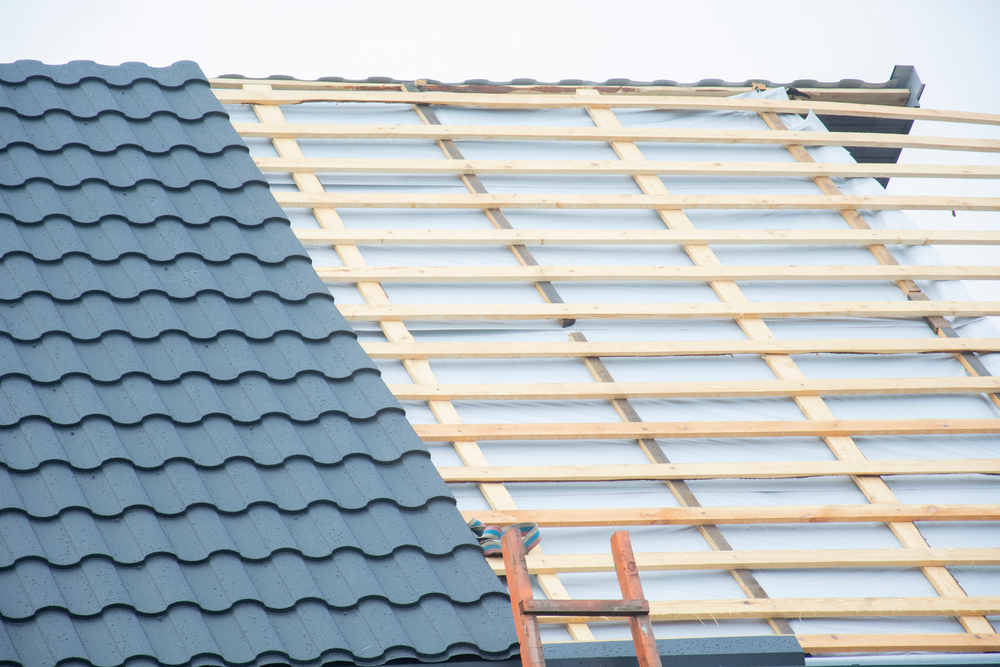
Getting a new roof is a major home improvement project. You do your research, get a few quotes, and choose a roofer you trust. The initial price seems straightforward, covering shingles and labor. But what if that number isn’t the final number? The truth is, a standard roof replacement quote often acts as a starting point. Several necessary expenses can appear after the work begins, turning a manageable budget into a stressful surprise. At Cola City Roofing, we believe in treating your home like our own, and that starts with honesty and transparency. We want you to feel confident and informed every step of the way. This guide pulls back the curtain on the common “hidden” costs of roof replacement that many homeowners don’t see coming. We’ll explain what these costs are, why they happen, and how you can plan for them to ensure your project stays on track without unexpected financial strain. Why Roof Replacement Quotes Don’t Tell the Full Story A roofing quote is a contractor’s best estimate based on what they can see. During an initial inspection, a professional can measure your roof, assess the condition of the visible shingles, and identify potential issues with flashing or ventilation. They use this information to calculate the cost of materials (like shingles and underlayment) and the labor required to install them. This is the number you see on the proposal. However, a roof is more than just the top layer of shingles. Underneath lies a complex system of decking, supports, and protective barriers. The true condition of these components remains unknown until the old roofing material is completely removed. Think of it like a doctor diagnosing a problem. They can learn a lot from initial symptoms, but they might need an X-ray or MRI to see the full picture. Similarly, a roofer can’t see rotted wood or structural weaknesses hidden beneath layers of old shingles. These discoveries are where unforeseen costs arise. A responsible contractor will always alert you to these issues and explain why addressing them is critical for the long-term health and safety of your new roof. A cheap quote might ignore these problems, but a quality job ensures the foundation of your roof is as solid as the new shingles on top. Common Hidden Expenses Homeowners Overlook When the old roof comes off, the real story begins. Here are the most common discoveries that can add to your final project cost. While they might feel like surprises, they are essential repairs that protect your home. Roof Tear-Off and Disposal Fees Every full roof replacement starts with tearing off the old materials. This is a labor-intensive process that involves removing every shingle, nail, and layer of underlayment down to the roof’s structural base, known as the decking. While many quotes include the labor for this process, they might not specify the costs associated with disposing of the old materials. A typical residential roof can generate several tons of debris. This waste needs to be properly handled and transported to a designated landfill or recycling facility. Disposal fees are based on the weight of the material, and these costs can add up, especially if your roof has multiple layers of old shingles. Some older homes may have two or even three layers of roofing installed on top of each other. Removing these extra layers requires more time, more labor, and results in heavier debris, all of which can increase the project’s cost. A transparent quote should clearly outline how tear-off and disposal are handled. Decking or Structural Repairs Under Old Shingles The roof decking is the plywood or OSB (oriented strand board) sheathing that forms the foundation of your roof. It’s what the shingles and underlayment are attached to. Unfortunately, you can’t see its condition until the old roof is gone. This is the single most common source of hidden costs in a roof replacement. Over the years, small, undetected leaks can allow moisture to seep under the shingles, causing the wooden decking to rot, soften, or delaminate. Walking on these areas can feel spongy, and they won’t hold new roofing nails securely. In a place like the Midlands, with our humid summers and heavy rain during storm season, water damage is a frequent issue. If a roofer discovers rotted decking, it must be replaced. Installing a brand-new roof over a weak, compromised base is like building a house on a cracked foundation—it’s guaranteed to fail. The cost of replacing damaged decking includes both the new plywood sheets and the labor to install them, which was not part of the original estimate. A trustworthy contractor will show you the damaged areas, explain the necessity of the repair, and provide a clear change order for the additional work. Flashing, Vents, and Insulation Upgrades Your roof isn’t just a flat surface; it’s a system with various components that work together to keep water out and allow your home to breathe. These are often sources of unexpected but necessary expenses. Flashing: This is the metal stripping installed around chimneys, skylights, dormers, and in the valleys where roof planes meet. Its job is to create a watertight seal in the areas most vulnerable to leaks. Old flashing can become rusted, corroded, or bent over time. While some contractors might try to “work around” old flashing, it’s a risky shortcut. Best practice is to replace all flashing during a roof replacement to ensure a perfect seal with the new materials. Vents: Proper attic ventilation is crucial for the health of your roof and the energy efficiency of your home. It allows hot, moist air to escape, preventing moisture buildup that can lead to mold and rot in the winter. In the summer, it helps reduce heat in the attic, lowering your cooling costs. During a replacement, your roofer might find that your current ventilation system is inadequate, improperly installed, or damaged. Upgrading to a more effective system, like a ridge vent, or adding more box vents might be recommended. Insulation: While
How to Budget for a New Roof: Smart Tips for Homeowners
A roof replacement is one of the biggest investments you’ll make in your home. It’s a project that protects your property, your family, and your peace of mind. But let’s be honest—it’s also a significant expense. Thinking about the cost can feel overwhelming, leaving you with more questions than answers. How much should you set aside? What hidden costs might pop up? And how can you pay for it all without draining your savings? We understand. At Cola City Roofing, we believe that a well-informed homeowner is an empowered one. We treat your home as if it were our own, and that starts with giving you clear, honest information. This guide is designed to walk you through the budgeting process step-by-step. We’ll break down what goes into a roofing estimate, show you how to build a realistic budget, explore payment options, and share smart ways to save money. Our goal is to replace your anxiety with confidence, so you can make the best decision for your home and your wallet. Understanding the Full Cost of Roof Replacement Before you can create a budget, you need to know what you’re budgeting for. A new roof is much more than just a pile of shingles. The total cost reflects materials, skilled labor, safety protocols, and proper disposal of old materials. It’s a complete system designed to keep your home safe and dry for decades. Let’s look at what is typically included in an estimate and what additional expenses might arise. What’s included in a standard roofing estimate When a professional contractor provides a quote, it should be a comprehensive document that details every part of the job. This transparency is crucial because it tells you exactly where your money is going. While every project is unique, a standard estimate for a full roof replacement usually covers several key components. First is the cost of materials. This is often the largest part of the bill and includes not just the shingles you see, but the entire roofing system. This means underlayment, which is a water-resistant barrier, ice and water shields for vulnerable areas, flashing for chimneys and vents, and ridge caps. The type and quality of shingles—from standard architectural to premium designer styles—will heavily influence this part of the cost. Next is labor. This covers the team of skilled professionals who will be working on your home. Labor costs account for tearing off the old roof, preparing the roof deck, installing the new system, and ensuring every detail meets industry standards. A reputable company invests in experienced, insured crews who know how to work safely and efficiently, especially under the South Carolina sun. The estimate also includes the cost of removing and disposing of the old roofing materials. This is a critical step that requires proper handling to keep your property clean and safe. Finally, the contractor’s overhead and profit margin are factored in. This covers business essentials like insurance, licenses, equipment, and project management—the things that ensure the company is stable and will be around to stand by its warranty. Common add-ons that affect your total price Sometimes, a roofing project requires more than the standard tear-off and replacement. These “add-ons” are often discovered during the initial inspection or after the old roof is removed. A trustworthy contractor will discuss these possibilities with you upfront. One of the most common surprises is rotted or damaged roof decking. The decking is the wooden foundation your shingles are attached to. If moisture has been seeping through your old roof, some of the plywood or OSB boards may need to be replaced. This is essential for the structural integrity of your new roof and is typically charged per sheet of wood needed. Another factor is the complexity of your roof. A simple, single-pitch roof is less expensive to replace than one with multiple gables, steep angles, dormers, and skylights. These features require more detailed work, additional materials like flashing, and more time for the crew to complete, which increases the labor cost. In our humid Columbia climate, proper ventilation is not just an add-on; it’s a necessity. If your attic ventilation is inadequate, your roofer might recommend installing new vents (ridge, soffit, or gable vents) to improve airflow. This helps regulate attic temperature, reduce moisture buildup, and can extend the life of your new shingles, saving you money in the long run. Other potential costs could include chimney repairs, fascia or soffit replacement, or upgrades to your gutter system, which is often a perfect companion project to a new roof. How to Create a Realistic Roofing Budget With a clearer picture of potential costs, you can now build a budget that works for you. This isn’t about finding the cheapest price; it’s about planning for the best value. A realistic budget balances your immediate financial situation with the long-term need for a durable, high-quality roof that can withstand our local weather. Prioritize essentials vs. upgrades When planning your budget, it helps to separate the “must-haves” from the “nice-to-haves.” The primary essential is a sound, properly installed roofing system that meets or exceeds local building codes. This includes quality architectural shingles, new underlayment, and proper flashing. These are the non-negotiable elements that ensure your home is protected. Upgrades are where you have more flexibility. For instance, you might consider premium designer shingles for enhanced curb appeal or a metal roof for its superior longevity and energy efficiency. While these options are fantastic, they come at a higher price point. Another upgrade could be a top-tier warranty that offers extended coverage. Think about what matters most to you. Is it aesthetics, long-term durability, or peace of mind? Your contractor can help you navigate these choices. They can show you different material options and explain the cost-benefit of each. A good partner will help you find a solution that secures your home without forcing you to overspend on features you don’t truly need. Plan for seasonal timing and availability In the roofing industry, timing can influence
How Roof Size and Pitch Affect Roof Replacement Costs
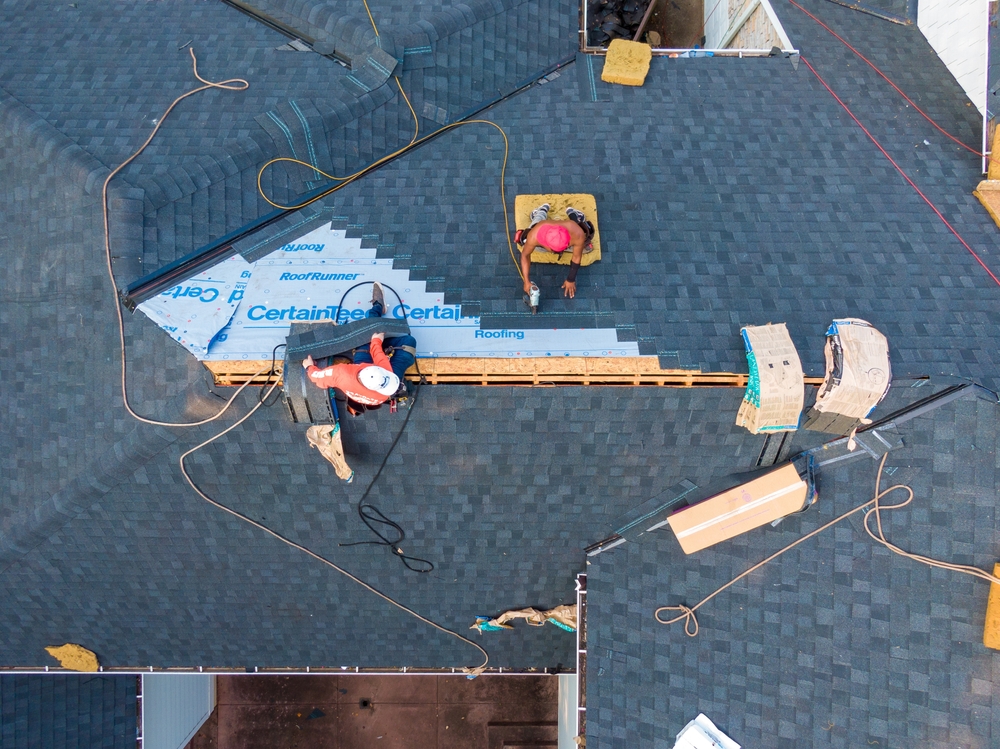
When it comes to replacing your roof in Columbia, SC, the final price can feel like a mystery. You might get several different quotes and wonder why they vary so much. While factors like materials and storm damage play a role, the two biggest drivers of your total cost are often the most basic: your roof’s size and its pitch, or steepness. Understanding these elements demystifies the estimate and empowers you to have a clear conversation with your contractor. At Cola City Roofing, we believe in treating your home like our own. That means giving you honest, straightforward information so you feel confident in your decisions. This guide breaks down exactly how the dimensions and angles of your roof shape the final cost of a replacement. We’ll skip the generic advice and dive deep into the details, from how we measure a roof to why a steep slope requires more time and resources. Why Roof Size Is the Foundation of Your Estimate The most fundamental part of any roofing estimate is the total area that needs to be covered. A larger roof naturally requires more materials, more labor hours, and more time to complete. It’s the baseline from which all other calculations are made. A sprawling single-story ranch home will have a very different material and labor need than a compact two-story house, even if their interior square footage is identical. The roof’s footprint, not the home’s, is what matters. Contractors don’t just eyeball the size; they use specific methods to get a precise measurement. This accuracy ensures you only pay for what you need and that enough material is ordered to do the job right the first time, preventing delays. How roofers calculate square footage and “roofing squares” When a professional from Cola City Roofing comes to your home for a complimentary site visit, we take detailed measurements. This can be done by physically getting on the roof with a measuring tape, but more often today, we use advanced tools like satellite imagery and software that provides a highly accurate 3D model of your home. This technology gives us the exact square footage of every plane of your roof. In the roofing industry, we talk about size in terms of “squares.” A roofing square is a 10-foot by 10-foot area, which equals 100 square feet. If your roof measures 2,400 square feet, your contractor will order 24 squares of shingles and other materials. Bundles of shingles are sold with the square in mind. For example, it typically takes three bundles of standard architectural shingles to cover one roofing square. By calculating the total squares, we can precisely determine how many bundles of shingles, sheets of underlayment, and feet of ice and water shield are needed for your project. Typical cost per square foot by roofing type The material you choose has a significant impact on the cost per square foot. Here in the Midlands, architectural asphalt shingles are by far the most popular choice. They offer excellent durability against our intense summer sun and heavy thunderstorms, and they provide a beautiful dimensional look. Here’s a general idea of how costs can differ by material: Standard Architectural Asphalt Shingles: This is the go-to for most homeowners in South Carolina. They balance cost, longevity (typically 20-30 years), and aesthetic appeal. They provide reliable protection without the premium price of other options. Premium & Designer Asphalt Shingles: These are thicker, heavier versions of architectural shingles that mimic the look of natural slate or wood shakes. They come with extended warranties and enhanced impact resistance but at a higher price point. Metal Roofing: Once reserved for commercial buildings or barns, standing-seam metal roofs are gaining popularity in residential settings. They are significantly more expensive upfront but can last 40 to 70 years and are extremely energy-efficient, reflecting the sun’s heat to help lower cooling bills. The cost per square for materials is just one piece of the puzzle. The complexity and pitch of your roof will add to the labor portion of the estimate, which we’ll explore next. How Roof Pitch Impacts Labor and Safety Costs Roof pitch refers to the steepness or slope of your roof. It’s expressed as a ratio of vertical “rise” to horizontal “run,” usually in inches. For example, a 6/12 pitch means the roof rises 6 inches for every 12 inches it runs horizontally. A flat roof is around 2/12, a common walkable roof is 4/12 to 6/12, and anything over 8/12 is considered steep. Pitch might seem like a minor detail, but it dramatically affects the safety, equipment, time, and labor required for a replacement. A flat, walkable roof is a straightforward project. A steep, dramatic A-frame is another story entirely. Steep roofs require more time and equipment When a roof is too steep to walk on safely, the entire process changes. For pitches over about 8/12, our crews must use specialized safety equipment. This includes harnesses, ropes, and roof jacks (also called toe boards), which are temporary metal platforms secured to the roof to give installers a foothold. Setting up this safety gear takes time and expertise. Furthermore, every task becomes more challenging and time-consuming: Moving Materials: Carrying heavy bundles of shingles up a steep incline is slow and physically demanding. Crews can’t stack materials on the roof itself, so each bundle must be carefully moved into place as needed. Installation Speed: Installers work at a slower, more deliberate pace to ensure every shingle is placed correctly and they remain secure. Increased Risk: The inherent risk of working on a steep slope means that only experienced, properly insured professionals should ever take on the job. The added safety protocols are non-negotiable and are factored into the labor cost. Because of these factors, a steep roof can sometimes double the labor cost compared to a low-slope roof of the same square footage. Material waste and coverage rates change with slope Another subtle way pitch affects cost is through material waste. When cutting shingles to
Roof Replacement Costs by Material: Asphalt, Metal, Tile & More

Choosing to replace your roof is a major decision for any homeowner. It’s an investment in your home’s safety, value, and appearance. One of the first questions we hear is, “How much will it cost?” The answer isn’t a single number, because the biggest factor driving the price is the material you choose. From traditional asphalt shingles to modern metal panels, each option comes with its own price tag, benefits, and style. Understanding these differences is the key to making a confident choice that fits your budget and protects your home for decades. This guide breaks down roof replacement costs by material, explaining why prices vary so much and what you get for your money. We’ll explore the pros and cons of each type, from installation to long-term maintenance, so you can find the perfect balance between upfront cost, durability, and curb appeal for your Columbia-area home. Why Roofing Material Makes Such a Big Difference in Price The material you see on a roof is just the beginning of the story. The total cost of a roof replacement project is a combination of materials, labor, and other factors. The specific material you select has a ripple effect, influencing everything from how long the job takes to the overall lifespan of your new roof. A higher upfront cost often translates to greater long-term value, while more budget-friendly options provide reliable protection without the premium price. Think of it like choosing flooring for your house. You could opt for inexpensive laminate or invest in high-end hardwood. Both cover the floor, but their installation process, durability, and long-term maintenance needs are worlds apart. Roofing materials work the same way, and understanding these differences helps you see the complete picture of your investment. How materials impact labor and installation time The complexity of installing a specific roofing material directly affects labor costs. Some materials are simply more difficult, time-consuming, and require more specialized skills to install correctly. This is a significant part of your total project cost. Asphalt Shingles: These are the most common roofing material for a reason. They are relatively lightweight and designed for fast, efficient installation. Experienced roofing crews can often tear off an old roof and install a new asphalt shingle roof on an average-sized home in just one or two days. This efficiency makes the labor portion of the cost lower compared to other materials. Metal Roofing: Metal roofing, whether in panels or shingles, requires more precision. Each piece must be cut and fitted perfectly, especially around vents, chimneys, and valleys. The process is more meticulous and slower than laying asphalt shingles, which increases the labor time and, therefore, the cost. Tile and Slate: These materials are extremely heavy. Before installation can even begin, your home’s roof structure may need to be reinforced to support the extra weight, adding another layer of work and expense. Laying each individual tile or piece of slate is a highly skilled craft that cannot be rushed. This specialized labor is more intensive and costly. Durability and lifespan influence long-term value A new roof is not just a short-term fix; it’s a long-term investment in your home. The durability and expected lifespan of your chosen material play a huge role in its overall value. A cheaper roof that needs replacing in 15 years might end up costing more over time than a pricier option that lasts for 50 years or more. Longevity is where you see the true return on your investment. For example, an asphalt shingle roof might be the most affordable choice today. However, a metal roof, while costing more initially, could last two to three times as long. This means you might have to pay for two or even three asphalt roofs in the same timeframe you would have one metal roof. When you weigh the upfront cost against the expected lifespan, you start to see how a more expensive material can offer better long-term value. It’s about balancing what you can afford now with how long you want the roof to last before you have to think about it again. Roof Replacement Cost Breakdown by Material Let’s dive into the most popular roofing materials we see on homes in Columbia, SC, from Forest Acres to Lexington. The price ranges for these materials can be wide, as they are also influenced by your roof’s size, pitch (steepness), and complexity. A simple, walkable roof will cost less to replace than a steep, multi-faceted roof with many dormers and valleys, regardless of the material. Remember, a complete roof replacement also includes costs for tear-off and disposal of the old roof, new underlayment, flashing, ventilation, and fasteners. These essential components ensure your new roof functions as a complete system to protect your home. Asphalt shingles: affordable and versatile Asphalt shingles are the go-to choice for the majority of American homes, and for good reason. They offer an excellent combination of affordability, reliability, and style. They come in two main types: traditional 3-tab shingles, which have a flat, uniform appearance, and architectural (or dimensional) shingles, which have a more varied, textured look that adds depth and character to a roof. Cost: Asphalt shingles are the most budget-friendly option. Architectural shingles cost slightly more than 3-tab shingles but offer enhanced durability and a longer lifespan, making them a popular upgrade. Pros: Their versatility is a major selling point. They are available in a huge array of colors and styles, making it easy to match your home’s aesthetic. Installation is straightforward for a professional crew, and repairs are relatively simple if a shingle gets damaged. Cons: Their primary drawback is a shorter lifespan compared to other materials. A typical asphalt shingle roof will last about 15-25 years, depending on the quality of the shingle and the local climate. They can be susceptible to damage from high winds and hail. Metal roofing: long-term investment Once reserved for commercial buildings or barns, metal roofing has become a popular and stylish choice for residential homes. Available in
Roof Replacement Cost Breakdown: What You Should Expect in 2025
A new roof is one of the most important investments you can make in your home. It protects your family and your property from the elements, enhances curb appeal, and can even improve energy efficiency. But let’s be honest—the first question on every homeowner’s mind is, “How much is this going to cost?” The answer isn’t always simple, as many variables come into play. Understanding the costs involved helps you plan your budget, choose the right materials, and hire a trustworthy contractor without any surprises. Here at Cola City Roofing, we believe in treating your home as if it were our own, and that starts with clear, honest communication. This guide will break down everything you need to know about roof replacement costs in 2025, with a special focus on what homeowners in Columbia, South Carolina, can expect. What Factors Influence the Cost of a Roof Replacement? The final price tag on your new roof is a combination of several key factors. No two roofs are exactly alike, which is why a one-size-fits-all estimate rarely tells the whole story. From the sheer size of your roof to the materials you choose, each element plays a role in the total investment. Roof size and pitch The most direct cost factor is the size of your roof, typically measured in “squares.” One roofing square equals 100 square feet. A larger roof requires more materials and more labor hours, which naturally increases the price. Equally important is the roof’s pitch, or steepness. A low-pitch roof that’s easy to walk on is less complex and safer for a crew to work on. In contrast, a steep or complex roof with multiple gables, valleys, and dormers requires more safety equipment, specialized labor, and intricate cutting of materials. This additional complexity and risk translate to higher labor costs. Roofing materials and labor rates The material you choose is a major driver of the overall cost. Standard asphalt shingles are the most common and affordable option, while premium materials like standing seam metal or natural slate sit at the higher end of the price spectrum. Each material has a different price point for both the product itself and the specialized labor required to install it. Labor rates can also vary based on the contractor’s experience, insurance, and the local market. In the Columbia, SC area, labor costs are influenced by the demand for skilled roofers, especially after a storm season. A reputable company invests in trained, insured crews, which is reflected in their pricing but ensures quality work and peace of mind for you. Roof accessibility and removal costs How easily can a crew access your roof? A home surrounded by delicate landscaping, fences, or other structures can make it harder to load materials and remove old debris. Limited access may require more time and manual labor, slightly increasing the cost. Additionally, the cost of removing and disposing of your old roof is part of the replacement process. A single layer of old asphalt shingles is straightforward to tear off. However, if your home has two or more layers of old roofing, the removal process is more labor-intensive and disposal fees will be higher. Average Roof Replacement Costs in 2025 While a custom quote is always the most accurate way to determine your cost, we can look at averages to give you a general idea. National data provides a baseline, but local factors in South Carolina create a more realistic picture for homeowners in the Midlands. National averages vs. South Carolina prices Nationally, the average cost for a roof replacement using asphalt shingles often falls between $8,000 and $15,000 for a typical single-family home. However, these figures can be misleading without local context. In South Carolina, prices tend to be competitive and may fall slightly below or within the national average, depending on the season and local demand. Our climate—with its high humidity, intense sun, and hurricane season—plays a role. Homeowners here often invest in materials and installation techniques designed to withstand these conditions, which can influence the final cost. A quality Columbia, SC roof replacement prioritizes durability against heat and moisture. Asphalt shingle, metal, tile, and flat roof cost ranges To give you a clearer picture, here are some estimated cost ranges per square foot for different materials in 2025. Remember, these are ballpark figures. Asphalt Shingles: As the most popular choice, architectural asphalt shingles generally cost between $4.50 and $7.50 per square foot installed. For a 2,000-square-foot roof, this could range from $9,000 to $15,000. Metal Roofs: Standing seam metal roofs are a significant step up in durability and price. Expect costs from $9.00 to $16.00 per square foot, putting a full replacement in the $18,000 to $32,000+ range. Tile Roofs: Clay or concrete tiles are heavy, long-lasting, and expensive. Installation costs can range from $12.00 to $25.00+ per square foot. Flat Roofs: Common on commercial buildings and modern homes, materials like TPO or EPDM typically cost between $6.00 and $12.00 per square foot installed. Cost Breakdown by Roofing Material The material you choose impacts not only the initial cost but also your home’s long-term maintenance needs, energy efficiency, and overall lifespan. Let’s look closer at the most common options. Asphalt shingles Asphalt shingles offer the best balance of performance, affordability, and style for most homeowners. Modern architectural shingles (or dimensional shingles) are the standard, providing a textured look and a longer lifespan than older 3-tab shingles. Their popularity means that skilled installers are widely available, helping to keep labor costs reasonable. The asphalt shingle cost makes it an accessible option for many families looking for reliable protection without breaking the bank. Metal roofs Metal roofing has grown in popularity due to its exceptional longevity, energy efficiency, and resistance to wind and fire. While the upfront cost is higher than asphalt, a metal roof can last 50 years or more—two to three times longer than a shingle roof. This long-term value is a key reason many homeowners make the investment. Metal also