
How to Compare Roofing Companies Locally in Columbia: A Homeowner’s Guide
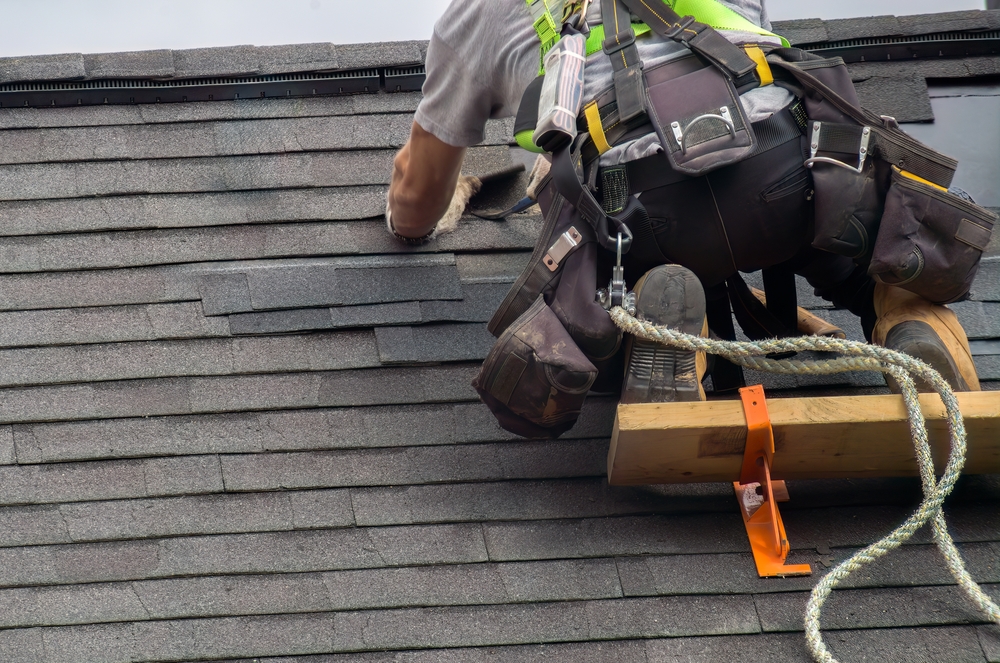
Choosing a roofing contractor is a major decision. Your roof is your home’s most critical shield, protecting you and your family from intense summer heat, sudden thunderstorms, and the humid climate we know so well in the Midlands. With so much at stake, finding a trustworthy and skilled company is essential. But when you search for roofers, the number of options can feel overwhelming. How do you sort through them all to find the right partner for the job? This guide is designed to help you confidently compare roofing companies in Columbia. We’ll provide a clear, step-by-step framework for evaluating contractors, reading estimates, and asking the right questions. Our goal is to empower you with the knowledge to look beyond the price tag and choose a roofer who offers true value, reliability, and peace of mind. Why Comparing Roofers Matters More Than Ever Taking the time to research and compare local roofing contractors is not just a good idea—it’s a necessary step to protect your investment and avoid costly mistakes. The quality of your roofer is just as important as the quality of the materials they install. The rise of “storm chasers” and out-of-town roofers After a major hailstorm or wind event in the Columbia area, you’ll likely see a flood of new roofing trucks in your neighborhood. Many of these are “storm chasers”—out-of-state companies that travel to areas hit by severe weather, knock on doors, and offer quick, cheap roof replacements. The problem? These companies are often gone as quickly as they appeared. If your new roof starts leaking six months later, the phone number on their truck may be disconnected. They have no local reputation to uphold and no long-term commitment to the community. This leaves homeowners with shoddy work, voided material warranties, and no one to call for help. Local expertise means better service and accountability A true local roofer has deep roots in the community. They understand the specific challenges our climate poses, from the brutal summer sun that can degrade shingles to the heavy rains that test flashing and seals. They know which materials perform best in South Carolina and are familiar with local building codes. More importantly, a local company is accountable. Their reputation is their most valuable asset. They rely on word-of-mouth referrals from your friends and neighbors. When you hire a local, established roofer, you’re hiring a partner who will be there for you long after the job is done. They have a physical office, a local phone number, and a team that lives and works in the same community you do. Key Factors to Compare Before Hiring As you gather names of potential contractors, you need a consistent set of criteria to evaluate them. Here are the essential factors to compare when you want to hire the best roofing company in Columbia for your home. Licensing, insurance, and certifications This is the absolute baseline for any contractor you consider. Don’t just take their word for it—ask for proof. Licensing: South Carolina requires residential roofing contractors performing work over $5,000 to be licensed by the Residential Builders Commission. This ensures they have met state standards for knowledge and business practices. Insurance: A reputable roofer must carry two types of insurance. General Liability Insurance protects your property from damage caused by the roofing crew. Workers’ Compensation Insurance protects you from liability if a worker is injured on your property. Without it, you could be held financially responsible for medical bills. Certifications: Top-tier roofers often hold certifications from leading material manufacturers (like GAF or CertainTeed). These certifications mean the crew has been factory-trained to install products according to the manufacturer’s strict specifications. This is often required to qualify for the best manufacturer warranties. Warranty coverage and labor guarantees A new roof comes with two types of warranties, and it’s crucial to understand the difference. Manufacturer’s Warranty: This covers the roofing materials themselves against defects. The length and coverage can vary greatly, from basic 15-year plans to limited lifetime warranties. As noted above, these warranties are often only valid if the materials are installed by a manufacturer-certified contractor. Workmanship Warranty (or Labor Guarantee): This is the roofer’s own warranty covering the installation quality. It protects you from leaks or failures caused by improper installation, like poorly installed flashing or incorrectly nailed shingles. This warranty reflects the contractor’s confidence in their own work. A one-year warranty is the bare minimum; top companies often offer much longer guarantees. Online reviews and references from local clients Online reviews offer a window into other homeowners’ experiences. Look for patterns in feedback on sites like Google, Yelp, and the Better Business Bureau (BBB). Are customers consistently praising the company’s communication, professionalism, and cleanup? Or are there recurring complaints about missed deadlines and unexpected costs? Pay close attention to detailed reviews. A one-sentence review is less helpful than a paragraph describing the entire process. Also, ask the contractor for a list of recent local references. Speaking to a past customer in your area can provide invaluable insight into what it’s really like to work with that company. Communication and transparency The best contractors communicate clearly and proactively from the first phone call to the final inspection. When you first reach out, how do they respond? Are they professional and willing to answer your questions patiently? A transparent roofer will explain their process, outline a clear timeline, and keep you informed of any developments, such as weather delays. They should make you feel like a valued partner, not just another job number. If you feel pressured, confused, or ignored during the estimate phase, it’s a major red flag for how they’ll behave once the work begins. How to Read and Evaluate Roofing Estimates Getting multiple estimates is a smart move, but comparing them isn’t always straightforward. A cheap quote is often a sign of cut corners. Here’s how to properly analyze a roofing estimate. What a detailed quote should include A professional roofing estimate is more than just a
Top-Rated Roofers in Columbia Reviewed: The Most Trusted Names in 2025
Choosing a roofing contractor is a major decision. Your roof is your home’s primary defense against the South Carolina heat, humidity, and powerful storms — which is why choosing the right roofing services in South Carolina is such an important decision. Finding a roofer you can trust to do the job right is essential for your peace of mind and your home’s long-term health. But with so many options out there, how do you know who to call? This guide is designed to help you navigate the process of finding the top-rated roofers in Columbia. We’ll break down what “top-rated” really means, what to look for in a contractor, and how to evaluate your options without the high-pressure sales tactics. Our goal is to give you the confidence to select a roofer who will treat your home as if it were their own. What Makes a Roofer “Top Rated” in Columbia? A top rating isn’t just about having a flashy website or a low price. If you want a deeper breakdown of what separates marketing hype from real performance, review our guide on how to identify a top-rated roofer in Columbia SC. It’s a reflection of consistent quality, reliability, and genuine customer care. Here are the core pillars that separate the best from the rest. Local licensing, insurance, and certification The first and most critical checkpoint is verifying a roofer’s credentials. A professional company will always be transparent about its legal and financial protections. Licensing: In South Carolina, a residential roofing contractor must be licensed by the Residential Builders Commission for any project valued over $200. This license ensures they have met the state’s standards for knowledge and business practices. Always ask for a license number and verify it. Insurance: A reputable roofer must carry two types of insurance. General liability insurance protects your property from damage caused during the project. Workers’ compensation insurance protects you from liability if one of their crew members is injured on your property. Never work with a contractor who cannot provide proof of both. Certifications: Manufacturer certifications (from brands like GAF, CertainTeed, or Owens Corning) indicate that a roofer has been specially trained to install specific products. This can be a sign of expertise and may give you access to enhanced warranties. Quality of workmanship and warranties A top-rated roofer stands behind their work. The quality of their craftsmanship should be evident in every project, from a small repair to a full replacement. Look for companies that are proud to show you their portfolio of past jobs. Equally important is the warranty. There are typically two types: Manufacturer’s Warranty: This covers the materials themselves against defects. The length and coverage depend on the product you choose. Workmanship Warranty: This is the contractor’s guarantee on their own installation work. A confident, high-quality roofer will offer a strong workmanship warranty, protecting you against leaks or issues caused by improper installation. A one- or two-year warranty is standard, but some top companies offer longer terms. Verified customer satisfaction and reviews Online reviews offer a window into a company’s real-world performance. While no company is perfect, top-rated roofers will have a consistent pattern of positive feedback. When reading roofing reviews in Columbia SC, look for specifics. Do customers mention the roofer’s communication, timeliness, and professionalism? Do they praise the cleanup process after the job was done? Pay attention to how a company responds to negative feedback. A professional roofer will address criticism constructively, showing they are committed to customer satisfaction even when things don’t go perfectly. The Best Roofing Companies in Columbia: Who Locals Recommend When your neighbors and community members consistently recommend a company, it’s a powerful endorsement. Local trust is earned over years of doing right by customers. Cola City Roofing: Reliable, locally trusted service We built Cola City Roofing on a foundation of trust, transparency, and treating every home like our own. We are proud to be a part of the Columbia community and are committed to delivering five-star service on every project. Our customers consistently praise our clear communication, our thorough cleanup, and our expertise in navigating the insurance claims process for storm damage. We believe in educating our clients, not pressuring them. Our goal is to provide a durable, high-quality roof that protects your family for years to come, backed by a team you can always count on. Other highly rated contractors serving the Midlands Columbia is fortunate to have several reputable roofing contractors serving the community. When you look for the best roofing companies in Columbia, you’ll find that the top contenders share several common traits. They are typically well-established, have a strong local presence, and can provide a long list of satisfied customers. A great local contractor will be able to speak confidently about their experience with the specific challenges of our climate—from intense UV exposure that wears down shingles to the torrential rains that test gutter systems. They should be able to provide detailed, written estimates and answer all your questions without hesitation. Why local experience beats out-of-town bids After a major hailstorm or wind event, you may see an influx of out-of-town roofing companies, often called “storm chasers.” They might knock on your door offering a cheap, fast roof replacement. While the price can be tempting, working with these companies carries significant risks. Accountability: A local roofer has a reputation to uphold in the community. If an issue arises with your roof a year later, a local company will be here to honor their workmanship warranty. An out-of-town crew may be impossible to track down. Knowledge of Local Codes: A Columbia-based roofer understands local building codes and permitting requirements, ensuring your project is compliant from start to finish. Community Investment: Choosing a local business means you are reinvesting in your own community, supporting local jobs and families. How We Reviewed and Rated Columbia Roofers To provide a fair and useful overview, we based our evaluation on objective, publicly available information that any homeowner can access. Transparent
The Best Roofing Companies in Columbia: Who Locals Trust Most
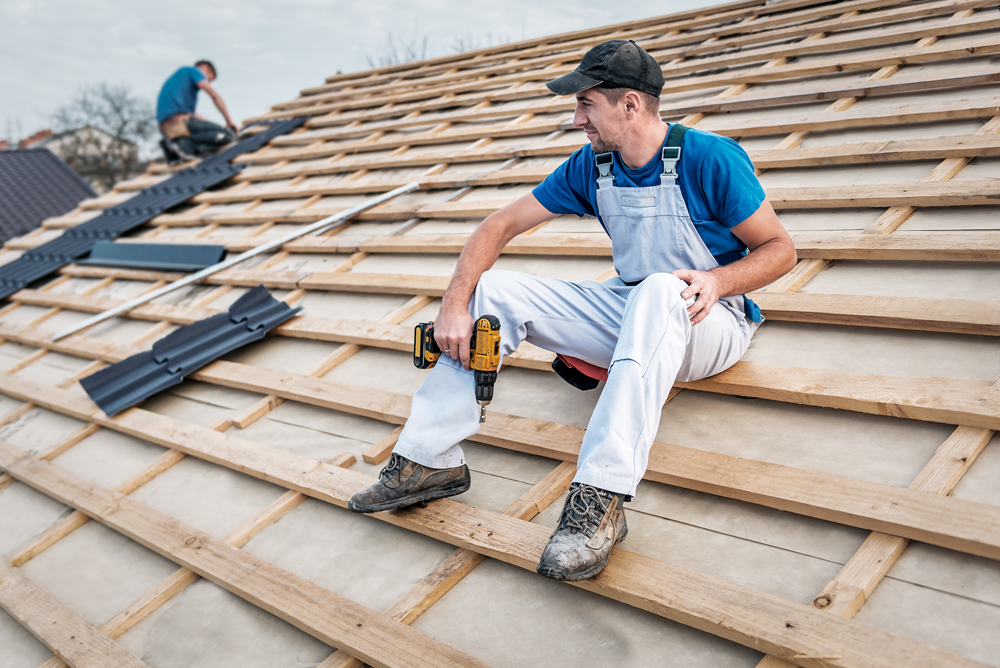
Choosing a company to work on your roof is a big decision. Your roof is your home’s primary defense against Columbia’s intense summer heat, sudden downpours, and the occasional hailstorm. A quality job gives you peace of mind, while a poor one can lead to years of headaches and costly repairs. But with so many options out there, how do you find the right team for the job? This guide is here to help. We’ll walk you through exactly what to look for, how to compare contractors, and the red flags to avoid. Our goal is to give you the confidence to find one of the best roofing companies in Columbia that will treat your home with the care it deserves. We’ll cover the essential criteria, from licensing and local expertise to communication and cleanup, so you can make an informed choice you feel great about. Why Hiring a Local Roofer in Columbia Matters When you start your search, you might see ads from large, national companies or out-of-town crews that travel to areas hit by storms. While they may seem professional, hiring a truly local roofer who lives and works right here in the Midlands offers distinct advantages. Local roofers have a reputation to uphold within the community. They are your neighbors, and their business depends on word-of-mouth referrals from satisfied customers in areas like Irmo, Lexington, Forest Acres, and beyond. They can’t just pack up and leave town if a problem arises. Furthermore, a local company understands the specific challenges our homes face. They know the permitting process in Richland and Lexington counties, are familiar with HOA requirements in different neighborhoods, and understand how our unique climate—with its high humidity and blistering sun—affects roofing materials over time. This firsthand knowledge is invaluable for ensuring your roof is built to last. What Homeowners Look for in a Top-Quality Roofing Company The best roofing companies in Columbia share a common set of qualities that set them apart. As you research and meet with potential contractors, use this list as your guide to evaluate each one. Experience, licensing & insurance This is the absolute foundation of a trustworthy roofing company. Never hire a contractor who cannot provide proof of both licensing and insurance. Licensing: In South Carolina, a residential roofer must be licensed by the Residential Builders Commission. This proves they have met state requirements for knowledge and competency. Always ask for their license number and verify it online. Insurance: A reputable roofer will carry two key types of insurance. General Liability insurance protects your property from damage caused by the crew, while Workers’ Compensation covers their employees if they get injured on your job site. Without it, you could be held liable. Ask for a certificate of insurance directly from their provider. Local area knowledge (weather, codes) A contractor from another state won’t understand Columbia’s climate like someone who lives here. A local pro knows which materials stand up best to our brutal summer UV rays and high humidity. They understand how quickly an afternoon thunderstorm can pop up and are prepared to protect your home during the installation process. They are also experts in local building codes, ensuring your new roof is fully compliant, which is crucial for safety and for passing a future home inspection. Communication & transparency A roofing project can feel overwhelming, but clear communication makes the process smooth and stress-free. A top-tier company prioritizes keeping you informed. Do they answer the phone or return your calls promptly? Do they take the time to explain the issues with your roof using clear language and photos? Is their proposal detailed, itemizing the materials, labor, and timeline? Transparency is key. You should feel comfortable asking questions and confident that you are getting honest answers. Warranties & workmanship guarantees Warranties provide a safety net for your investment. There are two types to understand: Manufacturer’s Warranty: This covers the roofing materials themselves (like shingles) against defects. The length and terms vary by product. Workmanship Guarantee: This is the contractor’s promise to stand behind their own work. It covers errors in installation. A company that is confident in its quality will offer a strong workmanship guarantee. Ask for the details in writing. Before/after project examples A picture is worth a thousand words. The best roofing companies are proud of their work and eager to show it off. Ask to see a portfolio of recent projects, specifically ones similar to yours. Look for crisp, clean lines, proper flashing around chimneys and vents, and a uniform appearance. Before-and-after photos are a powerful indicator of the quality and attention to detail you can expect. The Top Roofing Contractors in Columbia (Overview) While we can’t name specific competitors, the top-tier roofing contractors in Columbia consistently excel in a few operational areas that directly impact your experience as a homeowner. How quickly they respond When you have a leaking roof, you need help fast. A company’s responsiveness from the very first call is a strong indicator of their overall customer service. A quality contractor will have a system in place to respond to inquiries promptly, schedule inspections within a reasonable timeframe, and communicate clearly about their availability. If it takes a week to get a call back for a new project, imagine how long it might take if you have a warranty issue. Clean-up, property protection, and disposal A roofing project is messy. It involves tearing off old materials, which creates a lot of debris. A professional crew will take deliberate steps to protect your home and landscaping. This includes using tarps to cover bushes and siding, and performing a thorough cleanup at the end of each day. A crucial final step is a magnetic sweep of your yard to find and remove stray nails—a critical safety measure for kids, pets, and tires. Make sure their proposal explicitly mentions property protection and daily cleanup procedures. How We Evaluated Roofers: Criteria & Methodology To develop this guide, we focused on the factors that
How to Get the Most Accurate Roof Estimate for Your Home

Getting a new roof is a major home improvement project, and the first step—getting an estimate—can feel overwhelming. How do you know if the price is fair? What should be included? A lowball offer might seem tempting, but it often leads to surprise costs and subpar work. On the other hand, an unusually high quote might feel like you’re being taken for a ride. The key to a successful roofing project is starting with a truly accurate, transparent estimate. This document is more than just a number; it’s a detailed roadmap for the entire job. A good estimate protects you as a homeowner, sets clear expectations, and ensures there are no hidden fees or corners cut. This guide will walk you through what to look for in a roofing estimate, the factors that influence its accuracy, and the right questions to ask. Our goal is to empower you with the knowledge to confidently choose a great contractor and get the best value for your investment. What a Detailed Roofing Estimate Should Include A professional, accurate roof estimate is comprehensive. It breaks down every part of the job, leaving no room for ambiguity. If you receive a one-line quote with just a total price, consider it a red flag. A trustworthy contractor will provide a detailed document that includes the following components. Materials and Labor Breakdown This is the core of the estimate. It should list all the materials needed for your specific project, not just the shingles. A thorough materials list will include: Shingles: The type, brand, and color should be specified. It will also list the quantity needed, usually measured in “squares” (one square equals 100 square feet). Underlayment: This is a crucial layer of water-resistant material installed between the roof deck and the shingles. The type (e.g., synthetic or felt) should be noted. In a humid climate like the Midlands, a quality underlayment is essential for moisture protection. Ice and Water Shield: A specialized, self-adhering membrane installed at vulnerable areas like eaves, valleys, and around chimneys to prevent leaks from ice dams or wind-driven rain. Flashing: Metal pieces used to direct water away from joints, such as where the roof meets a wall, chimney, or skylight. The estimate should specify new flashing, not reusing old, worn-out pieces. Ventilation: Proper attic ventilation is critical in Columbia to combat summer heat and moisture buildup. The estimate should detail the type of vents being installed (e.g., ridge vents, soffit vents). Drip Edge: Metal flashing installed at the edges of the roof to help control the flow of water away from the fascia. Fasteners: This includes the nails used to secure the shingles. The type and length should be appropriate for the roofing system. The labor section should outline the cost associated with the skilled crew performing the work. It reflects the time and expertise required to complete the installation according to manufacturer specifications and local building codes. Tear-Off and Disposal Fees Unless you are building a new home, your existing roof needs to be removed before the new one is installed. The estimate must include the cost of tearing off the old shingles and underlayment. Some roofs have multiple layers of old shingles, which will increase the labor and disposal costs. This section should also cover the fees for disposing of the old materials. This typically involves renting a dumpster and paying for its proper disposal at a landfill. A transparent contractor will include this in the upfront price so you aren’t hit with a surprise bill at the end of the project. Permits and Local Regulations Most municipalities, including those in and around Columbia, require a permit for a full roof replacement. This ensures the work is done to code, which is designed to keep you and your family safe. Obtaining a permit involves fees and inspections. A professional roofing contractor will handle the entire permitting process for you. The cost of the permit should be clearly listed as a line item in your estimate. An inspector will likely visit the site to check that the work meets safety and quality standards. A roofer who suggests skipping the permit process is cutting corners and putting you at risk. Factors That Influence Estimate Accuracy No two roofs are exactly alike. An estimator who provides a price without a thorough inspection is simply guessing. Here are the key factors a professional will assess on-site to build an accurate quote. Roof Size and Pitch The most obvious factor is the overall size of your roof. As mentioned, roofing materials are measured in squares (100 square feet). An estimator will take precise measurements of your roof’s surface area to calculate the amount of material needed. The pitch, or steepness, of your roof also plays a huge role. A roof with a very steep pitch is more difficult and dangerous to work on. It requires extra safety equipment and more time, which increases labor costs. A low-slope or flat roof may require different materials and installation techniques, also impacting the price. Complexity and Roof Features A simple, single-plane gable roof is much easier to work on than a complex roof with multiple gables, hips, valleys, and dormers. Each of these features requires intricate cuts, additional flashing, and careful sealing to prevent leaks. The more complex your roof’s geometry, the higher the labor costs. Features that penetrate the roof also add to the complexity and cost. These include: Chimneys: Require detailed flashing work to create a watertight seal. Skylights: Similar to chimneys, they need to be properly flashed and sealed. Vents and Pipes: Every pipe or vent coming through your roof is a potential entry point for water and must be handled with care. Accessibility and Site Conditions How easily can the crew access your roof? If your home is surrounded by delicate landscaping, fences, or is situated very close to neighboring properties, it can make the job more challenging. The crew needs a place to position ladders, stage materials, and place a dumpster
Roof Warranties and Long-Term Savings: What Homeowners Should Know
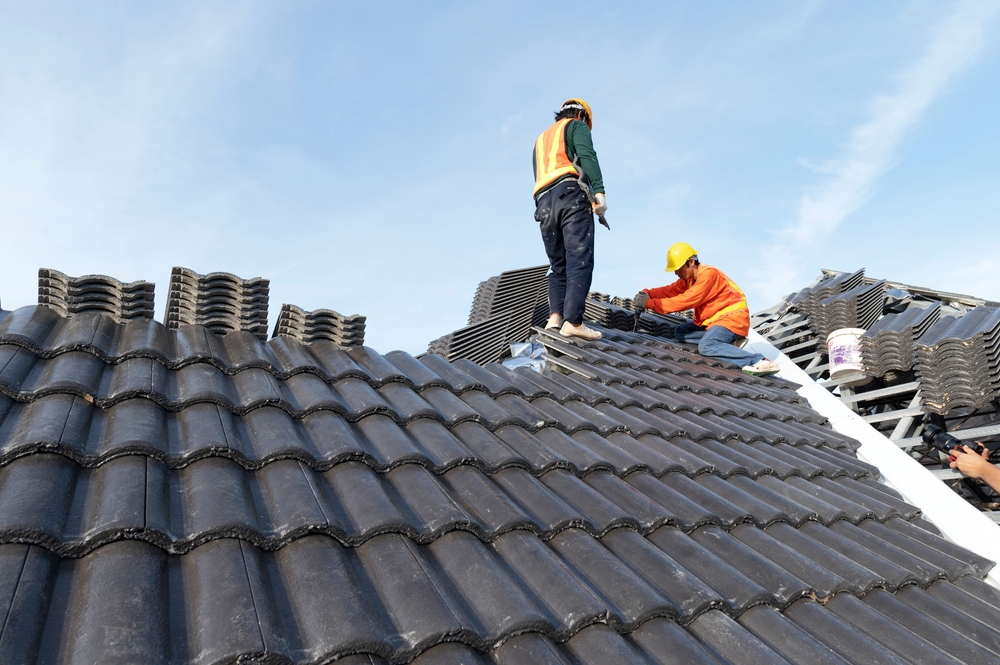
When you invest in a new roof, you’re buying more than just shingles and labor. You’re buying decades of protection for your family and your home. A crucial part of that protection comes from warranties. But what do those documents really mean? A good warranty is your safety net, ensuring that your investment is secure against material failures and installation errors. Understanding the difference between warranty types can feel complicated. There are manufacturer warranties, workmanship warranties, standard coverage, and premium options. This guide will break it all down in simple terms. We’ll explain what’s covered, what isn’t, and how the right warranty can lead to significant long-term savings. Making an informed choice now will give you peace of mind for years to come, knowing your home is protected from the hot Columbia sun and unexpected storms. Understanding Manufacturer Warranties A manufacturer warranty, sometimes called a product or material warranty, is provided by the company that makes the roofing materials (like the shingles, underlayment, and vents). This warranty protects you against defects in the products themselves. If the materials fail prematurely due to a manufacturing flaw, this is the warranty that covers the cost of replacement materials. Think of it like the warranty on a new car. If a part is faulty from the factory, the manufacturer is responsible for providing a new one. It’s a promise that the product you bought will perform as advertised. Coverage for Material Defects So, what exactly is a “material defect”? It’s a flaw that originates during the manufacturing process, causing the product to break down faster than it should. Common examples include: Granule Loss: Shingles that shed their protective granules excessively soon after installation, exposing the underlying asphalt to UV rays and accelerating aging. Cracking and Splitting: Shingles that become brittle and crack long before their expected lifespan, even under normal weather conditions. Staining and Discoloration: Some warranties cover algae resistance, protecting against the black streaks that can appear on roofs in humid climates like ours in South Carolina. This warranty does not cover damage from external factors. Things like storm damage from hail or high winds, falling tree limbs, or improper installation are not considered material defects. It also won’t cover normal wear and tear that happens as the roof ages. Typical Duration and Terms Manufacturer warranties come with specific timelines and conditions. One of the most important terms to understand is the difference between prorated and non-prorated coverage. Non-Prorated Period: This is the most valuable part of the warranty. During this initial period, often the first 10 to 20 years, the manufacturer will cover 100% of the cost of defective materials. Some premium warranties even cover the labor cost for replacement during this time. This is your best protection. Prorated Period: After the non-prorated period ends, the coverage decreases over time. The manufacturer will only cover a percentage of the material cost, based on how long the roof has been installed. For example, if a shingle fails in year 15 of a 30-year prorated warranty, the manufacturer might only pay for 50% of the material cost. Most basic asphalt shingle warranties offer lifetime limited coverage, but the “lifetime” refers to the time you own the home, and much of it is prorated. Always check the length of the non-prorated period, as this is where the real value lies. Contractor Workmanship Warranties While a manufacturer’s warranty covers the materials, a contractor’s workmanship warranty covers the installation. This is the roofer’s promise that their team installed everything correctly according to the manufacturer’s specifications. Most roofing problems—over 90% by some estimates—are not due to faulty products but to errors during installation. This makes your contractor’s warranty incredibly important. It’s a direct reflection of their confidence in their own work and their commitment to you as a customer. What’s Included and What’s Not A solid workmanship warranty should cover the labor cost to fix any issues arising from improper installation. This typically includes: Leaks: Correcting leaks caused by improperly fastened shingles, incorrectly installed flashing around chimneys or vents, or faulty sealing. Shingle Blow-Offs: Replacing shingles that come loose due to improper nailing patterns. Improper Flashing: Repairing or replacing the metal strips around roof penetrations if they were installed incorrectly and cause water intrusion. What’s not included? This warranty won’t cover material defects (that’s the manufacturer’s job) or damage from storms, foot traffic, or unapproved alterations (like installing a satellite dish). It is purely focused on the quality of the installation itself. The duration can range from as little as one year to a lifetime, depending on the contractor. At Cola City Roofing, we stand firmly behind our work, and our warranty reflects that commitment. Importance of Choosing Certified Installers This is where your choice of roofer makes all the difference. Manufacturers often have certification programs for contractors. To become a “certified installer,” a roofing company must undergo specific training, prove they are properly licensed and insured, and have a track record of high-quality installations. Why does this matter for your warranty? Access to Enhanced Warranties: Manufacturers often offer their best warranties—the ones with longer non-prorated periods and labor coverage—exclusively through their certified installers. You simply can’t get these premium protections if you hire an uncertified roofer. Peace of Mind: A certified contractor knows the manufacturer’s exact installation requirements. This dramatically reduces the risk of installation errors that could void your material warranty. If the manufacturer inspects a claim and finds the shingles were nailed incorrectly, they can deny coverage. A certified installer protects you from that risk. A Sign of Quality: Certification is a stamp of approval. It shows that the contractor is committed to their craft and has been vetted by the industry leader whose products they install. How Warranties Can Save Money Over Time A strong warranty isn’t just a piece of paper; it’s a long-term financial tool. It provides a safety net that can save you thousands of dollars over the life of your roof. Reducing Repair Costs Imagine a
Labor and Material Shortages: Rising Roofing Costs Explained
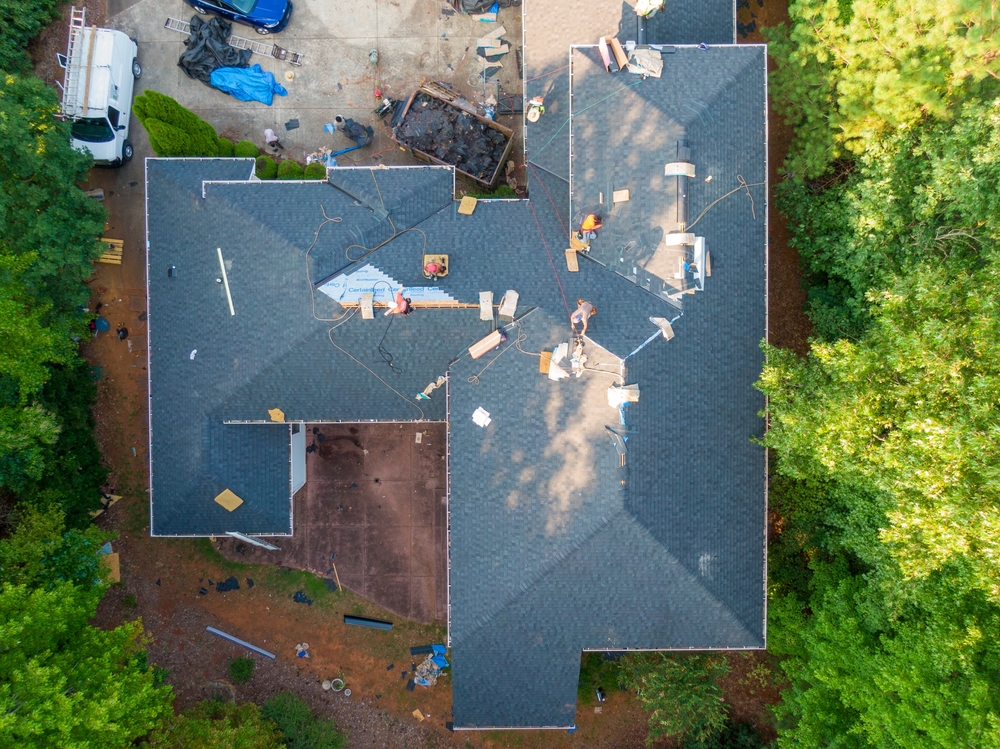
If you’ve recently requested a quote for a new roof, you might have noticed that prices and project timelines can vary more than you expected. It’s not just you—the roofing industry has been facing two significant challenges that directly impact homeowners: a shortage of skilled labor and disruptions in the material supply chain. These factors can influence everything from the cost of shingles to how quickly your project can get started. At Cola City Roofing, we believe in being completely transparent about the process. We want you to understand why costs fluctuate and what goes into the estimate we provide. This guide will break down how labor and material shortages affect roofing prices right here in Columbia, SC, and give you practical tips to help you navigate the process with confidence. Why Labor Shortages Increase Roofing Prices A quality roof installation requires more than just a crew; it requires experienced, skilled professionals who know how to do the job right. A nationwide shortage of these skilled workers has a direct effect on the availability and cost of roofing services. Skilled Installer Availability Roofing is a physically demanding trade that requires years of training to master. A seasoned installer knows how to navigate the unique challenges of each roof, from handling steep pitches to properly flashing chimneys and vents to prevent leaks. They work efficiently and safely, ensuring the final product will protect your home for decades. However, fewer people are entering the trade than are retiring from it. This growing gap means that experienced roofing crews are in high demand. For a reputable company committed to quality, this means a few things: Higher Wages: To attract and retain the best talent, companies must offer competitive wages and benefits. This is a necessary investment in quality, as an expert crew prevents costly mistakes and ensures your roof’s warranty remains valid. Longer Wait Times: With fewer crews available, scheduling can get booked up quickly, especially during peak seasons like after a major hailstorm in the Midlands. Reputable contractors would rather schedule a project for a later date than rush a job with an inexperienced team. Competition for Talent: The best roofers have their choice of employers. Companies that invest in their teams are more likely to deliver consistent, high-quality work, but that investment is reflected in the overall project cost. Essentially, when you hire a roofing company, you are paying for the expertise of its people. The labor portion of your quote covers the skill, precision, and hard work required to protect your home. Safety and Training Requirements Proper safety and ongoing training are non-negotiable for a professional roofing company. They are also significant costs that factor into labor pricing. Protecting our team and your property is our top priority. Here’s what goes into it: Safety Equipment: Every crew member needs personal protective equipment (PPE), including harnesses, ropes, and hard hats. The equipment must be regularly inspected and replaced to meet safety standards. Insurance and Workers’ Compensation: Roofing is one of the more dangerous professions. Comprehensive liability insurance and workers’ compensation are essential to protect you, the homeowner, from any liability in case of an accident. These policies are a major operational expense for any legitimate roofing contractor. A company that offers a surprisingly low bid may be cutting corners on insurance, putting you at financial risk. Ongoing Training: The roofing industry is always evolving with new materials, installation techniques, and safety protocols. Reputable companies invest in continuous education for their crews. This ensures they can correctly install the latest high-performance shingles or energy-efficient metal roofing systems according to manufacturer specifications, which is crucial for warranty coverage. When you see labor costs on a quote, you’re seeing the price of professionalism. It’s the cost of a skilled, safe, and insured team that will do the job right the first time. Material Supply Issues That Affect Your Quote The other side of the coin is the materials themselves. In recent years, global supply chain disruptions have affected nearly every industry, and roofing is no exception. These issues lead to delays and price volatility for essential materials like shingles, metal panels, underlayment, and fasteners. Shingle and Metal Roofing Delays Before the supply chain issues began, a contractor could typically order a specific color of architectural shingles and have them delivered within a few days. Today, the story is different. Lead Times: The lead time—the period between placing an order and receiving the materials—has become much longer and less predictable. Some specialty colors or types of materials might take weeks or even months to arrive. This can be due to raw material shortages (like asphalt or fiberglass), manufacturing backlogs, or transportation bottlenecks. Limited Selection: At times, manufacturers may pause production of certain colors or styles to focus on producing their most popular products. This means your first-choice shingle color might be unavailable, forcing you to consider alternatives or wait indefinitely. Project Scheduling: A contractor cannot start your project until the materials are physically on-site. Unpredictable lead times make it difficult to set a firm start date. A project might be delayed simply because the shingles or metal panels haven’t arrived from the factory yet. Pricing Fluctuations Due to Demand When supply is tight and demand is high, prices inevitably go up. This is basic economics, and we’ve seen it play out across the roofing industry. Raw Material Costs: The price of crude oil, a key component in asphalt shingles, can impact shingle prices. Similarly, the market price of steel and aluminum affects the cost of metal roofing. Fuel and Freight Charges: The cost to transport materials from the manufacturer to a local supplier in Columbia, and then to your home, has also increased. These fuel and freight surcharges are passed down from the manufacturer to the contractor, and ultimately affect your final quote. Price Volatility: Material prices can change with little to no warning. A quote that was valid for 30 days might need to be adjusted if the material supplier implements a
How Climate Affects the Cost of a New Roof
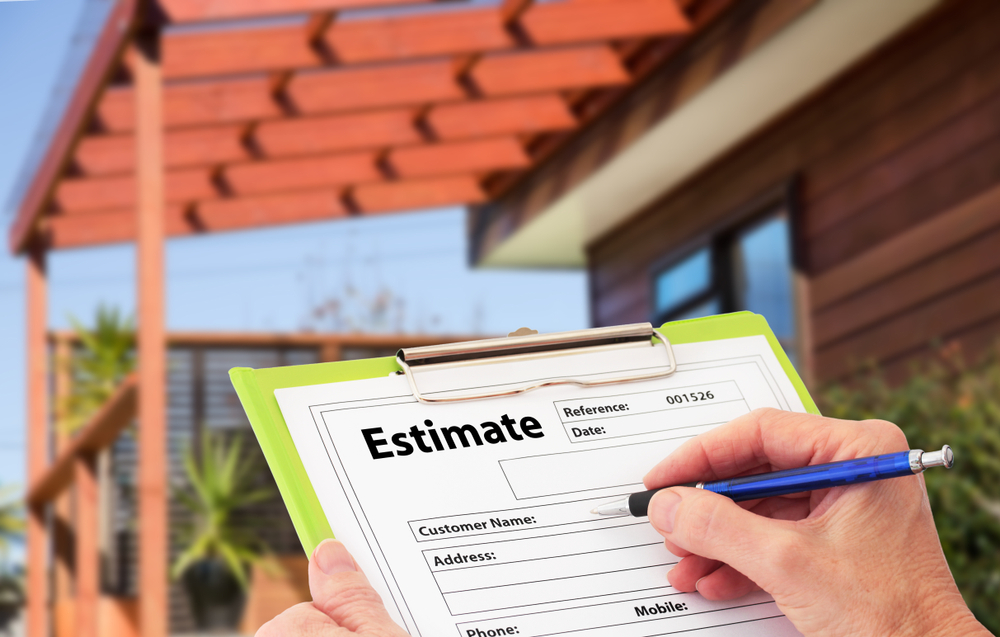
When you get a quote for a new roof, you might wonder what goes into the total price. While materials and labor are the obvious answers, a factor you might not expect has a huge impact on the cost: your local climate. A roof in Columbia, South Carolina, faces very different challenges than one in Buffalo, New York, or Miami, Florida. These regional differences dictate everything from the type of shingles used to the way they are installed. Understanding how climate influences roofing decisions helps you see why one material might be recommended over another and how that choice protects your home in the long run. This guide will break down how heat, humidity, snow, and wind affect roofing challenges and costs across different regions. By the end, you’ll have a clearer picture of what it takes to build a roof that’s not just strong, but perfectly suited for your environment. Roofing Challenges in Hot and Humid Climates Here in the Southeast, we know all about heat and humidity. These conditions aren’t just uncomfortable for us; they put constant stress on our homes, especially our roofs. Intense UV radiation, high moisture levels, and blistering summer temperatures create a unique set of challenges that directly influence roofing costs and material choices. Material Choices for Heat Resistance Constant exposure to the sun’s rays can cause roofing materials to degrade, curl, and crack over time. In a hot climate, choosing materials designed for heat resistance is not a luxury—it’s a necessity for a long-lasting roof. Cool Roofing Materials: One of the best investments for a hot climate is a “cool roof.” These products are designed to reflect more sunlight and absorb less heat than standard roofing. Lighter-colored architectural shingles, for example, can lower roof surface temperatures significantly. While they may have a slightly higher upfront cost than basic shingles, their ability to keep your attic and home cooler translates into lower energy bills. Architectural Shingles: These are thicker and more durable than traditional 3-tab shingles, offering better resistance to heat and UV damage. Their layered construction also helps them stand up to the thermal shock of hot days followed by cooler nights. Metal Roofing: Metal is an excellent choice for heat resistance. Modern metal roofs come with special coatings that reflect solar energy, keeping the surface temperature down. They are also highly durable and can last for 50 years or more, making them a cost-effective choice over their lifespan despite a higher initial investment. Proper Ventilation: In a humid climate, ventilation is just as critical as the roofing material itself. A properly ventilated attic allows hot, moist air to escape, preventing moisture buildup that can lead to mold, mildew, and wood rot in your roof deck. Installing ridge vents, soffit vents, and attic fans adds to the project cost but is essential for protecting the entire roofing system and extending its life. Labor Considerations for Extreme Weather Installing a roof in the middle of a Columbia summer is demanding work. The extreme heat affects not only the roofing crew but also the materials themselves. Installer Safety and Scheduling: For the safety of the crew, work often needs to start very early in the morning to avoid the peak heat of the afternoon. In some cases, extreme temperatures can limit the number of hours a team can safely work in a day, potentially extending the project timeline. Material Handling: Asphalt shingles become soft and pliable in high heat. While this can make them easier to cut, it also makes them susceptible to scuffing and damage if not handled carefully. Experienced installers know how to work with materials in these conditions to ensure a flawless finish. The need for this specialized expertise and careful scheduling can be factored into labor costs in hot climates. Roof Costs in Cold or Snowy Regions While we don’t see much snow in the Midlands, it’s the defining feature of roofing in northern climates. Heavy snowfall, ice dams, and the constant cycle of freezing and thawing create a completely different set of demands on a roof. Snow Load and Structural Requirements The sheer weight of heavy, wet snow can be immense. Roofs in these regions must be engineered to handle this “snow load” without buckling or collapsing. Stronger Roof Decking and Rafters: Building codes in snowy areas often require thicker roof sheathing, more robust rafters, and specific framing techniques to support hundreds of pounds of snow per square foot. These structural reinforcements add significant material and labor costs to the initial build. Steeper Roof Pitch: A steeper roof pitch helps snow slide off more easily instead of accumulating. Designing and building a home with a steep pitch is more complex and costly than a lower-sloped roof common in southern regions. Metal Roofing Advantages: Metal is a popular choice in snowy climates because its smooth surface helps shed snow effectively, reducing the load on the structure. Material Performance in Freeze-Thaw Conditions When temperatures hover around freezing, a damaging cycle can occur. Snow melts during the day, and the water refreezes at night. This process is tough on roofing materials. Ice and Water Shield: In cold climates, a specialized underlayment called an “ice and water shield” is a standard requirement. This self-sealing, waterproof membrane is installed along the eaves, in valleys, and around chimneys. It prevents water from melting ice dams from backing up under the shingles and leaking into the attic. This extra layer of protection is a crucial but added cost. Material Brittleness: Some materials can become brittle in extreme cold, making them more prone to cracking or breaking from impact (like from a falling branch). Materials like high-quality architectural shingles or metal are formulated to remain flexible and durable even in freezing temperatures. These higher-performance products naturally come with a higher price tag. Gutter and Downspout Considerations: Ice buildup can destroy gutters. In these regions, homeowners often invest in heavy-duty seamless gutters and may even install heating cables to prevent ice dams from forming in the first
Roof Pricing for 1,500–3,000 Sq Ft Homes: What to Expect
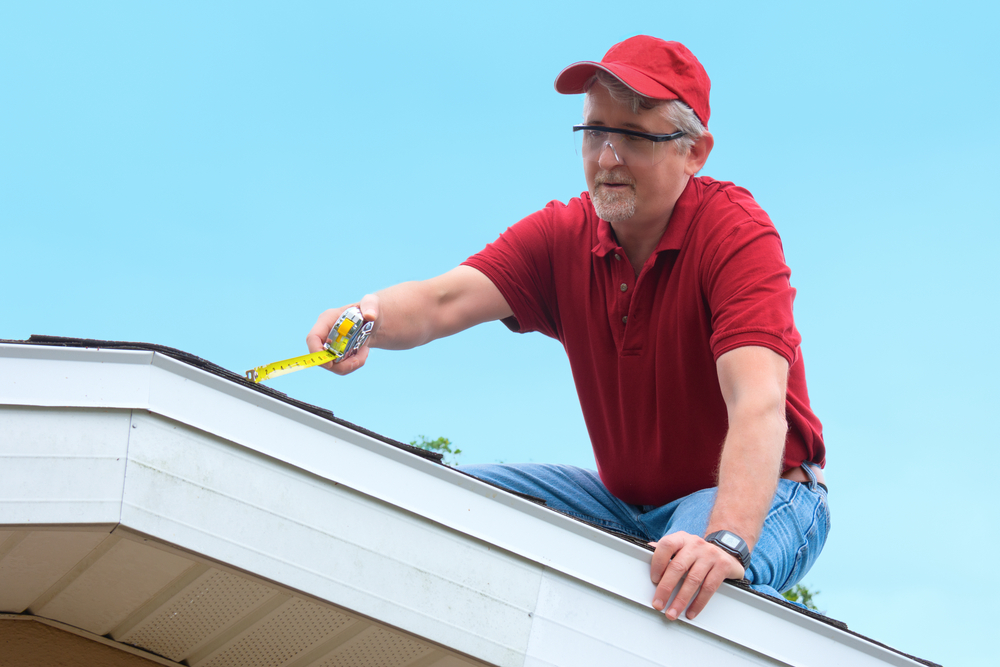
Figuring out the budget for a new roof can feel overwhelming. It’s one of the most important investments for your home, and the final price tag can vary widely. If you own a home in the 1,500 to 3,000 square foot range—a common size in the Columbia area—this guide is for you. We’ll break down the key factors that determine the cost of a roof replacement, from size and materials to local labor trends. Our goal is to give you a clear, honest look at what goes into a roofing estimate. By understanding the process, you can feel more confident when you review a proposal and make the best choice for your home and budget. We’ll explain the terminology, compare your options, and provide tips for getting an accurate price without the high-pressure sales tactics. How Roof Size Impacts Your Total Cost The single biggest factor in any roof replacement is its size. A larger roof requires more materials and more time to complete, which directly translates to a higher cost. However, calculating the roof’s surface area isn’t as simple as looking at your home’s square footage. Understanding Square Footage vs. Roofing Squares When a roofer measures your roof, they don’t use the square footage of your home’s living space. Instead, they calculate the total surface area of the roof itself, which is almost always a larger number. This is because it includes overhangs, slopes, and different roof planes. In the roofing industry, this measurement is standardized into “roofing squares.” What is a roofing square? One roofing square is equal to 100 square feet of roof area. If a contractor determines your roof is 2,400 square feet, they will quote you for 24 squares. This unit of measurement helps standardize pricing for both materials and labor. A steeper roof, known as having a higher “pitch,” will have a larger surface area than a flatter roof on a home with the exact same square footage. Labor Costs for Mid-Sized Homes Labor is a significant portion of any roofing quote, often making up 40-60% of the total cost. For a mid-sized home, the labor involved goes far beyond just laying shingles. A professional roofing crew’s work includes: Tear-Off and Disposal: Removing one or more layers of old shingles and materials. This is physically demanding work, and the disposal of this debris incurs fees. Decking Inspection and Repair: Once the old roof is off, the crew inspects the underlying wood deck for rot, water damage, or weakness. Any necessary repairs will add to the labor and material costs. Installation of New Components: This includes putting down new underlayment (a water-resistant barrier), installing flashing around chimneys and vents, adding ventilation systems, and finally, installing the new shingles or metal panels. Site Cleanup: A professional team will perform a thorough cleanup, including using magnetic rollers to pick up stray nails and protect your yard and driveway. The complexity of your roof also impacts labor. A simple gable roof is much faster to work on than a roof with multiple dormers, valleys, and steep angles. Material Choices and Pricing Differences The materials you choose will have a massive impact on your project’s final cost. While appearance is important, you should also consider durability, lifespan, and warranty, especially with the South Carolina climate in mind. Asphalt Shingles Asphalt shingles are the most popular roofing material in the United States, and for good reason. They offer a great balance of performance, affordability, and style. 3-Tab Shingles: This is the most basic and budget-friendly option. They have a flat, uniform appearance and typically have a lifespan of 15-20 years. While they meet minimum standards, they offer lower wind resistance and are less durable than other options. Architectural Shingles (or Dimensional Shingles): This is a major step up in quality and the most common choice for homeowners today. They are thicker, have a laminated, multi-dimensional look that mimics wood shake, and come with a longer lifespan (often 25-30 years or more). They also offer superior resistance to wind and weather. The cost is moderately higher than 3-tab shingles, but the value is often worth it. Metal Roofing Metal roofing has become increasingly popular due to its exceptional durability and modern aesthetic. While it comes with a higher upfront cost, its long-term value is hard to beat. Standing Seam Metal: This premium option features vertical panels with concealed fasteners, offering a sleek, contemporary look. It is incredibly durable, with a lifespan of 50 years or more. It’s also highly resistant to wind, rain, and fire, and it can help improve your home’s energy efficiency by reflecting solar heat. Screw-Down Panels (or Exposed Fastener): This is a more cost-effective type of metal roofing where the fasteners are visible. It provides the same durability and longevity as standing seam but at a lower price point. The main drawback is that the exposed screws and washers will require maintenance over time to prevent leaks. Premium Designer Shingles For homeowners wanting a unique, high-end look, designer asphalt shingles offer styles that replicate slate, tile, or wood shake without the high cost and heavy weight of the real materials. These shingles are extra-thick, offer the highest level of protection, and come with the longest warranties. Their price point is often between architectural shingles and standing seam metal. Regional and Local Factors Affecting Roof Costs The price of a roof isn’t just about size and materials. Local market conditions play a big role. Columbia, SC Market Trends Living in the Midlands means your roof needs to withstand intense summer heat, high humidity, and the occasional severe thunderstorm or hail. These factors influence pricing in a few ways: Material Demand: High-quality architectural shingles and metal roofing are popular here because they perform well in our climate. This steady demand affects local pricing from suppliers. Labor Rates: The cost of skilled labor varies by region. Columbia has a competitive market for experienced roofing crews, and their rates will be reflected in your quote. Seasonal Demand: Roofing
How Much Does a New Roof Cost? Pricing by Size, Material, and Region
Deciding to replace your roof is a major decision, and the first question on every homeowner’s mind is, “How much is this going to cost?” The truth is, there’s no single answer. The price of a new roof can vary significantly based on a number of factors, from the size of your home to the materials you choose. Think of it like buying a car. A basic sedan costs less than a luxury SUV loaded with features. In the same way, a simple roof on a small home will have a different price tag than a complex roof on a large home using premium materials. This guide is here to demystify the process. We’ll break down all the elements that influence your final roof replacement cost, helping you understand where your money goes. Our goal is to give you the knowledge to budget wisely and make a smart, confident investment in protecting your home, especially here in the Columbia, SC area. Understanding What Affects Your Roof Replacement Cost A roofing estimate isn’t just one number; it’s a combination of materials, labor, and services. A professional, transparent quote will break these down for you. Let’s look at the key components that every homeowner should understand. Roof size and slope The most direct factor influencing cost is the size of your roof. Roofers measure this in “squares,” where one square equals 100 square feet. A larger roof requires more materials and more time to install, which naturally increases the price. However, it’s not just about the footprint of your house. The slope, or pitch, of your roof also plays a huge role. A steeper roof is more difficult and dangerous for crews to work on. It requires extra safety equipment and a more methodical installation process. As a result, a high-pitched roof will have higher labor costs than a flatter, easily walkable one. Complex designs with multiple gables, valleys, and dormers also add to the labor time and material waste, pushing the cost up. Roofing materials and their price ranges The material you select for your shingles is the biggest variable in your total cost. There’s a wide spectrum of options, each with a different price point, lifespan, and aesthetic. Standard asphalt shingles are the most budget-friendly, while premium materials like standing seam metal or tile represent a larger upfront investment. We’ll dive deeper into a direct material comparison later in this guide. Beyond the shingles themselves, the cost also includes essential components like underlayment, flashing, and ventilation, which protect your roof from water and heat damage. Labor rates in your region Labor is a significant portion of any roof replacement quote, typically accounting for about half or more of the total price. These rates are influenced by the local cost of living, the availability of skilled workers, and regional demand. In areas with a higher cost of living, you can expect labor rates to be higher. More importantly, this cost covers the expertise of the installation team. A properly installed roof by a skilled, insured crew will last for decades, while a cheap, poorly executed job can lead to leaks and costly repairs within a few years. Old roof removal and disposal costs Before a new roof can be installed, the old one usually has to come off. This process, known as a tear-off, involves removing the old shingles and underlayment. The cost for this service covers the labor to strip the roof down to its decking and the fees for disposing of the old materials in an environmentally responsible way. If the crew discovers that the underlying wood decking is rotted or damaged, it will need to be replaced, which will be an additional cost. A thorough initial inspection should identify the potential for this. Average Roof Replacement Costs by Home Size While we can’t give exact numbers without an in-person inspection, we can provide general cost ranges based on typical home sizes. These brackets help you get a ballpark idea of what to expect for a standard asphalt shingle roof. Remember, these are just starting points—your final cost will depend on the factors mentioned above. Small homes (under 1,500 sq. ft.) A smaller, single-story home or townhouse usually has a straightforward roof design. With fewer squares to cover and a simpler layout, these projects fall into the most affordable price range. They require less material and can often be completed in a single day, which helps keep labor costs down. Medium homes (1,500–3,000 sq. ft.) This category covers the majority of suburban homes in the Columbia area. These houses often have more complex rooflines, perhaps with a dormer, several valleys, or an attached garage. The larger surface area and increased complexity mean both material and labor costs will be higher than for a small home. The project might take one to three days to complete. Large homes (over 3,000 sq. ft.) Large homes, especially those with two or more stories and intricate architectural designs, are at the top end of the cost spectrum. Their roofs have a significant number of squares and often feature steep pitches, multiple gables, and complex angles. These projects require more materials, a larger crew, and several days to complete, all of which contribute to a higher overall investment. Roofing Material Cost Comparison The material you choose impacts not only the initial price but also your roof’s durability, energy efficiency, and curb appeal. Here’s a look at the most common options in South Carolina. Asphalt shingles Asphalt shingles are the most popular roofing material in the country for a reason. They offer a great balance of performance, affordability, and style. Cost: Most budget-friendly option. Lifespan: Typically 15-25 years, depending on the grade. Architectural shingles are a thicker, more durable (and slightly more expensive) version that can last longer. Pros: Cost-effective, available in many colors and styles, and relatively easy to install and repair. Cons: Shorter lifespan compared to other materials and can be susceptible to damage in extreme heat or high
Roof Financing Options and Payment Plans for Homeowners

A new roof is one of the most important investments you can make in your home. It protects your family, your belongings, and the structural integrity of your house from the intense Columbia heat, sudden thunderstorms, and everything in between. But a major roofing project, whether it’s a full replacement or a significant repair, comes with a significant price tag. For many homeowners, paying for it all at once isn’t feasible. That’s where roof financing comes in. Understanding your payment options can turn a stressful financial burden into a manageable, straightforward process. This guide is designed to walk you through the different ways you can pay for a new roof, helping you make a confident and informed decision for your family and your budget. We’ll break down the pros and cons of each method without the confusing jargon, so you can focus on what matters most: protecting your home. Why Roof Financing Can Be a Smart Option Postponing a needed roof repair or replacement can lead to bigger, more expensive problems down the road. A small leak can turn into major water damage, mold growth, and compromised structural supports. Instead of waiting until you’ve saved up the full amount, financing allows you to address roofing issues immediately. Here are a few reasons why financing your roof project is often a smart move: Protect Your Home Now: You can complete urgent repairs or a full replacement right away, preventing further damage and protecting your home’s value. You don’t have to wait for a small problem to become a catastrophe. Manage Your Cash Flow: Financing breaks down a large expense into predictable monthly payments. This helps you preserve your savings for other emergencies or life events instead of depleting your cash reserves on a single project. Access Better Quality Materials: With a flexible payment plan, you might be able to afford higher-quality materials or a more comprehensive roofing system with a longer lifespan and better warranty. This can save you money on future repairs and replacements. Increase Your Home’s Value: A new roof is a major selling point. If you plan to sell your home in the near future, a new, professionally installed roof can significantly boost its curb appeal and market value, offering a strong return on your investment. Financing isn’t about going into debt; it’s about using a financial tool strategically to protect your most valuable asset without disrupting your financial stability. The Most Common Roof Financing Options Explained When it comes to paying for your roof, there isn’t a one-size-fits-all solution. The best choice depends on your financial situation, credit score, and the urgency of the project. Let’s explore the most common options available to homeowners. Roofing company payment plans Many established roofing contractors, including us at Cola City Roofing, partner with third-party lenders to offer customers convenient financing plans. These are specifically designed for home improvement projects and are often one of the simplest ways to fund your new roof. The process is usually integrated into the roofing company’s proposal. You can often apply online and get a decision within minutes. Because these lenders specialize in home improvement, the plans are tailored to the typical costs and timelines of roofing work. Pros: The application is fast, simple, and handled directly through your contractor. These plans often feature competitive interest rates and promotional periods, such as “0% interest if paid in 12 months.” It’s a streamlined experience, as your roofer can guide you through the process. Cons: You may be limited to the financing partners your chosen contractor works with. It’s always wise to confirm the terms, especially what happens after a promotional period ends, as interest rates can increase. Best for: Homeowners who want a quick, convenient, and integrated solution without having to shop for loans independently. Home improvement loans and HELOCs If you prefer to secure financing on your own, a couple of great options are available through banks and credit unions. A Home Equity Line of Credit (HELOC) lets you borrow against the equity you’ve built in your home. It works like a credit card—you get a set credit limit and can draw funds as needed during a “draw period.” You only pay interest on the amount you use. Pros: HELOCs typically have lower interest rates than personal loans or credit cards because your home serves as collateral. The interest paid may also be tax-deductible (be sure to consult a tax advisor). Cons: The application process is longer and more involved, similar to getting a mortgage. Because your home is the collateral, you risk foreclosure if you cannot make the payments. A Home Equity Loan is another option. Unlike a HELOC, you receive a lump-sum payment and repay it in fixed monthly installments over a set period. This is a good choice if you know the exact cost of your roofing project upfront. Pros: You get a fixed interest rate and predictable monthly payments, which makes budgeting easier. Cons: Like a HELOC, the application process can be lengthy, and it uses your home as collateral. Credit cards or personal loans Using a credit card is an option, especially for smaller repairs. If you have a card with a low promotional Annual Percentage Rate (APR), you could charge the expense and pay it off before the introductory period ends. However, standard credit card interest rates are very high, making this a risky choice for a full roof replacement. Pros: It’s fast and requires no new application if you use an existing card. Cons: Very high interest rates can cause the total cost to skyrocket if you don’t pay off the balance quickly. A large balance can also negatively impact your credit score. A personal loan is an unsecured loan from a bank, credit union, or online lender. “Unsecured” means it isn’t tied to an asset like your home. Approval is based on your credit score and income. Pros: The application process is typically fast, and funds are often disbursed within a few days. Since it’s