10 Qualities the Best Roofing Companies Have (and How to Find One Near You)
Choosing a contractor to work on your roof is a major decision. It’s more than just a repair or replacement; it’s an investment in your home’s safety, value, and protection against the elements. With so many options out there, how can you be sure you’re picking the right team? The process can feel overwhelming, but it doesn’t have to be. This guide is designed to give you a clear roadmap. We’ll break down the 10 essential qualities that separate the best roofing companies from the rest. By the end, you’ll have a practical checklist to help you vet contractors, ask the right questions, and choose a roofer with confidence. Our goal is to empower you with knowledge so you can find a trustworthy partner who will treat your home with the care it deserves. What Makes a Roofing Company Truly “the Best”? The “best” roofing company isn’t just about having the lowest price or the flashiest truck. It’s about a combination of trust, skill, and reliability. It’s a company that communicates clearly, uses quality materials, stands by its work, and has a proven track record of happy customers right here in your community. A great roofer provides peace of mind from the first call to the final inspection—and for years to come. Proven Local Experience and Reputation A company with deep roots in the Columbia area understands the specific challenges our homes face. They know how the intense summer sun, sudden thunderstorms, and high humidity affect different roofing materials. Local experience means they’ve built a reputation over years, not just weeks, and they have a vested interest in keeping that reputation positive. Proper Licensing, Insurance, and Safety Practices This is non-negotiable. Any professional roofing company must be able to provide proof of proper licensing and insurance. This protects you, your property, and the workers on your job site. Licensing: Confirms the contractor has met state and local requirements to perform roofing work. General Liability Insurance: Protects your home from damage caused by the contractor or their team. Workers’ Compensation Insurance: Covers the roofing crew in case of an on-the-job injury. Without it, you could be held liable. Never hesitate to ask for copies of these documents. A reputable company will provide them without question. Strong Communication and Transparent Estimates Clear communication is the foundation of a smooth project. A great roofer keeps you informed every step of the way. This starts with the estimate, which should be detailed, written, and easy to understand. A transparent estimate should itemize costs for: Labor Materials (shingles, underlayment, flashing) Debris removal and disposal Permits Warranties If a contractor gives you a vague, one-page quote with just a single number, it’s a red flag. High-Quality Materials and Proven Installation Methods The best roofing companies don’t cut corners on materials. They use products from reputable manufacturers and understand the proper installation methods for each one. Your roof is a complete system, including not just the shingles but also the underlayment (a water-resistant barrier), flashing (metal pieces that seal joints), and ventilation (which helps regulate temperature and moisture in your attic). A quality contractor will explain how these components work together to protect your home. Excellent Reviews and Word-of-Mouth Referrals Happy customers are the best advertisement. Look for companies with consistently positive reviews on platforms like Google, the Better Business Bureau (BBB), and neighborhood forums. Pay attention to what customers say about communication, cleanup, timeliness, and how the company handled any unexpected issues. A few negative reviews aren’t necessarily a dealbreaker, but the company’s response to them can be very telling. Certified, Trained, and Experienced Roofing Crews A company is only as good as its team. The best roofers invest in ongoing training for their crews. Many top companies are certified by major manufacturers (like GAF or CertainTeed). This certification means the crew has been specifically trained to install that manufacturer’s products correctly, which is often required to qualify for the best material warranties. An experienced crew works efficiently, respects your property, and performs a thorough cleanup at the end of each day. Comprehensive Warranties That Protect You Long-Term Warranties offer crucial long-term protection, and there are two types to understand: Manufacturer’s Warranty: This covers defects in the roofing materials themselves. The length and coverage can vary significantly. Workmanship Warranty: This is provided by the contractor and covers issues related to the installation. A company that is confident in its work will offer a strong workmanship warranty. Be sure you get both warranties in writing and understand what is covered, for how long, and what could void them. Fair, Competitive Pricing (Without Hidden Fees) While you shouldn’t choose a roofer based on price alone, you deserve fair and competitive pricing. The cheapest bid is often a warning sign—it could mean the company is uninsured, using subpar materials, or plans to add surprise fees later. A trustworthy contractor provides a detailed quote that accounts for all aspects of the job. If one bid is significantly lower than others, ask why. Clear Contracts and No-Pressure Sales Approach A roofing contract is a legally binding document. It should clearly outline the entire scope of work, the materials to be used, the total cost, the payment schedule, and the project timeline. Read it carefully before signing. Equally important is the company’s approach. A reliable roofer will educate you and give you time to make a decision. High-pressure tactics, like a “today-only” price, are a major red flag. Commitment to Local Service and Ongoing Support What happens after the job is done? The best roofing companies are there for their customers long-term. They are easy to reach if you have a question about your warranty or need a future inspection. Their commitment to the community means they’ll be around to honor their promises for years to come. How to Verify a Roofer’s Credentials Before You Hire Ask for Proof of Insurance: Request a copy of their general liability and workers’ compensation insurance
Drone Roof Inspections in Columbia SC: Pros and Cons Explained

Technology is changing how we do almost everything, and home maintenance is no exception. You may have seen small, unmanned aircraft—drones—flying around construction sites or real estate listings. Now, that same technology is making its way into the roofing industry, offering a new way to get a bird’s-eye view of your home. But is a drone roof inspection the right choice for you? While the idea of using a high-tech drone to check your roof for damage is exciting, it’s important to understand what this technology can and can’t do. Like any tool, it has its strengths and weaknesses. This guide will explain the pros and cons of drone roof inspections, helping Columbia homeowners like you understand how they work, when they are useful, and when a traditional, hands-on approach is still the best option. What Is a Drone Roof Inspection and How Does It Work? A drone roof inspection uses a high-resolution camera mounted on a small, unmanned aerial vehicle (UAV) to capture detailed images and videos of your roof. Instead of immediately climbing a ladder, a licensed and trained professional operates the drone from the ground, systematically flying it over your entire roofing system. The process is methodical and designed for safety and accuracy: Site Assessment and Flight Plan: Before launching, the operator walks the property to identify potential hazards like power lines, overhanging tree limbs (a common sight in the Midlands), or nearby structures. They create a pre-programmed or manual flight path to ensure every square foot of the roof is captured. Safety Perimeter: A safe takeoff and landing zone is established, and the operator ensures no people or pets are directly under the flight path. Data Capture: The drone is flown at various altitudes and angles to take hundreds, sometimes thousands, of high-resolution photos and videos. It can capture everything from a wide overview of the entire roof down to close-up shots of individual shingles, flashing, and vents. Some advanced drones are also equipped with thermal cameras that can detect temperature differences, potentially identifying areas of moisture or heat loss that are invisible to the naked eye. Software Analysis and Reporting: The collected images are uploaded into specialized software that stitches them together to create a detailed, interactive 3D model of your roof. This allows the roofing professional to zoom in on potential problem areas, measure dimensions, and document any damage with precision. The findings are then compiled into a comprehensive report for you, the homeowner. Capturing roof details without climbing ladders The primary function of a drone is to gather a massive amount of visual data safely and efficiently. An operator can direct the drone to hover over a steep section of the roof, get a close look at a chimney without setting up complex ladder arrangements, or scan a large commercial roof in a fraction of the time it would take to walk it. This initial data capture provides a comprehensive overview that helps a roofer identify areas that need a closer, hands-on look. When Drone Inspections Make the Most Sense Drone technology isn’t just a gimmick; it’s a powerful tool that is incredibly effective in certain situations. Here in Columbia, where we see everything from intense summer sun to severe thunderstorms, drones can be particularly useful. A drone roof inspection is often the best choice for: Initial Storm Damage Assessments: After a major hailstorm or high-wind event, a drone can quickly and safely document widespread damage across the entire roof surface. This provides fast, comprehensive evidence for an insurance claim without putting an inspector on a potentially compromised roof. Steep or Hard-to-Access Roofs: For homes with very steep pitches, multiple stories, or complex architectural designs (like many historic homes in downtown Columbia), a drone inspection is far safer than a manual one. It eliminates the significant risks associated with climbing ladders to great heights. Inspecting Fragile Materials: Certain roofing materials, like slate, clay tiles, or older architectural shingles, can be damaged by foot traffic. A drone allows for a thorough inspection without anyone ever stepping on the roof, preserving its integrity. Large-Scale and Commercial Properties: For large residential or commercial buildings, a drone can complete an inspection in a fraction of the time it would take a team of people to walk the roof, saving time and labor costs. Routine Maintenance Checks: A quick drone flight can provide a detailed snapshot of your roof’s condition as part of an annual maintenance plan, helping to catch minor issues like cracked sealant or debris buildup before they become big problems. When manual inspections are still necessary For all its advantages, a drone can’t feel. A camera can show you a potential issue, but it can’t tell you if a shingle is brittle, if flashing is loose, or if there’s a soft spot in the decking underneath. That’s why a manual, hands-on inspection is still essential for confirming a diagnosis and planning a repair. A physical inspection is necessary to: Check for Soft Spots: An experienced roofer can feel for sponginess in the roof deck, which indicates rot or water damage that a drone’s camera would miss. Test Shingle Integrity: A drone can’t determine if shingles have become brittle from age and sun exposure or if the granules are flaking off easily. Lift Shingles to Inspect Underneath: To properly check flashing, sealant, and the condition of the underlayment, a roofer needs to be able to gently lift the edges of shingles. Identify Subtle Leaks: Sometimes a leak’s entry point is not obvious from above. A hands-on inspection in the attic and on the roof is often required to trace the water path back to its source. Think of it this way: a drone inspection is like an X-ray, providing an incredibly detailed look at the overall structure. A manual inspection is like a physical exam, where a doctor uses touch to confirm what the X-ray shows. The best and most thorough inspection often combines both methods. Benefits of Drone Technology for Roofing Companies
Roof Inspections Before Buying or Selling a Home in Columbia SC
Buying or selling a home is one of the biggest financial decisions you’ll ever make. Amid the excitement of closing dates and moving plans, it’s easy to overlook one of the most critical components of the property: the roof. A standard home inspection provides a general overview, but a specialized roof inspection gives you the detailed insight needed to protect your investment and negotiate with confidence. Especially here in Columbia, SC, where our roofs endure intense summer heat, sudden thunderstorms, and falling pine debris, understanding a roof’s true condition is non-negotiable. Whether you’re a buyer hoping to avoid costly surprises or a seller aiming for a smooth, profitable transaction, a professional roof inspection is your best tool. This guide will explain why a dedicated roof evaluation is essential in any real estate deal. We’ll cover what buyers and sellers need to know, what inspectors look for, and how to use the findings to ensure a fair and successful closing. If you’re unfamiliar with what a roofing specialist actually evaluates, here’s what happens during a professional roof inspection in Columbia. Why Roof Inspections Are Essential in Real Estate Deals A roof is much more than just shingles. It’s a complex system that protects the entire home from the elements. A general home inspector is a jack-of-all-trades who examines everything from the foundation to the attic. While they can spot obvious, major roof problems, they are not roofing specialists. They typically don’t walk on every roof and may not have the expertise to identify subtle signs of wear, improper installation, or imminent failure. A professional roofing contractor, as part of comprehensive roofing services in South Carolina, performs a deep-dive evaluation focused solely on the roofing system. This specialized inspection provides the clarity and certainty that both buyers and sellers need to move forward. For a relatively small investment, you get a detailed report that can save you thousands of dollars and prevent major headaches down the road. It’s a crucial step in the due diligence process that ensures there are no hidden issues waiting to surface after the papers are signed. How Buyers Benefit from a Pre-Purchase Roof Inspection As a home buyer, your biggest fear is discovering an expensive, unexpected problem right after you move in. A faulty roof is one of the most common and costly culprits. A pre-purchase roof inspection is your shield against this risk, giving you the leverage and information you need before closing. Protecting your investment before closing A professional roof inspection gives you a clear, unbiased picture of the roof’s age, condition, and remaining lifespan. This is critical for several reasons: Uncover Hidden Problems: An expert can identify issues a generalist might miss, such as hail damage not visible from the ground, failing pipe flashing, or improper ventilation that could be causing moisture issues in the attic. Estimate Future Costs: The inspection report will not only detail current problems but also estimate the roof’s remaining useful life. If a 15-year-old asphalt shingle roof only has 2-3 years left, that’s a major expense you need to budget for. Secure Favorable Insurance: Many insurance companies are hesitant to insure homes with older or damaged roofs. A clean inspection report or a “roof certification” can make it easier and cheaper to get the homeowner’s insurance policy required for your mortgage. Negotiate from a Position of Strength: If the inspection uncovers problems, you have documented proof to negotiate with the seller. This could mean asking for repairs to be made before closing, requesting a credit, or negotiating a lower sale price to cover the cost of a future replacement. Many of the same issues uncovered in pre-purchase inspections appear in routine annual roof inspections for Columbia homeowners. Ultimately, a pre-purchase roof inspection empowers you to make a fully informed decision. You can proceed with confidence, knowing the exact condition of the roof, or walk away if the issues are too significant. Why Sellers Should Inspect Before Listing Their Home If you’re selling your home, you want the process to be as fast and smooth as possible. A pre-listing roof inspection might seem like an unnecessary expense, but it’s a strategic move that can prevent delays, build buyer confidence, and protect your final sale price. Preventing last-minute surprises in home sales There’s nothing worse than having a deal fall apart at the last minute because the buyer’s inspection revealed a major roof problem. A pre-listing inspection helps you get ahead of this scenario. Address Issues on Your Own Terms: Discovering problems upfront allows you to make necessary repairs on your own schedule and with a contractor you choose. This is far less stressful and often more cost-effective than scrambling to find a roofer to satisfy a buyer’s demands under a tight contract deadline. Sellers who follow a structured roof maintenance checklist often avoid last-minute surprises during buyer inspections. Build Buyer Trust: Providing a recent, clean bill of health for your roof from a reputable local contractor is a powerful marketing tool. It shows potential buyers that you have been a responsible homeowner and that your property is well-maintained. This transparency can make your home stand out and attract more serious offers. Justify Your Asking Price: An inspection report certifying that your roof is in great condition validates your asking price. It removes a major point of contention and makes it harder for buyers to negotiate a lower price based on the roof’s condition. Streamline the Closing Process: With no roof issues to debate, you eliminate a common source of delays. The due diligence period becomes simpler, and you can move toward your closing date with fewer worries. Understanding what’s covered in a pre-sale inspection A roof inspection for a real estate transaction is thorough and well-documented. While the exact process can vary, a comprehensive evaluation from a company like Cola City Roofing typically includes: Full Visual Examination: We safely walk the entire roof surface (when possible) to inspect the condition of the shingles, tiles, or metal
Why Annual Roof Inspections Are Worth It for Columbia Homeowners
Your roof is your home’s silent protector, working 24/7 to shield you from the sweltering Columbia sun, sudden thunderstorms, and seasonal pollen. Because it’s out of sight, it’s often out of mind—until a problem like a water stain on the ceiling appears. By then, a small issue may have already become an expensive repair. An annual roof inspection is one of the most effective and affordable ways to prevent this. Think of it as a wellness check-up for your home. It’s a proactive step that allows you to catch minor issues before they escalate, saving you stress, money, and time. Annual inspections are a core part of responsible roofing services in South Carolina designed to protect homes long-term. This guide explains why a yearly roof check is a wise investment for any Columbia homeowner. We’ll cover how it protects your finances, what happens when you skip it, and what a professional inspection from a local roofer actually involves. Our goal is to give you the information you need to make a smart decision for your home’s long-term health. How Annual Roof Inspections Save You Money Over Time The biggest benefit of an annual roof inspection is its ability to protect your wallet. The small cost of a yearly check-up is minimal compared to the thousands you might spend on major repairs that could have been prevented. By taking a proactive approach, you turn a potentially huge, unexpected expense into a small, predictable maintenance task. Finding minor leaks before they spread Most roof leaks don’t start as a major downpour in your living room. They begin as small, hidden issues: a cracked seal around a vent pipe, a few lifted shingles, or a tiny gap in the flashing. These subtle weak points can allow moisture to seep into your attic for months, or even years, without any visible signs inside your home. By the time you notice a stain on the ceiling, the damage is already done. Water may have saturated your insulation, rotted the wooden roof deck, and created a perfect environment for mold and mildew to grow. What could have been a simple, inexpensive sealing job now becomes a complex project involving drywall replacement, insulation removal, and mold remediation. A yearly inspection finds these tiny entry points when they are still an easy fix, saving you from a cascade of costly repairs. If you’re unsure what a professional evaluation includes, here’s what happens during a roof inspection in Columbia. Maintaining your warranty and insurance coverage Did you know that many roofing material warranties require regular maintenance? If you can’t prove that your roof has been properly cared for, a manufacturer may deny your warranty claim, even if the materials were defective. An annual inspection report from a professional roofer provides the documentation you need to keep your warranty valid. The same principle applies to homeowners insurance. If your roof fails due to neglect, your insurance provider might argue that the damage was preventable and refuse to cover the costs. Regular inspection reports demonstrate that you have been a responsible homeowner, strengthening your position in the event you need to file a claim after a major storm. It provides a baseline of your roof’s condition, making it easier to prove that damage was caused by a specific event. How regular inspections protect home resale value A roof in poor condition is one of the biggest red flags for potential homebuyers. It can delay a sale, force you to lower your asking price, or even kill a deal entirely. When you’re preparing to sell your home, the last thing you want is a surprise discovery from the buyer’s home inspector. Having a history of annual roof inspections shows potential buyers that your home has been well-maintained. It gives them confidence that they aren’t inheriting a ticking time bomb of expensive repairs. Providing a clean, recent inspection report can streamline the selling process and help you justify your asking price, ensuring you get the full value your home deserves. It’s a powerful tool for a smooth and profitable real estate transaction. What Happens When You Skip Your Yearly Roof Check Putting off a roof inspection might seem harmless, but benign neglect can lead to serious consequences. The gradual wear and tear that every roof experiences can accelerate quickly without intervention, turning small problems into major structural failures. Many of these issues begin as subtle roof inspection warning signs homeowners miss. Here are some common outcomes when yearly checks are skipped: Accelerated Aging: Small issues like clogged gutters cause water to back up under shingles, rotting the wood decking. Trapped moisture and debris can lead to algae and moss growth, which holds even more water and degrades the shingles. Gutter Failure: Gutters filled with pine needles and leaves can pull away from the house, damaging the fascia board and potentially causing water to run down your siding and into your foundation. Ventilation Issues: Blocked roof vents can trap hot, moist air in your attic. In the summer, this can bake your shingles from the inside out, causing them to become brittle. In the winter, it can lead to condensation and mold. Voided Warranties: As mentioned, manufacturers often require proof of maintenance. Without it, you could be on the hook for the full cost of replacing faulty materials. Surprise Catastrophes: A small, undetected leak can weaken the roof structure over time. During the next major thunderstorm or tropical system, that weakened area could fail completely, leading to a full-blown emergency and extensive interior damage. Skipping your annual inspection is a gamble. You’re betting that small problems won’t develop, and in Columbia’s climate, that’s rarely a winning bet. The Ideal Time of Year for Roof Inspections in Columbia You can have your roof inspected at any time, but certain seasons are better than others. For Columbia homeowners, the best times for a routine annual roof inspection are fall and spring. Fall is an excellent time because it allows a professional to check
Roof Inspection Checklist for Columbia Homeowners
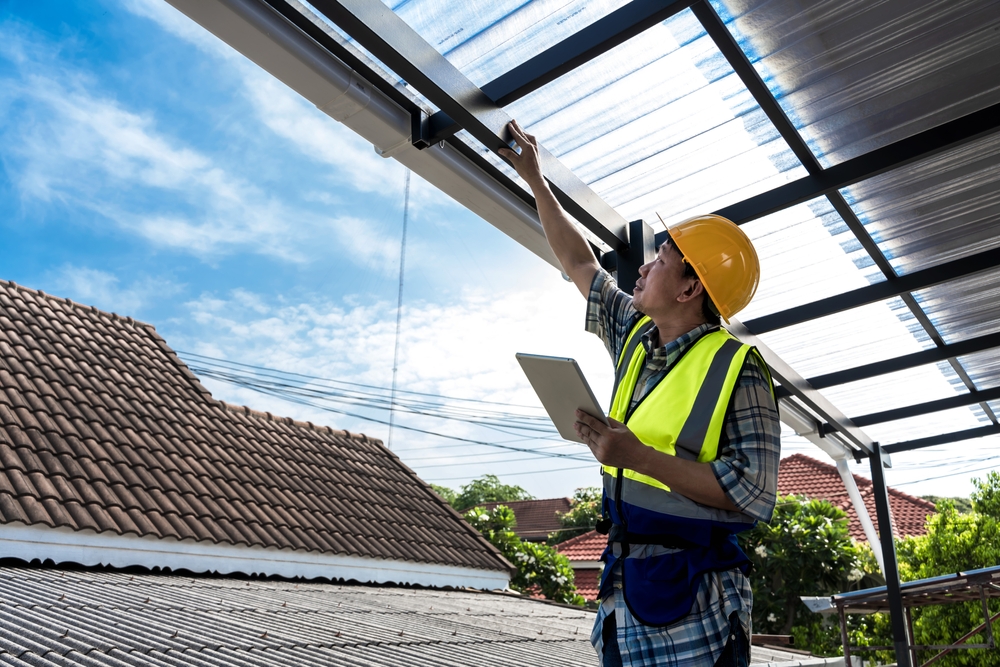
Your roof works hard every day, protecting your home from intense summer sun, sudden downpours, and falling pine needles. Most of the time, we don’t think about it until something goes wrong. But being proactive is the secret to a long-lasting, healthy roof. A small issue caught early can save you thousands of dollars and prevent major headaches down the road. This is where a simple roof inspection checklist comes in. You don’t need to be a roofing expert or climb a ladder to spot the early warning signs of trouble. By regularly checking a few key areas from the safety of the ground and inside your home, you can stay ahead of potential problems. This guide provides a straightforward checklist tailored for Columbia homeowners. If you want to understand what a licensed roofer evaluates beyond this homeowner checklist, here’s what happens during a professional roof inspection in Columbia. We’ll cover what to look for, what those signs mean, and when it’s time to call in a professional. Think of it as a simple, preventative health screening for your home’s most important shield. Why Every Homeowner Should Have a Roof Inspection Checklist Regularly inspecting your roof is one of the smartest, most cost-effective habits you can develop as a homeowner and an essential part of maintaining professional roofing services in South Carolina. It empowers you to understand your home’s condition and act before minor issues become major disasters. Here’s why keeping a simple checklist is so valuable: Extend Your Roof’s Lifespan: Just like regular maintenance on your car, proactive care for your roof helps it last longer. Catching a cracked shingle or clogged gutter early prevents the slow, silent damage that shortens your roof’s service life. Prevent Expensive Water Damage: Most major roof repairs start as small, unnoticed leaks. By the time you see a water stain on your ceiling, the damage to your attic, insulation, and drywall may already be extensive. Regular checks help you spot the initial vulnerability before water gets in. Improve Energy Efficiency: A compromised roof can lead to air leaks, making your HVAC system work harder to keep your home cool in the summer and warm in the winter. Identifying and fixing these issues can lower your energy bills. Simplify Insurance Claims: If you ever need to file an insurance claim after a storm, having a documented history of your roof’s condition is incredibly helpful. Photos with dates can prove that the damage was caused by a specific event, streamlining the claims process. Increase Home Value: A well-maintained roof is a huge selling point. A history of regular inspections demonstrates responsible ownership and gives potential buyers confidence. For a deeper look at how routine evaluations protect your home long-term, read why annual roof inspections are worth it for Columbia homeowners. What You Can Safely Check Yourself from the Ground The most important rule of a DIY roof inspection is safety first. You can spot the vast majority of common roofing problems without ever setting foot on a ladder. All you need is a pair of binoculars (or the zoom feature on your phone) and a few minutes on a clear day. Walk around the perimeter of your house and look up at all sections of your roof. Here’s what to look for. Check for missing or cracked shingles Shingles are your roof’s primary armor. When they are damaged or missing, the sensitive layers underneath are exposed to the elements. What to Look For: Missing Shingles: Are there any obvious empty patches on the roof? Pay close attention to areas around vents and chimneys and along the roof’s ridges. Cracked or Curled Shingles: Look for shingles that are bent, curled at the edges, or have visible cracks. South Carolina’s intense sun can bake asphalt shingles over time, causing them to become brittle. Blistering or Buckling: Do any shingles look like they are bubbling up or rippling? This can be a sign of trapped moisture or poor ventilation. Granule Loss: Check your gutters and the ground near your downspouts for an accumulation of black, sand-like granules. These granules protect the shingle from UV rays. When they wash away, the shingle is nearing the end of its life. Watch for dark streaks, moss, and soft spots Discoloration and organic growth can be more than just an eyesore; they can signal underlying moisture problems that are slowly damaging your roof. What to Look For: Dark Streaks: Long, black streaks running down your roof are typically caused by algae. While mostly a cosmetic issue, heavy algae growth can trap moisture against the shingles. Moss or Mold: Look for green, fuzzy patches, especially in shaded areas of your roof. Moss acts like a sponge, holding water against the roof surface. This can lead to shingle decay and rot in the underlying wood sheathing. Damaged Flashing: Flashing is the thin metal stripping that seals the joints around chimneys, vents, and skylights. Look for any signs of rust, cracks, or pieces that look bent or pulled away from the roof. Damaged flashing is one of the most common sources of leaks. Problems with Soffits and Fascia: The fascia is the board that runs along the roofline, and the soffit is the underside of the roof’s overhang. Check them for cracks, peeling paint, or signs of rot. Damage here can indicate water is not being properly diverted by the gutters. Indoor Signs That Point to Roof Damage Some of the most critical clues about your roof’s health are found inside your home. An interior inspection only takes a few minutes and can reveal a leak long before it becomes a catastrophe. Many of these warning signs overlap with the most common roof failure indicators homeowners ignore. Inspect ceilings for water stains or peeling paint Water is tricky; it can travel a long way from the entry point on your roof before it finally shows up inside. That’s why a small stain on your ceiling can signal a much larger issue.
What Happens During a Professional Roof Inspection in Columbia
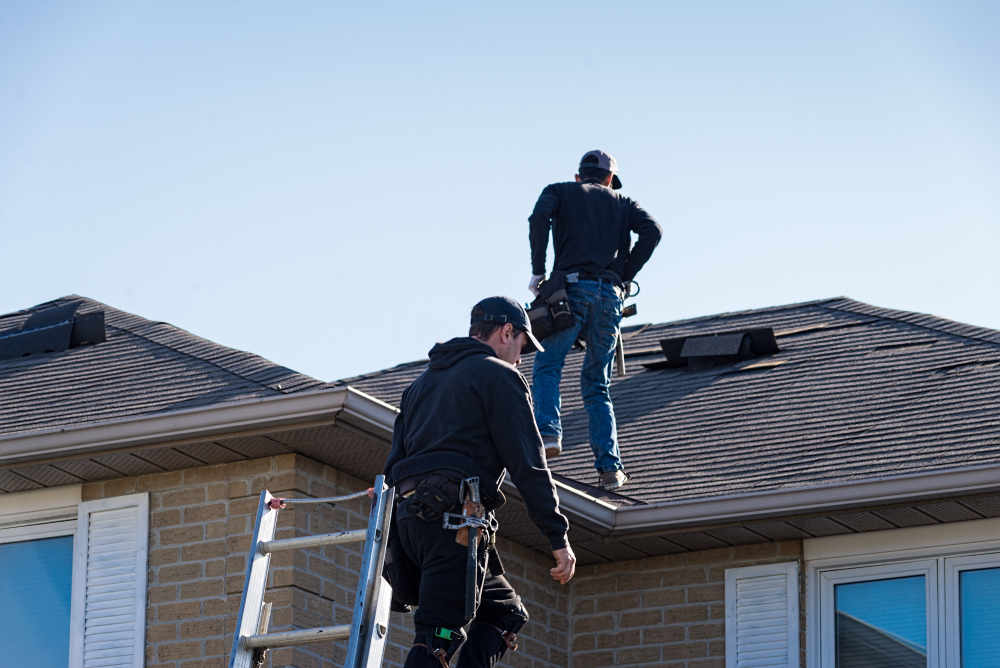
Your roof is one of the most critical components of your home, quietly protecting you from the intense Columbia sun, sudden thunderstorms, and high humidity. Because it’s out of sight, it’s often out of mind—until a problem like a leak appears. The best way to prevent small issues from becoming costly disasters is with a professional roof inspection. But what does a roofer actually do during an inspection? Is it just a quick look from the ground, or is it more involved? Many homeowners are unsure about the process, what to expect, and what the final report means. This guide pulls back the curtain on the professional roof inspection process. We’ll walk you through each step, from the initial assessment to the final report, so you can understand the value it brings. Our goal is to provide you with clear, straightforward information, helping you make informed decisions to protect your home for years to come. Why You Need a Professional Roof Inspection Scheduling routine roofing services in South Carolina, including professional inspections, is a proactive step that can save you thousands of dollars in the long run. Just like a regular check-up at the doctor, it helps catch potential problems early. Here in the Midlands, our roofs face unique challenges, from brutal summer heat and UV exposure to heavy rains and winds from tropical systems. If you’re unsure whether your home needs an inspection, these warning signs your roof needs attention can help you decide. Here’s why a professional roof inspection is so important: Catch Hidden Damage: Many roof problems, like cracked flashing or deteriorating underlayment, aren’t visible from the street. A trained professional knows exactly what to look for and can spot subtle signs of wear and tear before they cause leaks. Extend Your Roof’s Lifespan: By identifying and addressing minor issues like loose shingles or clogged gutters, you can prevent premature aging and extend the functional life of your existing roof. Plan for Future Expenses: An inspection gives you a clear picture of your roof’s current condition and an estimated timeline for when major repairs or a full replacement might be necessary. This allows you to budget and plan, avoiding a sudden financial shock. Insurance and Real Estate Needs: A documented inspection is often required when buying or selling a home. It’s also invaluable for insurance purposes, providing a baseline of your roof’s condition before a storm hits, which can make the claims process much smoother. Peace of Mind: Ultimately, knowing that your home’s primary shield against the elements is in good shape provides invaluable peace of mind for you and your family. The Roof Inspection Process Step by Step A professional roof inspection is a systematic, multi-point process. It’s far more than a quick glance. At Cola City Roofing, we break it down into key areas to ensure nothing is overlooked. Here’s a look at what our Columbia, SC roof inspectors examine. Structural integrity checks The first part of the inspection focuses on the overall structure of your roof. The inspector is looking for signs of stress or aging that could indicate underlying issues. This includes checking for: Sagging Rooflines: A sagging or uneven roof deck is a major red flag that could point to problems with the rafters, trusses, or decking itself. Signs of Deterioration: The inspector will check the condition of the fascia boards, soffits, and gutters, as rot or damage in these areas can allow water and pests to enter your home. Chimney Condition: For homes with chimneys, the inspector examines the masonry for cracks, crumbling mortar, and the condition of the chimney cap. These structural concerns are often discovered during annual roof inspections in Columbia. Roof surface and flashing inspection This is the most detailed part of the exterior assessment. The inspector will safely walk the roof (if conditions permit) to get an up-close look at every component. They are looking for: Shingle Condition: This includes checking for missing, cracked, curled, or blistering shingles. For asphalt shingles, they’ll look for excessive granule loss—those small, sand-like particles that protect the shingle from UV rays. Flashing and Seals: Flashing is the metal material installed around vents, chimneys, skylights, and in roof valleys to direct water away. The inspector will check for rust, cracks, or gaps in the sealant around these crucial points, as failed flashing is one of the most common sources of leaks. Pipe Boots and Vents: The rubber boots around vent pipes can dry out and crack under the relentless South Carolina sun. The inspector will check these seals to ensure they are pliable and intact. Underlayment Exposure: The underlayment is a water-resistant barrier between the shingles and the roof decking. If shingles are missing or damaged, exposing the underlayment, it’s a sign that immediate attention is needed. Gutters, vents, and drainage review Proper water management is critical to your roof’s health. The inspection includes a thorough review of your home’s drainage system. Gutter and Downspout Health: The inspector checks for clogs from pine straw and leaves, as well as sagging, disconnected sections, or leaks. Clogged gutters can cause water to back up under the shingles, leading to rot in the roof decking. Proper Ventilation: A healthy roof needs to breathe. The inspector will check that your attic ventilation system (including ridge, soffit, and gable vents) is clear and functioning. Poor ventilation can trap heat and moisture, which can cook your shingles from the inside out and lead to mold growth. What Roofers Look for During a Professional Inspection Beyond the physical components, a professional inspector is trained to see the story your roof is telling. They are looking for patterns of wear that point to specific problems. For example, a cluster of cracked shingles in one area might indicate a problem with the decking underneath. Dark streaks or algae growth (common in our humid climate) can suggest moisture is being trapped on the roof surface. Granules collecting in your gutters are a clear sign that your shingles are
Roof Inspection Services Explained: How They Save You Thousands
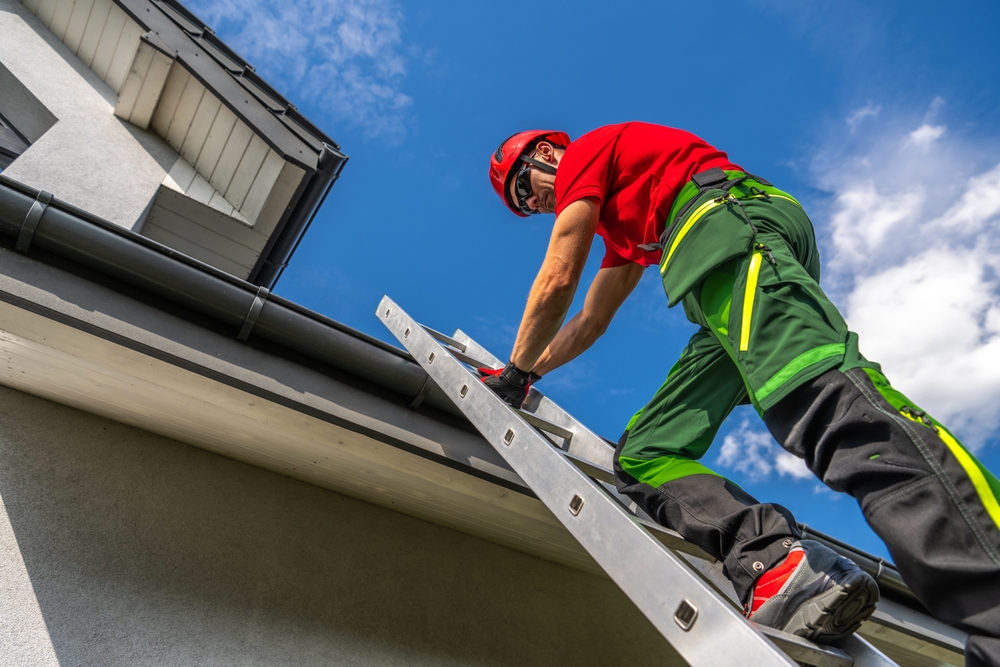
Most homeowners don’t think about their roof until something goes wrong—a sudden leak during a thunderstorm or a discolored spot appearing on the ceiling. By then, the damage has already been done. Your roof works tirelessly to protect your family and your home from the intense Columbia sun, seasonal storms, and high humidity. Just like any other critical part of your home, it needs regular check-ups to stay in top condition. A professional roof inspection is one of the most effective and affordable roofing services in South Carolina for protecting your biggest investment. It’s a proactive step that can save you thousands of dollars in emergency repairs and extend the life of your roof. This guide will explain everything you need to know about roof inspection services. We’ll cover what an inspection includes, why it’s so important for Columbia homeowners, and how this simple service can prevent major headaches down the road. What Is a Roof Inspection Service? A roof inspection service is a comprehensive evaluation of your entire roofing system, performed by a trained professional. It’s much more than a quick glance from the street. A proper inspection assesses every component, from the shingles and gutters on the outside to the decking and ventilation in your attic. The goal is to identify potential weaknesses, minor damage, and signs of wear and tear before they escalate into costly problems. Think of it as a wellness check for your roof. The inspector documents their findings with photos and provides you with a detailed report, giving you a clear picture of your roof’s health and recommending any necessary actions. Why Regular Roof Inspections Matter for Columbia Homeowners Here in the Midlands, our roofs face a unique set of challenges. The relentless summer heat can bake asphalt shingles, causing them to become brittle. Sudden, violent thunderstorms can bring high winds and hail. The humidity creates a perfect environment for algae and moss to grow. Regular inspections are crucial because they help you stay ahead of these local threats. A small issue, like a cracked pipe boot or a few loose shingles, can quickly become a major entry point for water during the next downpour. By catching these problems early, you prevent the widespread water damage, mold growth, and structural issues that follow a neglected leak. If you’re wondering whether it’s truly necessary every year, here’s why annual roof inspections are worth it for Columbia homeowners. The Hidden Problems Only a Roof Inspection Can Reveal From the ground, your roof might look perfectly fine. However, a trained inspector knows how to spot subtle signs of trouble that are invisible to the untrained eye. These are the hidden problems that can quietly cause significant damage over time. An inspector might find: Cracked Seals: The sealant around vents, pipes, and chimneys can degrade under the sun, creating small gaps for water to seep in. Granule Loss: The sandpaper-like granules on your shingles protect them from UV rays. An inspector can spot excessive granule loss in your gutters, an early sign that your shingles are aging. Soft Spots: When walking the roof (if it’s safe to do so), an inspector can feel for “soft spots” in the roof decking. This indicates that the underlying wood is rotting due to moisture. Poor Ventilation: An attic inspection can reveal if your roof has inadequate ventilation. Trapped heat and moisture can bake your shingles from the inside out and lead to mold. Hail Damage: Small hail impacts can create bruises on your shingles that are hard to see from the ground but compromise their integrity. Many of these early indicators appear long before major failure, which is why recognizing roof warning signs early matters. How Professional Roof Inspections Save You Money Long-Term Scheduling a routine roof inspection might seem like an unnecessary expense, but it is a powerful financial tool. The small cost of an inspection is minimal compared to the thousands you could spend on an emergency replacement or interior water damage restoration. Early detection prevents expensive repairs The number one way inspections save you money is through early detection. Replacing a single cracked pipe boot might cost a couple of hundred dollars. If left unfixed, the resulting slow leak could rot the roof decking, saturate the insulation, and stain your ceiling, turning a minor fix into a multi-thousand-dollar repair project. An inspection catches the problem at its source, when the solution is still simple and affordable. Insurance benefits of documented roof inspections After a major storm, your insurance company will want proof that the damage was caused by that specific event. Having a documented inspection report from before the storm provides a clear baseline of your roof’s condition. This can make your insurance claim process smoother and help ensure you get the full coverage you’re entitled to. Some insurance providers may even offer discounts for homeowners who can show they are proactively maintaining their property with annual roof inspections. How inspections extend roof lifespan A new roof is a major investment, and you want it to last as long as possible. A typical asphalt shingle roof is designed to last 15-20 years or more. However, that lifespan is dependent on proper care. Regular inspections allow you to address minor issues—like re-sealing flashing or replacing a few damaged shingles—that keep your entire roofing system healthy. This proactive maintenance helps you get every last year out of your roof, pushing a full replacement further into the future. Roof Inspection Frequency: How Often Should You Schedule One? For most homeowners in the Columbia area, scheduling a professional roof inspection once a year is ideal. An annual check-up is frequent enough to catch problems before they become severe. You should also schedule an inspection: After a major weather event: High winds, hail, or a hurricane can cause damage that needs immediate attention. Before buying or selling a home: A documented roof inspection before buying or selling can prevent last-minute surprises and protect both parties. If you
The Importance of Local Roofing References in Columbia: Why They Matter
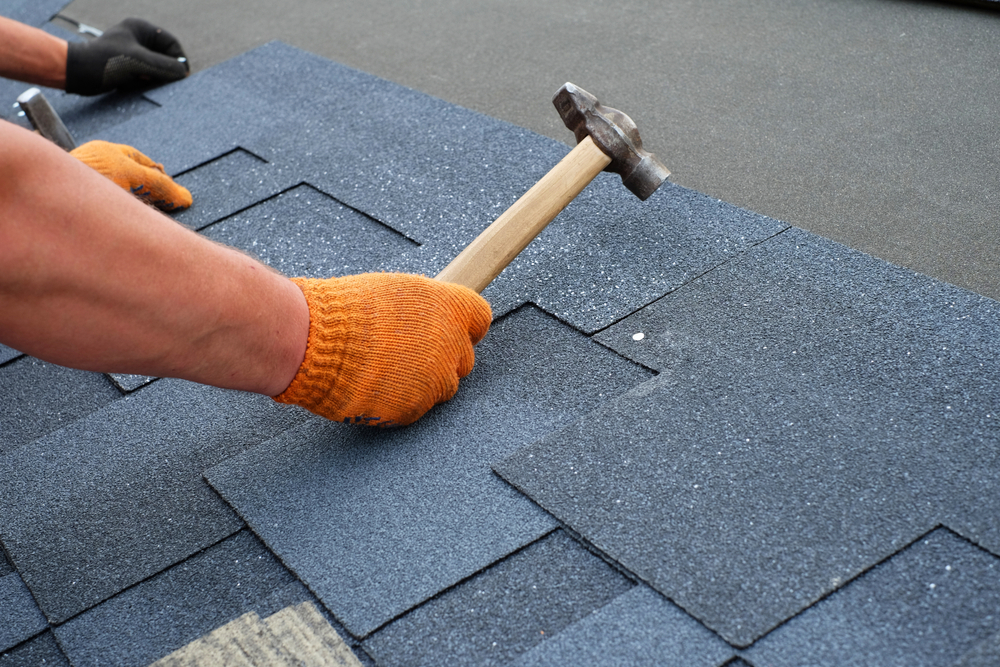
Choosing a roofing contractor for roofing services in South Carolina is a big decision. Your roof is your home’s primary shield against the elements, from the sweltering summer sun to the sudden, intense thunderstorms we often see here in the Midlands. With so much at stake, you need to be sure the company you hire is reliable, skilled, and trustworthy. Online reviews and testimonials are a good start, but they only tell part of the story. The single most powerful tool you have for vetting a roofer is checking their local references. Speaking with past customers in and around Columbia gives you unfiltered, real-world insight into a company’s performance. It’s one of the most important steps when learning how to choose the right residential roofer in Columbia SC. It’s your chance to move beyond marketing and find out what it’s really like to work with them. This guide will walk you through why local roofing references in Columbia are so critical and how to use them to hire a contractor with confidence. Why Local References Are the Best Way to Verify a Roofer’s Reputation A list of names and numbers is more than just contact information; it’s a direct line to the truth about a contractor’s work ethic, quality, and customer service. Here’s why these conversations are invaluable. Real proof of past performance A slick sales pitch can promise the world, but a reference can tell you what was actually delivered. When you talk to a previous customer, you get to hear firsthand how the company handled a real project. Were they on time? Did they communicate clearly? How did they manage unexpected issues? This is your opportunity to confirm that a roofer’s promises align with their actions. A contractor who is proud of their work will be more than happy to connect you with satisfied clients. Their confidence in their own track record is a positive sign in itself. Hearing from a neighbor in Irmo or a homeowner in Lexington about their positive experience provides tangible proof that you can trust. Insights you won’t find in online reviews Online reviews are helpful, but they have limitations. A five-star rating doesn’t tell you if the crew left nails in the yard, if the project manager was responsive to calls, or if the final cost matched the initial quote. Reviews are often written immediately after a job is done, before potential long-term issues might appear. A phone call with a reference allows you to dig deeper. You can ask specific, nuanced questions about the day-to-day experience. How was the communication during a weather delay? Was the crew respectful of their property and landscaping? Did they do a thorough cleanup? These are the details that define a truly professional service but are often missing from a brief online testimonial. How to Ask for and Check Roofing References Any reputable roofer should be prepared to provide you with a list of recent, local references upon request. Once you have that list, it’s time to do your homework. A few thoughtful phone calls can save you from a major headache later. Questions to ask past clients When you call a reference, have a short list of questions to ask a roofer before hiring ready. You don’t need to conduct a formal interview, but a little preparation ensures you cover the most important points. Here are some key questions to ask: Project Basics: “What kind of roofing work did they do for you, and when was it completed?” This confirms the reference is recent and relevant to your project (e.g., a full replacement vs. a minor repair). Communication: “How was the communication throughout the project? Was it easy to get in touch with the project manager or owner?” Crew Professionalism: “How would you describe the crew that worked on your home? Were they professional, respectful, and on time?” Cleanup: “Were you satisfied with the cleanup process? Did they leave your yard and driveway clean of debris and nails?” This is a huge indicator of a company’s attention to detail. Problem-Solving: “Did any unexpected issues come up? If so, how did the company handle them?” A smooth project is great, but how a team handles a challenge is even more telling. Overall Satisfaction: “Would you hire this company again or recommend them to a friend or neighbor?” This is the ultimate test. The Big Question: “Is there anything you wish you had known before the project started?” Listen carefully to not just what they say, but how they say it. An enthusiastic recommendation speaks volumes. What to look for in workmanship and cleanup If a reference lives nearby, consider asking if you can drive by to see the finished roof from the street. You don’t need to be a roofing expert to spot signs of quality—or the lack of it. When you look at a completed project, pay attention to these details: Clean Lines: Are the shingle lines straight and uniform? A well-installed roof looks neat and tidy. Wavy or uneven lines can be a sign of rushed or sloppy work. Flashing: Look at the areas around the chimney, vents, and skylights. The metal flashing should be neat and securely integrated with the shingles. This is a critical area for preventing leaks. Cleanliness: Even from a distance, you can often tell if a property was cared for. Does the area around the house look clean? Are the gutters and siding free from scuffs or damage? A company that takes pride in its workmanship ensures every detail is right, and it shows. How to confirm project timelines and budgets One of the biggest worries for homeowners is a project that goes over budget and drags on for weeks longer than promised. Your reference checks are the perfect time to investigate a roofer’s reliability in these areas. Ask the past client: “Did the project finish on schedule? If not, was the delay communicated clearly and for a good reason (like weather)?” “Was the final price
Supporting Small Roofing Businesses in Columbia: Strengthening Our Community
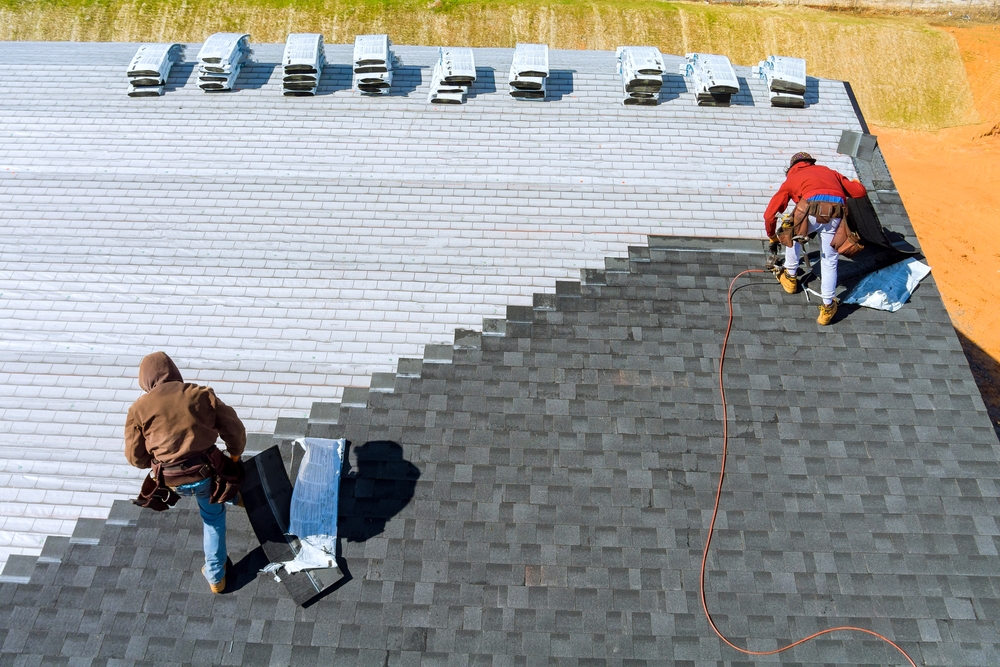
When a storm rolls through the Midlands or you notice a few shingles looking worse for wear, your first instinct is to find a reliable roofer. The options can feel overwhelming, with national chains, storm-chasing crews, and local companies all vying for your attention. While large corporations have massive advertising budgets, there’s a unique and powerful value that comes from choosing one of the small roofing businesses in Columbia. Hiring a local, family-owned roofer isn’t just about getting a job done. It’s an investment in your community, a vote of confidence in your neighbors, and a way to ensure you receive dedicated, personal service. This guide explores why supporting small roofing businesses matters and how doing so strengthens our entire community while delivering exceptional results for your home. Why Hiring Locally Owned Roofing Companies Matters Choosing a local roofer over a large, out-of-town corporation has ripple effects that benefit everyone in the Columbia area. It’s a decision that goes far beyond just shingles and nails; it’s about building a stronger, more resilient community from the ground up. Economic impact: Keeping money in the Midlands When you hire a small roofing business in Columbia, a significant portion of your money stays right here in our local economy. This concept, often called the “local multiplier effect,” is simple but powerful. Your payment helps a local business owner pay their employees, who then spend their wages at other local establishments—from the grocery store in Forest Acres to the family-run restaurant in the Vista. Think about it this way: Local Jobs: Small businesses are the backbone of local employment. Your project helps create and sustain jobs for people who live and raise their families in our neighborhoods. Local Suppliers: Local roofers often source their materials from Columbia-area suppliers, further circulating money within our community. Local Taxes: The taxes paid by small businesses help fund our public schools, parks, road maintenance, and first responders. In contrast, when you hire a large national chain, a much larger percentage of that revenue is sent to a corporate headquarters in another state. By choosing local, you are actively participating in the economic health and prosperity of the Midlands. Community relationships and accountability Small business owners are not anonymous faces in a corporate directory. They are our neighbors. You might see them at the Soda City Market on a Saturday morning, coach your child’s soccer team, or attend the same church. This deep-rooted connection to the community fosters a level of accountability you simply can’t get from a national company. A local roofer’s reputation is their most valuable asset. They know that their success depends on the satisfaction of their customers, because word travels fast in a close-knit community like ours. This personal accountability means they are far more likely to stand by their work, answer your calls, and ensure you are completely happy with the final result. If a problem arises, you know exactly who to call—not a 1-800 number that routes you to a call center hundreds of miles away. How Small Roofing Companies Deliver Big Value Don’t mistake “small” for “less capable.” In fact, small roofing businesses in Columbia often provide a superior level of service and value precisely because of their size. They are nimble, customer-focused, and dedicated to their craft. Personalized service and direct communication When you work with a local roofer, you’re often communicating directly with the owner or a small, dedicated team. You won’t get passed around between a salesperson, a project manager, and a separate crew chief who have never spoken to each other. This direct line of communication is invaluable. The person who inspects your roof and provides the estimate is often the same person overseeing the project. They understand your specific concerns, remember the details of your conversation, and are personally invested in bringing your vision to life. This eliminates misunderstandings and ensures the project runs smoothly from start to finish. You are a valued client, not just another job number on a spreadsheet. Flexible scheduling and custom solutions Large corporations often rely on standardized processes and rigid schedules to manage their high volume of work. Small businesses have the flexibility to adapt to your unique needs. Scheduling: Need to coordinate the roof replacement around a family event or a vacation? A local roofer is more likely to be able to work with your timeline. Customization: Have a historic home with unique architectural details or a specific material request? A small business can provide tailored solutions that a larger company’s one-size-fits-all approach might not accommodate. They can take the time to listen to your needs and find the best solution for your home and budget, rather than pushing a predetermined package of services. Transparent pricing and honest work Small roofing businesses build their reputation on trust and transparency. They understand that homeowners are making a significant investment and deserve to know exactly what they are paying for. A reliable local roofer will provide a detailed, itemized estimate that clearly explains the scope of work, the materials to be used, and the costs involved. There are no hidden fees or surprise upcharges. Because their name is on the line with every job, they are motivated to do honest, high-quality work. They can’t afford to cut corners or use subpar materials. Their goal is to earn your trust and your recommendation, which is more valuable than making a quick profit on a single job. The Challenges Small Roofers Face (and How You Can Help) Operating a small business is incredibly rewarding, but it also comes with a unique set of challenges. By understanding these hurdles, you can see why your support is so crucial. Competing with large corporate roofers National roofing companies have enormous marketing budgets. They can afford to blanket the airwaves with TV commercials, dominate online search results with expensive ad campaigns, and send out armies of salespeople. Small local roofers often can’t compete on that scale. They rely on their reputation, quality of work, and
What Makes a Roofing Company Reputable in Columbia, SC?
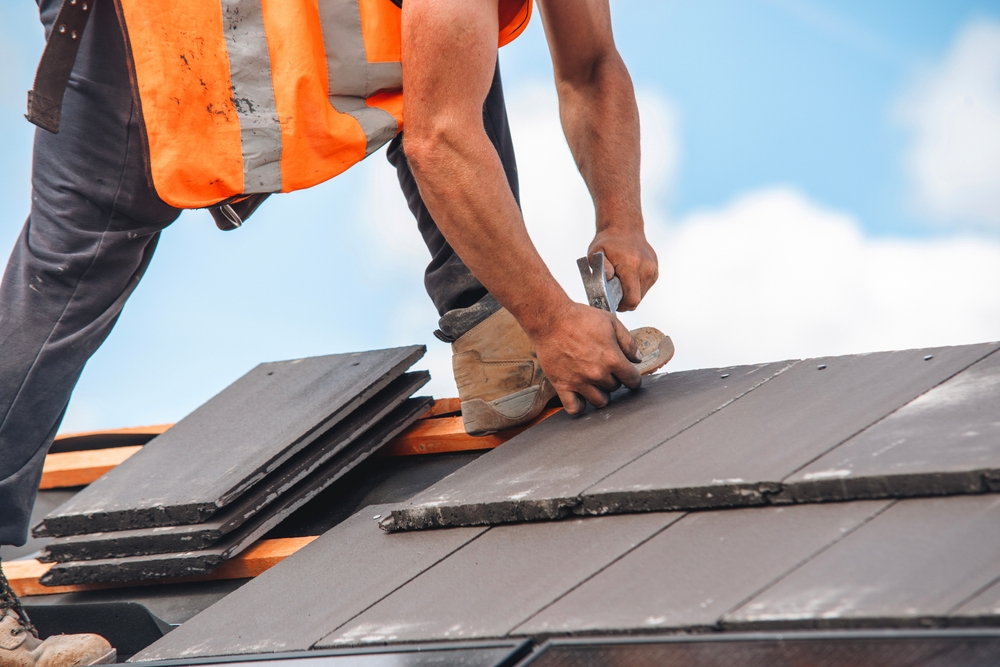
Choosing a company to work on your roof is a major decision, especially when you’re evaluating roofing services in South Carolina for your home. It’s more than just a home repair; it’s an investment in the safety and protection of your family and property. After a big storm rolls through the Midlands or you spot the first signs of a leak, it’s easy to feel rushed. But selecting the right contractor is crucial. In a sea of options, how do you identify a truly reputable roofing company in Columbia that will treat your home as if it were their own? The answer goes far beyond a flashy website or a low-ball quote. A reputable roofer is defined by their commitment to quality, transparency, and the community they serve. This guide will walk you through the essential signs of a trustworthy contractor, the red flags to watch out for, and the specific steps you can take to verify a company’s credentials. We want you to feel confident and secure, knowing you’ve hired a professional who stands behind their work. Defining a Reputable Roofer: More Than Just Reviews While online reviews are a helpful starting point, a company’s reputation is built on a much stronger foundation. If you’re trying to separate surface-level marketing from real credibility, our guide on how to identify a top-rated roofer in Columbia SC breaks down what actually matters. It’s about the substance behind the stars—the principles that guide their business every single day. Reputation built on experience, not advertising Anyone can run an advertisement, but real-world experience in the Columbia area is something that has to be earned. A reputable roofing company has a history of successfully completed projects right here in our community. They understand the specific challenges our homes face, from the intense summer sun and high humidity that can degrade shingles over time to the sudden, powerful thunderstorms that can cause immediate damage. This local experience means they know which materials hold up best in the Midlands climate and what installation techniques are necessary to ensure a long-lasting, durable roof. Their reputation isn’t just about the number of years they’ve been in business, but the quality of the work they’ve consistently delivered to your neighbors in areas like Irmo, Lexington, and Forest Acres. A history of satisfied local customers is the most powerful advertisement a company can have. Integrity and transparency as business foundations Integrity is about doing the right thing, even when no one is watching. For a roofing contractor, this means providing an honest assessment of your roof’s condition, not trying to upsell you on a full replacement when a simple repair will suffice. It’s about using the high-quality materials they promised in the contract and never cutting corners on installation. Transparency is the other side of that coin. A reputable roofer believes you have the right to understand every aspect of your project. They communicate clearly, provide detailed written estimates, and patiently answer all your questions. There are no hidden fees or surprise charges. From the initial inspection to the final cleanup, you should feel informed and respected. This commitment to honesty is the bedrock of a lasting reputation and the key to building trust with homeowners. Core Qualities of Reputable Roofing Companies When you start vetting contractors, you’ll find that the best ones share a common set of professional standards. These are the non-negotiables—the core qualities that separate a legitimate roofing company from the rest. Proper licensing and insurance This is the absolute most important factor in choosing a roofer. Without the right credentials, you are exposing yourself to significant financial and legal risks. Licensing: In South Carolina, a contractor must be licensed through the South Carolina Department of Labor, Licensing and Regulation (LLR) for any project costing over $5,000. This license proves they have met state requirements for competency and financial stability. Insurance: A legitimate roofer carries two critical types of insurance. General Liability Insurance: This protects your property in case of accidental damage during the project. If a worker drops a tool and breaks a window or damages your siding, this policy covers the repair costs. Workers’ Compensation Insurance: This is vital. It covers the contractor’s employees if they are injured on your property. Without it, you, the homeowner, could be held liable for their medical bills and lost wages. Always ask for proof of both licensing and insurance before signing any contract. A reputable company will provide these documents without hesitation. Proven track record with local projects A roofer can talk a good game, but their work speaks for itself. Ask to see a portfolio of their recent projects in the Columbia area. A well-established local contractor will have a gallery of before-and-after photos showcasing their craftsmanship on homes similar to yours. Better yet, ask for a list of local references. Speaking to previous customers gives you firsthand insight into their experience. You can ask questions like: Did the crew show up on time and act professionally? Was the communication clear throughout the project? Did they stick to the original budget and timeline? Was the cleanup thorough after the job was done? A proven track record in your community is a strong indicator of a reputable roofing company in Columbia. Clear communication and documentation From your very first phone call, pay attention to how the company communicates. A professional contractor will be responsive, respectful, and clear. They should provide a detailed, written proposal that outlines every aspect of the job, including: The full scope of work to be performed. Specific materials to be used (including brand names and types of shingles, underlayment, etc.). A breakdown of costs for labor and materials. The project timeline from start to finish. Information on warranties for both materials and workmanship. Payment schedules and terms. This document serves as your contract and protects both you and the contractor by setting clear expectations. Vague or verbal-only agreements are a major red flag. Honest pricing with no pressure tactics A reputable roofer