Most homeowners don’t think about their roof until something goes wrong—a sudden leak during a thunderstorm or a discolored spot appearing on the ceiling. By then, the damage has already been done. Your roof works tirelessly to protect your family and your home from the intense Columbia sun, seasonal storms, and high humidity. Just like any other critical part of your home, it needs regular check-ups to stay in top condition.
A professional roof inspection is one of the most effective and affordable roofing services in South Carolina for protecting your biggest investment. It’s a proactive step that can save you thousands of dollars in emergency repairs and extend the life of your roof.
This guide will explain everything you need to know about roof inspection services. We’ll cover what an inspection includes, why it’s so important for Columbia homeowners, and how this simple service can prevent major headaches down the road.
What Is a Roof Inspection Service?
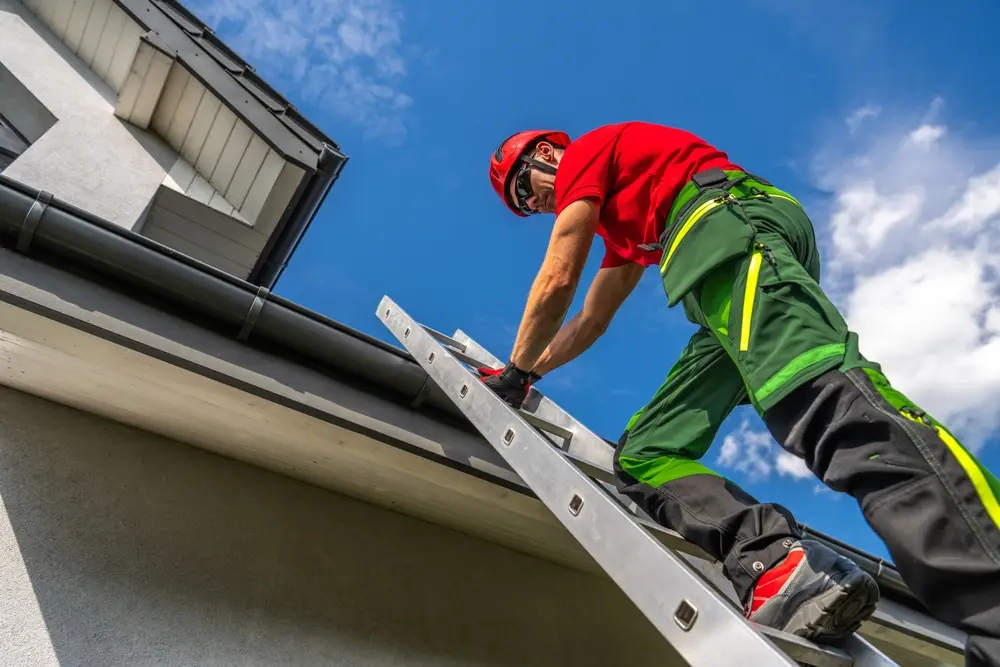
A roof inspection service is a comprehensive evaluation of your entire roofing system, performed by a trained professional. It’s much more than a quick glance from the street. A proper inspection assesses every component, from the shingles and gutters on the outside to the decking and ventilation in your attic.
The goal is to identify potential weaknesses, minor damage, and signs of wear and tear before they escalate into costly problems. Think of it as a wellness check for your roof. The inspector documents their findings with photos and provides you with a detailed report, giving you a clear picture of your roof’s health and recommending any necessary actions.
Why Regular Roof Inspections Matter for Columbia Homeowners
Here in the Midlands, our roofs face a unique set of challenges. The relentless summer heat can bake asphalt shingles, causing them to become brittle. Sudden, violent thunderstorms can bring high winds and hail. The humidity creates a perfect environment for algae and moss to grow.
Regular inspections are crucial because they help you stay ahead of these local threats. A small issue, like a cracked pipe boot or a few loose shingles, can quickly become a major entry point for water during the next downpour. By catching these problems early, you prevent the widespread water damage, mold growth, and structural issues that follow a neglected leak.
If you’re wondering whether it’s truly necessary every year, here’s why annual roof inspections are worth it for Columbia homeowners.
The Hidden Problems Only a Roof Inspection Can Reveal
From the ground, your roof might look perfectly fine. However, a trained inspector knows how to spot subtle signs of trouble that are invisible to the untrained eye. These are the hidden problems that can quietly cause significant damage over time.
An inspector might find:
- Cracked Seals: The sealant around vents, pipes, and chimneys can degrade under the sun, creating small gaps for water to seep in.
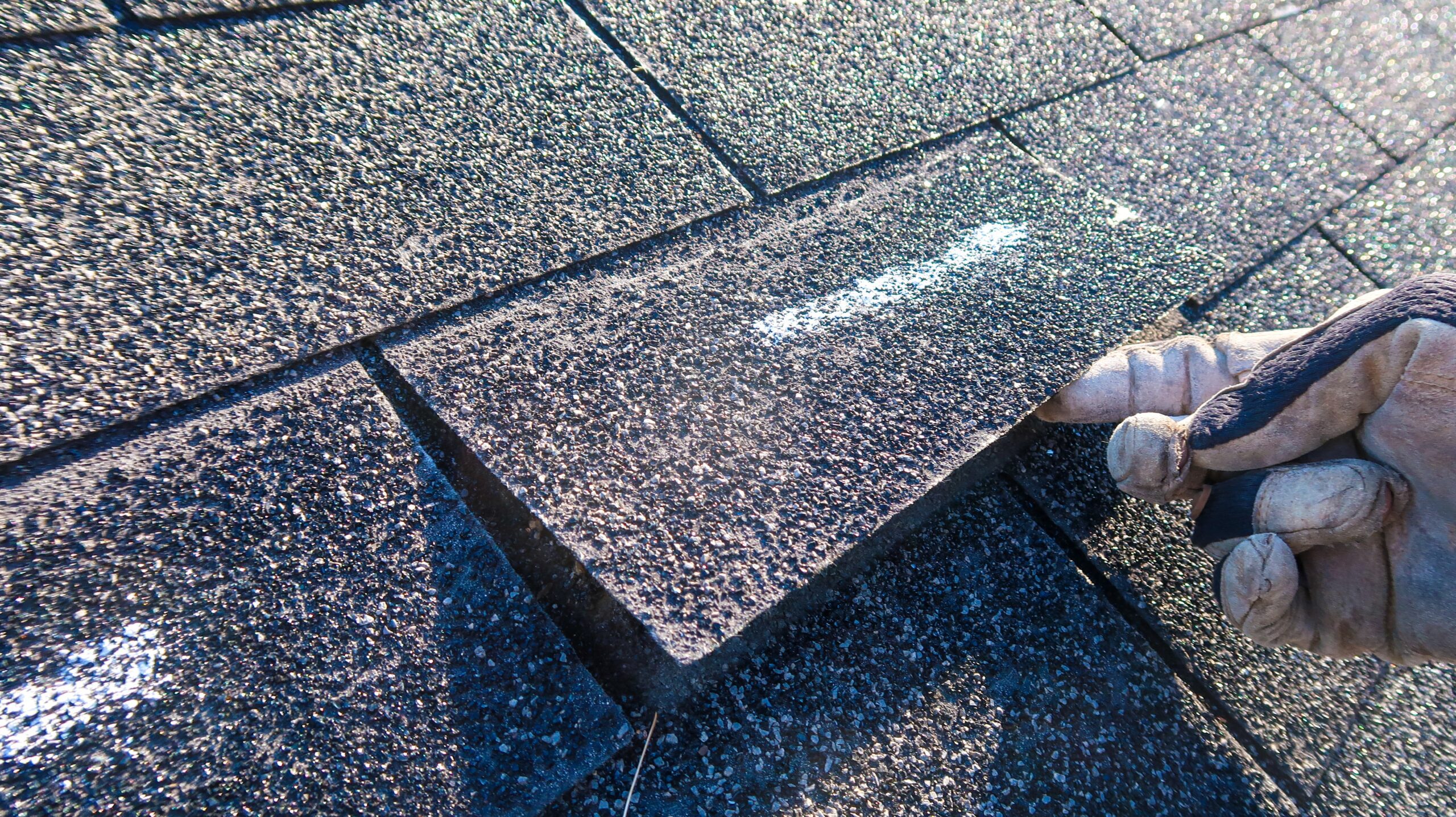
- Granule Loss: The sandpaper-like granules on your shingles protect them from UV rays. An inspector can spot excessive granule loss in your gutters, an early sign that your shingles are aging.
- Soft Spots: When walking the roof (if it’s safe to do so), an inspector can feel for "soft spots" in the roof decking. This indicates that the underlying wood is rotting due to moisture.
- Poor Ventilation: An attic inspection can reveal if your roof has inadequate ventilation. Trapped heat and moisture can bake your shingles from the inside out and lead to mold.
- Hail Damage: Small hail impacts can create bruises on your shingles that are hard to see from the ground but compromise their integrity.
Many of these early indicators appear long before major failure, which is why recognizing roof warning signs early matters.
How Professional Roof Inspections Save You Money Long-Term
Scheduling a routine roof inspection might seem like an unnecessary expense, but it is a powerful financial tool. The small cost of an inspection is minimal compared to the thousands you could spend on an emergency replacement or interior water damage restoration.
Early detection prevents expensive repairs
The number one way inspections save you money is through early detection. Replacing a single cracked pipe boot might cost a couple of hundred dollars. If left unfixed, the resulting slow leak could rot the roof decking, saturate the insulation, and stain your ceiling, turning a minor fix into a multi-thousand-dollar repair project. An inspection catches the problem at its source, when the solution is still simple and affordable.
Insurance benefits of documented roof inspections
After a major storm, your insurance company will want proof that the damage was caused by that specific event. Having a documented inspection report from before the storm provides a clear baseline of your roof’s condition. This can make your insurance claim process smoother and help ensure you get the full coverage you’re entitled to. Some insurance providers may even offer discounts for homeowners who can show they are proactively maintaining their property with annual roof inspections.
How inspections extend roof lifespan
A new roof is a major investment, and you want it to last as long as possible. A typical asphalt shingle roof is designed to last 15-20 years or more. However, that lifespan is dependent on proper care. Regular inspections allow you to address minor issues—like re-sealing flashing or replacing a few damaged shingles—that keep your entire roofing system healthy. This proactive maintenance helps you get every last year out of your roof, pushing a full replacement further into the future.
Roof Inspection Frequency: How Often Should You Schedule One?
For most homeowners in the Columbia area, scheduling a professional roof inspection once a year is ideal. An annual check-up is frequent enough to catch problems before they become severe.
You should also schedule an inspection:
- After a major weather event: High winds, hail, or a hurricane can cause damage that needs immediate attention.
- Before buying or selling a home: A documented roof inspection before buying or selling can prevent last-minute surprises and protect both parties.
- If you notice signs of trouble: Don’t wait if you see water stains on your ceiling, curled shingles, or clogged gutters.
If your roof is more than 15 years old, it’s especially important to understand why older roofs need more frequent inspections.
What to Expect During a Roof Inspection Visit
A thorough roof inspection is a systematic process. The inspector will look at four main areas: the materials, the structure, the interior, and the workmanship.
The inspector will typically start by walking the property to get a full view of the roof, chimney, and gutters. They will then conduct a detailed check of the roof itself, if conditions are safe. Finally, they will usually ask to inspect your attic to check for signs of leaks and ventilation issues from the inside. The entire process often takes between 45 minutes to a few hours, depending on the size and complexity of your roof.
Key safety and structural checkpoints during inspection
Safety is paramount during any inspection. A professional will never walk on a roof that is too steep, wet, or structurally compromised. They will also be mindful of potential hazards like electrical lines or unstable tree branches.
Key checkpoints include:
- Shingle Condition: Looking for cracked, curled, or missing shingles.
- Flashing: Checking the metal strips around chimneys, vents, and skylights for rust or gaps.
- Gutters: Ensuring they are clear of debris and securely attached.
- Decking: Checking for soft spots or sagging.
- Attic Inspection: Looking for signs of moisture, mold, and proper ventilation and insulation.
Galleries
Featured Work
Need proof of our skills? Check out our recent roof and gutter work!
How Cola City Roofing Performs Thorough Roof Inspections in Columbia
At Cola City Roofing , we believe a roof inspection should be transparent and educational. Our process is designed to give you a complete and honest assessment of your roof’s condition.
We begin with a detailed exterior evaluation, taking photos of every component of your roofing system. We examine your shingles, flashing, pipe boots, and gutters. Then, we move to the interior, checking your attic for proper ventilation, moisture levels, and any signs of leaks that may not be visible from the outside.
After our assessment, we don’t just hand you a report. We walk you through our findings, showing you the photos and explaining what they mean in plain language. We’ll tell you what looks good, what needs attention, and what can wait. You’ll receive a written report with clear next steps, so you can make an informed decision with no pressure.
Why working with a local roofer gives you better accuracy
A local Columbia roofer brings an unmatched level of accuracy to an inspection. We understand the specific materials and building practices used in this area. We know that the high humidity makes proper attic ventilation a non-negotiable, and we know exactly what hail damage from a Midlands thunderstorm looks like. This local expertise allows us to identify region-specific issues that an out-of-town inspector might miss.
Common Issues Found During Roof Inspections
While every roof is different, some problems appear more frequently than others during inspections in our area.
- Deteriorated Pipe Boot Seals: The rubber seals around plumbing vent pipes are a common failure point under the South Carolina sun.
- Nail Pops: Shingles lifted by nails that have pushed their way back up.
- Clogged Gutters: Pine straw and leaves can clog gutters, causing water to back up under the roof edge.
- Algae Stains: The black streaks (Gloeocapsa magma) common on roofs in humid climates.
- Damaged Flashing: Loose or corroded flashing is one of the leading causes of roof leaks.
Roof Inspection vs. Roof Maintenance: What’s the Difference?
These terms are often used together, but they refer to two different services.
- A roof inspection is an assessment. Its purpose is to identify existing and potential problems and provide a report.
- Roof maintenance is the hands-on work performed to fix the issues found during an inspection. This could include sealing cracks, replacing damaged shingles, or cleaning gutters.
An inspection tells you what needs to be done. Maintenance is the act of doing it.
For homeowners who want to stay proactive year-round, this roof maintenance checklist can help between professional visits.
The Best Time of Year for Roof Inspections in South Carolina
You can have your roof inspected any time of year, but the best times in South Carolina are spring and fall.
- Fall: An inspection in the fall can identify any damage that occurred during the summer thunderstorm season and prepare your roof for winter. It’s also a good time to clear gutters of fallen leaves.
- Spring: A spring inspection can assess any damage from winter weather and ensure your roof is ready for the heat and storms of summer.
Schedule your free Columbia roof inspection today
Don’t wait for a leak to tell you there’s a problem. A proactive roof inspection is the smartest way to protect your home and your budget. It provides peace of mind and empowers you to make informed decisions about your property. If you’re ready to get a clear, honest assessment of your roof’s health, contact us to schedule your complimentary Columbia roof inspection .
Frequently Asked Questions
How often should I get my roof inspected? We recommend a professional roof inspection once every year. You should also have it inspected after any severe weather event, like a hailstorm or hurricane.
How long does a roof inspection take? A typical residential roof inspection takes between 45 and 90 minutes, though it can be longer for larger or more complex roofs.
What does a roof inspection include? A comprehensive inspection includes an evaluation of your shingles, flashing, gutters, vents, and chimneys. It also includes an interior check of your attic to look for leaks, moisture, and proper ventilation. You should receive a detailed report with photos.
Can I do my own roof inspection? While you can spot obvious issues like clogged gutters from the ground, a DIY inspection is no substitute for a professional one. A trained inspector can identify subtle signs of damage and safely assess the entire roofing system without causing harm to the roof or themselves.
Are roof inspections required for home sales? While not always legally required, most home buyers will request an inspection as a condition of the sale, and it is highly recommended. A professional roof inspection protects both the buyer from hidden defects and the seller from future liabilities.