If your roof has been patched more times than you can count, it might be trying to tell you something. Columbia homeowners know that South Carolina’s mix of heat, humidity, and storms can wear down even the toughest roofing materials — but it’s not always easy to know when repairs just aren’t enough anymore.
At Cola City Roofing , we’ve inspected hundreds of roofs across Columbia, Lexington, and Irmo, and we see the same patterns again and again: small issues that turn into major replacements because the warning signs were ignored too long. From curling shingles to sagging roof lines and mysterious ceiling stains, each clue reveals how close your roof may be to the end of its lifespan.
The good news? Catching these signs early can save you thousands in water damage and energy costs. Below, we’ve laid out the seven most common roof replacement signs South Carolina homeowners should look for — and when it’s time to call for a professional roof inspection before problems get worse. These warning signs are exactly why proactive roofing services in South Carolina include regular professional inspections.
Why Spotting Roof Damage Early Matters
Noticing a small issue with your roof and acting on it quickly can be the difference between a simple repair and a catastrophic failure. Small signs of wear are your roof’s way of telling you that it needs attention. Ignoring them doesn’t make them go away; it just gives them time to grow into much bigger, more expensive problems. A single cracked shingle can allow water to seep in, and over time, that slow leak can rot the underlying wood, destroy insulation, and lead to mold growth inside your home.
Here in Columbia, our unique climate puts roof damage on the fast track. The intense summer heat can turn a small crack into a larger one, while our heavy humidity ensures that any moisture that gets in sticks around, promoting rot. Then, a sudden thunderstorm can exploit that minor weakness, tearing off shingles and causing significant water intrusion. Spotting these signs early and calling for a professional roof evaluation is the most important step you can take to protect your home. A simple roof repair today could prevent a full replacement tomorrow, but only if the roof’s underlying structure is still sound.
A structured roof maintenance checklist can help homeowners catch many of these problems before they escalate.
7 Visible Warning Signs Your Roof May Be Failing
These are the most common signs that your roof is moving beyond simple repairs and may need a full replacement . If you see one or more of these on your home, it’s time to schedule a professional roof inspection in Columbia, SC.
1. Curling or Cracked Shingles
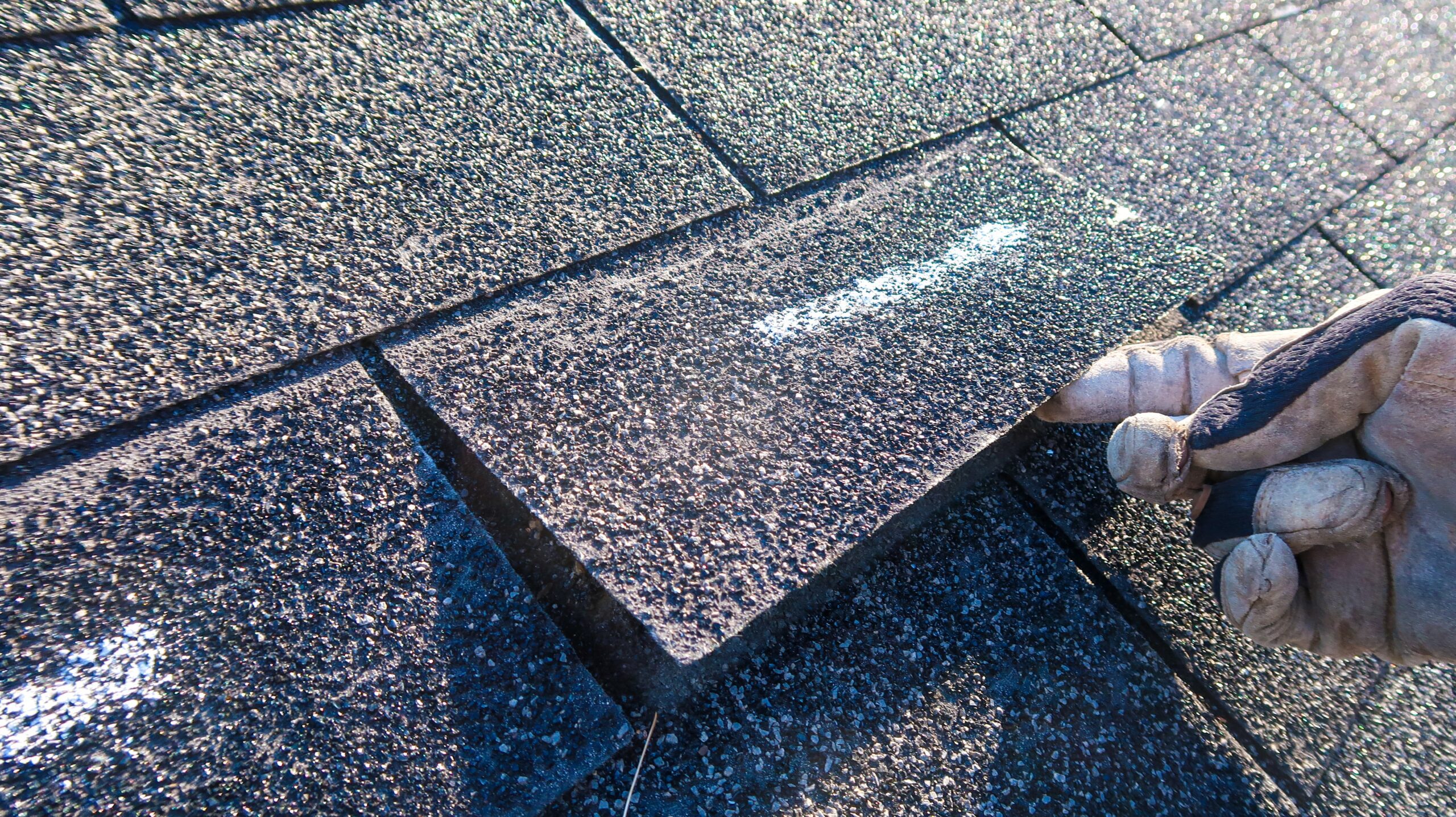
What it looks like: You’ll notice the edges of your shingles are starting to curl upwards, or you’ll see visible cracks and splits across their surface. What it means: This is a classic sign of an aging roof that has endured years of sun exposure. The intense UV radiation bakes the asphalt in the shingles, causing them to lose their flexibility and shrink. As they curl, they lift away from the roof, breaking the watertight seal and making them highly vulnerable to being torn off by wind. While you can replace a few cracked shingles, when this damage is widespread across your roof, patching no longer helps. The new shingles won’t integrate properly with the old, brittle ones, and the entire system remains compromised.
2. Missing Shingles or Bare Spots
What it looks like: You can see obvious gaps on your roof where shingles have blown off, exposing the black underlayment or even the wood decking beneath. What it means: Each missing shingle is a direct entry point for water into your home. This is one of the most urgent roof replacement signs. While replacing a few lost shingles after a storm is a common repair, if your roof is consistently losing shingles, it indicates that the adhesive holding them down has failed due to age. A roof with multiple bare spots has lost its primary layer of defense against the elements, putting your home at immediate risk of leaks and structural damage. At this point, a full roof replacement is often the only way to restore complete protection.
3. Shingle Granules in Gutters or Driveways
What it looks like: You’ll find an accumulation of coarse, sand-like particles in your gutters when you clean them, or you might see them washed out onto your driveway after a rainstorm. What it means: These granules are the protective top layer of your asphalt shingles. Their job is to shield the underlying asphalt from the sun’s damaging UV rays. When you start seeing them in your gutters, it means your shingles are balding and approaching the end of their lifespan. Without this protective layer, the shingles will deteriorate much faster, becoming brittle and prone to cracking. Significant granule loss is a clear sign that your roof’s ability to protect your home is severely diminished.
4. Sagging Roof Deck or Uneven Lines
What it looks like: Your roofline, which should be straight, appears to dip, bow, or sag in certain areas. You might also feel a "spongy" or soft spot if walking on the roof. What it means: This is one of the most serious warning signs. A sagging roof almost always indicates that the underlying decking—the plywood or OSB that forms the foundation of your roof—has rotted from trapped moisture. This is a structural failure. There is no repair for a sagging roof deck; the compromised wood must be removed and replaced. If you see this, you should schedule an immediate professional roof inspection, as a sagging roof is at risk of collapse.
5. Interior Water Stains or Ceiling Spots
What it looks like: You notice yellow or brown stains on your ceilings or walls, often in the corners of rooms or around light fixtures. Paint may also appear to be bubbling or peeling. What it means: An interior water stain is definitive proof that you have a leak. Even if the spot feels dry, it means water has made its way through your entire roofing system, including the decking, insulation, and drywall. This hidden journey can cause significant damage to your home’s structural integrity and insulation long before the stain appears. While you may need a leaky roof repair in Columbia, SC, a recurring stain in the same area often means the underlying issue is systemic and a simple patch won’t solve it.
6. Mold, Moss, or Algae Growth
What it looks like: You see dark streaks (algae), green fuzzy patches (moss), or black spots (mold) growing on your shingles, especially on the shaded parts of your roof. What it means: This organic growth is a sign that your roof is retaining too much moisture, often due to poor ventilation or inadequate sunlight. While algae is mostly a cosmetic issue, moss is more destructive. It can hold water against the shingle surface and even lift the edges of the shingles, allowing water to get underneath and cause decay. Widespread growth indicates a chronic moisture problem that is accelerating the deterioration of your roof.
7. Rising Energy Bills or Drafts
What it looks like: Your summer cooling bills are climbing higher each year, or you notice that your upstairs feels significantly hotter than the rest of the house. What it means: An aging, inefficient roof can have a major impact on your home’s energy consumption. As shingles degrade, they absorb more heat. If your attic also has poor ventilation, that heat gets trapped and radiates into your home, forcing your AC to work harder. This heat loss from attic ventilation issues is a sign that your entire roofing system is no longer performing efficiently. Upgrading to an energy-efficient roofing system in Columbia, SC can significantly lower your bills.
What These Signs Mean for Your Roof’s Lifespan
Seeing one or more of these signs, especially on a roof that’s over 15 years old, is a strong indication that it’s nearing the end of its useful life. At this stage, continuing with small repairs is like putting a bandage on a problem that requires surgery. You might fix one leak only to have another spring up a few months later. This cycle of repeated repairs only delays the inevitable and can end up costing you more in the long run, especially when you factor in the potential for hidden water damage.
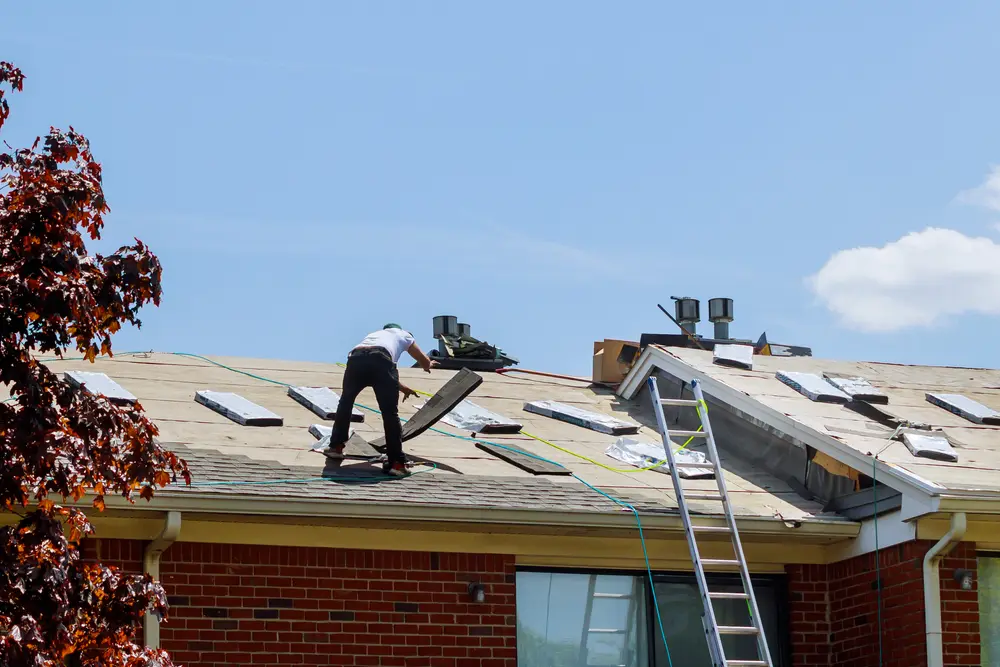
A full roof replacement is about more than just new shingles; it’s about resetting the clock on your home’s most important protective feature. With a new roof from Cola City Roofing, you get the peace of mind that comes with our comprehensive material and workmanship warranties. This ensures your home is protected for decades to come. You can see examples of how we’ve helped homeowners make this smart transition in our Before & After Project Gallery, where failing roofs were transformed into durable, beautiful, and secure systems. Don’t let roof damage repair in Columbia, SC become a recurring nightmare; know when to replace a roof and invest in a lasting solution.
These issues are especially common on aging systems — here’s why you should inspect an older roof before problems compound.
When to Call a Roofing Professional
The moment you notice any of these warning signs is the moment you should call a professional. Don’t wait for a small stain to become a major leak or for a few missing shingles to lead to a rotted roof deck. The sooner you get an expert opinion, the more options you’ll have. A professional roofer can determine the true extent of the damage and give you an honest recommendation on whether a repair is sufficient or if a replacement is the safer, more cost-effective choice.
At Cola City Roofing, we provide free, no-obligation inspections for this very reason. We want to empower you with the information you need to make the right decision for your home and your budget. Our local team of South Carolina roofing experts will give you a straightforward assessment without any high-pressure sales tactics.
If you’ve never had a professional evaluation, here’s what happens during a roof inspection in Columbia.
Why a Professional Roof Evaluation Is Worth It
A professional roof evaluation can uncover issues that are completely invisible from the ground. Our trained inspectors know exactly what to look for, from subtle signs of hail damage and thermal cracking to soft spots in the decking that indicate underlying rot. We can assess the condition of your flashing, the state of your ventilation system, and the overall health of your shingles.
Relying on a professional means you get a diagnosis based on experience and expertise, not guesswork. As an experienced roofing company, we use high-quality, durable materials and stand by our work. Our local expertise means we understand the specific challenges that Columbia’s climate poses, and we can recommend the best solutions to ensure your roof stands the test of time.
For homeowners preparing to sell, a documented inspection history can prevent last-minute surprises.
Book Your Professional Roof Evaluation Today
Your home is your biggest investment, and your roof is its primary protector. Don’t leave its health to chance. A professional inspection offers peace of mind, can save you thousands in future damages, and ensures the safety of your family. At Cola City Roofing, we are proud of our reputation for quality craftsmanship and honest service. We are honored to offer discounts to our community’s veterans, educators, and first responders.
Book your professional roof evaluation today and find out whether your Columbia home needs repair or replacement.
Common Roof Replacement Questions in Columbia, SC
How often should I schedule a roof inspection in South Carolina?
We recommend a professional roof inspection annually, and also after any major storm event (like a hailstorm or hurricane). For roofs over 10 years old, an annual check-up is especially critical to catch age-related issues before they become severe.
What are the most common signs a roof needs replacing?
The most common signs include widespread curling or cracked shingles, significant loss of the sand-like granules (found in your gutters), a sagging roofline, and recurring leaks or water stains inside your home.
Can a roof be repaired if it’s sagging?
No. A sagging roof is a sign of structural failure in the underlying decking, usually due to rot. The only safe and proper solution is a full roof replacement where the rotted wood is torn out and replaced with a new, solid foundation.
How long does a typical roof last in Columbia, SC?
In our hot and humid climate, a standard asphalt shingle roof typically lasts 15-20 years. Architectural shingles can last longer, around 20-30 years. The intense sun, high humidity, and frequent storms in the Midlands tend to shorten a roof’s lifespan compared to homes in milder climates.