Your roof is one of the most critical components of your home, quietly protecting you from the intense Columbia sun, sudden thunderstorms, and high humidity. Because it’s out of sight, it’s often out of mind—until a problem like a leak appears. The best way to prevent small issues from becoming costly disasters is with a professional roof inspection .
But what does a roofer actually do during an inspection? Is it just a quick look from the ground, or is it more involved? Many homeowners are unsure about the process, what to expect, and what the final report means.
This guide pulls back the curtain on the professional roof inspection process. We’ll walk you through each step, from the initial assessment to the final report, so you can understand the value it brings. Our goal is to provide you with clear, straightforward information, helping you make informed decisions to protect your home for years to come.
Why You Need a Professional Roof Inspection
Scheduling routine roofing services in South Carolina, including professional inspections, is a proactive step that can save you thousands of dollars in the long run. Just like a regular check-up at the doctor, it helps catch potential problems early. Here in the Midlands, our roofs face unique challenges, from brutal summer heat and UV exposure to heavy rains and winds from tropical systems.
If you’re unsure whether your home needs an inspection, these warning signs your roof needs attention can help you decide.
Here’s why a professional roof inspection is so important:
- Catch Hidden Damage: Many roof problems, like cracked flashing or deteriorating underlayment, aren’t visible from the street. A trained professional knows exactly what to look for and can spot subtle signs of wear and tear before they cause leaks.
- Extend Your Roof’s Lifespan: By identifying and addressing minor issues like loose shingles or clogged gutters, you can prevent premature aging and extend the functional life of your existing roof.
- Plan for Future Expenses: An inspection gives you a clear picture of your roof’s current condition and an estimated timeline for when major repairs or a full replacement might be necessary. This allows you to budget and plan, avoiding a sudden financial shock.
- Insurance and Real Estate Needs: A documented inspection is often required when buying or selling a home. It’s also invaluable for insurance purposes, providing a baseline of your roof’s condition before a storm hits, which can make the claims process much smoother.
- Peace of Mind: Ultimately, knowing that your home’s primary shield against the elements is in good shape provides invaluable peace of mind for you and your family.
The Roof Inspection Process Step by Step
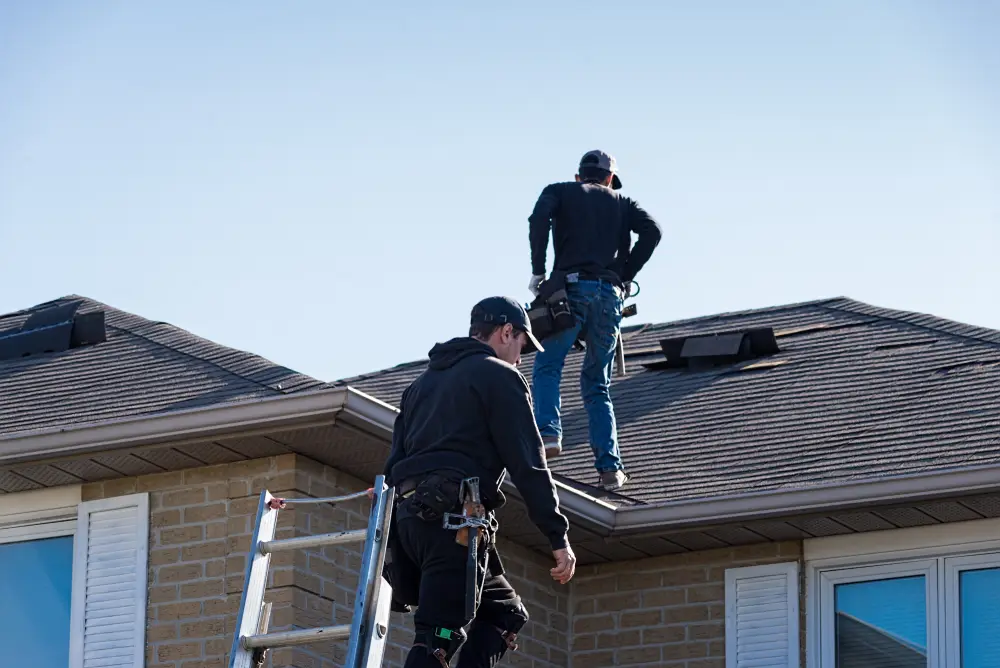
A professional roof inspection is a systematic, multi-point process. It’s far more than a quick glance. At Cola City Roofing, we break it down into key areas to ensure nothing is overlooked. Here’s a look at what our Columbia, SC roof inspectors examine.
Structural integrity checks
The first part of the inspection focuses on the overall structure of your roof. The inspector is looking for signs of stress or aging that could indicate underlying issues. This includes checking for:
- Sagging Rooflines: A sagging or uneven roof deck is a major red flag that could point to problems with the rafters, trusses, or decking itself.
- Signs of Deterioration: The inspector will check the condition of the fascia boards, soffits, and gutters, as rot or damage in these areas can allow water and pests to enter your home.
- Chimney Condition: For homes with chimneys, the inspector examines the masonry for cracks, crumbling mortar, and the condition of the chimney cap.
These structural concerns are often discovered during annual roof inspections in Columbia.
Roof surface and flashing inspection
This is the most detailed part of the exterior assessment. The inspector will safely walk the roof (if conditions permit) to get an up-close look at every component. They are looking for:
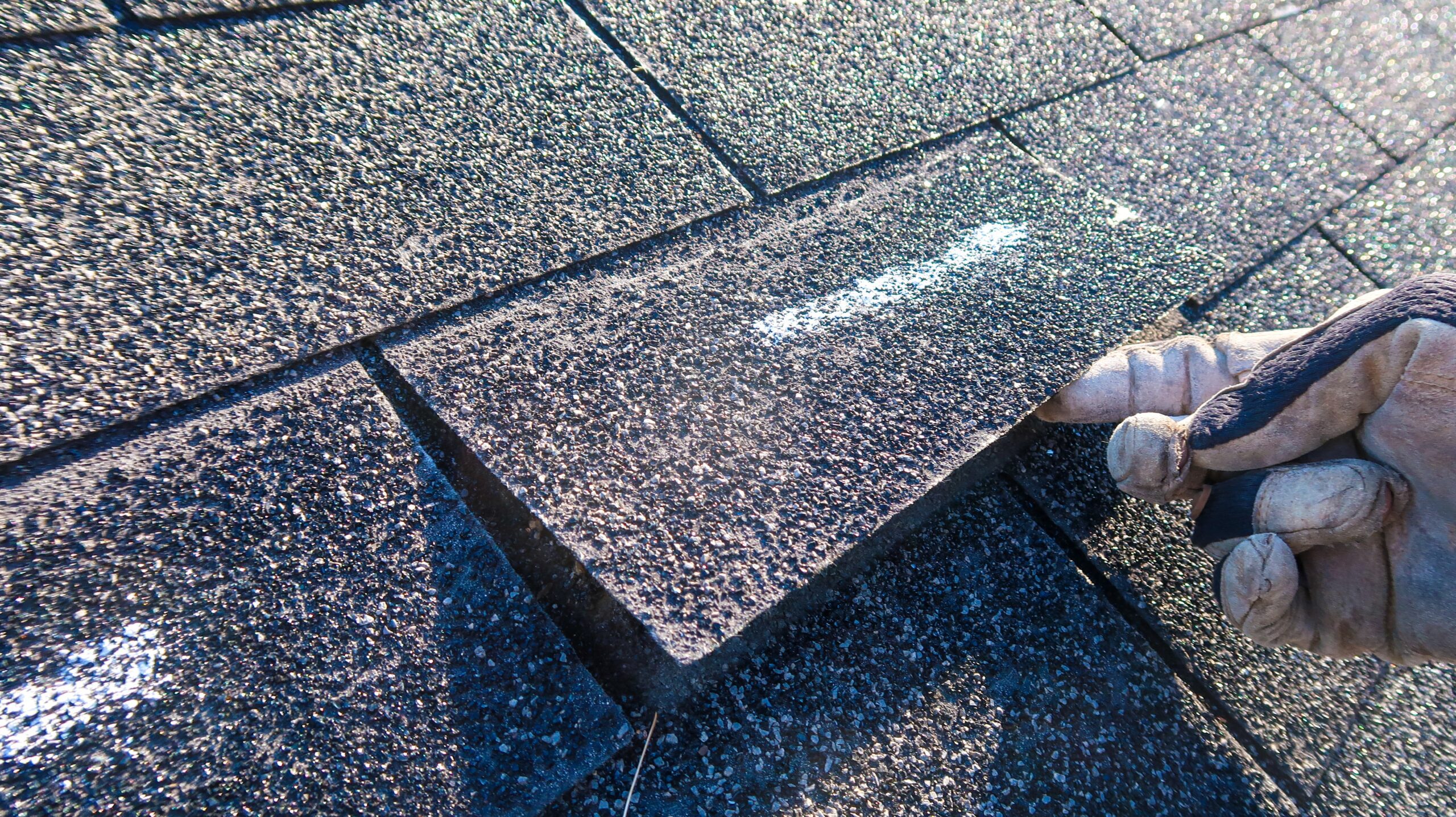
- Shingle Condition: This includes checking for missing, cracked, curled, or blistering shingles. For asphalt shingles, they’ll look for excessive granule loss—those small, sand-like particles that protect the shingle from UV rays.
- Flashing and Seals: Flashing is the metal material installed around vents, chimneys, skylights, and in roof valleys to direct water away. The inspector will check for rust, cracks, or gaps in the sealant around these crucial points, as failed flashing is one of the most common sources of leaks.
- Pipe Boots and Vents: The rubber boots around vent pipes can dry out and crack under the relentless South Carolina sun. The inspector will check these seals to ensure they are pliable and intact.
- Underlayment Exposure: The underlayment is a water-resistant barrier between the shingles and the roof decking. If shingles are missing or damaged, exposing the underlayment, it’s a sign that immediate attention is needed.
Gutters, vents, and drainage review
Proper water management is critical to your roof’s health. The inspection includes a thorough review of your home’s drainage system.
- Gutter and Downspout Health: The inspector checks for clogs from pine straw and leaves, as well as sagging, disconnected sections, or leaks. Clogged gutters can cause water to back up under the shingles, leading to rot in the roof decking.
- Proper Ventilation: A healthy roof needs to breathe. The inspector will check that your attic ventilation system (including ridge, soffit, and gable vents) is clear and functioning. Poor ventilation can trap heat and moisture, which can cook your shingles from the inside out and lead to mold growth.
What Roofers Look for During a Professional Inspection
Beyond the physical components, a professional inspector is trained to see the story your roof is telling. They are looking for patterns of wear that point to specific problems.
For example, a cluster of cracked shingles in one area might indicate a problem with the decking underneath. Dark streaks or algae growth (common in our humid climate) can suggest moisture is being trapped on the roof surface. Granules collecting in your gutters are a clear sign that your shingles are aging and losing their protective layer.
The inspector combines these individual clues to form a complete diagnosis of your roof’s health, much like a doctor uses different symptoms to identify an illness. This holistic view is something only an experienced professional can provide.
Galleries
Latest Projects
Need proof of our skills? Check out our recent roof and gutter work!
Interior vs. Exterior Roof Assessments
A complete roof inspection involves looking at your home from both the inside and the outside.
The exterior assessment is what most people picture: a roofer on the roof checking shingles and flashing. This is where most visible storm damage and age-related wear are found.
The interior assessment, however, is just as critical for uncovering hidden issues. The inspector will need access to your attic to check for:
- Signs of Leaks: This includes water stains, wet insulation, or visible drips on the underside of the roof decking.
- Mold or Mildew: A musty smell or visible mold growth is a sure sign of a long-term moisture problem.
- Inadequate Ventilation: The inspector will check for proper airflow, ensuring that intake and exhaust vents are not blocked.
- Structural Issues: From the attic, it’s easier to spot cracked or rotting rafters and decking.
- Daylight Penetration: On a sunny day, any visible daylight coming through the roof boards indicates a hole that needs to be sealed.
By combining both perspectives, the inspector gets a full 360-degree view of your roofing system’s condition.
Homeowners can also perform basic visual checks between professional visits using a homeowner roof inspection checklist.
How Long Does a Roof Inspection Take?
The time required for a professional roof inspection can vary, but for an average-sized home in the Columbia area, you can typically expect the process to take between 45 and 90 minutes.
Several factors can influence the duration:
- Size and Complexity of the Roof: A large, steep roof with multiple gables, valleys, and skylights will naturally take longer to inspect than a simple, low-slope roof on a small home.
- Accessibility: If the attic is difficult to access or full of stored items, it will take more time to conduct the interior portion of the inspection.
- Condition of the Roof: A roof with extensive damage or multiple problem areas requires more time for thorough documentation.
The inspector should be on-site long enough to be methodical and thorough. A "5-minute inspection" from the driveway is not a professional assessment.
For aging homes, it’s especially important to understand why you should inspect an older roof regularly.
What Happens After the Inspection Is Complete
Once the physical inspection is finished, the process isn’t over. The final steps are all about communication and providing you with a clear, actionable report. A professional roofer won’t just tell you there’s a problem; they will show you.
Documentation and photo reporting
A key part of a modern roof inspection is photo documentation. The inspector will take high-resolution pictures of every area of concern. This creates a visual record of your roof’s condition and helps you see exactly what the inspector is describing. You don’t have to take our word for it—you can see the cracked shingle, the lifted flashing, or the water stain in the attic for yourself.
This photo report is yours to keep. It’s incredibly useful for your own records, for comparing quotes, and for providing proof of pre-storm conditions to your insurance company.
Repair recommendations and cost estimates
After reviewing the findings, the inspector will sit down with you to discuss their recommendations. These recommendations will be prioritized based on urgency:
- Critical Repairs: These are issues that need immediate attention to prevent further damage, such as an active leak or a significant hole.
- Preventive Maintenance: These are recommended repairs for issues that are not yet causing damage but likely will in the near future, like sealing cracked pipe boots.
- Future Planning: This includes an honest assessment of your roof’s remaining lifespan and a general timeline for when you should start budgeting for a replacement.
For any recommended repairs , you will receive a detailed, written cost estimate. This quote will break down the costs for labor and materials, ensuring full transparency. There should be no pressure to sign a contract on the spot. The report and estimate are for you to review and make a decision in your own time.
Protecting your home starts with understanding its condition. A professional roof inspection provides the knowledge and documentation you need to make smart, confident decisions.
If you’re buying or selling a home, a documented inspection plays a critical role in the transaction process.
If you’re ready to get a clear picture of your roof’s health, contact Cola City Roofing today to schedule your complimentary, no-obligation roof inspection. We’ll provide a thorough assessment and a detailed photo report, giving you the peace of mind you deserve.