
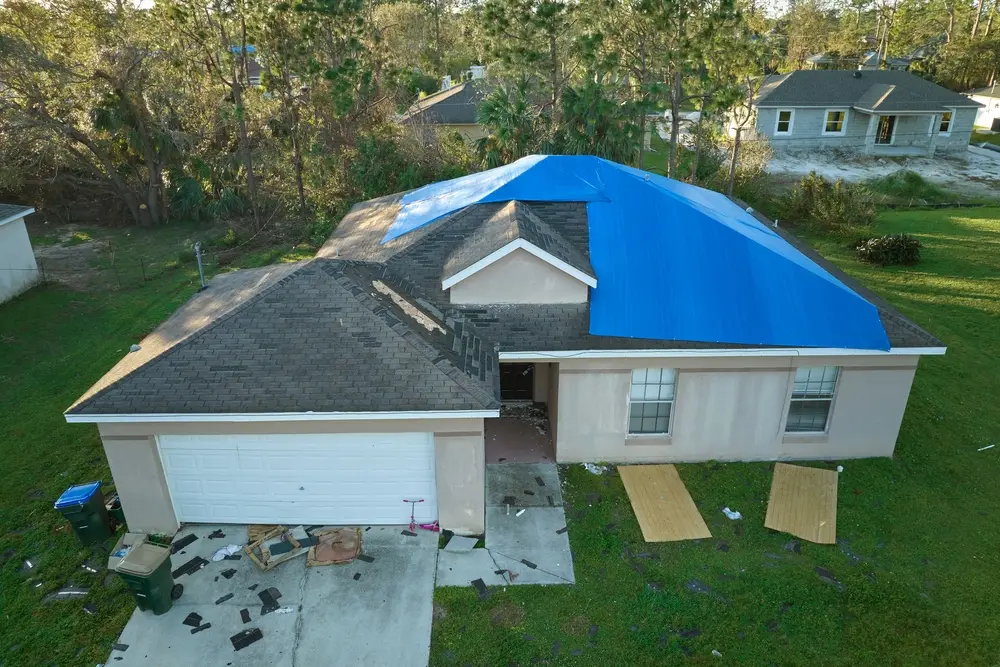
Your roof is the most hard-working part of your home’s exterior. While you sleep, eat, and work, your roof is in a constant battle against the elements. In the Midlands of South Carolina, those elements can be particularly aggressive. From the intense ultraviolet rays of a "Famously Hot" summer to the sudden, violent thunderstorms that sweep across Richland and Lexington Counties, your roof is under constant pressure.
At Cola City Roofing , we believe that the best defense is a good offense. Understanding the types of roof damage that are common in our area is the first step toward protecting your home’s structural integrity and value. This 3,000-word roof damage guide is designed to help you identify identifying roof damage early, understand the causes of common roofing damage , and know when it is time to call in the professionals for a roofing-replacement .
Section 1: UV and High-Temperature Damage (The "Famously Hot" Effect)
In Columbia, SC, heat isn’t just an inconvenience; it is a primary driver of roof degradation. Asphalt shingles are petroleum-based products, and like any oil-based material, they react poorly to extreme heat and radiation.
1.1 Asphalt Degradation
The sun’s UV rays cause the essential oils in asphalt shingles to evaporate. This process, known as "volatilization," makes the shingles brittle. As they lose their flexibility, they become prone to cracking and shrinking. This is why a roof that looks great at year 10 might look completely "burned out" by year 15 in the South Carolina sun.
1.2 Thermal Shock
Columbia often experiences rapid temperature swings—a 98-degree afternoon can be followed by a 70-degree rainstorm in a matter of minutes. This causes "thermal shock." The roofing materials expand in the heat and contract rapidly when cooled. Over thousands of cycles, this stresses the fasteners and causes shingles to "buckle" or "cup." When you are researching the best roofing materials Columbia SC , looking for materials with high thermal stability is essential.
Section 2: Storm and Wind Damage in the Midlands
The Midlands is a frequent target for high-wind events, ranging from summer microbursts to the remnants of coastal hurricanes.
2.1 Shingle Uplift and "Creasing"
Wind doesn’t always rip shingles off entirely. Often, it simply lifts them just enough to break the factory adhesive seal. Once that seal is broken, the shingle "chatter" against the roof, creating a horizontal crease across the top. A creased shingle is a failed shingle, as it no longer provides a watertight barrier. This is a primary focus of our storm damage roof repair in Columbia SC assessments.
2.2 Missing Tabs
When the wind is strong enough, it will tear the "tabs" (the bottom half of the shingle) away. This leaves the underlayment and the nail heads exposed. If you find shingle pieces in your yard after a storm in Lexington or Irmo, your roof is actively failing and needs immediate attention.
2.3 Debris Impact
High winds turn tree branches, patio furniture, and even loose gutter-installation components into projectiles. A single heavy limb hitting your roof can crack shingles, dent metal flashing, or even cause structural rafter damage.
Section 3: Hail Damage – The "Silent Killer"
Hail is arguably the most deceptive form of roof damage. Unlike wind damage, which is often visible from the ground, hail damage usually requires a professional with a ladder or drone to identify.
3.1 Bruising the Mat
When a hailstone hits an asphalt shingle, it creates a "bruise." This isn’t just a surface scuff; it is a fracture of the fiberglass matting inside the shingle. Over time, water seeps into this fracture, freezes and thaws (on rare SC winter nights), and expands the hole until a leak forms.
3.2 Granule Displacement
Shingles are coated with ceramic granules to protect the asphalt from UV rays. Hail knocks these granules off in a circular pattern. Without the granules, the asphalt is exposed and will degrade in a matter of months. If your home features high-quality brands like GAF, Owens Corning, and CertainTeed , they offer higher impact resistance, but even they are not invincible.
Section 4: Moisture, Humidity, and Biological Damage
Columbia’s humidity is legendary, and where there is moisture, there is life—biological life that wants to eat your roof.
4.1 Algae and Black Streaks
Those black streaks you see on roofs in Forest Acres and Shandon are likely Gloeocapsa Magma , a type of cyanobacteria. While it starts as an aesthetic issue, this algae eats the limestone filler in your shingles, eventually weakening them and causing them to hold more heat.
4.2 Moss and Lichen
Moss acts like a sponge, holding water against the shingle for days after a rainstorm. In the humid Midlands, this moisture can lead to wood rot in the decking. If you have heavy tree cover, you are at a higher risk for this type of common roofing damage .
4.3 Wood Rot and Fascia Damage
If your gutters are clogged or improperly installed, water will back up and rot your fascia boards and the edges of your roof deck. This is why we emphasize the importance of gutter repair services as part of a total roof protection plan.
Section 5: Pest-Related Roof Damage
The Midlands is home to a variety of critters that view your roof as a convenient entry point to a warm attic.
5.1 Rodent Entry (Squirrels and Rats)
Squirrels are notorious for chewing on "soft" roofing components. They especially love plumbing vent boots (the rubber seals around pipes). Once they chew through the rubber, water pours directly into your kitchen or bathroom ceiling. They can also chew through the wood at the roof’s edge if it has been softened by moisture.
5.2 Bird and Insect Damage
Woodpeckers can drum holes into fascia boards, while carpenter ants and termites can devastate a roof deck if there is existing moisture damage. A well-maintained roof is your best defense against these pests. Check our about us page to see how our inspections cover these often-missed details.
Section 6: Tree and Debris Damage
Columbia’s beautiful canopy of oaks and pines is a signature of our city, but it comes with a price for your roof.
6.1 Shingle "Scouring"
When tree branches hang over your roof, the wind causes them to rub against the shingles. This acts like sandpaper, scouring away the protective granules and leaving the shingle bald and vulnerable.
6.2 Pine Needle Dams
In areas like Northeast Columbia, pine needles are a major issue. They accumulate in the roof valleys and behind chimneys, creating "dams." These dams trap water, forcing it to move sideways and under the shingles, leading to leaks in areas that would otherwise be dry.
Section 7: Human and Mechanical Damage
Sometimes, the damage to your roof is "man-made."
7.1 Improper Foot Traffic
Walking on a roof in the middle of a hot Columbia day is a recipe for disaster. The shingles are soft, and the granules can be easily scuffed off by work boots. Roof inspections should always be done with care by trained professionals.
7.2 Poor Installation of Accessories
Satellite dishes, skylights, and solar panels can all cause leaks if not flashed correctly. If a dish is bolted directly through the shingles without a proper sealant, it is only a matter of time before a leak develops.
Section 8: Identifying Roof Damage (Inside and Out)
How do you know if your roof is struggling? You need to look for the "symptoms."
8.1 Exterior Signs
- Curling or "Cupped" edges.
- Bald spots (granule loss).
- Cracked or "alligatoring" shingles.
- Dented metal vents or gutters.
- Lichen or moss growth.
8.2 Interior Signs (The Attic Check)
Grab a flashlight and head into your attic during or after a rainstorm. Look for:
- Dark spots or "shimmering" on the wood.
- Damp insulation.
- Light peeking through the boards.
- Musty odors. If you see these, you likely need a roof replacement guide Columbia to help you plan the next steps.
Section 9: Repair vs. Replacement: Making the Call
When we find damage, the next question is always: "Can you just fix it?"
9.1 When to Repair
If the damage is localized (like a single tree limb strike or a cracked pipe boot) and the rest of the roof is under 15 years old, a repair is usually the most cost-effective path. We take pride in our roof-installation-sc standards for repairs as well as replacements.
9.2 When to Replace
If the damage is widespread, if the shingles are brittle and "unrepairable" (meaning they crack when you try to lift them), or if the Columbia SC roof cost 2025 for repairs is more than 30% of a new roof, a full project/roof-replacement is the smarter investment.
Section 10: Professional Inspections and Insurance
Managing roof damage often involves working with your insurance company, especially after a storm.
10.1 The Role of the Estimate
You need to know how to read and understand a roof quote to ensure your insurance adjuster hasn’t missed critical damage. We specialize in providing detailed, insurance-ready estimates that document every dent and scuff.
10.2 Commercial Damage
For business owners, damage can be even more complex. We handle commercial storm damage insurance claims to ensure your business stays protected.
Section 11: Preventing Future Roof Damage
While you can’t stop the sun or the storms, you can prepare your roof for them.
- Tip 1: Trim Your Trees. Keep branches 10 feet away.
- Tip 2: Maintain Your Gutters. Use our gutter-installation and cleaning services.
- Tip 3: Annual Inspections. Catch the "bruise" before it becomes a leak.
- Tip 4: Follow Local Codes. Ensure you have the right homeowner roof permits SC for any major work.