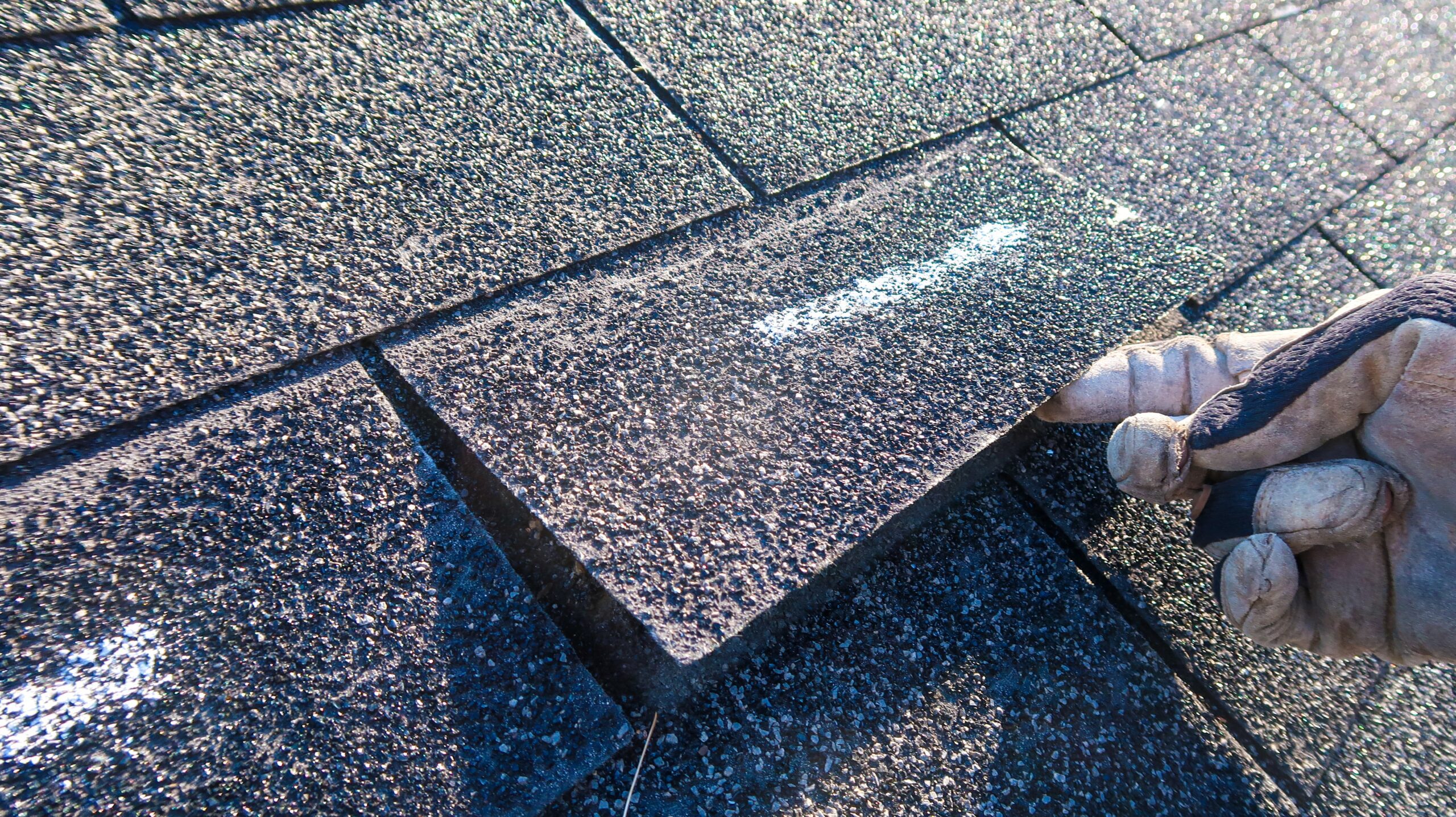

Your roof is your home’s first line of defense against the elements. Here in the Midlands, that means intense summer sun, heavy rains, hurricane season winds, and the occasional surprise winter storm. While a quality roof is built to last, it’s not something you can just set and forget. Regular maintenance is the key to protecting your investment, your home, and your family. Think of it like changing the oil in your car—a small, consistent effort that prevents major, expensive problems down the road. This guide provides a simple yet thorough checklist to help you keep your roof in top condition all year long.
Regular roof care is part of protecting your home with professional residential roofing services in South Carolina designed for long-term performance.
Why Regular Roof Maintenance Matters
Many homeowners only think about their roof when something goes wrong, like a leak appearing in the ceiling after a big thunderstorm. By that point, the damage has already been done. Proactive maintenance is about getting ahead of these issues. It’s the single most effective way to ensure your roof performs its job correctly for its entire expected lifespan.
Extending roof lifespan
A well-maintained asphalt shingle roof can last 20 years or more. However, neglect can cut that lifespan in half. Small issues like cracked sealant, a few loose shingles, or clogged gutters can quickly escalate. When moisture gets trapped, it can lead to rot in the underlying roof deck. Debris can scrape away the protective granules on your shingles. By catching these minor problems early, you prevent the slow, steady decay that leads to premature roof failure, saving you thousands on an early replacement.
Preventing costly repairs
A tiny leak can cause a surprising amount of damage. Water can travel from the entry point on your roof, run along rafters, and soak insulation before it ever shows up as a stain on your living room ceiling. What might have been a simple flashing repair can turn into a project involving drywall replacement, mold remediation, and extensive structural work. A few minutes spent inspecting your roof each month can mean the difference between a minor fix and a major financial headache.
Improving home safety and energy efficiency
Your roof is a critical part of your home’s structural integrity. A compromised roof is a safety hazard, especially during the high winds we see in South Carolina’s storm season. Furthermore, your roof plays a huge role in your home’s energy efficiency. Proper ventilation, intact shingles, and a sound structure help regulate your home’s temperature. A damaged or poorly maintained roof can let hot, humid air seep in, forcing your air conditioner to work overtime and driving up your energy bills.
If you’re unsure what a professional evaluation includes, here’s what happens during a roof inspection in Columbia.
Monthly Roof Maintenance Tasks
Consistency is key. A quick check each month can help you spot developing issues before they become serious. For these tasks, you can often inspect from the ground using binoculars. Safety is the top priority. Never get on a wet, steep, or unstable roof. If you have any doubts, stay on the ground and call a professional .
Inspecting shingles and tiles
From a safe vantage point, scan the entire surface of your roof. Look for any shingles that are cracked, curling at the edges, or buckling. Pay close attention to any that are missing granules—those sand-like particles that protect the shingle from UV rays. You might see these granules collecting in your gutters. Also, check for any shingles that have lifted or are completely missing, which often happens after a strong windstorm. Note the location of any problem spots.
Clearing gutters and downspouts
Your gutters are essential for directing rainwater away from your home’s foundation. When they get clogged with pine straw, leaves, and other debris, water overflows. This can saturate the fascia boards your gutters are attached to, seep back under your shingles, and pour down around your foundation. At least once a month, check that your gutters are clear and that water can flow freely through your downspouts. After a heavy rain, it’s a great time to see if they are working properly or if water is spilling over the sides.
Checking flashing and seals
Flashing is the metal material installed around chimneys, vents, skylights, and in roof valleys. Its job is to create a waterproof barrier in these vulnerable areas. From the ground, look for any flashing that appears rusted, bent, or pulled away from the roof. The sealant used around these fixtures can also crack and degrade over time from sun exposure. If you see dark, cracked, or missing caulk, it’s a sign that the waterproof seal is compromised.
Many homeowners schedule annual roof inspections in Columbia to catch issues before they become costly repairs.
Galleries
Featured Work
Need proof of our skills? Check out our recent roof and gutter work!
Seasonal Roof Maintenance Tasks
The changing seasons in Columbia bring different challenges for your roof. Tailoring your maintenance to the time of year ensures you are prepared for whatever the weather throws at you.
Spring: inspect after winter weather
Winter, even a mild South Carolina one, can be tough on a roof. Once the threat of frost is gone, it’s time for a thorough inspection. Look for any damage caused by winter storms, such as missing shingles or loose flashing from high winds. Check for any signs of moisture intrusion in your attic that may have occurred over the winter months. Spring is the perfect time to address these issues before the heavy spring and summer rains begin.
Summer: monitor for sun damage
The intense summer sun in the Midlands can be brutal. UV rays bake your shingles, causing them to become brittle and lose their protective granules. High temperatures can also cause sealant to break down more quickly. During your summer inspections, pay extra attention to signs of curling or cracking shingles. Also, check your attic to ensure it’s properly ventilated. Poor ventilation can trap extreme heat, essentially cooking your shingles from the inside out and drastically shortening their life.
Fall: clean leaves and debris
As the beautiful fall foliage drops from the trees, it inevitably lands on your roof and in your gutters. A thick layer of wet leaves holds moisture against your shingles, promoting algae and moss growth and accelerating wear. Before winter sets in, it’s crucial to clear all debris from your roof and give your gutters a final, thorough cleaning. This ensures that water can drain properly during winter rains and prevents the formation of damaging ice dams if temperatures drop below freezing.
Winter: check for ice dam risks
While we don’t get a lot of snow in places like Forest Acres or Lexington, a rare ice storm can cause significant problems. Ice dams form when heat escaping from your attic melts snow or ice on the roof. The water runs down to the colder eaves and refreezes, creating a "dam" of ice. Water then backs up behind this dam, seeping under shingles and into your home. The best prevention is a well-insulated and ventilated attic and clean gutters. After a freeze, safely check your eaves for any signs of ice buildup.
Signs You Need Professional Roof Maintenance
Even the most diligent homeowner will eventually need professional help . Certain issues require the tools, expertise, and safety equipment that only a licensed roofing contractor possesses. Here are clear signs that it’s time to call for a professional inspection .
Leaks or water stains
This is the most obvious sign of a roof problem. If you see dark stains, peeling paint, or active drips on your ceilings or walls, you have a leak that needs immediate attention. Water damage happens quickly, and finding the source of a leak can be tricky. A professional roofer can trace the water’s path back to the entry point and perform a lasting repair.
Missing or damaged shingles
While a single missing shingle might seem minor, it exposes the underlayment and roof deck to the elements. This creates a direct path for water to enter your home. If you notice widespread granule loss, extensive cracking or curling, or several missing shingles, it’s a strong indicator that your roof is nearing the end of its life or has sustained significant storm damage.
Sagging or uneven roof surfaces
A sagging roof is a major red flag that points to a serious structural issue. It could mean the underlying decking is rotten and waterlogged, or that there are problems with the supports in your attic. This is not a cosmetic issue—it’s a safety emergency. If you notice any sagging, bowing, or unevenness on your roof, stay off of it and call a professional roofer immediately for an emergency inspection.
These are some of the most common roof inspection warning signs homeowners overlook.
Preventative Maintenance Tips for Homeowners
Beyond your regular checks, a few proactive steps can go a long way in protecting your roof and preventing problems before they start.
Pruning overhanging trees
Large trees are a beautiful part of our Columbia landscape, but overhanging branches pose a significant threat to your roof. They can scrape against shingles during high winds, wearing away the protective granules. They also drop leaves and pine needles that clog gutters. In a severe storm, a falling limb can cause catastrophic damage. Regularly prune branches so they are at least six to ten feet away from your roofline.
Inspecting attic ventilation
Proper attic ventilation is just as important as the shingles on top. A well-ventilated attic allows hot, moist air to escape. In the summer, this prevents heat from building up and damaging your shingles. In the winter, it keeps the roof deck cold, helping to prevent ice dams. Check that your soffit vents and ridge vents are not blocked by insulation, debris, or paint. The airflow should be continuous.
Scheduling professional inspections annually
The best way to ensure your roof’s health is to have it inspected by a professional once a year and after any major weather event. A trained roofer can safely get on your roof and spot subtle signs of damage you might miss from the ground. They can identify potential issues with flashing, sealant, and underlayment, and provide a detailed report on your roof’s condition. This professional assessment gives you peace of mind and a clear plan for any needed repairs.
If you prefer a step-by-step version, use our homeowner roof inspection checklist for Columbia properties.
Galleries
Latest Projects
Need proof of our skills? Check out our recent roof and gutter work!
Maintenance Checklist Summary
Keeping your roof in great shape is manageable when you break it down into simple, repeatable steps. Use this summary as your guide for year-round roof protection.
Printable or downloadable checklist
Monthly Tasks (Inspect from ground):
- Scan for cracked, curling, or missing shingles.
- Check for excessive granule loss in gutters.
- Ensure gutters and downspouts are clear of debris.
- Look for bent, rusted, or loose flashing around chimneys/vents.
Seasonal Tasks:
- Spring: Conduct a thorough post-winter inspection for any wind or moisture damage.
- Summer: Monitor for UV damage and ensure attic vents are clear.
- Fall: Clear all leaves and debris from roof surface and gutters.
- Winter: Check for ice buildup at eaves after freezing weather.
Annual Tasks:
- Trim tree branches back from the roofline.
- Schedule a professional roof inspection.
For a complete overview of what ongoing upkeep should include, see our guide to roof maintenance.
Action steps for homeowners
Your home is your most valuable asset, and your roof is its guardian. Following this maintenance checklist will help you protect that asset for years to come. Don’t wait for a small, manageable issue to become a large, costly disaster.
If you spot any of the warning signs mentioned in this guide, or if you’re due for your annual professional check-up, our team at Cola City Roofing is here to help. We’ll treat your home as if it were our own, providing an honest and thorough assessment.
Contact us today to schedule your complimentary, no-obligation site visit. We’ll help you keep your roof strong, safe, and secure.