
How Long Do Residential Roofs Last in Columbia SC?
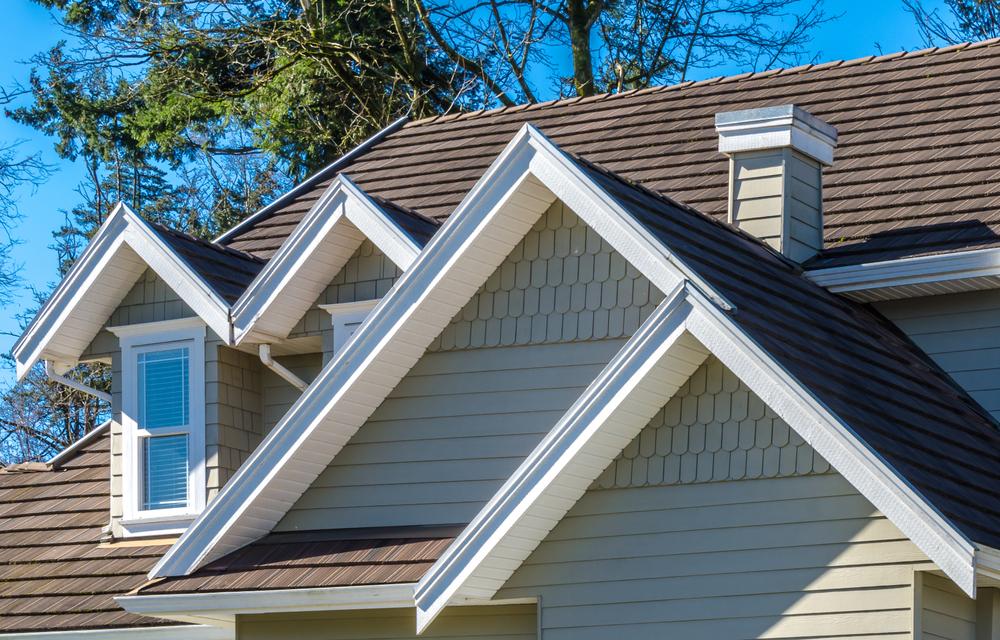
A roof is one of the most significant parts of your home, but it’s also one that’s easy to overlook until a problem appears. As a homeowner in Columbia, you’ve likely wondered, “How long should my roof actually last?” It’s a simple question with a complex answer. The lifespan of your roof depends on everything from the material it’s made of to the quality of its installation and the unique challenges of our South Carolina climate. Understanding your roof’s expected lifespan helps you plan for the future, budget for eventual replacement, and make smart decisions about maintenance and repairs. This guide provides realistic timelines for different roofing materials and explores the key factors that can shorten or extend the life of your roof right here in the Midlands. We’ll give you the knowledge you need to protect your investment and keep your home safe for years to come. Average Lifespan by Roofing Material The material on your roof is the single biggest factor determining its longevity. Each type has a different expected lifespan, especially when facing the intense sun, high humidity, and sudden storms common in our area. Asphalt shingles: 20–30 years Asphalt shingles are the most common roofing material in the United States, and for good reason. They offer a great balance of affordability, durability, and style. There are two main types: 3-Tab Shingles: These are the most basic and affordable option, consisting of a single flat layer. In a climate like ours, you can generally expect a 3-tab shingle roof to last around 15 to 20 years. Architectural Shingles (or Dimensional Shingles): These are a premium type of asphalt shingle, constructed with multiple layers of material laminated together. This thicker, more durable construction gives them a distinctive, textured look and helps them stand up better to wind and weather. In Columbia, an architectural shingle roof typically lasts between 20 and 30 years. The tiny, sand-like particles on asphalt shingles are called granules. They play a vital role in protecting the shingle from UV rays and weather damage. Over time, these granules wear away, which is a key sign that the roof is nearing the end of its life. Metal roofs: 40–70 years Metal roofing has become increasingly popular for its exceptional durability and longevity. While it comes with a higher upfront cost, a metal roof can last two to three times longer than an asphalt shingle roof. Common types include standing-seam metal panels and metal shingles designed to look like traditional materials. Metal roofs are highly resistant to wind, fire, and rot. They also reflect solar heat, which can help reduce your cooling costs during our long, hot summers—a major benefit for any Columbia homeowner. With proper installation, a quality metal roof can easily last from 40 to 70 years, sometimes even longer, with minimal maintenance. Tile and slate roofs: 50+ years Tile and slate roofs represent the pinnacle of durability and beauty, though they are less common in our area due to their high cost and heavy weight, which requires a reinforced roof structure. Tile Roofs (Clay or Concrete): These are extremely resistant to fire, rot, and insects. In a climate without freeze-thaw cycles, concrete and clay tiles can last 50 years or more. However, they can be brittle and may crack if walked on improperly or struck by heavy debris. Slate Roofs: As a natural stone, slate is one of the longest-lasting roofing materials available. It’s not uncommon for a professionally installed slate roof to last 100 years or more. It is impervious to fire and moisture and offers a timeless, elegant appearance. Factors That Affect Roof Longevity Beyond the material itself, several other factors play a crucial role in determining how long your roof will effectively protect your home. Climate, maintenance, and installation quality Climate: The Columbia, SC, climate throws a lot at a roof. The intense summer sun and high UV exposure can bake asphalt shingles, causing them to become brittle. High humidity can encourage the growth of algae and moss, which trap moisture against the roof surface. And, of course, our frequent thunderstorms, high winds, and the occasional tropical system can cause direct physical damage. Maintenance: A roof is not a “set it and forget it” part of your home. A lack of maintenance is one of the fastest ways to shorten its lifespan. Clogged gutters, debris accumulation, and unaddressed minor repairs can all lead to major problems. Installation Quality: This is perhaps the most critical factor of all. A roof made from the best materials will fail prematurely if it isn’t installed correctly. Proper installation ensures that shingles are correctly nailed, flashing is sealed tightly, and the entire system works together to shed water. Choosing a reputable, experienced contractor is the best thing you can do to ensure your roof reaches its maximum potential lifespan. The importance of attic ventilation A hot attic is a roof’s worst enemy. Proper ventilation is essential for regulating the temperature and moisture levels in your attic space. A well-ventilated attic allows hot, moist air to escape, which provides several key benefits: It extends shingle life: In the summer, an unventilated attic can reach extreme temperatures, effectively “cooking” the asphalt shingles from below and accelerating their deterioration. It reduces moisture buildup: In cooler months, warm, moist air from your living space can rise into the attic and condense on the underside of the cold roof deck, leading to rot and mold. It improves energy efficiency: By keeping your attic cooler, your HVAC system doesn’t have to work as hard, saving you money on energy bills. A balanced ventilation system typically includes intake vents (like soffit vents) that allow cool air to enter and exhaust vents (like ridge vents or box vents) that let hot air out. Storm damage and weather exposure Even the best roof can be damaged by a severe storm. High winds can lift and tear off shingles, while hail can leave dents in metal roofs or crack asphalt shingles, compromising their
How to Choose the Right Residential Roofer in Columbia SC

Your roof is the most critical line of defense for your home, protecting your family and everything you own from the elements — which is why choosing experienced roofing services in South Carolina matters more than most homeowners realize. So when it comes time for a repair or a full replacement, choosing the right residential roofer is one of the most important decisions you’ll make as a homeowner. The process can feel overwhelming, with dozens of companies serving the Columbia area. How do you sort through the options to find a contractor you can genuinely trust? This guide is designed to give you a clear, step-by-step framework for vetting and hiring a roofing professional. If you’re still in the early research phase, our broader guide on how to choose the right roofing contractor near you walks through the process in even more detail. We’ll skip the technical jargon and focus on practical advice—what to look for, what to ask, and what to avoid. By the end, you’ll have the confidence to choose a reliable partner who will treat your home with the care it deserves and deliver high-quality work that lasts. Why Hiring a Local Roofing Company Matters You’ve probably seen them after a big storm: trucks with out-of-state license plates rolling into town, promising fast work and great prices. These “storm chasers” may seem convenient, but hiring a truly local company offers protections and advantages that are impossible to overstate. A local roofer isn’t just working in Columbia; they live here, contribute to the community, and build their reputation one project at a time. Faster response and better accountability When you have a roofing emergency, you need help quickly. A local contractor based here in the Midlands can respond much faster than a regional or national company that subcontracts work from a central dispatch. If an issue arises during or after the project, you know exactly who to call. They can’t just pack up and move to the next town. Local accountability means everything. Reputable Columbia roofers depend on word-of-mouth referrals from their neighbors. They have a vested interest in your satisfaction because their name and reputation are on the line with every job they complete. They will be here years from now to stand behind their work, unlike an out-of-town company that becomes impossible to find once their taillights disappear. Knowledge of local codes and weather conditions Roofing isn’t a one-size-fits-all trade. Columbia’s unique climate—with its intense summer heat, high humidity, sudden thunderstorms, and the occasional tropical system—places specific demands on a roofing system. A local roofer understands this. They know which materials perform best in our environment and the proper installation techniques to prevent heat-related damage or leaks from wind-driven rain. Furthermore, they are experts in local building codes and permit requirements for municipalities across Richland and Lexington counties. This knowledge ensures your project is completed correctly and legally, avoiding potential fines or issues with a future home sale. An out-of-state contractor may not be familiar with these specific regulations, putting you at risk. What to Check Before You Hire Once you’ve narrowed your list to a few local contractors, it’s time to do your homework. This due diligence phase is crucial for protecting yourself from liability and ensuring you receive quality work. Never skip these steps, no matter how trustworthy a salesperson seems. License and insurance verification This is the absolute most important step. A professional roofer must carry two types of insurance, and you should ask for proof of both. General Liability Insurance: This protects your property. If the contractor accidentally causes damage to your siding, windows, or landscaping during the project, their liability insurance covers the repairs. Without it, you could be left to pay for their mistakes. Workers’ Compensation Insurance: This protects you from being sued if a worker is injured on your property. If a roofing company doesn’t have workers’ comp, you could be held financially responsible for medical bills and lost wages of anyone hurt on the job. Always ask for a copy of their insurance certificates and verify that the policies are current. You can even call the insurance provider listed on the certificate to confirm coverage. Also, ensure the company holds the proper state and local licenses to perform roofing work in South Carolina. Reviews and reputation in Columbia SC A roofer’s reputation is built over years of consistent, quality work. Look for reviews and testimonials from homeowners right here in the Columbia area, especially detailed roofing reviews in Columbia SC that highlight communication, timelines, and follow-through. Check Online Reviews: Look at Google, the Better Business Bureau (BBB), and other third-party review sites. Don’t just look at the star rating; read the actual reviews. Look for patterns in the comments. Do customers consistently praise their communication, professionalism, and cleanup process? How does the company respond to negative feedback? Ask for Local References: A confident roofer will be happy to provide you with a list of recent local projects. Take the time to call a few of these references and ask about their experience. Better yet, drive by the homes to see the quality of the work for yourself. Warranty terms and workmanship guarantees Roofing warranties come in two parts, and it’s critical to understand the difference. Manufacturer’s Warranty: This covers the physical roofing materials (the shingles, underlayment, etc.) against defects. The length and terms vary by product. Your roofer should explain these options to you. Workmanship Warranty (or Guarantee): This is provided by the roofing contractor and covers the installation itself. Most roofing failures are due to improper installation, not defective materials. This warranty is a promise from your roofer to fix any leaks or issues that arise from their labor. Ask for the workmanship warranty in writing. A one- or two-year warranty is standard, but some of the best companies offer longer terms because they are confident in their work. A strong workmanship guarantee is a sign of a roofer who stands behind their quality.
Residential vs. Commercial Roofing: What Columbia Homeowners Should Know
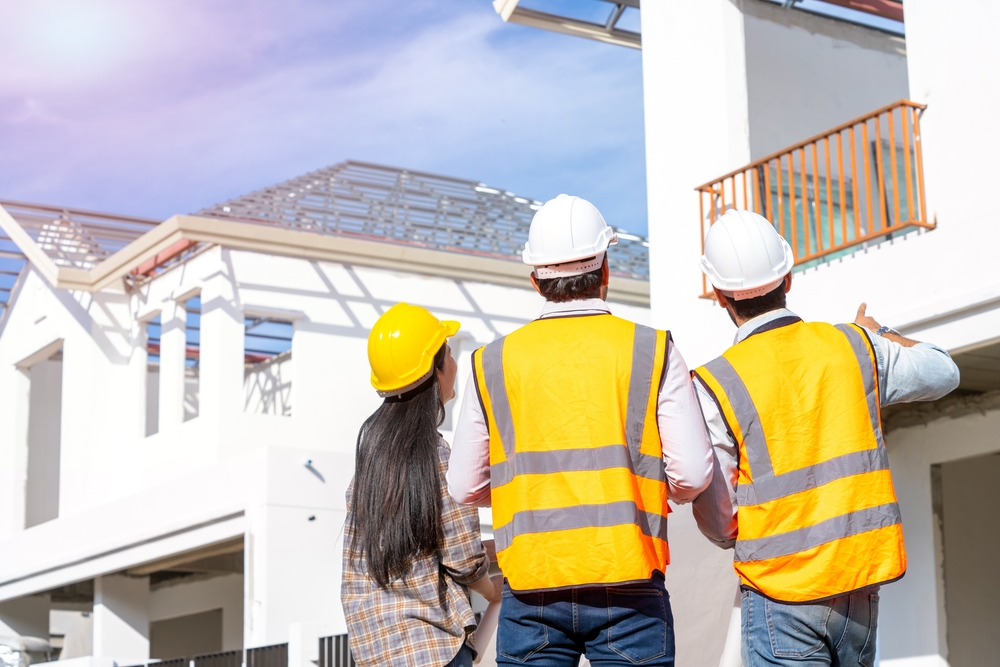
When it’s time to repair or replace your roof, you might think any roofer can handle the job. After all, a roof is a roof, right? Not exactly. The world of roofing is split into two distinct specialties: residential and commercial. While they both provide shelter, the design, materials, and skills required for each are vastly different. Choosing a contractor who specializes in one but works on the other can lead to costly mistakes, voided warranties, and a final product that doesn’t meet your needs. For homeowners in Columbia, understanding these differences is key to making an informed decision and protecting your most valuable asset. A commercial roofer who spends their days on vast, flat warehouse roofs might not have the nuanced skills needed for the steep slopes, complex angles, and aesthetic details of a home. This guide will break down the essential distinctions between residential and commercial roofing. We’ll explore why your home’s roof requires a specialized approach and help you understand what to look for in a contractor. Our goal is to give you the confidence to choose a true residential expert who will treat your home with the care it deserves. Understanding the Key Differences At first glance, the main difference seems obvious: one is for houses, the other for businesses. But the distinctions go much deeper, influencing everything from the architectural design to the tools used for installation. Roofing design and slope The most significant difference between residential and commercial roofing is the slope, or pitch. Residential Roofs: Most homes have steeply sloped roofs. This design is not just for looks; it’s highly functional, designed to shed water and snow quickly. The steep pitch creates a complex system of peaks, valleys, dormers, and hips that all need to be expertly flashed and sealed to prevent leaks. Residential roofs also have numerous penetrations like plumbing vents, attic fans, skylights, and chimneys that require precise, detailed work. Commercial Roofs: Commercial buildings, like warehouses, shopping centers, and office buildings, typically feature low-slope or completely flat roofs. Their vast surface area makes a steep slope impractical and expensive. Instead, they rely on complex internal drainage systems, scuppers, and parapet walls to manage water flow. The primary challenge here is preventing pooling water, not shedding it quickly. The skills needed to manage water on a flat surface are completely different from those needed to navigate the intricate geometry of a sloped residential roof. Materials and installation methods The design of the roof dictates the materials used. The materials appropriate for a sloped home roof would fail on a flat commercial one, and vice versa. Residential Materials: Homeowners have a wide array of aesthetic options designed for sloped surfaces. These include: Installation involves mechanically fastening these materials in overlapping layers, starting from the bottom and working up, using the roof’s slope and gravity to create a watertight barrier. Asphalt Shingles: The most common choice in the U.S., offering a balance of cost, durability, and style. Architectural Shingles: A thicker, more durable version of standard asphalt shingles with a dimensional look. Metal Roofing: Standing-seam or metal panels are increasingly popular for their longevity and modern aesthetic. Tile or Slate: Premium options known for their beauty and very long lifespans. Commercial Materials: For low-slope roofs, the goal is to create a single, seamless, waterproof membrane. Common materials include: These materials are rolled out in large sheets and sealed at the seams using heat welding, adhesives, or specialized tapes to create an impenetrable surface. The installation is more about chemical bonding and waterproofing a flat plane than the mechanical fastening of individual shingles. TPO (Thermoplastic Olefin): A single-ply white membrane that reflects heat, improving energy efficiency. EPDM (Ethylene Propylene Diene Monomer): A durable synthetic rubber membrane, often black. Modified Bitumen: An asphalt-based system applied in layers, often with a torch or adhesive. Maintenance requirements The maintenance needs for each roof type are as different as their construction. Residential Maintenance: For Columbia homeowners, maintenance often involves seasonal checkups. This includes clearing pine needles and leaves from gutters and valleys, checking for damaged or missing shingles after a storm, and ensuring flashing around chimneys and vents is secure. The primary concerns are physical damage from weather and debris buildup that can cause water to back up. Commercial Maintenance: A commercial roof requires a proactive preventative maintenance program. Because a single small leak can damage huge areas and valuable inventory below, inspections focus on the integrity of the membrane. This means checking seams for any signs of separation, inspecting drains for clogs, and looking for punctures or blisters in the membrane itself. It is a much more technical and systematic process. Why Residential Roofs Require a Specialized Approach Working on your home is a personal and often emotional process. A residential roofing specialist understands this and brings a different mindset to the job. Their process is tailored not just to the structure of a house but also to the needs of the family living inside it. Structural differences in homes vs. buildings The underlying structure of a home is fundamentally different from that of a large commercial building. Residential Structures: Homes are typically built with wood-frame construction. The roof decking is usually plywood or OSB, designed to support the weight of shingles and the occasional foot traffic of a roofer. The ventilation systems for residential attics are also unique, designed to prevent heat and moisture buildup that can destroy the roof from the inside out, a major factor in our humid Columbia climate. A roofer must understand how to install a balanced ventilation system to ensure a long roof life. Commercial Structures: These buildings often use steel girders and concrete decking to support the roof. The weight loads are massive, designed to hold not just the roofing material but also large HVAC units, pipes, and other heavy equipment. Ventilation is handled by the building’s mechanical systems, not passive attic vents. A contractor unfamiliar with wood-frame construction could easily damage the decking or fail to install proper
The Most Common Roofing Materials for Homes in Columbia SC
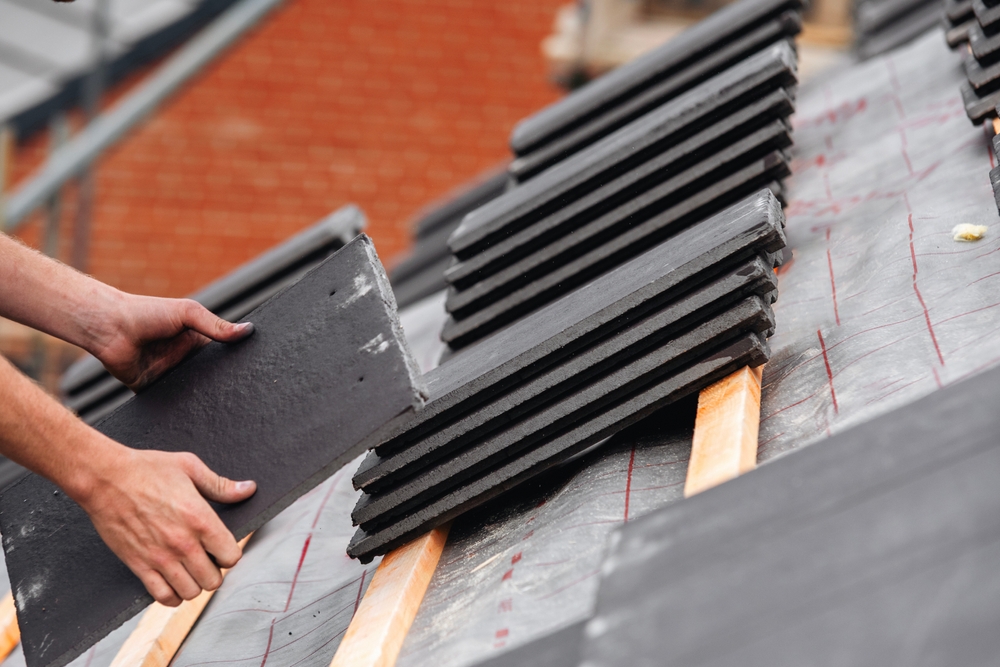
Choosing a new roof for your home is a major decision. It’s an important part of evaluating your overall residential roofing services in South Carolina, especially when factoring in durability and storm performance. It’s not just about stopping leaks; it’s about selecting a material that can protect your family, enhance your home’s curb appeal, and stand up to the unique weather challenges we face here in Columbia, South Carolina. From the intense summer sun and high humidity to sudden thunderstorms and falling pine limbs, your roof has a tough job to do. But with so many options available, how do you know which one is right for you? Asphalt shingles, metal, tile—each has its own set of benefits, costs, and lifespans. This guide is designed to break down the most common roofing materials for homes in Columbia, SC. We’ll explain the pros and cons of each in plain language, helping you understand how factors like budget, durability, and our local climate play a role in making the best choice for your home. How to Choose the Right Roofing Material for Your Home Selecting the right material goes beyond just picking a color. A thoughtful decision today can save you money and headaches for decades to come. To make a confident choice, you need to balance three key elements: your budget, the material’s expected lifespan, and how it will perform in our local climate. Factors to consider: budget, lifespan, and climate These three factors are interconnected, and understanding their trade-offs is the first step toward finding the perfect roof. Budget: This is often the starting point for most homeowners. Roofing materials vary widely in price, from affordable asphalt shingles to premium slate or tile. Your budget includes not just the material itself but also the cost of professional installation, which can differ based on the complexity of the job. It’s important to think about both the upfront cost and the long-term value. Lifespan: A roof’s lifespan is the estimated number of years it will last before needing a replacement. A cheaper material might only last 15-20 years, while a more expensive option could last 50 years or more. A longer lifespan often means a higher initial investment but a lower overall cost of ownership because you won’t have to replace it as frequently. Climate: Our Midlands climate is a critical factor. Materials need to withstand high humidity, resist algae and moss growth, endure intense ultraviolet (UV) exposure from the sun, and stand up to heavy rain and wind from seasonal storms. A material that performs well in a dry, cool climate might not be the best fit for Columbia. How Midlands weather affects your roof material choice Let’s get specific about what our roofs endure here in Columbia. Understanding these challenges will help you see why certain materials are more popular than others. Intense Heat and UV Rays: The relentless summer sun can cause some materials to crack, fade, or degrade over time. Lighter-colored and reflective materials can help by reducing solar heat gain, which is the amount of heat your home absorbs from the sun. This not only protects the roof but can also lower your air conditioning bills. High Humidity and Rain: Moisture is a constant threat. High humidity can promote the growth of algae (which causes those ugly black streaks) and moss (which can trap water and damage shingles). Materials with built-in algae resistance or non-porous surfaces are highly beneficial here. Proper ventilation and underlayment are also crucial to prevent moisture from getting trapped. Severe Thunderstorms and Wind: We are no strangers to strong storms that bring high winds and torrential rain. Your roofing material needs to have strong wind resistance to prevent shingles or panels from being lifted or torn off. Impact resistance is another feature to consider, especially in areas with heavy tree coverage where falling limbs are a risk. Popular Roofing Materials Explained Now that we know what to look for, let’s dive into the specifics of the most popular roofing materials you’ll see on homes across the Columbia area. Asphalt shingles: affordable and versatile Asphalt shingles are, by far, the most common roofing material in the United States, and for good reason. They offer a fantastic balance of performance, affordability, and aesthetic versatility, making them a great fit for a wide range of home styles. There are two main types: traditional 3-tab shingles, which have a flat, uniform look, and architectural (or dimensional) shingles, which are thicker and have a more varied, textured appearance that mimics the look of wood shakes. Pros: Affordability: They are the most budget-friendly option, making them accessible to most homeowners. Versatility: They come in a vast array of colors and styles, making it easy to match your home’s aesthetic. Ease of Installation: Most roofing contractors are experts at installing them, which can help keep labor costs down. Many architectural shingles also offer good wind resistance and algae-resistant coatings. Cons: Shorter Lifespan: Asphalt shingles have the shortest lifespan of the common materials, typically lasting 15 to 25 years. Vulnerability to Damage: They can be damaged by high winds and hail. The intense South Carolina sun can also cause them to become brittle over time. Best for: Homeowners looking for a reliable, cost-effective solution with plenty of design options. They are a practical choice for most homes in our area. If you’re comparing durability in severe weather, see our breakdown of shingle versus metal roofs in storms. Metal roofing: energy-efficient and durable Once seen only on commercial buildings or barns, metal roofing has become increasingly popular for residential homes. Available in panels or shingles that can mimic the look of other materials, metal roofs are known for their exceptional durability and energy efficiency. Common types include steel, aluminum, and copper. Pros: Exceptional Lifespan: A metal roof can last 40 to 70 years or even longer, often for as long as you own your home. Durability: Metal is highly resistant to wind, fire, and rot. It will not be damaged
Residential Roofing Contractors: What Columbia SC Homeowners Should Know Before Hiring
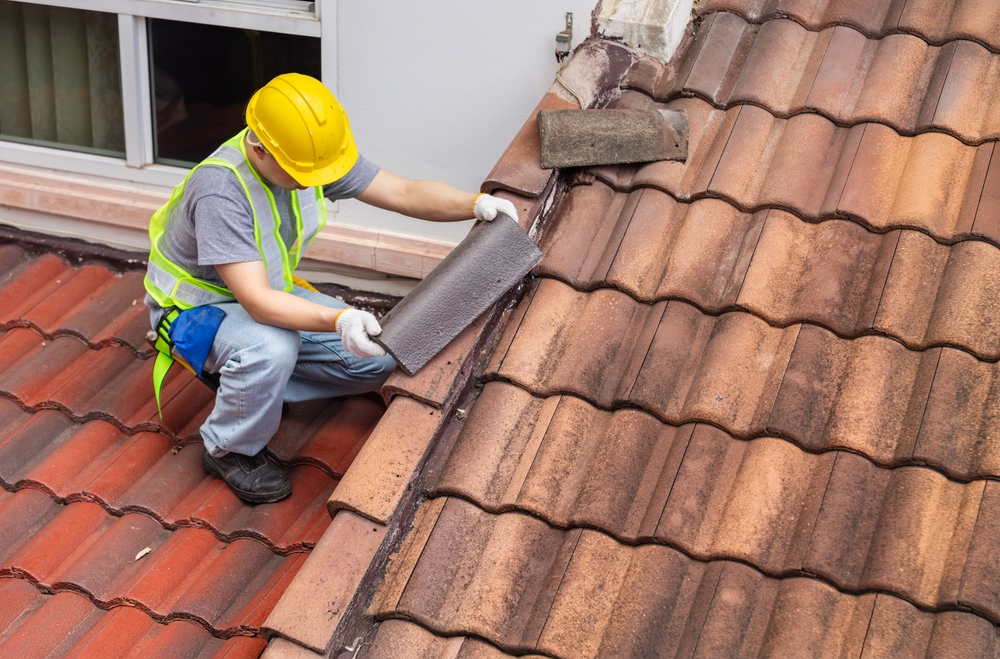
Your roof is the most important shield your home has against the elements. It stands up to the intense Columbia summer sun, sudden thunderstorms, and the occasional tropical system that rolls through the Midlands. When it’s time for a repair or a full replacement, the contractor you hire is just as important as the materials you choose. The right partner ensures the job is done correctly, protecting your home for decades, while the wrong one can lead to costly mistakes and endless frustration. This guide is designed to empower you as a homeowner. We’ll walk you through everything you need to know before hiring a residential roofing contractor in the Columbia, SC area. From understanding what a roofer actually does to knowing which questions to ask before signing a contract, you’ll gain the confidence to make a smart, informed decision. Our goal is to demystify the process, so you can find a trustworthy expert who will treat your home as if it were their own. Why Choosing the Right Residential Roofing Contractor Matters Selecting a roofer can feel overwhelming, but taking the time to vet your options is one of the most critical decisions you’ll make as a homeowner. It’s about more than just getting shingles on a roof; it’s about safeguarding your investment and ensuring your family’s safety. The risks of hiring an unqualified roofer Hiring an unlicensed or inexperienced roofer can lead to a cascade of problems. A low bid might seem tempting, but it often comes with hidden costs. Some common risks include: Improper Installation: Cutting corners on installation can void manufacturer warranties and lead to premature roof failure, leaks, and water damage. Lack of Insurance: If an uninsured worker is injured on your property, you could be held liable for their medical expenses. A lack of general liability insurance means any damage to your property during the project comes out of your pocket. Substandard Materials: Unqualified contractors may use lower-grade materials to cut costs, which can’t withstand the South Carolina climate, leading to early deterioration. No Warranty: “Chuck-in-a-truck” roofers often disappear after the job is done, leaving you with no one to call when problems arise. How professional roofers protect your home’s long-term value A professional residential roofing contractor does more than just install a roof. They install a complete roofing system designed to work together. This includes proper ventilation to fight attic heat, an ice and water shield to protect vulnerable areas, and secure flashing to prevent leaks around chimneys and vents. This attention to detail protects your home’s structural integrity, improves energy efficiency, and boosts its curb appeal and resale value. What Residential Roofing Contractors Actually Do The job of a residential roofing contractor extends far beyond simply nailing down shingles. A professional team manages the entire lifecycle of your roof, ensuring it remains a durable and effective barrier. Roof inspections, repairs, and full replacements This is the core of a roofer’s work. Inspections: A thorough roof inspection involves assessing the condition of shingles, flashing, underlayment, and ventilation. A professional provides a detailed report with photos to show you exactly what’s going on up there. Repairs: For isolated damage, like a few missing shingles or a small leak, a targeted repair can extend your roof’s life without the cost of a full replacement. Replacements: When a roof reaches the end of its lifespan or sustains major damage, a full replacement is necessary. This involves tearing off the old materials, inspecting the underlying roof deck for rot, and installing a brand-new, integrated roofing system. Working with insurance claims and storm damage Here in the Midlands, storm damage is a common reality. An experienced local contractor can be your most valuable advocate during the insurance claims process. They know what to look for after a hailstorm or high winds, can meet with the insurance adjuster on-site to point out damage, and provide the detailed documentation needed to support your claim. This expertise helps ensure you get the full coverage you’re entitled to. Maintenance services that extend roof life Proactive maintenance is the best way to maximize your roof’s lifespan and prevent costly emergencies. Many contractors offer maintenance plans or services that include: Gutter cleaning to prevent water backup. Removing debris like pine straw and leaves that trap moisture. Inspecting and sealing flashing around vents and chimneys. Soft washing to safely remove damaging algae and moss. What to Look For When Hiring a Roofing Contractor With a clear understanding of what a roofer does, you can now focus on how to identify a great one. Vetting a contractor comes down to verifying their credentials, checking their track record, and ensuring their processes are transparent. Licensing, insurance, and certifications This is non-negotiable. Before you even consider a bid, confirm the contractor has: State Licensing: In South Carolina, a residential roofer must be licensed. You can verify a license through the SC Department of Labor, Licensing and Regulation (LLR). General Liability Insurance: This protects your property from damage during the project. Ask for a certificate of insurance. Workers’ Compensation Insurance: This covers the contractor’s employees if they are injured on your property. Without it, you could be financially responsible. Manufacturer Certifications: Top contractors often have certifications from leading manufacturers (like GAF or CertainTeed). This shows they’ve been trained on best installation practices and may be able to offer enhanced warranties. Local experience and customer reviews A contractor with deep roots in the Columbia area offers invaluable experience. They understand the local climate, building codes, and common roofing challenges specific to our neighborhoods. Look for a company with a physical office address, not just a P.O. box. Check online reviews on Google, the Better Business Bureau (BBB), and other platforms. Don’t just look at the star rating; read the comments. Look for patterns related to communication, cleanup, professionalism, and how the company handles problems when they arise. Written estimates and clear warranties Never accept a verbal quote. A professional contractor will provide a detailed, written proposal that
Roofing Awards and Certifications Columbia Homeowners Should Know
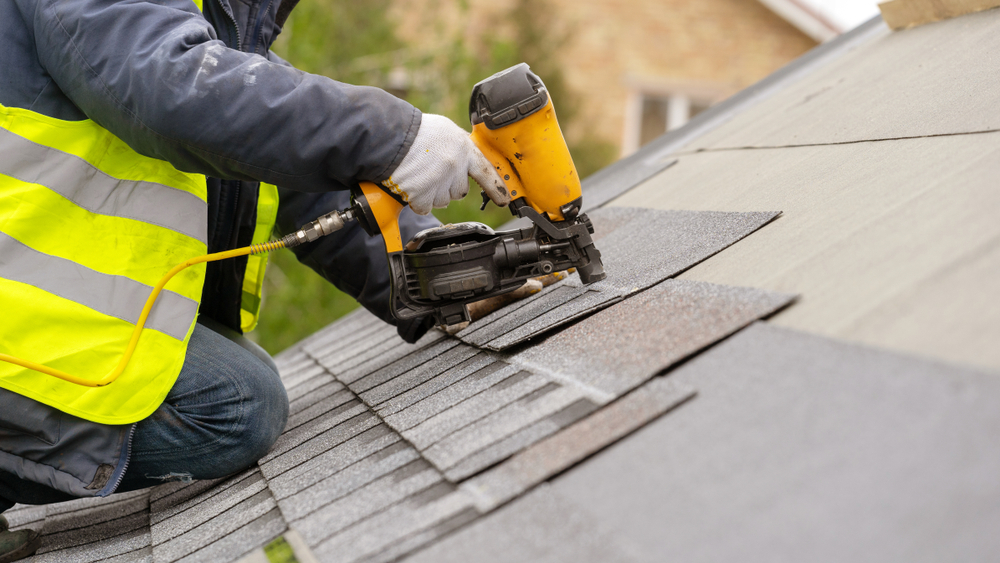
Choosing a roofing contractor is a big decision, especially when evaluating roofing services in South Carolina for your home. Your roof is your home’s most critical line of defense, so you want to be sure the company you hire is skilled, reliable, and trustworthy. But with so many options out there, how can you tell the pros from the pretenders? While online reviews and personal recommendations are great, professional awards and certifications provide another layer of assurance. These credentials aren’t just fancy badges for a roofer’s truck — they’re part of what makes a roofing company reputable in Columbia, SC. They are important indicators of a company’s commitment to quality, training, and customer satisfaction. This guide will help you understand what the most common roofing certifications and local awards really mean, how to verify them, and how to use them to choose the best roofer for your Columbia home. If you’re still comparing contractors, our guide on how to choose the right residential roofer in Columbia SC walks through the full vetting process step by step. Why Roofing Certifications and Awards Matter When a company invests the time and money to earn a special certification or is recognized by its community, it says a lot about its values. These credentials act as a third-party endorsement of a roofer’s skills and business practices. How Credentials Reflect Professional Standards Earning a top-tier certification isn’t easy. It often requires a company to prove it is properly licensed and insured, has a history of financial stability, and is committed to ongoing training for its team. This process filters out contractors who may not have a long-term commitment to their trade or community. A certified roofer has voluntarily put their business under a microscope and met a higher standard. Why Certified Roofers Deliver Consistent Results Manufacturer certifications, in particular, mean that a roofing team has been specifically trained to install a certain brand of products according to the manufacturer’s exact standards. This is incredibly important for two reasons: Performance: A roof is a complex system. When installed correctly, it performs as designed. Improper installation can lead to premature failure, leaks, and other issues, regardless of how good the materials are. Warranty Protection: Many top-tier manufacturer warranties are only valid if the roof is installed by a certified contractor. If you hire an uncertified roofer, you could unknowingly void the warranty on your expensive new shingles, leaving you with no recourse if problems arise. Awards as a Marker of Community Trust While certifications often focus on technical skill, local awards reflect a company’s reputation within the community. Awards like “Best of Columbia” are typically decided by public vote. We break down how those recognitions compare in our review of top-rated roofers in Columbia. When hundreds of your neighbors take the time to vote for a specific roofing company, it’s a powerful testament to their positive experiences. It shows the company consistently delivers on its promises, communicates effectively, and provides excellent customer service. Top Roofing Certifications to Look For Not all certifications are created equal. Some are simple online quizzes, while others involve rigorous vetting. Here are some of the most respected manufacturer certifications in the roofing industry that signify a contractor’s commitment to excellence. GAF Master Elite and Owens Corning Preferred Contractor GAF and Owens Corning are two of the largest and most well-known roofing material manufacturers in North America. Their top-level certification programs are highly respected and difficult to achieve. GAF Master Elite Contractor: This is GAF’s highest credential. Only about 2% of all roofing contractors in the country qualify for this status. To be eligible, a roofer must be fully licensed and insured, have a proven reputation for quality service, and be committed to ongoing professional training. This certification allows the contractor to offer GAF’s best warranties, including the Golden Pledge warranty, which covers both materials and workmanship. Owens Corning Preferred Contractor: This is part of a network of top-tier roofing professionals selected for their commitment to service, reliability, and craftsmanship. Contractors must meet strict standards, including carrying all necessary insurance, having a positive business rating, and passing a careful installation workmanship inspection. Being a Preferred Contractor allows a roofer to offer Owens Corning’s extended warranty coverage. CertainTeed SELECT ShingleMaster Program CertainTeed is another major manufacturer with a highly coveted certification program. The SELECT ShingleMaster (SSM) is their top-level credential for residential roofing. To earn this status, a company must have been in business for at least five years and employ a team with proven expertise in shingle installation. All job supervisors and at least half of the installation crew must be certified as Master Shingle Applicators. An SSM must also carry worker’s compensation and liability insurance. This certification gives homeowners access to CertainTeed’s strongest SureStart PLUS extended warranty coverage. Local and State Licensing Requirements Beyond manufacturer programs, the most basic credential any roofer must have is a proper license. In South Carolina, a residential roofer must be licensed by the Residential Builders Commission. This ensures the contractor has met minimum requirements for business practices and technical knowledge. What is a license? A license is a mandatory government requirement to perform work legally. What is a certification? A certification is a voluntary credential from a private organization (like a manufacturer) that indicates a higher level of training or specialization. Always ask for a roofer’s license number and verify it is active. A licensed roofer in Columbia, SC, is accountable to the state, providing you with a fundamental level of protection. Local Awards That Signal Quality in Columbia SC Local awards provide a snapshot of a company’s reputation right here in the Midlands. They show that a roofer is not just technically proficient but also respected by the people they serve every day. “Best of Columbia” or “Midlands Choice” Recognition Many local media outlets, like The State newspaper or the Free Times, run annual “Best Of” contests. These are typically decided by public nominations and voting. When a roofing company consistently
Roofing Warranties: What the Best Columbia SC Roofers Offer

Getting a new roof is a major decision and a significant investment in your home. It’s the shield that protects your family and property from Columbia’s intense summer sun, sudden thunderstorms, and seasonal hail. While you’ll see the quality materials and professional installation right away, what protects your investment for years to come? The answer lies in the warranty. A good warranty is more than just a piece of paper; it’s a promise. It’s a roofer’s commitment to quality and a manufacturer’s confidence in their product. However, not all warranties are created equal, and the details can be confusing. This guide will demystify roofing warranties for you. We’ll explain the different types, what they cover, and what to look for when choosing a contractor. Understanding your warranty is the key to having long-term peace of mind long after the work is done. Why Roofing Warranties Are So Important A warranty provides a crucial safety net for your investment. It’s a formal agreement that protects you if materials fail prematurely or if the installation wasn’t done correctly. Without a solid warranty, you could be left paying for expensive repairs out of pocket. How Warranties Protect Homeowners from Future Costs Imagine paying for a full roof replacement, only to have a section fail just a few years later. If a material defect or an installation error is to blame, a warranty ensures that the cost of fixing it doesn’t fall on you. This protection can save you thousands of dollars in unexpected expenses, turning a potential financial disaster into a manageable service call. It’s your primary defense against unforeseen problems. Why Reliable Roofers Stand Behind Their Work A roofer who is confident in their skill and the materials they use will have no hesitation in offering a strong warranty. It’s a sign of professionalism and accountability. Reputable contractors know that their long-term success depends on their reputation, and a solid workmanship warranty shows they are committed to quality and willing to stand behind their projects. It tells you they’re not just here for a quick job; they’re here to build a lasting relationship based on trust. The Link Between Quality Installation and Warranty Coverage Even the best roofing materials in the world will fail if they aren’t installed correctly. Manufacturers know this, which is why their best warranties are often only available through certified installers. These contractors have been factory-trained to install products according to the manufacturer’s exact specifications. This precise installation minimizes the risk of leaks, blow-offs, and other issues, ensuring the roof performs as designed and that your warranty remains valid. A quality installation is the foundation of a reliable warranty. Types of Roofing Warranties Explained Roofing coverage typically comes in two main parts: one for the materials and one for the labor. It’s essential to understand both. Manufacturer (Material) Warranties This warranty comes directly from the company that made the shingles, underlayment, and other roofing components. It covers defects in the materials themselves. For example, if a batch of shingles was produced with a flaw that causes them to crack or lose their protective granules prematurely, this warranty would cover the cost of the replacement materials. Prorated vs. Non-Prorated: Many basic material warranties are prorated, meaning their coverage value decreases over time. A non-prorated period, often found in better warranties, offers full replacement value for a set number of years before the prorated schedule kicks in. “Lifetime” Warranties: The term “lifetime” can be misleading. It usually refers to the length of time the original homeowner owns the house, and it is almost always prorated after an initial period. It does not mean the roof is guaranteed to last for your entire life. Workmanship or Labor Warranties This warranty is offered by your roofing contractor and covers the installation itself. If a leak occurs due to a mistake made during installation—like improperly installed flashing or poorly fastened shingles—the workmanship warranty covers the cost of the labor, materials, and damage required to fix the error. The length of a workmanship warranty is a strong indicator of a contractor’s confidence in their crew’s skills. These can range from just a couple of years to a lifetime guarantee. Extended and Transferable Warranties Top-tier manufacturers often offer extended warranties that bundle material and workmanship coverage under a single, more robust plan. These premium warranties are typically only available through certified contractors and may cover both the replacement materials and 100% of the labor costs for an extended period. A transferable roof warranty is a valuable feature if you plan to sell your home. It allows you to transfer the remaining warranty coverage to the new owner. This can be a powerful selling point, giving potential buyers the same peace of mind you have. Be sure to check the details, as some warranties allow for one transfer, while others have specific procedures or small fees to complete the process. What’s Covered and What’s Not Every warranty has limitations. Knowing what is and isn’t covered is crucial to avoid surprises down the line. Common Warranty Inclusions and Exclusions Typically Included: Manufacturing defects that cause shingles to fail within the warranty period. Leaks caused by improper installation (covered by the workmanship warranty). Wind damage up to a specified speed (e.g., 130 mph), provided the shingles were installed correctly. Common Exclusions: Damage from “acts of God” like tornadoes, hurricanes, or unusually severe hailstorms. This is what your homeowner’s insurance is for. Damage caused by falling trees or flying debris. Leaks caused by other components, like a failing satellite dish mount that someone else installed. Damage resulting from a lack of routine maintenance. Alterations made to the roof by another contractor after the initial installation. How Maintenance Affects Your Coverage Most roofing warranties require you to perform reasonable maintenance. Neglecting your roof can void your coverage. This doesn’t mean you need to be a roofing expert, but it does mean taking simple steps like: Keeping gutters clean so water can drain properly. Removing leaves and
The Difference Between Value and Price in Roofing Services
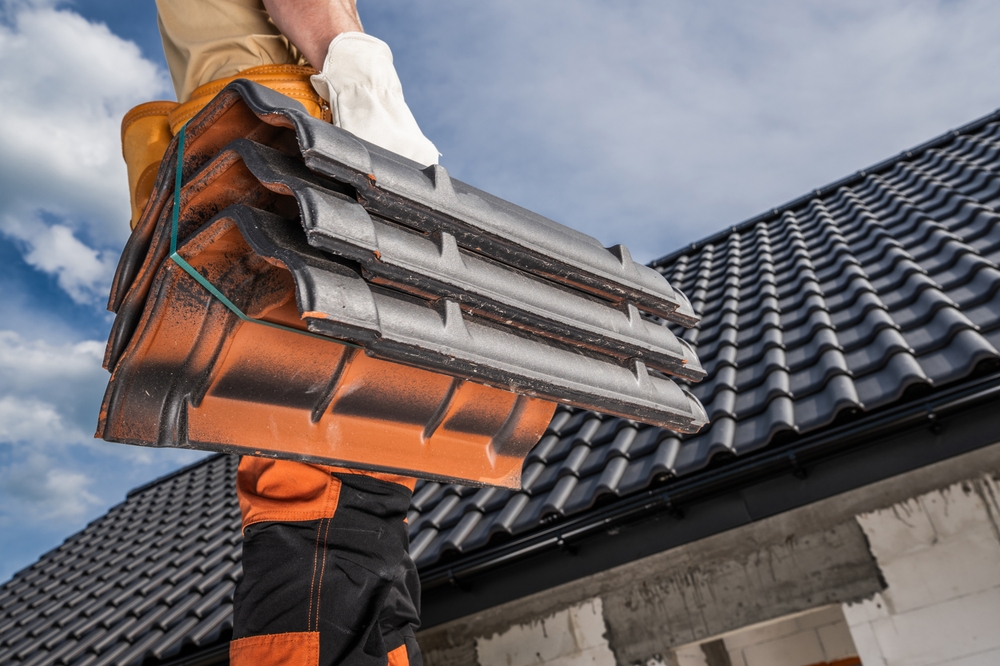
When it’s time to repair or replace your roof, one of the first things every homeowner does is gather quotes. As you line them up, it’s natural to gravitate toward the lowest number. A roof is a major expense, and saving money is always a priority. But in the roofing industry, the initial price tag tells only a small part of the story. The cheapest bid often comes at a much higher long-term cost. Understanding the difference between price and value is the single most important step in making a smart investment for your home. Price is what you pay today. Value is the performance, safety, and peace of mind you receive for years to come. This guide is here to help you look beyond the bottom line. We’ll break down what really goes into a roofing estimate, explain the hidden risks of a low-ball offer, and give you the tools to compare roofing estimates like a pro. Our goal is to empower you to choose a roofing solution that protects your home and provides lasting value for your family. Why the Lowest Roofing Bid Isn’t Always the Best A surprisingly low roofing quote can feel like a lucky break, but it should raise a few questions. To offer a rock-bottom price, contractors have to cut corners somewhere. These shortcuts might not be obvious at first, but they almost always lead to expensive problems down the road. Hidden Costs Behind Cheap Roofing Quotes A bid that seems too good to be true often is. Low quotes can be a sign that a contractor is using subpar materials, hiring unskilled labor, or isn’t properly insured. Here are a few red flags that might be hiding in a cheap estimate: No Insurance or License: A major cost for any legitimate roofing company is carrying full liability and workers’ compensation insurance. A contractor who skips this puts you, the homeowner, at enormous financial risk if an accident happens on your property. Reusing Old Materials: Some contractors will offer to lay new shingles over your old ones to save time and money. This “layover” adds excess weight to your roof and can void the manufacturer’s warranty on the new shingles. It also prevents the roofer from inspecting the underlying roof deck for rot or damage. Vague or Incomplete Scope of Work: A low price might not include essential components like new flashing, proper ventilation, or replacing rotted decking. These items then become surprise “add-ons” that inflate the final bill. How Low-Quality Work Leads to Long-Term Damage A poor installation is the fastest way to ruin a brand-new roof. Even the highest-quality shingles will fail if they aren’t installed correctly. Common mistakes made by inexperienced or rushed crews include improper nailing, failing to seal valleys and flashing, and blocking ventilation. These errors create immediate vulnerabilities. A single misplaced nail can cause a leak that slowly rots your roof decking and damages your attic insulation. In a place like Columbia, where we get heavy, sudden downpours, a poorly installed roof is a recipe for disaster. What you saved on the initial installation will quickly be spent on water damage repairs, mold remediation, and eventually, another premature roof replacement. Why Reliable Roofers Provide Transparent Pricing A trustworthy contractor believes in transparent roofing quotes. They will provide a detailed, itemized proposal that clearly explains every aspect of the project. This isn’t just a sales tactic; it’s a sign of professionalism and respect for you as a customer. A transparent quote shows you exactly where your money is going—from the specific type of shingles and underlayment to the cost of labor, permits, and debris removal. It allows you to make an informed decision based on a complete picture, not just a single, mysterious number. This commitment to clarity is a hallmark of a company that stands behind its work and values its relationship with clients. Understanding What “Value” Means for Columbia Homeowners In roofing, value is the combination of quality materials, expert workmanship, and long-term performance. It’s the peace of mind you get from knowing your roof will stand up to years of intense summer sun, humid air, and surprise thunderstorms without failing. Quality Materials and Workmanship Over Shortcuts Value starts with using the right components. This includes not just the shingles you see, but the entire roofing system working together: Underlayment: A water-resistant barrier installed over the roof deck, acting as a secondary layer of protection. Synthetic underlayment, for example, offers superior tear resistance and longevity compared to standard felt paper. Flashing: Pieces of metal installed around chimneys, vents, and valleys to direct water away from the most vulnerable areas of your roof. Ventilation: A system of intake and exhaust vents that allows your attic to breathe. Proper ventilation is crucial in our hot, humid climate to prevent heat and moisture buildup that can cook your shingles from below and lead to mold. Expert workmanship ensures these materials are installed precisely according to manufacturer specifications. This is what guarantees your roof will perform as intended for its full lifespan. The Long-Term Cost of Poor Installation Let’s look at a real-world example. A homeowner chooses a roofer who is $1,500 cheaper than two other bids. The cheaper crew rushes the job and uses the wrong nail pattern on the shingles. The first major thunderstorm that rolls through Columbia causes wind to lift a section of shingles, creating a significant leak. Now, the homeowner has to pay for an emergency repair, replace the damaged drywall inside, and potentially treat the attic for mold. Those costs quickly exceed the $1,500 they initially “saved.” Furthermore, the shingle manufacturer’s warranty is now void due to improper installation. This is the true cost of choosing price over value. How Energy Efficiency Adds Roof Value A modern roofing system can also add value by lowering your energy bills. “Cool roof” shingles are designed to reflect more sunlight and absorb less heat than standard shingles. In the blistering Columbia summer, this means your
Why Roofing Reviews and Testimonials Matter in Columbia SC
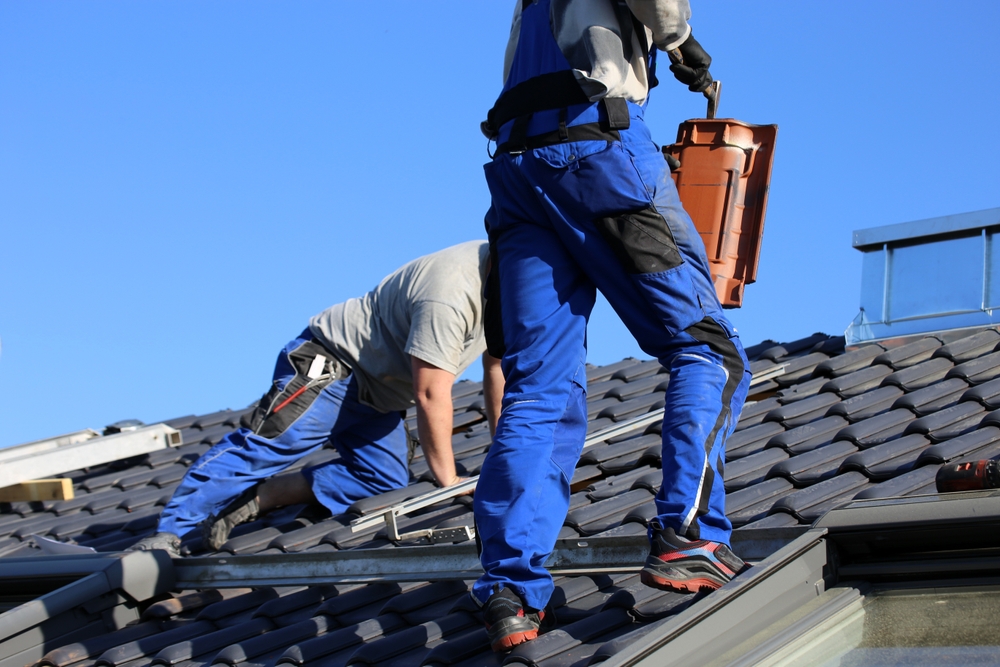
Choosing a roofing contractor is a big decision. Your roof is what protects your home from Columbia’s intense summer heat, sudden thunderstorms, and the occasional tropical storm that rolls through the Midlands. When you hire a roofer for roofing services in South Carolina, you’re not just buying shingles; you’re trusting someone with the safety and security of your most valuable asset. With so many companies to choose from, knowing how to choose the right roofing contractor near you makes all the difference. While ads and slick websites can make promises, nothing tells the real story like customer reviews. Past performance is the most reliable indicator of future results. This guide will show you how to use roofing reviews and testimonials to find a trustworthy, high-quality contractor in Columbia, SC, ensuring your home is in good hands. The Power of Customer Feedback in the Roofing Industry In a field like roofing, where the quality of work is paramount, customer feedback is incredibly powerful. A roofer’s reputation is built one job at a time, and reviews provide a transparent record of their performance. They offer an unfiltered look into how a company operates, treats its customers, and stands by its work. How Reviews Build (or Break) Trust Trust is the foundation of any service relationship, especially when it involves your home. Detailed reviews give you insight into a company’s character. Reviews are helpful, but they should also be paired with the right questions to ask a roofer before hiring. Do they communicate clearly? Do they show up on time? Do they clean up the job site, protecting your yard from nails and debris? Honest feedback from your neighbors answers these questions. When you read multiple reviews describing a contractor as “professional,” “communicative,” and “honest,” you start to build a picture of a company that values its customers. Conversely, a pattern of complaints about poor communication, unexpected costs, or messy job sites is a clear warning sign. Why Reputation Matters More Than Price It’s tempting to choose the lowest bid for a roofing project, but a cheap price can end up costing you more in the long run. A poorly installed roof can lead to leaks, water damage, and the need for premature replacement. A company’s reputation, reflected in its reviews, tells you about the value you’re getting, not just the price. A top-rated roofer may have a slightly higher price, but that often includes the qualities that make a roofing company reputable in Columbia, SC: Higher-quality materials with better warranties. A skilled, experienced crew that doesn’t cut corners. Proper insurance and licensing to protect you. A commitment to customer service and standing behind their work. Think of it this way: paying a little more for a reputable company is an investment in peace of mind. Common Themes Among Top-Rated Roofers As you read reviews for different companies, you’ll start to notice patterns. The best roofers in Columbia consistently receive praise for the same things. Keep an eye out for these common themes: Excellent Communication: Customers mention that the roofer kept them informed at every stage, from the initial inspection to the final cleanup. Professionalism and Punctuality: The crew arrived on time, was respectful of the property, and worked efficiently. Quality Workmanship: The final product looks great, and the homeowner feels confident in the quality of the installation or repair. Thorough Cleanup: The team left the property spotless, often using magnetic rollers to pick up stray nails. This is a huge sign of respect for the homeowner’s property. Insurance Assistance: Many positive reviews highlight contractors who helped homeowners navigate the often-confusing insurance claims process after storm damage. When you see these themes repeated across dozens of reviews, you can be confident you’ve found one of the top-rated roofers in Columbia SC. Where to Find Reliable Roofing Reviews Not all review platforms are created equal. To get a well-rounded view of a company’s reputation, it’s best to check several different sources. Google, Facebook, and Nextdoor Insights These platforms offer real-world feedback from local homeowners. Google Reviews: This is often the first place people look. It’s a great source for a high volume of recent reviews. Look for detailed comments that describe the specific service performed (e.g., repair vs. full replacement). Facebook Recommendations: Facebook allows users to ask for recommendations in community groups. These posts can be a goldmine of honest, unfiltered opinions from people in your area. Nextdoor: As a neighborhood-focused platform, Nextdoor provides hyper-local feedback. A recommendation from someone a few streets over can feel more personal and trustworthy. Using BBB and Local Directories to Verify Credibility While social platforms are great for personal experiences, official directories provide another layer of verification. Better Business Bureau (BBB): The BBB assigns ratings from A+ to F based on factors like complaint history, transparency, and time in business. Checking a roofer’s BBB profile is a crucial step to see if there are any unresolved complaints filed against them. Local Directories: Websites like the local Chamber of Commerce or other Columbia-area business directories can confirm that a company is established and recognized within the community. How to Interpret Star Ratings and Review Trends A star rating gives you a quick snapshot, but the details are what matter most. Look Beyond the Overall Score: A 4.8-star rating is excellent, but read the actual reviews. What are people praising? What are the complaints about? One or two negative reviews among hundreds of positive ones isn’t necessarily a red flag, especially if the company responded professionally. Check for Recency: A flood of positive reviews from three years ago is less relevant than recent feedback. Look for consistent praise over the last few months to ensure the company’s quality hasn’t slipped. Analyze Review Trends: Is the company getting better over time? Do you see positive reviews that mention improvements based on past feedback? This shows a company that listens and cares about getting better. How to Spot Fake or Manipulated Testimonials Unfortunately, not all reviews are genuine.
How to Identify a Top-Rated Roofer in Columbia SC
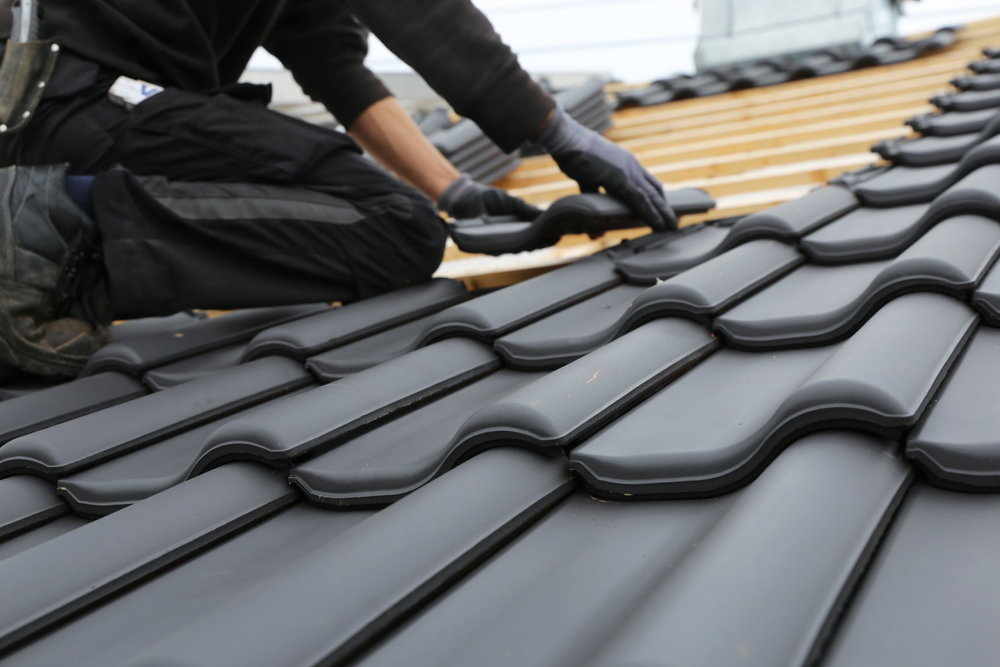
Choosing a roofer is a major decision. Your roof is the most critical line of defense for your home, protecting your family and everything you own from Columbia’s intense summer heat, sudden thunderstorms, and seasonal hurricanes — which is why choosing the right roofing services in South Carolina matters. With so much at stake, you need a contractor you can trust completely. But when you search online, you’re flooded with options. So, how do you sort through the noise and find a truly top-rated roofer? The term “top-rated” gets thrown around a lot, but it means more than just a few good reviews. It signifies a track record of reliability, quality workmanship, and exceptional customer service. This guide will give you a clear, step-by-step process for vetting roofing contractors in the Columbia, SC area. For a broader breakdown of what separates average contractors from true professionals, review our guide on how to choose the best roofer in Columbia SC. We’ll show you what to look for, how to check a company’s background, and what red flags to avoid, empowering you to hire a roofer with confidence. What “Top-Rated” Really Means in Roofing A high rating is a powerful indicator of a company’s performance, but it’s important to understand what’s behind the stars. A top-rated roofer consistently demonstrates excellence across every aspect of their business, from the first phone call to the final cleanup. How Ratings Reflect Customer Experience and Reliability Online ratings on platforms like Google, the Better Business Bureau (BBB), and Angi — along with detailed roofing reviews in Columbia SC — are a direct reflection of past customer experiences. They provide unfiltered insight into a company’s reliability. A roofer with a high average rating across many reviews likely delivers on their promises. Look for patterns in the comments. Do customers consistently praise the company for: Communication: Did the roofer keep them informed at every stage? Punctuality: Did the crew show up on time and finish the project when they said they would? Professionalism: Was the team respectful of the property and did they clean up thoroughly? Problem-Solving: If an unexpected issue arose, how did the company handle it? A high rating shows that a contractor respects their clients’ time, property, and peace of mind. The Role of Verified Reviews in Finding the Best Roofer Not all reviews are created equal. Verified reviews are those tied to an actual customer transaction, making them far more credible. While any company can get a positive testimonial from a friend, a steady stream of verified positive feedback shows a genuine pattern of customer satisfaction. When reading reviews, look for details. A generic “they did a great job” is nice, but a review that says, “Todd and his team were amazing; they communicated with pictures throughout the process and did an incredible job cleaning up every nail,” gives you specific, actionable information. These details paint a clear picture of what it’s like to work with that company, helping you identify the best roofing companies in Columbia. Why Local Roofing Companies Often Outrank Big Chains While national chains have large marketing budgets, local roofing companies often provide a superior customer experience. A local contractor’s reputation is their most valuable asset. They are your neighbors, and their success depends on building trust within the community. A trusted local roofer offers: Accountability: They live and work in the same community as you. They can’t just pack up and leave town if a problem arises. Personalized Service: You’re more likely to deal directly with the owner or a small, dedicated team who is invested in your project. Local Expertise: They have firsthand experience with Columbia’s specific climate and building codes. This commitment to community and quality is why a local, highly rated roofing contractor is often your best bet. Signs You’re Dealing with a Quality Roofing Company Beyond reviews, several key indicators separate professional roofers from the rest. When you start getting estimates, watch for these positive signs. Before signing anything, make sure you’ve covered the essential questions to ask a roofer before hiring to avoid costly mistakes. Licensed, Insured, and Certified Roofers This is non-negotiable. A professional roofer must be able to provide proof of licensing and insurance. License: In South Carolina, a residential roofing contractor must be licensed by the Residential Builders Commission. This proves they have met state requirements for knowledge and business practices. Ask for their license number and verify it. Insurance: A roofer must carry two types of insurance. General Liability Insurance protects your property from damage caused by the roofing crew. Workers’ Compensation Insurance protects you from liability if a worker is injured on your property. Without it, you could be held financially responsible for medical bills. Don’t just take their word for it—ask to see the certificates of insurance. Transparent Pricing and Detailed Written Estimates A quality roofer will provide a detailed, itemized estimate that clearly breaks down the costs. A vague, one-page quote is a red flag. A professional estimate should include: The total cost of the project. A clear scope of work, including tear-off of the old roof. The specific materials to be used (e.g., brand and type of shingles, underlayment, flashing). Details on the workmanship warranty (the roofer’s guarantee on their installation) and the manufacturer’s warranty (the guarantee on the materials). The estimated start and completion dates. Payment terms and schedule. This transparency ensures there are no surprises and that you know exactly what you’re paying for. Responsive Communication and On-Time Service How a company communicates during the estimate process is a strong predictor of how they’ll communicate during the project. A top-rated contractor will be responsive, professional, and respectful of your time. Do they answer the phone or return your calls promptly? Do they show up for the inspection appointment on time? Do they listen to your concerns and answer your questions clearly? Excellent communication is a hallmark of a customer-focused business. How to Check a Roofer’s Background and Reputation Doing your