
Leaky Roof? Here’s When Fixing It Isn’t Enough for Columbia, SC Homes
A small roof leak might seem easy to fix — a quick patch, a dab of sealant, or a few new shingles. But when the same spot keeps leaking after every storm, it’s usually a sign that something deeper is going on. This is often the tipping point we discuss in our article on when roof repairs aren’t enough in Columbia, SC. What looks like a simple repair could be hiding damage that’s slowly spreading through your roof and attic. At Cola City Roofing, we provide comprehensive roofing services in South Carolina, and we’ve helped countless homeowners in Columbia, Lexington, Irmo, and West Columbia who thought they just needed a quick leak fix. Once we inspected the roof, we found soaked insulation, warped decking, and sometimes even mold starting to form — all from a “minor” leak that had gone on too long. In South Carolina’s hot, humid climate, water intrusion never stays small. Heat expands cracks, humidity feeds wood rot, and repeated storms can push water further under your shingles. Ignoring it or relying on quick repairs can cost far more in the long run. If you’ve got a leaky roof or keep calling for roof repairs in the same area, it may be time to look beyond patchwork. When a Leaky Roof Looks Small but Causes Big Problems It’s easy to underestimate a small roof leak. A tiny drip in the attic or a minor water stain on the ceiling can seem like a nuisance rather than a major threat. Many homeowners are tempted to place a bucket underneath and add “call a roofer” to a long to-do list. However, what you see on the inside is often just the final symptom of a much larger problem. By the time water makes its way through your roofing materials, decking, insulation, and drywall, it has already traveled a destructive path. Columbia’s weather is a major factor in how quickly small leaks escalate. The cycle of intense afternoon rainstorms followed by baking sun creates the perfect environment for damage to spread. The humidity that follows a downpour can keep your roof’s underlayers damp for days, promoting wood rot and mold growth long after the rain has stopped. A tiny crack in a shingle or a small gap in flashing can widen with the constant expansion and contraction caused by our temperature swings. What starts as a seemingly isolated issue can quickly compromise the entire roofing system. At Cola City Roofing, we often find that a “small leak” is actually a sign of widespread material failure, especially on roofs over 15 years old. A simple patch might stop the dripping for a while, but it won’t address the underlying weakness. That’s why a professional roof repair service doesn’t just patch the hole; it investigates the cause to determine if a repair is truly enough or if it’s just a temporary bandage on a bigger wound. What Usually Causes Roof Leaks in South Carolina Homes Roofs in the Midlands face a unique combination of environmental stressors that lead to leaks. While some causes are universal, their impact is often magnified by our local climate. Understanding what causes these leaks is the first step toward finding a lasting solution. The most common culprit is simply aging shingles. Over 15 to 20 years, asphalt shingles lose the protective granules that shield them from UV rays. They become brittle, curl at the edges, and crack, creating numerous entry points for water. Another frequent issue is cracked or failing flashing. This metal stripping around chimneys, vents, and valleys is a critical defense, but sealant can dry out and crack, or the metal itself can be lifted by high winds, allowing water to seep into the most vulnerable parts of your roof. Storm damage is another major cause. High winds from summer thunderstorms or the remnants of tropical storms can tear shingles off entirely, while hail can create “bruises” on asphalt shingles that compromise their integrity. Finally, poor initial installation can haunt a roof for its entire life. Improperly nailed shingles, incorrectly installed flashing, or inadequate underlayment can create problems that only reveal themselves years later, often through persistent leaks that seem to have no obvious cause. The heat and moisture expansion cycles unique to South Carolina put extra stress on these weak points, turning minor installation flaws into major failures over time. The Role of Columbia’s Climate in Roof Leaks You’re not imagining it—roofs in the Midlands often seem to wear out faster than in other parts of the country. Our climate plays a significant role in accelerating the aging process of roofing materials. The constant humidity means that materials rarely have a chance to dry out completely, which is especially tough on the wooden decking that forms your roof’s foundation. This persistent moisture fosters an environment where wood rot and algae growth can thrive. At the same time, the intense UV exposure from the sun bakes your shingles day after day. This process breaks down the asphalt, making it less flexible and more prone to cracking during the temperature shifts between a hot day and a cooler night. This thermal cycling causes materials to expand and contract, putting stress on seams, seals, and fasteners. Over thousands of cycles, these stresses can create gaps and cracks where none existed before, providing a perfect pathway for water from the next heavy rain. This is why a 20-year-old roof in Columbia may show significantly more wear than a roof of the same age in a cooler, drier region. How to Tell When a Leak Is More Than Just a Patch Job When you spot a leak, your first instinct is likely to call for a quick repair. In many cases, if the roof is young and the damage is isolated, a patch is the right call. But how do you know when that leak is a symptom of a much bigger problem? Recognizing the signs that a simple fix won’t hold can save you from
5 Common Roof Repairs That Actually Signal It’s Time for a New Roof in Columbia, SC
Most homeowners don’t think twice about calling for a quick roof repair. Maybe a few shingles blew off during a thunderstorm, or a small leak appeared around the chimney after heavy rain. Those fixes seem harmless enough — until the same problems start showing up again and again. When that happens, it’s not just normal wear and tear. If you’re unsure where your roof stands, start with our guide on whether you should repair or replace your roof. It’s your roof telling you it’s time for something more permanent. At Cola City Roofing, we provide comprehensive roofing services in South Carolina, and we see this pattern all the time across Columbia, Lexington, Irmo, and Blythewood. A roof can only handle so many patches before repairs stop being cost-effective. South Carolina’s intense sun, humidity, and storm cycles speed up the breakdown of shingles, flashing, and underlayment — especially on roofs nearing the end of their lifespan. What begins as a simple fix can quickly become a recurring expense that never truly solves the underlying issue. This cycle of patching is a clear sign that the entire roofing system is compromised and losing its ability to protect your home. If you’ve already paid for multiple roof repairs in the past few years, you might actually be spending more than it would cost to invest in a full roof replacement. Understanding which repairs are warning signs, and when to act on them, can save you thousands and protect your home for decades. Before scheduling another quick fix, consider getting a free roof inspection. Our local team can help you see whether your roof still has life left — or if it’s time to replace it with something stronger, safer, and built for Columbia’s weather. When Roof Repairs Stop Working — The Hidden Cost of “Quick Fixes” You’ve patched, sealed, or replaced shingles more times than you can count, yet another problem always seems to pop up after the next big storm. It’s a frustrating and familiar story for many homeowners in the Midlands. A quick fix from a handyman might stop a leak for a few months, but it rarely addresses the root cause of the failure. The real issue is often that the entire roof system is aging and losing its integrity. Materials that were once resilient have become brittle, adhesives have failed, and the cumulative effect of years of sun and rain has taken its toll. We dive deeper into this tipping point in our article on when roof repairs aren’t enough in Columbia, SC. Think of an old tire on a car. You can plug one hole, but if the rubber is cracked and worn all over, another leak is inevitable. The same principle applies to your roof. An isolated repair on a healthy, younger roof makes perfect sense. But when you’re repeatedly addressing symptoms on an aging roof, you’re throwing money at a problem that a simple patch can’t solve. Each “quick fix” is a temporary bandage on a system that needs a full replacement. The hidden cost isn’t just the money spent on each repair; it’s the escalating risk of catastrophic failure, water damage to your home’s interior, and the potential for wood rot and mold growth in your attic and walls. At Cola City Roofing, we believe in providing honest solutions, not just temporary patches. Our professional roof repair services are designed to identify the true source of the problem. But our commitment to you means we’ll also tell you when a repair is no longer a sound investment. If we see signs that your roof’s core components are failing, we’ll explain why a full replacement is the more responsible and cost-effective path forward. Continuing to pay for repairs on a failing system is a losing battle that leaves your biggest asset—your home—vulnerable. The 5 Most Common Roof Repairs That Point to Bigger Problems These are the repairs our Cola City Roofing team sees most often before homeowners realize their roof has reached its limit. While each may seem like a standalone issue, they are often interconnected symptoms of a roofing system that is past its prime. 1. Leaky Roofs Around Vents, Chimneys, and Skylights A leak is the most obvious sign of a roof problem, and leaks around penetrations like vents, pipes, chimneys, and skylights are extremely common. The flashing and sealant used to create a watertight barrier in these areas are often the first points of failure. However, a recurring leak in these spots is a major red flag. While a single instance might be due to failed sealant that can be easily fixed, repeated leaks suggest a more widespread issue. The materials around these penetrations are under constant stress from expansion and contraction due to temperature changes. Over time, the entire roofing system becomes less flexible, causing seals to break repeatedly. Columbia’s heavy rain makes these leaks worsen fast. Water doesn’t just drip straight down; it can travel along rafters and decking, causing hidden moisture and mold risks far from the original entry point. If you find yourself calling for the same leaky roof repair Columbia SC homeowners dread, it’s a strong indicator that the surrounding shingles and underlayment are failing and can no longer support a lasting patch. 2. Replacing Missing or Curling Shingles Losing a few shingles in a heavy windstorm is not unusual, especially for older roofs. But if you find yourself replacing shingles every season, or if you notice widespread curling, cracking, or “bald spots” where granules have worn off, your roof is showing classic signs of shingle fatigue. This is especially true after years of harsh South Carolina summers. The intense UV radiation bakes the asphalt in the shingles, causing them to become brittle and lose their flexibility. The adhesive strips that hold them together weaken, making them vulnerable to wind uplift. When shingles start to curl, they lift away from the roof, breaking the watertight seal and creating easy entry points for wind-driven rain. A
When Roof Repairs Aren’t Enough: How to Know It’s Time for a Full Roof Replacement in Columbia, SC
Even a well-built roof can only handle so much before repairs stop making sense. Maybe you’ve replaced a few shingles after a summer storm, sealed a small leak around your chimney, or patched a soft spot in the attic—but the same problems keep coming back. That’s usually the point where another quick fix won’t help, and a roof replacement becomes the smarter investment. If you’re still weighing the decision, read our guide on whether you should repair or replace your roof. At Cola City Roofing, we provide comprehensive roofing services in South Carolina, and we see this often across Columbia, Lexington, Irmo, and West Columbia. South Carolina’s intense sun, heavy rain, and high humidity take a real toll on shingles and roof decking. What starts as a minor leak can lead to water damage, wood rot, or mold growth before you even notice it. Constant patchwork repairs might look cheaper upfront, but over time, they cost more—and leave your home less protected. A full roof replacement doesn’t just solve the problem; it resets your home’s protection for decades. With modern, energy-efficient materials and a solid workmanship warranty, you’ll spend less time worrying about the next storm and more time knowing your roof is built to last. If you’re unsure whether your home still qualifies for repair or it’s time to replace, schedule a free roof inspection today. Our local team will give you an honest evaluation and clear next steps—no guesswork, no pressure. Why Roof Repairs Don’t Always Solve the Problem Long-Term When a leak appears or a few shingles go missing after a storm, your first thought is probably to get it patched up quickly. A simple repair seems like the easiest and most affordable solution, and in many cases, it is. If your roof is relatively new and the damage is isolated, a professional repair can effectively extend its life and keep your home protected. However, repairs are often a temporary solution, especially for older roofs or those with widespread issues. We also break down the difference between roof maintenance vs replacement in our homeowner guide. Patchwork fixes can become a frustrating and expensive cycle. You fix one leak, and another one appears a few months later. You replace a section of shingles, only to have the adjacent ones start curling. This cycle happens because repairs typically address a symptom, not the root cause. For instance, a small leak might be the result of a single damaged shingle, but it could also signal that the underlayment across your entire roof is failing due to age and heat exposure. Simply replacing the shingle doesn’t fix the underlying vulnerability. For Columbia-area homes, this is a common scenario. The constant exposure to intense summer heat and humidity breaks down roofing materials from the inside out. Adhesives fail, shingles become brittle, and the protective granules wear away, leaving the whole system compromised. At Cola City Roofing, we provide honest and thorough roof repair services. We don’t just patch the visible problem; we inspect the surrounding area to understand why the failure occurred. But our commitment to you means telling you the truth, even when it’s not what you want to hear. If we see signs that your roof is nearing the end of its functional life, we’ll explain why a full replacement is a more reliable and cost-effective solution in the long run. Constantly paying for small repairs on a failing roof is like putting bandages on a deep wound—it might stop the bleeding for a moment, but it won’t prevent future complications. A new roof, on the other hand, provides complete, seamless protection backed by material and workmanship warranties, giving you peace of mind for years to come. Common Roof Repair Scenarios Homeowners Face in the Midlands Living in the Midlands means dealing with a unique set of weather challenges that put constant stress on your roof. From intense summer thunderstorms to year-round humidity, your roof is your home’s first line of defense. Here are some of the most common repair situations we see in communities from Blythewood to Cayce. Shingle Damage After Summer Storms Violent summer storms are a fact of life in South Carolina. High winds can lift, crease, or completely tear off shingles, leaving your roof’s underlayment exposed to the elements. Hail is another major culprit, creating bruises or cracks in asphalt shingles that compromise their water-shedding ability. Even if the damage looks minor from the ground, it can create entry points for water, leading to a leaky roof. Prompt storm damage roof repair is critical to prevent small issues from escalating into major structural problems. Leaky Flashing or Chimney Leaks Flashing—the thin metal strips installed around chimneys, vents, and skylights—is designed to direct water away from the most vulnerable points on your roof. Over time, this flashing can corrode, loosen, or become damaged, creating gaps where water can seep in. These leaks are often tricky to diagnose because the water can travel along rafters and show up as a stain on your ceiling far from the actual entry point. A leaky roof repair Columbia SC homeowners often need involves resealing or replacing this flashing to secure these critical transition points. Sagging or Rotting Decking Have you noticed a dip or swag in your roofline? This is a serious red flag. A sagging roof often indicates that the underlying decking—the wooden boards that form the foundation of your roof—has rotted due to prolonged moisture exposure. This is a structural issue that goes beyond a simple shingle replacement. A small, persistent leak can saturate the wood over months or years, weakening it until it can no longer support the weight of the shingles. Repairing this involves removing the shingles and underlayment to replace the damaged sections of decking, a significant undertaking that often points toward the need for a full replacement. Heat and Humidity Breakdown Over Time Columbia’s climate is particularly harsh on roofing materials. The intense, direct sunlight bakes asphalt shingles, causing the protective granules to
Avoiding Hidden Costs in Roofing Proposals
You’ve done your research, met with contractors, and now you have a few roofing proposals in hand. The next step should be simple: pick one and get started. But as you look at the different documents, you notice the prices vary, and the details are inconsistent. One quote is a single page with a lump-sum price, while another is several pages long with a detailed breakdown. How can you be sure the lowest price today won’t become the most expensive project tomorrow due to surprise charges? Hidden costs are a frustratingly common part of the home improvement world. A vague or incomplete quote can leave you vulnerable to unexpected fees that blow your budget. The key to protecting yourself is knowing what to look for before you sign anything. This guide will pull back the curtain on roofing proposals. We’ll show you where hidden costs often lurk, what a truly transparent quote looks like, and how to ask the right questions. Our goal is to give you the confidence to choose a contractor who respects your budget and provides a clear, honest plan from start to finish. Why Hidden Costs Are Common in Roofing Projects Hidden costs aren’t always a sign of a dishonest contractor. Sometimes, they arise from a lack of clear communication or an incomplete initial assessment. However, a professional roofer will anticipate potential issues and explain how they will be handled upfront, while a less reputable one might use ambiguity to their advantage. Lack of Transparency in Budgeting The most common source of surprise charges is a vague, lump-sum quote. A proposal that simply says “New roof installation: $15,000” is a major red flag. This lack of detail gives the contractor complete control over where the money goes, making it easy for them to add fees later for items you assumed were included. A transparent budget is an itemized budget, where every component of the project is listed with its associated cost. Unclear Material or Labor Pricing Another pitfall is unclear pricing for materials and labor. A quote might list “asphalt shingles” without specifying the brand, quality, or color. This allows a contractor to substitute a cheaper, lower-quality product to increase their profit margin. Similarly, if the scope of labor isn’t clearly defined, you could be charged extra for tasks that should have been part of the base price. True transparency means knowing exactly what products are being installed on your home and what the labor charge covers. Common Hidden Costs to Watch For A quality roof is a system of many parts, and costs can hide in any of them. Here are the most frequent culprits and how a professional contractor should address them in your proposal. Decking Repairs and Tear-Off Fees The wood sheathing under your shingles is called the decking or plywood. Its condition cannot be fully known until the old roof is torn off. It’s common to find a few sheets that have rotted from past leaks. The Hidden Cost: A contractor with a vague quote might hit you with a massive, non-negotiable charge for replacing this wood once your roof is already torn off and exposed. The Transparent Solution: A professional proposal will anticipate this possibility. It will include a clear, per-sheet price for replacing any damaged decking (e.g., “$XX per sheet of plywood, installed”). This way, you know the exact cost upfront for any potential extra work, and there are no surprises. Similarly, the proposal must clearly state it includes a full tear-off of all existing roofing layers. Some contractors try to save time by illegally “roofing over” old shingles, which voids warranties and hides underlying problems. Disposal, Permits, and Flashing Replacement These are non-negotiable parts of a professional roofing project, but they are often “forgotten” in low-ball estimates. Disposal Fees: The cost of a dumpster and landfill fees for your old materials should be a specific line item. If it’s missing, you may get a surprise bill at the end. Permits: A legitimate contractor will always pull the required local permits for your project. The proposal should state that they are responsible for handling and paying for this. An offer to do the job without a permit is a giant red flag that the contractor is likely unlicensed and uninsured. Flashing Replacement: Flashing is the metal that seals joints around chimneys, walls, and vents. It’s a primary source of leaks. Some contractors cut corners by reusing old, worn-out flashing. A quality proposal will explicitly state that all existing flashing will be removed and replaced with new material to ensure a watertight seal. How to Make Sure Your Quote Covers Everything A little diligence when reviewing your proposals can save you thousands of dollars and a major headache. The goal is to compare “apples to apples” and ensure every potential cost is accounted for in writing. Demand Itemized Estimates Never accept a lump-sum quote. A detailed, itemized estimate is your best defense against hidden costs. When you review a proposal, use this checklist to make sure all the essentials are included as separate line items: Tear-off of all old roofing layers. Disposal of old materials and all project debris. Decking/Plywood replacement cost, listed as a per-sheet unit price. Ice & Water Shield for valleys and eaves. Underlayment (specifying brand and type, e.g., synthetic). Starter Shingles for the edges of the roof. Main Roofing Material (specifying brand, product line, and color). Flashing (stating that all flashing will be new). Ventilation (specifying type, e.g., ridge vent). Ridge Caps for the peaks of the roof. Permit fees and the contractor’s responsibility to obtain them. Labor for installation. If any of these items are missing, ask the contractor to revise the quote to include them. Verify Warranty and Cleanup Inclusions The job isn’t finished until your property is clean and your investment is protected. Warranty: The quote must clearly describe both the manufacturer’s warranty on the materials and the contractor’s workmanship warranty on the installation. Ask for a copy of both warranties
How to Read and Understand a Roof Quote
After you’ve met with a few roofing contractors, you’ll be left with a stack of estimates. At first glance, they might all look similar—a list of materials, a description of the work, and a final price at the bottom. But a roofing quote is much more than just a number. It’s a detailed blueprint for one of the most important projects you’ll ever undertake for your home. Understanding how to read this document is crucial. A well-written quote provides a clear, transparent plan that protects both you and the contractor. A vague or incomplete one can lead to hidden costs, subpar work, and major headaches. This guide will empower you to decode any roofing estimate like a pro. We’ll break down each section, explain common industry terms in plain language, and show you what red flags to look for. By the end, you’ll be able to confidently compare roofing estimates and choose a contractor who will treat your home as if it were their own. Why Understanding Your Roof Quote Matters Taking the time to read and understand your roof quote is one of the most important steps in the entire roofing process. It sets clear expectations from the start and ensures you’re making a wise investment in your home’s future. Preventing Miscommunication and Cost Surprises A detailed, itemized quote is your best defense against unexpected costs. When every part of the job is listed—from the specific type of shingles to the cost of a building permit and dumpster rental—there’s no room for ambiguity. If a contractor simply gives you a total price with a vague description like “new roof installation,” you have no way of knowing what’s included. What if the team discovers rotten decking that needs to be replaced? Is that covered, or will it be an extra charge? A thorough quote will specify the cost per sheet for replacing any damaged decking, so you know exactly what to expect. This level of detail prevents frustrating miscommunications and ensures the price you agree to is the price you pay. Comparing Contractors Fairly It’s nearly impossible to compare quotes if they aren’t broken down into a detailed, apples-to-apples format. One contractor might offer a lower price, but are they using the same quality of materials? Does their quote include a robust workmanship warranty? Are they pulling the necessary permits? For example, Contractor A might bid a lower price using a basic 3-tab shingle, while Contractor B’s slightly higher quote specifies a more durable architectural shingle with a longer manufacturer warranty. Without an itemized breakdown, you might just see two different prices. Understanding the details allows you to see the true value you’re getting from each contractor and make a fair comparison based on quality, not just the bottom line. Breaking Down the Parts of a Roofing Estimate A professional roofing estimate should be organized, detailed, and easy to follow. Let’s look at the key sections you should expect to see. Labor and Material Breakdown This is the core of the estimate. It should provide a clear list of all materials to be used and the labor required to install them. Look for specifics, not generalities. Your quote should itemize: Tear-Off and Removal: A line item for removing the existing layers of roofing material. Decking Inspection and Replacement: A statement that the roof decking (the wooden foundation of your roof) will be inspected, along with a per-sheet price for replacing any rotten or damaged wood. Underlayment: The specific type and brand of water-resistant barrier that will be installed on the decking. Shingles/Roofing Material: The manufacturer, brand, and color of the shingles or metal panels. It should also specify the quantity, often measured in “squares” (a 10×10-foot area). Starter Strips and Ridge Caps: These are specialized shingles used at the roof’s edges and peak for added protection and a finished look. They should be listed separately. Flashing and Pipe Boots: Details on replacing the metal pieces that seal joints around chimneys, vents, and walls (flashing) and the flexible collars around pipes (pipe boots). This is a critical area for preventing leaks. Ventilation: The type of ventilation system to be installed, such as a ridge vent or box vents. Permits, Cleanup, and Warranty Sections Beyond the materials themselves, a comprehensive quote covers the logistical and long-term aspects of the job. Permits: The estimate should clearly state who is responsible for obtaining the necessary building permits from the local municipality. This responsibility should always fall on the contractor. Site Cleanup and Debris Removal: Look for a line item that details how your property will be protected and cleaned. This should include using tarps to protect landscaping and the use of a dumpster for debris. It should also mention a final sweep of the property with magnetic tools to pick up stray nails. Payment Terms: The quote should outline the payment schedule, including the deposit amount and when the final payment is due. Be wary of any contractor who asks for the full amount upfront. Warranty Information: This is one of the most important sections. The quote should clearly detail two types of warranties: the manufacturer’s warranty on the materials and the contractor’s workmanship warranty. Common Roofing Terms Explained Simply Roofing estimates are often filled with industry jargon. Here’s a simple glossary of terms you’re likely to encounter. Underlayment, Flashing, and Ridge Caps Underlayment: A layer of water-resistant material installed directly onto the roof decking, beneath the shingles. It serves as a secondary barrier against moisture. Flashing: Pieces of metal (usually aluminum or steel) used to direct water away from critical areas where the roof meets a wall, chimney, or another roof plane. Properly installed flashing is essential for preventing leaks. Ice and Water Shield: A special self-sealing underlayment applied to the most vulnerable areas of a roof, like eaves and valleys, to protect against ice dams and wind-driven rain. Drip Edge: A metal strip installed at the edges of the roof to help direct water into the gutters and away
Online Roofing Estimate Tools: Are They Accurate?
If you’re starting to think about a new roof, one of your first questions is probably, “How much is this going to cost?” In a search for answers, you’ve likely come across online roofing estimate tools and calculators. These websites promise a fast, free estimate for your project with just a few clicks. But can you really trust a number generated by an algorithm? While these tools can be a handy starting point, their accuracy often has significant limitations, especially when it comes to the unique factors of homes here in Columbia, SC. An instant online quote simply can’t see the whole picture. This guide will pull back the curtain on online roofing estimators. We’ll explain how they work, what they get right, and—most importantly—what they miss. Our goal is to help you use these tools wisely as part of your research, so you can move forward with a realistic budget and a clear understanding of what a quality roof truly costs. How Online Roof Estimators Work Online roof cost calculators are sophisticated programs that combine publicly available data with pre-loaded cost averages to generate a ballpark figure. The process usually involves a couple of key components. Using Satellite Imagery and Cost Databases Most online estimators start by using satellite imagery from services like Google Maps to measure your roof’s surface area. The software identifies the different planes and angles of your roof and calculates its total size. In the roofing industry, size is measured in “squares,” where one square equals 100 square feet. Once the tool has an approximate size, it cross-references that data with a massive, pre-filled database of costs. This database contains average prices for different materials (like asphalt shingles or metal), typical labor rates, and other potential expenses. By plugging your roof’s size into these averages, the algorithm produces an instant estimate. How Material and Labor Rates Are Calculated The “cost” part of the equation is a complex blend of assumptions. The calculator pulls a national or broad regional average for materials per square and adds an assumed labor rate. For example, it might be known that architectural shingles cost, on average, a certain amount per bundle and that a typical roofing crew can install a certain number of squares per day. It then adds markups for things like contractor overhead (insurance, office costs, etc.) and a profit margin. The final number you see is the result of these layers of automated calculations. The system is designed to be quick and generally plausible, but it relies entirely on averages and assumptions, not the specific details of your home. Pros of Using Online Roofing Tools Despite their limitations, online estimators aren’t without their uses. When approached with the right expectations, they can be a helpful part of your initial research. Instant Cost Estimates and Convenience The biggest advantage of a roof cost calculator is speed. You can get a rough idea of the potential cost of your project in minutes, without having to pick up the phone or schedule an appointment. This convenience is perfect for the very beginning of your planning process when you’re just trying to figure out if a new roof is a project you can tackle this year. It gives you a preliminary number to start thinking about. Quick Comparison Between Material Types Another useful feature is the ability to quickly compare the costs of different materials. Most tools allow you to toggle between options like standard 3-tab asphalt shingles, higher-end architectural shingles, and metal roofing. Seeing the price difference side-by-side can help you understand the relative investment required for each option. This can guide your thinking about whether you want to prioritize affordability, longevity, or a specific aesthetic. Limitations and Common Accuracy Issues The convenience of online estimators comes at a cost: accuracy. An algorithm can’t see what a trained professional can. These tools miss critical details that can dramatically impact the final price of a roofing project. No On-Site Inspection or Hidden Damage Assessment This is the single biggest flaw of any online tool. A satellite image can’t see what’s underneath your existing shingles. A professional on-site inspection is designed to uncover hidden issues that must be addressed during a replacement, such as: Rotten Decking: The wooden boards that form the base of your roof are called the decking. If you’ve had slow leaks over the years, some of this wood may be soft or rotten and will need to be replaced. An online tool assumes your decking is in perfect condition. Multiple Roof Layers: Many older homes have a new roof layered on top of an old one. Building codes require a full “tear-off” of all old layers before a new roof can be installed. This adds significant labor and disposal costs that an online tool can’t account for. Inadequate Ventilation: An estimator can’t check your attic to see if your ventilation is sufficient. Upgrading your ventilation system is often done during a roof replacement and is crucial for extending your new roof’s life, especially in our hot, humid climate. Complex Flashing or Pitch: A roof with a very steep pitch, multiple chimneys, or complex valleys requires more labor, time, and safety precautions. Online tools often struggle to accurately price these complexities. Inaccurate Regional Pricing for Columbia SC Most online calculators use national or large-scale regional cost averages that don’t reflect the specific market dynamics of Columbia. Local pricing is influenced by factors an algorithm doesn’t know, such as: Local Labor Rates: The cost of skilled labor can vary significantly from one city to another. Material Availability: Supply chain issues or the local availability of certain materials can affect pricing. Permitting Fees: The cost and complexity of permits can differ by municipality. Local Weather Factors: A local contractor knows that roofs in the Midlands need to stand up to intense heat, sudden thunderstorms, and the occasional hailstorm. They price their work to include materials and installation techniques that can handle these conditions, something a generic calculator doesn’t
How to Compare Roofing Estimates and Choose the Right Contractor
Getting a new roof is a major home improvement project, and choosing the right contractor is the most important decision you’ll make in the process. After you’ve identified a few reputable local companies, you’ll receive written estimates or proposals. At first glance, they might seem confusing, with different prices, layouts, and terminology. It can be tempting to simply choose the lowest bid, but that can be a costly mistake. A roofing estimate is more than just a price—it’s a window into a contractor’s professionalism, transparency, and process. Understanding how to read and compare these documents is the key to hiring a trustworthy roofer who will protect your home for years to come. This guide will teach you how to decode roofing estimates, spot red flags, and confidently choose the best contractor for your Columbia home. Why Comparing Roof Quotes Is Essential Getting multiple quotes is a fundamental step in any major home project. It empowers you as a homeowner and helps ensure you receive fair value for your investment. Rushing this step or failing to compare quotes thoroughly can lead to misunderstandings, unexpected costs, and poor-quality work. Not All Estimates Are Created Equal When you lay three different roofing estimates on your kitchen table, you’ll likely notice immediate differences. One might be a single page with a lump-sum price. Another might be a multi-page, itemized document detailing every single material. A third might be a digital proposal with photos and diagrams. The level of detail in an estimate often reflects the contractor’s approach to the job. A one-line quote that just says “New roof: $15,000” leaves too much room for interpretation and dispute. What kind of shingles are included? What happens if they find rotten wood underneath? Is cleanup included? A detailed, itemized estimate shows that the contractor has thoroughly inspected your roof and is transparent about what you’re paying for. How Different Contractors Approach Pricing Contractors arrive at their prices based on several factors, and understanding these can explain why quotes vary. Key variables include: Labor Costs: This is based on the size and experience of the crew. A highly skilled, experienced team may have higher labor rates but can often complete the job more efficiently and with higher quality. Material Costs: The brand, type, and quality of shingles, underlayment, and other components directly impact the price. One contractor might quote a basic 3-tab shingle while another quotes a premium architectural shingle with a longer lifespan. Overhead and Insurance: Reputable contractors have significant overhead costs, including liability insurance, workers’ compensation, vehicle maintenance, and office staff. These essential business costs are factored into their pricing. A suspiciously low bid might come from a contractor cutting corners on crucial insurance coverage. Complexity: The specific features of your roof—like a steep pitch, multiple gables, skylights, or complex flashing around a chimney—require more time and skill, which will be reflected in the price. What to Look for in a Detailed Roof Estimate A thorough, professional estimate should leave no questions unanswered. It should serve as a clear roadmap for the entire project. Here are the essential components to look for. Transparency in Labor and Material Costs Your estimate should clearly break down the costs so you know exactly what you’re paying for. Look for separate line items for: Scope of Work: A detailed description of all tasks, including the tear-off of old roofing layers, installation of the new system, and any specific repairs. Materials: The specific brand, product name, and color of all major components. This should include: Shingles: E.g., “GAF Timberline HDZ Architectural Shingles in Charcoal.” Underlayment: The protective barrier between the shingles and your roof deck. E.g., “Synthetic felt underlayment.” Ice & Water Shield: A special waterproof membrane installed in valleys and around penetrations, crucial for preventing leaks. Flashing: The metal pieces used to direct water away from critical areas like chimneys, walls, and vents. Labor: The cost for the crew to perform the work. This may be a lump sum or included within the overall price. Disposal: The fee for removing and properly disposing of the old roofing materials. A line-item estimate, which lists the price for each component, is the most transparent format. A lump-sum bid can be acceptable if the scope of work and materials are described in exhaustive detail. Warranty Terms and Installation Details A new roof comes with two types of warranties, and your estimate should clearly specify both: Manufacturer’s Warranty: This covers the roofing materials themselves against defects. The estimate should list the length of this warranty (e.g., 30 years, 50 years, or “Limited Lifetime”). Workmanship Warranty (or Contractor’s Warranty): This covers the installation. It protects you against errors made by the roofing crew, which are the cause of most new-roof leaks. A reputable contractor will offer a workmanship warranty of at least 5-10 years. The estimate should also outline the installation methods to be used, confirming that the work will be done according to the manufacturer’s specifications—a requirement for a valid manufacturer’s warranty. How to Spot Hidden Costs or Vague Wording A vague or incomplete estimate is a major red flag. It can lead to surprise charges and disputes down the road. Be on the lookout for these common omissions. Missing Permit or Cleanup Fees Nearly every municipality in the Columbia area requires a building permit for a full roof replacement. The cost of this permit should be included in your estimate. If it’s not mentioned, ask who is responsible for obtaining and paying for it. An unlicensed contractor may suggest skipping the permit, which can cause major problems if you try to sell your home later. The estimate must also explicitly state that daily site cleanup and final debris removal are included. This should involve using tarps to protect your landscaping and running a magnetic roller to pick up stray nails. You don’t want to be left with a dumpster in your driveway for a week after the job is done or find roofing nails in your lawn. Unclear Material
What’s Included in a Free Roof Quote from Cola City Roofing

When it’s time to repair or replace your roof, one of the first steps is to gather quotes from local contractors. You’ll see the phrase “free roof quote” everywhere, but what does that actually mean? A professional estimate should be much more than just a single number scribbled on a piece of paper. It should be a detailed, transparent document that gives you a complete picture of the project, from materials to cleanup. Understanding what goes into a comprehensive roof quote is the key to comparing bids fairly and making a confident decision for your home. A good estimate empowers you, eliminating surprises and ensuring you know exactly what you’re paying for. This guide will break down what you should expect to see in a professional roof quote from Cola City Roofing. We’ll walk you through each section, explain the technical terms in plain language, and show you why a detailed, on-site inspection is the only way to get an accurate price for protecting your Columbia, SC home. Breaking Down the Key Sections of a Roof Estimate A thorough roofing estimate is a detailed project plan. It should be broken down into clear sections that itemize every aspect of the job. Here’s what a professional quote includes. Materials and Labor Costs This is the core of your estimate and should be clearly detailed. Materials: This section lists the specific products that will be used on your roof. It shouldn’t just say “shingles.” It should specify: Manufacturer and Product Name: For example, the brand and specific line of architectural shingles. Color: The shingle color you selected. Quantity: The amount of materials needed, often measured in “squares” (one square equals 100 square feet of roofing). Warranty Information: Mention of the material warranty provided by the manufacturer. Labor: This covers the cost of the skilled team performing the work. Labor costs account for removing your old roof, installing the new system, and the expertise required to do the job right. The cost reflects the size and complexity of your roof—a steep, multi-level roof requires more time and safety precautions than a simple, low-slope roof. Underlayment, Flashing, and Ventilation A roof is much more than just the shingles you see from the street. It’s a complete system, and your estimate should detail every component. Underlayment: This is a water-resistant barrier installed directly onto the wooden roof deck, right under the shingles. It’s your roof’s secondary line of defense against water intrusion. A quality quote will specify the type of underlayment, such as traditional felt or modern synthetic material. Flashing: These are pieces of metal installed wherever your roof meets a wall, chimney, or vent. Flashing is crucial for preventing leaks in the most vulnerable areas of your roof. The estimate should list the replacement of all essential flashing, including step flashing along walls, boot flashing around pipes, and apron flashing. Ventilation: Proper attic ventilation is critical in our hot, humid Columbia climate. It helps extend your roof’s life and can lower your energy bills. Your quote should specify the type of ventilation system being installed, such as a ridge vent (at the peak of the roof) and soffit vents (under the eaves). Drip Edge: This is another piece of metal flashing installed at the edges of the roof to direct water away from the fascia and into the gutters, protecting the underlying wood from rot. Permits, Cleanup, and Disposal The job isn’t finished until your property is clean and all legal requirements are met. Permits: Most roofing projects require a permit from your local municipality to ensure the work meets building codes. Your quote should state whether the contractor is responsible for securing and paying for this permit. Cleanup and Disposal: Removing an old roof creates a lot of debris. A professional estimate will include the cost of a dumpster for the old materials and a thorough cleanup of your property. This includes using magnetic rollers to pick up stray nails from your yard, driveway, and garden beds. The cost to haul away and properly dispose of the old roofing materials should also be included. This is often listed as a “dump fee” or “haul-off fee.” What to Expect During a Free Roof Inspection An accurate quote is impossible without a thorough inspection. An automated estimate from a satellite image can’t see hidden damage or measure complex roof facets. A true professional will come to your home to assess the project firsthand. Roof Measurements and Material Calculations During the on-site inspection, the contractor will physically measure every section of your roof. This includes all the different planes, ridges, valleys, and edges. These precise measurements are used to calculate the exact amount of shingles, underlayment, and other materials needed. This prevents over-ordering, which can inflate costs, or under-ordering, which can cause delays. This hands-on approach is far more accurate than relying on software alone. Identifying Hidden Issues Like Rot or Poor Ventilation This is where a professional inspection provides its greatest value. A skilled roofer knows how to spot problems that aren’t visible from the ground. They will: Walk the Roof: Safely examining the surface for soft spots that could indicate rotted wood underneath, as well as checking for cracked shingles, failing flashing, and other signs of wear. Inspect the Attic: When possible, a look inside the attic can reveal crucial information. The inspector will look for signs of leaks (water stains on the underside of the roof deck), mold or mildew, and inadequate ventilation or insulation. Assess the Entire System: They’ll check the condition of your gutters, siding, and chimneys to see how the entire exterior system is working together. Identifying these issues beforehand allows the contractor to include potential repairs in the estimate, often as a contingency or allowance. This means you’ll know upfront that if rotted wood is found once the old shingles are removed, the cost will be a set price per sheet. This transparency prevents unexpected, high-cost “surprises” in the middle of your project. How Cola
How to Get a Free Roof Estimate (and What’s Really Included)
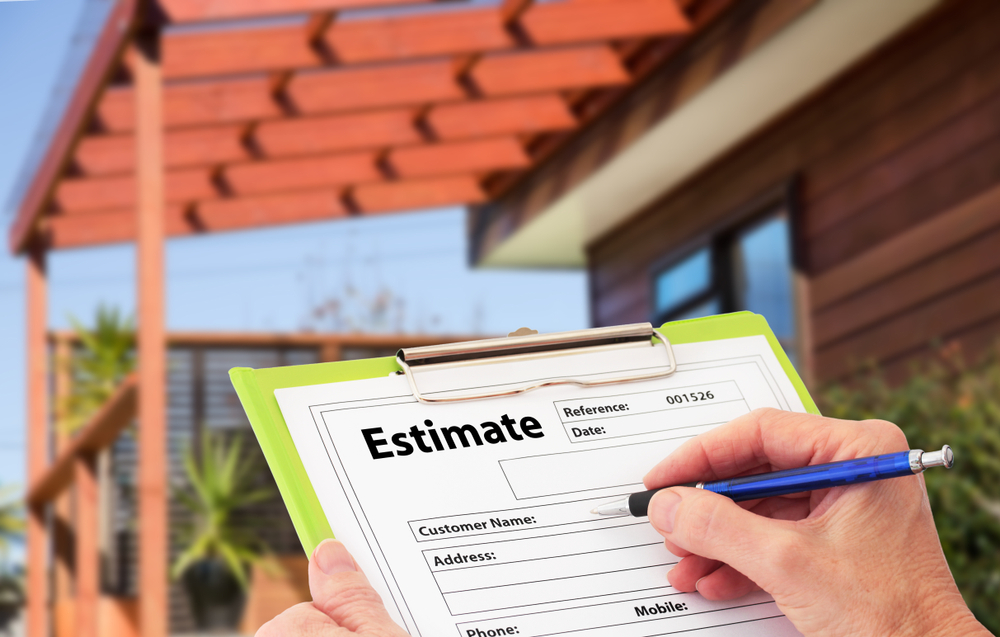
When you need work done on your roof, the first step is always the estimate. It’s the document that transforms a roofing project from an unknown expense into a clear, actionable plan. But what does a “free roof estimate” really mean? What should be included, how is the price calculated, and how can you tell a good estimate from a bad one? For many homeowners in Columbia, the process can feel overwhelming. You want a fair price, quality work, and a roofer you can trust. This guide is designed to demystify the roofing estimate process from start to finish. We’ll break down what a comprehensive estimate should include, explain how contractors determine their pricing, and show you the red flags to watch out for. Our goal is to empower you with the knowledge to confidently choose the right roofer for your home. Why Roofing Estimates Are Important Before Any Project A roofing estimate is more than just a price tag; it’s the foundation for your entire project. It serves as a detailed roadmap that outlines the scope of work, the materials to be used, and the total cost, ensuring that both you and your contractor are on the same page before a single shingle is removed. The Role of a Roof Estimate in Planning and Budgeting A detailed, written estimate is a crucial tool for financial planning. It allows you to: Understand the Full Cost: A professional estimate itemizes every part of the job, from materials and labor to cleanup and permit fees. This transparency prevents surprise costs later on. Secure Financing: If you plan to finance your roofing project, lenders will require a formal estimate to approve a loan. Compare Apples to Apples: Collecting multiple estimates allows you to compare what different contractors are offering. A detailed breakdown helps you see why one price might be higher or lower than another. Set Clear Expectations: The estimate defines the scope of work. It specifies what repairs will be made, what materials will be used, and what the final result should look like, protecting you from misunderstandings. Why “Free” Roof Estimates Are Standard in Columbia SC You’ll see “free estimate” offered by nearly every reputable roofing company in the Columbia area, and for good reason. It’s the industry standard and a sign of good faith. Contractors provide free estimates as a way to earn your business. It gives them an opportunity to inspect your roof, understand your needs, and demonstrate their professionalism and expertise. Think of it as a no-obligation consultation. A roofer who is confident in their pricing and services is happy to provide a detailed estimate because they believe their value will be clear. It’s a low-risk way for you to gather information and find a contractor you feel comfortable with. Any company that tries to charge you just for an initial quote should be viewed with caution. What’s Actually Included in a Free Roof Estimate A thorough, professional roof estimate is much more than a single number. It should be a detailed document that breaks down every aspect of the job. Here’s what to look for. Material Costs, Labor, and Tear-Off Details This is the core of the estimate. It should clearly list: Materials: The specific type, brand, and color of shingles, underlayment, and other components should be itemized. It should also include things like drip edge (metal flashing at the edge of the roof), flashing (metal that seals joints around chimneys and vents), and ventilation products. Tear-Off: If you’re getting a full replacement, the estimate must include the cost of removing and disposing of the old roofing material. This is a labor-intensive step that should never be a hidden cost. Labor: This covers the cost of the skilled crew who will be working on your home. The price reflects the team’s experience, insurance, and the complexity of the job. Total Roof Size: Estimates often use a “square” as a unit of measurement, which is equal to 100 square feet of roof area. The estimate should note the total squares needed for your project. Inspection Findings and Recommended Repairs A good estimate is based on a thorough inspection. The document should summarize what the contractor found during their assessment, complete with photos whenever possible. This section should detail any recommended repairs, such as: Decking Replacement: The wooden roof deck is the foundation of your roof. If the inspection reveals soft or rotted wood, the estimate should include a per-sheet price for replacing it. This is often listed as a “contingency,” as the full extent of decking damage can’t be known until after the old roof is torn off. Flashing and Pipe Boot Repair: The estimate should specify whether existing flashing will be reused or replaced. It’s almost always best practice to install new flashing and pipe boots with a new roof. Ventilation Upgrades: If your attic ventilation is inadequate, the contractor may recommend adding a ridge vent or other vents to improve airflow and extend the life of your new roof. Cleanup, Disposal, and Permit Fees The job isn’t finished until your property is clean. A professional estimate will always include: Cleanup and Debris Removal: This covers the cost of cleaning up all job-related debris, including using magnetic rollers to pick up stray nails from your yard and driveway. Disposal Fees: This is the cost associated with legally disposing of your old roofing materials in a landfill or recycling facility. Permit Fees: Depending on your location within the Columbia area, a building permit may be required for a roof replacement. The contractor should handle the permitting process and include the associated fee in the estimate. How Roofing Contractors Calculate Their Estimates Creating an accurate estimate requires more than just measuring your roof. Contractors must consider a wide range of variables, from the specific architecture of your home to the challenges of our local climate. Factors That Affect Roof Pricing in Columbia’s Climate Several key factors influence the final cost of a roofing project in
Energy-Efficient Roofing Options for Columbia SC Homes
Your roof does more than just keep the rain out. It’s your home’s first line of defense against the elements, and here in Columbia, that means enduring long, hot, and humid summers. All that sunshine beating down on your roof can turn your attic into an oven, forcing your air conditioner to work overtime and driving up your energy bills. What if your roof could fight back against the heat? An energy-efficient roof is designed to do just that. By using modern materials and smart system design, it can reflect solar heat, improve your home’s insulation, and lower your cooling costs significantly. It’s an investment that not only enhances your home’s comfort but also pays you back over time. As part of a complete roofing services plan in South Carolina, energy performance should be considered alongside durability and long-term protection. This guide will explore the best energy-efficient roofing options for Columbia homes. We’ll break down the technology, explain how the whole system works together, and show you how upgrading your roof can lead to real savings and a more comfortable, sustainable home. Why Energy Efficiency Matters for Homeowners Choosing an energy-efficient roof is about more than just a new look. It’s a practical decision that offers tangible benefits for your wallet, your comfort, and the environment. Lower energy bills and improved comfort During a typical South Carolina summer, your roof absorbs a massive amount of solar energy, heating your attic to temperatures of 150°F or more. This heat radiates down into your living spaces, forcing your air conditioning system to run constantly just to keep up. An energy-efficient roof system reduces this heat absorption. By reflecting more sunlight and minimizing heat transfer, it keeps your attic and your home cooler. This directly translates to lower energy consumption and reduced electricity bills, especially from May through September. Beyond the savings, you’ll notice a real difference in comfort. Rooms that used to feel stuffy and warm will stay more consistently cool, creating a more pleasant living environment for your family. Environmental benefits and sustainability Reducing your home’s energy consumption has a positive ripple effect on the environment. When you use less electricity, you decrease the demand on power plants, which in turn reduces greenhouse gas emissions. An energy-efficient roof is a sustainable choice that helps lower your household’s carbon footprint. Furthermore, many modern, energy-efficient roofing materials are made from recycled content and are themselves recyclable at the end of their long lifespans. Choosing a durable, long-lasting roof also means less waste in landfills over time compared to replacing a standard roof more frequently. Types of Energy-Efficient Roofs There isn’t just one way to make a roof energy-efficient. Several technologies and materials are available, each with its own set of benefits. You can also review the most common roofing materials for Columbia SC homes to understand how each performs locally. Cool roofing systems and reflective coatings The term “cool roof” refers to a roofing system designed to reflect more sunlight and absorb less heat than a standard roof. This is measured by two key properties: Solar Reflectance: This is the ability of a surface to reflect sunlight. It’s measured on a scale from 0 to 1, with a higher value indicating a more reflective surface. Thermal Emissivity: This is the ability of a surface to radiate absorbed heat away. A high emissivity means the roof can cool down more quickly once the sun sets. A roof with both high solar reflectance and high thermal emissivity is considered a “cool roof.” While traditionally associated with white or light-colored materials, modern advancements have made it possible to produce cool roofing shingles and surfaces in a variety of darker colors that still offer excellent reflective properties. Reflective coatings can also be applied to some existing roof surfaces to boost their efficiency. Metal roofing with energy-saving finishes Metal roofing is an outstanding choice for energy efficiency in a hot climate like ours. It also performs exceptionally well in severe weather — see our full guide on the pros and cons of metal roofing for storms. Its inherent reflective properties already outperform asphalt, and modern metal roofs take it a step further with specialized finishes. These high-tech coatings are embedded with special pigments that reflect infrared light—the primary source of solar heat. This means that even a darker-colored metal roof can stay significantly cooler than a traditional asphalt shingle roof of the same color. By reflecting heat away from your home, a metal roof can reduce cooling costs by up to 25%. Combined with its exceptional durability and long lifespan, a metal roof offers fantastic long-term value and energy savings. If you’re weighing durability alongside efficiency, compare shingle versus metal roof performance in storms. Solar-integrated shingles and panels For homeowners looking to maximize their energy independence, solar roofing is the ultimate solution. This technology has evolved far beyond the bulky, rack-mounted panels of the past. Today’s options are sleek, durable, and seamlessly integrated into the roof itself. Solar Shingles: These are small solar panels designed to mimic the size and shape of traditional asphalt shingles, allowing them to blend directly into the roofline. They are installed alongside regular shingles for a cohesive, low-profile look. Solar Panels: Modern solar panels are more efficient and aesthetically pleasing than ever. When paired with a new roof installation, they can be integrated cleanly, providing a powerful energy-generating system. While solar-integrated roofing has the highest upfront cost, it is the only roofing option that actively generates power, drastically reducing or even eliminating your electricity bill. If you’re still comparing options, see our breakdown of what’s best for Columbia SC homes based on climate, cost, and longevity. How Proper Insulation and Ventilation Boost Efficiency An energy-efficient roofing material is only one part of the equation. For maximum performance, your entire roofing system needs to work together. This includes proper ventilation and insulation, which manage heat and moisture within your attic. Balancing attic airflow for year-round savings A well-ventilated attic is crucial for