A small roof leak might seem easy to fix — a quick patch, a dab of sealant, or a few new shingles. But when the same spot keeps leaking after every storm, it’s usually a sign that something deeper is going on. This is often the tipping point we discuss in our article on when roof repairs aren’t enough in Columbia, SC. What looks like a simple repair could be hiding damage that’s slowly spreading through your roof and attic.
At Cola City Roofing, we provide comprehensive roofing services in South Carolina, and we’ve helped countless homeowners in Columbia, Lexington, Irmo, and West Columbia who thought they just needed a quick leak fix. Once we inspected the roof, we found soaked insulation, warped decking, and sometimes even mold starting to form — all from a “minor” leak that had gone on too long.
In South Carolina’s hot, humid climate, water intrusion never stays small. Heat expands cracks, humidity feeds wood rot, and repeated storms can push water further under your shingles. Ignoring it or relying on quick repairs can cost far more in the long run. If you’ve got a leaky roof or keep calling for roof repairs in the same area, it may be time to look beyond patchwork.
When a Leaky Roof Looks Small but Causes Big Problems
It’s easy to underestimate a small roof leak. A tiny drip in the attic or a minor water stain on the ceiling can seem like a nuisance rather than a major threat. Many homeowners are tempted to place a bucket underneath and add "call a roofer" to a long to-do list. However, what you see on the inside is often just the final symptom of a much larger problem. By the time water makes its way through your roofing materials, decking, insulation, and drywall, it has already traveled a destructive path.
Columbia’s weather is a major factor in how quickly small leaks escalate. The cycle of intense afternoon rainstorms followed by baking sun creates the perfect environment for damage to spread. The humidity that follows a downpour can keep your roof’s underlayers damp for days, promoting wood rot and mold growth long after the rain has stopped. A tiny crack in a shingle or a small gap in flashing can widen with the constant expansion and contraction caused by our temperature swings.
What starts as a seemingly isolated issue can quickly compromise the entire roofing system. At Cola City Roofing, we often find that a "small leak" is actually a sign of widespread material failure, especially on roofs over 15 years old. A simple patch might stop the dripping for a while, but it won’t address the underlying weakness. That’s why a professional roof repair service doesn’t just patch the hole; it investigates the cause to determine if a repair is truly enough or if it’s just a temporary bandage on a bigger wound.
What Usually Causes Roof Leaks in South Carolina Homes
Roofs in the Midlands face a unique combination of environmental stressors that lead to leaks. While some causes are universal, their impact is often magnified by our local climate. Understanding what causes these leaks is the first step toward finding a lasting solution.
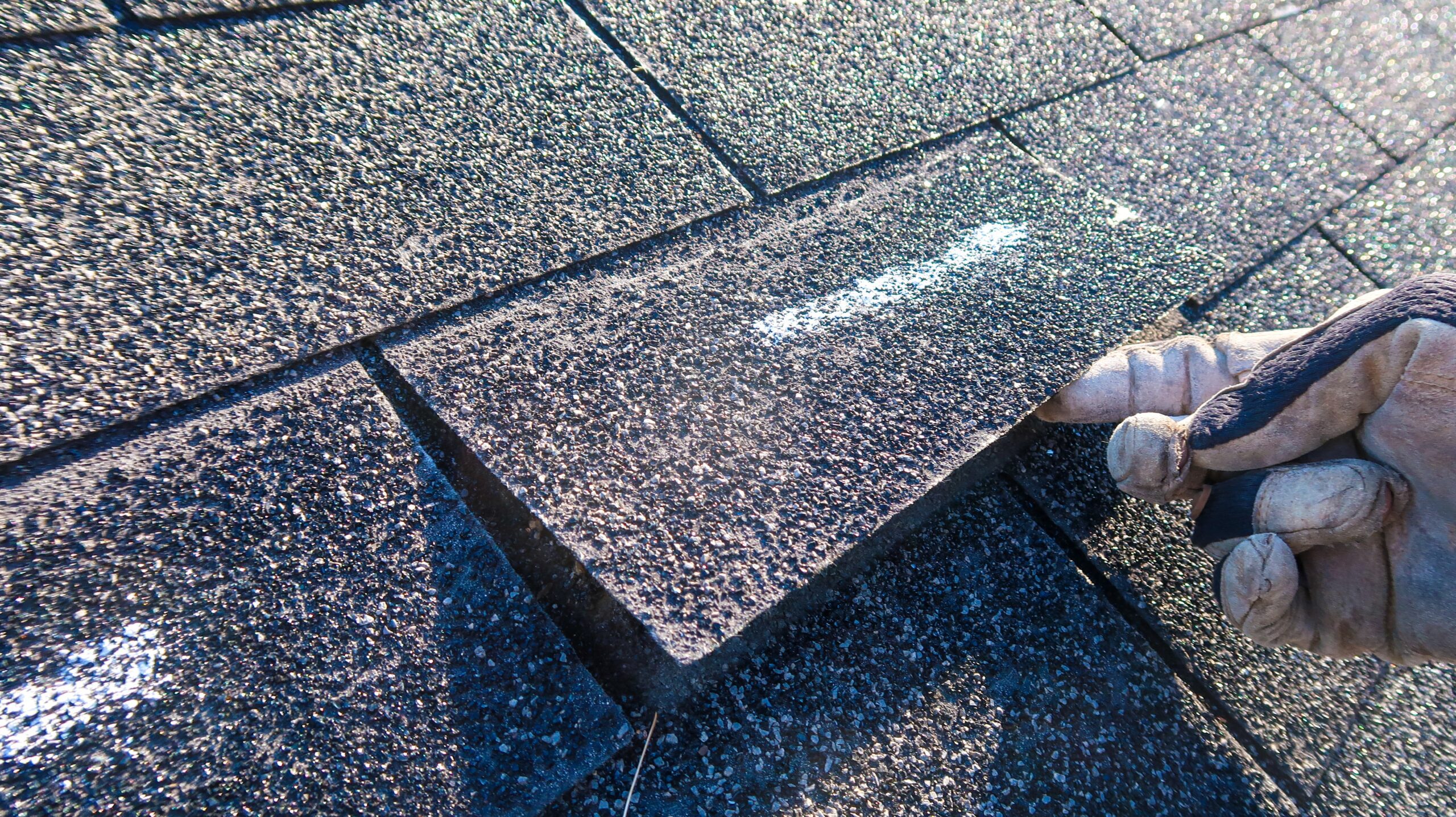
The most common culprit is simply aging shingles . Over 15 to 20 years, asphalt shingles lose the protective granules that shield them from UV rays. They become brittle, curl at the edges, and crack, creating numerous entry points for water. Another frequent issue is cracked or failing flashing . This metal stripping around chimneys, vents, and valleys is a critical defense, but sealant can dry out and crack, or the metal itself can be lifted by high winds, allowing water to seep into the most vulnerable parts of your roof.
Storm damage is another major cause. High winds from summer thunderstorms or the remnants of tropical storms can tear shingles off entirely, while hail can create "bruises" on asphalt shingles that compromise their integrity. Finally, poor initial installation can haunt a roof for its entire life. Improperly nailed shingles, incorrectly installed flashing, or inadequate underlayment can create problems that only reveal themselves years later, often through persistent leaks that seem to have no obvious cause. The heat and moisture expansion cycles unique to South Carolina put extra stress on these weak points, turning minor installation flaws into major failures over time.
The Role of Columbia’s Climate in Roof Leaks
You’re not imagining it—roofs in the Midlands often seem to wear out faster than in other parts of the country. Our climate plays a significant role in accelerating the aging process of roofing materials. The constant humidity means that materials rarely have a chance to dry out completely, which is especially tough on the wooden decking that forms your roof’s foundation. This persistent moisture fosters an environment where wood rot and algae growth can thrive.
At the same time, the intense UV exposure from the sun bakes your shingles day after day. This process breaks down the asphalt, making it less flexible and more prone to cracking during the temperature shifts between a hot day and a cooler night. This thermal cycling causes materials to expand and contract, putting stress on seams, seals, and fasteners. Over thousands of cycles, these stresses can create gaps and cracks where none existed before, providing a perfect pathway for water from the next heavy rain. This is why a 20-year-old roof in Columbia may show significantly more wear than a roof of the same age in a cooler, drier region.
How to Tell When a Leak Is More Than Just a Patch Job
When you spot a leak, your first instinct is likely to call for a quick repair. In many cases, if the roof is young and the damage is isolated, a patch is the right call. But how do you know when that leak is a symptom of a much bigger problem? Recognizing the signs that a simple fix won’t hold can save you from a cycle of costly, frustrating, and ultimately futile repairs. We’ve outlined five common warning signs in our article on roof repairs that signal it’s time for a new roof in Columbia, SC.
One of the biggest red flags is a recurring leak. If you’ve had the same area repaired before and the leak has returned, it’s a strong indication that the problem isn’t the patch—it’s the underlying materials. The shingles, underlayment, or even the decking in that area may be too compromised to support a new repair. Water is likely infiltrating the system from multiple points, and patching one spot just forces it to find another way in.
Before you assume a simple patch will do the trick, it’s wise to get a professional roof inspection Columbia SC homeowners can trust. A trained inspector can identify the subtle but critical signs of systemic failure that are invisible from the ground. They can assess the overall condition of the shingles, check for spongy spots that indicate rotted decking, and look inside the attic for signs of widespread moisture. This comprehensive evaluation is the only way to know for sure if you’re dealing with a simple leak or a roof that’s reached the end of its life.
If you’re unsure whether you’re dealing with a simple issue or something bigger, start with our guide on whether you should repair or replace your roof.
Common Signs a Leak Is Hiding Deeper Damage
The drip from your ceiling is just the end of the story. The real damage happens long before you see any water. Be on the lookout for these subtle clues that a leak is hiding deeper problems:
- Stains on Ceilings or Walls: Brown or yellow stains, especially in corners or around fixtures, are a classic sign of a slow leak. Even if the spot feels dry, it indicates water has been there.
- Musty Odor or Attic Moisture: A persistent musty smell, particularly in your attic or upper-floor closets, often points to hidden mold or mildew growth caused by a roof leak. You might also notice dampness on the underside of the roof deck.
- Peeling Paint Near Vents or Chimneys: Paint that is blistering or peeling on the walls or ceiling around your chimney or vents is a common indicator of a flashing leak.
- Sagging Drywall or Soft Decking: If your ceiling drywall appears to be drooping, it has likely absorbed a significant amount of water and is losing its structural integrity. This is a sign of a severe and long-term leak. A professional inspection may also reveal soft, spongy decking on the roof itself.
The Hidden Damage Leaks Cause Over Time
A leaky roof does more than just let in water; it starts a chain reaction of destruction that can compromise your home’s structural integrity, air quality, and overall value. The damage often happens slowly and out of sight, making it one of the most dangerous issues a homeowner can face. The most immediate threat is to your home’s structure. Water that seeps into the attic will saturate the wooden decking, rafters, and ceiling joists. Over time, this chronic dampness leads to wood rot, weakening the essential framework of your home. What was once strong, solid wood can become soft and spongy, unable to support the weight of the roof.
This moisture also destroys your insulation. Wet insulation compresses and loses its R-value, making it far less effective at regulating your home’s temperature. This forces your HVAC system to work harder, leading to higher energy bills. Worse, chronically damp insulation becomes a breeding ground for mold and mildew. These fungi release spores into the air, which can circulate through your home via the HVAC system, severely impacting your indoor air quality and potentially causing respiratory issues for your family. An attic mold from roof leak problem is a serious health and safety concern.
This hidden water damage from a roof leak can significantly decrease your home’s value. When it comes time to sell, evidence of past leaks, water stains, or a history of mold remediation can be a major red flag for potential buyers and home inspectors. Addressing a leak quickly and correctly isn’t just about stopping a drip; it’s about protecting the long-term safety and financial value of your property.
Why “Small Leaks” Can Lead to Big Repair Bills
It’s a common misconception that a small leak will cause only a small amount of damage. The reality is that water is incredibly destructive because it travels. A leak that starts at a single cracked shingle doesn’t just drip straight down. It can run along the roof decking, travel down a rafter, and pool in a low spot before it ever soaks through your ceiling. By the time you see a stain, the water could have saturated a large area of wood and insulation.
Consider a real-world example we encountered at a home in Irmo. The homeowner noticed a small, fist-sized water stain on their garage ceiling but put off calling for an inspection. A year later, after a heavy storm, a large section of the ceiling drywall collapsed, revealing blackened, rotten roof decking and mold-covered insulation. The initial "small leak" had been slowly saturating the wood for months. The repair was no longer a simple patch; it required replacing a large section of the roof deck and all the surrounding insulation, a job that cost thousands more than a proactive inspection and repair would have. This is why addressing any sign of a leak immediately is so critical—the longer you wait, the more extensive and expensive the roof leak damage becomes.
When Roof Replacement Is the Smarter, Lasting Solution
After dealing with recurring leaks and the stress of potential hidden damage, there comes a point when a full roof replacement becomes the most logical and financially sound decision. Instead of continuing to pour money into temporary patches on a failing system, a new roof provides a permanent, comprehensive solution that eliminates the source of the leaks for good.
A new roof isn’t just an expense; it’s an investment in your home’s protection and your peace of mind. As part of our complete residential roofing services in South Carolina, we install fully integrated roofing systems designed to handle our climate. With a full replacement from Cola City Roofing , you receive robust material and workmanship warranties. This means you are protected from product defects and installation errors for years to come, ending the cycle of unexpected repair bills. Furthermore, a new roof is an opportunity to upgrade. Modern energy-efficient roofing systems are designed to reflect more of the sun’s UV rays, which can significantly reduce the heat absorbed into your attic. In the peak of a South Carolina summer, this can lead to lower air conditioning costs and a more comfortable home.
Choosing a roof replacement allows you to reset the clock on your roof’s lifespan. It ensures that every component—from the decking and underlayment to the shingles and flashing—is new, properly installed, and working together as a single, integrated system to keep your home safe and dry.
For a detailed breakdown of pricing in our area, see our guide to roof repair vs replacement cost in Columbia, SC.
Benefits of Choosing a Full Roof Replacement
Investing in a new roof offers significant advantages that go far beyond just stopping a leak. It’s a proactive step that provides value for years to come.
- Long-Term Cost Savings: While the upfront cost is higher, a new roof eliminates the need for endless patching. When you compare the cost of a replacement to the accumulated expense and stress of multiple repairs on an old roof, a replacement often proves to be the more economical choice over its lifespan. Many homeowners don’t realize the real cost of repeated roof repairs in South Carolina until those “small” leaks turn into major expenses.
- Improved Energy Efficiency: A new roof is a perfect opportunity to install an energy-efficient roofing system. These modern materials can lower your cooling bills, providing a tangible return on your investment month after month.
- Boosted Curb Appeal and Resale Value: A brand-new roof dramatically enhances the look of your home. It’s also a major selling point for potential buyers, who value the security of not having to face a major roofing expense themselves.
- Peace of Mind Before the Next Storm Season: With a professionally installed new roof, you no longer have to worry every time a storm rolls through the Midlands. You can have confidence that your home is protected by a strong, reliable system built to withstand the elements.
How Cola City Roofing Helps Columbia Homeowners Handle Roof Leaks
At Cola City Roofing, we understand that dealing with a leaky roof is stressful. Our entire process is designed to give you clarity and confidence. It starts with our free, no-obligation inspection. We don’t just look for the leak; we assess the health of your entire roofing system to find the root cause of the problem. We provide you with a detailed, honest assessment, complete with photos, so you can see the condition of your roof for yourself.
If the leak is the result of storm damage, we have extensive experience helping homeowners navigate the insurance claims process. We can document the damage professionally and meet with your insurance adjuster to ensure all related issues are accounted for. Our goal is to make the process as smooth and straightforward as possible.
As a local roofing company , our reputation in the community is everything. We treat your home like our own and are proud to offer discounts to veterans, educators, and first responders. We’re not here to sell you a service you don’t need; we’re here to provide a lasting solution that protects your family and your investment.
Stop the Leak — Before It Turns Into a Bigger Problem
A roof leak will not fix itself; it will only get worse. The longer you wait, the more damage it will cause and the more expensive the solution will be. The sooner you find the real cause of the leak, the more options you will have and the more you can save. Don’t let a small stain turn into a structural crisis.
Book your professional roof evaluation today — let Cola City Roofing show you whether your leak can be repaired or if it’s time for a stronger, longer-lasting solution. You can also explore our full range of roofing services in South Carolina to better understand your repair and replacement options.
Leaky Roof Repair Questions Homeowners Ask
Can a roof leak be repaired without replacing the whole roof?
Yes, absolutely. If your roof is relatively young and the rest of the materials are in good shape, a leak caused by isolated damage (like a single missing shingle or failed sealant around a vent) can often be professionally repaired. A proper repair will solve the issue without requiring a full replacement.
How long can you leave a roof leak before it gets worse?
You should address a roof leak as soon as you discover it. Even over a few weeks or months, a "minor" leak can saturate insulation, warp wooden decking, and create an environment for mold to grow. In South Carolina’s humid climate, damage can progress very quickly. The sooner you act, the better.
What happens if a roof leak isn’t fixed quickly?
If a roof leak isn’t fixed, it can lead to serious consequences, including rotted roof decking and structural supports, ruined insulation, damaged ceilings and walls, and hazardous mold growth. These issues are far more complex and expensive to fix than the original leak.
Does insurance cover roof leak repairs in South Carolina?
It depends on the cause. If the leak is a direct result of damage from a covered event, like a hailstorm or high winds, your homeowner’s insurance will likely cover the repair or replacement, minus your deductible. However, insurance typically does not cover leaks caused by old age or lack of maintenance.