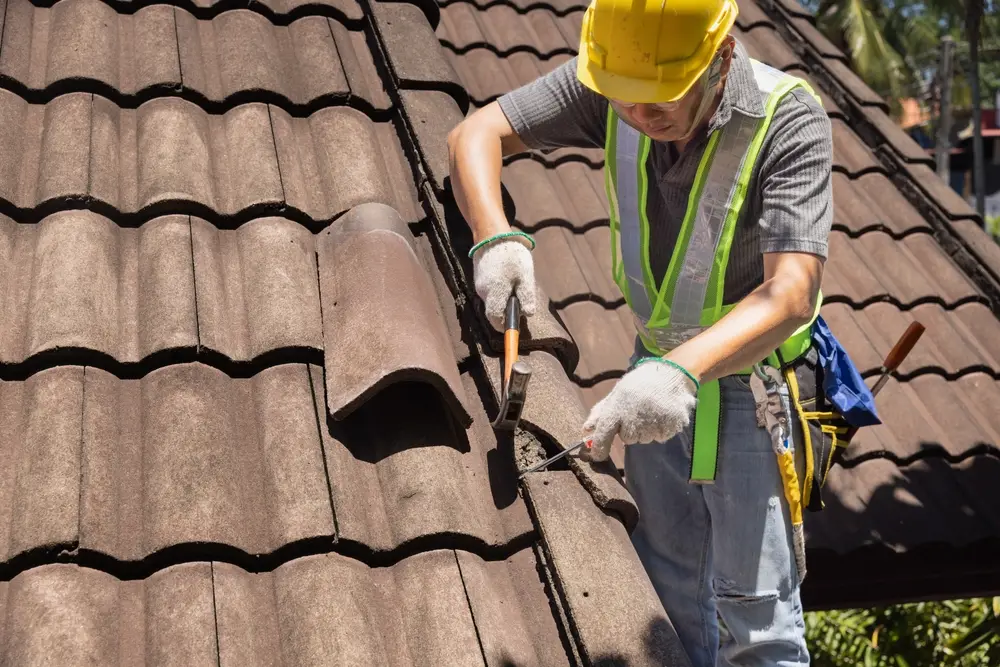
If you live in South Carolina, your roof works overtime. Between the summer heat, heavy humidity, and sudden storms, even the best-built roofs take a beating. It’s no surprise that homeowners across Columbia, Lexington, and Irmo find themselves calling for frequent roof repairs — but at some point, those constant fixes stop being cost-effective.
At Cola City Roofing, we provide comprehensive roofing services in South Carolina, and we’ve seen this play out countless times. A few loose shingles here, a small leak there — each repair seems minor, but they start to add up. What many homeowners don’t realize is that repeated patchwork can actually shorten a roof’s lifespan, especially in our climate where moisture and UV exposure wear materials down faster than average.
Every “quick fix” comes with hidden costs: more materials, more labor, and more risk of underlying damage that goes unnoticed until it’s too late. Eventually, many Columbia homeowners reach the point where a roof replacement not only makes financial sense but actually saves money over time.
Before investing in another short-term repair, it’s worth looking at the bigger picture. If you’re still weighing the broader decision, start with our guide on whether you should repair or replace your roof. A new, energy-efficient roof built to handle South Carolina’s weather can protect your home for decades — and with financing options and strong material and workmanship warranties, it’s easier to afford than most homeowners think.
Why South Carolina’s Climate Is Tough on Roofs
If you live anywhere in the Midlands, you already know our weather can destroy a roof faster than you’d expect. A roof in a milder, drier state might last 25 years without issue, but here, the combination of intense heat, oppressive humidity, and violent storms creates a uniquely challenging environment. These local stressors work together to weaken roofing materials from the moment they are installed, making proactive maintenance and smart repair decisions crucial.
The constant cycle of extreme weather puts every component of your roof under relentless pressure. Shingles bake in the sun, flashing expands and contracts, and underlayment is exposed to trapped moisture. Understanding how these factors contribute to roof aging is key to knowing when a simple roof repair is sufficient and when it’s time to consider a more permanent solution. We break down the full comparison in our homeowner guide to roof maintenance vs replacement. As a local roofing company in Columbia, SC, we’ve built our expertise around installing and maintaining roofs that are specifically equipped to handle these demanding conditions.
How Heat and Humidity Accelerate Roof Aging
The one-two punch of summer heat and humidity is your roof’s greatest enemy in South Carolina. During July and August, the surface of your roof can reach scorching temperatures. This extreme heat bakes the asphalt in your shingles, causing the oils that keep them flexible to evaporate. The shingles become brittle and are far more likely to crack or tear during temperature fluctuations or high winds. This process, known as thermal expansion, also puts stress on the seals around flashing and vents, causing them to pull apart and create entry points for water.
At the same time, our high humidity means moisture is almost always present. This moisture gets trapped under shingles and within the layers of your roofing system, preventing it from ever fully drying out. This constant dampness is the perfect breeding ground for algae and moss, which can degrade shingles over time. More dangerously, it promotes wood rot in the roof decking and underlayment. The decking is the foundation of your roof, and when it becomes soft and spongy from moisture, its structural integrity is compromised, turning a simple leak into a major safety hazard.
The Storm Factor — Wind, Hail, and Heavy Rain
While heat and humidity cause slow, steady degradation, our storm season delivers sudden, acute damage. South Carolina is no stranger to severe thunderstorms that bring high winds, hail, and torrential rain. High winds can get underneath the edge of shingles—especially older, brittle ones—and lift them, breaking their adhesive seal or tearing them off completely. A single missing shingle exposes the underlayment, creating an immediate leak.
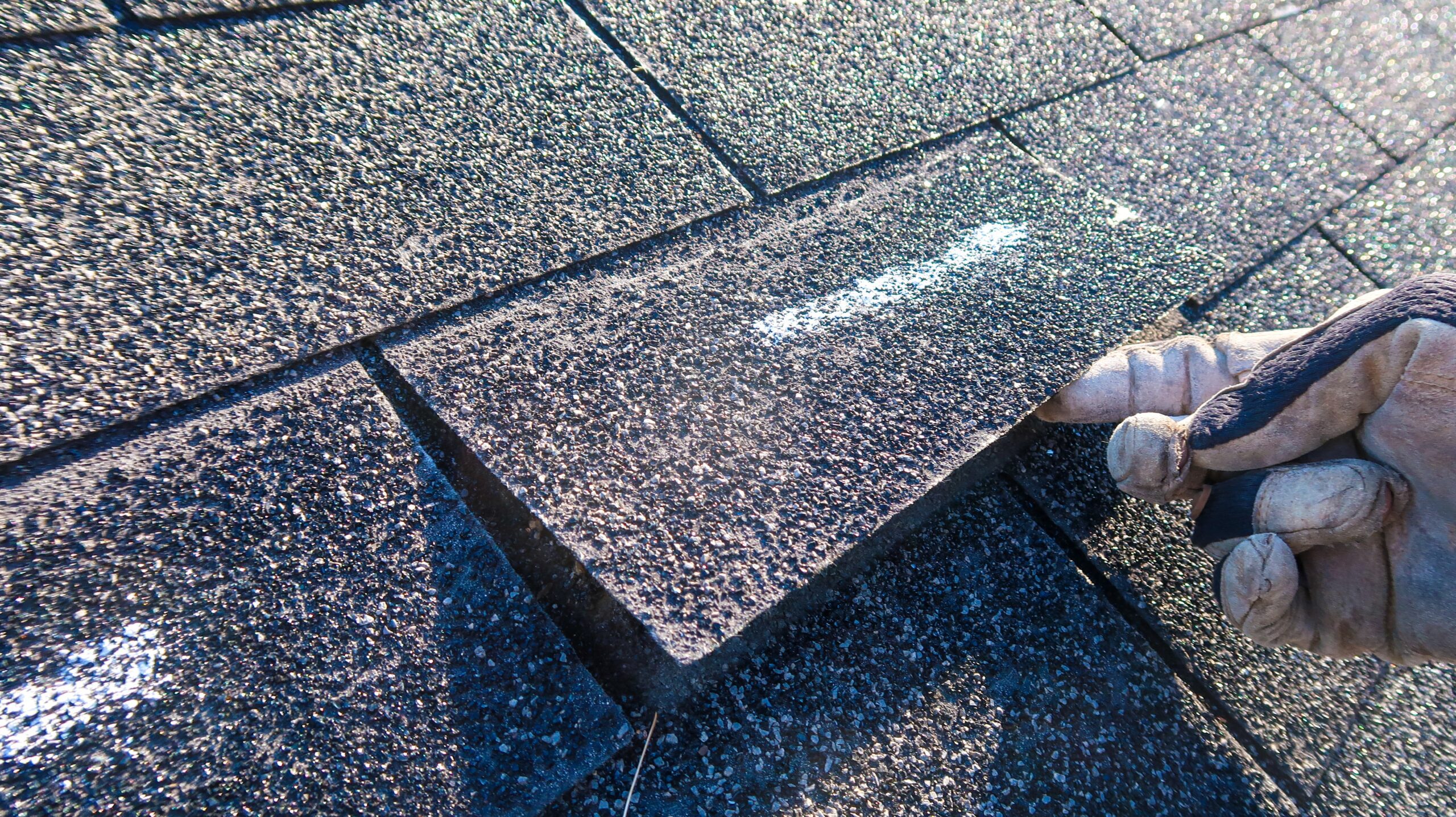
Hail is another significant threat. Even small hailstones can create bruises or craters on asphalt shingles, knocking off the protective granules that shield them from UV rays. This "bruising" may not be visible from the ground, but it creates weak spots that will eventually crack and leak. The heavy, wind-driven rain that accompanies these storms is notorious for finding and exploiting every tiny weakness in your roof. At Cola City Roofing, our storm damage repair expertise is built on years of responding to these events, and we know that even seemingly minor storm damage can compound over time, turning small vulnerabilities into major failures.
The Hidden Expense of Constant Roof Repairs
When faced with a roof issue, the temptation is always to choose the cheapest, quickest fix. A small repair seems far more affordable than a full replacement, but this view is often shortsighted. The true cost of repeated roof repairs goes far beyond the initial invoice. Over time, these "band-aid" solutions can become a significant financial drain, with hidden costs that many homeowners don’t consider until it’s too late.
The most obvious expense is the accumulation of repair bills. A $500 repair this year, a $700 repair next year, and another $400 repair the year after that quickly add up. Over five years, you could easily spend thousands of dollars on a roof that is still aging and weakening. But the direct repair costs are only part of the story. Recurring leaks, even minor ones, can lead to costly interior water damage, saturated insulation that loses its effectiveness and drives up energy bills, and the potential for dangerous mold growth. If you’re dealing with an ongoing drip, here’s when a leaky roof fix isn’t enough for Columbia homes.
We’ve seen this across Columbia, Irmo, and Lexington — the same roof repaired every few months before finally being replaced. In these cases, the homeowners not only paid for multiple ineffective repairs but also had to contend with the stress and secondary damage that came with them. A proactive replacement, while a larger upfront investment, eliminates these hidden costs and provides a reliable, long-term solution .
Many of the issues we see start with the five common problems outlined in our guide to roof repairs that signal it’s time for a new roof in Columbia, SC.
When “Minor Fixes” Become Major Bills
Let’s break down the real costs of relying on minor fixes for an aging roof. The labor and materials for each repair call-out are just the beginning. The far bigger financial risks are the secondary damages that occur between fixes. A slow, undetected leak can ruin drywall, requiring it to be replaced and repainted. It can soak attic insulation, which then needs to be removed and replaced to prevent mold and restore your home’s energy efficiency.
Consider this realistic scenario: A homeowner in Columbia has a 19-year-old roof and pays for a $600 repair to fix a leak. A year later, another leak appears in a different spot, costing $800 to fix and requiring a small drywall patch inside. The following year, a storm causes widespread shingle loss, and a roofer quotes a $2,500 repair, but warns that the roof is at the end of its life. Over three years, the homeowner has spent $3,900 on repairs for a roof that still needs to be replaced. A full replacement three years prior would have prevented those repair costs and eliminated the risk of interior damage, all while being protected by long-term warranties. This is why evaluating the roof repair cost South Carolina homeowners face requires looking at the 3-5 year picture, not just the next bill.
For a detailed breakdown specific to our area, see our guide to roof repair vs replacement cost in Columbia, SC.
When Roof Replacement Makes More Sense
There comes a tipping point for every aging roof when patching it up no longer makes financial or practical sense. We explore those warning signs in our article on when roof repairs aren’t enough in Columbia, SC. Continuing to repair a system that is fundamentally failing is a losing battle. A full roof replacement is a strategic investment in your home’s safety, value, and efficiency. As part of our complete residential roofing services in South Carolina, we install roofing systems designed specifically for our climate. This is especially true in South Carolina, where newer materials and modern installation techniques are specifically designed to withstand our harsh weather far better than the products used 20 years ago.
Moving from a reactive repair mindset to a proactive replacement strategy protects you from the stress and uncertainty of wondering when the next leak will appear. Instead of worrying every time a storm is in the forecast, you can have confidence in a roofing system that is built to perform. With a roof replacement , you are not just fixing a problem; you are upgrading your home’s most critical line of defense. The long-term benefits—from durability and storm resistance to energy savings and warranty protection—overwhelmingly justify the investment for any roof that is past its prime.
The Durability Difference in Modern Roofs
Today’s roofing materials are vastly superior to those of a few decades ago. Standard asphalt shingles now have a lifespan of 20-30 years, and metal roofing can last up to 70 years, even in our demanding climate. These modern materials are engineered for greater durability, flexibility, and longevity. They feature stronger adhesives to resist wind uplift and more resilient compositions that stand up to UV degradation.
Just as important as the materials is the warranty that backs them. When you get a new roof from Cola City Roofing, it comes with a powerful combination of a manufacturer’s material warranty and our own workmanship warranty. This means that for years to come, you are protected from both product defects and any issues related to the installation. This is a level of financial protection and peace of mind that a simple repair can never offer.
How Replacement Protects Against Future Storms
A new roof is your best defense against future storm damage. Modern roofing systems are designed and installed with severe weather in mind. For example, architectural shingles are heavier and have a higher wind rating than the older 3-tab shingles, making them far less likely to be torn off in a storm.
A full replacement also ensures that your entire roofing system is integrated and sealed correctly. This includes installing a high-performance water barrier (underlayment) across the entire roof deck and using modern flashing techniques around chimneys, vents, and valleys. Proper attic ventilation is another key component of a new roofing system, which helps to reduce heat and moisture buildup that can weaken the roof from the inside out. By upgrading the entire system, you are not just patching a weak spot; you are fortifying your entire home against the next storm season.
Local Columbia Projects That Prove It Pays Off
The best way to understand the value of replacement over repeated repairs is to see real-world examples. Many of our projects in the Cola City Roofing Before & After gallery started with a homeowner frustrated by recurring problems.
In one case, a family in Irmo had been dealing with persistent leaks around their chimney for three years. They had paid for two separate repairs, but after every heavy rain, the water stains on their ceiling would reappear. During our free inspection, we discovered that the shingles around the chimney were brittle and the underlying decking was soft and waterlogged. The previous "fixes" had failed because the surrounding materials were too weak to support a lasting patch. What started as a call for another repair became a full roof replacement. The homeowners now have a beautiful, leak-free architectural shingle roof that is storm-ready and backed by a long-term warranty.
Another project in Blythewood involved a roof that was losing shingles after every moderate windstorm. The homeowner was tired of calling for repairs. Our inspection revealed widespread thermal cracking and granule loss due to the roof’s age and sun exposure. We replaced the old, worn-out roof with a modern system, ending the cycle of repairs and giving the home a major curb appeal boost. These projects are clear proof that investing in a replacement pays off in both performance and peace of mind.
Long-Term Savings: Why a New Roof Costs Less Over Time
The financial benefits of a new roof extend well beyond just eliminating repair bills. A full replacement is an investment that provides tangible returns for years, often making it cost less over its lifespan than a series of continuous repairs.
One of the most significant savings comes from improved energy efficiency. A new, well-ventilated roof with energy-efficient materials can drastically reduce heat transfer into your attic, which means your air conditioner doesn’t have to work as hard during South Carolina’s long, hot summers. This translates directly to lower monthly energy bills. Furthermore, many insurance companies offer discounts for homes with new roofs, as they represent a lower risk of future claims.
A new roof also increases your home’s resale value. It’s a major selling point that tells potential buyers the home is well-maintained and free from one of the largest and most feared expenses. When you also consider that we offer roof financing to make the upfront cost manageable, the long-term financial picture becomes clear. The combination of energy savings, insurance discounts, increased home value, and robust warranty protection makes a new roof a smart and secure investment.
Don’t Keep Paying for the Same Problem
If you find yourself calling a roofer after every storm or dealing with the same recurring leak, you are caught in a repair trap. These ongoing repairs are short-term solutions to a long-term problem. Each dollar you spend on patching an old, failing roof is a dollar you could have invested in a permanent, reliable solution. Don’t wait for a minor issue to become a major catastrophe.
Take a proactive step to protect your home and your finances. Before the next storm hits, schedule a professional inspection to get a clear, honest assessment of your roof’s condition. It’s the best way to understand your options and make a decision based on facts, not guesswork.
You can also explore our full range of roofing services in South Carolina to understand your repair and replacement options. Schedule your free inspection today and find out whether your South Carolina roof needs repair or full replacement before it costs you more later.
Common Roof Repair Questions for South Carolina Homeowners
Why do South Carolina roofs wear out faster?
The combination of intense summer heat, high humidity, and frequent, severe storms accelerates the aging process of roofing materials. UV rays make shingles brittle, humidity promotes wood rot, and storms cause direct physical damage. This trio of factors means roofs here often have a shorter lifespan than in milder, drier climates.
How much does roof repair cost in Columbia, SC?
The cost can range from a few hundred dollars for a minor fix (like replacing a few shingles) to several thousand for a major repair involving structural work. The final price depends on the extent of the damage, the materials needed, and the labor involved.
How often should I inspect my roof after storms?
It’s a good practice to do a visual inspection from the ground after any significant storm. Look for missing shingles, bent flashing, or other obvious signs of damage. We recommend scheduling a professional inspection annually and after any severe weather event, especially if your roof is over 10 years old.
Can I finance a roof replacement in South Carolina?
Yes. At Cola City Roofing, we offer flexible financing options to help homeowners manage the cost of a full roof replacement. This allows you to get the protection of a new roof now and pay for it over time with manageable monthly payments.