Most homeowners don’t think twice about calling for a quick roof repair. Maybe a few shingles blew off during a thunderstorm, or a small leak appeared around the chimney after heavy rain. Those fixes seem harmless enough — until the same problems start showing up again and again. When that happens, it’s not just normal wear and tear. If you’re unsure where your roof stands, start with our guide on whether you should repair or replace your roof. It’s your roof telling you it’s time for something more permanent.
At Cola City Roofing, we provide comprehensive roofing services in South Carolina, and we see this pattern all the time across Columbia, Lexington, Irmo, and Blythewood. A roof can only handle so many patches before repairs stop being cost-effective. South Carolina’s intense sun, humidity, and storm cycles speed up the breakdown of shingles, flashing, and underlayment — especially on roofs nearing the end of their lifespan. What begins as a simple fix can quickly become a recurring expense that never truly solves the underlying issue. This cycle of patching is a clear sign that the entire roofing system is compromised and losing its ability to protect your home.
If you’ve already paid for multiple roof repairs in the past few years, you might actually be spending more than it would cost to invest in a full roof replacement. Understanding which repairs are warning signs, and when to act on them, can save you thousands and protect your home for decades. Before scheduling another quick fix, consider getting a free roof inspection. Our local team can help you see whether your roof still has life left — or if it’s time to replace it with something stronger, safer, and built for Columbia’s weather.
When Roof Repairs Stop Working — The Hidden Cost of “Quick Fixes”
You’ve patched, sealed, or replaced shingles more times than you can count, yet another problem always seems to pop up after the next big storm. It’s a frustrating and familiar story for many homeowners in the Midlands. A quick fix from a handyman might stop a leak for a few months, but it rarely addresses the root cause of the failure. The real issue is often that the entire roof system is aging and losing its integrity. Materials that were once resilient have become brittle, adhesives have failed, and the cumulative effect of years of sun and rain has taken its toll. We dive deeper into this tipping point in our article on when roof repairs aren’t enough in Columbia, SC.
Think of an old tire on a car. You can plug one hole, but if the rubber is cracked and worn all over, another leak is inevitable. The same principle applies to your roof. An isolated repair on a healthy, younger roof makes perfect sense. But when you’re repeatedly addressing symptoms on an aging roof, you’re throwing money at a problem that a simple patch can’t solve. Each "quick fix" is a temporary bandage on a system that needs a full replacement. The hidden cost isn’t just the money spent on each repair; it’s the escalating risk of catastrophic failure, water damage to your home’s interior, and the potential for wood rot and mold growth in your attic and walls.
At Cola City Roofing, we believe in providing honest solutions, not just temporary patches. Our professional roof repair services are designed to identify the true source of the problem. But our commitment to you means we’ll also tell you when a repair is no longer a sound investment. If we see signs that your roof’s core components are failing, we’ll explain why a full replacement is the more responsible and cost-effective path forward. Continuing to pay for repairs on a failing system is a losing battle that leaves your biggest asset—your home—vulnerable.
The 5 Most Common Roof Repairs That Point to Bigger Problems
These are the repairs our Cola City Roofing team sees most often before homeowners realize their roof has reached its limit. While each may seem like a standalone issue, they are often interconnected symptoms of a roofing system that is past its prime.
1. Leaky Roofs Around Vents, Chimneys, and Skylights
A leak is the most obvious sign of a roof problem, and leaks around penetrations like vents, pipes, chimneys, and skylights are extremely common. The flashing and sealant used to create a watertight barrier in these areas are often the first points of failure. However, a recurring leak in these spots is a major red flag. While a single instance might be due to failed sealant that can be easily fixed, repeated leaks suggest a more widespread issue.
The materials around these penetrations are under constant stress from expansion and contraction due to temperature changes. Over time, the entire roofing system becomes less flexible, causing seals to break repeatedly. Columbia’s heavy rain makes these leaks worsen fast. Water doesn’t just drip straight down; it can travel along rafters and decking, causing hidden moisture and mold risks far from the original entry point. If you find yourself calling for the same leaky roof repair Columbia SC homeowners dread, it’s a strong indicator that the surrounding shingles and underlayment are failing and can no longer support a lasting patch.
2. Replacing Missing or Curling Shingles
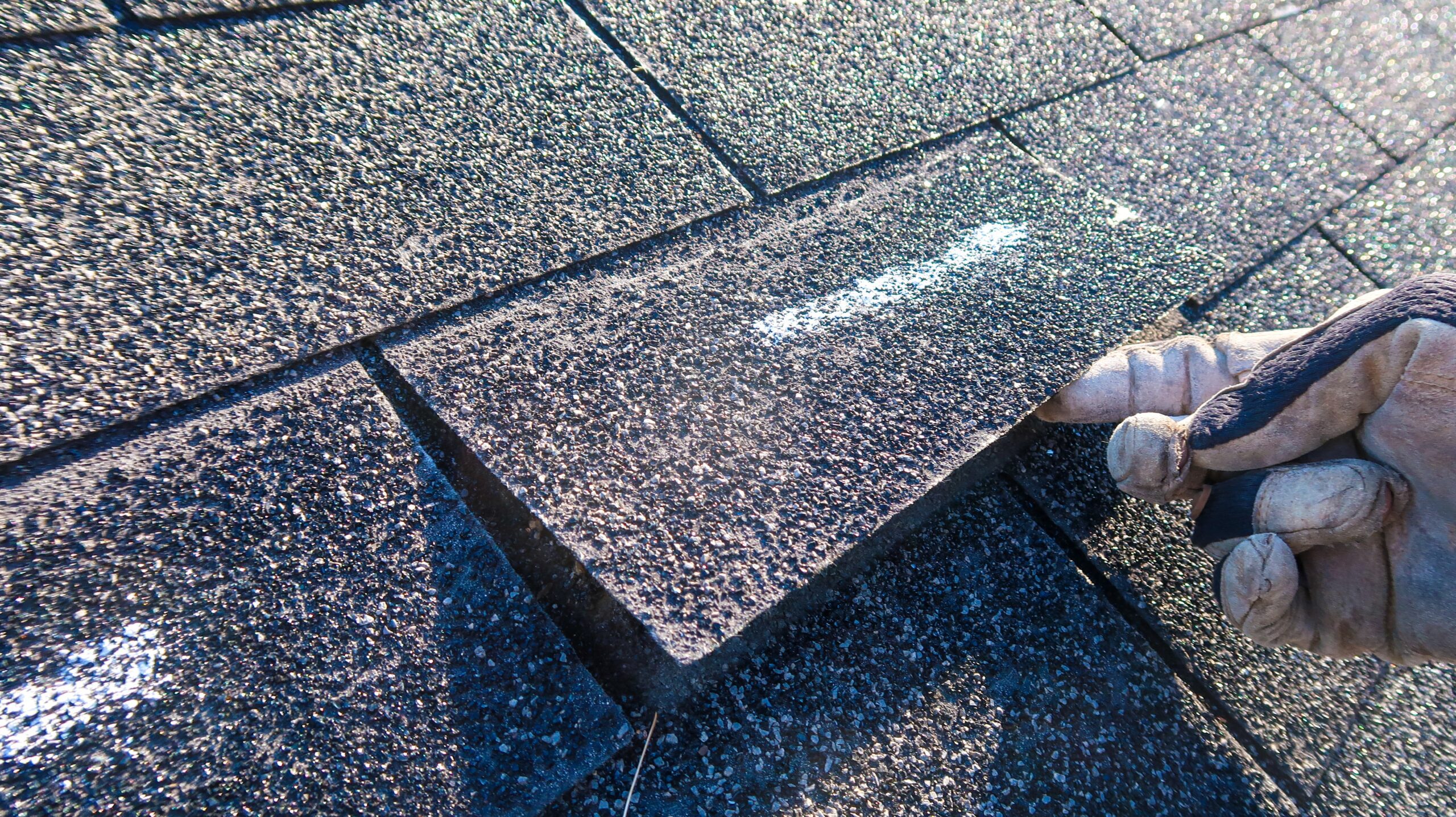
Losing a few shingles in a heavy windstorm is not unusual, especially for older roofs. But if you find yourself replacing shingles every season, or if you notice widespread curling, cracking, or "bald spots" where granules have worn off, your roof is showing classic signs of shingle fatigue. This is especially true after years of harsh South Carolina summers. The intense UV radiation bakes the asphalt in the shingles, causing them to become brittle and lose their flexibility. The adhesive strips that hold them together weaken, making them vulnerable to wind uplift.
When shingles start to curl, they lift away from the roof, breaking the watertight seal and creating easy entry points for wind-driven rain. A roofing professional can replace individual shingles, but when too many are missing or damaged, it’s impossible to restore the roof’s structural protection with simple repairs. The new shingles won’t integrate properly with the old, brittle ones, creating a weak patchwork that is likely to fail again. This kind of widespread shingle damage is one of the clearest roof replacement signs.
3. Frequent Flashing Repairs
Flashing is the metal material installed in roof valleys and at intersections—where the roof meets a wall, chimney, or dormer. Its job is to direct water away from these critical areas. When flashing fails, it can lead to significant leaks. A repair might involve resealing the flashing or replacing a damaged section. However, if you’re dealing with frequent flashing issues, it often signals that the components underneath are deteriorating.
The underlayment—the water-resistant barrier between the shingles and the roof deck—ages along with the rest of your roof. As it becomes brittle and weak, it can no longer provide a solid foundation for the flashing. Water can get behind the flashing and begin to rot the wood decking. These are serious water seepage and wood rot indicators. If your roofer keeps recommending flashing repairs, it’s time to ask what’s happening underneath. It’s likely that the entire system in that area is failing, and a patch is no longer sufficient.
4. Persistent Attic Moisture or Ceiling Stains
Sometimes the most telling signs of roof failure aren’t on the roof itself but inside your home. Water stains on your ceiling, peeling paint near the corners of a room, or a musty smell in your attic are all signs of a moisture problem. While a temporary patch might seem to solve the immediate leak causing the stain, persistent moisture indicates that water is still getting in somewhere. This could be due to a failing roof, but it can also be a sign of poor attic ventilation.
In Columbia’s humid climate, proper ventilation is crucial. It allows hot, moist air to escape, preventing condensation from forming on the underside of your roof deck. When a roof system ages, vents can become clogged or damaged, and the overall system may no longer ventilate effectively. This trapped moisture can lead to mold, mildew, and rot. Simply patching the visible leak on the outside doesn’t solve the underlying issue of moisture intrusion or poor ventilation. It takes a comprehensive inspection to diagnose the true cause.
5. Sagging Roof Decking or Soft Spots
This is the most urgent warning sign a homeowner can encounter. If you look at your roofline and see a visible dip, bow, or sag, you are looking at a structural problem. A sagging roof means the underlying decking—the plywood or OSB sheets that form the skeleton of your roof—has become rotten and weak from prolonged water exposure. You may also notice this as a "spongy" or soft spot if you (or a professional) walk on the roof.
There is no repair for a sagging roof. This is a definitive sign that the structural integrity of your roof system is compromised. The decking is no longer capable of supporting the weight of the shingles, let alone snow, ice, or a person. Attempting to patch shingles over rotten wood is not only pointless but also extremely dangerous. In this scenario, a full roof replacement is the only safe and responsible option. It involves tearing off all old materials to replace the rotten decking and rebuild the roof on a solid foundation.
Why These Roof Problems Keep Coming Back in Columbia’s Climate
If it feels like your roof is aging faster than it should, you’re not imagining it. The climate here in the Midlands—from Columbia to Cayce and Chapin—is particularly hard on roofing materials. The combination of intense heat, high humidity, and frequent, powerful storms creates a perfect storm for accelerated wear and tear. Understanding these environmental factors helps explain why recurring repairs are often a sign of systemic failure.
The sun is a primary culprit. During our long, hot summers, the surface of your roof can reach extreme temperatures. This intense heat bakes asphalt shingles, causing the oils within them to dry out. As a result, the shingles lose their flexibility and become brittle, making them susceptible to cracking. The sun’s UV rays also break down the protective granules on the shingle’s surface, leaving the underlying asphalt exposed to the elements.
Then there’s the humidity. High humidity traps moisture in and around your roof. This constant dampness encourages the growth of algae and moss, which not only looks unsightly but also feeds on the limestone filler in asphalt shingles, slowly degrading them. More importantly, trapped moisture can work its way under shingles and into the roof deck, creating a damp environment that promotes wood rot.
Finally, our frequent thunderstorms bring high winds and torrential rain. Wind can lift the edges of old, brittle shingles, breaking their seals or tearing them off completely. Wind-driven rain can then easily penetrate these vulnerable areas. A standard asphalt shingle roof has an average lifespan of 15–20 years, but in our South Carolina climate, that timeline can be shortened. As your roof approaches this age, repairs become less effective because the entire system is weakened. A new shingle patched onto an old, brittle roof is just a temporary fix before the next failure occurs. That’s why a full roof replacement often becomes the most logical long-term solution.
When Roof Replacement Saves You More Than Another Repair
The decision to replace a roof often comes down to budget, but thinking only about the upfront cost can be misleading. While a single repair is undoubtedly cheaper than a full replacement, a cycle of recurring repairs can quickly add up, costing you more in the long run without ever providing a permanent solution. When you weigh the true cost, a new roof often emerges as the smarter financial investment.
Let’s compare the costs. For a detailed breakdown specific to our area, see our guide to roof repair vs replacement cost in Columbia, SC. A minor roof repair might run a few hundred dollars, while a more significant one could be a few thousand. If your 17-year-old roof needs a $2,000 repair this year, it’s highly likely it will need another costly repair within the next year or two. If you spend $4,000 on repairs over three years and then have to replace the roof anyway, that $4,000 was essentially wasted.
A full roof replacement is a significant one-time investment, but it comes with financial protections that repairs do not. As part of our complete residential roofing services in South Carolina, we install roofing systems built to withstand our climate long-term. A new roof installed by Cola City Roofing includes comprehensive material and workmanship warranties. This means if an issue arises due to a product defect or an installation error, it’s covered. You won’t face unexpected repair bills for years, offering incredible peace of mind. To make this investment manageable, we offer financing options for Columbia-area homeowners.
Beyond warranties, a new roof provides other tangible returns. Modern energy-efficient roofing systems can lower your cooling costs during our hot summers, saving you money every month. A new roof also dramatically boosts your home’s curb appeal and resale value. It’s a major selling point for potential buyers, who see it as one less major expense to worry about. When you factor in the long-term savings, avoided repair costs, and increased property value, the cost to repair vs replace roof tilts heavily in favor of replacement for any aging or failing system.
How to Know You’re Making the Right Call
Navigating the choice between repair and replacement can feel overwhelming. The best way to move forward with confidence is to stop guessing and get a professional inspection. An experienced roofer can see things from the rooftop that are invisible from the ground—subtle signs of granule loss, hairline cracks in shingles, or soft spots in the decking that signal widespread issues.
This is where trust is paramount. You need a local roofing company that will give you an honest evaluation, not just an upsell. At Cola City Roofing, our reputation is built on integrity. Our local team gives honest evaluations—no upselling, no pressure. We’ll walk you through our findings with clear explanations and photos so you can see exactly what we see. If a simple, affordable repair is all you need, we’ll be the first to tell you. If the evidence points to a replacement being the safer, more cost-effective long-term solution, we’ll lay out all the reasons why. Making the right call starts with having the right information from a team you can trust.